This Gorgeous Low-Maintenance Plant Is Becoming A Popular Hydrangea Alternative In Georgia
Hydrangeas have long been a favorite in Georgia gardens, especially for their large, eye-catching blooms that brighten shady corners of the landscape.
But many gardeners have started looking for plants that offer a similar garden impact while being a little easier to care for through Georgia’s hot and humid growing season.
Some flowering shrubs are quietly gaining attention for exactly that reason.
They bring beautiful blooms, attractive structure, and reliable performance without requiring the same level of watering, pruning, or protection that hydrangeas sometimes need.
As more gardeners experiment with different shrubs, one particular plant is beginning to stand out as a strong alternative. It offers impressive flowers and dependable growth while fitting comfortably into many Georgia landscapes.
1. Snowball Viburnum Produces Large Hydrangea-Like Flower Clusters In Spring
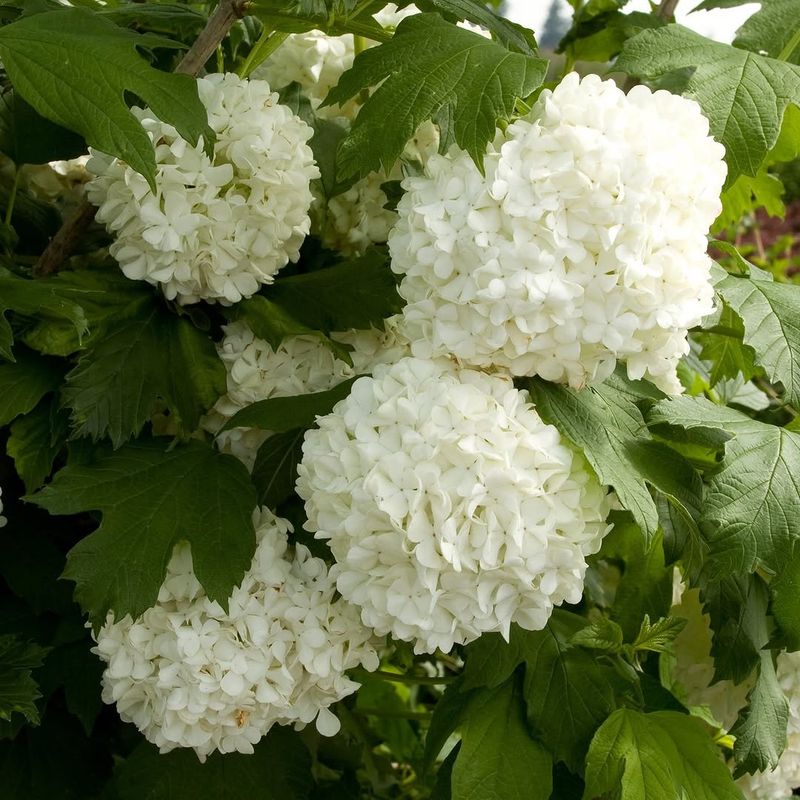
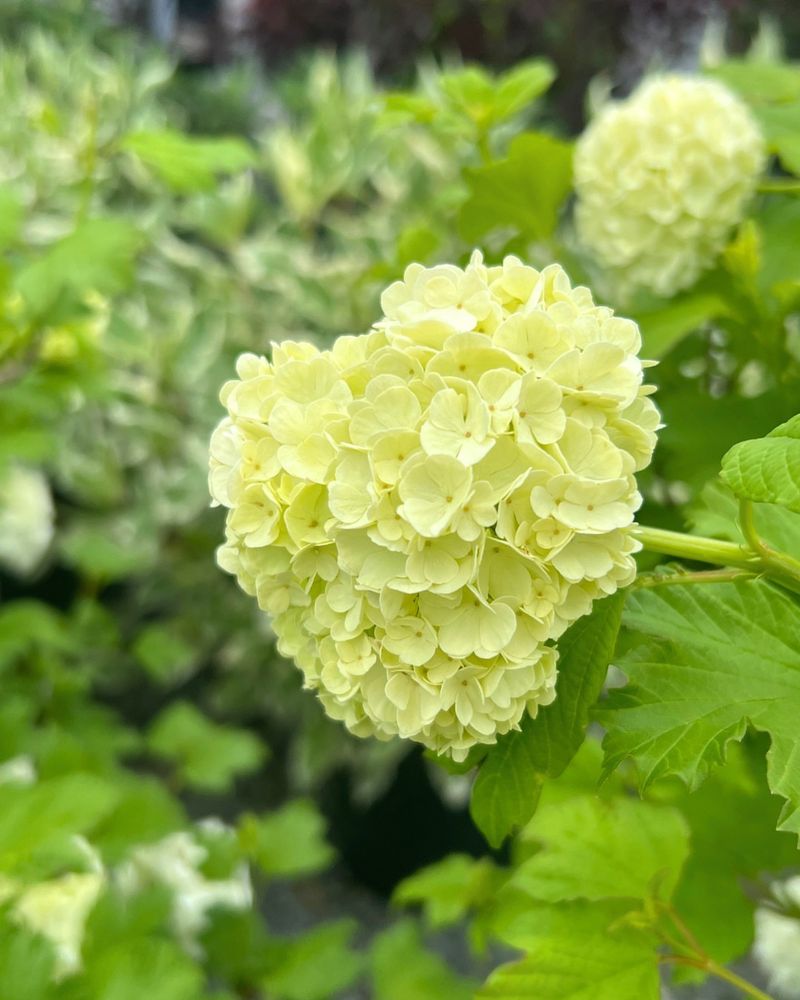
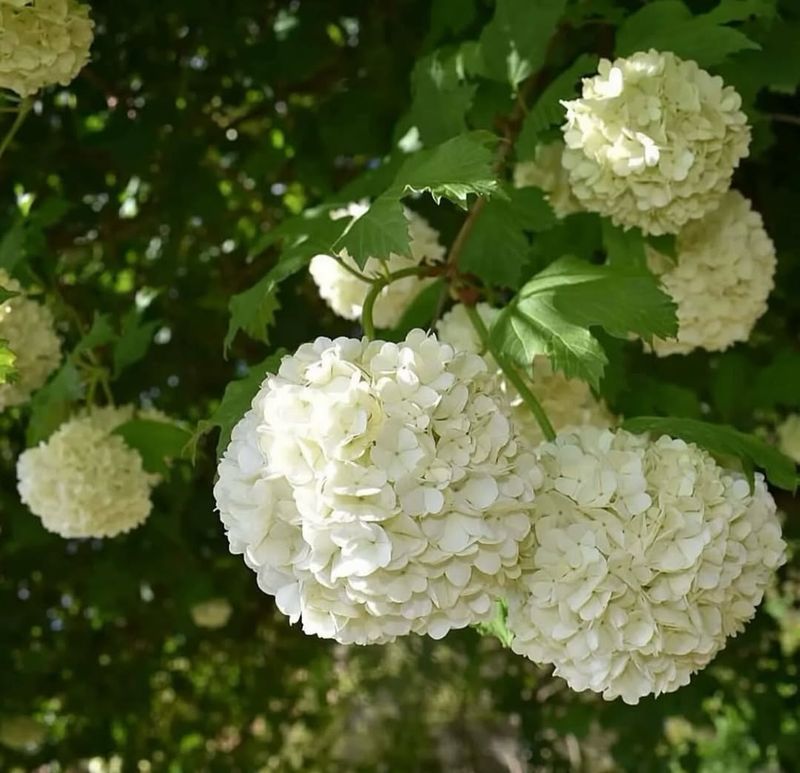
Round, white, and absolutely packed with petals — Snowball Viburnum blooms stop people in their tracks every single spring.
The flower clusters can reach the size of a softball, which is exactly why so many Georgia gardeners do a double-take when they first spot one growing in a neighbor’s yard.
Each cluster is made up of dozens of tiny individual flowers pressed together into one tight, globe-shaped ball. The effect is bold and dramatic without being over the top.
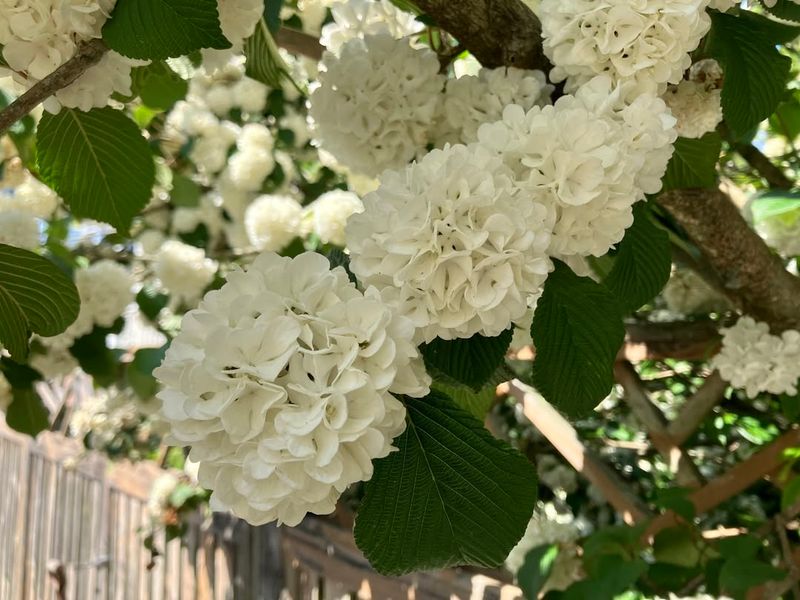
When the shrub is in full bloom, it can hold dozens of these clusters all at once, creating a cloud-like display that is genuinely hard to beat.
Compared to hydrangea blooms, these clusters hold their shape really well and do not flop over even after a rain. Hydrangea flowers are beautiful, but they can get heavy and droop when wet.
Viburnum blooms stay upright and perky through most spring weather, which makes a big difference in how the plant looks from week to week.
Blooms typically appear in mid-spring across most of Georgia, right around the time dogwoods are finishing up. The timing is perfect because it fills that gap between early spring bloomers and summer flowers.
Gardeners in the Atlanta area and along the coast both report strong blooming seasons, though the exact timing can shift a week or two depending on how warm the winter was.
2. This Flowering Shrub Thrives In Georgia’s Warm And Humid Climate
Georgia summers are brutal, and plenty of plants that look great at the nursery in April end up struggling by July.
Snowball Viburnum handles the heat and humidity far better than most flowering shrubs, which is a huge reason it keeps showing up in Georgia landscapes year after year.
Hydrangeas, especially the big-leaf varieties, often turn crispy along the edges during a Georgia heat wave. They need consistent moisture and can look pretty rough by August.
Viburnum does not have that same sensitivity. Once it gets comfortable in your yard, it pushes through hot stretches without much drama.
Georgia’s humidity, which drives some gardeners crazy, actually suits Viburnum well. High moisture in the air helps the foliage stay green and fresh-looking even when rainfall is a little inconsistent.
You will notice the leaves look healthier here than they might in drier climates out west.
Your Georgia Garden Changes Every Week. Your Plan Should Too.
Gardening in Georgia changes quickly throughout the season. Every Friday you’ll receive a simple weekly plan showing exactly what to plant, prune, fertilize, harvest, and protect so you never miss the right timing.
Coastal Georgia gardeners have had especially good results because the milder winters along the coast mean the shrub rarely faces a hard freeze.
In north Georgia, where temperatures can dip lower, Snowball Viburnum still performs well because it has solid cold hardiness for the region.
Across zones 5 through 8, which covers virtually all of Georgia, this shrub fits right in. Whether your yard is in Savannah, Macon, or the foothills near Dahlonega, the climate is well within the range where this plant genuinely thrives without constant babysitting.
3. Snowball Viburnum Grows Well In Full Sun To Partial Shade
Shade is one of the biggest headaches in Georgia gardening. Tall pines and mature oaks block out huge patches of yard, and finding flowering shrubs that actually bloom under those conditions is a real challenge.
Snowball Viburnum handles partial shade surprisingly well, which opens up planting spots that most flowering shrubs simply cannot use.
Full sun gives you the most flowers and the most compact growth habit. If your yard gets six or more hours of direct sun, plant it there and expect a heavy bloom show every spring.
Afternoon shade in a spot that gets morning sun is also a great setup, especially in south Georgia where afternoon heat is intense from June through September.
Partial shade locations, like the edge of a tree line or the north side of a fence, still produce decent blooms. You might get slightly fewer flower clusters, but the foliage stays lush and the plant looks healthy all season.
Deep shade under dense tree canopies is where performance starts to drop noticeably, so avoid spots that get fewer than three hours of sun daily.
One practical tip for Georgia gardeners: if your yard has a mix of sun and shade throughout the day because of moving shadows from trees, Viburnum usually handles that shifting light pattern without any issues.
Hydrangeas can be fussy about those in-between spots, but Viburnum tends to adapt and still put on a good show come spring without you having to overthink the placement.
4. Well-Drained Soil Helps Viburnum Grow Strong In Georgia Gardens
Georgia soil is not always easy to work with. Red clay is everywhere across the Piedmont region, and it can drain poorly, compact easily, and stress out plants that need good root aeration.
Snowball Viburnum is more tolerant of clay than hydrangeas, but giving it well-drained soil still makes a noticeable difference in how fast and how healthy it grows.
If you are planting in heavy clay, the best move is to raise the planting area slightly or mix in a generous amount of compost before you put the shrub in the ground.
You do not need to go overboard, but loosening that clay and adding organic matter gives the roots room to spread out and breathe.
Sandy soils in coastal Georgia drain fast, so adding compost there helps retain enough moisture to keep the roots hydrated between rain events.
Avoid low spots in the yard where water pools after heavy rain. Sitting in soggy soil for extended periods can lead to root rot, which is one of the few conditions that seriously sets this shrub back.
Raised beds and sloped planting areas are naturally better-draining options if your yard has drainage problems.
Soil pH does not need to be perfect. Viburnum tolerates a fairly wide range, roughly 5.5 to 7.5, which covers most Georgia soils without amendment.
A basic soil test from your local extension office, available cheaply across the state, can tell you exactly where your yard stands and whether any adjustment is worth making before planting.
5. The Dense Growth Makes It A Beautiful Flowering Hedge Or Border Plant
Privacy hedges in Georgia need to be tough. Between the summer heat, the occasional ice storm in winter, and the persistent pest pressure, a lot of hedge plants look rough within a few years.
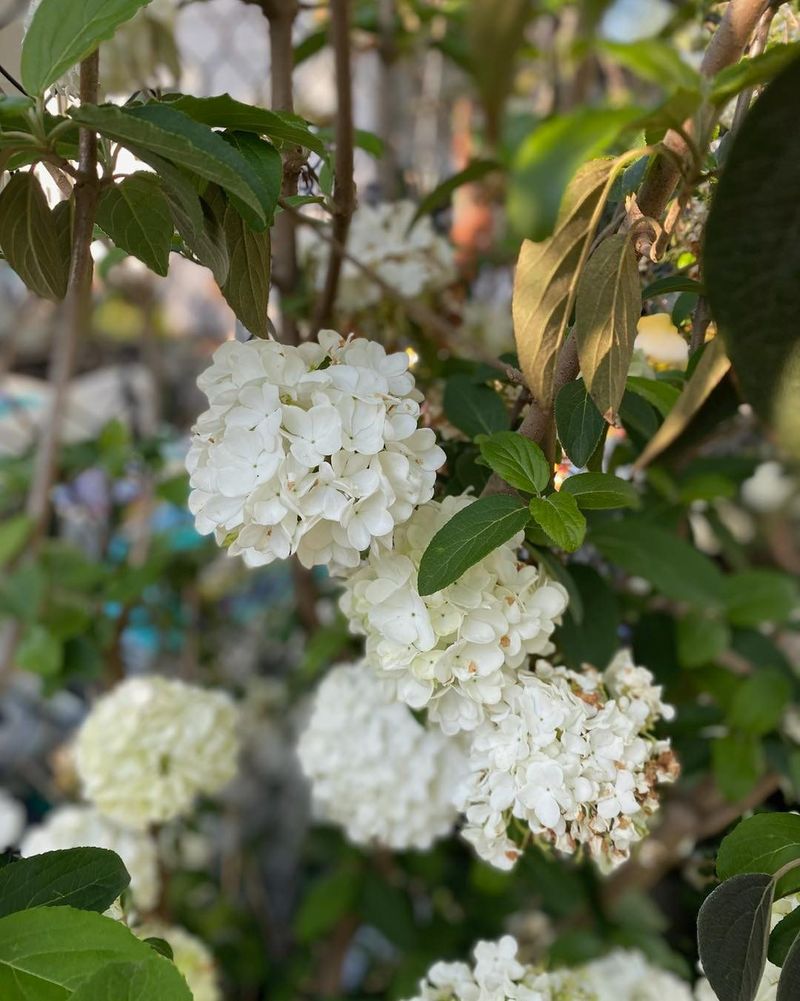
Snowball Viburnum fills in densely and holds its structure season after season, which is why it has become a go-to choice for border plantings across the state.
Planted in a row with about six to eight feet between shrubs, Viburnum fills in surprisingly fast. Within two or three growing seasons, you can have a solid, flowering hedge that provides real visual screening.
The dense branching habit means it does not look sparse or scraggly even in winter when the leaves drop.
As a border plant along driveways, fences, or property lines, it adds serious curb appeal every spring when those white clusters open up. Neighbors will ask what it is.
It has that kind of visual impact. The rest of the year, the dark green foliage is clean and attractive, so the border looks tidy even without flowers.
Compared to boxwood hedges, which struggle with blight in Georgia’s humid summers, Viburnum is a much more reliable choice for formal and informal hedges alike.
Gardeners in the suburbs of Atlanta and Augusta have been replacing struggling boxwood rows with Viburnum and seeing dramatically better results.
Spacing, soil preparation, and a little patience are really all it takes to get a hedge that performs year after year without constant intervention or replacement.
6. Spring Blooms Attract Bees And Other Pollinators

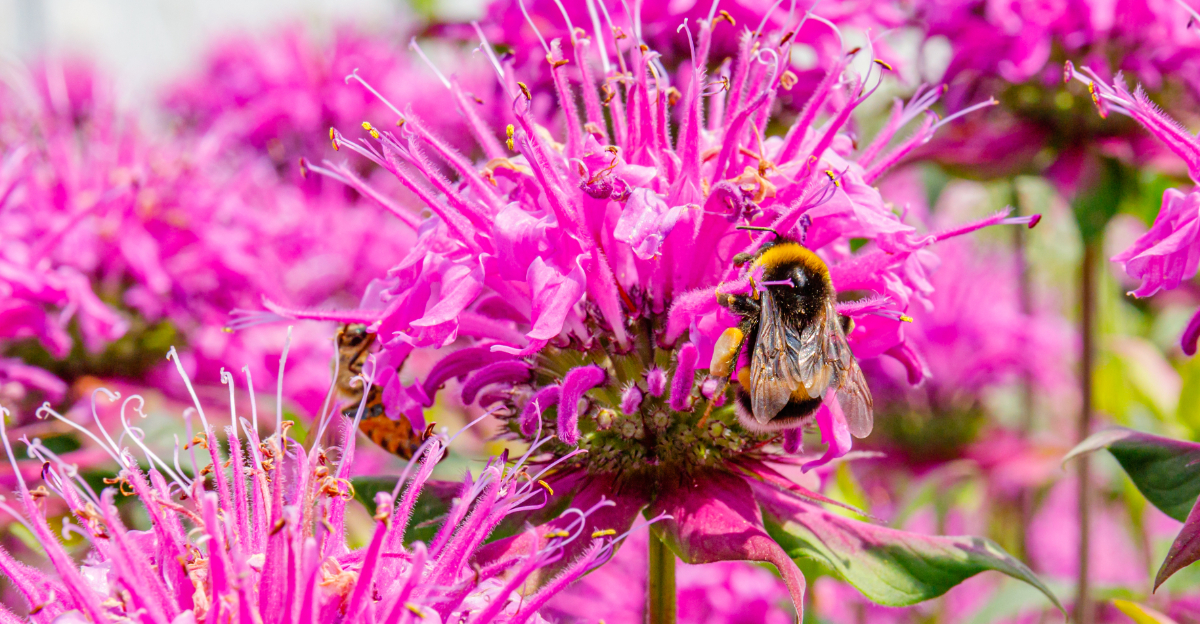
Watch a Snowball Viburnum in full bloom for five minutes and you will count more bees than you can keep track of.
The flowers are a serious pollinator magnet, and in a state like Georgia where pollinator habitat has been shrinking due to development, that matters more than most people realize.
Honeybees are regulars, but you will also spot native bumblebees, smaller sweat bees, and various flies working those flower clusters from morning to late afternoon on warm spring days.
Butterflies pass through too, especially swallowtails, which are common across Georgia from spring through fall.
Having a shrub that supports this kind of activity is genuinely good for the surrounding garden.
Pollinator visits to Viburnum also benefit nearby vegetables and fruit trees. If you grow tomatoes, peppers, or any kind of berry nearby, having a pollinator-rich shrub in the landscape helps increase fruit set.
Georgia gardeners who grow food alongside ornamentals have noticed this connection firsthand, especially in suburban yards where pollinator populations are not as dense as in rural areas.
Birds show up later in the season when Viburnum produces small berries after the flowers fade. Mockingbirds, robins, and cedar waxwings are known to visit for the fruit, which adds another layer of wildlife activity to the yard through late summer and fall.
Planting Viburnum is essentially adding a working habitat piece to your landscape, not just a decorative shrub. That combination of beauty and ecological function is hard to find in a single plant.
7. Snowball Viburnum Needs Only Light Pruning After Flowering
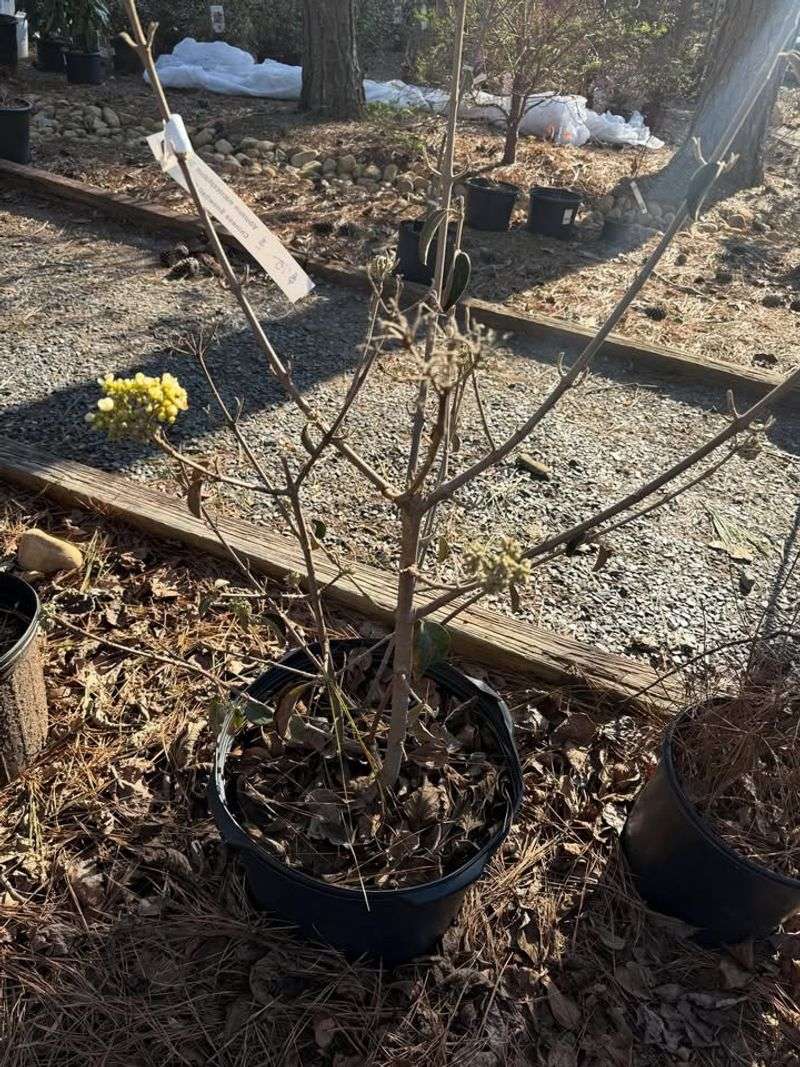
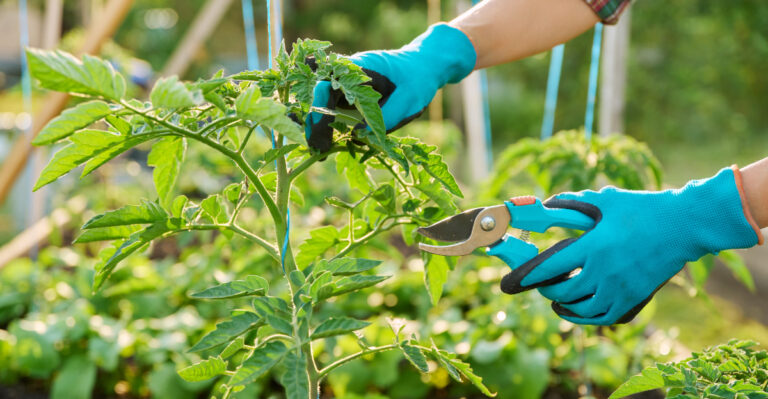
Pruning is where a lot of gardeners accidentally wreck their flowering shrubs. Cut at the wrong time and you lose next year’s blooms entirely.
Snowball Viburnum keeps the pruning schedule simple: do it right after the flowers fade in late spring and you are in good shape.
Viburnum sets next year’s flower buds on old wood during summer and fall. Pruning in late summer, fall, or winter removes those buds before they ever get a chance to open.
Stick to a window of about four to six weeks after the last flower drops, and you avoid that problem completely. A few cuts to shape the shrub or remove any awkward crossing branches is genuinely all it needs.
Heavy pruning is rarely necessary. Snowball Viburnum grows at a moderate pace and tends to develop a naturally rounded shape without much intervention.
If a branch gets too long or leans out past where you want it, trim it back. No need to cut the whole shrub hard unless it has gotten severely overgrown over many years without any attention.
Georgia gardeners who have switched from hydrangeas often mention how much simpler the pruning routine is with Viburnum. Hydrangeas, especially the repeat-blooming varieties, come with a whole set of instructions about when and how much to cut.
Viburnum skips most of that complexity. Snip what bothers you right after bloom, leave the rest alone, and come back next spring to a shrub that looks great without much effort on your part throughout the rest of the year.