The Right Way To Trim Gardenias In Georgia For Bigger Summer Blooms
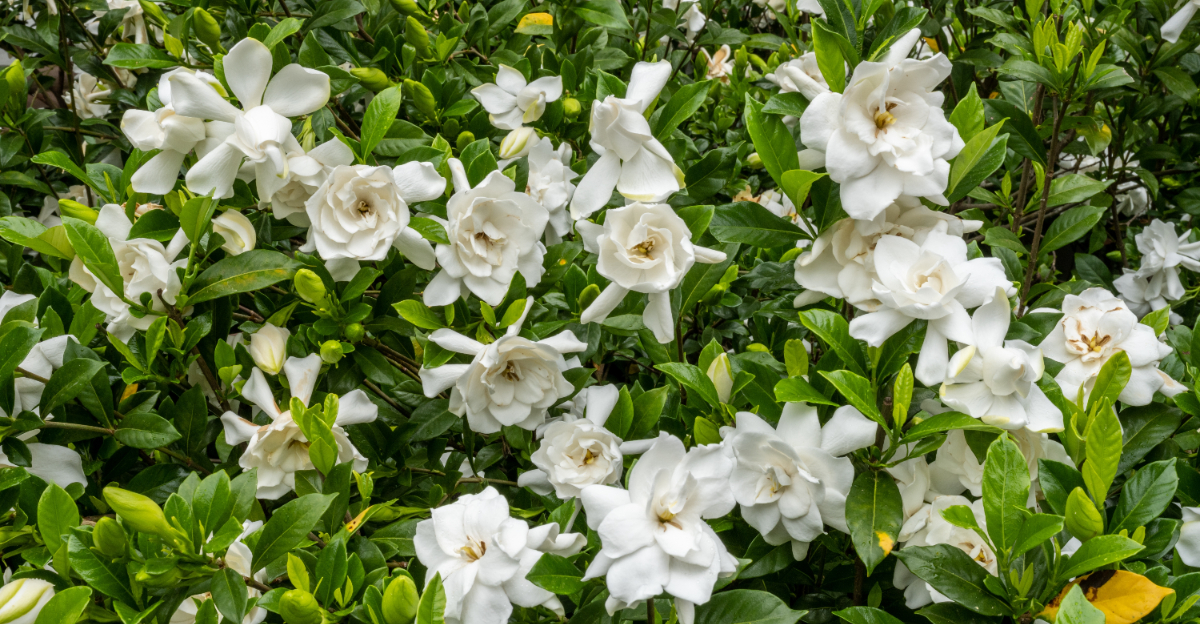
Gardenias are one of those plants that instantly stand out in a Georgia garden. Their glossy evergreen leaves and rich white flowers bring both beauty and fragrance that many gardeners look forward to every year.
When a gardenia is healthy, the scent alone can make a garden feel completely different once the blooming season arrives.
But when gardenias start growing unevenly or producing fewer flowers, many gardeners begin wondering if trimming might help.
The challenge is that gardenias respond best to pruning at the right moment, and cutting them back the wrong way can reduce the number of blooms that appear later.
With the right timing and a careful approach, trimming can actually help gardenias grow fuller and produce stronger flowering branches as summer approaches in Georgia gardens.
1. Trim Gardenias In Georgia Right After Spring Flowering
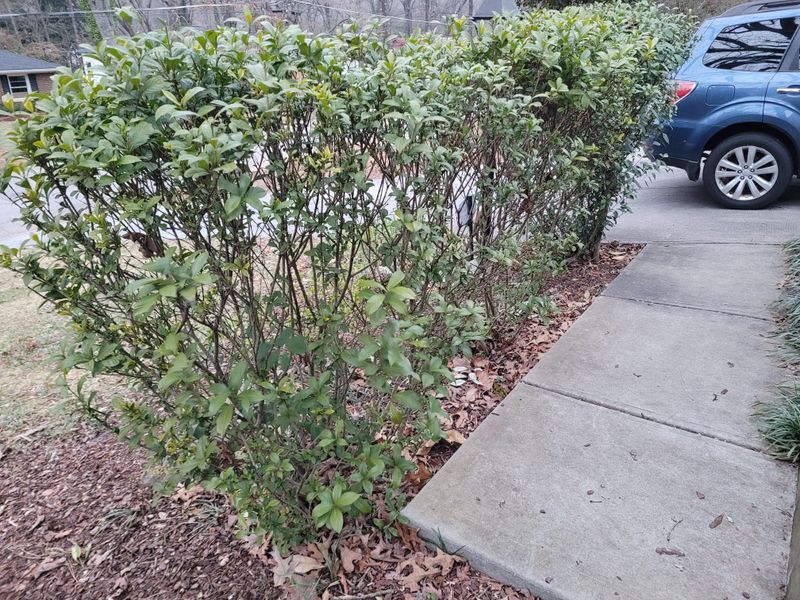
Timing is everything with gardenias, and most people in Georgia get it wrong by waiting too long. Right after the last flowers fade in late spring, that is your window.
Prune too early and you cut off blooms still forming. Wait until July or August and you risk clipping off the buds already set for next year.
In Georgia, gardenias typically finish their main bloom cycle somewhere between late May and mid-June, depending on where you are in the state.
North Georgia gardeners near the mountains may see blooms wrapping up a little later than folks down in Savannah or Macon.
Pay attention to your specific shrub rather than following a fixed calendar date.
Once you notice the flowers browning and dropping on their own, that is your green light. Grab your pruners within a week or two and get to work.
Waiting longer than a month after blooming ends starts to cut into the time the plant needs to grow new wood and set buds for the following summer.
Gardenias bloom on old wood, which means the branches that grew this season will carry next year’s flowers. Pruning right after bloom gives those new branches the entire summer growing season to develop properly.
Skip this window and you are essentially trading next summer’s flowers for nothing.
Plenty of Georgia gardeners have learned this lesson the hard way after pruning in September and wondering why their plants barely bloomed the following year. Stick to the post-bloom window and your shrubs will thank you with a much fuller show next season.
2. Remove Winter-Damaged Or Weak Gardenia Stems
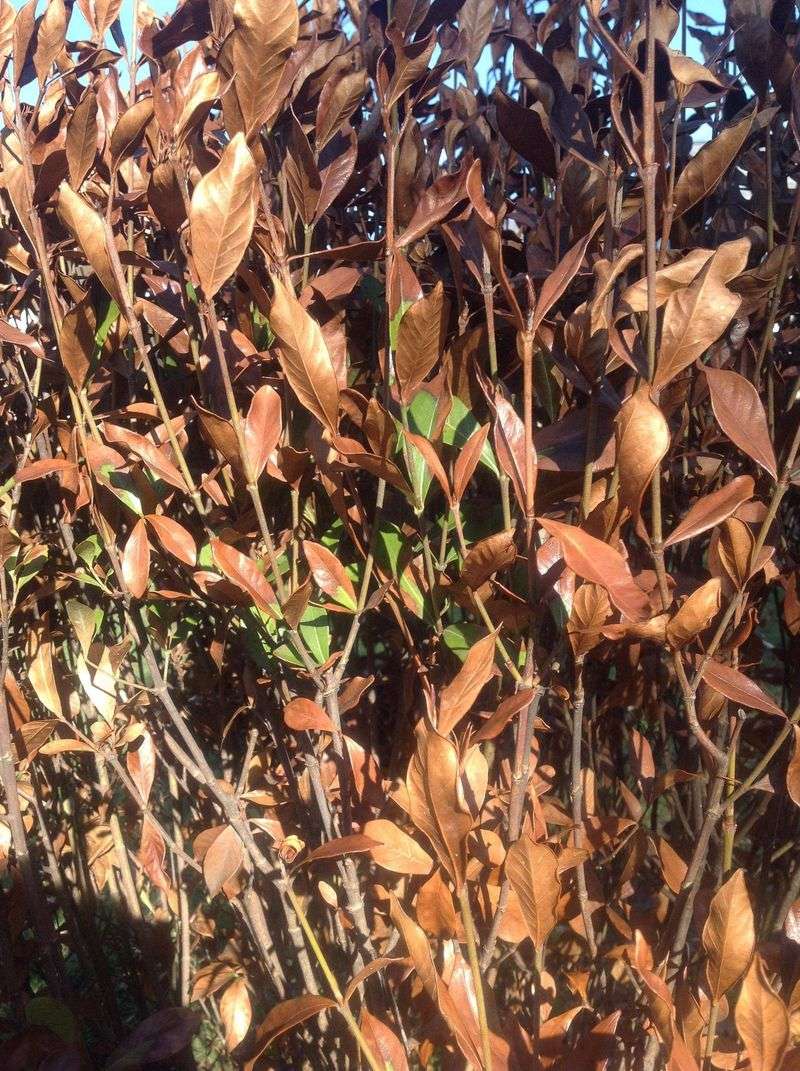
Winter in Georgia can be sneaky. One week it is 65 degrees, and the next a cold snap drops temperatures into the low twenties overnight.
Gardenias, especially those growing in the northern parts of the state, often come out of winter with some real damage showing on their stems and leaves.
Before you do any shaping, walk around your gardenia and look closely at the stems. Damaged wood usually looks darker, feels hollow or brittle when you bend it slightly, and may have bark that is cracked or peeling.
Healthy stems are firm and show green just under the surface when you scratch them lightly with a fingernail.
Your Georgia Garden Changes Every Week. Your Plan Should Too.
Gardening in Georgia changes quickly throughout the season. Every Friday you’ll receive a simple weekly plan showing exactly what to plant, prune, fertilize, harvest, and protect so you never miss the right timing.
Cut damaged stems back to a point where the wood looks healthy and solid. Do not leave stubs sticking out because those become entry points for disease and pests.
Make your cut just above a leaf node or healthy side branch so the plant has a clean starting point for new growth.
Weak, spindly stems that produced little or no growth last year are also worth removing. Stems that are pencil-thin and barely hanging on are not going to suddenly produce strong blooms.
Removing them redirects energy toward the branches that actually have potential.
Georgia gardeners growing gardenias in containers or against south-facing walls often see less winter damage than those growing in open beds. But even protected plants can have a few stems worth cleaning up.
Taking this step before your main pruning session makes the whole process more organized and gives you a clearer picture of the shrub’s real structure.
3. Lightly Shape The Shrub Without Cutting Too Deep
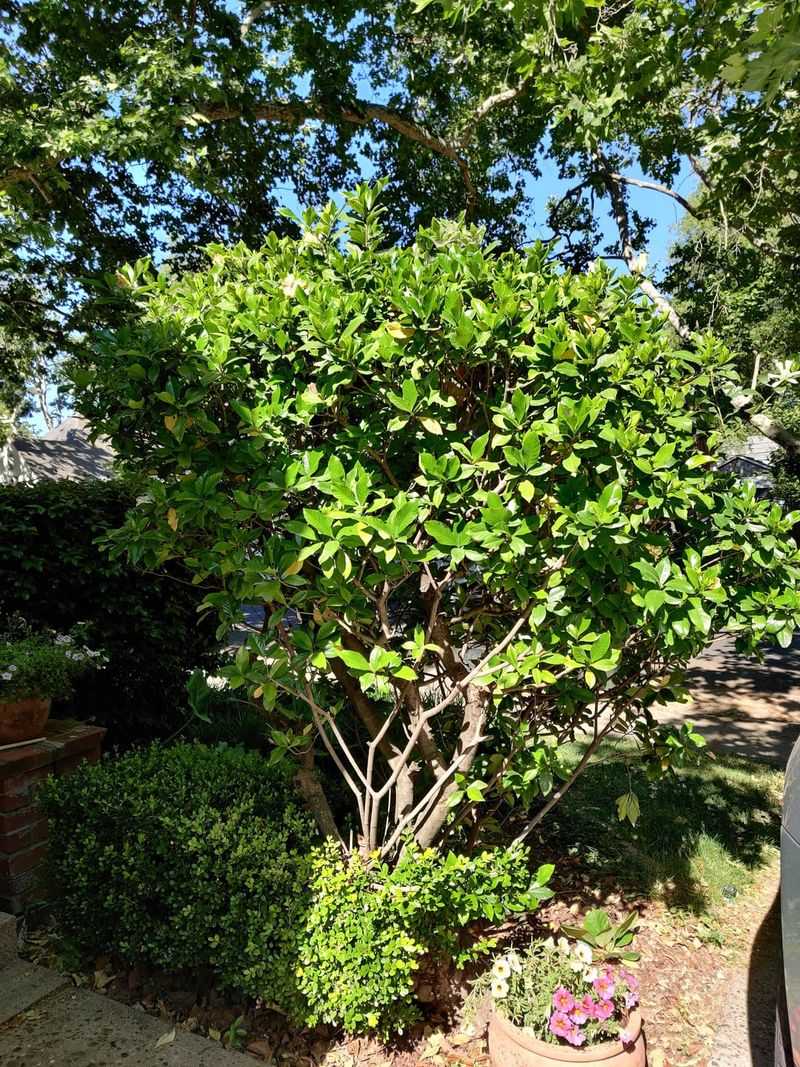
Heavy pruning and gardenias do not mix well. Walk into any Georgia nursery and ask the staff what mistake they see most often, and over-pruning will come up fast.
People grab their hedge trimmers and go to town, cutting plants back by half or more, then wonder why blooms are sparse for the next two summers.
Light shaping is the goal here. You are not trying to cut the plant down to size.
You are cleaning up the outline, removing branches that are crossing or rubbing, and encouraging a slightly more compact form without stripping away productive wood. Think of it more like a haircut than a renovation.
A good rule of thumb is to avoid removing more than one-third of the plant in a single pruning session. In most cases, you will not even need to go that far.
A few inches off the longest branches, a bit of cleanup on the sides, and some attention to the interior is usually plenty.
Gardenias have a naturally rounded, mounded shape that is actually quite attractive when left mostly alone. Fighting that natural form by trying to make them perfectly square or flat-topped creates more work and fewer blooms.
Let the plant do what it wants to do, and just guide it gently.
Down in coastal Georgia, where heat and humidity push gardenias to grow fast, you might need to do slightly more shaping than gardeners in cooler parts of the state. Even so, keep cuts conservative.
A little patience with light pruning pays off far more than aggressive cutting ever will.
4. Avoid Pruning Once New Flower Buds Begin Forming
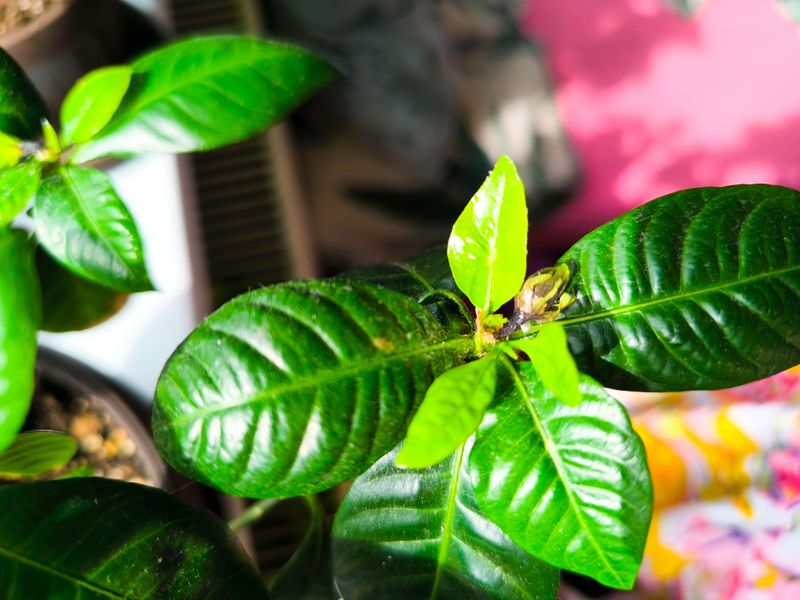
Somewhere around mid to late summer, gardenias quietly start setting buds for the following year. You cannot always see them clearly at first, but they are there.
Pruning during this period is one of the fastest ways to guarantee a disappointing bloom season next year.
Bud formation in Georgia typically begins in August and continues into early fall. By this point, your pruning season should already be well behind you.
If you missed the post-bloom window and are thinking about trimming in August, put the pruners away. Cutting now almost certainly means cutting off buds that will not come back until the following season.
Gardenia buds look like small, rounded bumps sitting right at the tips of stems or just below the growing ends of branches. Once you know what to look for, they are easy to spot.
Checking your plants in late July gives you a heads-up on whether bud set has started before you accidentally grab the pruners for a late-season cleanup.
Some Georgia gardeners get tempted to do a quick trim in fall when the weather cools down and they have more energy for yard work. Resist that urge.
Fall pruning stimulates new soft growth that has no time to harden before winter temperatures arrive, and it removes the buds that were quietly waiting to open next summer.
Patience is genuinely the skill here. Once the blooms are done and you have done your post-bloom shaping, step back and let the plant do its thing through the rest of summer and fall without interruption.
5. Thin Crowded Branches To Improve Airflow
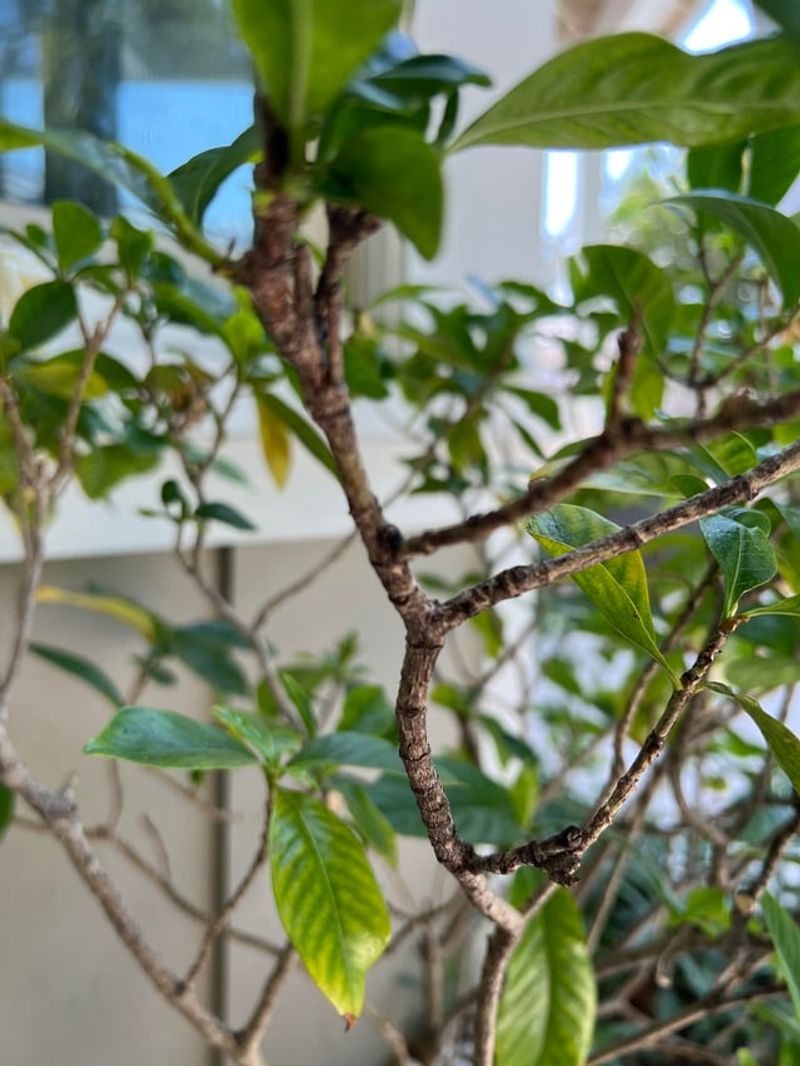
Gardenias in Georgia deal with serious humidity from June through September. That moisture-heavy air is perfect for fungal issues, especially when a shrub is packed so tightly that air cannot move through its interior at all.
Thinning crowded branches is not just about looks. It is actually about plant health.
Look into the center of your gardenia and notice how dense it is. If you can barely see light passing through from one side to the other, that is a sign the interior needs some attention.
Stems that cross over each other, branches growing straight toward the center instead of outward, and any woody tangles near the base are all candidates for removal.
When thinning, remove entire stems rather than just shortening them. Cutting a branch halfway just creates two new stems where there was one, which can actually make crowding worse over time.
Trace the stem back to where it originates and remove it cleanly at that point.
Opening up the interior does a few things at once. Air moves through more freely, which reduces the damp conditions that fungal problems love.
Sunlight reaches more of the plant, which helps with overall vigor. Remaining branches get better access to water and nutrients since there is less competition from unnecessary stems.
Gardenias growing in shaded spots around Georgia homes tend to get congested faster than those in full sun because they grow more slowly and unevenly.
If your shrub sits under a tree canopy or against a shaded fence, thinning the interior regularly is especially worthwhile and should not be skipped during your annual pruning routine.
6. Use Clean, Sharp Pruners To Protect Healthy Growth
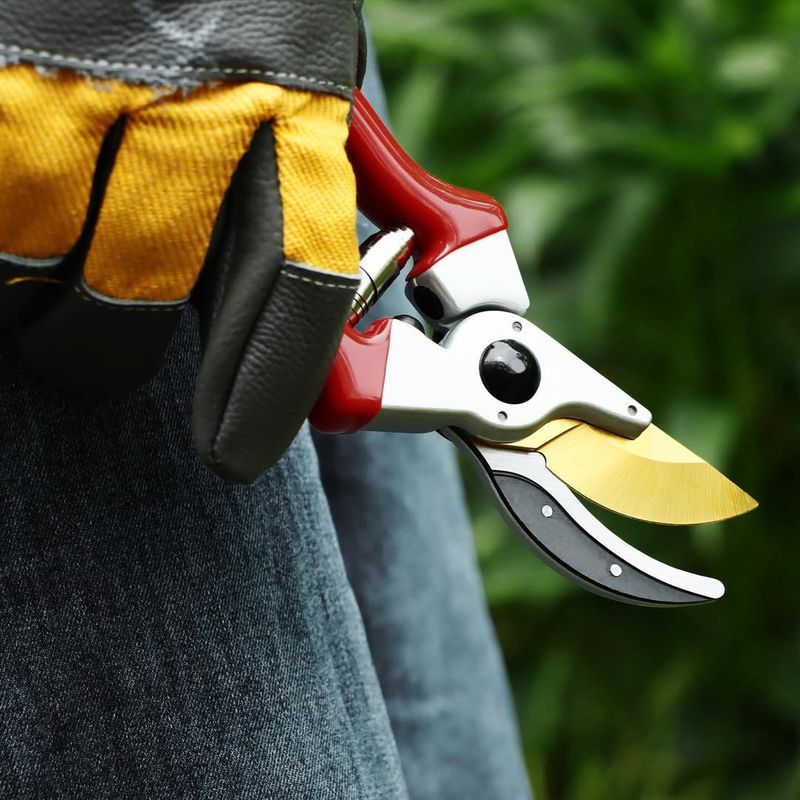
Dull, dirty pruners do more harm than most gardeners realize. Ragged cuts made with a dull blade do not heal cleanly.
Instead of sealing over neatly, the wound stays rough and open longer, which gives bacteria and fungal spores a much easier path into the plant’s tissue.
Before you start pruning your gardenias, take a minute to sharpen your pruners if the blade feels at all resistant when you squeeze. A sharp bypass pruner should slice through a green stem cleanly in a single motion without you needing to saw back and forth.
If you are working that hard, the blade needs attention.
Cleaning matters just as much as sharpness. Wiping the blades with a cloth dampened with 70% isopropyl alcohol between plants takes about thirty seconds and can prevent spreading disease from one shrub to another.
Georgia’s warm, humid summers create ideal conditions for plant pathogens, so this small habit carries real weight in a Southern garden.
Bypass pruners are the right tool for most gardenia work. They cut with a scissor-like action that is much gentler on stems than anvil-style pruners, which crush the tissue as they close.
Crushed stem tissue heals slowly and is more vulnerable to infection than a clean slice.
Keep a small bottle of rubbing alcohol in your garden bag during pruning season. Wipe down the blades after finishing each plant, and give them a proper cleaning and light oiling before you put them away for storage.
Pruners that are cared for properly last for years and do noticeably better work every single time you use them.
7. Stop Trimming By Late Summer To Protect Next Year’s Buds
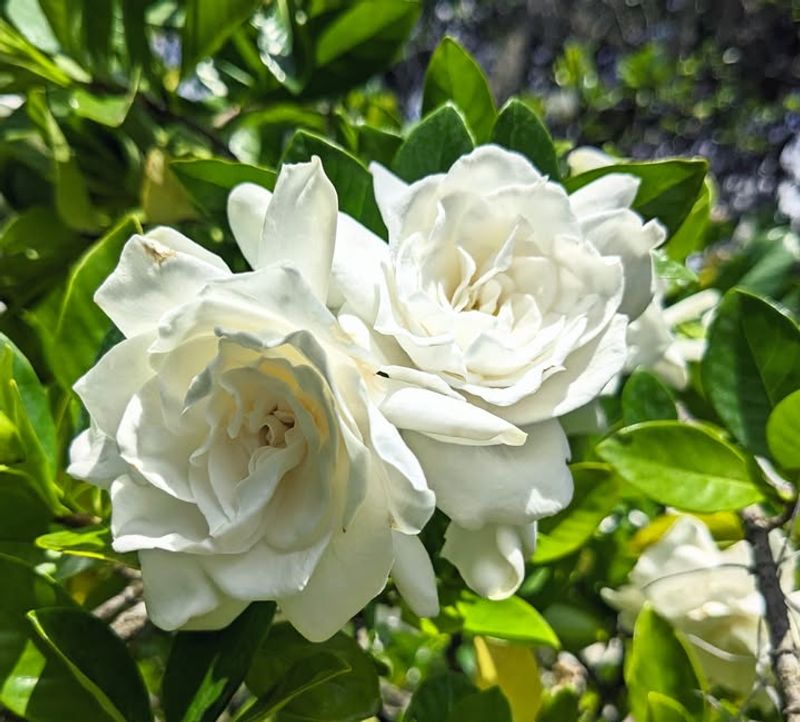
Late summer is when most experienced Georgia gardeners put their pruners away and leave gardenias completely alone. By mid-August at the latest, any trimming you do is working against the plant rather than helping it.
Next year’s bloom depends entirely on what happens between now and the following spring.
Gardenias need the second half of summer and all of fall to do their quiet work. Bud development, stem hardening, and energy storage are all happening during this period.
Interrupting that process with pruning, even just a light trim, disrupts the rhythm the plant has built up over the growing season.
A helpful habit is to mark your calendar in late July as a reminder to stop. Some Georgia gardeners set a hard rule for themselves: no pruning after the Fourth of July.
That gives a comfortable buffer before bud set typically begins and removes the temptation to sneak in a late-season cleanup trim.
If a branch breaks due to storm damage or pest activity in August or September, go ahead and remove just that branch. Emergency cleanup for physical damage is different from elective pruning.
But avoid any general shaping or thinning work once summer starts winding down.
Gardeners across Georgia who follow this late-summer cutoff consistently report fuller, more fragrant bloom seasons compared to those who prune on a loose or inconsistent schedule.
It sounds almost too simple, but stopping at the right time is genuinely one of the most impactful things you can do for your gardenias year after year.