What California Gardeners Should Divide In March For Free Plants
March has a way of making gardeners feel ambitious. The days get a little brighter, the soil warms up, and suddenly every plant in the yard looks like an opportunity.
If you’ve been itching to expand your garden without spending a dime, this is the moment to pay attention to what’s already growing happily in your beds.
Many perennials wake up in early spring ready to stretch out and multiply. Give them a gentle dig, split them into smaller sections, and just like that you’ve got extra plants ready for new spots in the garden.
It’s basically the gardener’s version of a buy one, get three free deal. Even better, dividing plants often helps them grow stronger and healthier.
Crowded roots get breathing room, fresh growth kicks in, and your garden fills out faster than you expected.
A shovel, a little curiosity, and a spare patch of soil can turn one plant into several before spring really gets going.
1. Daylilies
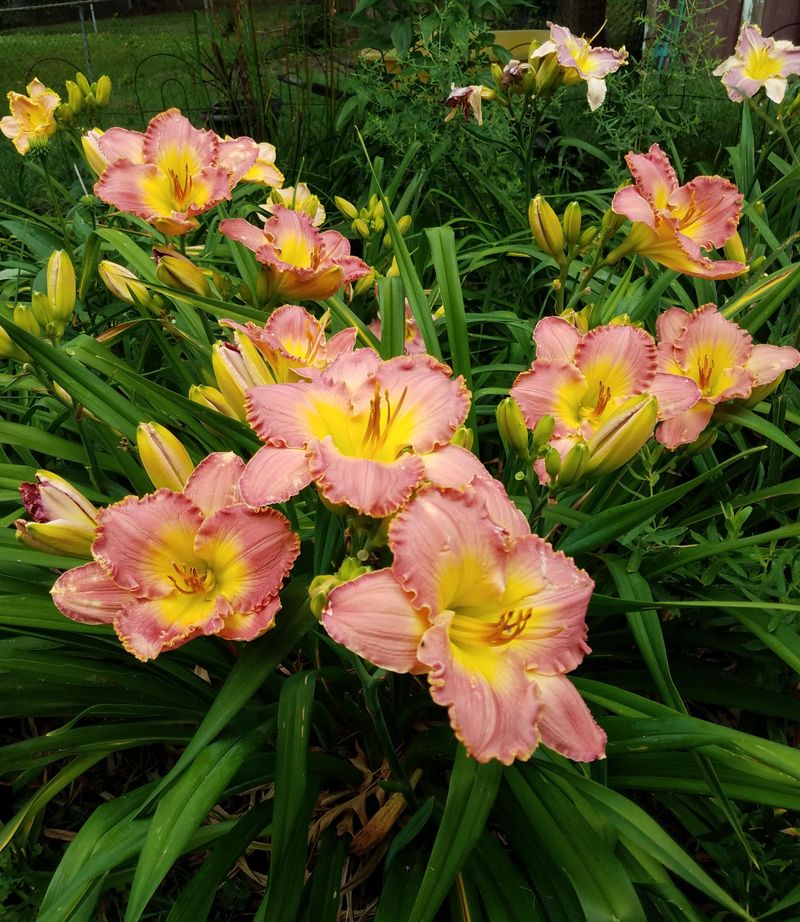
Few plants reward a California gardener quite like daylilies. These cheerful, sun-loving perennials spread quickly and form thick clumps that, over time, start competing with themselves for water and nutrients.
Dividing them every three to four years keeps them blooming at their best.
To get started, water the clump the day before so the soil is easier to work with. Use a sharp spade or garden fork to lift the entire root mass out of the ground.
You will likely find a dense tangle of fleshy roots, which is completely normal.
Pull the clump apart into smaller sections by hand, or use a knife if needed. Each new section should have several healthy shoots attached.
In California, March is ideal because the plants are just waking up and will settle into their new spots before summer heat arrives.
Replant your divisions right away at the same depth they were growing before. Water them well after planting.
Within a few weeks, you will see fresh growth taking off. Daylilies are tough, adaptable plants that forgive almost any mistake a beginner might make.
2. Hostas
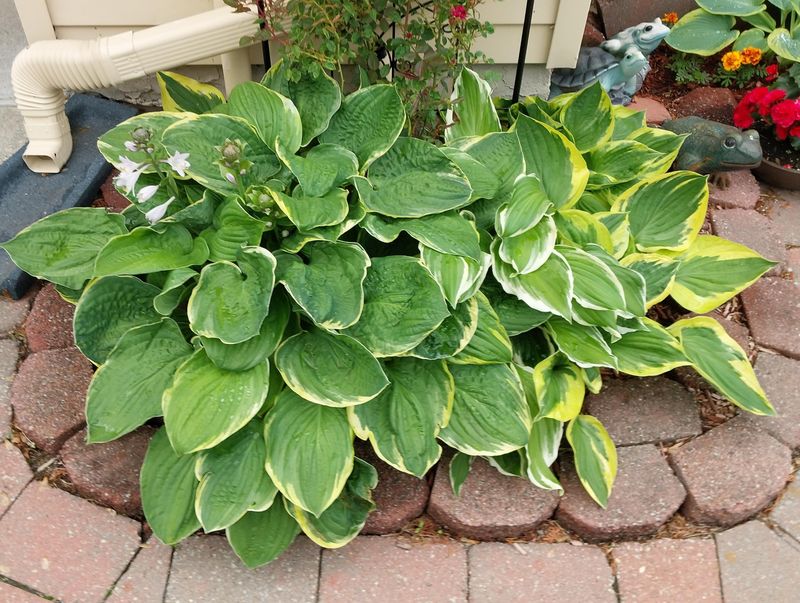
Hostas are the quiet workhorses of shady California gardens. They grow slowly but steadily, and after a few years they form impressive clumps that can crowd out neighboring plants.
March is a smart time to divide them because the new shoots, called eyes, are just poking through the soil and are easy to see.
Start by digging around the outer edge of the clump with a garden fork. Lift the whole plant gently to avoid breaking the roots.
Once it is out of the ground, you can see how many growing points are clustered together.
Use a clean, sharp knife or spade to cut the clump into sections. Each piece needs at least one healthy eye to grow into a new plant.
Smaller divisions take longer to fill in, so aim for sections with three or more eyes if possible.
Replant each division in a shaded or partly shaded spot with rich, moist soil. California gardeners in coastal areas will find hostas especially happy in their naturally cool, foggy conditions.
Your California Garden Changes Every Week. Your Plan Should Too.
Gardening in California changes quickly throughout the season. Every Friday you’ll receive a simple weekly plan showing exactly what to plant, prune, fertilize, harvest, and protect so you never miss the right timing.
Water well and mulch around the base to hold moisture. You will have a full, beautiful hosta again before summer.
3. Shasta Daisies
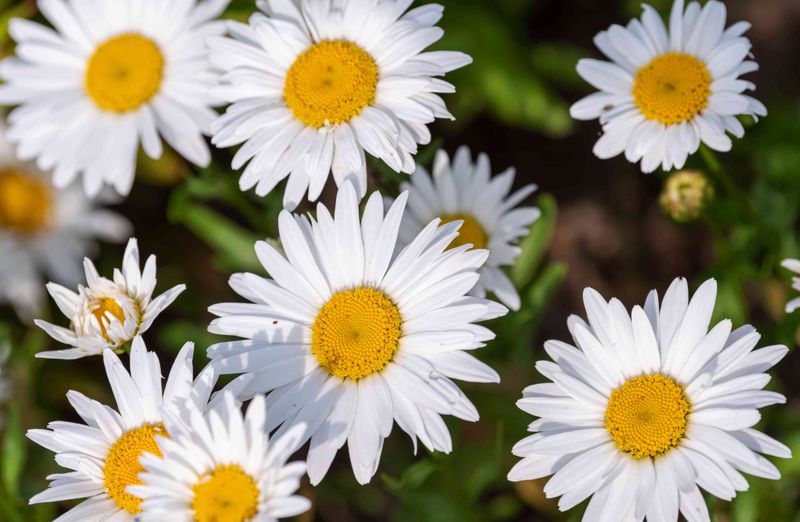
There is something wonderfully classic about Shasta daisies. Their crisp white petals and sunny yellow centers bring a cheerful, old-fashioned charm to any California garden.
But here is the thing: they spread fast, and a clump that looks great in year one can turn woody and sparse by year three or four.
Dividing them every three to five years solves that problem completely. March is the right month to do it in California, just as fresh foliage begins to emerge from the base of the plant.
The new growth makes it easy to spot the healthiest sections worth keeping.
Lift the clump out of the ground with a fork and shake off excess soil. You will notice the center of an older clump often looks tired and dead.
Discard that middle section and keep the vigorous outer growth instead. Each division should have a good root system and several leafy shoots.
Replant the divisions in full sun with well-draining soil. Shasta daisies do well across most of California, from the Central Valley to coastal gardens.
Water regularly until they are established. Come summer, you will have fresh, blooming plants that look like they were there all along.
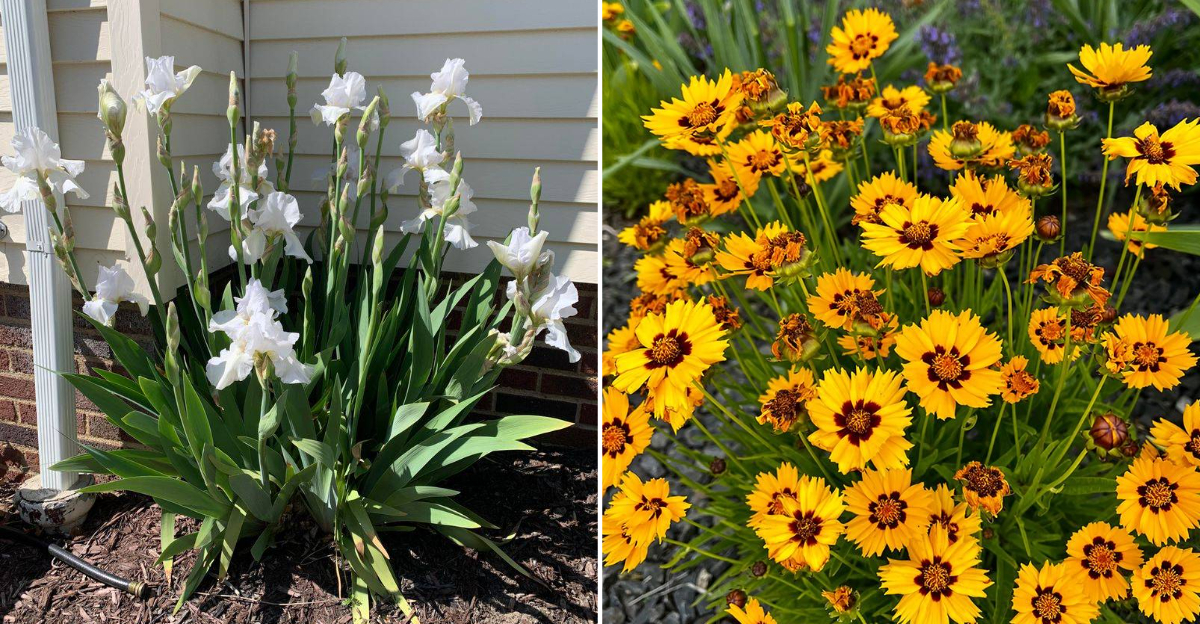
4. Bearded Iris
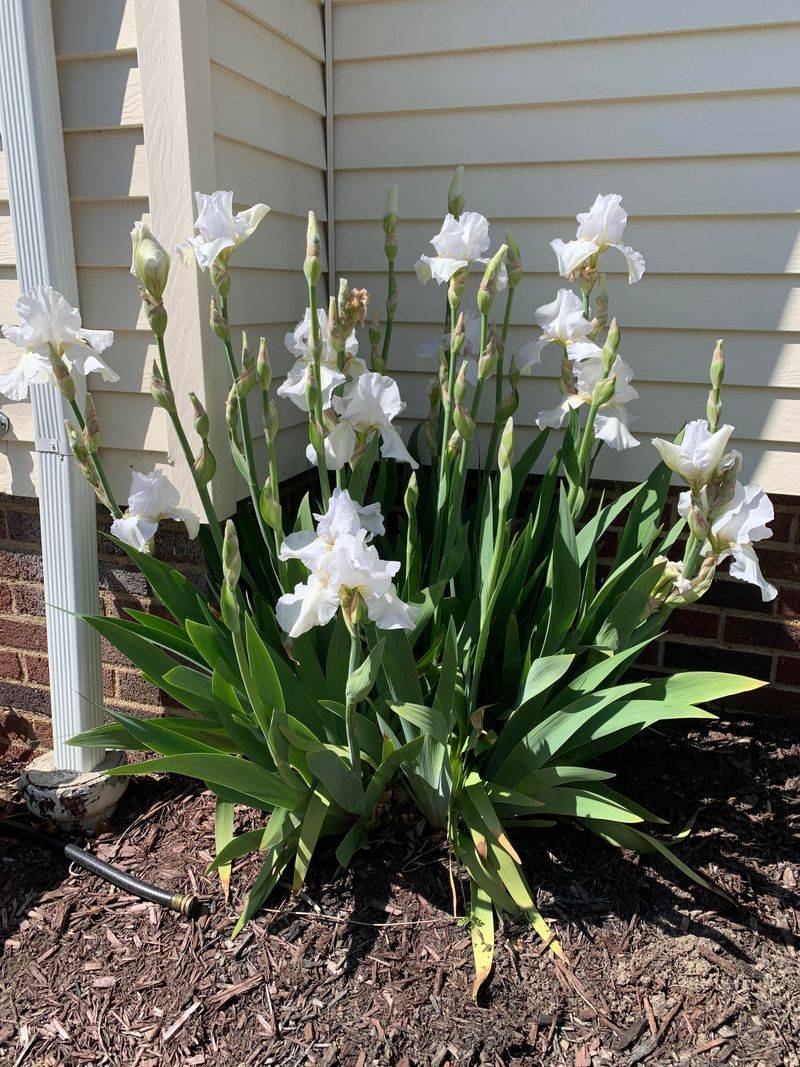
Bearded iris is one of the most dramatic flowers a California gardener can grow. Tall, ruffled blooms in shades of purple, gold, white, and burgundy make them true showstoppers.
Over time, though, the rhizomes multiply and crowd each other out, which leads to fewer flowers each season.
March is a good time to check on your iris beds and divide any clumps that look overcrowded. You can usually tell when division is needed because the center of the clump becomes bare while new growth pushes outward.
Dividing every three to five years keeps the blooms coming strong.
Use a garden fork to lift the entire clump, then break it apart by hand or cut with a sharp, clean knife. Each division needs a healthy rhizome, which looks like a thick, slightly flat root, along with a fan of green leaves.
Trim the leaves down to about six inches to reduce stress on the plant after replanting.
Plant each rhizome so the top is just barely at soil level. Burying it too deep reduces blooming.
California gardeners in warm inland areas should give bearded iris a spot with full sun and excellent drainage. With a little patience, they will reward you with stunning spring color for years.
5. Agapanthus
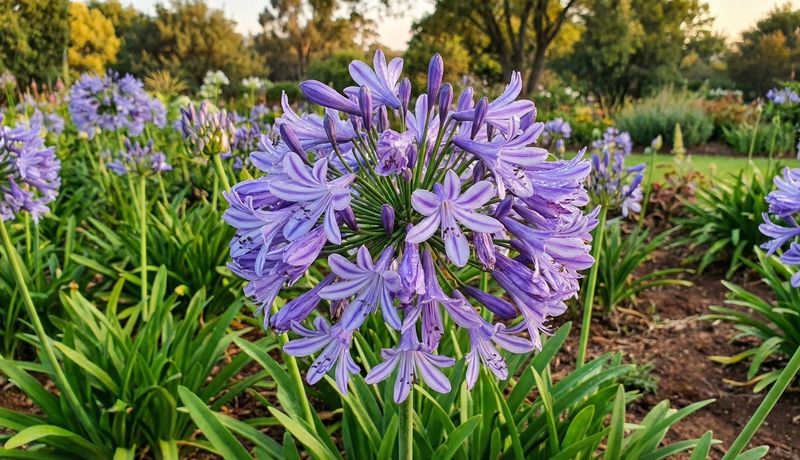
Walk through almost any California neighborhood in summer and you will spot agapanthus lining driveways and garden borders. Those bold blue and white flower globes are iconic here.
What many gardeners do not realize is that dividing overgrown clumps in March actually leads to more blooms, not fewer.
Agapanthus forms very dense, fleshy root systems that become almost impossible to dig after several years. Getting to them early in March, before the heat of summer, makes the job much easier.
Water the plant a day ahead to soften the soil around the roots.
Use a sharp spade to cut straight down through the clump and lift sections free. The roots are thick and tough, so do not be surprised if it takes some effort.
Each division should have several leaves and a good chunk of roots attached to it.
Replant divisions in full sun or light shade with good drainage. Agapanthus is incredibly drought-tolerant once established, making it a perfect fit for water-conscious California gardens.
Space them about eighteen inches apart so they have room to fill in. Within one to two growing seasons, your new divisions will be blooming just as beautifully as the original plant did.
6. Yarrow
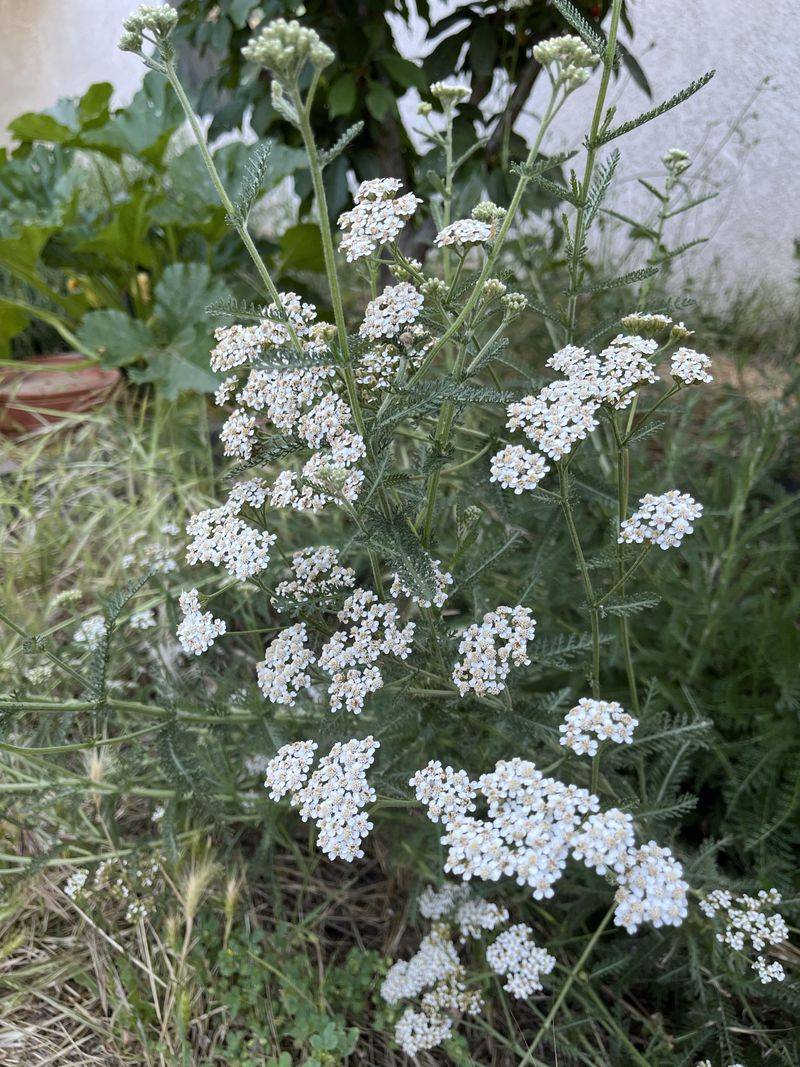
This is a tough, no-fuss plant that thrives in California’s warm, dry conditions. Its ferny green leaves and flat-topped flower clusters attract butterflies and bees all summer long.
It is also one of the fastest-spreading perennials in the garden, which is both a blessing and a challenge.
Dividing yarrow every one to three years keeps it from taking over neighboring plants. March is the right time to do it in California because the plant is actively growing but has not yet put energy into producing flowers.
Catching it early means less stress on the plant overall.
Dig around the clump with a garden fork and lift it free. Yarrow roots are relatively shallow, so this is usually an easy job.
Pull the clump apart into smaller sections by hand, making sure each piece has healthy roots and fresh green foliage at the base.
Replant in a sunny spot with well-draining soil. Yarrow is extremely drought-tolerant and actually prefers lean soil over rich, heavily amended beds.
It is a great choice for California gardeners looking to save water without sacrificing color. Your new divisions will establish quickly and start blooming by late spring or early summer, filling your garden with cheerful color.
7. Ornamental Grasses
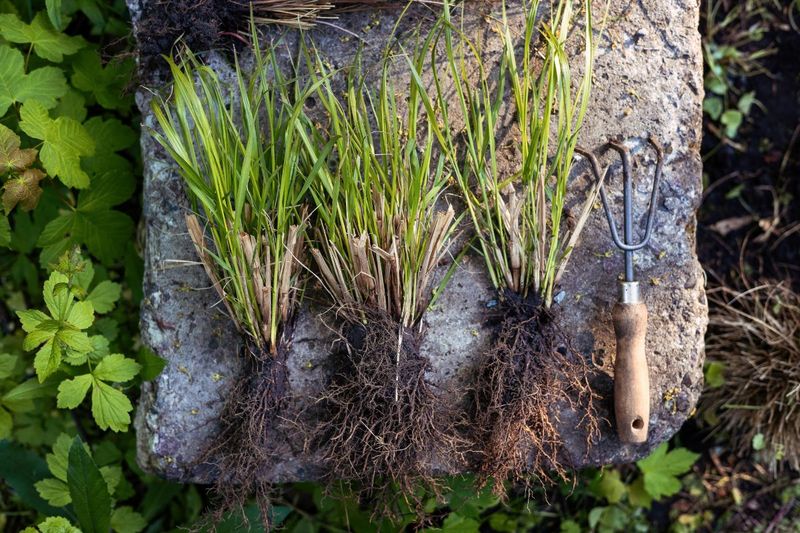
Ornamental grasses add incredible texture and movement to California gardens. Varieties like blue oat grass, fountain grass, and deer grass are especially popular here because they handle heat and drought so well.
After three to five years, though, most clumps develop a dead, hollow center that makes the whole plant look ragged.
March is the ideal window to divide them, just before the new season’s growth really kicks into gear. If you wait too long, you risk cutting through fresh new shoots.
Getting in early gives your divisions the best chance to settle in before summer arrives.
Dividing ornamental grasses takes a bit more muscle than other perennials. Use a sharp spade or even a saw for very large, dense clumps.
Cut the clump into quarters or smaller, making sure each section has both roots and healthy growing points at the base.
Toss out the dead center and replant the outer sections. Choose a sunny spot with good drainage, and space plants generously so air can circulate around them.
California’s long, warm growing season means your new divisions will fill in quickly. By fall, they will be swaying in the breeze just like the original plant, bringing graceful movement and structure to your garden beds.
8. Coreopsis
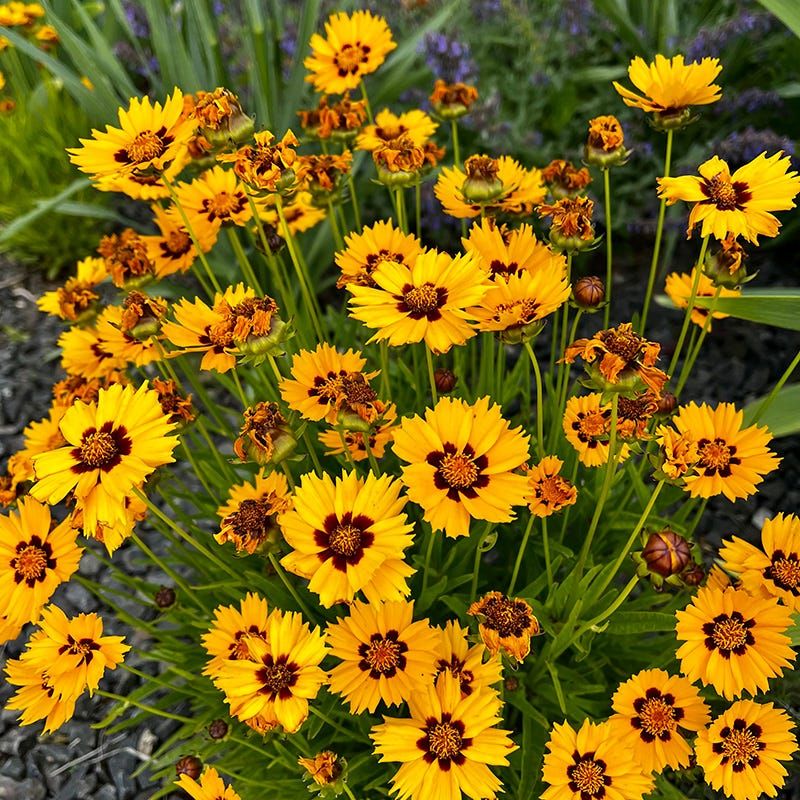
Cheerful and almost impossible to ignore, coreopsis covers itself in bright yellow, gold, or pink daisy-like flowers from late spring through fall. It is a true California garden favorite because it loves heat, tolerates dry spells, and keeps blooming long after other plants have faded.
Over time, though, the clumps expand and start to thin out in the middle.
Dividing coreopsis every two to three years keeps it full and floriferous. March is a great time to do it in California because the plant is putting out fresh new growth and the weather is still mild enough to reduce replanting stress.
You will have a much easier time than if you waited until summer.
Lift the clump with a garden fork and break it into smaller sections. Look for the areas with the most vigorous new growth, usually around the outer edges.
Discard any woody or bare sections from the center of the clump.
Replant your divisions in full sun with well-draining soil. Coreopsis does not like wet feet, so avoid spots where water tends to pool.
Once established, it needs very little care. It is a fantastic plant for beginner gardeners across California who want reliable color without a lot of maintenance or watering effort every week.
9. Sedum
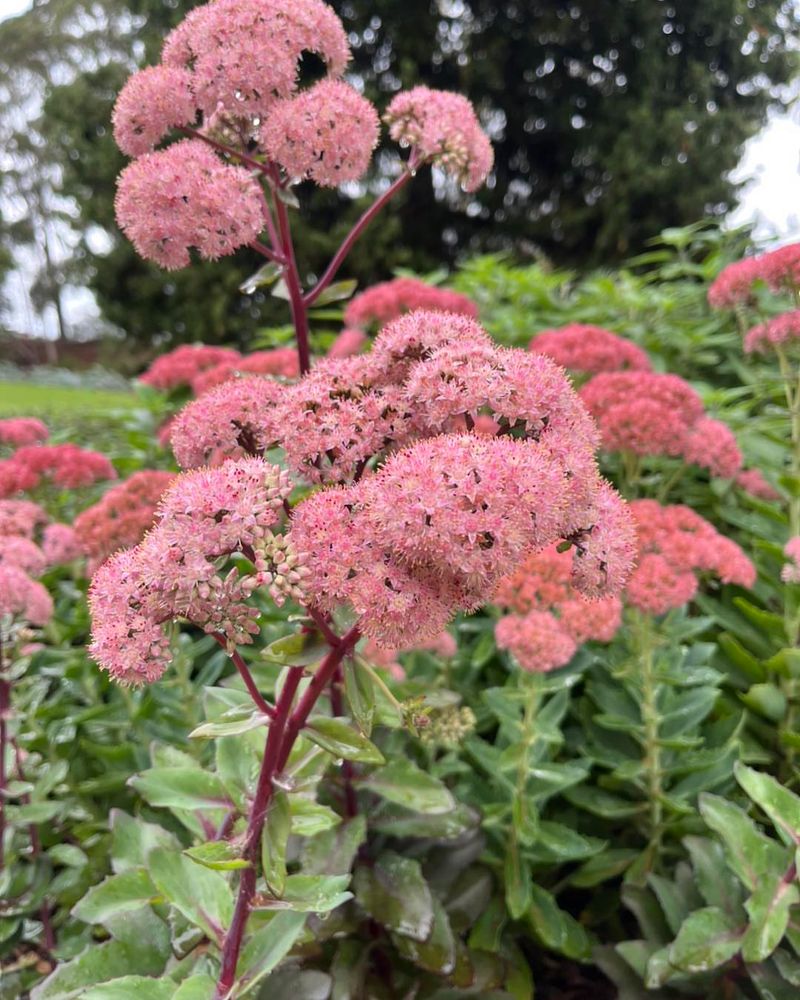
These hardy, succulent-leaved perennials thrive in hot, dry conditions and rarely complain about being split up and moved around. Taller varieties like Autumn Joy form clumps that benefit from division every three to four years, while low-growing groundcover types spread naturally and can be pulled apart almost anytime.
March is a smart time to divide sedum in California because the plants are just beginning to push out fresh spring growth. The soil is usually moist from winter rains, which makes digging much easier.
Working in early spring also gives new divisions a full growing season to establish before the heat sets in.
Use a sharp spade or garden fork to lift the clump free. Sedum roots are not especially deep, so this goes quickly.
Break or cut the clump into sections, each with roots and at least a few healthy stems or rosettes attached.
Let the cut surfaces dry for an hour or two before replanting, especially with fleshy types. This helps prevent rot.
Plant in full sun with very well-draining soil. Sedum is a perfect match for California’s Mediterranean climate, and your new divisions will establish with almost no extra watering needed.