8 Best Companion Plants For Tomatoes In Oregon Gardens
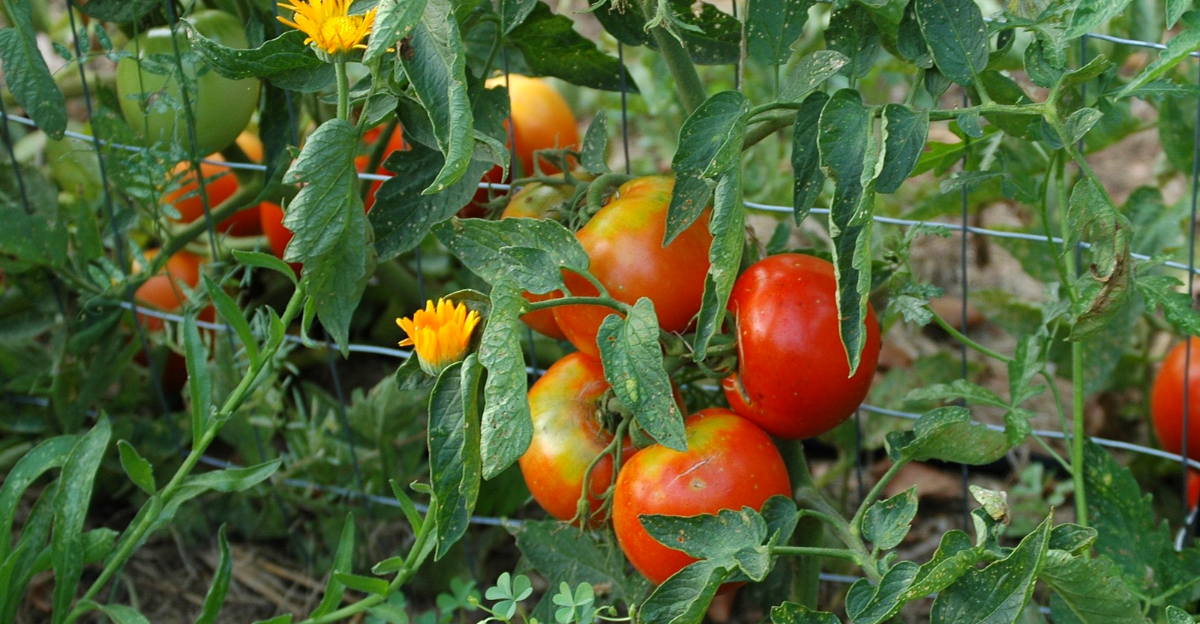
Your Oregon tomato crop is only as strong as its neighbors.
While our notoriously fickle spring weather and cool early-season nights can leave even the hardiest starts shivering in the mud, the secret to a thriving harvest isn’t always found in a bottle of fertilizer – it is found in the plants you grow right next to them.
This is the art of companion planting, a strategic partnership where herbs, flowers, and vegetables work together to create a resilient garden ecosystem.
By pairing your tomatoes with the right allies, you can naturally draw in pollinators, recruit “predatory” insects to handle pests, and maximize every inch of your Pacific Northwest garden bed.
These intentional combinations lead to a more productive, chemical-free harvest that can better withstand the unpredictable shifts of an Oregon summer.
1. Basil Helps Tomatoes Share Space And Garden Appeal
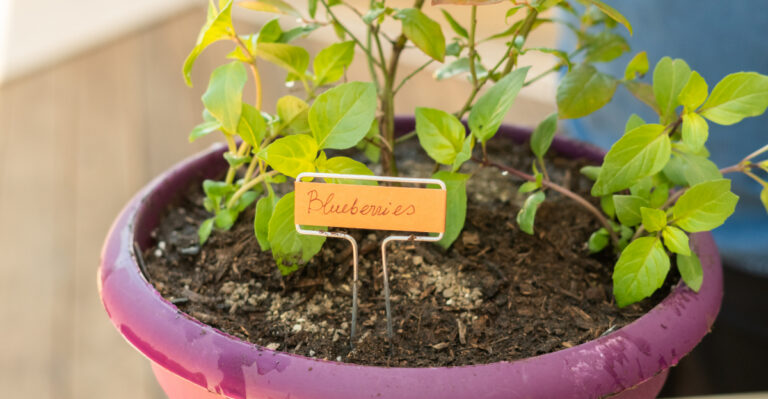
There is a reason basil keeps ending up next to tomatoes in Oregon gardens, and the best explanation is simpler than a lot of garden folklore makes it sound.
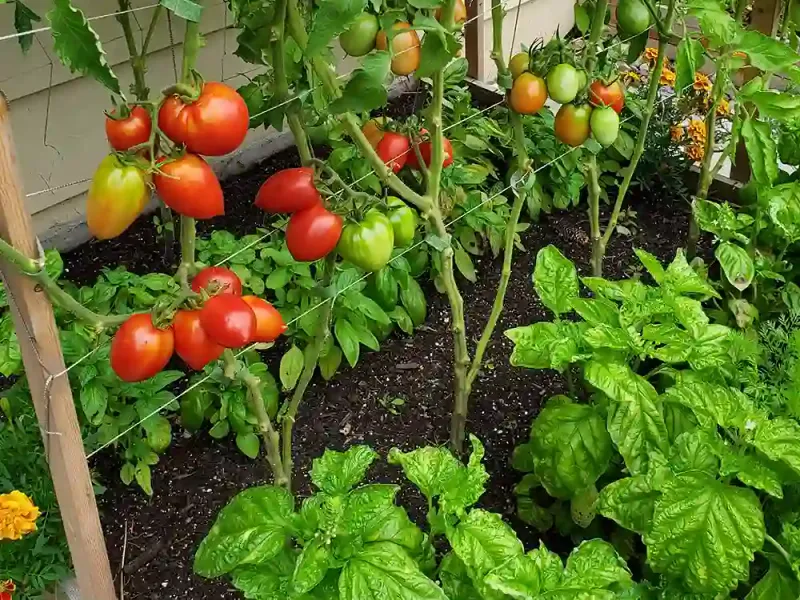
Both crops prefer full sun, warm soil, and steady moisture once summer gets going, so they fit naturally into the same bed after the cool swings of spring have settled down.
In much of Oregon, that usually means waiting until nighttime temperatures are staying around 50 degrees Fahrenheit or higher before transplanting basil alongside tomatoes.
Basil stays relatively compact, which makes it useful around the base of staked or caged tomatoes where it can fill lower space without creating a lot of crowding.
Oregon companion-planting guidance does list basil as a good tomato partner, and one of the clearest benefits is that basil flowers can attract bees if some stems are allowed to bloom.
What should be softened is the stronger claim that basil reliably repels hornworms, aphids, or other tomato pests by scent alone.
Oregon sources are much more comfortable supporting diverse plantings for pollinator activity and overall garden resilience than promising that one herb acts like a dependable pest shield. Basil still earns its place.
It is productive, easy to harvest, visually attractive near tomatoes, and well matched to the same summer conditions Oregon gardeners are already creating for their tomato crop.
Plant it with enough room for airflow, pinch flower heads if leafy growth is the goal, and treat it as a smart, compatible companion rather than a stand-alone pest fix.
2. Chives Add Flavor In The Kitchen And Support Tomatoes In The Garden
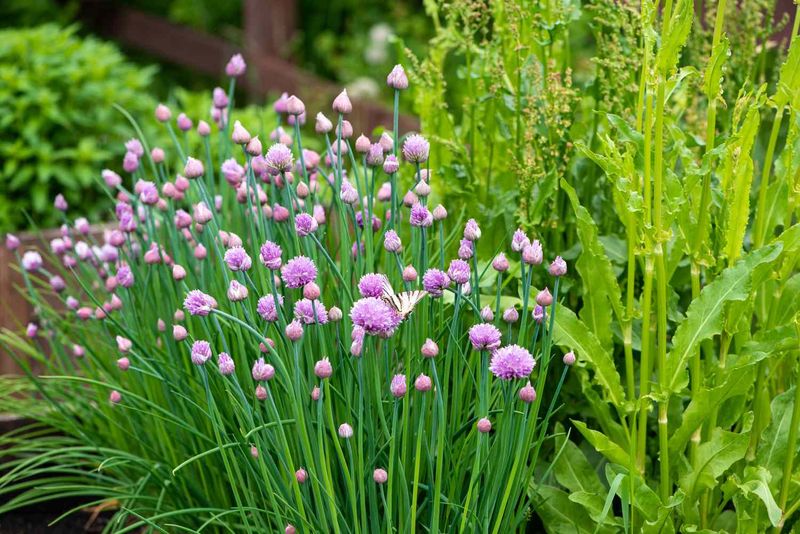
Chives are one of the easiest plants to justify in an Oregon tomato bed because their value does not depend on exaggerated claims.
They stay tidy, take up very little room, and can be tucked along the front edge or corners of a bed where they are easy to harvest without interfering with tomato care.
Like tomatoes, they appreciate sun and regular moisture, although chives are generally more forgiving and can handle a wider range of conditions.
Their narrow, upright leaves mean they do not sprawl across neighboring plants, which matters in Oregon gardens where good spacing and air movement around tomatoes help reduce disease pressure later in the season.
Your Oregon Garden Changes Every Week. Your Plan Should Too.
Gardening in Oregon changes quickly throughout the season. Every Friday you’ll receive a simple weekly plan showing exactly what to plant, prune, fertilize, harvest, and protect so you never miss the right timing.
Oregon companion-planting guidance includes chives among useful companions, and local Extension material has mentioned chives and garlic in connection with traditional aphid-repelling lore.
That support is not strong enough to confidently claim they solve spider mite problems or directly protect tomatoes from a long list of pests.
The stronger, more defensible benefit comes when chives bloom.
Their purple flowers attract bees, hoverflies, and other beneficial insects, which helps create a more active and diverse garden environment around vegetables.
That broader insect support is a better reason to plant them than expecting them to work like an invisible barrier.
In Oregon, where cool early-season weather can slow insect activity, having more flowers woven into the vegetable garden can be useful as summer approaches.
Chives also return year after year, making them one of the more practical and low-fuss companions for gardeners who want a plant that works in both the kitchen and the tomato bed.
3. Parsley Brings Helpful Insects Close To Tomato Plants
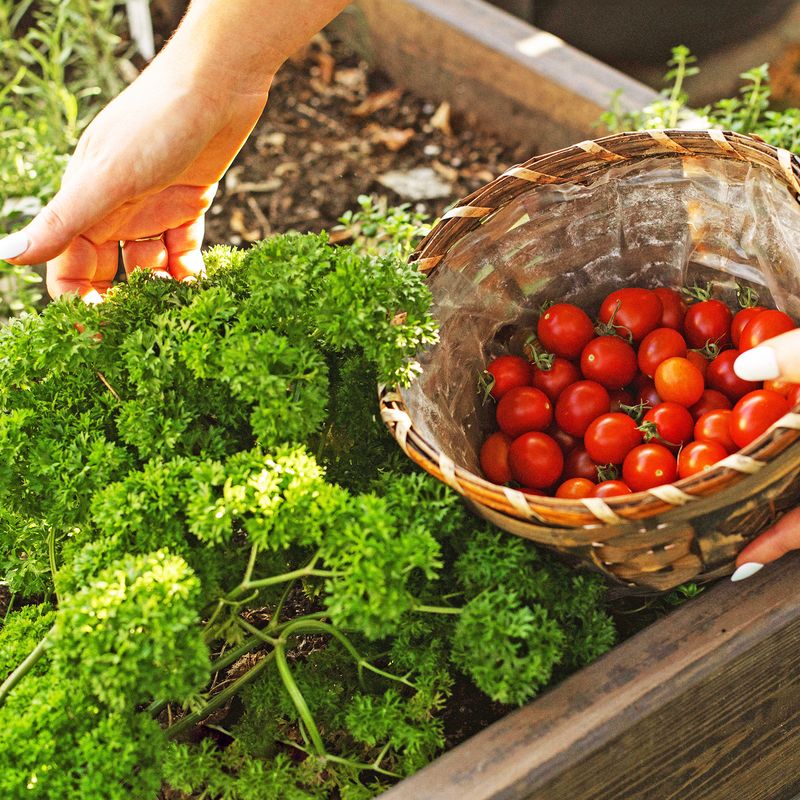
Walk through an Oregon garden in midsummer and you might notice tiny insects hovering around parsley plants in flower. Those small visitors are often hoverflies, and they are some of the most useful insects a tomato grower can attract.
Hoverfly larvae feed on aphids, making them a natural form of pest management that requires no sprays or extra effort from the gardener.
Parsley encourages this kind of beneficial insect activity simply by being allowed to flower.
Most gardeners harvest parsley leaves regularly throughout the season, but letting a few plants go to flower in their second year creates a valuable habitat for hoverflies, parasitic wasps, and other helpful insects.
In Oregon, where cool-season conditions can persist into late spring, having these insects established early in the garden gives tomato plants a layer of support as temperatures rise and pest populations begin to build.
Parsley grows well in full sun to partial shade, which makes it adaptable to different spots around a tomato bed. It does well in the ground or in containers placed nearby, giving Oregon gardeners flexibility in how they use it.
The plant prefers consistent moisture, which aligns well with the regular watering that tomatoes need during dry Oregon summers.
Starting parsley from transplants rather than seed speeds up establishment, and placing it along the front edge of a tomato bed keeps it accessible for both harvesting and observation throughout the growing season.
4. Oregano Makes A Low-Growing Partner For Tomatoes
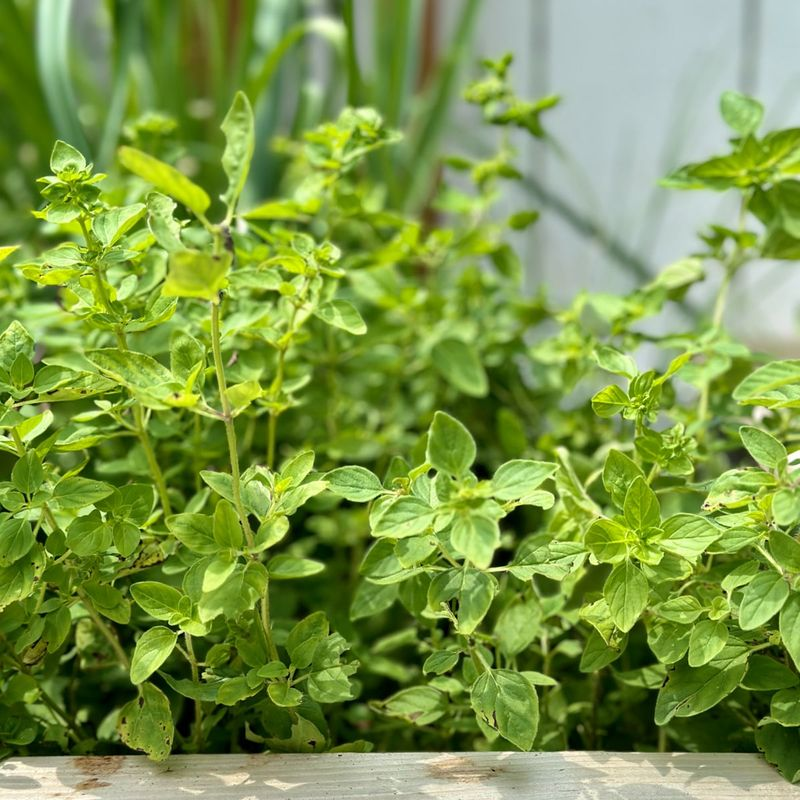
Some companion plants are helpful simply because they fit the shape of the bed well, and oregano is a good example of that in Oregon tomato gardens.
Tomatoes want to climb upward, especially when staked or caged, while oregano tends to stay low and spread outward.
That means the two use space differently, which can make a bed feel fuller and more efficient without causing the kind of direct competition that happens when everything is trying to occupy the same layer.
In Oregon’s dry summer stretches, oregano can also help cover exposed soil around the edges of the bed, which may slightly reduce moisture loss and help keep weeds from colonizing open gaps.
Oregon companion-planting guidance specifically lists oregano as a helpful partner with tomatoes, peppers, potatoes, and eggplants, so this is one of the better-supported combinations on your list.
Where the original section leaned too far was in making scent-based pest deterrence sound more settled than it really is.
Oregon resources on companion planting generally support the value of mixed plantings, beneficial-insect habitat, and plant diversity, but they do not strongly prove that oregano reliably repels tomato pests just because it is aromatic.
A more accurate way to present oregano is as a low-growing, pollinator-friendly herb that shares the same sunny summer conditions tomatoes enjoy and adds useful diversity to the planting.
When it flowers, oregano can attract bees and other beneficial insects, which is a much stronger claim than saying it functions as a dependable pest-control herb.
Give it room to spread without tangling directly into tomato stems, trim it as needed, and use it as a practical ground-level companion that contributes flowers, flavor, and structure.
5. Marigolds Add Bright Color And Extra Garden Backup
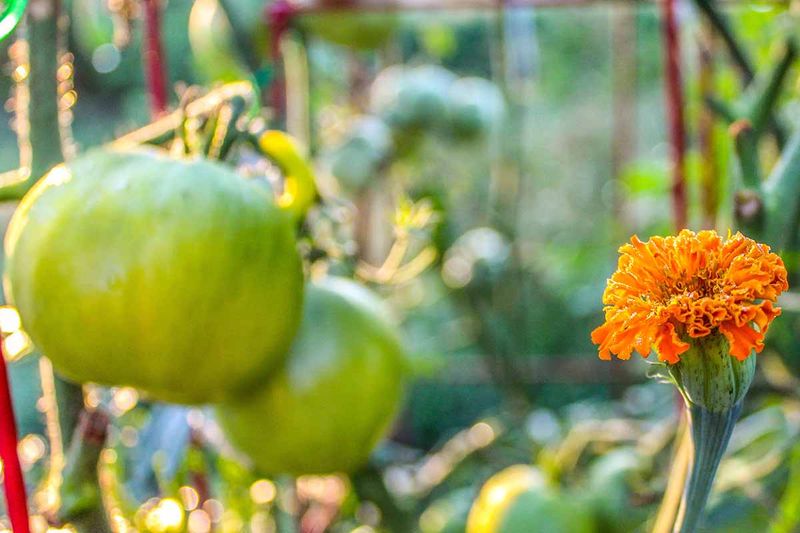
Marigolds have earned their reputation in vegetable gardens across Oregon and beyond, and for good reason. Their bold orange and yellow blooms light up a tomato bed visually while offering some practical benefits that go beyond appearance.
French marigolds in particular have been studied for their potential to reduce populations of root-knot nematodes in the soil, which are microscopic pests that can cause problems for tomato root systems over time.
Beyond soil-level support, marigolds attract a range of beneficial insects throughout the Oregon growing season.
Ladybugs, lacewings, and hoverflies are all drawn to marigold blooms, and these insects help keep aphid populations in check around nearby tomato plants.
Marigolds also attract bees, which supports the pollination activity that tomatoes need to set fruit reliably, especially during cooler Oregon summer mornings.
Marigolds are easy to grow from transplant or seed and thrive in the same full-sun conditions that tomatoes prefer.
They do well in Oregon’s warm summer months and continue blooming from midsummer through fall if spent flowers are regularly removed.
Planting marigolds along the border of a tomato bed or tucked between individual plants creates a colorful, layered look while maximizing their pest-discouraging and pollinator-attracting potential.
Choosing taller varieties works well at the back of beds, while shorter French marigold types fit nicely along front edges where their blooms remain visible and accessible to visiting insects all season long.
6. Sweet Alyssum Fills Gaps And Attracts Beneficial Insects
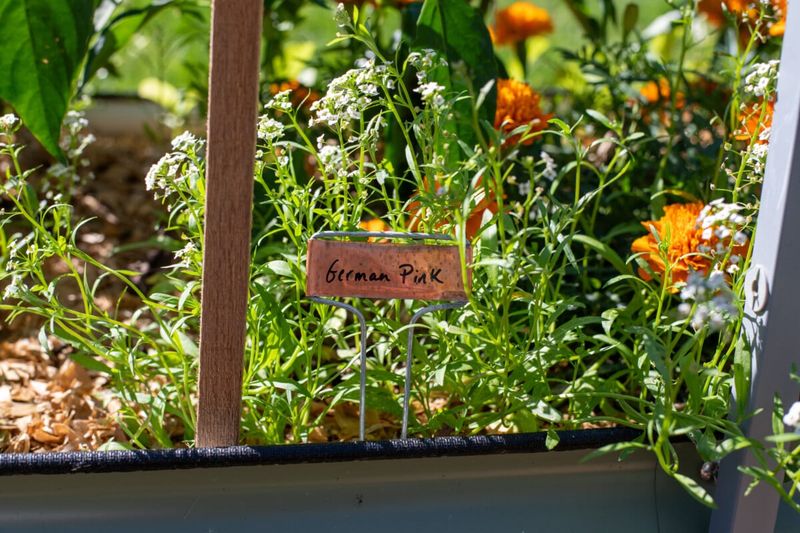
Sweet alyssum might be one of the most underrated companion plants available to Oregon tomato growers.
Its clusters of tiny white or purple flowers produce a faint honey-like fragrance that draws in hoverflies, parasitic wasps, and other beneficial insects that help manage pest populations around the garden.
Planting it near tomatoes creates a living insectary at ground level, right where it is most useful.
One of sweet alyssum’s most practical qualities is its ability to fill in bare ground between and around tomato plants.
As a low-growing annual that spreads outward rather than upward, it creates a soft mat of foliage and flowers that shades soil, helps retain moisture, and reduces the open space where weeds might otherwise take hold.
In Oregon gardens, where summer soil can dry out quickly during warm spells, that kind of ground coverage is genuinely helpful.
Sweet alyssum is easy to grow from seed directly sown around tomato transplants, or it can be started indoors a few weeks before the last frost date and moved outside once conditions warm up.
It tolerates partial shade, which makes it a flexible option for spots around the base of tall tomato cages where light is reduced.
Once established, sweet alyssum tends to self-seed lightly, meaning Oregon gardeners may find it returning in nearby spots the following season with very little effort.
Deadheading spent blooms encourages continuous flowering from early summer through the end of the growing season.
7. Nasturtiums Bring Bright Flowers And Useful Distraction
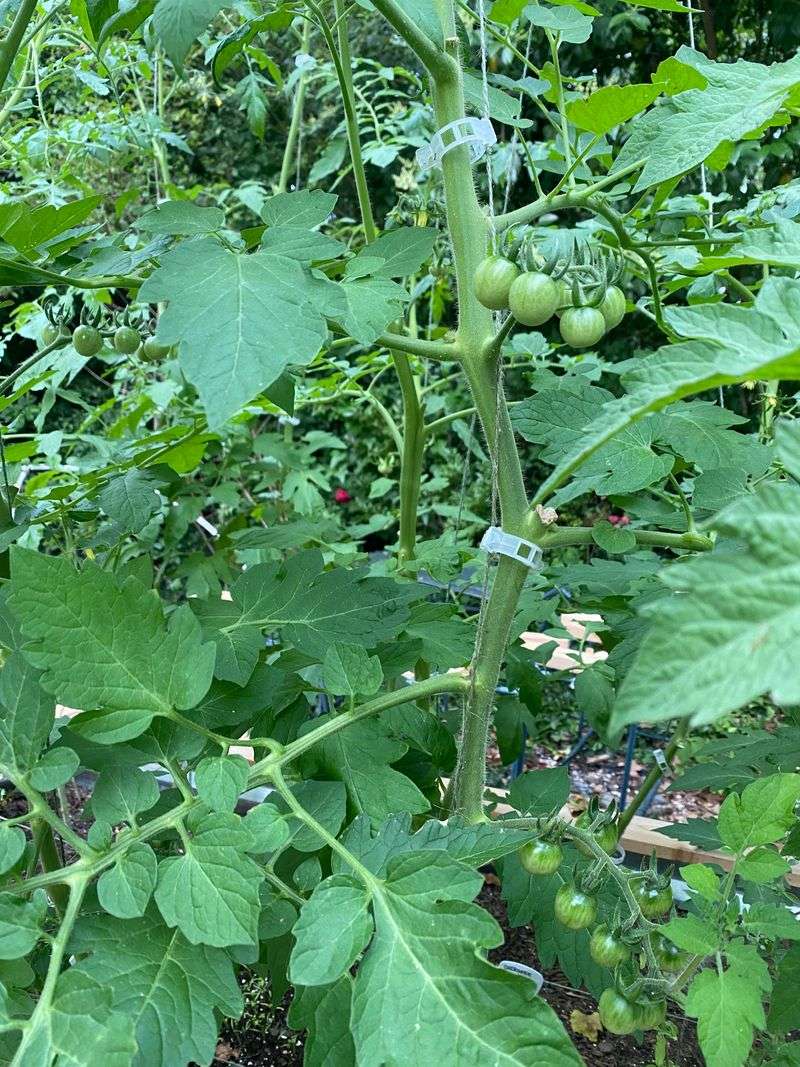
Nasturtiums have a lot going for them in Oregon tomato beds even before any companion-planting theory comes into the picture.
They are fast from seed, easy to grow once frost danger has passed, and visually striking with their rounded leaves and bright flowers in shades of orange, yellow, and red.
They also stay useful in a kitchen garden because both the leaves and flowers are edible. Around tomatoes, nasturtiums usually work best along the outer edge of the bed where they can spill outward instead of climbing into the middle of the planting.
Oregon companion-planting guidance supports nasturtiums as good companions for several crops and notes that they attract predatory insects, which is already a meaningful reason to include them in a diverse vegetable garden.
The place where the wording needed tightening is the trap-crop claim.
Oregon pest-management material does support the idea that nasturtiums can draw aphids, and they are often used by gardeners as a sacrificial or distracting planting, but that does not mean they reliably protect tomatoes in every situation.
Trap crops still have to be monitored, and heavily infested growth may need to be trimmed or removed before pest populations build too far.
So the more accurate version is that nasturtiums are often used to attract aphids and similar soft-bodied pests away from other plants, while also adding beneficial-insect habitat and seasonal color.
In Oregon, that still makes them a strong tomato companion.
Just do not frame them as a guaranteed defense system. Plant them where they have room to trail, avoid overly rich soil that pushes leaf growth at the expense of flowers, and use them as a cheerful, useful supporting player in the tomato patch.
8. Sunflowers Add Height And Draw In Pollinator Activity
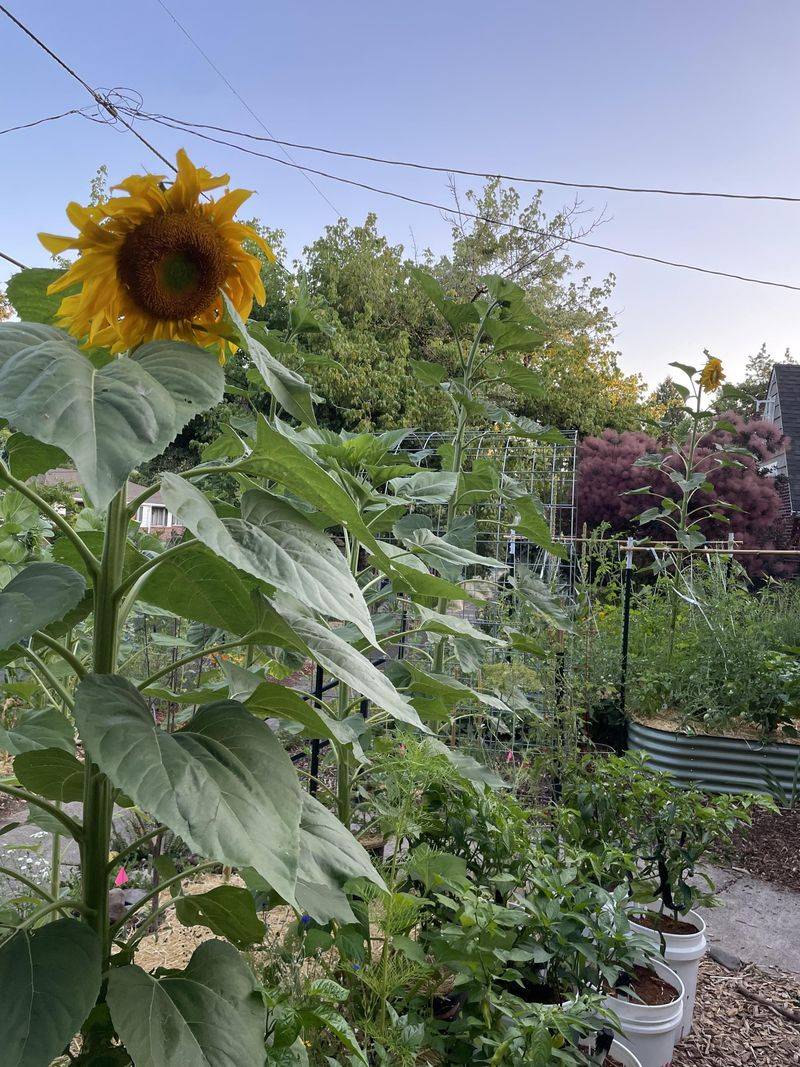
A row of sunflowers can make an Oregon tomato bed feel more alive, but the best reasons to plant them are a little different from the standard garden shorthand.
Sunflowers are excellent at bringing pollinator activity into the garden because their large flower heads attract a wide range of visiting insects.
Oregon companion-planting guidance specifically mentions sunflowers as pollinator-attracting plants, and that broader ecological value is the strongest support for using them near vegetables.
They also add vertical structure, which can be useful in larger beds where gardeners want a visual backdrop or a more layered planting design.
In some spots, medium-height varieties can even soften wind on the edge of a bed, though placement matters a lot if tomatoes are nearby. The original section just needed to be more careful about connecting sunflower blooms directly to tomato fruit set.
Tomatoes are self-fertile, and while bee activity can help, especially when bumble bees and other buzz-pollinating bees are present, not every bee visiting a sunflower is automatically improving tomato pollination in a meaningful way.
Oregon pollinator resources point much more specifically to buzz pollinators for tomatoes than to general bee traffic.
So the accurate version is that sunflowers help create a more pollinator-friendly garden environment, and that may support nearby tomatoes when the right bees are active.
They should not be presented as a direct fruit-set booster in every backyard.
In Oregon gardens, they work best on the north side of tomato beds where they will not cast too much shade across summer crops, and medium-height varieties are usually easier to manage than giant types.
Used thoughtfully, sunflowers remain a strong companion choice because they add structure, pollinator value, and seasonal energy to the vegetable garden.