Why Ohio Gardeners Plant Coneflowers Near Walkways
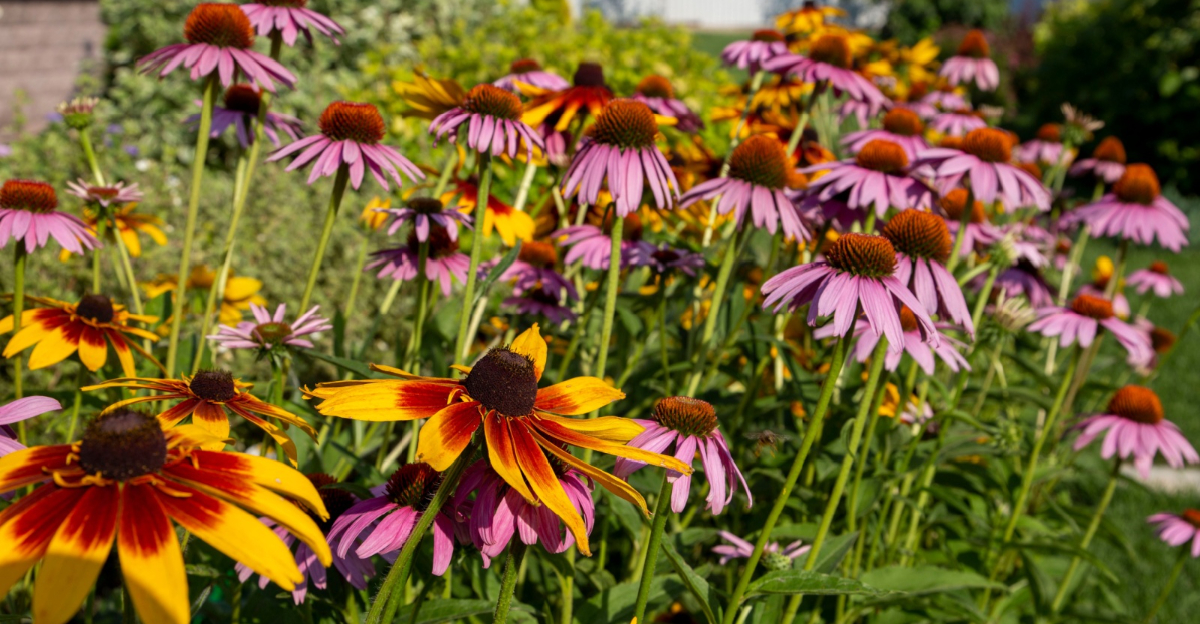
A quiet garden path in Ohio often hides a small secret that catches attention fast. Bright coneflowers stand beside walkways like living lanterns of color.
Their bold petals rise at eye level and instantly pull visitors toward the path. One short walk past them turns an ordinary yard into a scene full of life and motion.
Homeowners across Ohio place these striking flowers exactly where footsteps pass. The choice looks simple, yet it carries a purpose that many people miss at first glance.
A line of coneflowers along a path creates a powerful first impression and changes the entire mood of a garden. One glance sparks curiosity.
One walk beside them reveals something even more interesting. That quiet design choice holds a reason many Ohio gardeners swear by today.
1. A Native Flower That Thrives In Midwest Gardens
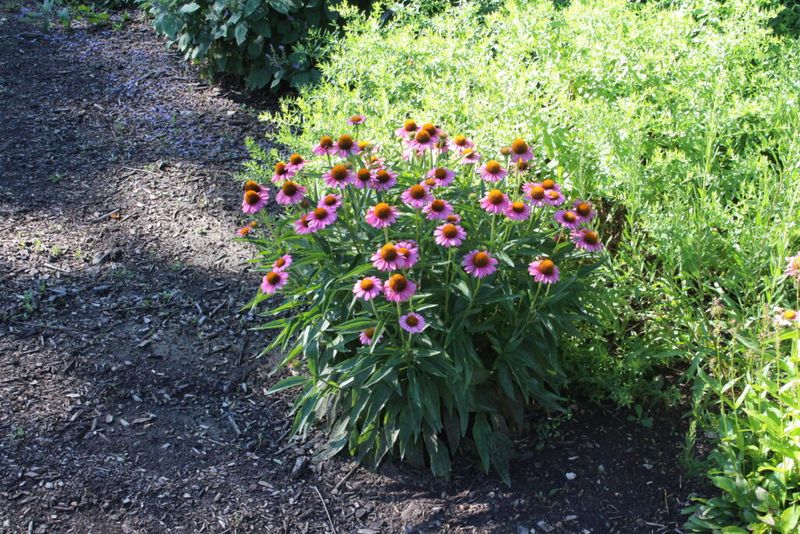
Long before Ohio had neighborhoods and garden centers, coneflowers were already growing wild across the prairies and open meadows of the Midwest. Echinacea purpurea and its close relatives are true native plants, meaning they evolved right alongside Ohio’s soils, rainfall patterns, and seasonal temperature swings.
That deep-rooted history is exactly why they perform so reliably for Ohio gardeners today.
OSU Extension and other university horticulture programs consistently recommend native plants for home landscapes because natives are naturally adapted to local conditions. They do not need constant babying to survive a wet Ohio spring or a dry August heat wave.
Their root systems are built to handle the region’s clay-heavy soils, which can challenge many non-native ornamentals.
Planting natives near walkways also supports the broader ecosystem by connecting your yard to the natural landscape around it. Coneflowers grown in Ohio are essentially at home, not fighting their environment.
Gardeners across Columbus, Cleveland, and Cincinnati have discovered that choosing natives like coneflowers means spending less time troubleshooting plant problems and more time actually enjoying the garden. For anyone building a resilient, low-effort landscape, starting with a native flower is always a smart move.
2. Long Lasting Blooms That Brighten Paths From Summer To Fall
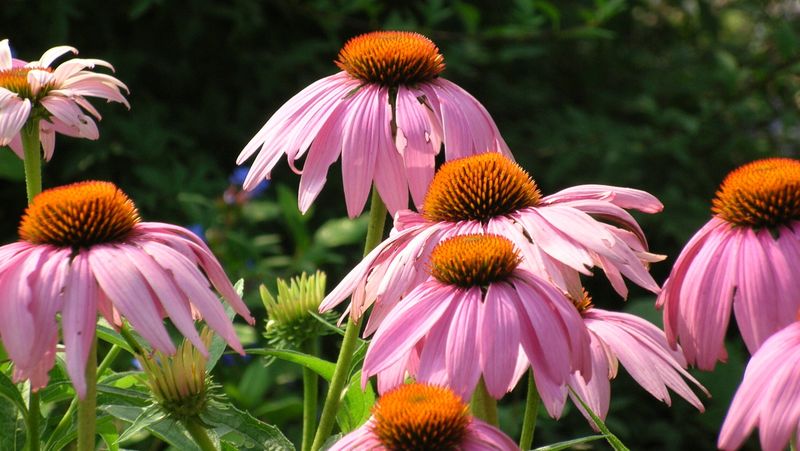
Most flowering perennials give you a few weeks of color and then fade out for the rest of the season. Coneflowers play by different rules.
Starting in mid-summer and pushing well into September or even October in many parts of Ohio, they keep producing fresh blooms that make walkways feel lively and welcoming for months at a stretch.
That extended bloom period is one of the biggest reasons gardeners choose them specifically for path borders. A walkway is a high-visibility spot in any yard, and you want it to look good from the time guests arrive in July through the time they are raking leaves in October.
Coneflowers fill that gap beautifully, offering shades of purple, pink, white, and even warm orange depending on the variety you choose.
Deadheading spent blooms encourages the plant to push out even more flowers, extending the show further into the season. Ohio gardeners who grow coneflowers near walkways often say the plants look better in late summer than they did at the start of the season.
Your Ohio Garden Changes Every Week. Your Plan Should Too.
Gardening in Ohio changes quickly throughout the season. Every Friday you’ll receive a simple weekly plan showing exactly what to plant, prune, fertilize, harvest, and protect so you never miss the right timing.
Few other perennials can claim that kind of staying power, which makes coneflowers a genuinely practical choice for anyone who wants reliable, season-long color along a path.
3. A Pollinator Magnet For Bees Butterflies And Garden Life
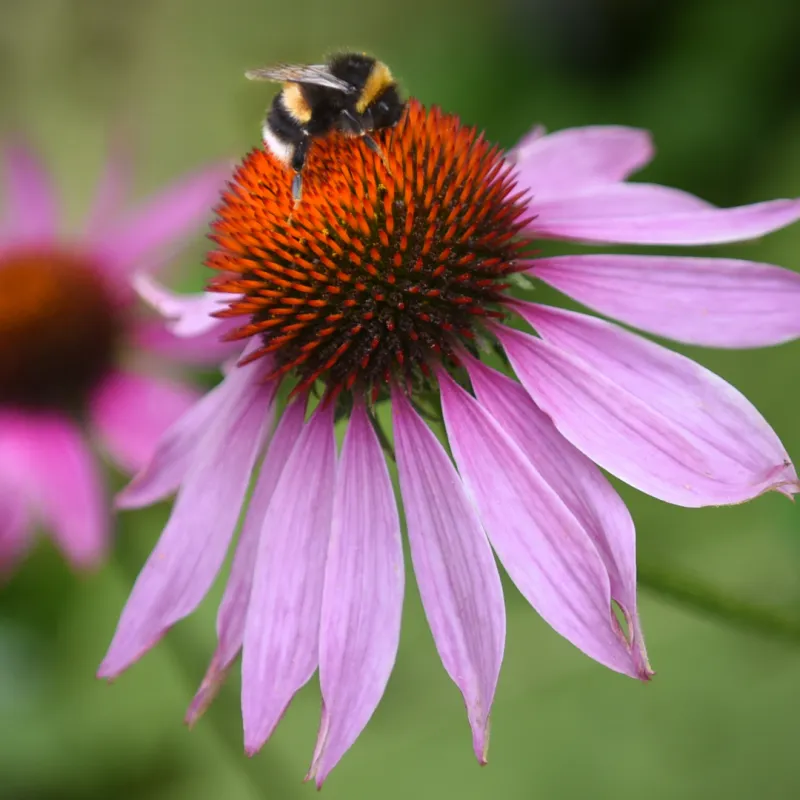
Stand near a patch of blooming coneflowers on a warm Ohio afternoon and you will quickly notice the buzz of activity surrounding them. Bees, butterflies, and beneficial insects treat coneflowers like a favorite diner, returning again and again throughout the summer to collect nectar and pollen from the wide, open blooms.
University extension programs across the Midwest, including those affiliated with OSU, have highlighted native Echinacea as one of the top pollinator-supporting plants for home gardens. The raised central cone of the flower acts almost like a landing pad, making it easy for both large bumblebees and smaller native bee species to access the nectar.
Monarch butterflies, swallowtails, and skippers are all regular visitors.
Placing coneflowers along walkways puts this pollinator activity right where you can enjoy watching it up close. Kids especially love seeing butterflies and bees at work just a few feet away from a garden path.
Beyond the visual delight, supporting pollinators has real ecological value. A yard filled with healthy pollinator populations contributes to stronger vegetable gardens, fruit trees, and surrounding wild plant communities.
Coneflowers near a walkway are not just decorative, they are actively doing good work for the garden ecosystem every single day they bloom.
4. Seed Heads That Feed Birds Long After The Flowers Fade
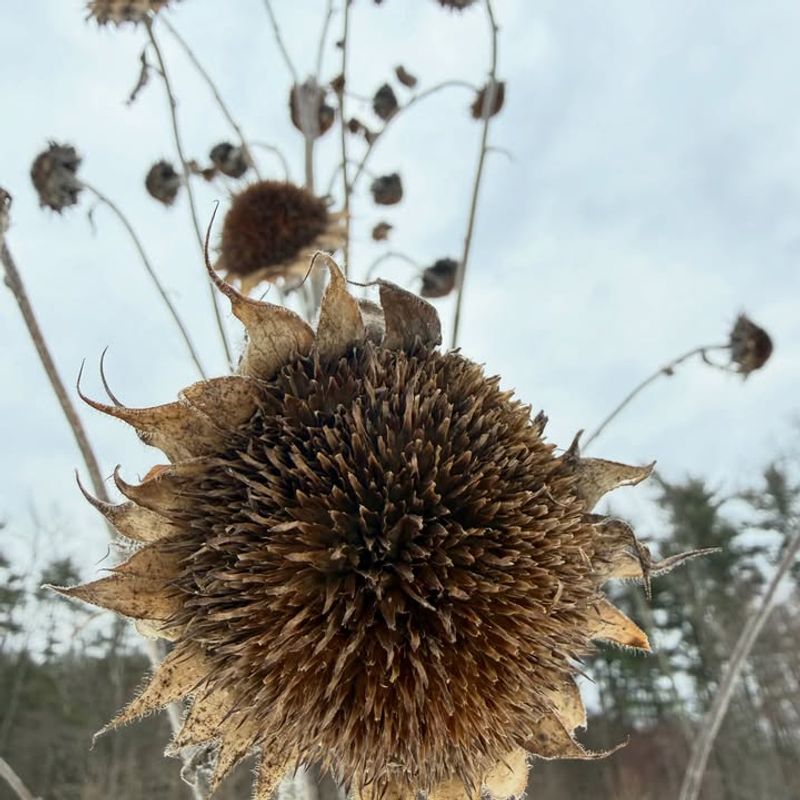
When the last petals drop from a coneflower in early fall, most gardeners might assume the plant’s useful season is over. Ohio gardeners who pay attention to wildlife know better.
The spiky, dome-shaped seed heads that remain after blooming are a favorite food source for American goldfinches, chickadees, and other seed-eating birds that visit yards throughout the fall and winter months.
Leaving coneflower seed heads standing rather than cutting them back right away is a practice recommended by wildlife-friendly gardening guides and native plant advocates alike. The seeds are nutritious and plentiful, and birds will cling to the dried stems and pick them clean over several weeks.
Watching goldfinches work their way through a row of seed heads along a walkway is one of the quiet pleasures of an Ohio autumn garden.
Beyond feeding birds, the standing seed heads add structural interest to the garden during the colder months when most other plants have disappeared. Frost-covered seed heads along a winter walkway have their own understated beauty.
Resisting the urge to clean up the garden too aggressively in fall is one of the simplest things Ohio gardeners can do to support local bird populations while also keeping their landscape looking naturally interesting well past the growing season.
5. A Drought Tough Plant That Handles Hot Dry Summers
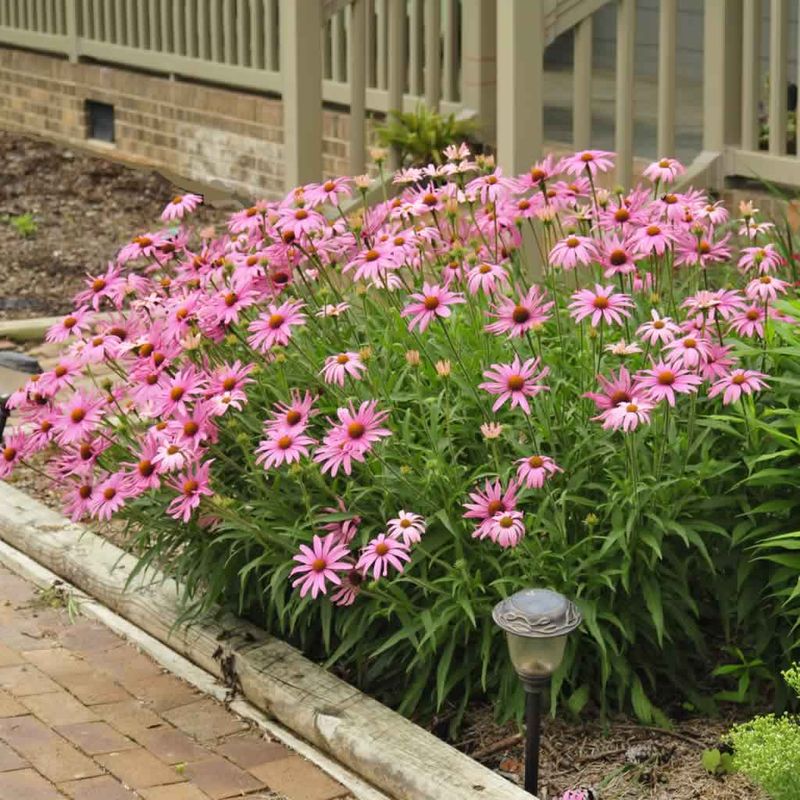
Ohio summers can be surprisingly punishing. July and August often bring stretches of high heat with little rainfall, and many garden plants start looking stressed and ragged right when you want your walkway to look its best.
Coneflowers shrug off those conditions in a way that impresses even experienced gardeners.
Their secret is a deep, well-developed root system that reaches far into the soil to find moisture even when the surface is bone dry. Once established, usually after the first full growing season, coneflowers need very little supplemental watering.
That makes them genuinely practical for Ohio homeowners who do not want to drag a hose around the garden every other day during a heat wave.
OSU Extension and Midwest horticulture resources regularly list Echinacea among the best drought-tolerant perennials for home landscapes. For walkway borders, where reflected heat from pavement can make conditions even tougher on plants, that heat and drought resilience is especially valuable.
Gardeners in drier parts of Ohio or those with sandy, fast-draining soils find coneflowers particularly reliable. Choosing a plant that naturally handles the hardest part of the Ohio growing season means your walkway stays colorful and full even when the weather refuses to cooperate.
6. A Reliable Perennial That Returns Strong Year After Year
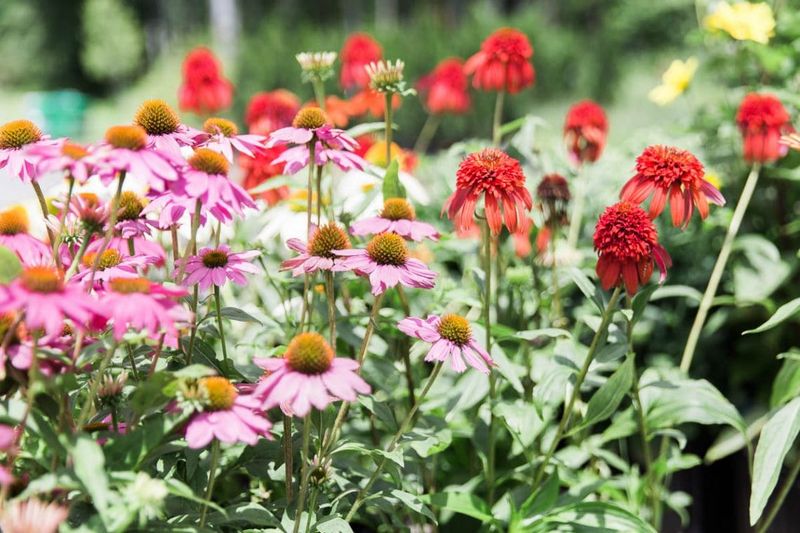
There is something deeply satisfying about a plant that shows up reliably every spring without you having to replant it. Coneflowers are hardy perennials in Ohio, typically rated for USDA hardiness zones 3 through 9, which covers all of the state comfortably.
Once they settle in, they come back year after year with very little encouragement needed from the gardener.
In fact, established coneflower clumps tend to grow fuller and more impressive over time. A plant that started as a single stem in its first year may return as a robust clump of a dozen or more stems by its third or fourth season.
That expanding presence along a walkway creates a lush, layered look that gets better with age rather than declining.
Dividing overcrowded clumps every three to four years is a simple way to keep the plants healthy and to create new starts for other areas of the garden. Many Ohio gardeners pass divisions along to neighbors and friends, spreading coneflowers through entire neighborhoods one clump at a time.
For anyone who wants a walkway planting that builds in value over the years rather than needing annual replacement, a perennial like coneflower is a straightforward, budget-friendly answer that delivers season after season.
7. A Low Maintenance Flower That Practically Grows Itself
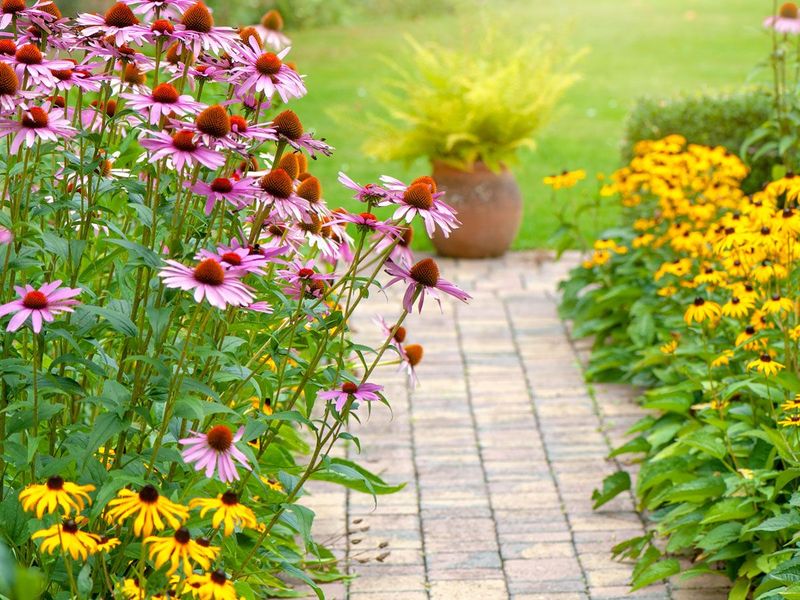
Not everyone has hours to spend in the garden each week, and coneflowers seem almost designed with busy people in mind. Once they are planted in a sunny spot with decent drainage, they ask for remarkably little in return.
No complicated fertilizing schedules, no frequent watering routines, and no fussy soil amendments are required to keep them looking great.
Fertilizing is actually something to approach with caution when it comes to coneflowers. Too much nitrogen encourages leafy growth at the expense of flowers, so most experienced Ohio gardeners skip the heavy feeding entirely or apply only a light balanced fertilizer in early spring.
A layer of mulch around the base helps retain moisture and suppress weeds without any extra effort.
Deadheading spent flowers can encourage additional blooming, but it is completely optional. Many gardeners skip it entirely once they realize the seed heads attract birds.
Coneflowers also resist most common garden pests and are not a top target for deer, which is a genuine bonus for Ohio gardeners in suburban or rural areas where deer pressure is real. For someone who wants a beautiful walkway border without committing to a high-maintenance plant, coneflowers are about as close to a hands-off success as a garden gets.
8. Bold Colorful Blooms That Instantly Elevate Garden Paths
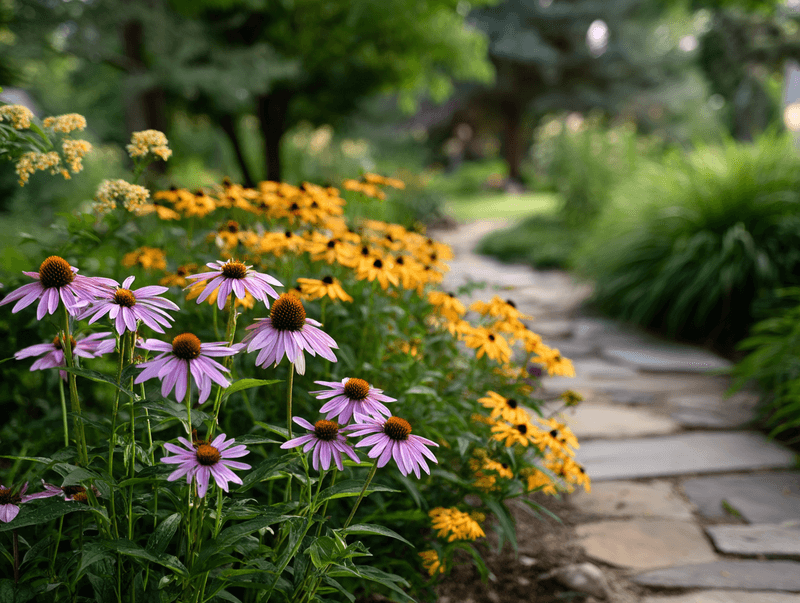
Few plants make a walkway feel as welcoming as a well-placed row of coneflowers in full bloom. Their upright, sturdy stems hold the flowers at eye-catching heights, typically between two and four feet tall, which creates a natural frame along either side of a path without flopping over and blocking the way.
Landscape designers working in Ohio and across the Midwest frequently reach for coneflowers when they want to create a defined, visually striking garden edge. The daisy-like blooms in shades of deep purple, soft pink, warm orange, and crisp white pair beautifully with ornamental grasses, black-eyed Susans, and other native companions to build layered, naturalistic planting schemes that look intentional and polished.
Color combinations along a walkway can be tailored easily by choosing different Echinacea cultivars. Varieties like Magnus, White Swan, and Sombrero series offer distinct color options that let gardeners match or contrast with their home’s exterior or surrounding landscape.
A well-planted coneflower border signals to anyone approaching a home that the gardener genuinely cares about the space. That welcoming quality, bold color meeting practical toughness, is exactly why Ohio gardeners keep returning to coneflowers as their go-to choice for making garden paths look their absolute best.