Pennsylvania Native Flowers You Should Plant In Late March
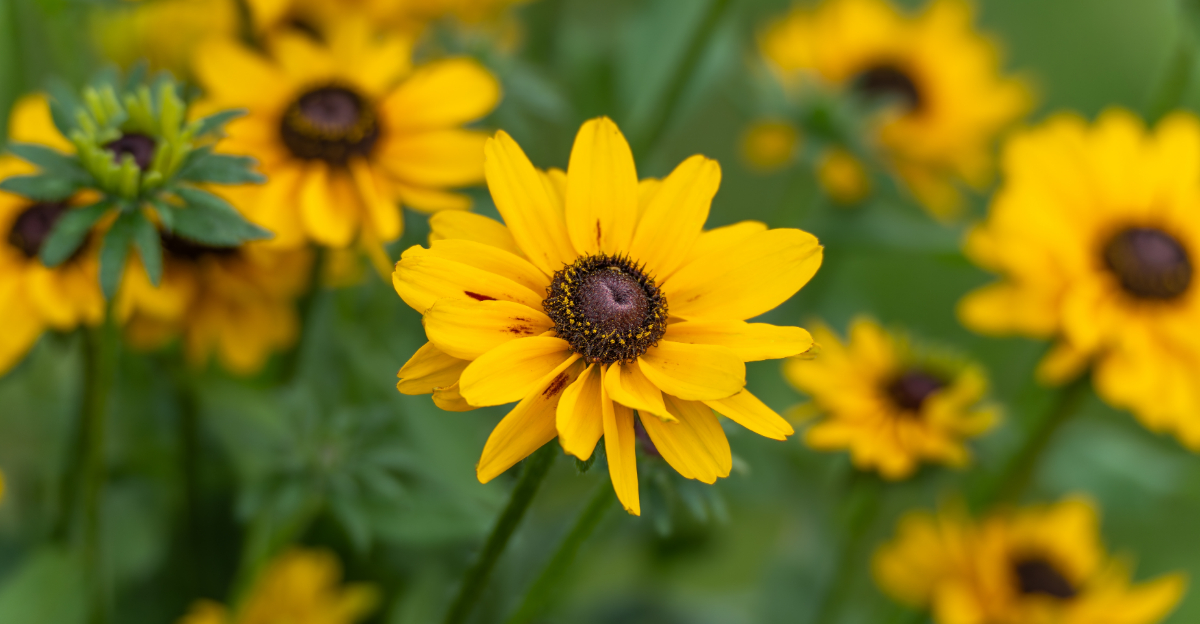
By late March, Pennsylvania gardens start waking up from their winter slumber. The snow has melted in many areas, soil is beginning to thaw, and the air feels just warm enough to spend a few hours outside without gloves.
Gardeners know this is the moment when seeds and young plants have the best chance to settle in and thrive before the heat of late spring arrives.
Planting native flowers in late March can help them establish early. Because they are naturally adapted to Pennsylvania’s soil, climate, and pollinators, they often perform well and integrate smoothly into local gardens.
From cheerful black-eyed Susans to soft bluebells and vibrant wild geraniums, natives provide beauty, support local wildlife, and bring a sense of harmony to any outdoor space.
Selecting the right natives now can fill your beds with color and activity before the season fully kicks into gear. A few thoughtful choices can turn a quiet yard into a lively, blooming display that feels effortlessly natural.
1. Purple Coneflower Attracting Bees And Butterflies
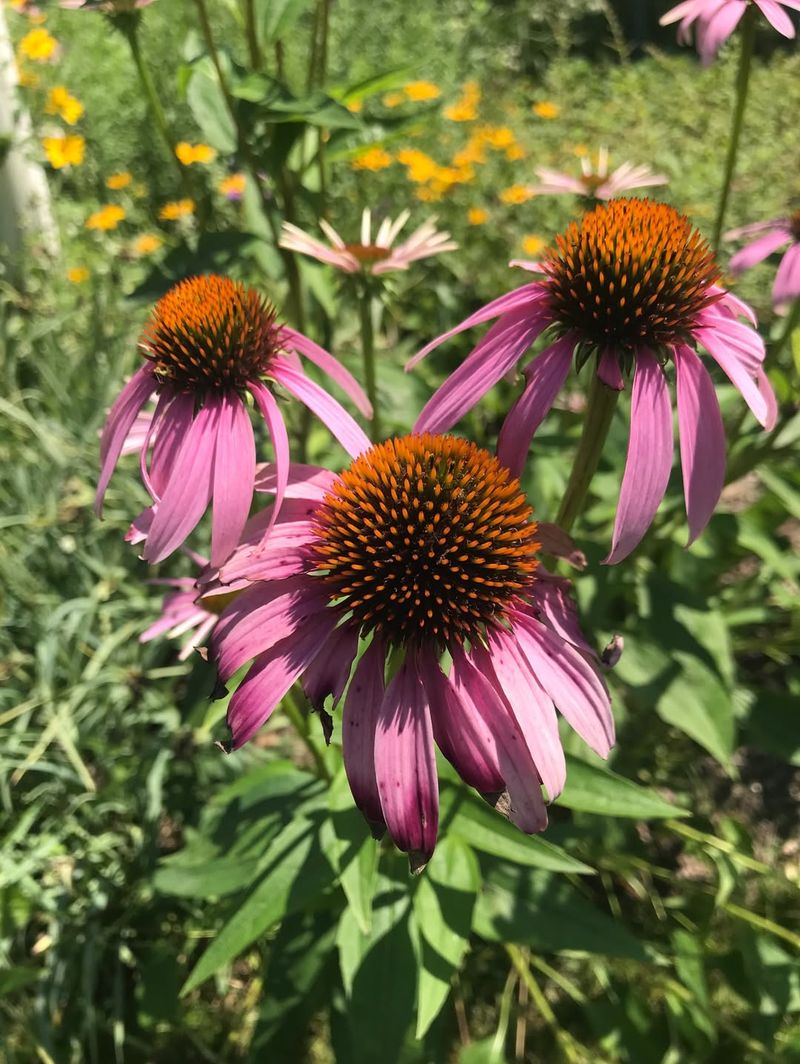
Full sun and well-drained soil support Purple Coneflower’s growth, helping it develop steadily once established and provide seasonal interest throughout the summer. Bold purple-pink petals surround a spiky central cone, drooping slightly to create an eye-catching silhouette that adds both color and texture to borders, beds, or naturalized areas, blending beautifully with other perennials.
Planting in late March gives seeds or transplants time to develop strong root systems before spring’s growth surge, helping them endure summer heat more effectively and encouraging more abundant flowering. Its long bloom period attracts pollinators such as monarch butterflies, bumblebees, and hummingbirds, supporting local wildlife while providing extended visual interest throughout the season.
Leaving a few seed heads can feed birds, though gardeners may skip this step depending on aesthetic goals. Pairing Purple Coneflower with Butterfly Weed, Black-Eyed Susan, or Wild Bergamot creates a layered, pollinator-friendly garden display that is colorful and dynamic, offering a cheerful, lively atmosphere.
Established plants naturally resist most pests and diseases, making them a low-maintenance addition. By planting now, gardeners set the stage for a vibrant, wildlife-supporting display that contributes to regional pollinator conservation efforts and enhances the overall beauty and ecological value of their outdoor spaces.
2. Black-Eyed Susan With Its Bold Yellow Blooms
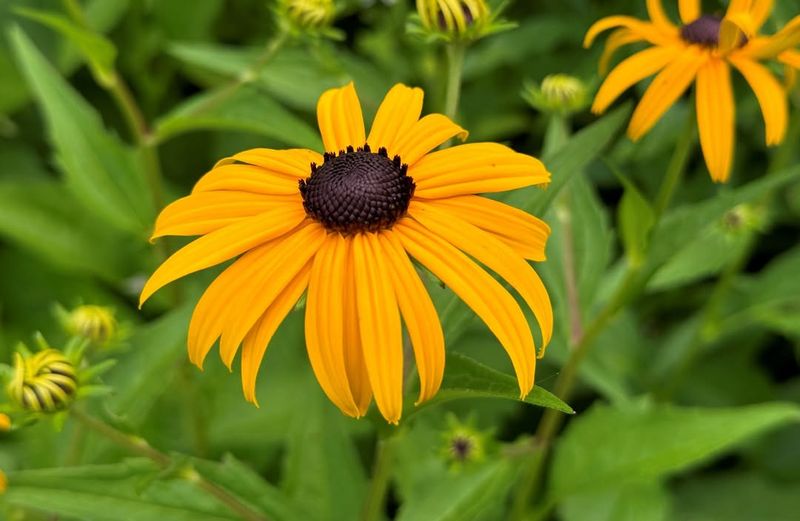
Golden petals surrounding a dark, central disk are instantly recognizable in Pennsylvania gardens and signal the arrival of warm months. Late March is an ideal time to sow seeds directly into the ground or plant small transplants once the soil is workable.
Ensuring the soil is thawed, moderately moist, and well-draining will allow roots to anchor firmly before the warm days of spring arrive. These plants thrive in full sun and can tolerate poor or dry soils, making them ideal for spots where other species might struggle.
Over time, they naturally self-seed, creating larger, vibrant patches that add visual continuity across beds. Their bloom period spans from June through September, offering consistent color while supporting local pollinators like bees, butterflies, and goldfinches.
Your Pennsylvania Garden Changes Every Week. Your Plan Should Too.
Gardening in Pennsylvania changes quickly throughout the season. Every Friday you’ll receive a simple weekly plan showing exactly what to plant, prune, fertilize, harvest, and protect so you never miss the right timing.
Planting in late March allows roots time to establish before warmer weather, helping plants develop steadily and encouraging healthy summer blooms. Black-Eyed Susans also pair beautifully with species such as Wild Bergamot and Purple Coneflower, creating layered color and supporting a wide range of pollinators.
Once established, minimal watering is required, making them a low-maintenance choice. These flowers are perfect for naturalized borders, mixed beds, or pollinator-focused plantings, providing ecological and aesthetic benefits from early summer through fall.
3. Foamflower Lighting Up Shady Corners
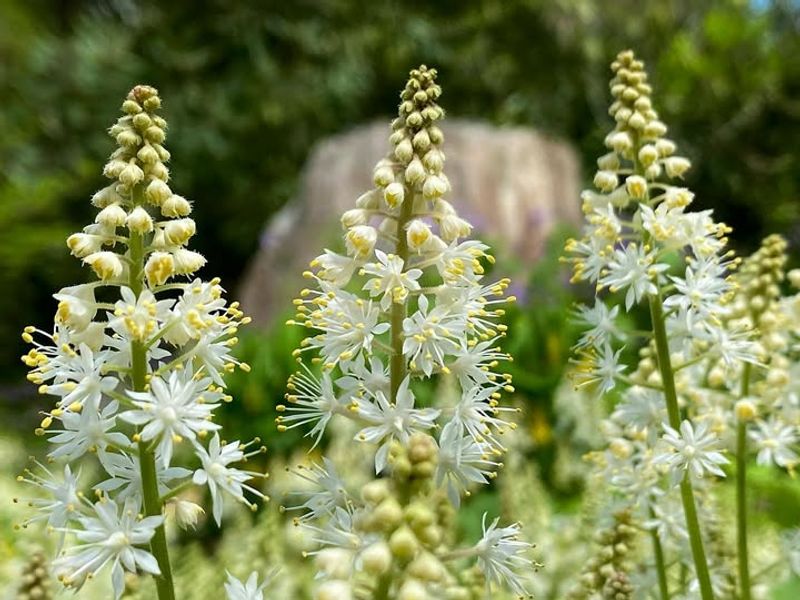
Delicate yet striking, Foamflower brings fine texture and early spring interest to shaded or woodland garden areas, and it’s an excellent choice to plant in late March when the soil first becomes workable. This low‑growing native groundcover thrives in partial to full shade and prefers rich, consistently moist soil, making it ideal for planting under trees, along shaded borders, or in naturalized woodland beds.
Sow seeds or transplant small plants in late March to give them time to settle before the rapid growth of spring begins.
Foamflower’s tiny, frothy white blossoms – resembling soft foam dancing above attractive, scalloped leaves – appear in spring and last into early summer, creating a carpet of subtle beauty that contrasts well with taller bloomers. The foliage remains attractive even after flowering, providing visual texture throughout the growing season.
Bees and other early pollinators are drawn to its tiny blooms, helping support wildlife activity as the garden wakes up after winter.
Once established, Foamflower spreads steadily without becoming invasive, filling in bare spots and suppressing weeds in shady beds. Pairing it with Virginia Bluebells, Wild Geranium, or Golden Alexander builds layered depth in your late‑March plantings, adding both height and groundcover interest.
4. Wild Bergamot With Vibrant Lavender Flowers
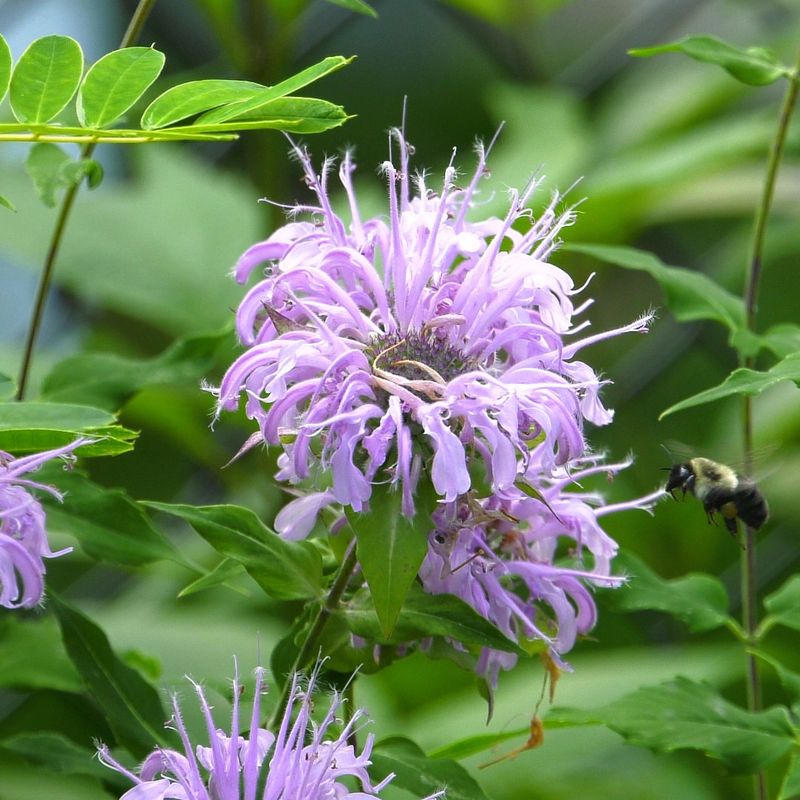
Clusters of soft lavender flowers release a minty fragrance that draws pollinators and adds height and texture to the garden. Late March planting allows roots to establish before spring warmth accelerates growth, helping stems reach full height for a robust summer bloom.
This perennial thrives in full sun or partial shade and tolerates average to dry soils, requiring little supplemental care once rooted. Its tall, airy stems provide visual interest and complement other natives such as Black-Eyed Susan or Purple Coneflower.
Bees are particularly attracted, making it a top choice for pollinator gardens. Naturalized meadows, layered borders, or mixed wildflower beds all benefit from its structure and color.
Planting in late March ensures early establishment, allowing the plant to suppress weeds and thrive with minimal intervention. Indigenous peoples historically used Bergamot leaves for culinary and medicinal purposes, highlighting its ecological and cultural significance.
Early spring planting also supports a continuous nectar supply for insects from the moment they emerge, giving your garden both beauty and ecological function. Once settled, Wild Bergamot contributes to a diverse, low-maintenance, wildlife-friendly garden that remains visually dynamic all season.
5. Butterfly Weed Calling Pollinators Home
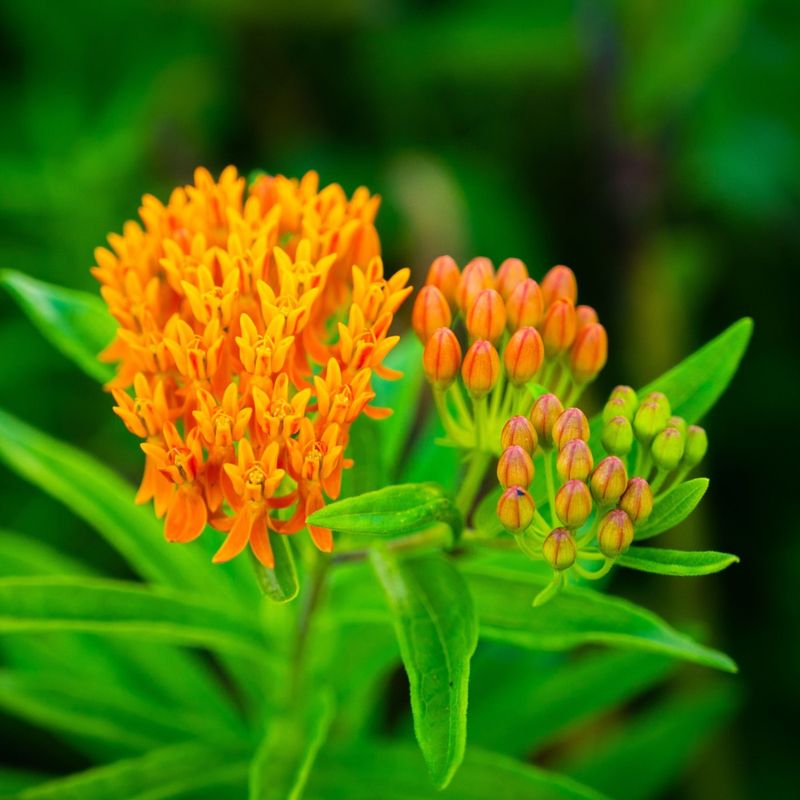
Planting Butterfly Weed in late March helps seedlings or transplants develop taproots before spring growth increases, supporting healthy summer blooms. Its bright orange flowers attract monarch butterflies, which rely on milkweed as a host for egg-laying.
This adaptable Pennsylvania native thrives in full sun with well-drained soils and tolerates sandy or rocky patches, making it suitable for a wide variety of garden conditions. Unlike more aggressive milkweeds, it remains well-behaved and manageable, producing dense, eye-catching flowers from June through August.
Pairing Butterfly Weed with Purple Coneflower or Black-Eyed Susan adds striking color contrast while supporting a wide range of pollinators, enhancing the garden’s ecological value. Patience is important, as early growth may appear slow, but stems quickly strengthen to support vibrant flowers and active monarch activity.
Once established, minimal maintenance is required, and the perennial contributes meaningfully to regional butterfly conservation. Strategically placing it along borders, in pollinator gardens, or near vegetable beds adds depth, ecological diversity, and a vivid splash of summer color that draws both people and wildlife alike.
6. Virginia Bluebell Carpeted In Spring Color
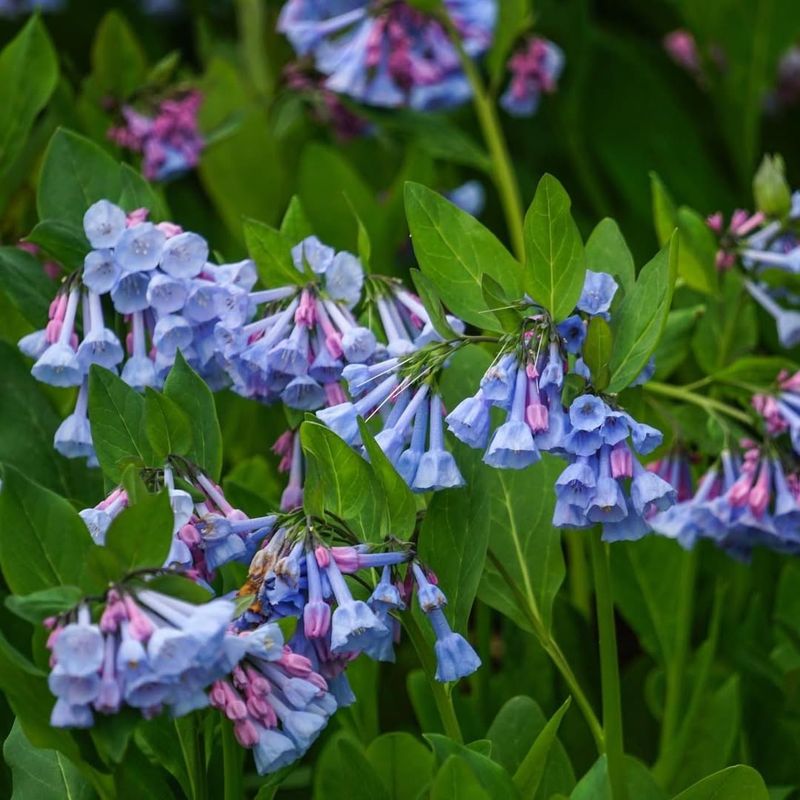
Clusters of pink buds gradually transform into sky-blue, trumpet-shaped flowers, creating a stunning early-season display that brightens shaded Pennsylvania gardens and woodland edges. Preferring moist, rich soil with partial to full shade, Virginia Bluebells thrive along streambanks, garden borders, and under deciduous trees where filtered sunlight reaches them.
Planting rhizomes or small transplants in late March gives roots time to establish before the full surge of spring, supporting healthy, vibrant blooms in April and May. Early establishment also allows stems to elongate and leaves to fully expand, maximizing flowering potential.
These ephemeral perennials bloom brilliantly before retreating to dormancy in early summer, making them excellent companions for later-blooming plants such as Wild Geranium, ferns, or other shade-loving natives, creating a layered, continuous garden display. Pollinators, particularly bees, are drawn to the flowers, providing both ecological benefits and added visual interest.
Once rooted, Virginia Bluebells are low-maintenance, requiring minimal watering and care. Their naturalized form enhances woodland or shaded gardens while supporting regional pollinator activity and contributing meaningfully to native plant conservation efforts and overall ecosystem diversity.
7. Columbine With Its Delicate Hanging Blooms
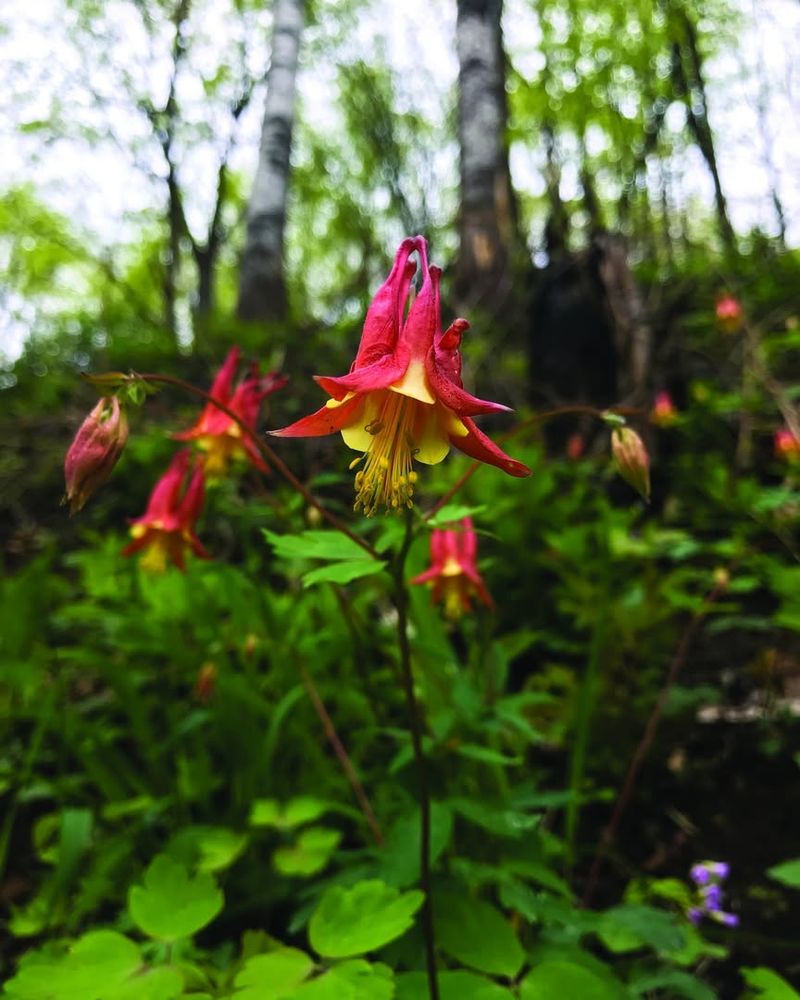
Planting Columbine in late March gives seeds or transplants a head start, allowing roots to establish before the rapid growth of spring and supporting stronger, healthier flowering throughout the season. Red-and-yellow spurred petals appear early, offering one of the first vibrant blooms in Pennsylvania gardens and brightening woodland-edge or shaded spots where other species may struggle.
This adaptable native thrives in partial shade with well-drained soils, tolerating areas that challenge many garden plants while attracting hummingbirds, giving gardeners the chance to observe pollinator activity up close. Columbine self-seeds gently, spreading gradually without becoming invasive, and provides low-maintenance beauty through late spring.
Pairing it with Virginia Bluebells or Wild Geranium creates layered texture and continuous bloom periods, enhancing both visual interest and ecological diversity. Establishing plants in late March helps maximize root strength, allowing them to better withstand mid-spring temperature fluctuations and occasional dry spells.
Once rooted, Columbine rarely faces pest or disease problems, making it a reliable addition. Using this perennial in naturalized borders, woodland-style beds, or near seating areas adds charm, supports pollinators, and contributes to a more dynamic, wildlife-friendly garden.
Its delicate blooms and extended nectar production make it an ideal choice for gardeners seeking early spring color and ecological value.
8. Wild Geranium Bringing Soft Pink Charm
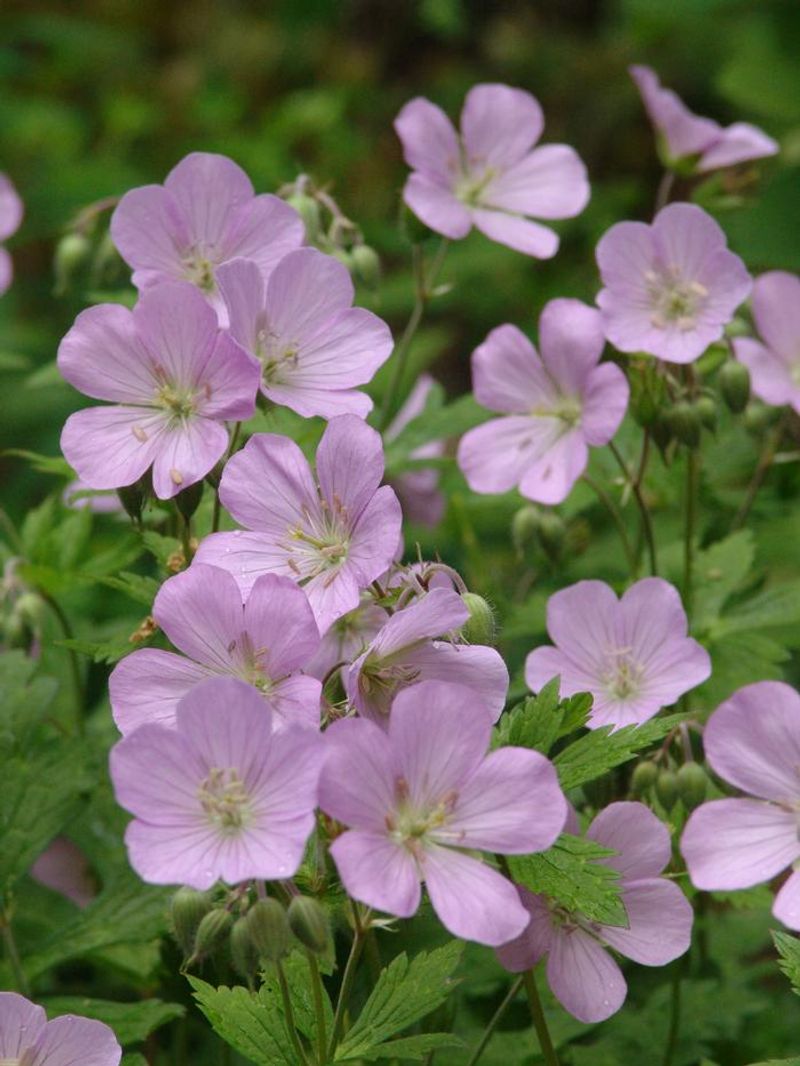
Delicate rosy-pink petals with darker veining create understated charm in shaded or naturalized garden spaces. Planting in late March provides enough time for roots to develop before spring growth accelerates, ensuring flowers bloom reliably from April through June.
Preferring moist, rich soils and partial to full shade, Wild Geranium is hardy, self-seeding gradually over time without becoming invasive. Its low-maintenance nature allows it to pair seamlessly with summer bloomers like Wild Bergamot or Butterfly Weed, maintaining garden interest throughout multiple seasons.
Pollinators, especially bumblebees, are drawn to its open, bowl-shaped flowers, supporting biodiversity while providing visual appeal. Early spring planting also ensures that plants recover quickly from winter conditions and establish a strong foothold for summer growth.
Layering Wild Geranium in woodland edges, shaded borders, or naturalized beds creates soft, textured layers that contrast beautifully with taller or more colorful companions. Once settled, it requires little additional care, providing both aesthetic and ecological benefits throughout the season, making it a must-have for Pennsylvania gardeners seeking low-effort, pollinator-friendly natives.
9. Golden Alexander With Its Sunshine-Yellow Clusters
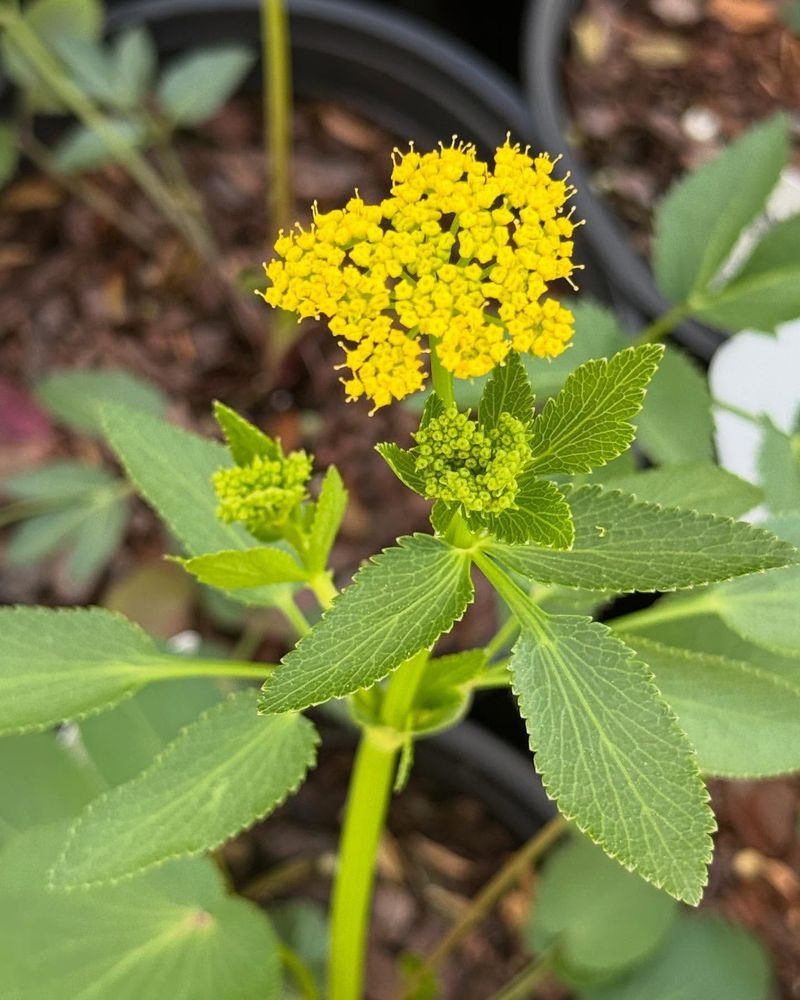
A burst of soft chartreuse blooms signals spring’s arrival, and Golden Alexander is one of the first native wildflowers to light up Pennsylvania gardens. Unlike later‑blooming summer natives, this species emerges early and can be planted in late March once the soil is workable.
Sow seeds directly or transplant small rooted plants into a site with partial to full sun and consistently moist, rich soil. Because Golden Alexander is naturally found along woodland edges and streambanks, it fits beautifully in shady borders, rain gardens, and mixed beds that bridge bright and cool areas.
This plant is exceptionally attractive to early pollinators, especially native bees and butterflies, providing nectar and pollen at a time when few other flowers are blooming. Establishing roots in late March gives Golden Alexander a head start before warmer weather accelerates growth.
Once roots are set, the plant requires minimal care, though regular moisture early in the season supports vigorous flowering. Its upright, delicate stems and clustered blooms add soft texture that complements bolder perennials like Black‑Eyed Susan and Purple Coneflower planted nearby.
Pairing Golden Alexander with other early natives creates a layered, dynamic garden that bursts with life from spring into early summer.
10. Swamp Milkweed Supporting Monarchs And More
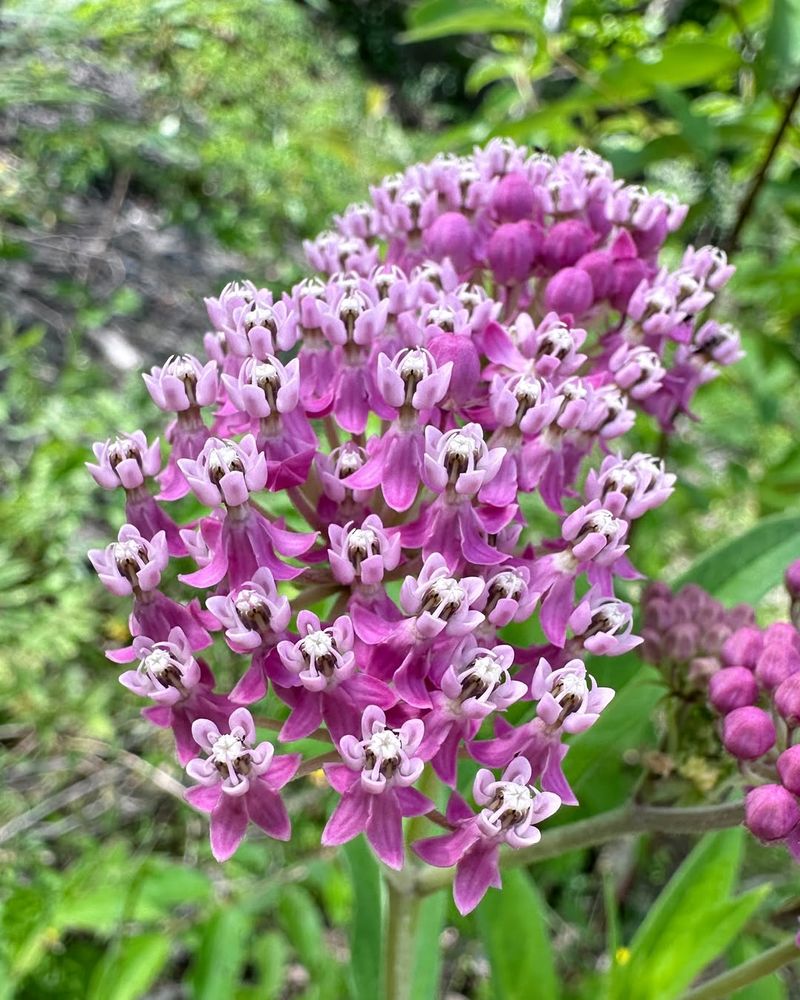
Soft rosy‑pink umbels rising above slender stems make Swamp Milkweed a captivating addition to Pennsylvania gardens, and planting it in late March gives young plants the best chance to establish strong roots before spring growth surges. This native thrives in consistently moist soil and full sun, making it particularly suited for rain gardens, wet meadows, or along pond edges where moisture holds longer.
Seed or transplant into a site where water doesn’t stagnate but remains evenly damp throughout early season.
Swamp Milkweed plays a crucial role in monarch butterfly conservation, offering both nectar for adult butterflies and a host plant for caterpillars. While Butterfly Weed has a deep taproot and drier soil preference, Swamp Milkweed broadens habitat options by supporting monarchs in wetter garden zones.
Planting in late March allows roots to anchor before warmer weather arrives, setting the stage for abundant summer blooms that can persist into early autumn.
Once established, this plant requires little intervention and naturally supports bees, butterflies, and other beneficial insects. Combining Swamp Milkweed with nearby Purple Coneflower, Wild Bergamot, or Golden Alexander creates an ecologically rich garden tapestry that sustains pollinators throughout the season.
Its graceful stems and clustered blooms also add architectural interest that draws the eye and extends the visual rhythm of your native flower plantings.