8 Vegetables That Produce Plenty In Small Garden Spaces In Georgia
Not every Georgia garden comes with a large backyard, but that does not mean growing plenty of fresh vegetables is out of reach.
Even small garden beds, raised boxes, and containers can produce surprisingly generous harvests when the right crops are chosen.
Some vegetables naturally stay compact while still producing heavily, making them perfect for tighter spaces. With Georgia’s long growing season, many of these plants can keep producing for weeks or even months once they get going.
The key is focusing on varieties that grow efficiently, use vertical space, or deliver steady harvests without taking over the whole garden.
When planted in the right spot and given basic care, a small area can turn into a productive little food garden that provides far more than its size might suggest.
1. Cherry Tomatoes Produce Many Fruits On Compact Plants
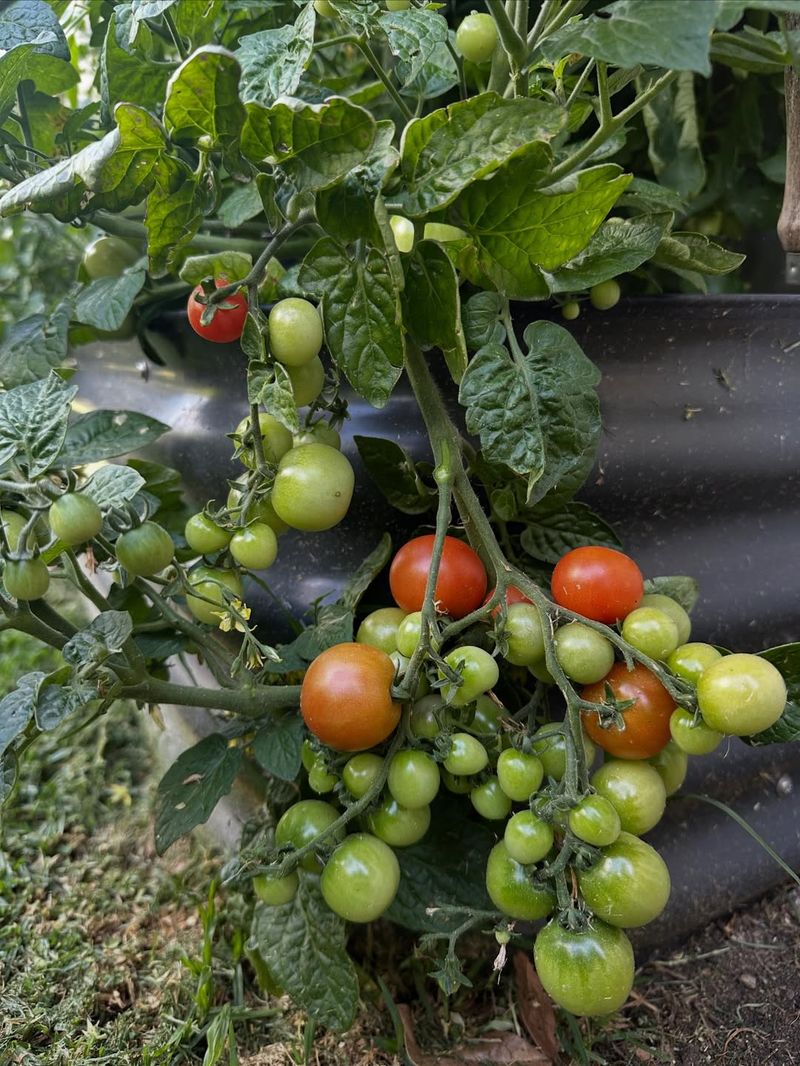
A single cherry tomato plant can produce hundreds of fruits across one season, which makes it one of the smartest choices for a small Georgia garden. Varieties like Sweet 100 and Juliet stay manageable in size but keep pumping out fruit from late spring well into fall.
Plant them in a container at least 12 inches deep or tuck them into a raised bed with a sturdy cage for support.
Georgia summers can get brutally hot, but cherry tomatoes handle the heat far better than larger beefsteak types. Water consistently at the base of the plant to keep the soil evenly moist, especially during July and August when temperatures climb.
Inconsistent watering leads to blossom drop and cracked fruit, so set a regular schedule and stick to it.
Pinching off suckers — those small shoots that grow between the main stem and branches — keeps the plant focused on producing fruit instead of sprawling outward. Feeding with a balanced fertilizer every two weeks keeps production strong throughout the season.
Grown vertically against a fence or trellis, a cherry tomato plant takes up surprisingly little ground space while still delivering a steady, satisfying harvest all summer long in Georgia.
Harvest frequently once fruits begin ripening, because regular picking encourages cherry tomato plants in Georgia to keep producing new clusters all through the warm season.
2. Bush Beans Grow Well In Small Garden Beds
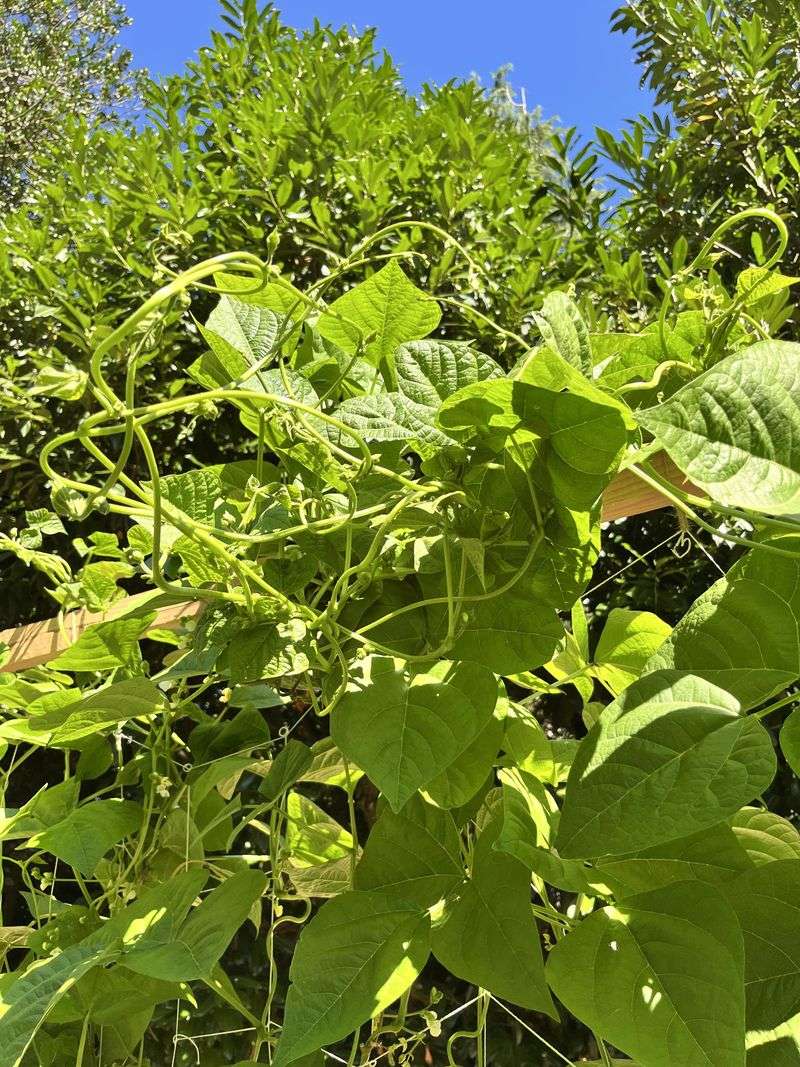
Bush beans are the kind of vegetable that make you feel like a real gardener fast. Unlike pole beans, they do not need a trellis or any climbing support, so they stay neat and contained in a small bed.
In Georgia, you can start planting bush beans as early as mid-March when the soil warms up, and they will be ready to harvest in as little as 50 days.
Succession planting is one of the best tricks to use with bush beans in a tight space. Sow a short row every two weeks, and instead of getting one big harvest all at once, you keep picking fresh beans for months.
Space seeds about four inches apart in rows about a foot wide, which means even a small raised bed can hold a surprisingly productive planting.
Your Georgia Garden Changes Every Week. Your Plan Should Too.
Gardening in Georgia changes quickly throughout the season. Every Friday you’ll receive a simple weekly plan showing exactly what to plant, prune, fertilize, harvest, and protect so you never miss the right timing.
Bush beans prefer full sun and do not ask for much beyond consistent moisture during flowering and pod formation. Avoid wetting the foliage when watering since damp leaves invite fungal problems, which are already a concern in Georgia’s humid summers.
Pick pods regularly when they are slender and tender — leaving mature pods on the plant signals it to slow down production. Keep harvesting, and the plants will keep producing until the summer heat peaks.
Warm soil is key, so waiting until temperatures stay above about 60 degrees Fahrenheit in Georgia helps bush beans sprout quickly and grow without early setbacks.
3. Leaf Lettuce Produces Repeated Harvests In Tight Spaces
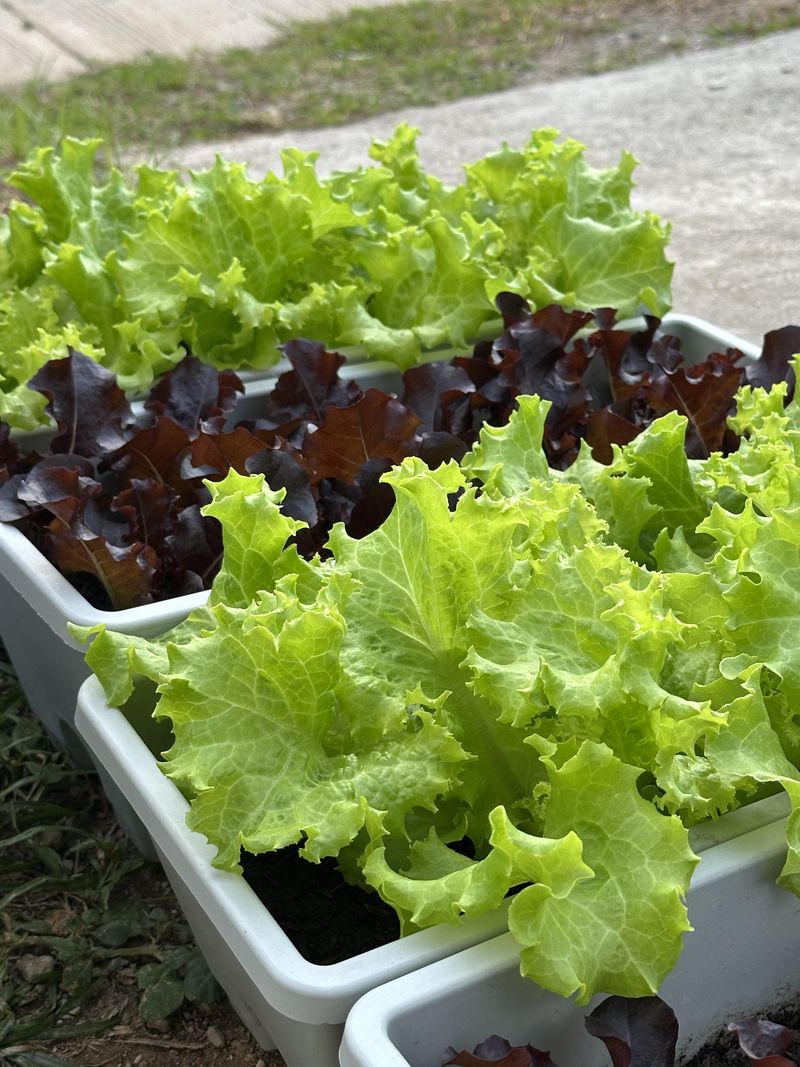
Leaf lettuce is one of those vegetables that practically begs to be grown in a small space. Cut a few outer leaves, walk away, and come back a week later to find the plant has already pushed out fresh new growth.
Georgia gardeners can take advantage of this cut-and-come-again habit to stretch a single planting across several weeks of harvests without replanting.
Spring is the prime window for lettuce in Georgia, roughly from late February through early May before the heat arrives. Sow seeds thickly in a container or small bed and thin them as they grow, eating the thinnings as baby greens.
Varieties like Black Seeded Simpson and Red Sails bolt slower than others, giving you a longer harvest window before the summer temperatures push them past their limit.
Afternoon shade helps extend the season significantly in Georgia’s warm climate. Positioning a lettuce container near a taller plant or structure that blocks the hottest afternoon sun can buy you an extra two to three weeks of production.
In fall, lettuce comes back strong from September through November when temperatures cool back down. Two short seasons of leaf lettuce production in one year is entirely realistic for Georgia gardeners working with limited space and looking to get the most out of every square foot.
Keeping the soil consistently moist and harvesting often encourages leaf lettuce in Georgia to keep sending out fresh leaves instead of slowing down early.
4. Radishes Mature Quickly And Fit In Small Areas
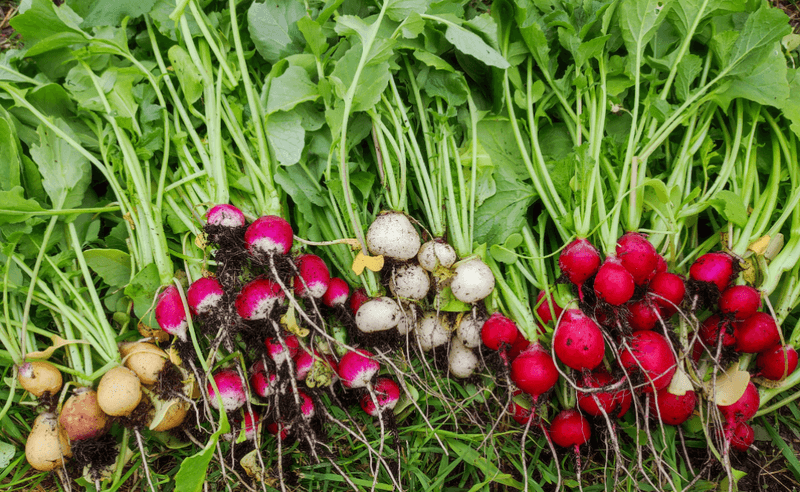
No vegetable rewards impatience quite like a radish. From seed to table in as little as 22 days, radishes are the fastest crop you can grow in a Georgia garden, which makes them invaluable for filling gaps between slower vegetables.
Tuck them into any empty strip of soil, and by the time your peppers or tomatoes need more room, the radishes are already done.
Cherry Belle and Easter Egg are two reliable varieties that stay small and round, perfect for shallow containers or the edges of raised beds.
Sow seeds about an inch apart and half an inch deep directly into the ground — radishes do not transplant well and prefer to grow right where you plant them.
Thin seedlings to about two inches apart once they sprout, and do not skip this step since crowded radishes produce stubby, misshapen roots.
In Georgia, radishes perform best during spring and fall when temperatures stay between 50 and 70 degrees. Summer heat causes them to bolt quickly and turn pithy inside, so plan your planting windows around the cooler months.
Water evenly to keep the soil consistently moist, and harvest promptly once they reach size — leaving them in the ground too long makes them crack and turn hot and bitter. Fast, easy, and space-efficient, radishes are a small garden essential.
5. Green Onions Grow Easily In Narrow Garden Rows
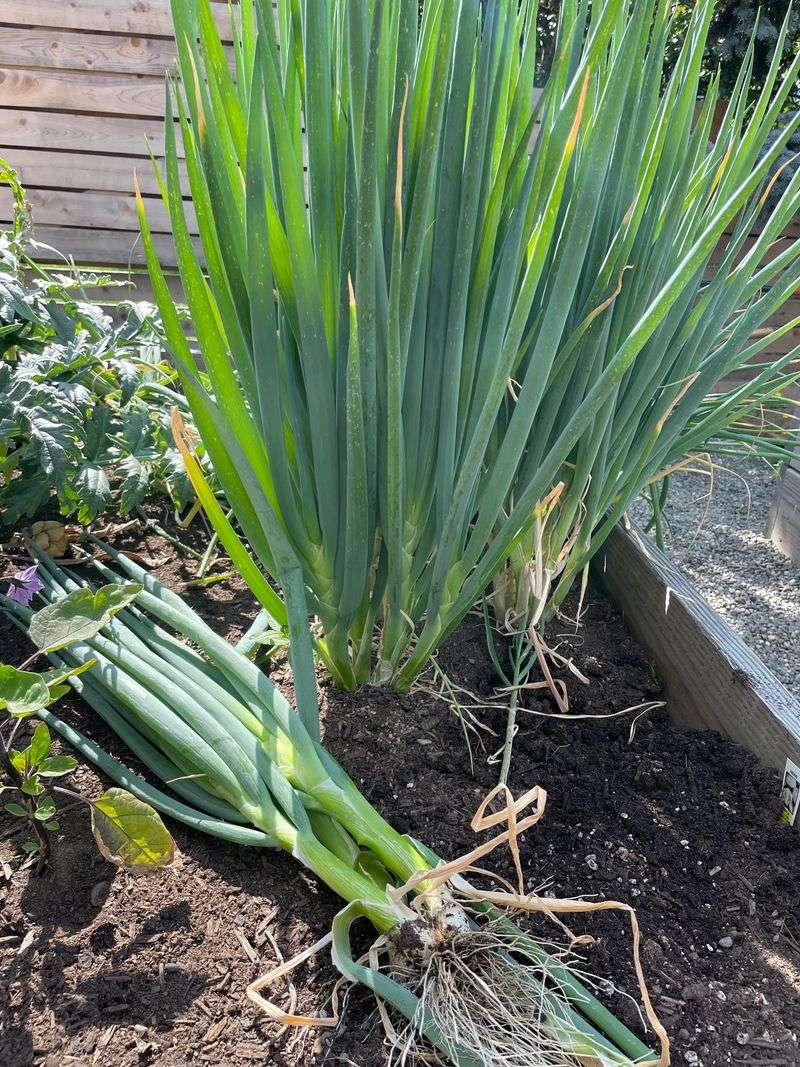
Green onions might be the most underrated vegetable in a small Georgia garden. They take up almost no horizontal space, grow straight up, and can be planted in rows just two inches apart.
A single 12-inch-wide bed can hold several dozen green onions at once, and they are ready to pull in about 60 to 80 days from seed or much faster if you start from sets.
One clever trick is to regrow green onions from store-bought bunches. Place the root ends in a jar of water on a sunny windowsill, and within days new green tops will start shooting up.
Once they are a few inches tall, plant them directly into your garden bed and they will keep growing without any fuss. Georgia’s mild winters also mean green onions can stay in the ground and continue producing well into December in many parts of the state.
Full sun is ideal, but green onions tolerate partial shade better than most vegetables, which is useful in tight spaces where taller plants may cast shadows. Keep the soil loose and well-drained since waterlogged roots lead to rot.
Harvest by pulling individual plants from the outside of the row and leaving the rest to continue growing. Consistent harvesting actually encourages denser growth, so do not be shy about picking from your rows regularly throughout the season.
6. Spinach Produces Plenty Of Leaves In Small Spaces
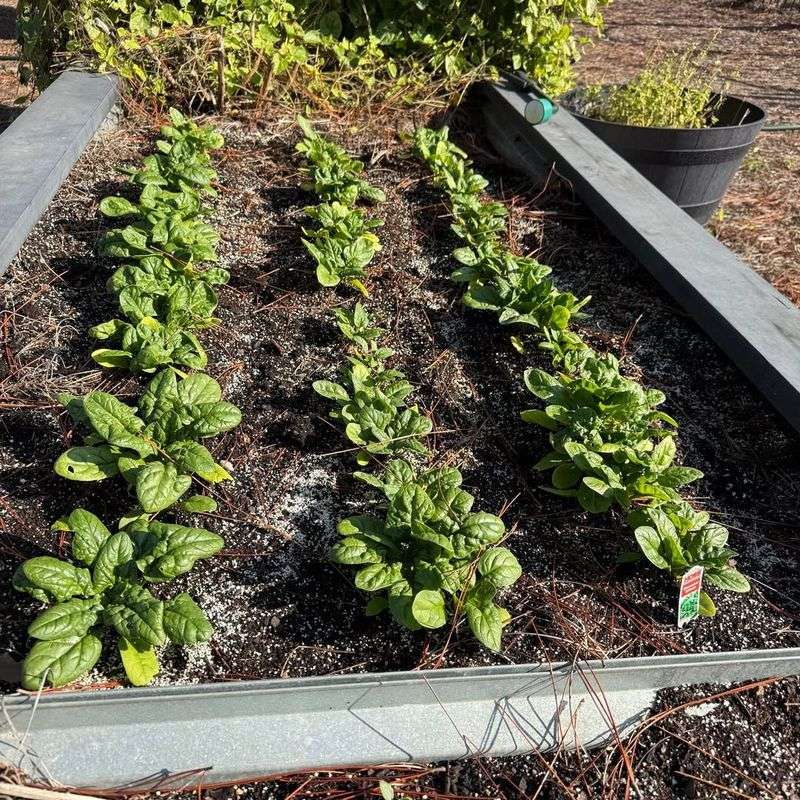
Spinach is a cool-season powerhouse that fits perfectly into the Georgia gardening calendar during spring and fall. Planted in late February or early March, it produces a generous amount of leaves in a very compact footprint before summer heat pushes it to bolt.
A two-foot-by-two-foot patch of spinach can supply enough greens for salads and cooked dishes for a family of four over several weeks.
Bloomsdale Long Standing is a popular variety among Georgia gardeners because it holds up to warmer temperatures a bit better than standard types, giving you extra time before it sends up a seed stalk.
Sow seeds densely and harvest outer leaves regularly to keep the plant producing from the center.
Spinach grows shallow roots, so it does extremely well in containers as shallow as six to eight inches deep.
Soil preparation matters more with spinach than with many other vegetables. Adding compost to your bed before planting improves both moisture retention and nutrient availability, which directly affects how thick and flavorful the leaves turn out.
In Georgia’s fall season — from September through November — spinach absolutely thrives and often outperforms the spring crop because the days are cooling rather than warming.
Planting in both seasons doubles your total harvest without doubling your garden space, making spinach a genuinely smart choice for small plots.
7. Peppers Grow Well In Containers And Small Beds
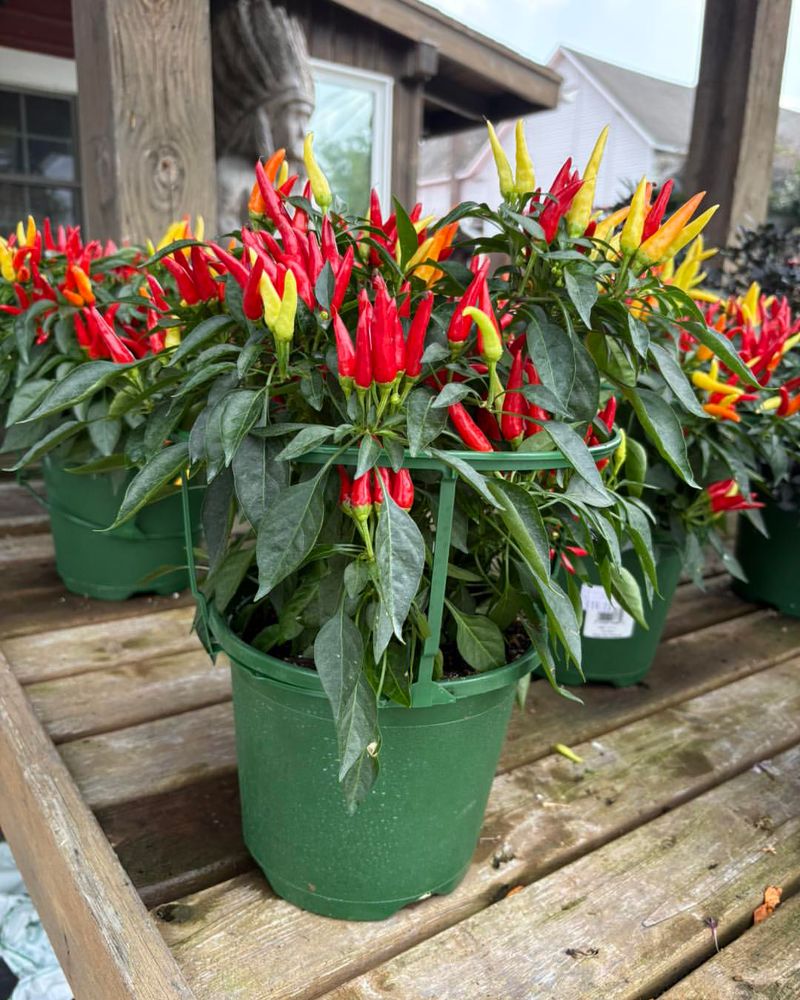
Peppers are built for Georgia summers in a way that few other vegetables are. They love the heat, tolerate dry spells better than tomatoes, and keep producing fruit from June all the way through October with very little complaint.
A single well-cared-for pepper plant in a five-gallon container can produce 20 to 30 peppers across a season, which is remarkable output for such a small footprint.
Both sweet and hot varieties perform well in containers and compact beds throughout Georgia.
California Wonder is a classic bell pepper that stays upright and bushy without sprawling, while Cayenne and Jalapeno types are naturally compact and incredibly productive.
Set plants out after the last frost — typically mid-March to early April in most parts of Georgia — and give them full sun for at least six to eight hours daily.
Container-grown peppers need slightly more frequent watering than in-ground plants since pots dry out faster during Georgia’s summer heat. Feed them with a fertilizer higher in phosphorus during the flowering stage to encourage fruit set.
Avoid over-fertilizing with nitrogen, which pushes leafy growth at the expense of peppers. Staking taller plants prevents branches from snapping under the weight of a heavy fruit load.
Peppers are genuinely low-effort once they get going, and their long productive season makes them one of the best returns on space in any small Georgia garden.
8. Cucumbers Can Be Trained Upward To Save Space
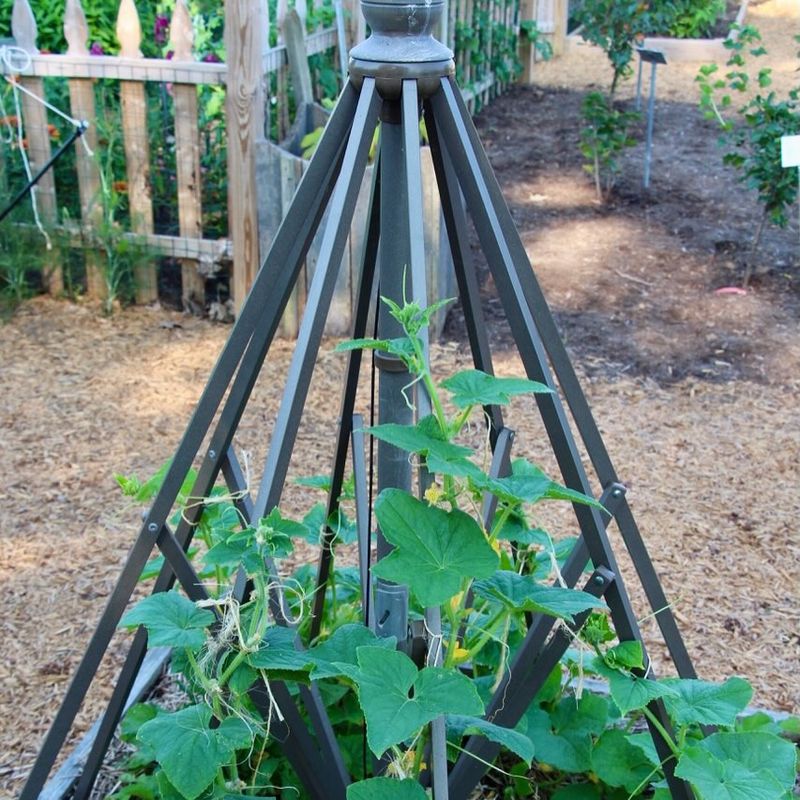
Cucumbers have a reputation for taking over a garden, but that reputation only applies when you let them sprawl across the ground.
Train them up a trellis, a section of wire fencing, or even a simple stake-and-string setup, and a single plant occupies less than two square feet of ground space while producing an impressive number of fruits.
Vertical growing is one of the best space-saving moves a Georgia gardener can make.
Bush Pickle and Spacemaster are two compact cucumber varieties well-suited to small Georgia gardens. Both stay manageable in size and produce reliably through the heat.
Plant seeds or transplants after the last frost date, usually around mid-April in central Georgia, and provide a trellis from the start so the vines have something to grab onto immediately as they grow.
Cucumbers need consistent moisture more than almost any other vegetable on this list.
Mulching around the base of the plant helps the soil hold moisture between waterings, which is especially useful during Georgia’s hot July and August weeks.
Harvest cucumbers when they reach full size but before they turn yellow — overripe cucumbers left on the vine signal the plant to stop producing new fruit.
Pick frequently, water well, and a vertical cucumber plant in a Georgia garden will keep rewarding you all summer long.