7 Mistakes Arizona Gardeners Make When Growing Pomegranates
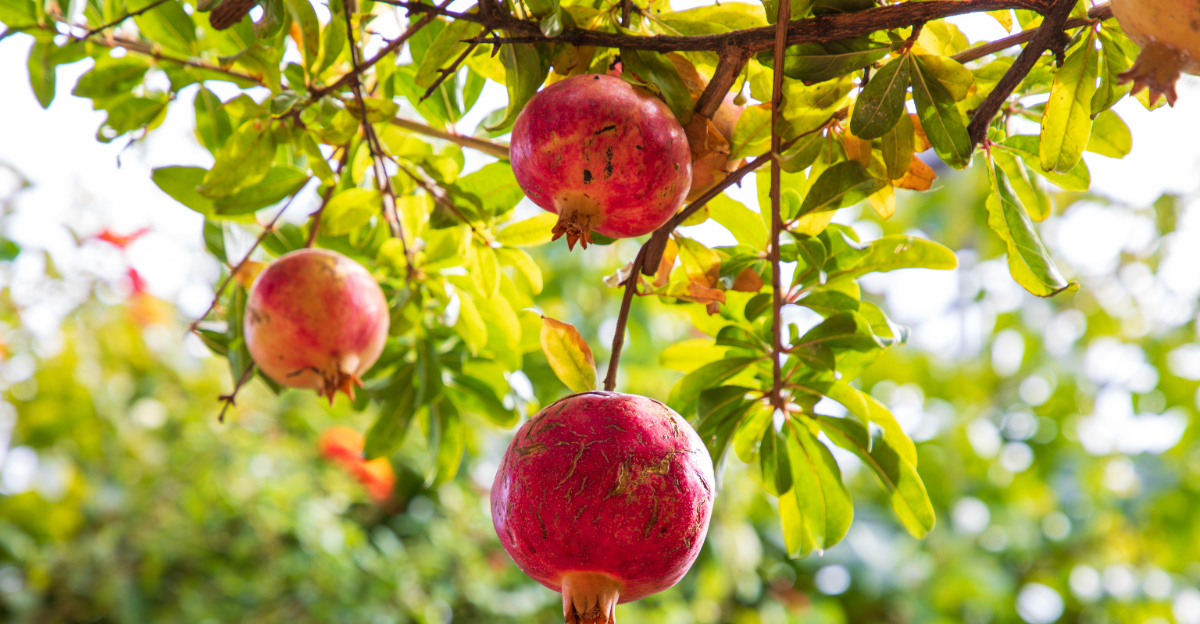
Pomegranate trees grow well in Arizona’s warm, dry climate, which is why so many gardeners choose them for their yards.
These trees are known for handling heat, tolerating drought once established, and producing beautiful fruit with surprisingly little care.
But even though pomegranates are considered fairly easy to grow, a few common mistakes can still cause problems along the way.
Planting them in the wrong spot, watering too often, or pruning at the wrong time can all affect how well the tree grows and how much fruit it produces.
Many Arizona gardeners only realize these issues after the tree struggles or produces fewer pomegranates than expected. The good news is that most of these problems are easy to avoid once you know what to watch for.
A few simple adjustments can help pomegranate trees stay healthier and produce better harvests in Arizona gardens.
1. Planting Pomegranates In Poorly Draining Soil
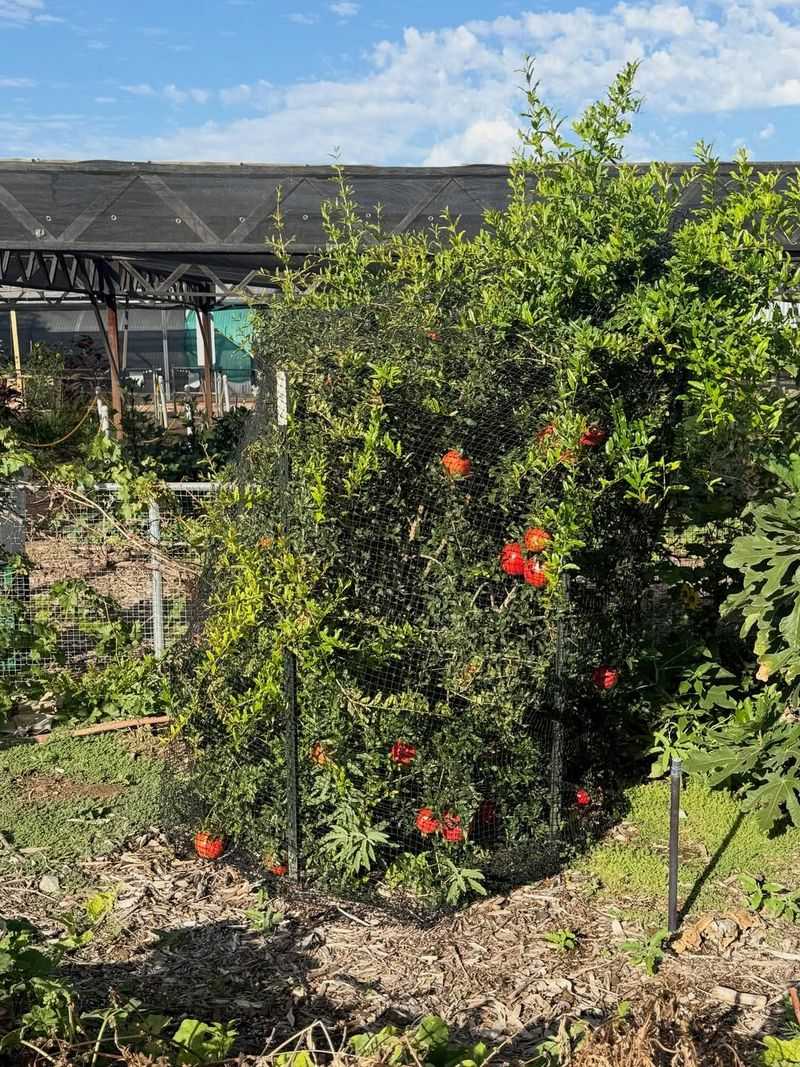
Soggy roots are a pomegranate’s worst enemy, and Arizona’s clay-heavy soils can hold water far longer than most people realize. You might water your tree and think everything looks fine on the surface, but underneath, the roots could be sitting in moisture for hours.
Pomegranates need soil that drains quickly and dries out between waterings.
In the Phoenix Valley and Tucson areas, many yards have dense caliche layers just below the surface. Caliche is a hardened calcium carbonate layer that acts almost like concrete underground.
Water hits it and pools up instead of draining away, which can suffocate roots over time.
Before planting, dig a test hole about 12 inches deep and fill it with water. If the water is still sitting there an hour later, you have a drainage problem worth addressing.
Breaking through caliche with a pick or renting a power auger can help create a drainage channel below your planting hole.
Mixing coarse sand and compost into your native soil before planting also improves texture significantly. Raised beds are another solid option, especially in areas where the caliche layer is particularly stubborn and thick.
Building your planting area up by even 10 to 12 inches gives roots a well-aerated zone to establish in.
Choosing a spot with a slight natural slope also helps excess water move away from the root zone. Flat, low-lying areas in Arizona yards are almost always the worst spots for pomegranates.
2. Watering Too Often Instead Of Deep, Occasional Watering
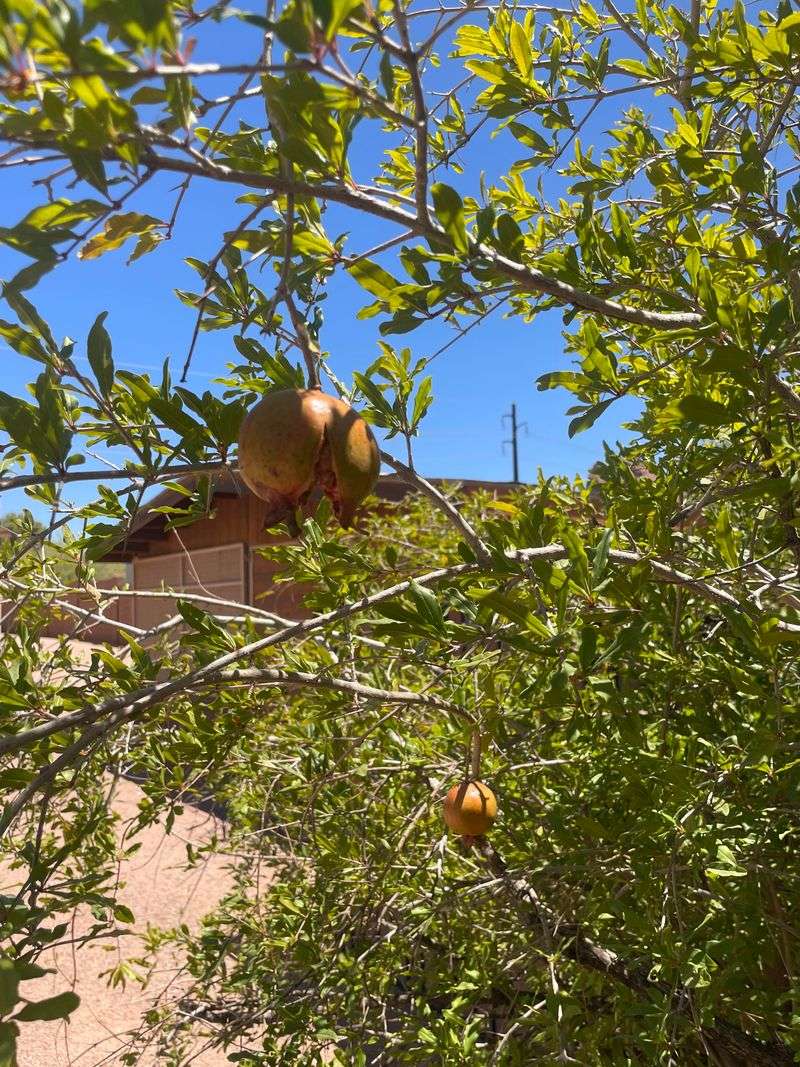
Watering a little every day feels responsible, but for pomegranates in Arizona, it is actually counterproductive. Shallow, frequent watering trains roots to stay near the surface where soil dries out fastest.
When a heat wave rolls through, those shallow roots have almost no buffer against the stress.
Deep watering every one to two weeks during the growing season is a much better approach. You want moisture to penetrate 18 to 24 inches into the soil so roots chase it downward.
A tree with deep roots handles Arizona’s brutal summer temperatures far better than one with a shallow root system.
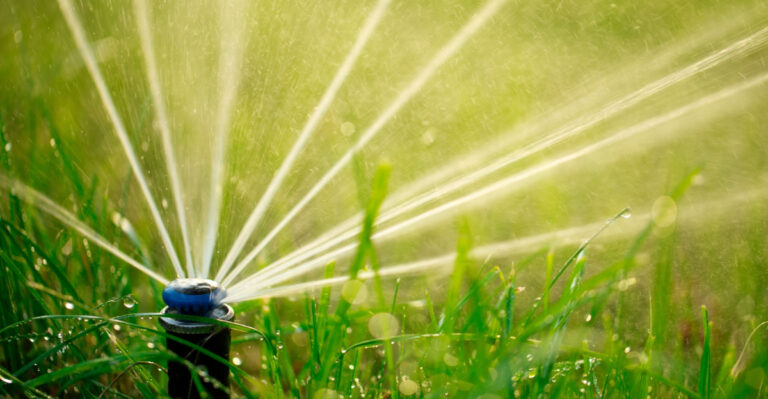
Drip irrigation is popular here, and it works well when set up correctly. Run your drip system long enough to actually saturate the soil rather than just dampen the top few inches.
Your Arizona Garden Changes Every Week. Your Plan Should Too.
Gardening in Arizona changes quickly throughout the season. Every Friday you’ll receive a simple weekly plan showing exactly what to plant, prune, fertilize, harvest, and protect so you never miss the right timing.
Short irrigation cycles are one of the most common watering mistakes seen in Arizona landscapes.
During the monsoon season, cut back on irrigation significantly. Arizona’s summer storms can drop surprising amounts of rain in short bursts, and continuing to water on your regular schedule can push too much moisture into the root zone all at once.
Watch the soil, not the calendar.
In winter, pomegranates need very little water since they go semi-dormant. Overwatering during this period is especially risky because soil stays wet longer in cooler temperatures.
Letting the soil dry out almost completely between winter waterings is perfectly normal and healthy for the tree.
3. Planting In Areas With Too Much Shade
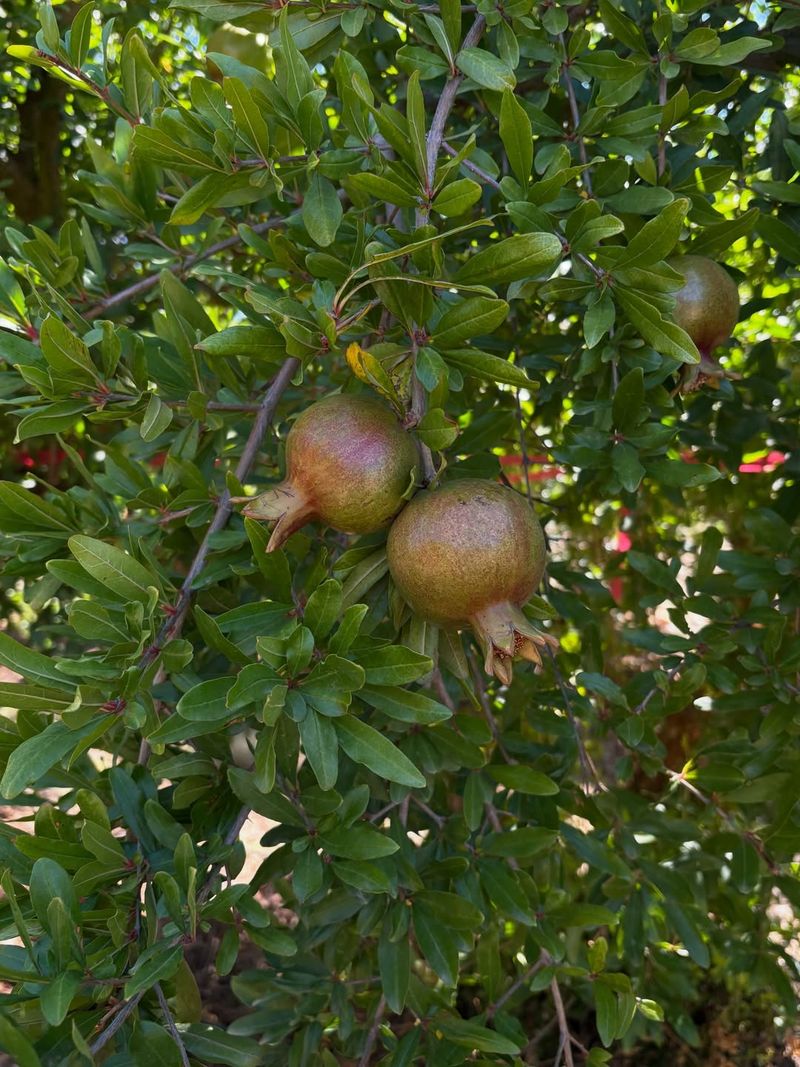
Shade might seem like a gift in Arizona’s scorching summers, but pomegranates genuinely need full sun to produce well. A tree getting only four to five hours of direct sunlight will grow slowly, bloom poorly, and set very little fruit.
Arizona’s intense light is actually one reason pomegranates can thrive so well here when planted right.
Spots near block walls on the north side of a house, under large mesquite or palo verde canopies, or tucked into corners where buildings cast long shadows are all poor choices.
Even partial shade during the afternoon hours can noticeably reduce fruit production compared to a fully exposed planting spot.
Aim for a location that gets at least eight hours of direct sun daily. South-facing and west-facing exposures in Arizona work particularly well.
Yes, afternoon sun in summer is intense, but pomegranates handle that heat better than most fruit trees.
Younger trees sometimes get planted near fast-growing shade trees without much thought about what that spot will look like in five years.
A mesquite that barely shades anything today can spread a wide canopy within a few seasons, gradually cutting into your pomegranate’s light exposure.
Plan ahead when choosing your site.
Fruit color and sugar content are both directly tied to sun exposure. Pomegranates grown in full sun here in Arizona develop that deep, rich red color and sweet flavor that shaded trees simply cannot match, no matter how well you fertilize or water them.
4. Overfertilizing And Encouraging Excess Leaf Growth
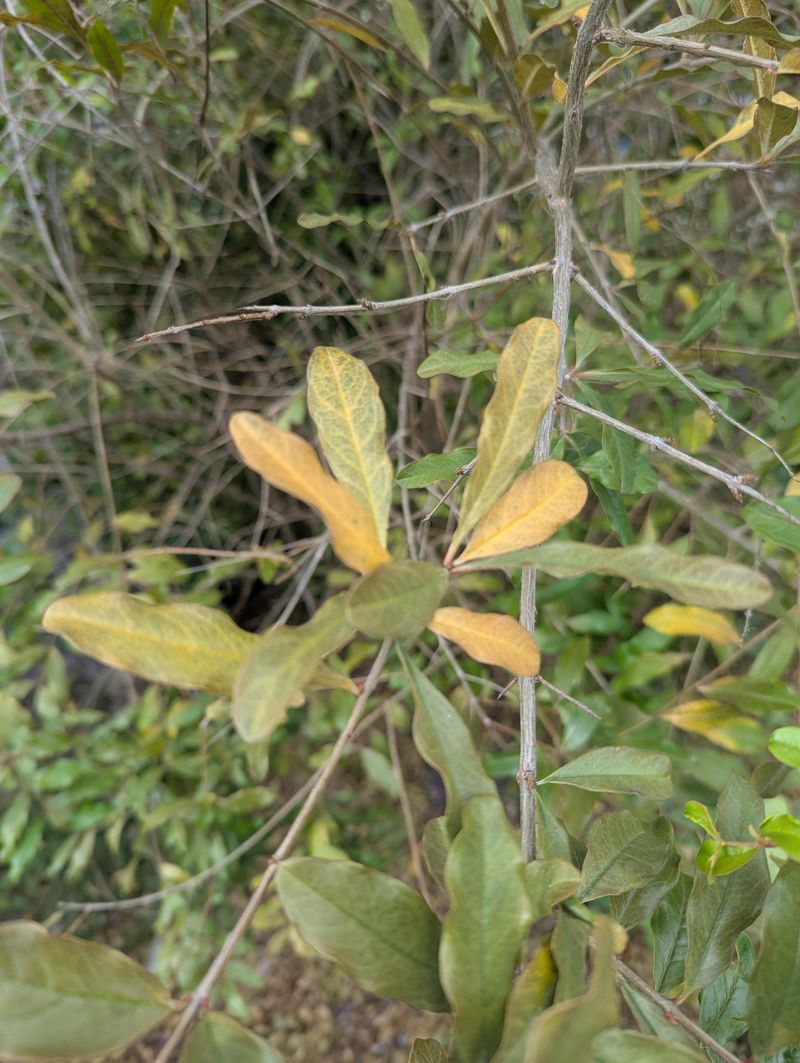
Walk into any Arizona garden center and you will find shelves of fertilizers promising bigger, better plants. With pomegranates, more fertilizer is rarely the answer.
Pushing too much nitrogen into the soil causes the tree to put all its energy into growing leaves and branches rather than producing flowers and fruit.
A heavily fertilized pomegranate can look impressive at first glance, thick and green with lots of new growth. But come flowering season, you might notice very few blossoms, and what blooms do appear often drop before setting fruit.
Lush canopy growth is not the goal here.
Arizona’s native soils are already fairly alkaline and often contain adequate mineral content for pomegranates to get by without much supplemental feeding.
A light application of balanced fertilizer in early spring is usually enough to support healthy growth without overdoing it.
Skip the heavy summer feeding schedules.
Compost worked into the soil around the drip line is a gentler approach that feeds slowly and improves soil structure at the same time.
It releases nutrients gradually instead of dumping a concentrated dose all at once, which reduces the risk of triggering excessive vegetative growth.
If your tree is producing plenty of new growth but barely any fruit, cut back on fertilizer entirely for a season and see what happens. Sometimes stepping back is the most productive thing you can do.
Pomegranates in Arizona often respond well to a little neglect when it comes to feeding.
5. Skipping Annual Pruning That Keeps The Tree Productive
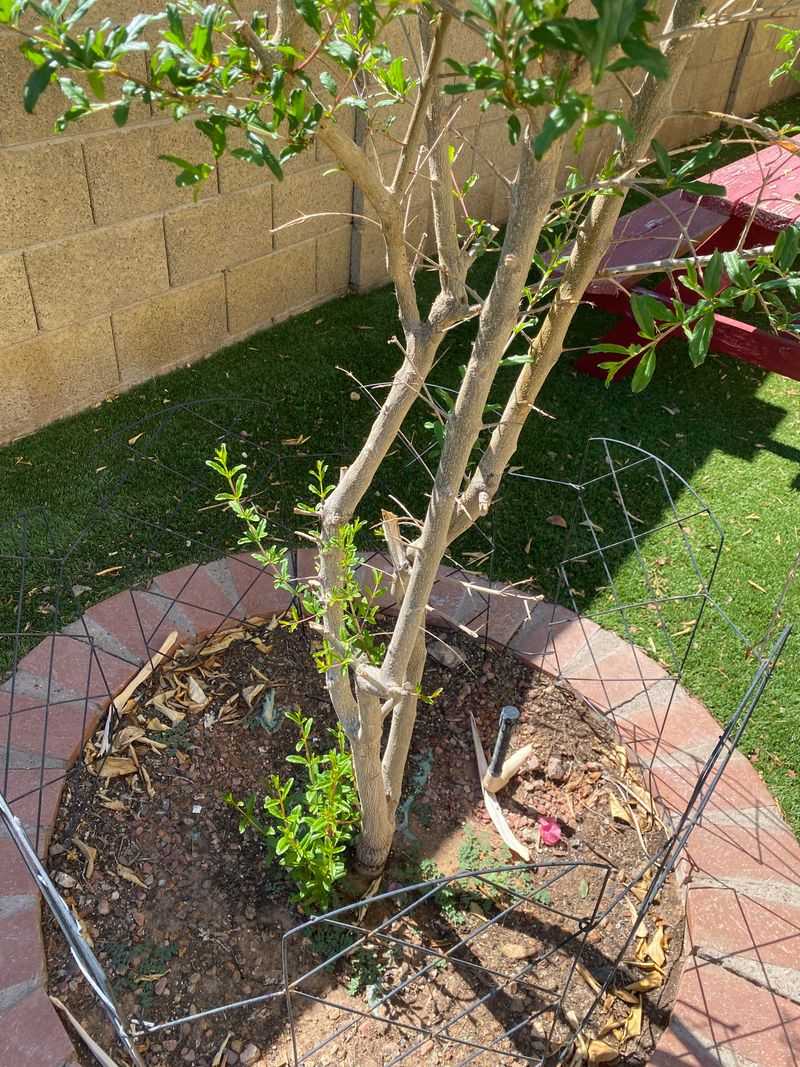
Skipping pruning for a year or two might not seem like a big deal, but pomegranate trees can get away from you faster than you expect.
Unpruned trees develop crossing branches, dense interior growth, and a tangled structure that blocks airflow and light from reaching fruiting wood.
Arizona’s long growing season makes this happen quickly.
Late winter is the right window for pruning here, typically January through early February before new growth flushes out.
Pruning at this time lets you see the branch structure clearly while the tree is still semi-dormant, and the cuts heal well as the weather warms heading into spring.
Focus on removing branches that cross and rub against each other, stems growing toward the center of the canopy, and any wood that looks damaged or unproductive.
You do not need to reshape the whole tree every year, just clean it up and open it enough to let sunlight reach the fruiting branches inside.
Pomegranates produce fruit on mature wood, so avoid cutting back healthy older branches too aggressively. Removing too much at once stresses the tree and can trigger a flush of vigorous but unproductive new growth that takes seasons to start bearing again.
Keeping your pruning shears clean and sharp matters more than most people think. Ragged cuts from dull blades take longer to heal and can introduce problems into the tree.
Wipe blades with rubbing alcohol between cuts, especially if you are working on multiple trees in your Arizona yard.
6. Ignoring Suckers That Grow From The Base
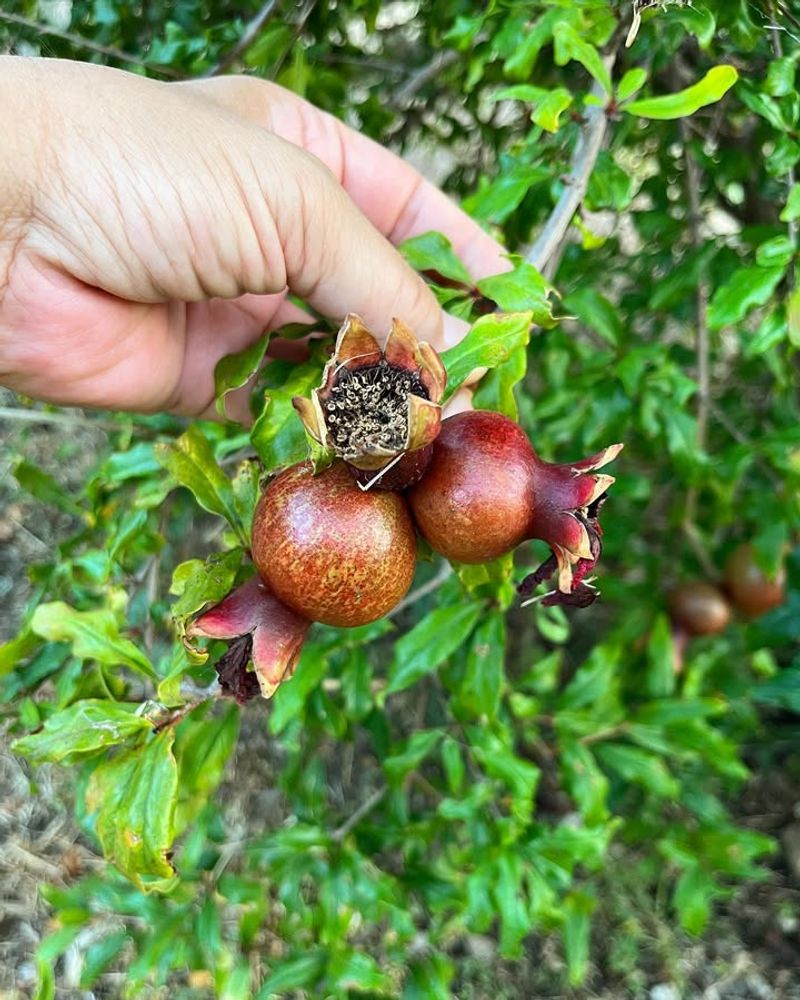
Suckers are those fast-growing shoots that pop up from the base of the trunk or directly from the roots, and pomegranates in Arizona produce them with impressive enthusiasm.
Left unchecked, these suckers pull energy away from the main tree and can eventually turn a well-shaped specimen into a chaotic multi-stemmed shrub.
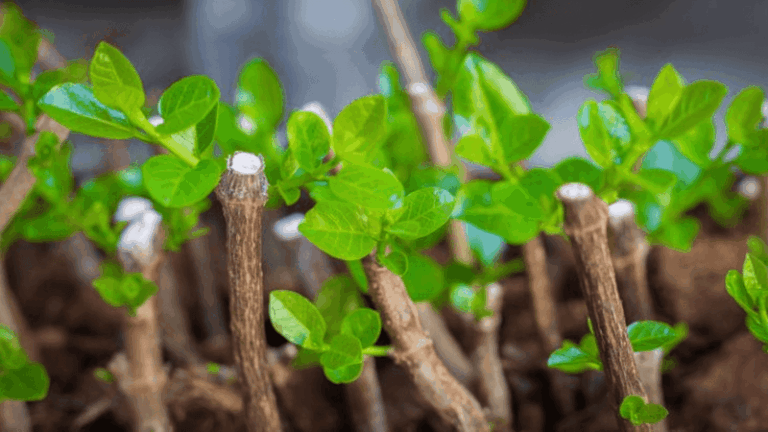
Removing suckers early is much easier than dealing with them after they have had a season to establish. When they are young and small, you can snap them off by hand or cut them flush with the base using clean pruners.
Waiting until they are thick and woody makes the job harder and leaves larger wounds.
Check around the base of your tree every few weeks during the growing season, especially after irrigation or monsoon rain, because suckers seem to appear almost overnight when conditions are favorable.
A quick walk-around inspection takes only a minute but saves you a lot of work later in the season.
Some gardeners in Arizona intentionally allow pomegranates to grow in a multi-trunk form, which is a legitimate choice. But even in that case, you still need to control which stems you keep and remove the random suckers that sprout beyond what you want.
Letting everything grow unchecked leads to a tangled mess.
Suckers that sprout from below the graft union on grafted trees are especially important to remove promptly. Growth from below the graft is rootstock wood, not the fruiting variety you purchased, and it will not produce the same quality fruit as the grafted portion above.
7. Harvesting Fruit Before It Fully Ripens
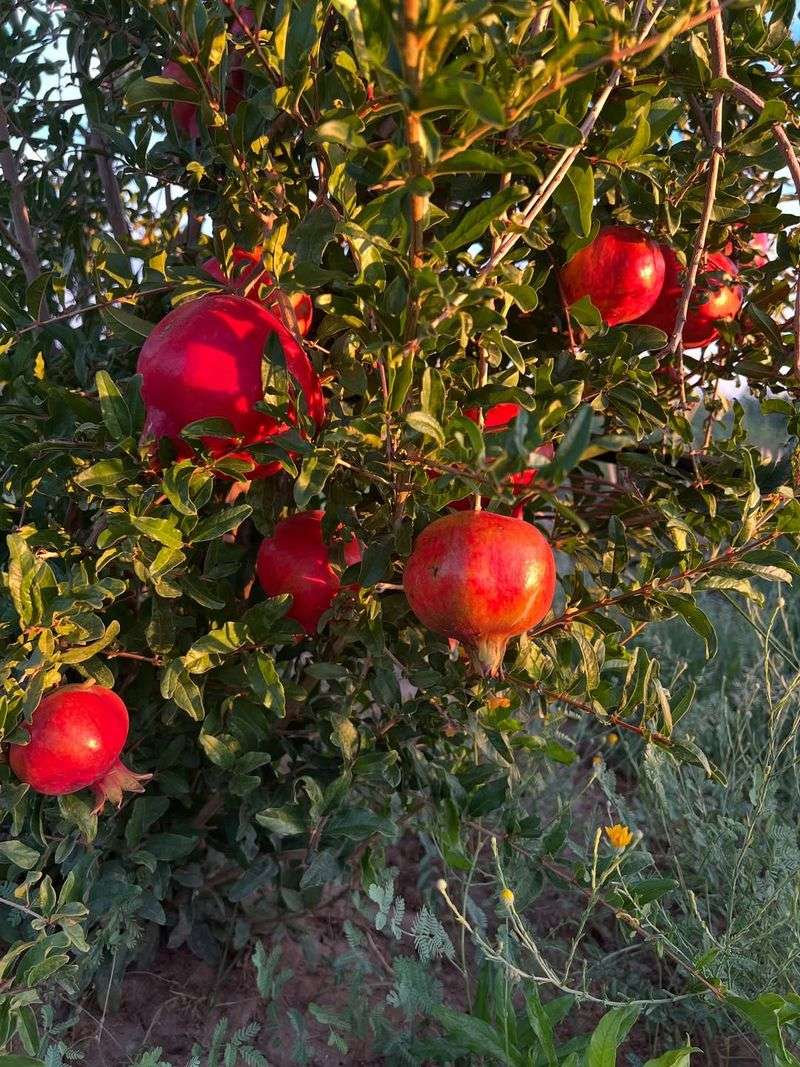
Pulling pomegranates off the tree too early is one of the most common and disappointing mistakes Arizona gardeners make. Unlike some fruits, pomegranates do not continue to ripen after they are picked.
What you harvest is what you get, so timing really matters here.
Color alone is not the most reliable indicator of ripeness. Arizona-grown pomegranates can develop a deep red exterior while still being tart and underdeveloped inside.
A better test is to tap the fruit with your knuckle, a ripe pomegranate produces a metallic sound rather than a dull thud. The shape also shifts slightly, with rounded sides flattening out a bit as the arils inside swell.
Most varieties in Arizona are ready for harvest somewhere between late September and November, depending on the cultivar and your specific location.
Tucson gardens sometimes see slightly earlier ripening than higher-elevation areas around Prescott or Flagstaff where nights cool down faster.
Slight cracking of the skin is actually a sign of good ripeness, not damage. It means the arils inside have grown large and juicy enough to push against the rind.
Some cracking is normal and expected on a fully ripe pomegranate, though deep splits can allow moisture in, so harvest promptly when you notice them.
Leave fruit on the tree as long as possible but check it regularly as harvest season approaches. Fruit that hangs too long past peak ripeness can dry out or split badly.
Learning to read your specific tree takes a couple of seasons, but once you get the timing right, the reward is worth every bit of patience.