These Flowers Survive Arizona Heatwaves Even With Minimal Watering
Arizona summers do not hold back. Once the heatwaves roll in, many flowers fade fast, leaving containers and garden beds looking tired long before the season is over.
But some flowers are built for this kind of weather. They handle intense sun, dry air, and long stretches without much water far better than most people expect.
These tough bloomers keep going even in extreme heat, bringing steady color to Arizona yards while many other plants struggle. They are not delicate, high-maintenance flowers that need constant attention.
In fact, many of them thrive precisely because they are used to harsh desert conditions.
If an Arizona garden needs flowers that can keep blooming through brutal heat with minimal watering, choosing the right varieties makes all the difference.
A few smart picks can keep beds, borders, and containers lively even during the hottest weeks of summer.
1. Desert Marigold Continues Blooming Even In Extreme Heat
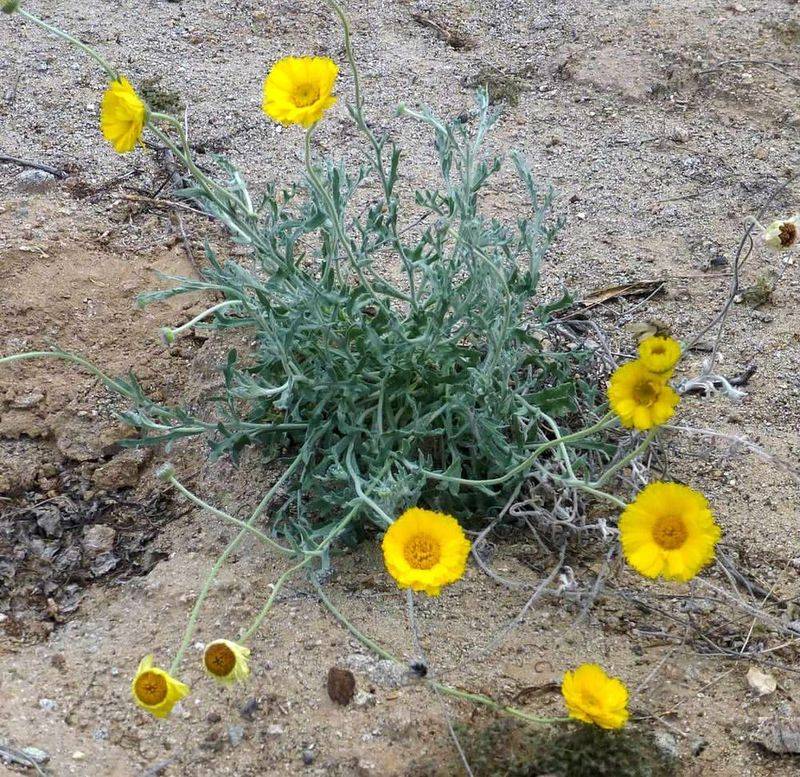
Bright yellow and completely unbothered by triple-digit temperatures — Desert Marigold is one of those plants that almost seems to enjoy the punishment Arizona summers dish out.
You will spot it blooming from spring all the way through fall, which is a longer run than most flowers manage in this climate.
Baileya multiradiata grows with deep roots that pull moisture from well below the surface, so it does not need you checking on it every other day. In places like Tucson and the East Valley, it pops up along roadsides and in native gardens looking completely at ease.
Plant it in full sun with rocky or sandy soil and skip the heavy amendments — rich soil actually makes it struggle. Space plants about two feet apart and let them breathe.
Deadheading spent blooms every few weeks keeps new flowers coming in steadily.
One thing to know: Desert Marigold contains compounds that can irritate skin, so wear gloves when you are trimming it back. Kids and pets should not chew on it either.
Outside of that, it is about as straightforward as a flower gets in the Arizona landscape. Give it sun, give it space, and it will reward you with cheerful yellow color through some of the hottest months of the year without asking for much in return.
2. Globe Mallow Handles Intense Arizona Sun With Very Little Water
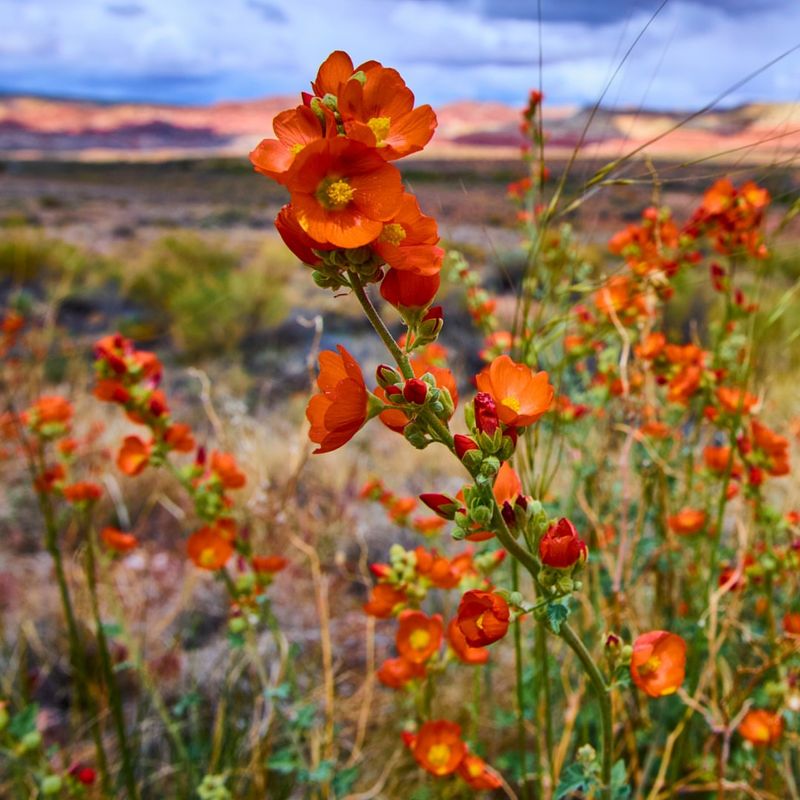
Walk through any open stretch of the Sonoran Desert after a mild winter and Globe Mallow will stop you in your tracks.
Clusters of orange, salmon, or soft pink cups cover the stems, and somehow the whole plant looks completely fresh even when the ground around it is bone dry.
Sphaeralcea ambigua is native to the Southwest, which means it already knows what Arizona throws at it. Roots go deep fast, and the plant handles reflected heat off walls and pavement better than most ornamentals you will find at a big-box garden center.
Plant it where it gets at least six hours of direct sun and avoid clay-heavy soil if you can. Sandy or gravelly ground is ideal.
Water it every couple of weeks during the first summer to help it settle in, then pull back significantly. By the second year, occasional deep watering is usually enough.
Your Arizona Garden Changes Every Week. Your Plan Should Too.
Gardening in Arizona changes quickly throughout the season. Every Friday you’ll receive a simple weekly plan showing exactly what to plant, prune, fertilize, harvest, and protect so you never miss the right timing.
Globe Mallow blooms heaviest in spring, slows in peak summer, then often rebounds with a second flush in early fall — a pattern that works well in Phoenix and Tucson gardens where you want something showing color in shoulder seasons.
Hummingbirds visit the flowers regularly.
Leave a few plants to go to seed and you will likely get volunteers popping up nearby the following season, which is always a pleasant surprise.
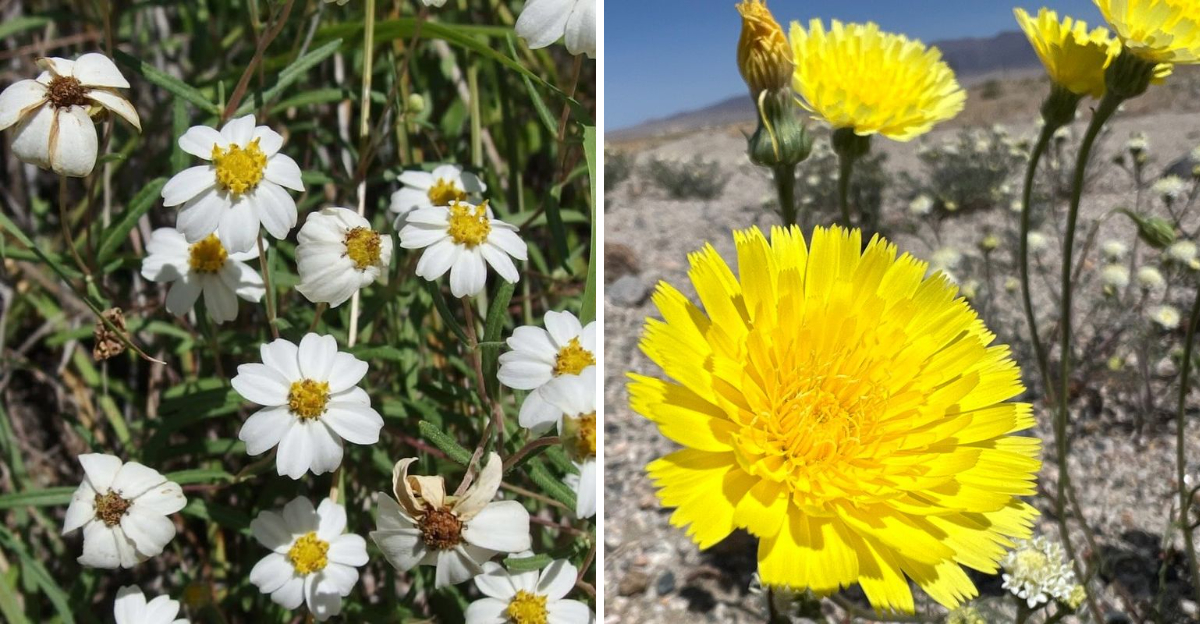
3. Blackfoot Daisy Thrives In Dry Soil And High Temperatures
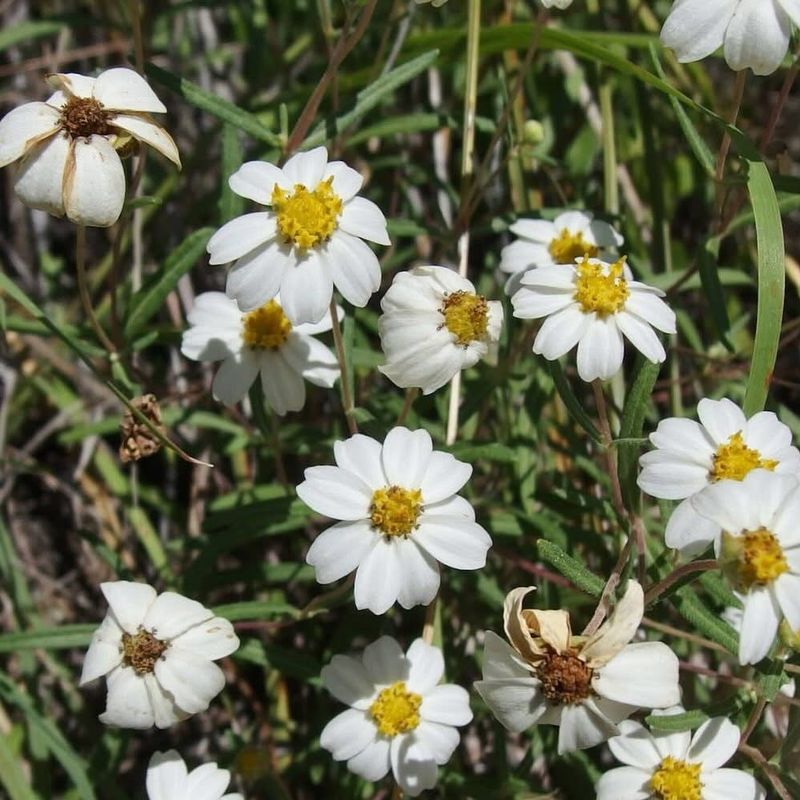
Compact, cheerful, and surprisingly tough — Blackfoot Daisy punches well above its weight for such a small plant.
White petals with honey-scented yellow centers cover the mounded plant from spring through fall, and it barely flinches when temperatures in Arizona push past 105 degrees.
Blackfoot Daisy stays low, usually under a foot tall, which makes it great for borders, rock gardens, or filling gaps between larger desert plants. It spreads naturally over time and creates a soft, layered look without you doing much to encourage it.
Drainage is the one thing it absolutely needs. Plant it in rocky or sandy soil and avoid spots where water pools after monsoon rains.
Raised beds or slopes work especially well. In Scottsdale and the East Valley, gardeners often tuck it along pathways where foot traffic keeps the soil loose and dry.
Trim the plant back lightly after the main spring bloom to encourage a stronger second round of flowers later in the season. Beyond that, it does not need much fussing.
Fertilizer is unnecessary and can actually push it toward leafy growth at the expense of blooms. A handful of gravel mulch around the base helps keep moisture from sitting against the crown during monsoon season, which is the one time Blackfoot Daisy can run into trouble if drainage is not right.
4. Desert Zinnia Survives Harsh Desert Heat With Minimal Water
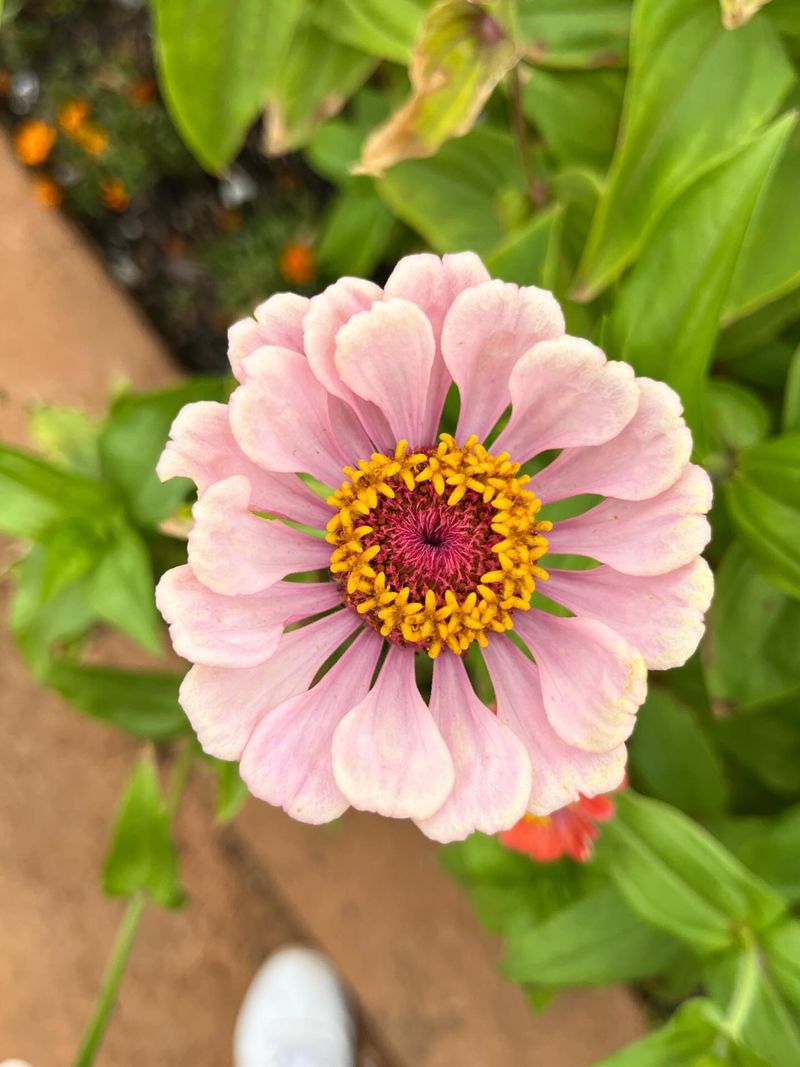
Not every zinnia is built for the desert, but Desert Zinnia was practically designed for it. Zinnia grandiflora spreads into a low, dense mat covered in small yellow or white flowers, and it holds up through the kind of summer heat that wilts most garden plants within days.
Native to the high desert regions of the Southwest, it grows naturally in thin, rocky soil with almost no supplemental water.
In Arizona gardens, that translates to a plant you can put in a dry corner, water occasionally through the first season, and then largely leave alone.
Full sun is non-negotiable. Shade slows growth and reduces flowering noticeably.
Plant it along sunny slopes, in gravel beds, or anywhere the soil drains fast after rain. It handles the intense afternoon sun that bakes south and west-facing exposures in Tucson and the Phoenix metro without any signs of stress.
Desert Zinnia spreads slowly by rhizomes underground, filling in bare patches over a couple of seasons. It is not aggressive, just steady.
The flowers are small but numerous, and pollinators — especially native bees — visit them constantly through the warm months. Cut back the whole plant by about a third in late fall to keep it tidy and encourage strong new growth the following spring.
No fancy fertilizers, no complicated care schedule — just sun and occasional water.
5. Angelita Daisy Keeps Flowering Through Long Hot Periods
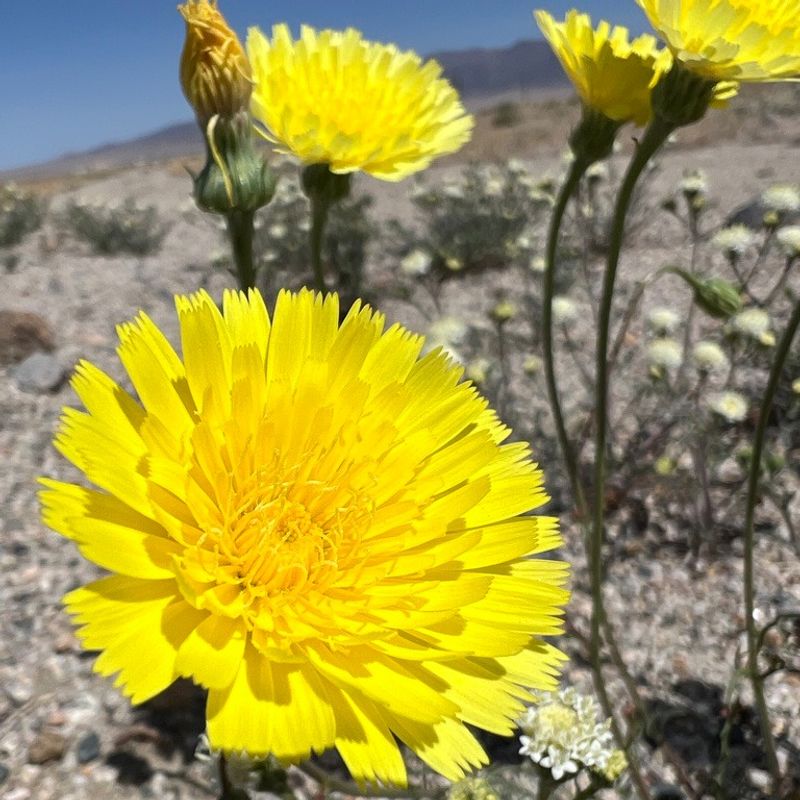
Most flowers tap out somewhere around midsummer in Arizona. Angelita Daisy keeps going.
Tetraneuris acaulis sends up cheerful yellow blooms almost continuously, including during the stretches when temperatures sit above 100 degrees for weeks at a time in Phoenix and the surrounding desert communities.
It stays small — usually six to ten inches tall — and forms a neat clump of narrow green leaves with flowers rising above on thin stems. That compact size makes it incredibly versatile.
Use it in containers, rock gardens, along walkway edges, or as ground-level color between larger shrubs.
Drainage matters more than almost anything else with Angelita Daisy. Wet roots during monsoon season can cause problems, so raised planting areas or slopes are smart choices.
Gravel mulch around the base helps regulate soil temperature and keeps excess moisture from sitting too long after summer rains hit.
Water every week or two during the first summer, then stretch intervals longer once the plant is settled in. By the second year, rainfall plus very occasional deep watering usually keeps it going fine.
Deadheading is optional — the plant blooms freely without it — but snipping off old flowers does keep it looking tidy. Fertilizing is not recommended.
Too many nutrients push leafy growth and reduce the flower count, which defeats the whole point of growing this reliable little bloomer in the Arizona heat.
6. Blanket Flower Tolerates Strong Sun And Dry Conditions
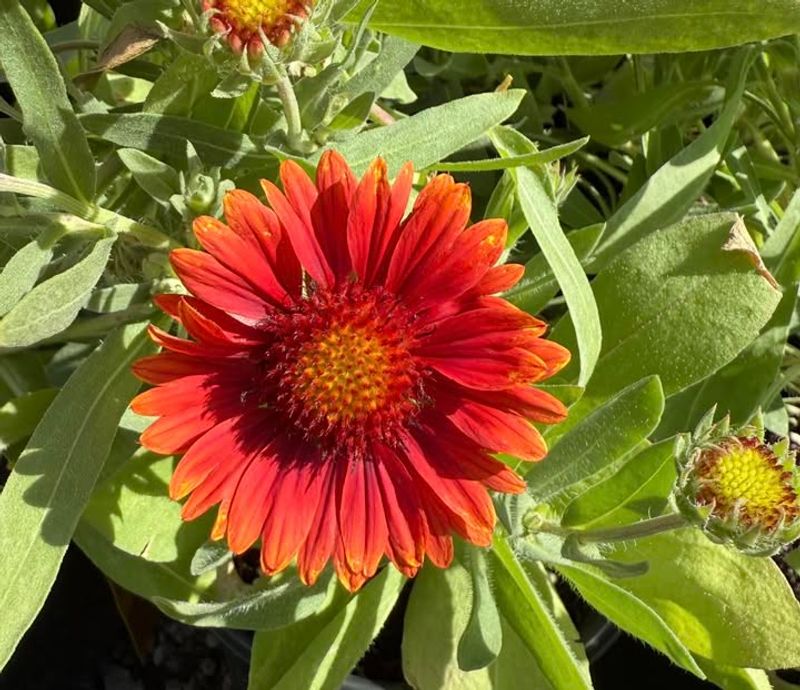
Bold red and yellow petals that look almost painted — Blanket Flower is one of the showiest plants you can grow in an Arizona garden without hauling out the hose every other day.
Gaillardia species handle full desert sun with an attitude that most ornamentals simply cannot match.
Blooms appear from late spring and carry through summer and into fall. Even during the brutal stretch between June and August when gardening in Arizona feels pointless, Blanket Flower keeps producing color.
Bees and butterflies find it constantly, which adds movement and life to a yard that might otherwise feel still and scorched.
Plant in well-drained soil and avoid overwatering — that is the main thing that trips people up with this one. Soggy roots are far more damaging than dry ones.
Sandy or gravelly soil suits it perfectly. In the Phoenix area, afternoon shade from a wall or larger plant can extend blooming slightly through peak summer, though it is not required.
Cut flower stalks back after they fade rather than letting the whole plant go ragged. It responds well to light trimming and often pushes out a fresh flush of blooms within a few weeks.
Gaillardia can reseed itself into nearby areas, so if you want to keep it contained, remove spent flower heads before seeds fully mature. Otherwise, free new plants showing up nearby is a welcome bonus in any Arizona yard.
7. Gaura Produces Light Airy Blooms Even In Hot Weather
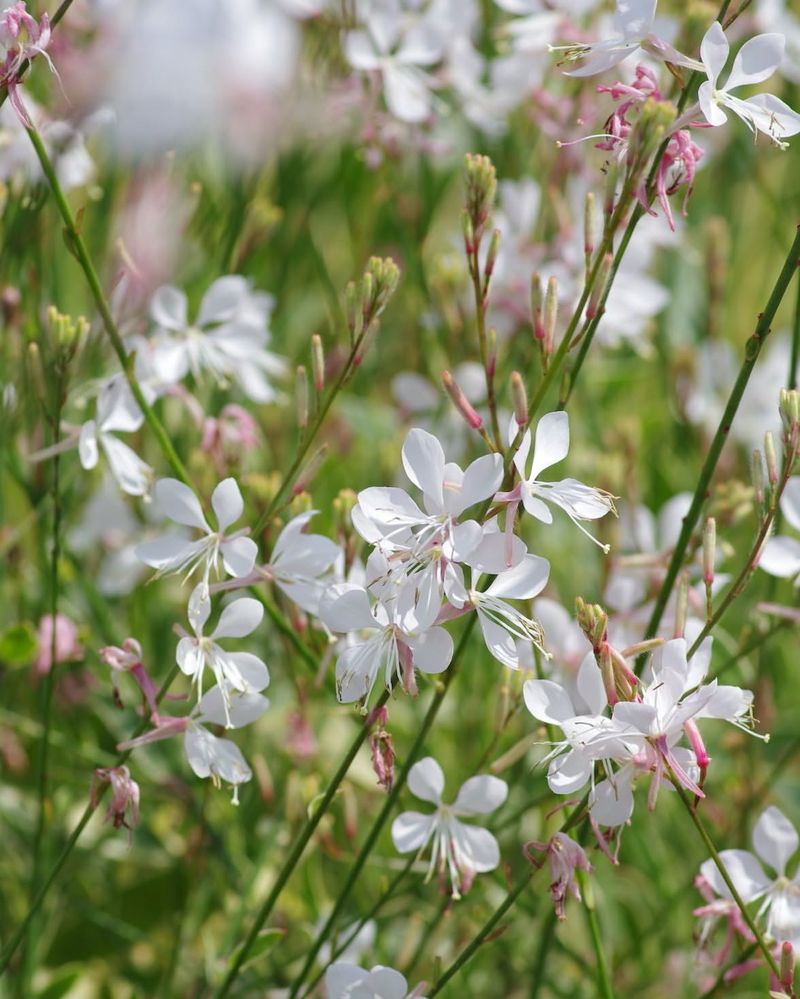
There is something almost surprising about Gaura blooming through an Arizona summer. Slender stems sway in the dry desert breeze, covered in small white or pink flowers that look too delicate to survive the heat — but they do, reliably, season after season.
Oenothera lindheimeri, which is how botanists now classify it, grows upright with an open, airy structure that works well mixed in with heavier desert plants. It softens the look of a xeriscape without demanding extra water or constant attention from you.
Plant Gaura where it gets morning sun and some protection from the harshest afternoon exposure, especially in low-elevation Arizona gardens around Yuma or the Phoenix metro floor. In higher-elevation spots like Prescott, full sun all day is usually fine.
Either way, soil drainage is critical — do not let roots sit in wet ground.
Water regularly the first summer, then pull back to deep, infrequent sessions once the plant is settled. Cut the whole plant back hard — by about half — in late winter before new growth emerges.
Skipping that step leads to a woody, open base that does not bloom as well.
Gaura is not as tough as some other Arizona natives, but it offers something different: a soft, flowing texture and constant bloom that fills gaps in the garden other plants just cannot cover through the long hot season.
8. Desert Ruellia Handles Arizona Heat With Very Little Water
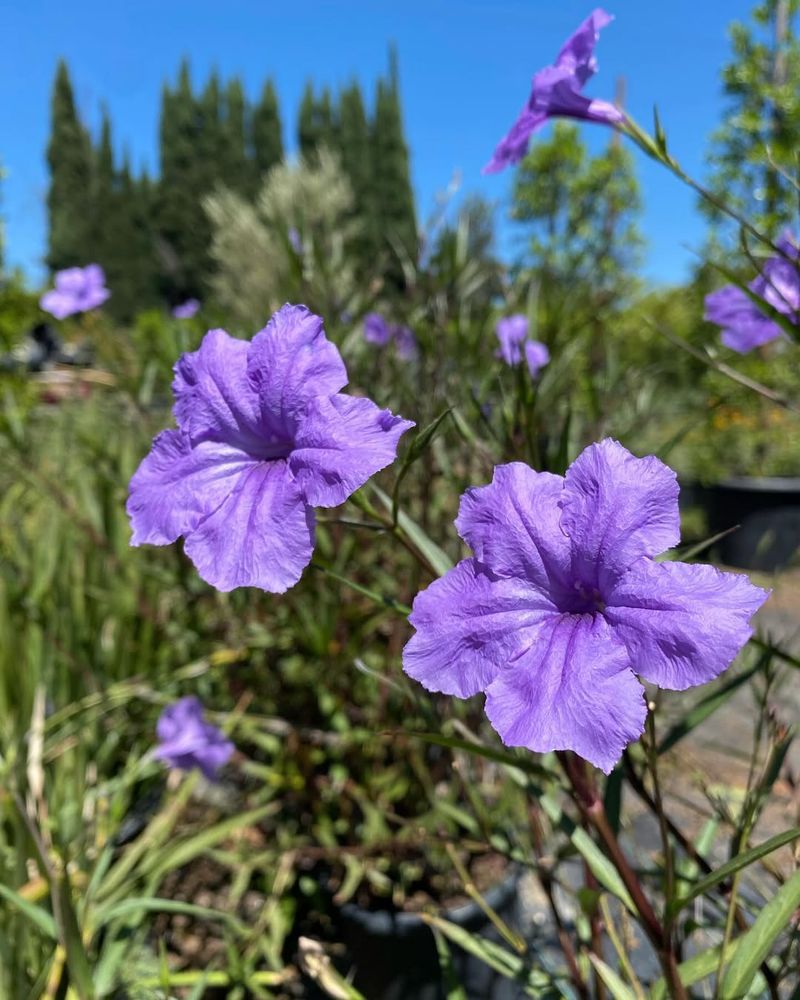
Purple trumpet-shaped flowers opening every morning on a plant that barely needs water — Desert Ruellia earns its spot in Arizona gardens honestly.
Ruellia peninsularis blooms through spring and summer, and even into fall if monsoon moisture shows up and temperatures ease even slightly.
Individual flowers only last a day, but new ones open constantly so the plant always looks like it is in full bloom. Up close, the purple funnels are striking.
From a distance, the plant has a soft, rounded shape that blends naturally into desert landscaping without looking forced or out of place.
Heat is not a problem for Desert Ruellia — reflected heat off walls and pavement in places like Tempe and Chandler actually seems to encourage it. Plant in full sun, use gravelly or sandy soil, and water deeply but infrequently once settled in.
It handles long dry stretches without dropping leaves or losing its color.
Hummingbirds and butterflies visit the flowers regularly, which makes it worth positioning somewhere you can actually watch the activity. Prune back by about a third in early spring before the main growth push begins.
Left unpruned for several years, the plant can get leggy and open at the base, which reduces the tidy mounded look most gardeners prefer.
Fertilizing is unnecessary and can push soft growth that struggles in intense Arizona heat more than the natural, hardened stems do.