This Tall Flower Will Instantly Attract Bees, Hummingbirds, And Butterflies In Arizona Gardens
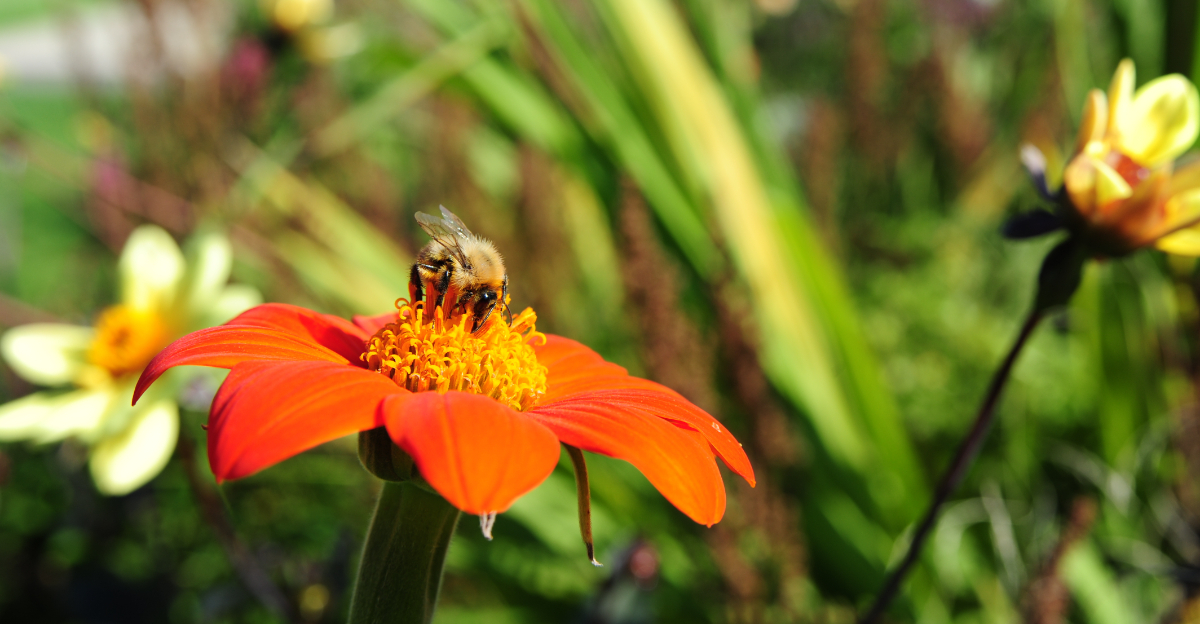
Some flowers do more than simply brighten an Arizona garden. They quickly become magnets for life.
One tall bloomer in particular has a way of drawing bees, hummingbirds, and butterflies almost as soon as it begins to flower. Its bold color and nectar-rich blooms stand out in the landscape, making it easy for pollinators to spot even from a distance.
In Arizona’s sunny climate, this plant often grows tall and produces clusters of flowers that stay active for weeks, turning an ordinary garden bed into a lively, buzzing spot. Gardeners who add it are often surprised by how quickly wildlife begins to visit.
Bees hover from bloom to bloom, butterflies drift through the garden, and hummingbirds frequently stop by for a quick sip of nectar.
With the right placement and a little care, this tall flower can turn an Arizona garden into a steady gathering place for pollinators throughout the warm season.
1. Mexican Sunflower Grows Tall And Quickly Becomes A Pollinator Magnet
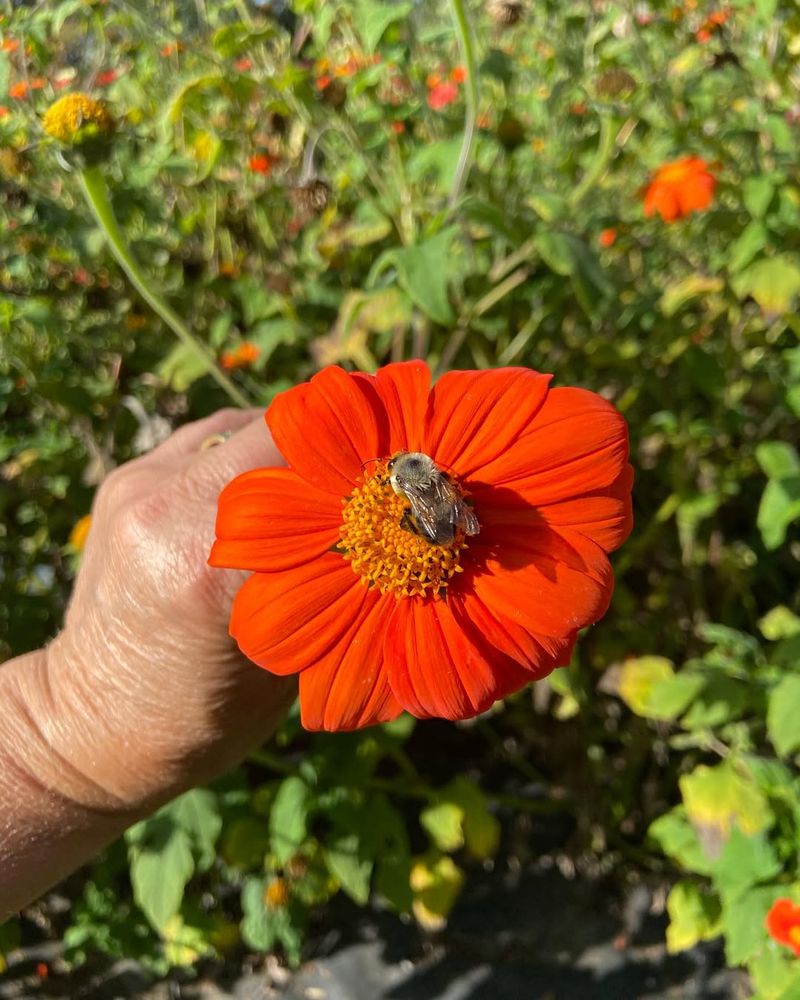
Picture a plant that goes from a small seedling to a six-foot flowering giant in just one season. Mexican Sunflower does exactly that, and Arizona gardeners are often amazed at how fast it takes off once warm weather arrives.
It is not unusual to see plants reach five or even seven feet tall by midsummer in the Sonoran Desert region.
Unlike some tall plants that get leggy and fall over, Mexican Sunflower builds a sturdy, branching structure that holds itself upright even in afternoon winds. Each branch tips out into a bright orange bloom, so the more the plant grows, the more flowers it produces.
You end up with a full, bushy plant that looks intentional and lush rather than wild or overgrown.
What makes it especially useful in Arizona landscapes is how quickly it fills empty spaces. Plant it along a back fence, at the edge of a patio, or behind shorter perennials, and within weeks it creates a dramatic wall of color.
Neighbors will notice, and so will every pollinator in a half-mile radius.
Starting from seed is easy and affordable. Direct sow after your last frost date, water regularly until established, and then step back and watch it climb.
Tucson and Phoenix gardeners often get two full flushes of growth by starting seeds in early spring and again in late summer. Mexican Sunflower is genuinely one of the fastest ways to build a pollinator-friendly garden from scratch in Arizona.
2. Bright Orange Flowers Produce Plenty Of Nectar
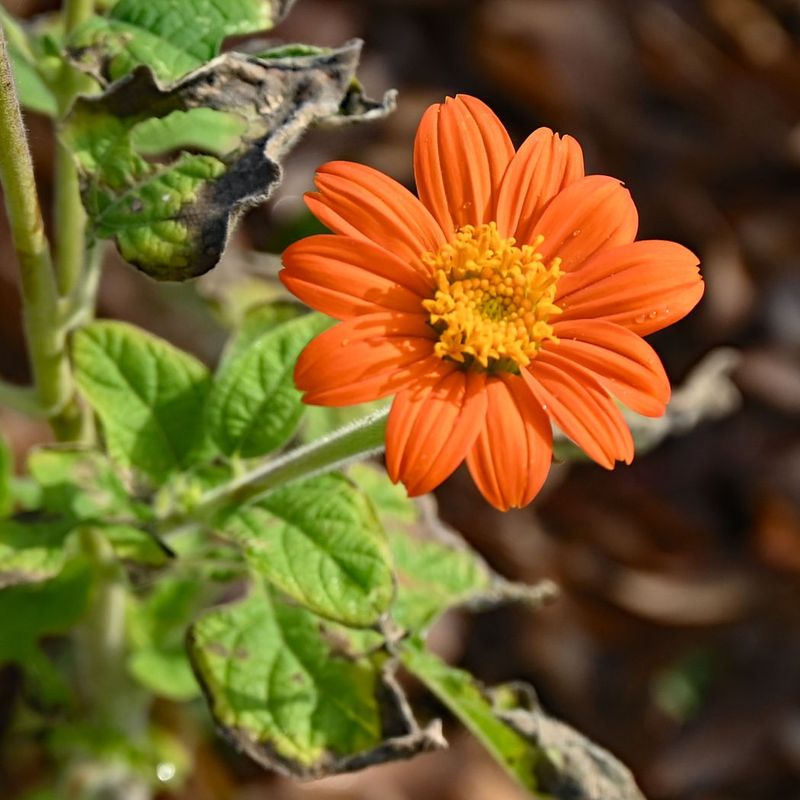
Not all flowers are created equal when it comes to nectar production, and Mexican Sunflower sits near the top of the list. Each bloom is wide, open, and loaded with nectar that sits right at the surface, making it easy for all kinds of visitors to feed.
Bees, butterflies, and hummingbirds do not have to work hard to get their reward.
Arizona summers are brutal, but these flowers keep producing even when temperatures push past 100 degrees. Other nectar plants slow down or stop blooming in extreme heat, leaving pollinators with fewer food sources.
Your Arizona Garden Changes Every Week. Your Plan Should Too.
Gardening in Arizona changes quickly throughout the season. Every Friday you’ll receive a simple weekly plan showing exactly what to plant, prune, fertilize, harvest, and protect so you never miss the right timing.
Mexican Sunflower keeps going strong, essentially filling a gap that many other garden plants cannot cover during peak Arizona summer.
Color matters a lot when it comes to attracting wildlife. That deep, saturated orange is visible from a distance and signals to pollinators that a reliable food source is nearby.
Fresh blooms open every few days on a healthy plant, so the nectar supply stays consistent rather than coming in one big burst and disappearing. Deadheading spent flowers encourages even more blooms to push through.
In a Phoenix or Scottsdale backyard, a row of Mexican Sunflowers essentially acts as a natural feeding station that runs on sunlight and water. Few plants deliver this kind of steady, reliable nectar output through the long Arizona warm season.
3. Bees Visit The Blooms Throughout The Day
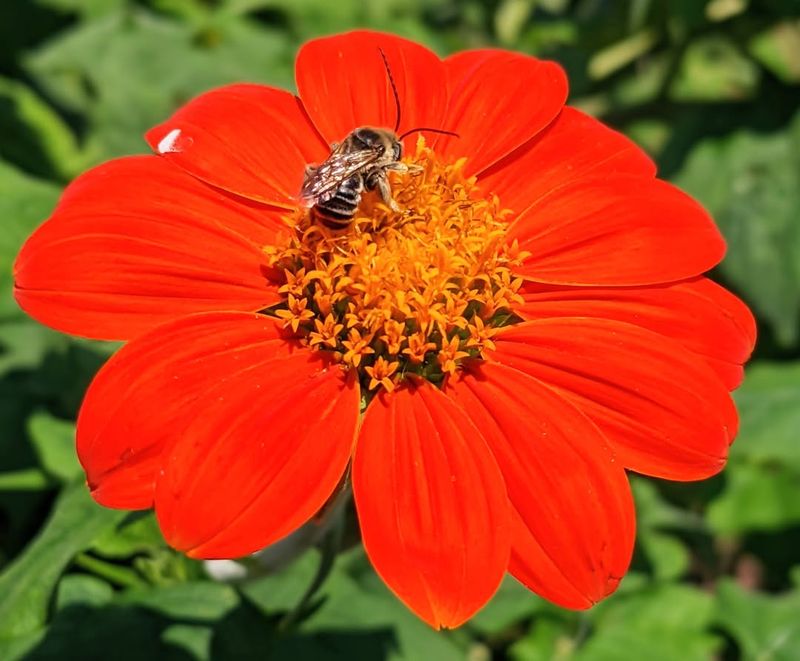
Walk past a row of Mexican Sunflowers on any warm Arizona morning and you will hear them before you see them. A steady hum fills the air as honeybees, bumblebees, and smaller native bee species work the flowers from sunrise to late afternoon.
It is one of those sights that reminds you why planting for pollinators actually matters.
Arizona is home to an impressive number of native bee species, many of which are active even during the hottest months. Mexican Sunflower gives them exactly what they need: wide, open blooms that are easy to land on and rich in both nectar and pollen.
Smaller native bees especially appreciate the broad, flat center of each flower, which acts almost like a landing pad.
Honeybee populations have faced real pressure across the country, and backyard gardens can play a meaningful role in supporting them.
Planting something like Mexican Sunflower in Tucson or Mesa gives local hives a consistent food source through the summer months when other plants have already finished blooming.
Bee activity on these plants tends to peak in the morning when temperatures are cooler. By midday, you might see fewer visitors, but activity picks back up again in late afternoon as the heat softens.
Watching the variety of bee species that show up is genuinely fascinating, especially if you have kids who are curious about nature. A few plants tucked into a sunny corner of your yard can turn an ordinary Arizona garden into a lively, educational outdoor space.
4. Butterflies Are Drawn To The Large Nectar Rich Flowers
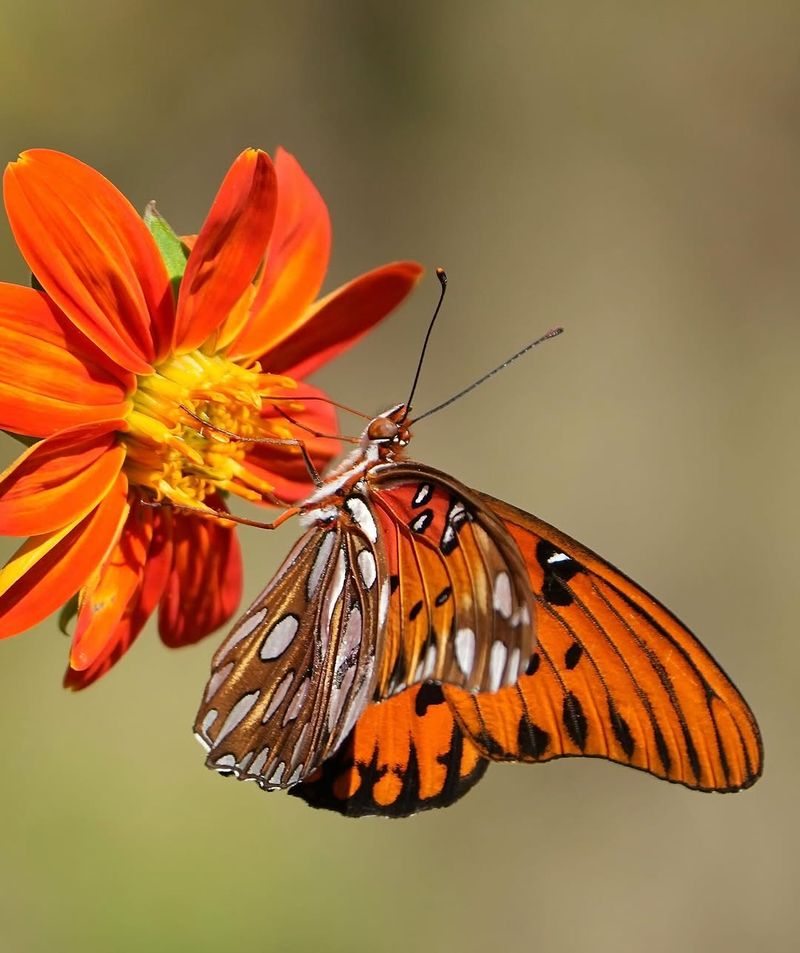
Butterfly season in Arizona is something special, and Mexican Sunflower turns your yard into a prime destination. Painted ladies, swallowtails, sulfurs, and skippers all show up reliably when these blooms are open.
The large flower heads give butterflies plenty of room to land, feed, and linger without getting crowded out.
Butterflies use their feet to taste flowers before they commit to feeding, and the nectar in Mexican Sunflower blooms passes that test every time. Once a butterfly finds a reliable source, it tends to return to the same spot repeatedly.
Plant a cluster of Mexican Sunflowers and you will start to notice the same individuals visiting your garden day after day throughout the warm Arizona season.
Beyond feeding, butterflies also need shelter and warmth. Mexican Sunflower plants are tall and dense enough to offer some protection from wind while still staying open enough to catch full sun.
That combination of food and microhabitat makes your garden genuinely useful to local butterfly populations, not just decorative.
Arizona gardeners in higher elevation areas like Flagstaff or Prescott may notice different butterfly species than those in the desert lowlands, but Mexican Sunflower attracts pollinators across all those zones.
Planting it near other nectar plants like salvia or lantana creates a layered buffet that keeps butterflies around longer.
If you have ever wanted to photograph butterflies up close, grow Mexican Sunflower. Butterflies feeding on those wide orange blooms are remarkably calm and approachable, making them easy to observe and enjoy.
5. Hummingbirds Feed From The Vibrant Orange Blooms
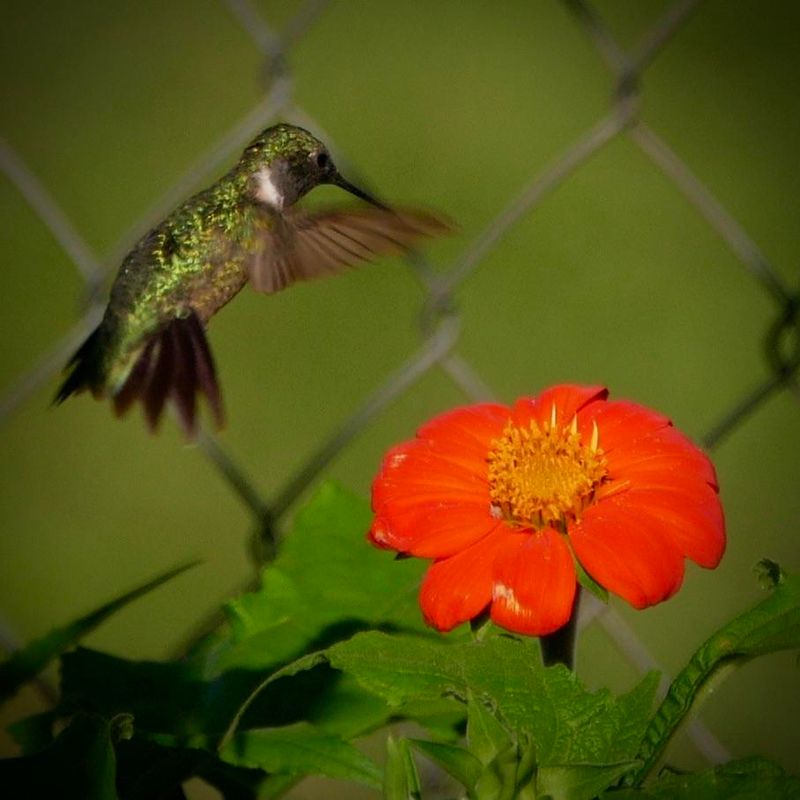
Hummingbirds have a well-known attraction to red and orange tubular flowers, and Mexican Sunflower fits that profile well.
In Arizona, species like the broad-billed hummingbird, Anna’s hummingbird, and the black-chinned hummingbird are regular garden visitors, and Mexican Sunflower gives them a reason to stay close to your yard throughout the day.
What surprises many gardeners is how aggressively hummingbirds will defend a patch of Mexican Sunflowers once they discover it. You might spot one hovering at the blooms and then darting off to chase away a competitor.
That territorial behavior is actually a sign your garden has become a valued food source, which is exactly what you want.
Hummingbirds need to eat constantly to fuel their fast metabolism, visiting hundreds of flowers daily. A tall Mexican Sunflower plant loaded with dozens of blooms can satisfy a good chunk of that daily requirement.
Placing plants near a window or patio gives you a front-row seat to some genuinely entertaining wildlife behavior right in your own Tucson or Phoenix backyard.
Pairing Mexican Sunflower with other hummingbird favorites like penstemon or red salvia creates a continuous feeding corridor through your garden. Hummingbirds tend to follow predictable routes, and once your yard is on that route, they show up like clockwork.
Growing Mexican Sunflower is one of the more reliable ways to pull hummingbirds in without relying on a sugar-water feeder. Fresh nectar from a living plant is always going to be more appealing than anything artificial.
6. Thrives In Full Sun And Handles Intense Heat
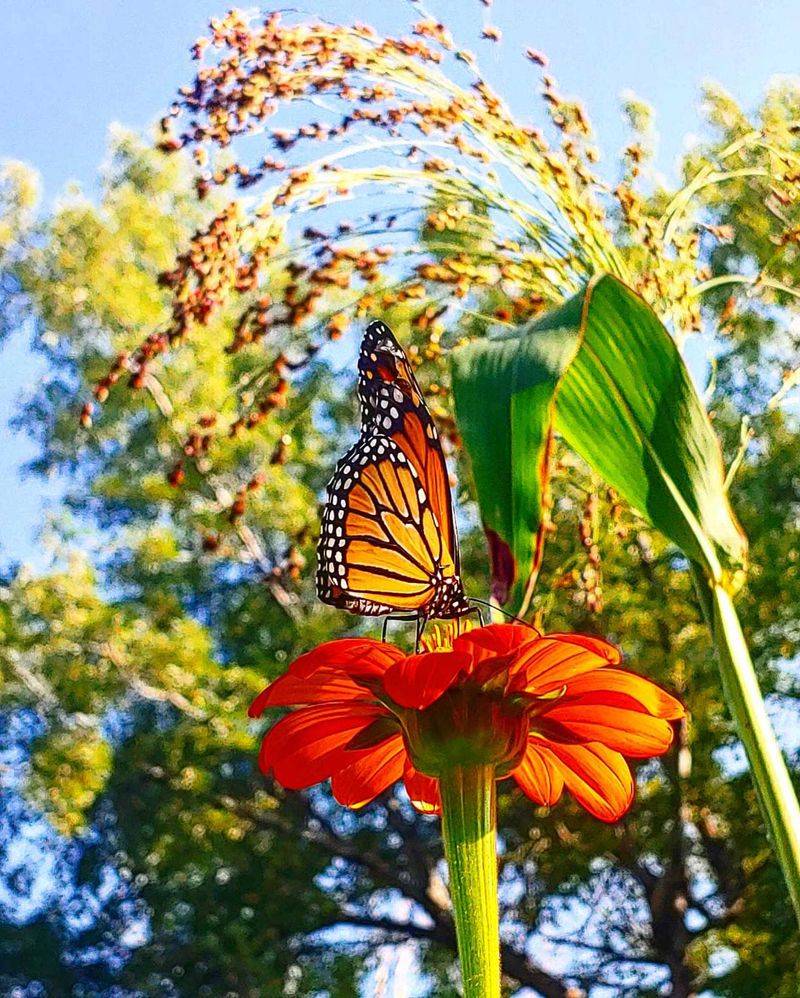
Arizona heat would stop most garden plants in their tracks, but Mexican Sunflower actually gets better as temperatures climb.
Full sun and hot, dry conditions are exactly what this plant was built for, which is why it performs so reliably across Arizona from spring straight through fall.
Most gardeners in Phoenix or Yuma know the frustration of watching cool-season plants wilt and fade by May. Mexican Sunflower does the opposite.
As summer ramps up, so does its growth rate. Long days and intense sun push it to produce more branches and more blooms rather than slowing it down.
Soil quality is not a major concern with this plant. It handles sandy desert soil, clay-heavy ground, and everything in between.
Average garden soil with decent drainage is all it really needs. Overwatering is actually more of a problem than underwatering once the plant is a few weeks old and growing strong.
During Arizona monsoon season, Mexican Sunflower gets a natural boost from the extra humidity and rainfall. The combination of heat and seasonal moisture seems to trigger a fresh wave of blooming that can last well into October in southern Arizona.
Gardeners in Tucson especially notice this second wind of flowering during and after monsoon season.
If you have a spot in your yard that gets blasted by afternoon sun and nothing else seems to grow there, Mexican Sunflower is worth trying. It treats harsh conditions like a challenge rather than a problem, and it consistently delivers results in the toughest Arizona microclimates.
7. Blooms Continuously Through The Warm Season
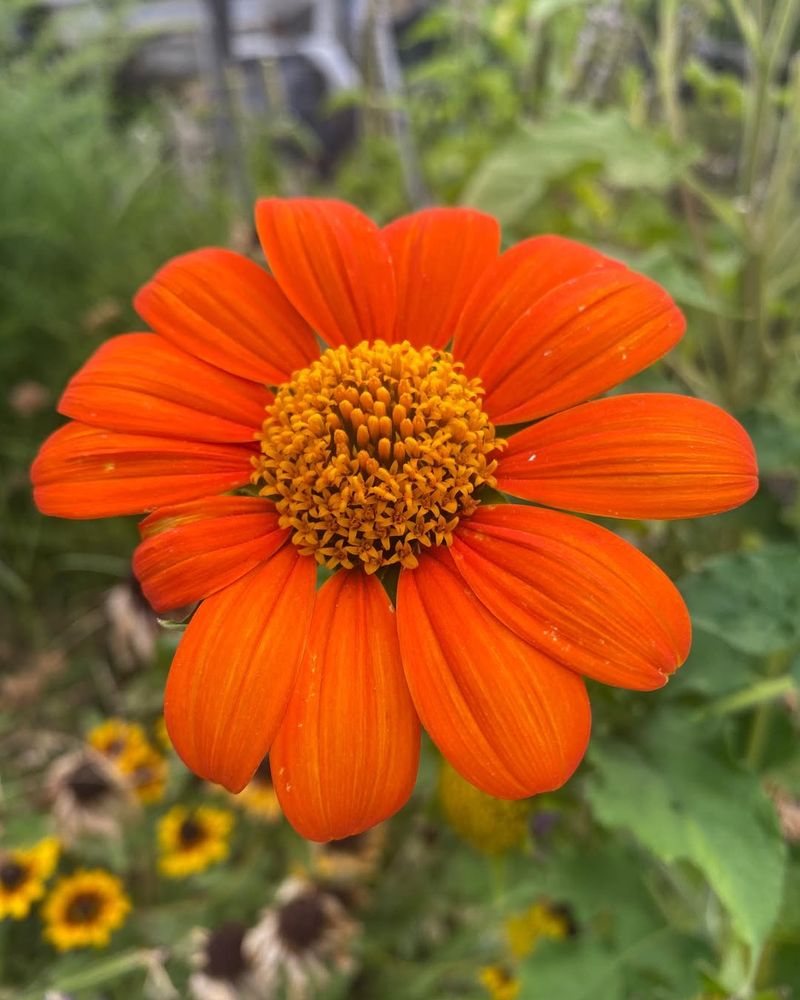
One of the biggest frustrations in gardening is planting something beautiful only to watch it bloom for two weeks and then go quiet for the rest of the season. Mexican Sunflower works completely differently.
Once it starts blooming, it keeps pushing out fresh flowers week after week without much encouragement from you.
Deadheading spent blooms speeds up the process and keeps the plant looking tidy, but even if you skip that step, new flowers keep coming. Each stem that finishes blooming branches into two or three new stems, each tipped with a bud.
By late summer, a single plant can have dozens of open flowers at the same time.
Arizona’s long warm season is actually an advantage here. In cooler climates, Mexican Sunflower might only bloom for a couple of months.
In the desert Southwest, it can stay in active bloom from June all the way through October or even into November in warmer valleys like the lower Salt River area near Mesa and Chandler.
Pollinators respond to that consistency. Bees and butterflies learn quickly which plants offer a reliable food source, and they keep returning to those plants throughout the season.
A garden that blooms continuously through Arizona’s long summer becomes a genuine wildlife habitat rather than just a seasonal display.
Cutting a few stems to bring indoors is also worth trying. Mexican Sunflower makes a bold, cheerful cut flower that lasts well in a vase.
Growing it gives you something beautiful both outside in the garden and inside your Arizona home at the same time.