7 Native Shrubs That Attract Eastern Bluebirds To Your Pennsylvania Garden
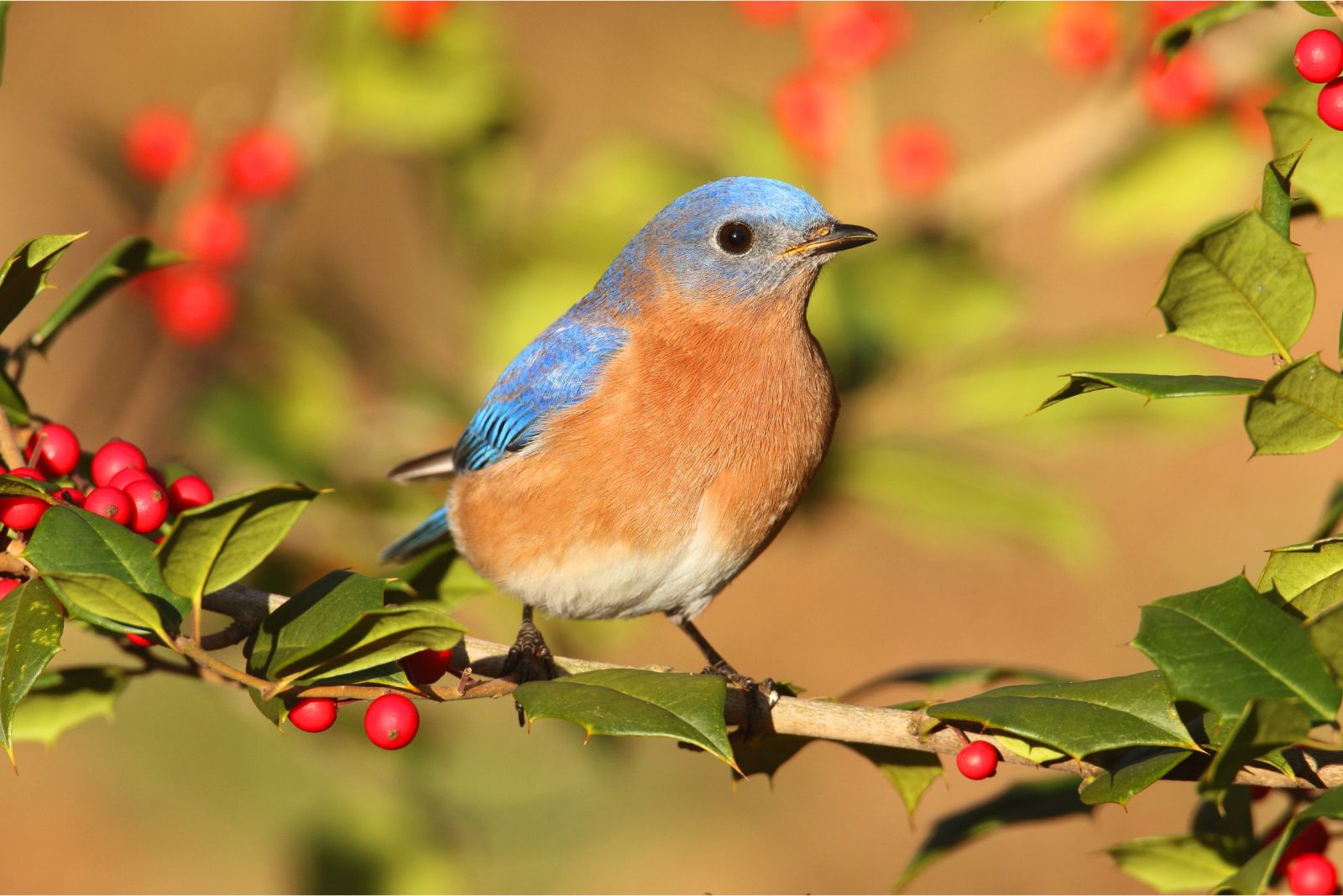
There is something instantly charming about spotting an eastern bluebird in the garden. The bright color, the quick movements, and the cheerful presence can make an ordinary backyard feel much more alive.
If you want to see more of these birds in your Pennsylvania garden, the right shrubs can make a big difference. Bluebirds are not just looking for any patch of greenery. They are drawn to spaces that offer food, shelter, and a sense of safety.
That is where native shrubs really shine. Because they are already suited to Pennsylvania conditions, they tend to be easier to grow and more useful to local wildlife.
Many produce berries that bluebirds eat, while their branches create cover for resting and nesting nearby. These shrubs do more than help birds, too. They add texture, seasonal color, and a more natural look to the landscape.
A garden planted with native shrubs can become more than just pretty. It can turn into a welcoming habitat that supports eastern bluebirds while making your outdoor space feel richer, livelier, and more connected to the world around it.
1. Winterberry
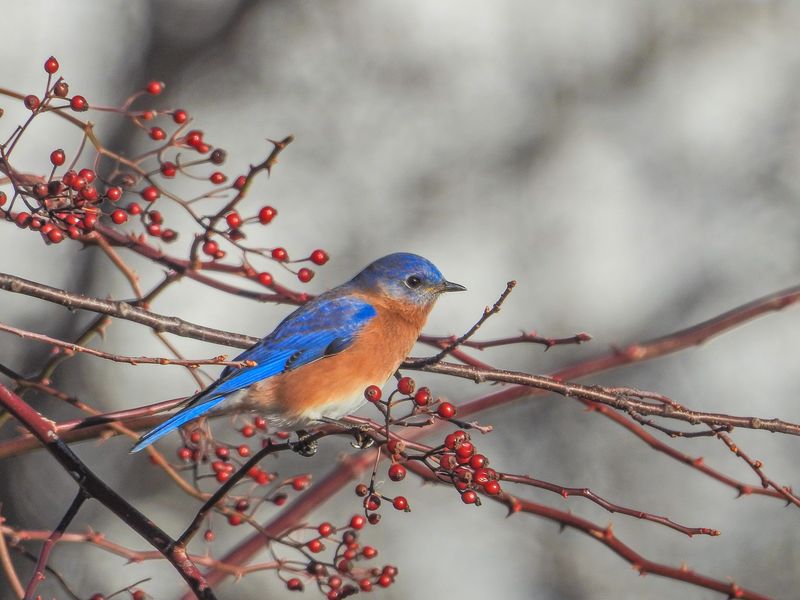
Picture a splash of bold red color lighting up your Pennsylvania garden in the middle of a gray winter. That is exactly what winterberry delivers, and Eastern Bluebirds absolutely love it.
Winterberry is a native deciduous holly, which means it drops its leaves in fall but holds onto its bright red berries well into the cold months.
Unlike many shrubs that lose their appeal once the temperature drops, winterberry becomes a star attraction when other food sources are gone. Bluebirds rely heavily on berry-producing plants during winter, and winterberry steps up in a big way.
The berries are small, easy to swallow, and packed with the energy birds need to stay warm and active.
One thing to keep in mind when planting winterberry in Pennsylvania is that you need both a male and a female plant for berry production to happen.
Plant them close together so pollinators can do their job in spring. The female plant will reward you with those gorgeous clusters of red berries come fall.
Winterberry thrives in moist, slightly acidic soil, making it a great fit for low-lying areas or spots near water features. It grows well in full sun to partial shade and can reach about six to ten feet tall.
Beyond bluebirds, you may also notice robins, cedar waxwings, and other songbirds stopping by for a meal. Adding winterberry to your Pennsylvania yard is truly one of the smartest decisions a wildlife gardener can make.
2. Highbush Blueberry
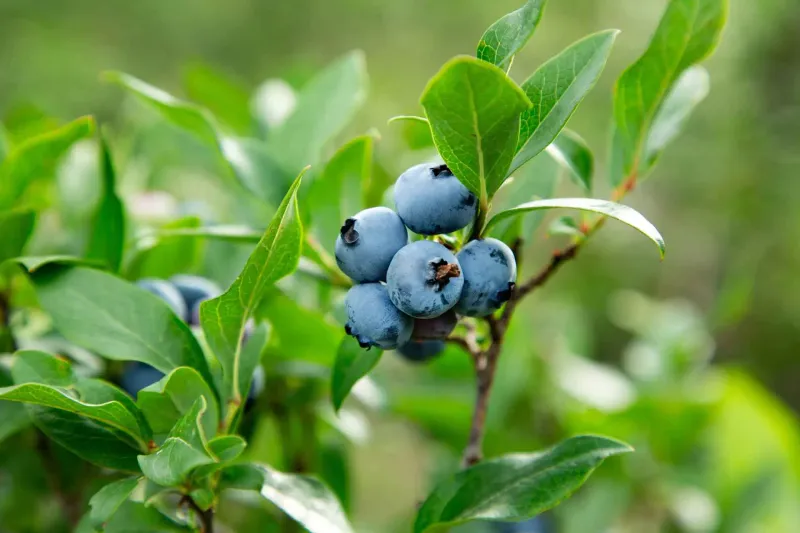
Few plants in the garden pull double duty quite like highbush blueberry. You get fresh, sweet berries for your kitchen, and Eastern Bluebirds get a summer feast they cannot resist.
It is a win for everyone involved, and Pennsylvania gardeners have been growing this native shrub for generations.
Highbush blueberry produces its fruit in early to midsummer, right when bluebirds are busy raising their young. Parent birds need reliable food sources close by, and a blueberry shrub loaded with ripe fruit is like a grocery store right in the yard.
Your Pennsylvania Garden Changes Every Week. Your Plan Should Too.
Gardening in Pennsylvania changes quickly throughout the season. Every Friday you’ll receive a simple weekly plan showing exactly what to plant, prune, fertilize, harvest, and protect so you never miss the right timing.
Beyond bluebirds, you will likely see catbirds, thrushes, and towhees joining the buffet. Growing highbush blueberry in Pennsylvania is fairly straightforward. It prefers well-drained, acidic soil with a pH between 4.5 and 5.5.
Amend your soil with peat moss or pine bark if needed to get the acidity right. Plant at least two different varieties nearby to improve pollination and boost your berry harvest.
This shrub can grow anywhere from six to twelve feet tall, so it also provides nice cover and nesting spots for birds. The white bell-shaped flowers that bloom in spring are beautiful on their own, attracting pollinators before the berries even appear.
In fall, the leaves turn a stunning red and orange, adding more seasonal color to your landscape. If you could only pick one shrub to add to your Pennsylvania garden this year, highbush blueberry would be a very strong contender.
3. Black Chokeberry
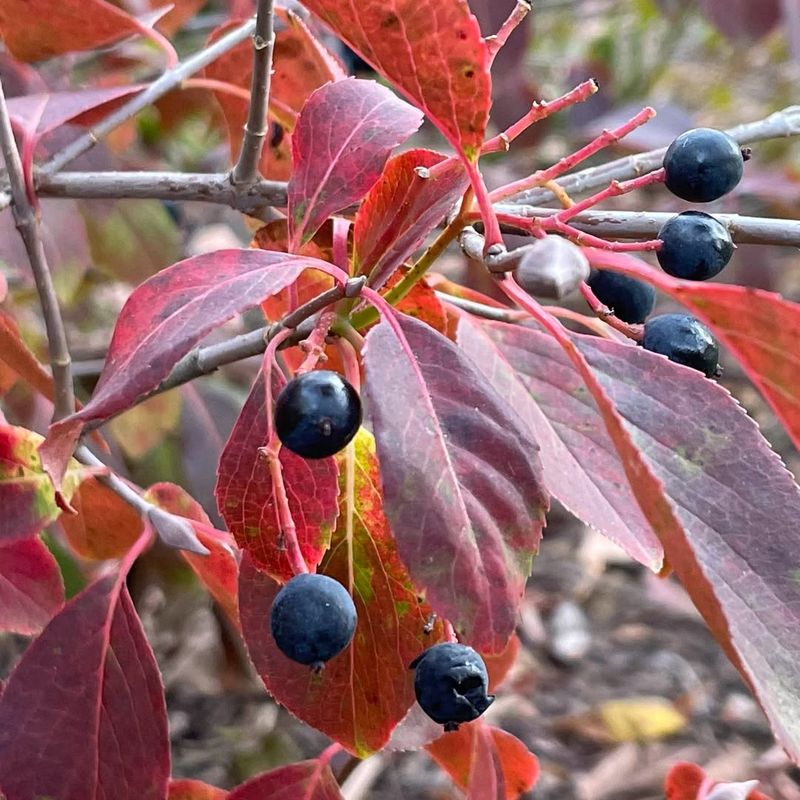
Do not let the name fool you. Black chokeberry is one of the toughest and most rewarding native shrubs you can grow in Pennsylvania, and songbirds like Eastern Bluebirds are huge fans.
This hardy plant thrives in a wide range of conditions, from wet spots to dry hillsides, making it incredibly versatile for home gardens.
The dark, glossy berries ripen in late summer and hang on the branches well into fall. Bluebirds and other songbirds begin feeding on them as the weather cools and other food becomes harder to find.
The berries are small and slightly tart, but birds do not mind one bit. You might also notice that wildlife activity around this shrub picks up noticeably once the berries start to color up.
One of the most underrated features of black chokeberry is its fall foliage. The leaves turn a brilliant red and orange that can rival any ornamental plant at the garden center.
So while birds are enjoying the fruit, you get to enjoy a spectacular autumn display right in your own Pennsylvania backyard.
Black chokeberry typically grows three to five feet tall and spreads slowly by suckers, eventually forming a nice naturalistic clump. It does well in both sun and partial shade and tolerates clay soil better than most native shrubs.
Spring brings clusters of white flowers that attract early pollinators. For gardeners in Pennsylvania who want a low-maintenance plant that gives back to wildlife season after season, black chokeberry is a fantastic choice.
4. Red Chokeberry
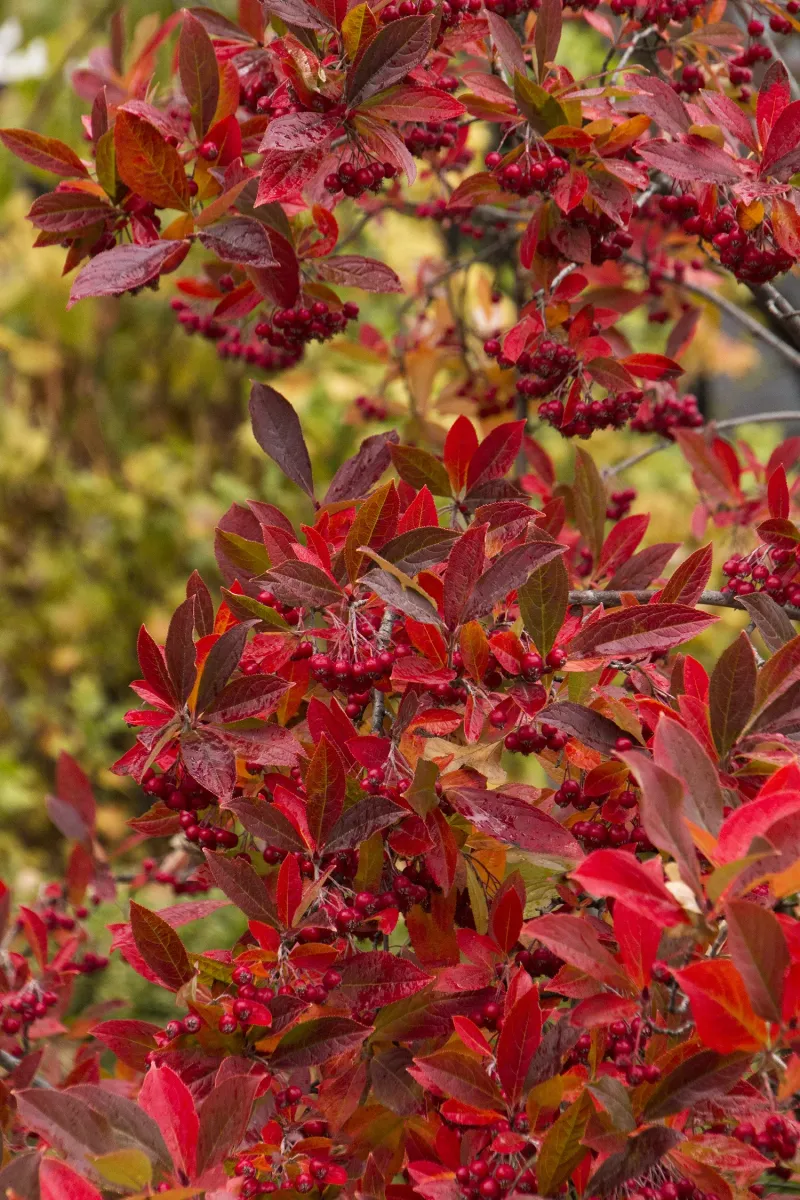
Bright red berries that last through winter? Yes, please. Red chokeberry is one of those native shrubs that keeps on giving long after most other plants have gone dormant.
For Eastern Bluebirds in Pennsylvania, those persistent berries can be a lifeline during cold, lean months when food is genuinely hard to come by.
Red chokeberry is closely related to black chokeberry but has a slightly more upright growth habit and, of course, those striking red fruits.
The berries ripen in early fall and often stay on the branches through December and even into January if birds do not clean them out first.
Bluebirds tend to feed on them opportunistically, especially after a hard freeze softens the fruit a bit.
Growing red chokeberry in Pennsylvania is pretty easy once you get it established. It tolerates a wide range of soils, including wet and poorly drained areas where other shrubs might struggle.
Full sun brings out the best berry production and the richest fall foliage color, but it also performs well in partial shade. Expect the plant to reach six to eight feet in height at maturity.
The spring flowers are lovely, producing small white blooms in clusters that draw in native bees and other pollinators. The fall leaf color is a deep, fiery red that makes this shrub a real showstopper in the landscape.
Pairing red chokeberry with winterberry or spicebush creates a layered habitat that keeps Pennsylvania bluebirds fed and sheltered across multiple seasons. It is a smart, beautiful addition to any wildlife-friendly yard.
5. Spicebush
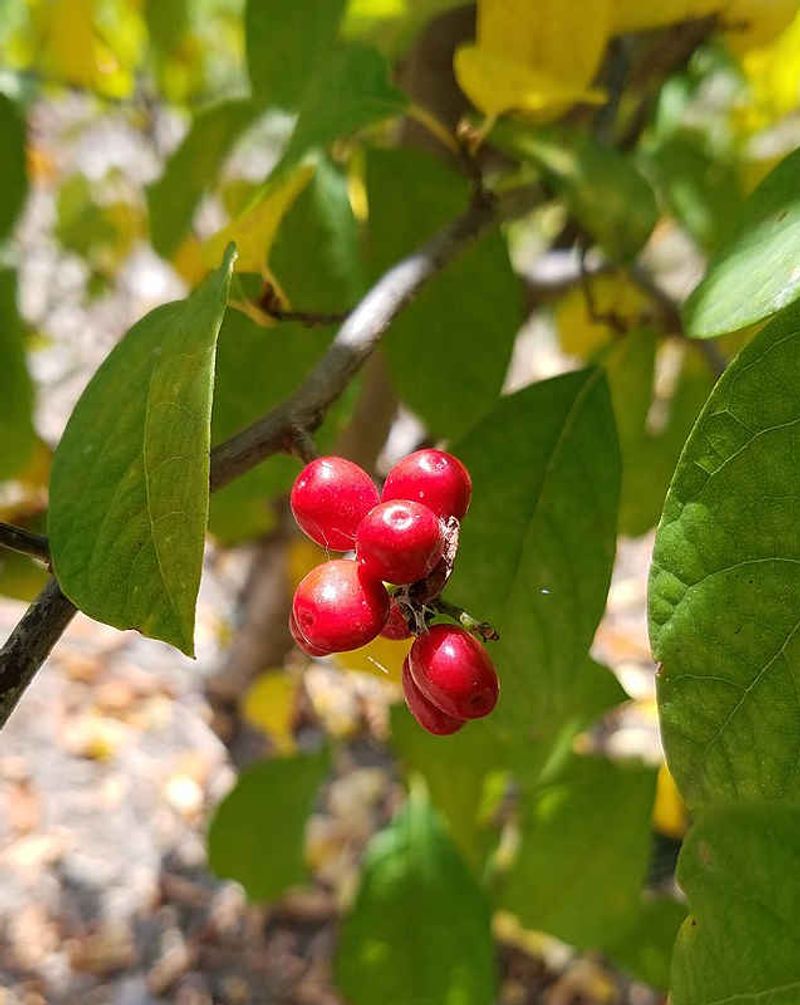
Walk past a spicebush on a warm day and brush against the leaves. You will immediately catch a spicy, aromatic scent that is hard to forget.
This Pennsylvania native is beloved by gardeners and wildlife alike, and Eastern Bluebirds are among its biggest fans when berry season rolls around in late summer and early fall.
Spicebush produces small, oval berries that ripen to a vivid red in late summer. These berries are fat-rich, which makes them an especially valuable food source for birds that are preparing for migration or building up energy reserves before winter.
Thrushes, vireos, and bluebirds all seek out spicebush berries with enthusiasm. Like many native plants, the female plants produce the fruit, so having a mix of male and female shrubs in your garden ensures a good berry crop each year.
Beyond its berries, spicebush plays another important role in the Pennsylvania ecosystem. Its leaves serve as the sole host plant for the spicebush swallowtail butterfly, a gorgeous native species.
Planting spicebush means you are supporting both birds and butterflies at the same time, which is a pretty great deal for one shrub.
Spicebush grows naturally in woodland understories, so it is well suited for shady spots in your yard where other shrubs might struggle. It reaches about six to twelve feet tall and produces cheerful yellow flowers in early spring before the leaves emerge.
The bright yellow fall foliage adds another layer of beauty. For Pennsylvania gardeners who want to support a wide range of wildlife, spicebush is an absolute must-have.
6. American Elderberry
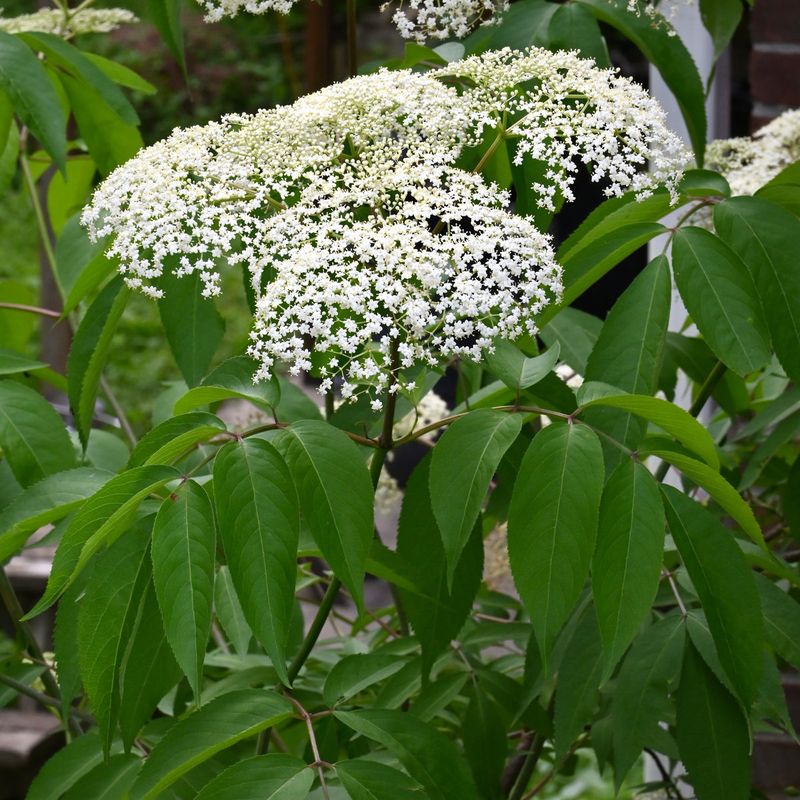
If you want to attract the widest variety of birds to your Pennsylvania garden in the shortest amount of time, American elderberry is the shrub to plant. It grows fast, it produces massive clusters of dark berries, and birds go absolutely wild for it.
Eastern Bluebirds are among the many species that flock to elderberry in late summer when the fruit is at its ripest.
American elderberry typically blooms in early summer with large, flat-topped clusters of creamy white flowers that smell sweet and attract dozens of pollinators. By late summer, those flowers give way to heavy clusters of small, dark purple-black berries.
The fruiting season is brief but intense, and you will often see multiple bird species feeding at the same time. It is one of the most exciting wildlife shows a Pennsylvania garden can put on.
This shrub is also remarkably easy to grow. It tolerates a wide range of soil types and moisture levels, though it really thrives in moist, fertile ground.
Full sun produces the best fruit set, but elderberry handles partial shade well too. It can grow quite large, reaching up to twelve feet tall, so give it some space or plan to prune it back every few years to keep it manageable.
One fun bonus: elderberries are edible for people too. Many Pennsylvania gardeners use the berries to make jams, syrups, and elderberry wine.
Just be sure to cook the berries before eating them raw in large amounts. Planting elderberry means feeding yourself, your community, and the bluebirds all at once. That is hard to beat.
7. Arrowwood Viburnum
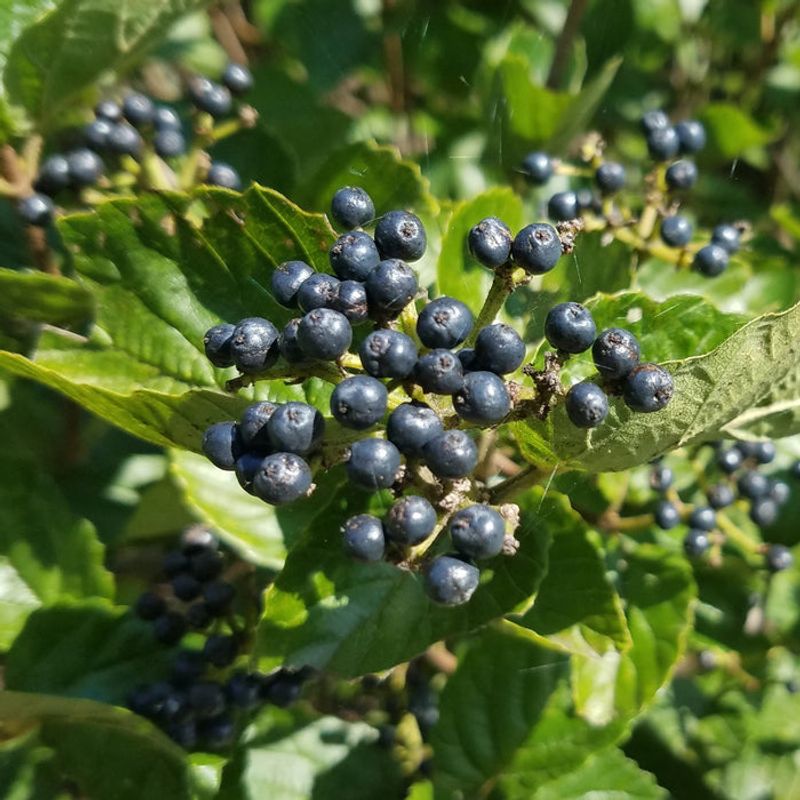
Tough, beautiful, and packed with wildlife value, arrowwood viburnum is one of the most reliable native shrubs you can add to a Pennsylvania garden. The name comes from the fact that Native Americans historically used the straight stems to make arrow shafts.
Today, its greatest claim to fame is the abundance of blue-black berries it produces every fall, which songbirds like Eastern Bluebirds find irresistible.
The berries ripen in late summer and persist into fall, giving birds a long window to feed. Bluebirds, thrushes, robins, and mockingbirds are all regular visitors when arrowwood viburnum is in fruit.
The dense branching structure of the shrub also makes it a great nesting and roosting spot, offering birds cover and protection throughout the year.
In Pennsylvania, where habitat loss is an ongoing concern, plants like this one play a real role in supporting local wildlife populations.
Arrowwood viburnum is also one of the most adaptable native shrubs around. It grows in sun or shade, tolerates clay or sandy soil, and handles both wet and dry conditions without much fuss.
It typically reaches six to ten feet tall and wide, forming a rounded, full shape that looks great in borders or naturalized areas. Spring brings flat clusters of white flowers that attract native bees and beetles.
Fall foliage is another highlight, with leaves turning shades of red, orange, and yellow before dropping.
Planting arrowwood viburnum alongside other fruiting native shrubs creates a layered, multi-season food source that keeps Eastern Bluebirds coming back to your Pennsylvania garden year after year. It is a true landscape workhorse with a generous heart.