8 Pennsylvania Plants You Should Never Cut Back In Early Spring
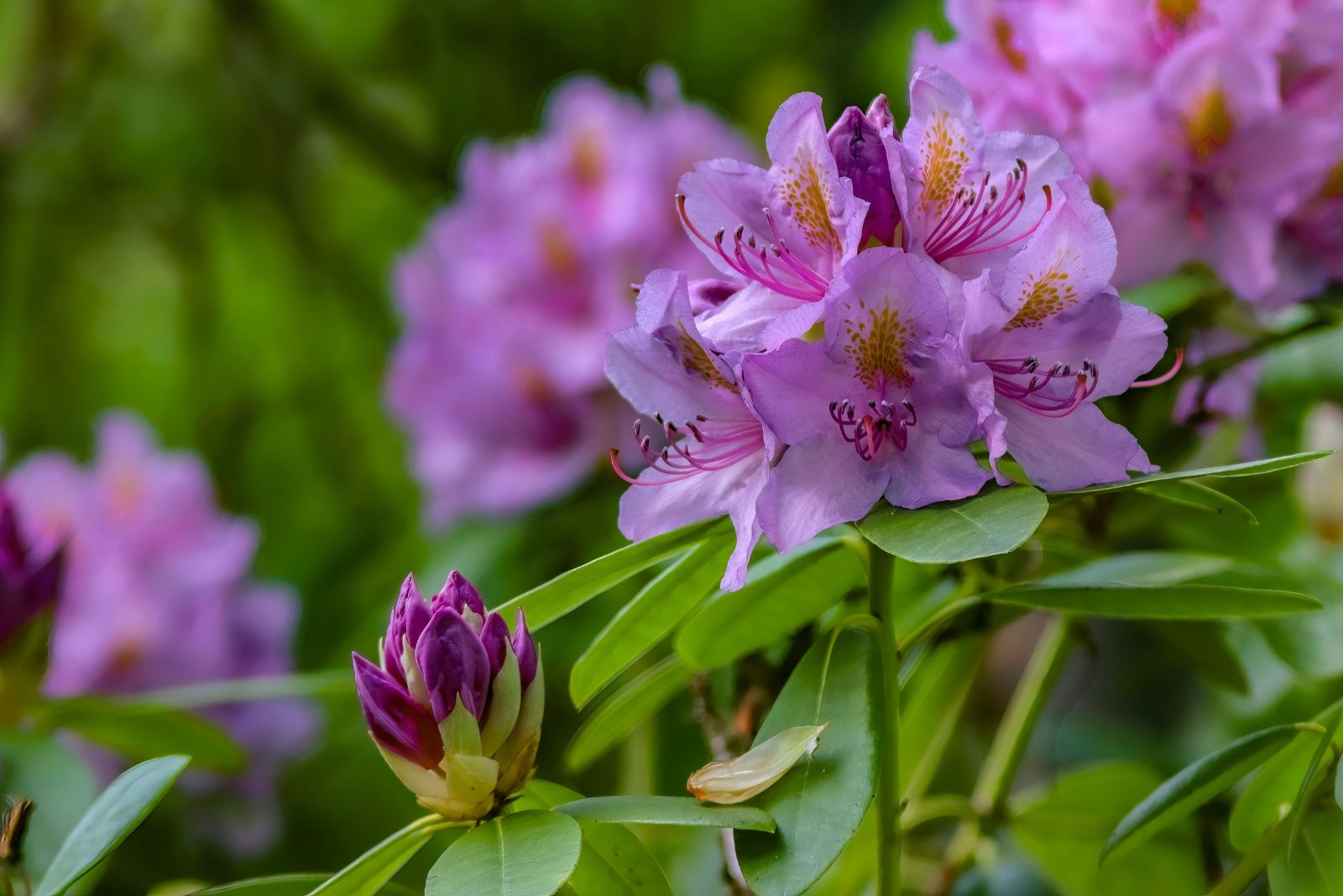
Early spring can make Pennsylvania gardeners feel like it is time to clean up everything at once. The snow is gone, temperatures start to rise, and the yard begins to show signs of life again.
After months of looking at dried stems, old growth, and faded foliage, it is tempting to grab the pruners and cut everything back right away.
It feels productive, tidy, and like the perfect way to kick off the season. The problem is that some plants really do not appreciate that kind of enthusiasm.
Certain plants set their flower buds long before spring arrives, so cutting them back too early can mean losing an entire season of blooms.
Others use their old stems and leaves as protection from late frosts, cold winds, and sudden weather swings that are common in Pennsylvania.
In some cases, those leftover parts even shelter helpful pollinators that are still resting until the weather warms up.
That is why early spring pruning needs a little patience. Knowing which Pennsylvania plants should be left alone can save your flowers, protect new growth, and keep your garden looking much better in the months ahead.
1. Lilacs
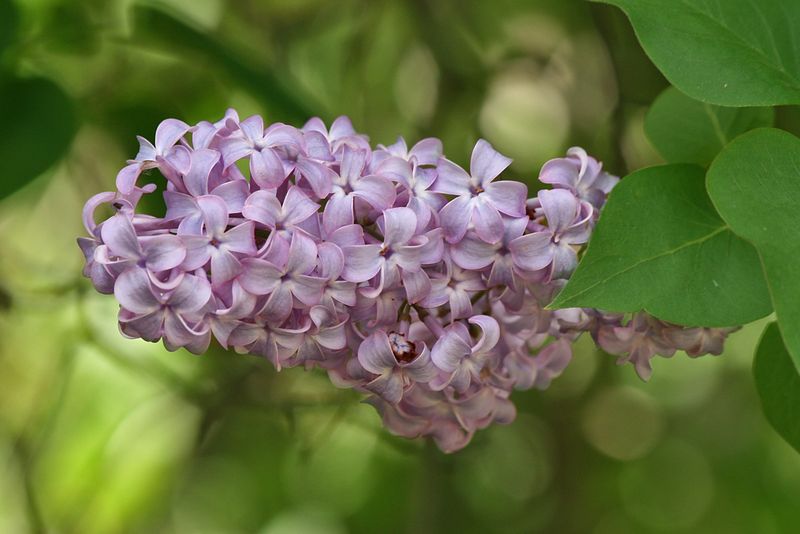
Few things say “Pennsylvania spring” quite like the sweet, unmistakable scent of lilacs drifting through the yard. Lilacs are beloved by gardeners across the state, and for good reason.
Their purple, pink, or white flower clusters are absolutely stunning, and their fragrance is hard to beat.
Lilacs bloom on old wood, which means the flower buds you see in spring actually formed on last year’s branches during the previous summer. If you grab your shears and trim them back in early spring, those buds go with them.
You will end up with a neatly trimmed shrub that produces zero flowers for the entire season.
The best time to prune lilacs is right after they finish blooming, usually in late spring. At that point, the plant has already put on its show, and you can shape it without sacrificing any future blooms. Pennsylvania gardeners should mark this timing on their calendar.
Older lilac shrubs sometimes develop thick, crowded stems over the years. You can remove a few of the oldest, woodiest stems at the base after blooming to encourage fresh new growth.
Just be patient and resist the urge to prune too early. Your nose and your neighbors will thank you when those fragrant blooms arrive in full force next season.
2. Azaleas
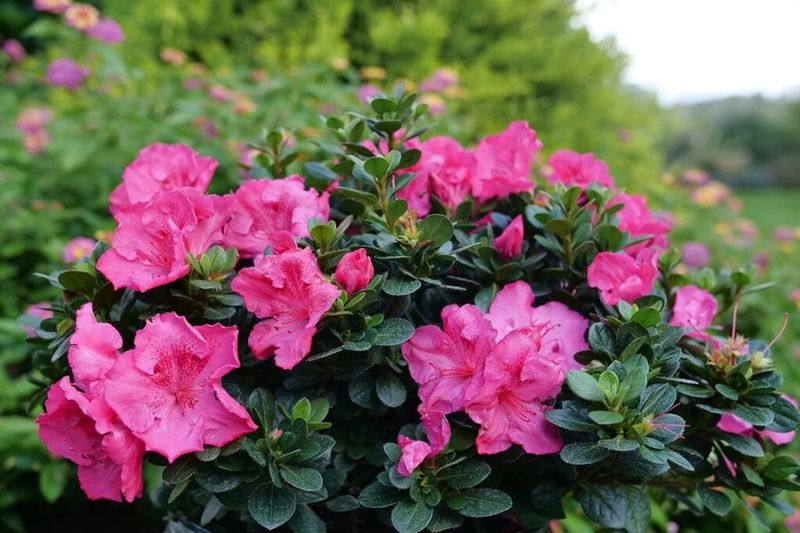
Walk through almost any Pennsylvania neighborhood in spring, and you will spot azaleas putting on a spectacular show.
Their bright blooms in shades of pink, red, orange, and white make them one of the most popular flowering shrubs in the state. But many gardeners accidentally ruin their bloom season by pruning at the wrong time.
Azaleas develop their flower buds months before those blooms actually open. By late summer and fall of the previous year, the plant has already set the buds that will become next spring’s flowers.
Early spring pruning snips those buds right off, leaving you with a green shrub and no color for the season.
Your Pennsylvania Garden Changes Every Week. Your Plan Should Too.
Gardening in Pennsylvania changes quickly throughout the season. Every Friday you’ll receive a simple weekly plan showing exactly what to plant, prune, fertilize, harvest, and protect so you never miss the right timing.
Pennsylvania winters can be tough, and it is natural to want to clean up your shrubs once the cold weather eases up. With azaleas, though, patience really pays off. Wait until after the flowers have fully faded before picking up your pruning shears.
Pruning right after bloom, typically in late spring, gives the azalea plenty of time to grow new branches and set fresh buds before summer ends. Light shaping is all most azaleas need anyway.
Avoid heavy cutting, which can stress the plant and reduce flowering for more than one season. A little restraint goes a long way with these Pennsylvania garden favorites.
3. Rhododendrons
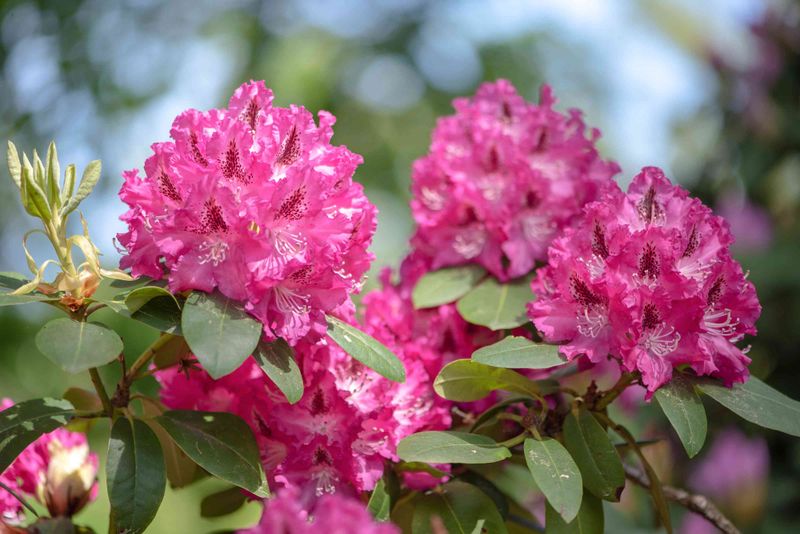
Rhododendrons are some of the most dramatic flowering shrubs you can grow in Pennsylvania. Their large, bold flower clusters can stop you in your tracks, especially when planted near a shady woodland edge or along a front walkway.
Getting that stunning display, however, depends entirely on when you choose to prune. Just like their close relatives the azaleas, rhododendrons bloom on old wood. The buds for this year’s flowers were formed on last season’s branches.
Pruning in early spring, before those buds open, removes them completely. You will be left with a healthy-looking green shrub that simply refuses to bloom.
Many Pennsylvania gardeners make this mistake once and then wonder what went wrong. The shrub looks perfectly healthy, it just has no flowers.
The answer almost always comes down to timing. Early spring pruning is the number one reason rhododendrons skip their bloom cycle.
To keep your rhododendrons blooming beautifully year after year, wait until the flowers have finished and the petals have dropped. That is your green light to prune.
Removing spent flower clusters, called deadheading, right after bloom also helps the plant put more energy into setting new buds for next year.
Pennsylvania gardeners who follow this simple rule are always rewarded with a breathtaking floral display when spring rolls back around.
4. Forsythia
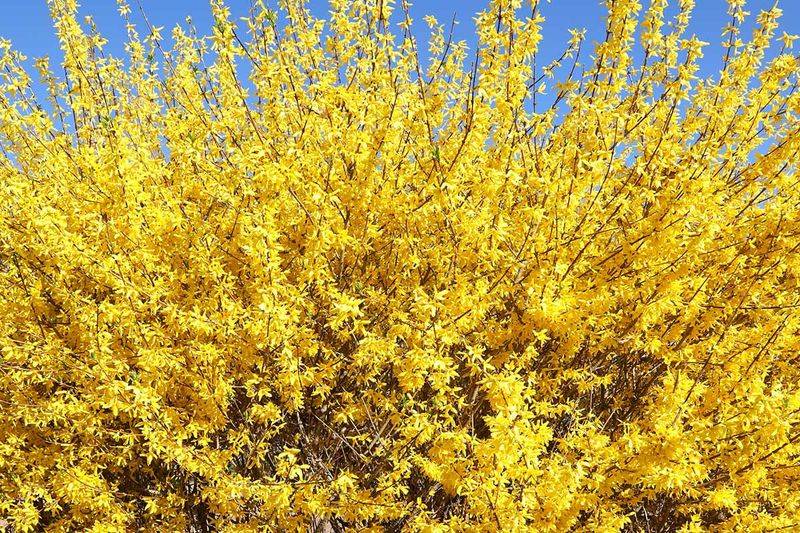
Forsythia is basically Pennsylvania’s unofficial sign that spring has arrived. Those brilliant yellow flowers burst open on bare branches before almost any other plant wakes up, making it one of the most cheerful sights of the entire gardening year.
Protecting that display means knowing exactly when not to prune. Forsythia blooms on old wood, setting its flower buds on branches from the previous growing season. Pruning in early spring, even just a few weeks before the blooms open, removes those buds entirely.
The result is a bare, flowery-free shrub at the very time of year when it should be putting on its brightest show.
The good news is that forsythia is a tough, fast-growing shrub that bounces back quickly. Prune it right after it finishes blooming in late spring, and it will spend the rest of the growing season producing new branches loaded with buds for next year.
Pennsylvania gardeners often use forsythia as a hedge or border shrub, and regular post-bloom pruning keeps it looking neat and full.
If your forsythia has gotten very large and overgrown, you can do a more aggressive renewal pruning right after it blooms. Cut some of the oldest stems all the way to the ground.
New shoots will emerge quickly. Just never, ever touch it with your shears during those early spring weeks when those golden flowers are just getting ready to pop.
5. Hydrangeas (Old-Wood Varieties)
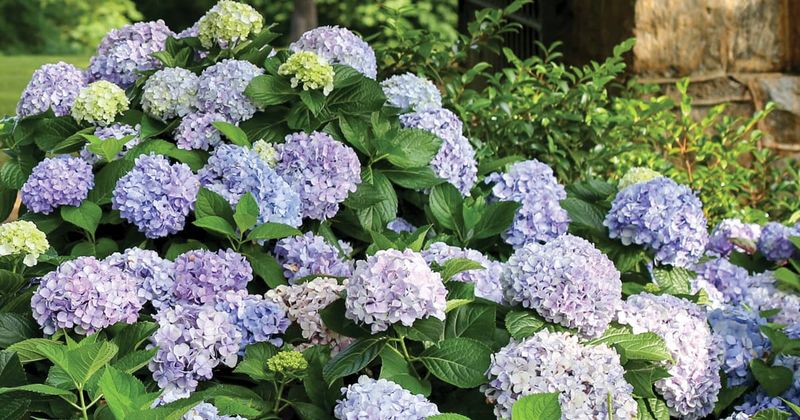
Hydrangeas are among the most searched and talked-about shrubs in Pennsylvania gardening circles, and a big reason for that is the confusion around pruning them.
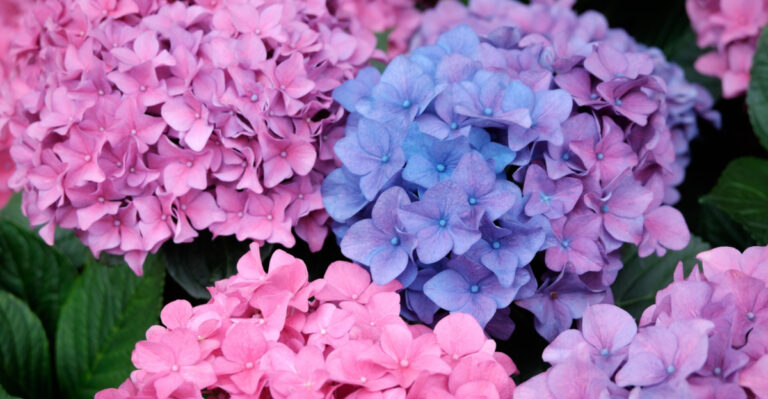
Not all hydrangeas are the same, and the old-wood varieties, especially bigleaf hydrangeas (Hydrangea macrophylla), are the ones that need the most protection in early spring.
Bigleaf hydrangeas form their flower buds on stems from the previous year. Those buds sit quietly through the winter, waiting for warmer weather to open.
If you cut the stems back in early spring thinking you are helping the plant, you remove every single bud that was going to become a bloom. The plant will survive, but it will not flower that summer.
Pennsylvania winters can sometimes cause stem damage, and it can be hard to tell which stems are alive and which are not. A simple scratch test helps: scratch the bark lightly with your fingernail.
Green underneath means the stem is alive and worth keeping. Brown or tan tissue means it can be removed.
Only remove stems that are clearly no longer living, and save any major shaping for after the plant blooms in summer. Some newer varieties of bigleaf hydrangea, like the Endless Summer series, bloom on both old and new wood, giving you a bit more flexibility.
But when in doubt, wait it out and let your Pennsylvania hydrangeas show you what they have got.
6. Flowering Quince
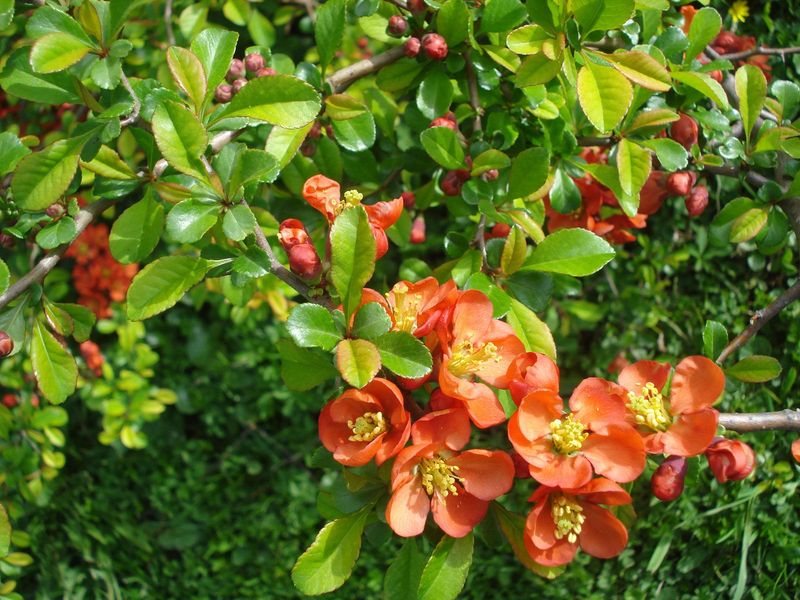
Flowering quince is one of those underrated gems that deserves a lot more attention in Pennsylvania gardens. Its fiery red, orange, coral, or pink blossoms appear very early in the season, often while the branches are still mostly bare.
It is a bold, eye-catching plant that earns its place in any yard. Flowering quince blooms on last year’s branches, just like forsythia and lilacs. The flower buds were formed and stored on those older stems through the fall and winter.
Pruning in early spring, even with the best intentions, strips away those buds before they have a chance to open. You miss the entire show for that year.
Timing is everything with flowering quince. Wait until after the flowers have fully faded, usually in mid to late spring, before you do any trimming or shaping.
At that point, you can cut back as much as needed without affecting next year’s bloom. Flowering quince can actually handle fairly aggressive pruning once it has finished blooming, so do not be afraid to shape it up nicely.
Pennsylvania gardeners who grow flowering quince often enjoy it as a living fence or a striking specimen plant near a patio or entrance. The thorny branches also make it a great natural barrier.
Just remember: early spring pruning is a shortcut to a flowerless spring. Patience, as always, is your best gardening tool when it comes to this stunning shrub.
7. Weigela
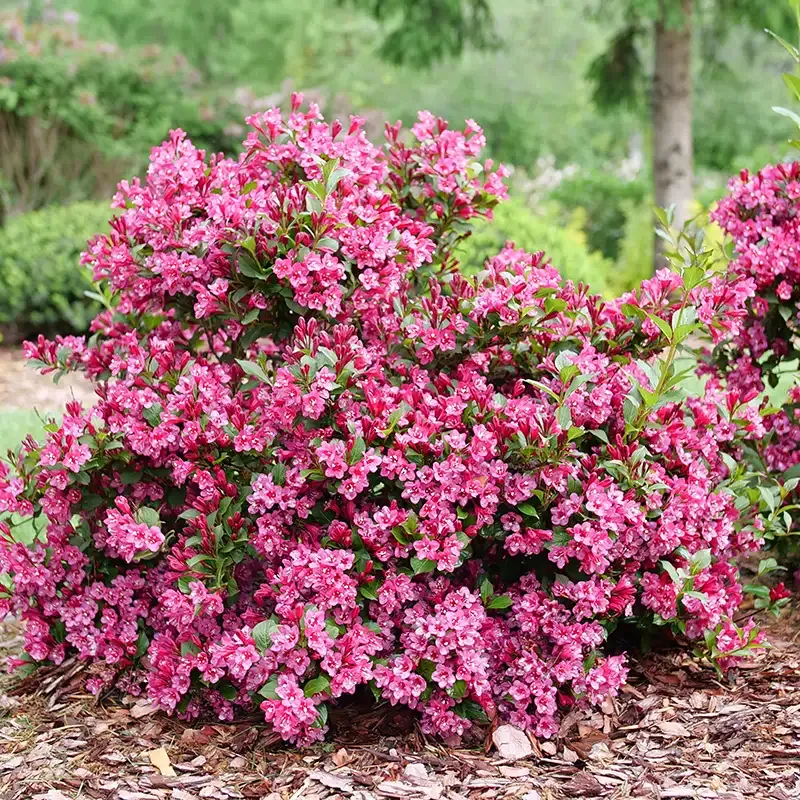
Weigela might not be as famous as lilacs or hydrangeas, but Pennsylvania gardeners who grow it absolutely love it. Its arching branches covered in tubular flowers in shades of pink, red, white, or bicolor are a magnet for hummingbirds and butterflies.
Getting those blooms, however, requires holding off on early spring pruning. Weigela blooms in late spring and early summer on older wood, meaning the flower buds develop on branches from the previous year’s growth.
Cutting it back in early spring removes those buds along with the branches they are sitting on. You end up with a shorter, tidier shrub that produces far fewer flowers or none at all for that season.
The right time to prune weigela is right after it finishes its main bloom flush, usually in early to mid summer. At that point, you can remove older, less productive stems and shape the plant as needed.
Weigela responds well to pruning and will quickly push out new growth that will carry next year’s flower buds.
Some weigela varieties also offer a smaller secondary bloom later in summer, which is a nice bonus for Pennsylvania gardens. Keeping the plant healthy with proper post-bloom pruning encourages that rebloom.
Think of weigela as a reward shrub: give it the right care at the right time, and it gives back with color, fragrance, and plenty of pollinator activity all season long.
8. Oakleaf Hydrangea
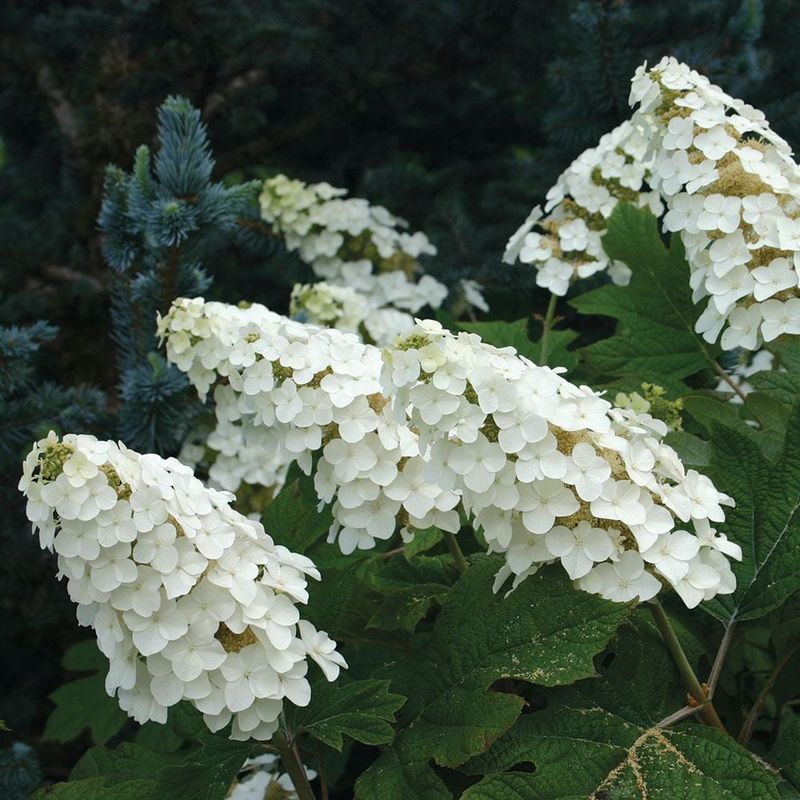
Oakleaf hydrangea is a true Pennsylvania native beauty. Named for its distinctive leaves that look remarkably like those of an oak tree, this shrub offers four seasons of interest: showy white blooms in summer, rich fall foliage color, peeling cinnamon-colored bark in winter, and fresh new growth every spring.
It is a real standout in any garden.
Like other old-wood bloomers, oakleaf hydrangea forms its flower buds on stems from the previous year. Early spring pruning removes those buds before they ever get the chance to open into those gorgeous, cone-shaped flower clusters.
Pennsylvania gardeners who prune too early often notice their oakleaf hydrangea looking green and healthy but producing no flowers at all during the summer.
Oakleaf hydrangea is also more cold-hardy than bigleaf hydrangeas, which makes it an especially smart choice for Pennsylvania’s sometimes unpredictable winters.
The buds tend to survive most winters without much trouble, as long as they are not removed by a pair of well-meaning pruning shears in March or April.
If pruning is necessary, do it right after the flowers fade in late summer. Light cleanup is usually all this shrub needs.
Remove any crossing or crowded branches to improve airflow, and cut out any stems that did not survive winter.
Oakleaf hydrangea grows at a moderate pace and generally keeps a nice natural shape, so heavy pruning is rarely needed. Let it grow, and it will reward your Pennsylvania garden generously.