The One Native Tree Every Pennsylvania Garden Should Have
Every great garden seems to have that one plant that does a little bit of everything.
In Pennsylvania, there is one native tree that keeps earning a spot in home landscapes because it brings beauty, wildlife value, and year-round interest without feeling fussy or hard to manage.
It fits into so many types of yards that once people plant it, they often wonder why they waited so long.
Serviceberry has a lot going for it. In early spring, it covers itself with delicate white flowers that show up just when the garden is starting to wake up.
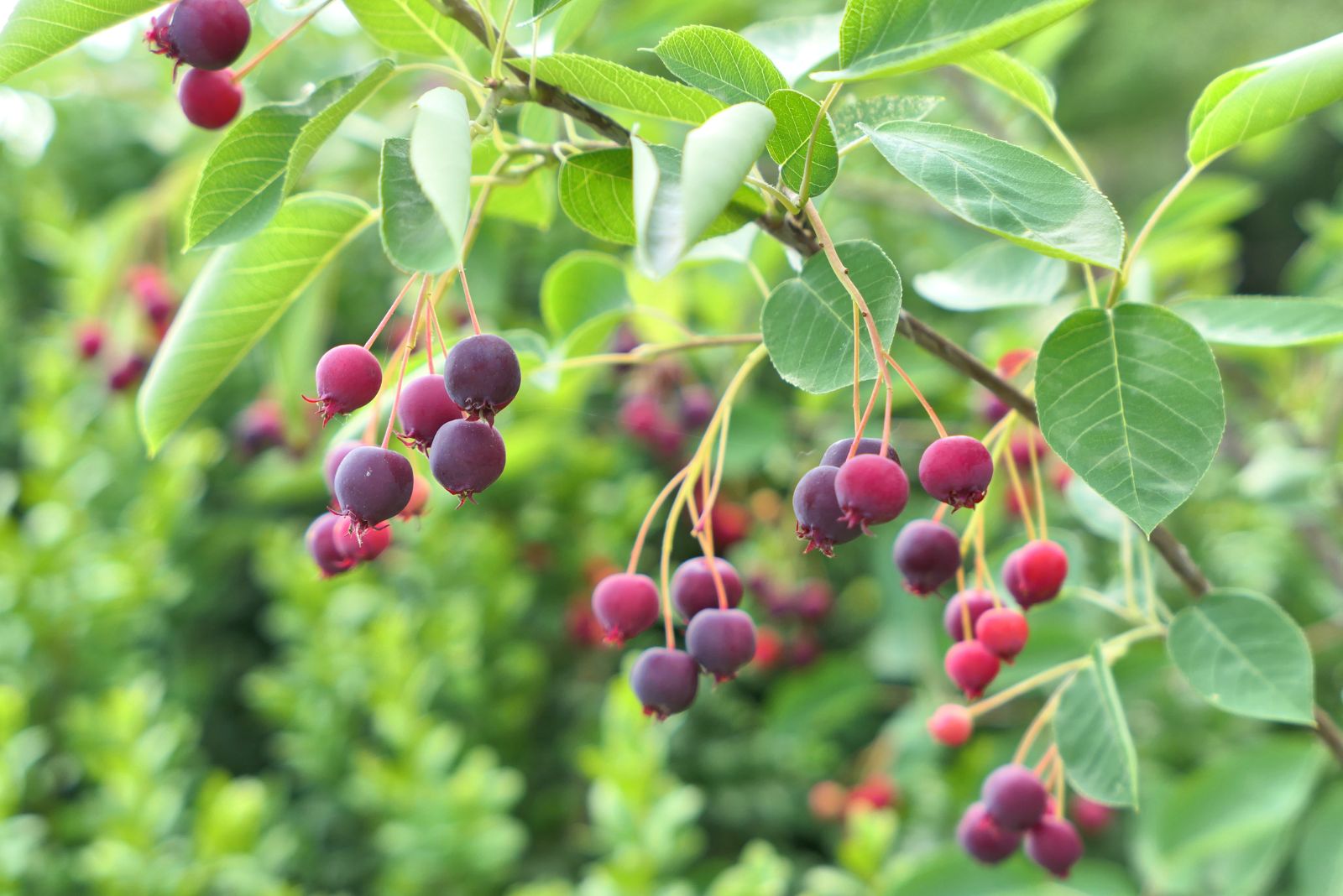
As the season moves along, it produces berries that birds love, and in fall, its leaves turn rich shades that add even more color to the yard. It is the kind of tree that keeps giving long after its first bloom.
Pennsylvania gardeners also appreciate that it feels right at home in the local landscape. It supports wildlife, handles the climate well, and adds charm without overwhelming the space.
For anyone looking for one native tree that checks almost every box, serviceberry is hard to top.
Why Serviceberry Is A Favorite Native Tree In Pennsylvania?
Few trees earn as much love from Pennsylvania gardeners as the serviceberry. It checks nearly every box a homeowner could want from a landscape tree.
It looks beautiful, supports wildlife, stays manageable in size, and thrives in the local climate without much fuss.
Serviceberry, also called Juneberry or shadbush, has been growing in Pennsylvania woodlands for centuries. Long before it became a garden favorite, Native Americans and early settlers relied on its fruit for food.
That rich history makes planting one feel like a small act of honoring the land you live on. What makes serviceberry especially popular in Pennsylvania is its ability to shine in every single season. Spring brings a cloud of white blossoms.
Summer delivers small, sweet berries. Fall lights up the yard with orange and red leaves. Even in winter, the graceful branching structure adds quiet beauty to the garden.
Pennsylvania gardeners also love that serviceberry attracts so much wildlife. Birds flock to it for the berries.
Bees and butterflies visit the early flowers. Small mammals find shelter in its branches. Planting one tree can create a whole little ecosystem right in your backyard.
Beyond beauty and wildlife value, serviceberry is simply tough. It handles Pennsylvania’s cold winters, humid summers, and variable rainfall without complaint.
You do not need special fertilizers or complicated care routines to keep it healthy. For both beginners and experienced gardeners across the state, serviceberry stands out as a truly rewarding native tree worth adding to any yard.
What Makes Serviceberry A True Pennsylvania Native?
Walk through almost any Pennsylvania forest edge or stream bank and you are likely to spot a serviceberry tree growing wild. That is one of the clearest signs that this plant truly belongs here.
It evolved alongside Pennsylvania’s soils, rainfall patterns, and seasonal temperature swings over thousands of years.
Your Pennsylvania Garden Changes Every Week. Your Plan Should Too.
Gardening in Pennsylvania changes quickly throughout the season. Every Friday you’ll receive a simple weekly plan showing exactly what to plant, prune, fertilize, harvest, and protect so you never miss the right timing.
Native trees like serviceberry have developed deep relationships with local insects, birds, and soil organisms. They support far more wildlife than non-native ornamental trees because local species have evolved to rely on them.
When you plant a serviceberry in your Pennsylvania yard, you are plugging into that ancient ecological web. Pennsylvania’s climate can be unpredictable. Winters bring heavy snow and bitter cold.
Summers can swing between dry spells and heavy rainstorms. Serviceberry handles all of it naturally because it has been adapting to these exact conditions for generations.
You will not need to baby it through tough weather the way you might with exotic imported trees.
The tree also suits Pennsylvania’s wide range of soil types. Whether your yard has clay-heavy soil, sandy loam, or rocky ground, serviceberry tends to settle in and grow steadily.
It prefers slightly acidic, well-drained conditions, which are common across much of the state, but it is flexible enough to tolerate less-than-perfect spots too.
Choosing a true native like serviceberry also means less environmental impact. Native trees do not need extra irrigation, chemical fertilizers, or pesticide treatments to survive.
They are already built for this place. Planting one is one of the simplest and most meaningful choices a Pennsylvania gardener can make for their yard and the local environment.
The Beautiful Spring Flowers That Make Serviceberry Stand Out
Spring comes slowly to Pennsylvania, and after months of gray skies and bare branches, the first signs of color feel like pure magic.
Serviceberry is one of the very first trees to bloom each year, often bursting into flower before most other plants have even woken up. That early show makes it something truly special in any yard.
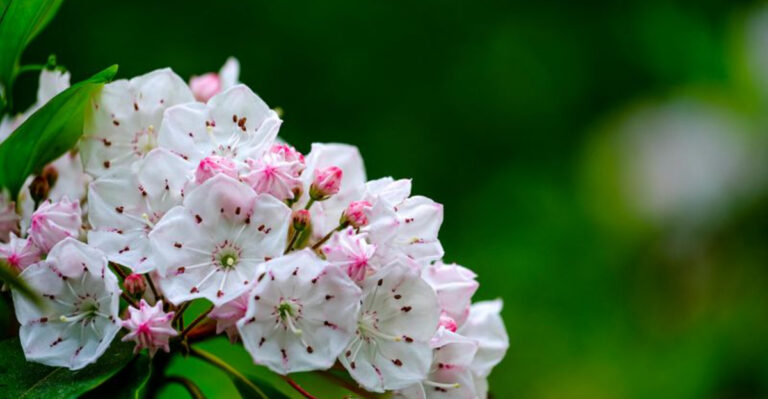
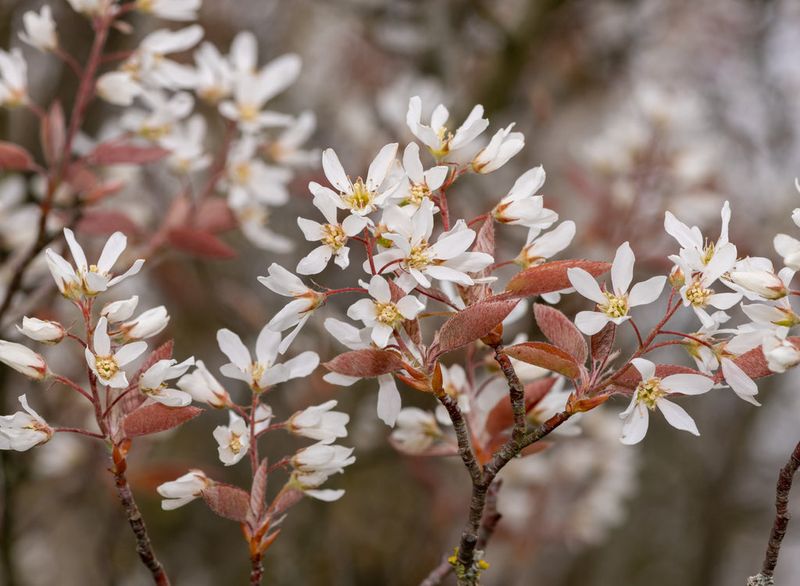
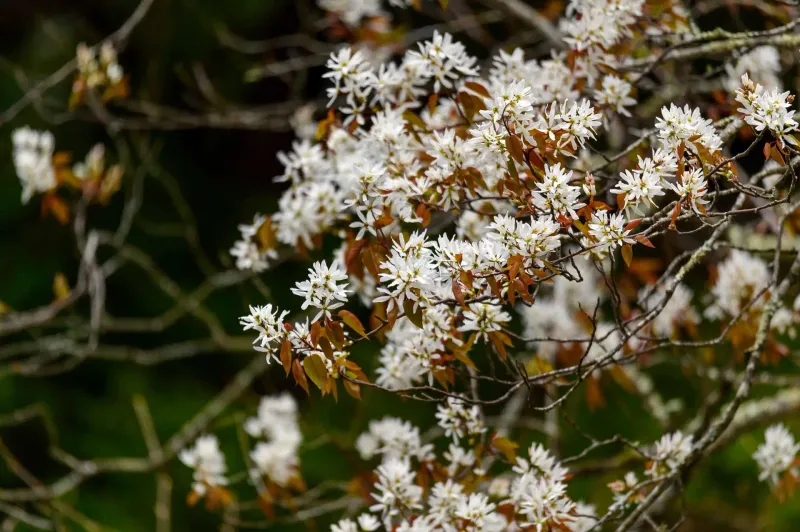
The blossoms are small and delicate, with five slender white petals that cluster together along the branches. Up close, they look almost lacy.
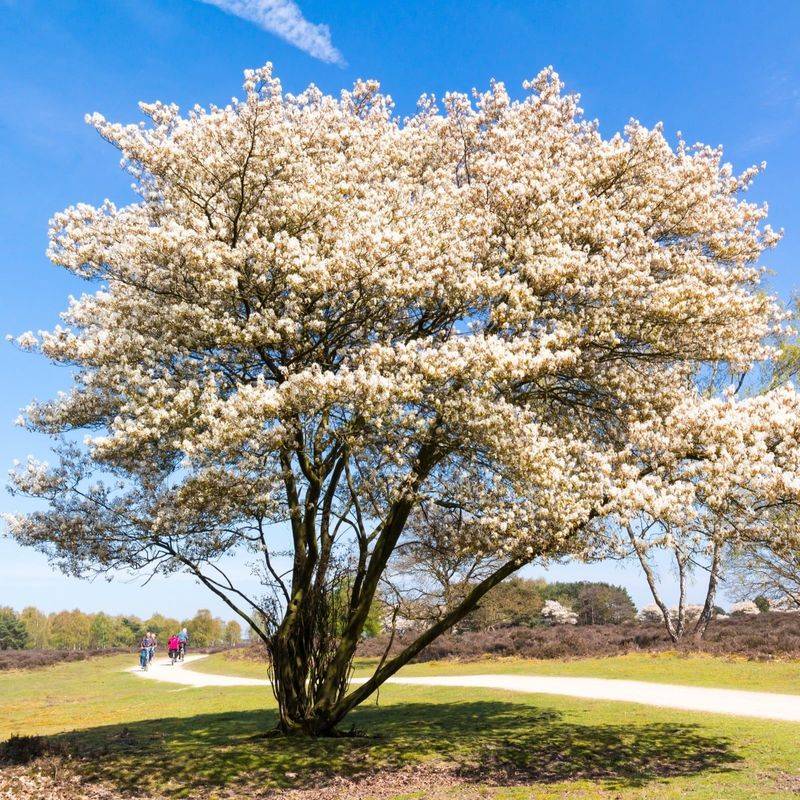
From a distance, the whole tree glows like a soft white cloud against the still-bare woodland backdrop. It is the kind of sight that stops people in their tracks on a morning walk.
Did you know that serviceberry gets one of its common names, shadbush, because it blooms around the same time shad fish swim upstream in Pennsylvania rivers to spawn?
That connection to the natural rhythms of the state makes the tree feel even more rooted in local history and culture.
Early pollinators absolutely love serviceberry blossoms. Native bees, honeybees, and early butterflies are often starving for food sources in early spring when most flowers have not yet appeared.
Serviceberry steps in and offers nectar and pollen right when these insects need it most, giving your garden an important ecological role from the very first warm days of the year.
Planting a serviceberry near a window or along a walkway means you get a front-row seat to one of Pennsylvania’s most charming early spring displays. It is a simple joy that comes back reliably every single year without any extra effort on your part.
The Edible Berries Birds And Gardeners Love
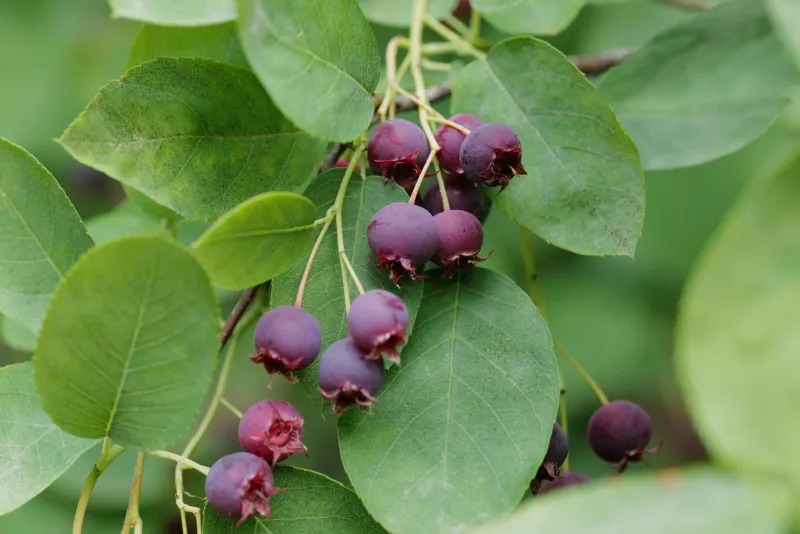
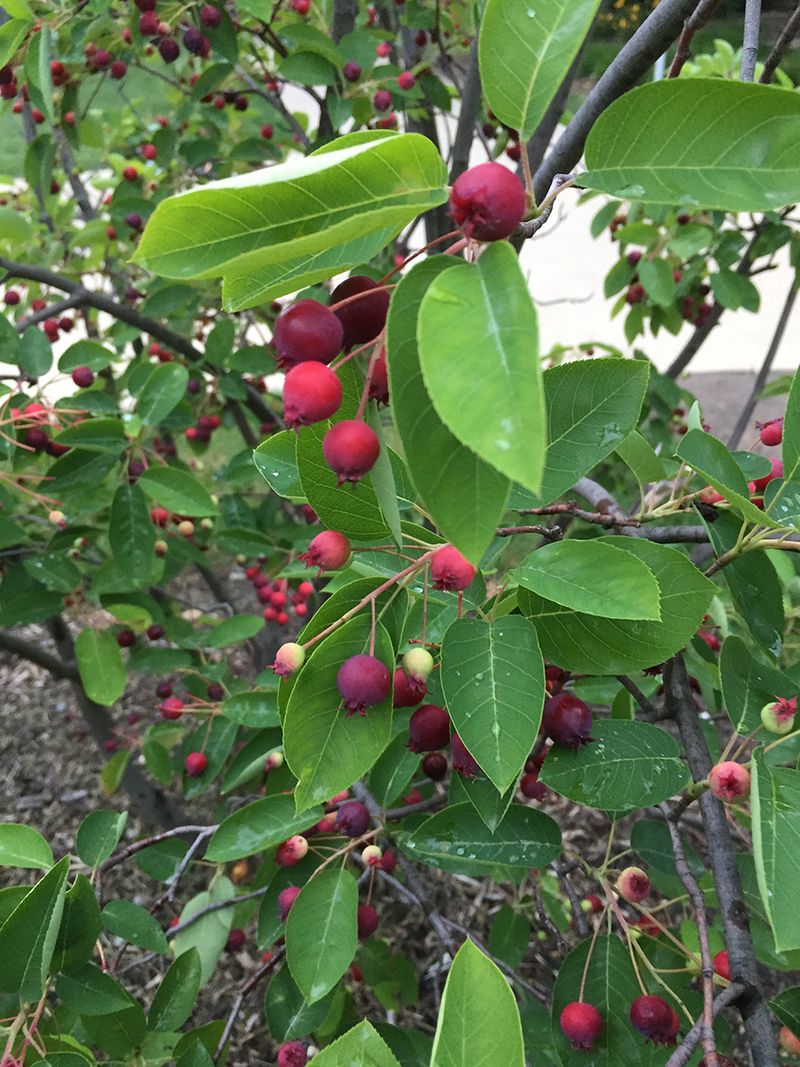
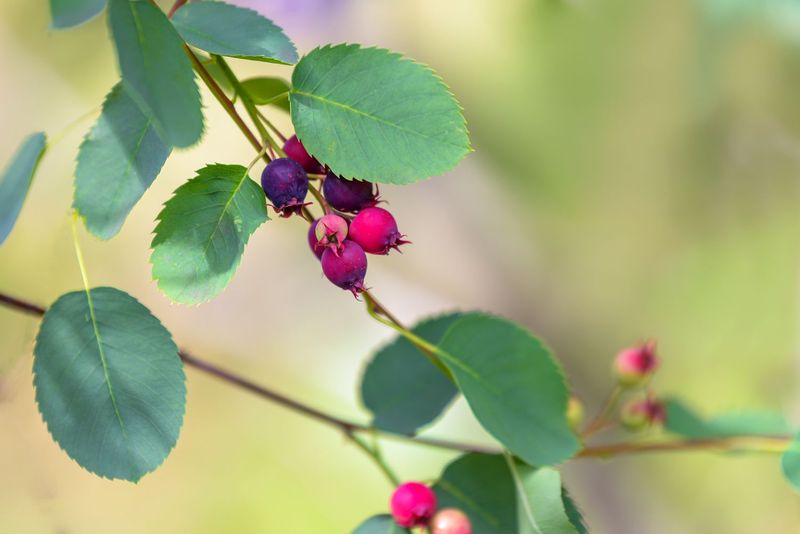
By early summer, something exciting happens on the serviceberry tree. The delicate spring flowers have faded, and in their place hang small clusters of round berries that ripen from green to red to a deep, rich purple.
They look a little like blueberries, and honestly, they taste a lot like them too, with a slightly sweeter, nuttier flavor that many people find even better.
Gardeners across Pennsylvania have been harvesting serviceberries for generations. You can eat them straight off the branch, toss them into pancakes, bake them into pies, or turn them into jam.
Some people use them in smoothies or mix them into yogurt. The fruit is nutritious, packed with antioxidants, vitamin C, and fiber, making it a genuinely healthy snack right from your own backyard.
Here is the honest truth though: sharing the harvest with birds is basically part of the deal. Robins, bluebirds, cedar waxwings, and catbirds are among the many Pennsylvania bird species that flock to serviceberry trees the moment the fruit starts to ripen.
If you want berries for yourself, you may need to act quickly or simply plant more than one tree.
That bird activity is actually one of the most delightful parts of having a serviceberry in your yard.
Watching a flock of cedar waxwings descend on the branches on a warm June morning is one of those simple pleasures that reminds you why gardening with native plants is so rewarding.
Wildlife and people can both enjoy what this tree offers. Very few plants manage to serve both so generously at the same time.
Why Serviceberry Is Perfect For Small Pennsylvania Yards?
Not every Pennsylvania homeowner has acres of land to work with. Many people in the state live in neighborhoods where yards are small, houses sit close together, and every planting decision really counts. Serviceberry was practically made for these kinds of spaces.
Most serviceberry varieties top out between 15 and 25 feet tall, with a spread of roughly 15 to 20 feet. Compare that to a large oak or maple that can grow 60 feet or more, and you can see why serviceberry fits so comfortably into tight spots.
It gives you all the benefits of a real tree without overwhelming your yard or crowding your neighbor’s fence line.
The tree naturally grows in a graceful, multi-stemmed form that looks elegant without needing constant trimming or shaping.
It works beautifully as a focal point in a front yard, a privacy screen along a property edge, or a backdrop for a pollinator garden. Its four-season interest means it earns its space every month of the year.
Pennsylvania communities that follow local tree canopy guidelines often encourage residents to plant small to medium native trees instead of large invasive species. Serviceberry fits those recommendations perfectly.
It contributes to the urban tree canopy, provides shade, reduces stormwater runoff, and cools the air around your home during hot Pennsylvania summers.
Even in a yard with limited space, you can tuck a serviceberry into a corner, plant it near a patio, or use it to anchor a mixed native planting bed.
Its modest size never becomes a problem, and its generous seasonal beauty always feels like a bonus you did not expect to get.
Simple Care Tips For Growing A Healthy Serviceberry
One of the best things about growing serviceberry in Pennsylvania is that it does not demand much from you. Once it is established in your yard, it mostly takes care of itself.
Still, giving it a good start makes a big difference in how quickly it settles in and begins to thrive.
Choose a planting spot that gets full sun to partial shade. Serviceberry does well in both conditions, but it tends to produce more flowers and fruit when it gets at least four to six hours of direct sunlight each day.
Morning sun with some afternoon shade is actually a sweet spot that many Pennsylvania gardeners find works really well.
Well-drained soil is important, especially in the first year or two. Serviceberry does not like sitting in waterlogged ground for long periods.
If your yard tends to hold water after heavy rain, consider planting on a slight slope or amending the soil with compost to improve drainage before you put the tree in the ground.
Water your newly planted serviceberry deeply once a week during dry spells in the first growing season. After that, established trees handle Pennsylvania’s natural rainfall just fine on their own.
Adding a two to three inch layer of mulch around the base helps retain moisture and keeps the roots cool during summer heat.
Pruning is rarely necessary and should be done lightly if at all. Remove any crossing branches or damaged limbs in late winter before new growth begins.
Avoid heavy pruning, which can reduce flowering and fruiting. With just a little attention in the early years, your serviceberry will grow into a healthy, beautiful tree that rewards your Pennsylvania garden for decades to come.