The 10 Fastest Crops Oregon Gardeners Can Still Plant This Month
If you’re looking at your garden calendar and realizing the season is already moving along, don’t worry. There’s still plenty of time to get fresh crops growing.
In fact, some vegetables are famous for how quickly they go from seed to harvest, which makes them perfect for gardeners who feel a little late to the planting party.
Oregon’s cool spring weather is actually great for many fast-growing crops. With the right seeds in the soil now, you could be harvesting crisp greens, tender roots, and flavorful veggies sooner than you might expect.
Fast crops are also a great way to keep garden beds productive while slower plants are still getting established. A few weeks can make a big difference with the right varieties.
So if you’re eager to see results quickly, these speedy growers can help you turn empty garden space into something harvest-ready before you know it.
1. Radishes
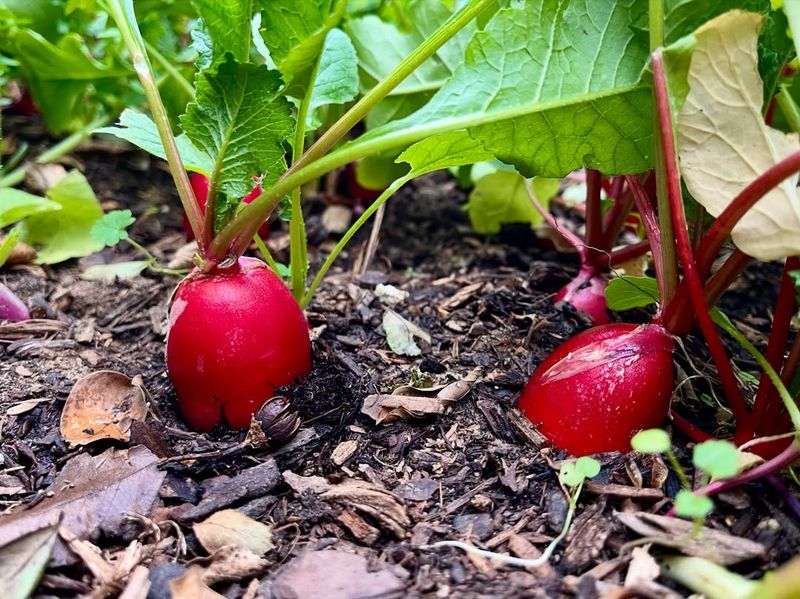
Few vegetables can beat a radish when it comes to speed. Some varieties go from seed to harvest in just 25 to 30 days, making them one of the fastest crops you can grow in Oregon this month.
Cherry Belle and French Breakfast are two popular varieties that do especially well in the cool, moist Oregon spring soil.
Plant radish seeds about half an inch deep and one inch apart in rows. They love loose, well-draining soil, so mix in some compost before sowing.
Water consistently to keep the soil moist but not soggy.
Radishes are also great for kids who want to see results fast. Watching something grow from a tiny seed to a crunchy snack in less than a month is seriously satisfying.
Harvest them before they get too big, or they can turn woody and spicy. Oregon gardeners in the Willamette Valley find that March and April plantings produce the crispest, most flavorful radishes of the year.
Thin seedlings to about two inches apart once they sprout so each root has room to develop properly.
2. Arugula
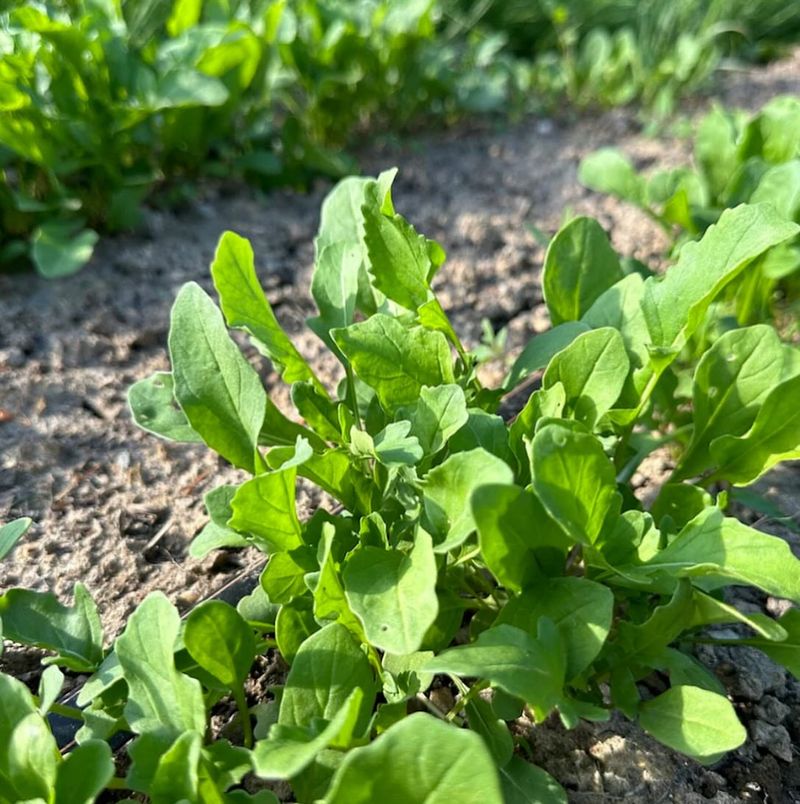
Arugula has a bold, peppery flavor that can transform a simple salad into something exciting. It grows fast, usually ready to harvest in about 30 to 40 days, and it absolutely thrives in cool Oregon spring temperatures.
If you have not tried growing your own arugula, now is the perfect time to start.
Scatter seeds directly onto prepared soil and barely cover them with a thin layer of dirt. Arugula seeds need light to germinate, so do not bury them too deep.
Keep the soil evenly moist, and you should see sprouts within five to seven days.
One of the best things about arugula is that you can harvest it multiple times. Just snip the outer leaves and the plant keeps producing new growth from the center.
Oregon gardeners in cooler coastal areas like Astoria and Newport will find arugula especially easy to grow because it prefers mild temperatures and does not like summer heat.
If temperatures start climbing, arugula can bolt quickly, so plant it now while Oregon weather stays cool.
Your Oregon Garden Changes Every Week. Your Plan Should Too.
Gardening in Oregon changes quickly throughout the season. Every Friday you’ll receive a simple weekly plan showing exactly what to plant, prune, fertilize, harvest, and protect so you never miss the right timing.
A small patch can keep your salad bowl full for several weeks with very little effort.
3. Leaf Lettuce
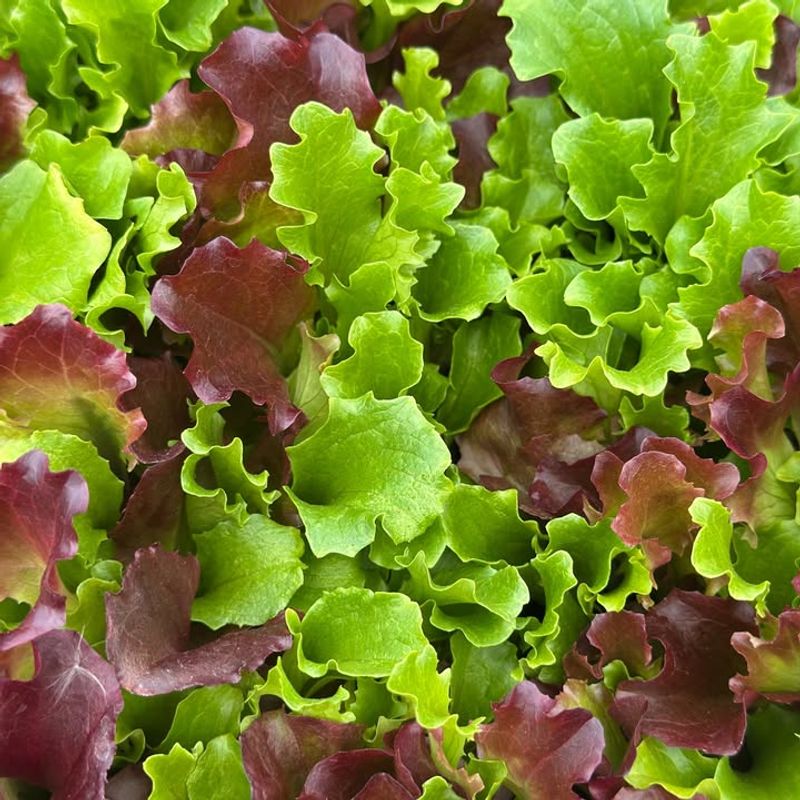
Nothing beats the crunch of homegrown lettuce picked just minutes before dinner. Leaf lettuce varieties like Black Seeded Simpson and Red Sails can be ready to harvest in as little as 30 days, making them one of the smartest choices for Oregon gardeners who want results quickly.
Unlike head lettuce, leaf types let you pick outer leaves while the plant keeps growing.
Sow seeds about a quarter inch deep in rows or broadcast them across a wide bed. Thin seedlings to about six inches apart once they are a couple of inches tall.
Leaf lettuce does not need a lot of fertilizer, but it loves consistent moisture.
Oregon springs are practically made for lettuce. The cool, cloudy weather keeps plants happy and prevents them from bolting too fast.
Gardeners in the Portland metro area often get two full harvests from a single planting by using the cut-and-come-again method. Just use clean scissors to snip leaves about an inch above the soil, and the plant regrows in about a week.
Mixing different lettuce varieties adds color and texture to your garden bed while giving you a variety of flavors to enjoy fresh from your backyard.
4. Spinach
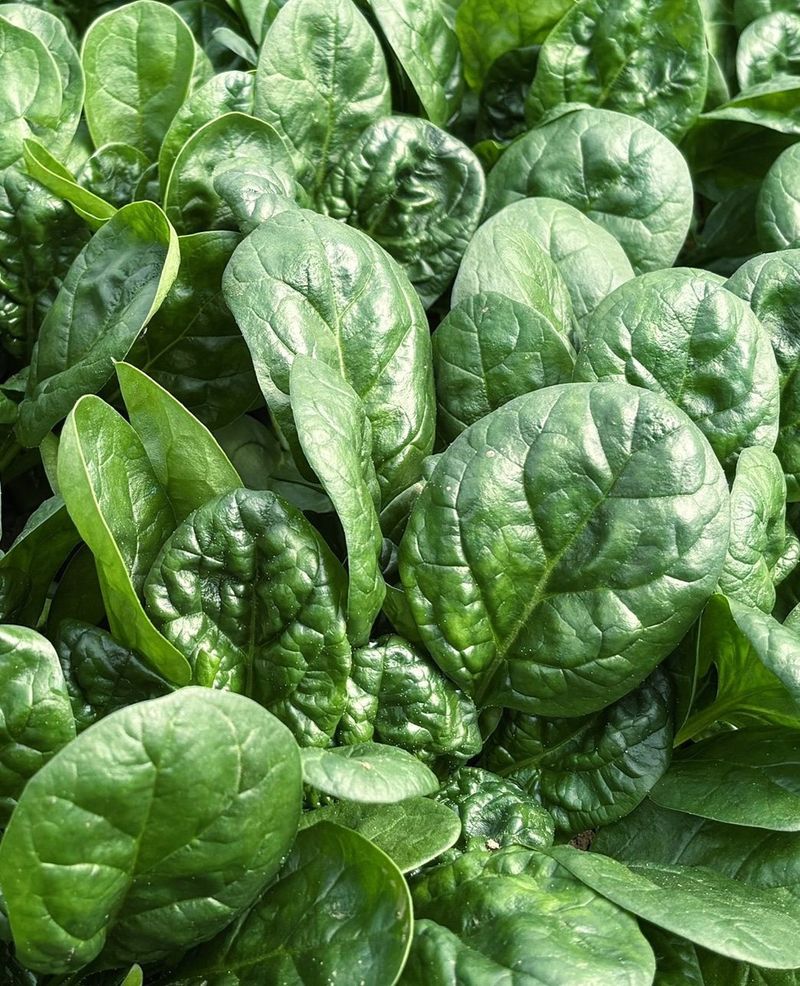
This is a powerhouse vegetable that grows surprisingly fast in Oregon’s cool spring climate. Some varieties, like Bloomsdale Long Standing, are ready to harvest in about 30 to 40 days.
It is packed with nutrients and incredibly versatile in the kitchen, from smoothies to sautees to fresh salads.
Sow spinach seeds directly into the garden about half an inch deep and two inches apart. Spinach prefers slightly alkaline soil, so adding a little lime to acidic Oregon soil can help.
Keep the soil consistently moist, especially during germination.
One fun fact about spinach is that it actually needs cold temperatures to germinate well. Oregon’s chilly spring nights are a real advantage here.
Gardeners in the Rogue Valley and Willamette Valley should aim to get seeds in the ground as soon as possible because spinach slows down once summer heat arrives. Covering rows with a light frost cloth can protect young plants during unexpected late frosts.
Harvest outer leaves regularly to encourage continued production. A well-maintained spinach patch can provide fresh greens for weeks.
Growing your own means you get to pick it at peak freshness, which tastes far better than anything from a store shelf.
5. Green Onions (Scallions)
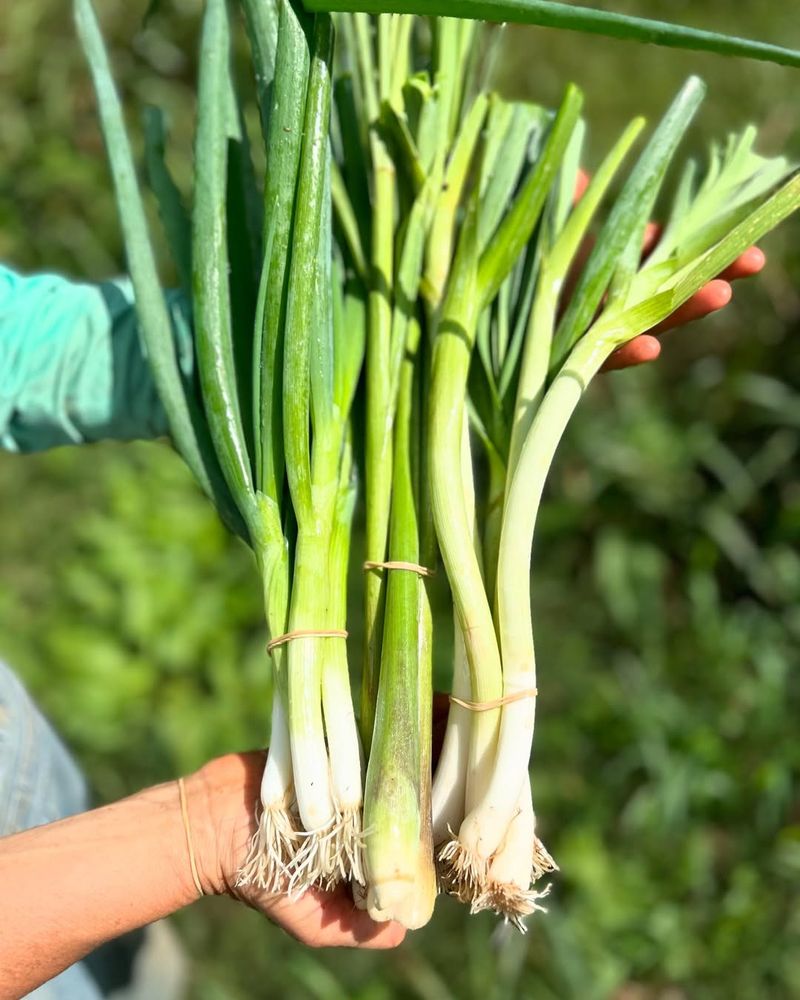
Scallions are one of the most underrated fast crops you can grow in Oregon right now. They are ready to harvest in about 60 days from seed, but if you plant sets instead of seeds, you can cut that time down significantly.
Their mild, fresh flavor works great in everything from stir-fries to tacos to scrambled eggs.
Plant seeds about a quarter inch deep and one inch apart in rows. You can also plant onion sets, which are small bulbs, for an even faster harvest.
Green onions prefer loose, fertile soil with good drainage.
Oregon’s cool spring weather keeps green onions growing steadily without bolting. Unlike regular onions, you do not have to wait for the bulb to mature.
Simply pull them when the green tops are about six to eight inches tall. You can even snip the tops and leave the roots in the ground to regrow a second time, which saves money and effort.
Gardeners in Salem and Corvallis often grow scallions in containers on patios with great success. They need very little space and can be tucked into corners of any garden bed.
Growing a continuous batch every two weeks ensures a steady supply all spring long.
6. Baby Kale
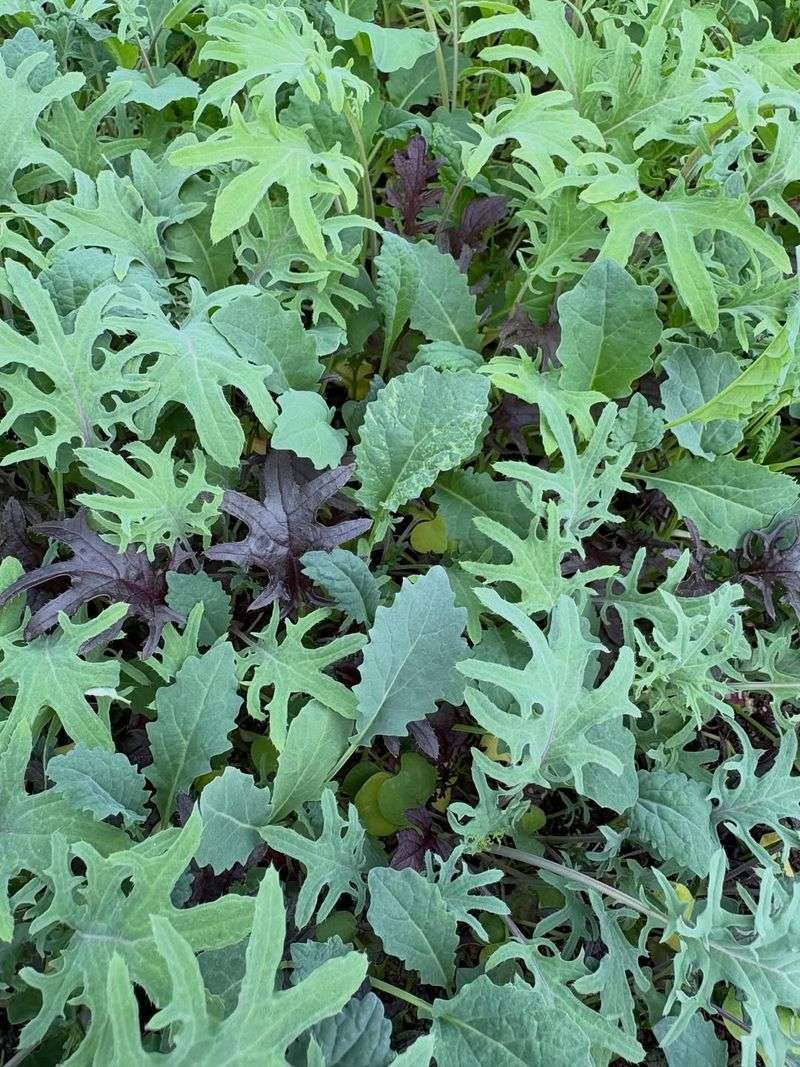
Baby kale is basically kale harvested young, and it is far more tender and mild than the full-grown version most people are used to.
You can start harvesting baby kale leaves in as little as 25 to 30 days after sowing, making it one of the quickest leafy greens available to Oregon gardeners this spring.
Sow seeds about a quarter inch deep and space them about an inch apart. For baby kale, you actually want plants close together so you harvest them young before they get too large.
Water regularly and keep the soil from drying out between waterings.
Kale is famously cold-hardy, which makes it a natural fit for Oregon’s unpredictable spring weather. Even if a late frost rolls through the Cascades or hits the coast, baby kale can handle it better than most greens.
Gardeners in Bend and Medford appreciate how resilient kale is compared to more delicate crops. Harvest leaves when they are about three to four inches long for the sweetest, most tender flavor.
Adding baby kale to smoothies, salads, or pasta dishes is an easy way to boost your nutrition. Growing it at home means fresher leaves and far less plastic packaging waste compared to store-bought bags.
7. Mustard Greens
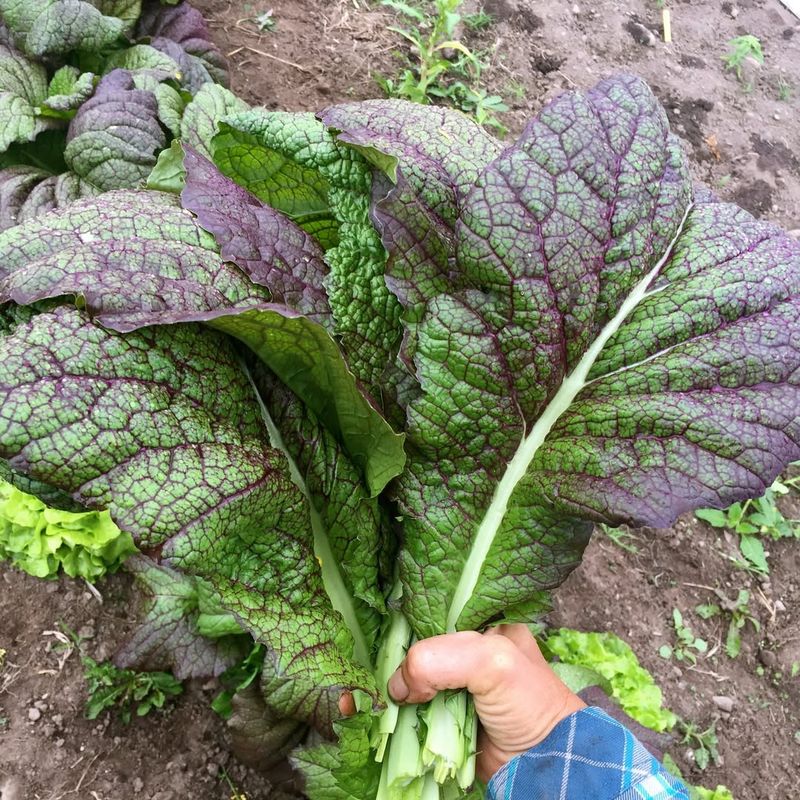
These stunning greens bring a spicy, bold flavor to the table and grow incredibly fast in Oregon’s spring conditions. They can be ready for harvest in as little as 30 to 40 days, and they thrive in the cool, wet weather that defines an Oregon spring.
If you enjoy a little heat in your food, mustard greens are a fantastic addition to your garden.
Sow seeds directly into prepared soil about a quarter inch deep. Space plants about six inches apart to give leaves room to spread.
Mustard greens are not picky about soil, but they do appreciate good drainage and consistent moisture.
Young mustard green leaves are milder and more tender than mature ones, so harvesting early gives you a more versatile ingredient for cooking. As the season warms up, the flavor intensifies, which some cooks absolutely love.
Oregon gardeners in the Hood River area find that mustard greens do particularly well in the valley’s rich, fertile soils. You can use them raw in salads, stir-fry them with garlic, or add them to soups and stews.
They are also incredibly nutritious, loaded with vitamins A, C, and K. Few crops offer this much flavor, speed, and nutrition all in one easy-to-grow package for spring planting.
8. Turnips
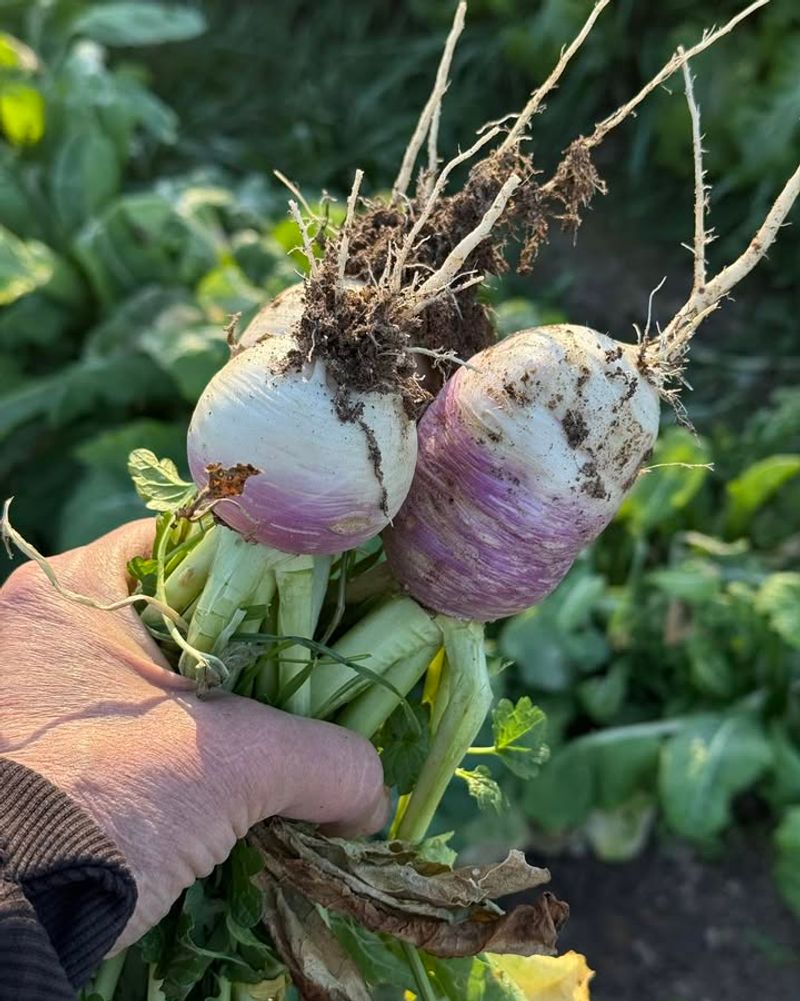
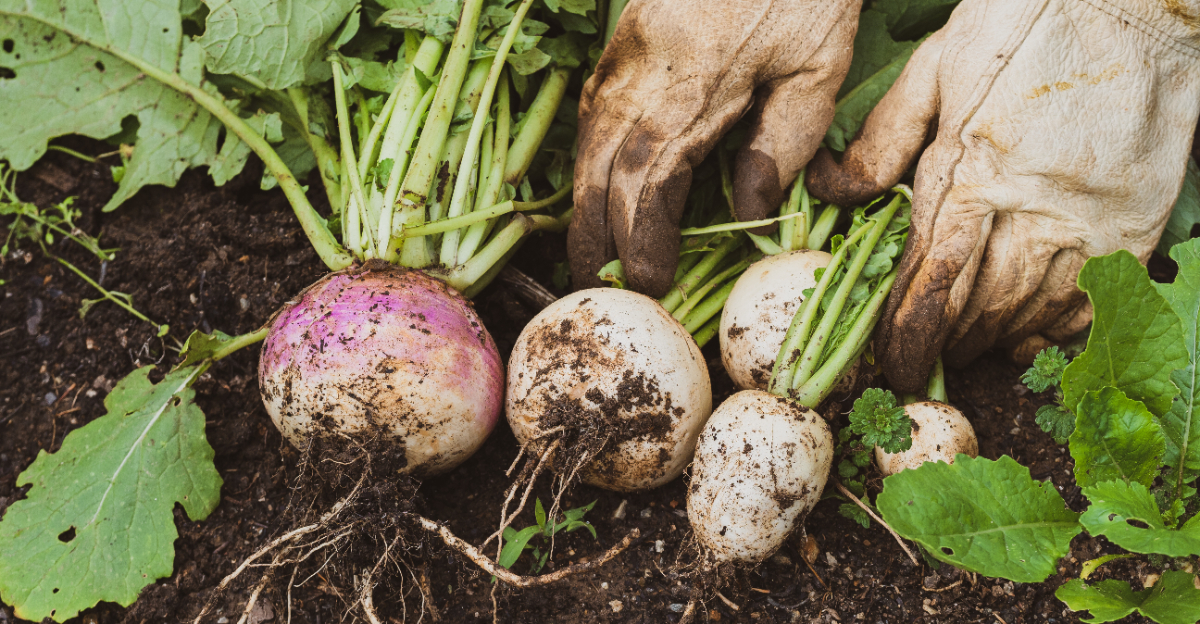
Turnips are one of those vegetables that often get overlooked, but Oregon gardeners who grow them quickly become fans. They mature in about 45 to 60 days, and you actually get two crops in one because both the root and the leafy tops are edible.
The greens can be harvested even earlier, around 30 days, making turnips a seriously efficient choice.
Plant seeds about half an inch deep and two inches apart. Once seedlings emerge, thin them to about four inches apart so the roots have space to swell.
Turnips grow best in loose, fertile soil with plenty of organic matter mixed in.
Purple Top White Globe is a classic variety that performs reliably well in Oregon’s spring gardens. The cool temperatures actually improve the flavor of turnip roots, making them sweeter and less bitter than those grown in summer heat.
Gardeners in the Tualatin Valley and around the Eugene area often grow turnips as a companion crop alongside faster-growing radishes. Roasting turnips with olive oil and herbs brings out a rich, caramelized sweetness that surprises first-time tasters.
If you have never given turnips a fair chance, planting a short row this month might just change your mind about this underappreciated root vegetable forever.
9. Bok Choy
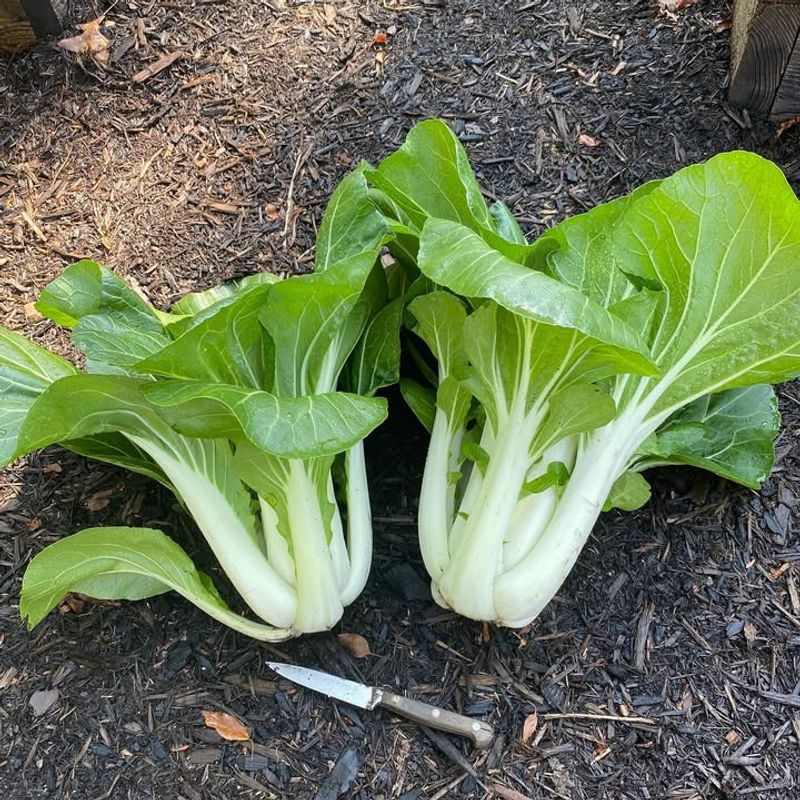
This tasty veggie is a staple in Asian cooking, and it turns out it grows beautifully in Oregon’s cool spring climate. Baby bok choy varieties can be ready to harvest in as little as 30 to 35 days, while full-size types take around 45 to 60 days.
Either way, you are looking at a fast and rewarding crop.
Sow seeds about a quarter inch deep and thin seedlings to about six inches apart once they sprout. Bok choy prefers rich, moist soil and full sun, though it can handle partial shade in warmer spots.
Consistent watering is key to keeping the stalks crisp and the leaves tender.
Oregon’s mild, cloudy spring days are ideal for bok choy because it bolts quickly in heat but stays lush and flavorful in cool conditions. Gardeners in the Portland and Beaverton areas often grow bok choy in raised beds where soil drainage is easier to control.
Stir-frying bok choy with soy sauce and sesame oil is a quick weeknight meal that tastes even better when the greens came straight from your own backyard.
Slugs can be an issue in wet Oregon springs, so consider using copper tape or organic slug bait around your bok choy beds to protect young plants.
10. Peas
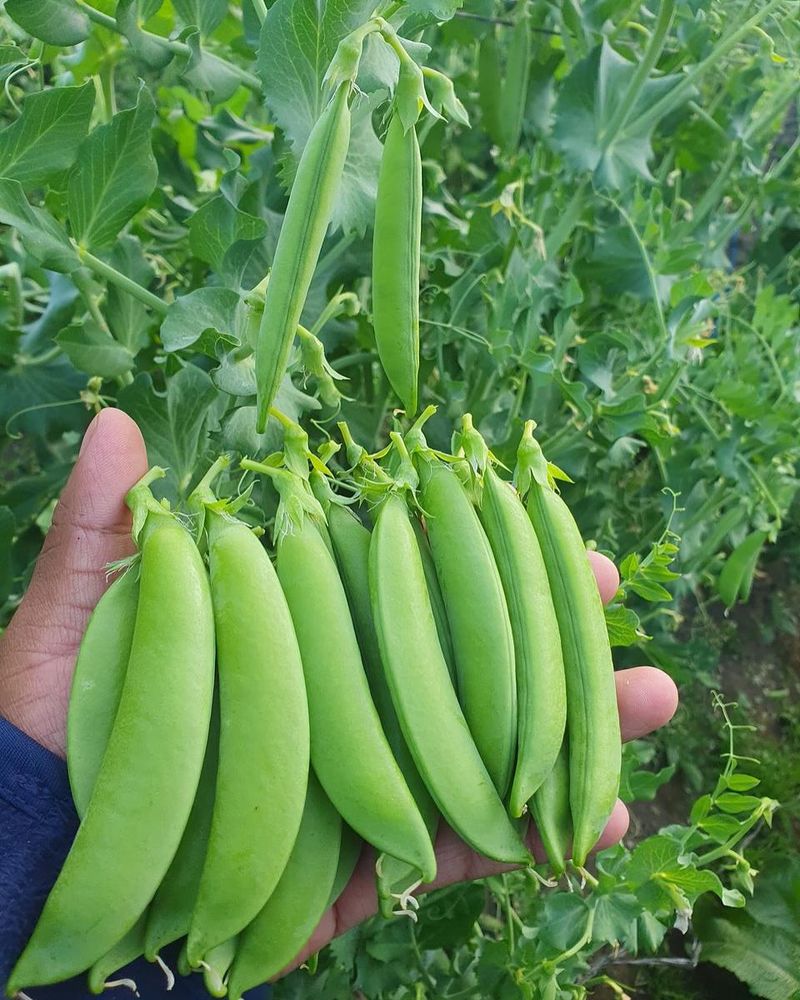
Oregon springs and peas go together like rain and mud boots. Sugar snap and snow pea varieties can be ready to harvest in about 60 to 70 days, and they absolutely love the cool, moist conditions that define spring in the Pacific Northwest.
There is nothing quite like eating a handful of sweet snap peas straight off the vine while standing in your own garden.
Plant pea seeds about one inch deep and two inches apart along a trellis or fence for support. Peas are climbing plants, so giving them something to grab onto helps them grow upright and produce more pods.
They prefer cool soil, so getting them in the ground now while temperatures are still mild gives them the best start.
Peas fix nitrogen in the soil as they grow, which actually improves the health of your garden bed for future plantings. Oregon gardeners in the Willamette Valley have been growing peas in spring for generations because the climate is so well suited to them.
Oregon Coast gardeners in areas like Florence or Coos Bay can often grow peas well into early summer thanks to the naturally cool fog. Harvest pods regularly once they appear to encourage the plant to keep producing more throughout the season.