Garden Tasks California Gardeners Should Finish Before April Arrives
California spring doesn’t just arrive, it practically stages a takeover overnight.
One week your garden is a quiet winter landscape, and the next, weeds are germinating, pests are moving in, and new shoots are aggressively pushing through the soil.
If you wait until April to head outside, you are already playing a frantic game of catch-up. The real secret to a thriving golden state garden is winning the race in February and March.
Taking a few small steps now to tidy winter damage and check your irrigation sets the stage for a much more productive season.
Whether you are dealing with foggy coastal mornings or the intense Central Valley sun, these early spring tasks give your plants a massive head start.
It is the smartest way to ensure your garden flourishes all the way through the summer heat.
1. Cut Back Winter-Damaged Branches And Shrubs
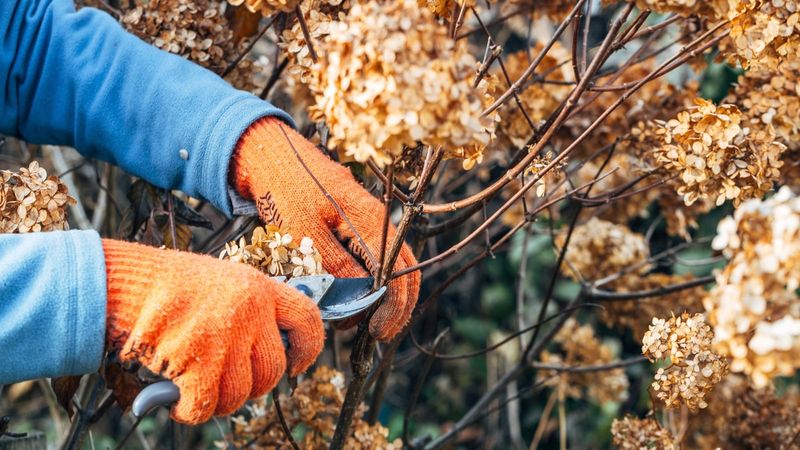
After a few cold California nights, many shrubs and woody plants end up looking ragged, with brown tips, snapped limbs, and stems that never quite bounced back from winter stress.
Late February through mid-March is the right window to assess that damage and make clean cuts before new growth kicks into high gear.
Waiting too long can mean cutting off fresh buds that are already forming, which sets plants back unnecessarily.
Start by using clean, sharp bypass pruners or loppers to remove any branches that are clearly brown, mushy, or hollow. Cut just above a healthy bud or lateral branch, angling the cut slightly so water runs off rather than pooling.
For larger shrubs like salvias, ornamental grasses, or lavender, cutting back hard to just a few inches above the base encourages a full, fresh flush of growth.
California gardeners in coastal areas may notice more fungal damage from winter moisture, while inland gardeners tend to see more frost-related dieback.
Either way, removing damaged wood improves airflow and reduces the chance of disease spreading into healthy tissue.
Discard pruned material rather than composting it if you spot any signs of fungal spotting or cankers.
Sharp, clean tools make a real difference here, so wipe blades with rubbing alcohol between plants to avoid accidentally spreading pathogens from one shrub to another.
2. Start Warm-Season Vegetable Seeds Indoors
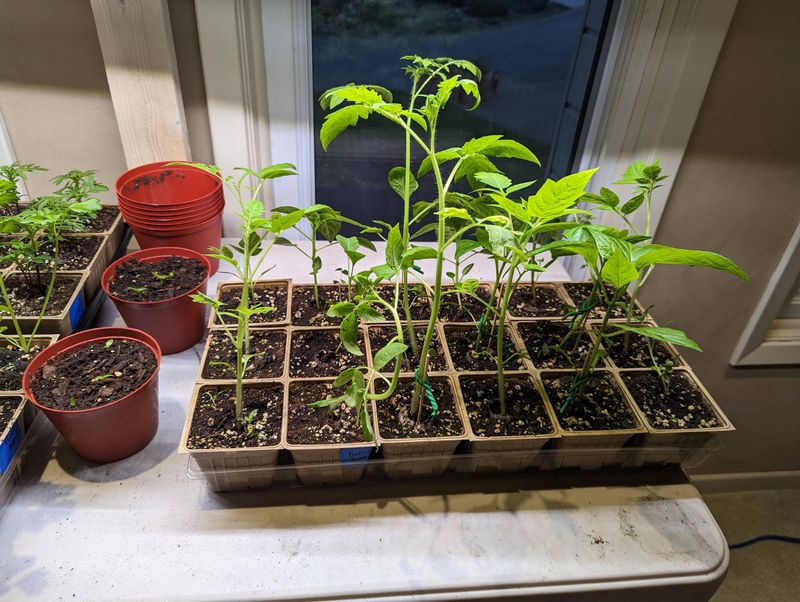
Tomatoes, peppers, and eggplant need a long growing season to produce well, and California’s warm summers are their sweet spot.
Starting these warm-season vegetables indoors six to eight weeks before your last frost date, or before outdoor temperatures settle consistently above 60 degrees at night, gives seedlings the head start they need to hit the ground running when transplanted outside.
Fill small seed-starting trays with a lightweight seed-starting mix, not regular garden soil, which tends to compact and drain poorly in small containers.
Sow two seeds per cell and thin to the strongest seedling once germination happens.
Consistent warmth is the key factor here. A heat mat set to around 70 to 80 degrees Fahrenheit speeds germination significantly for peppers especially, which can be slow starters.
California gardeners in the Central Valley can often transplant tomato seedlings outdoors by late April, while coastal growers may want to wait until May when fog-driven cool nights ease up.
Your California Garden Changes Every Week. Your Plan Should Too.
Gardening in California changes quickly throughout the season. Every Friday you’ll receive a simple weekly plan showing exactly what to plant, prune, fertilize, harvest, and protect so you never miss the right timing.
Label every tray clearly because tomato and pepper seedlings look nearly identical at the early stages.
Once seedlings develop their first true leaves, move them to a brighter spot or under grow lights to prevent leggy, weak stems.
Hardening off, which means gradually introducing seedlings to outdoor conditions over seven to ten days, reduces transplant shock and helps young plants adapt smoothly to the California sun.
3. Inspect And Repair Irrigation Systems
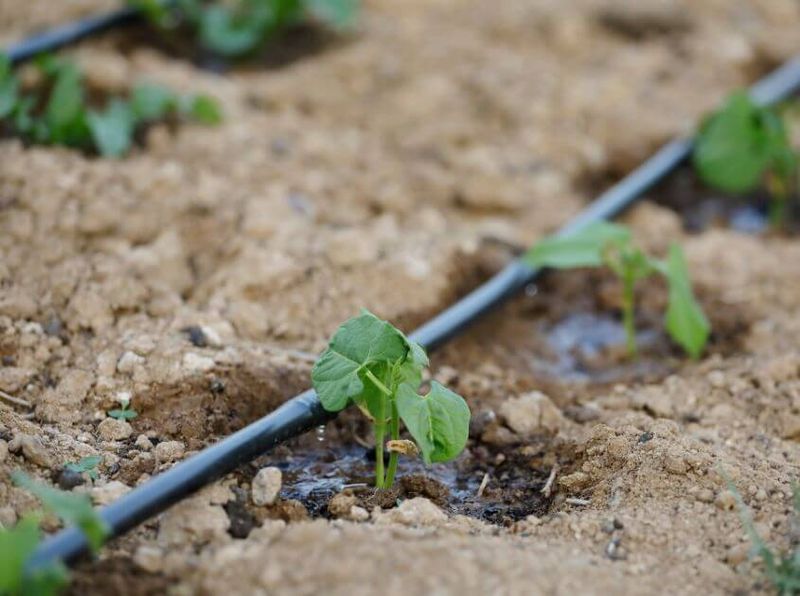
California’s dry spring and summer seasons put a lot of pressure on irrigation systems, and a small leak or clogged emitter that went unnoticed over winter can waste a surprising amount of water once the heat arrives.
Running a full inspection of your drip lines, sprinkler heads, and timer settings before April is one of the smartest investments of time you can make for your garden’s health and your water bill.
Walk through each irrigation zone and run it manually while watching for uneven spray patterns, pooling water, or dry patches that suggest a clogged or broken emitter.
Drip emitters are inexpensive and easy to replace, and it is worth replacing any that look cracked, discolored, or blocked with mineral deposits.
Filters at the start of drip lines should be rinsed clean as well.
California’s water conservation requirements make efficient irrigation especially important, and many local water districts offer rebates for upgrading to smart controllers that adjust watering schedules based on local weather data.
Inland California gardens typically need irrigation to begin earlier than coastal gardens, where marine layer moisture keeps soils damp longer into spring.
Check your timer settings and update the schedule to reflect the increasing daylight and warming temperatures of late March. A well-functioning irrigation system does more than save water.
It gives every plant in your garden a consistent, reliable moisture supply that supports strong, even growth through the busy spring season.
4. Refresh Mulch Beds For Soil Health
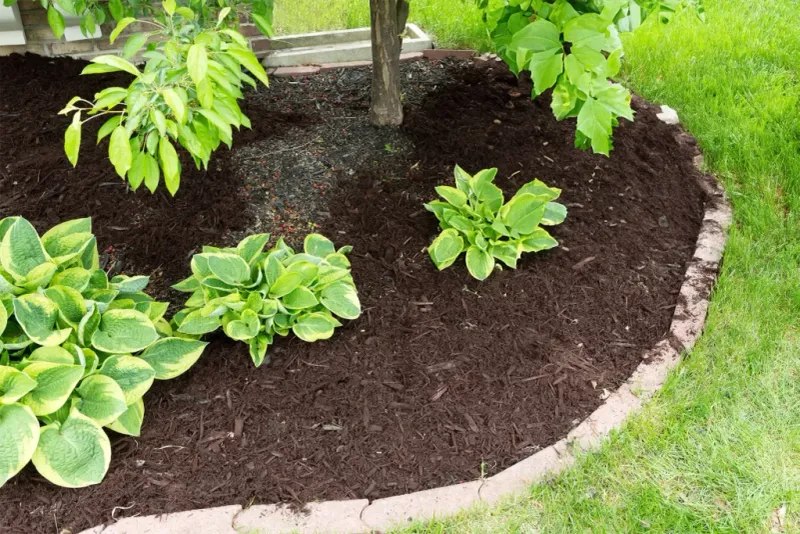
Mulch does a lot of quiet, behind-the-scenes work in the garden, and by late winter it has usually broken down, thinned out, or shifted enough that it is no longer doing its job well.
Refreshing mulch beds before April means your soil heads into the dry season with better moisture retention, more stable temperatures, and a natural barrier against the weed seeds that are just waiting for bare ground to sprout.
Aim for a two-to-three inch layer of organic mulch such as wood chips, shredded bark, or straw around trees, shrubs, and perennials.
Pull existing mulch back slightly from plant stems and trunks before adding new material, since mulch piled directly against bark can create conditions that invite rot and pest activity.
Spread the new layer evenly and water it lightly to help it settle.
In California’s warmer inland valleys, refreshing mulch before temperatures climb is especially valuable because bare soil heats up fast and dries out quickly once summer arrives.
Coastal gardeners benefit too, since mulch helps buffer the temperature swings that come with marine-influenced weather patterns.
Over time, organic mulch breaks down and adds valuable organic matter to the soil, improving its structure and supporting beneficial soil organisms. Compost-based mulches offer an extra nutrient boost as they decompose.
Keeping mulch beds refreshed is one of the most low-effort, high-reward habits a California gardener can develop.
5. Divide Overcrowded Perennials
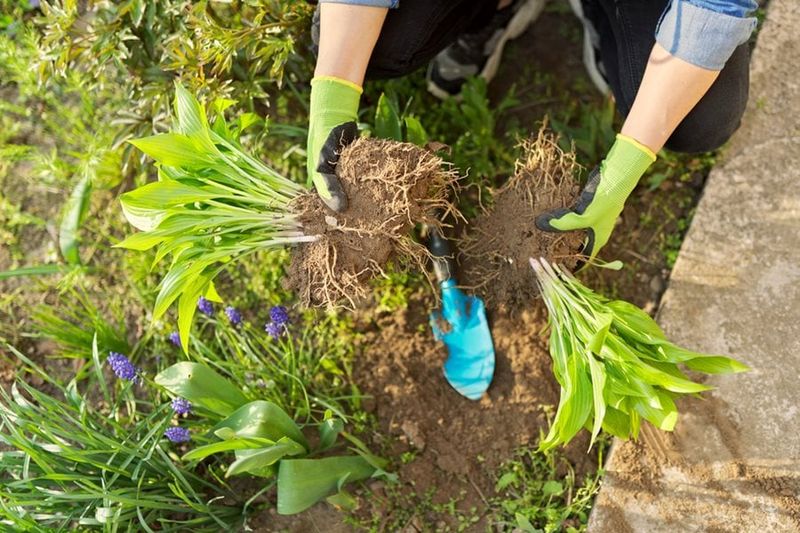
Perennials that have been growing in the same spot for three or more years often start to show signs of overcrowding, with smaller blooms, a dead or hollow center, and reduced overall vigor.
Early spring, just as new growth is beginning to emerge from the soil, is one of the best times to divide these plants and give them room to thrive again.
California’s mild late-winter temperatures make this timing especially forgiving for most perennials.
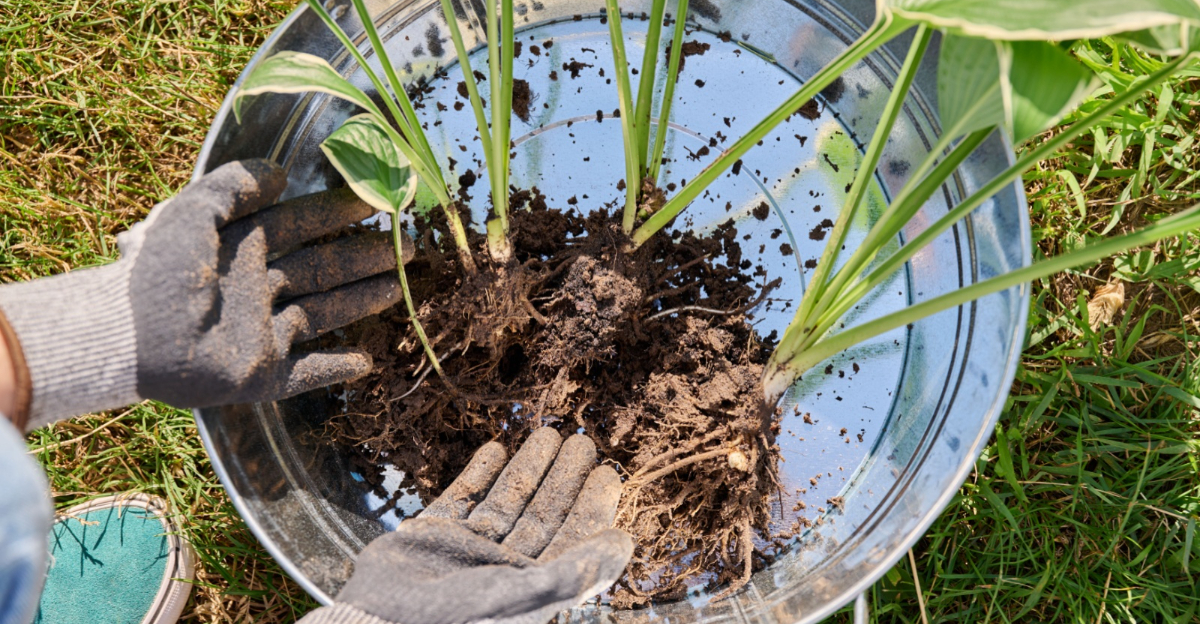
Use a sharp spade or garden fork to lift the entire clump out of the ground, then use the fork, a sharp knife, or two forks placed back-to-back to pull or pry the clump apart into sections.
Each division should have a healthy set of roots and several growing points.
Replant the divisions at the same depth they were growing before, water them in well, and add a light layer of mulch to help retain moisture while they establish.
Good candidates for spring division in California gardens include agapanthus, yarrow, black-eyed Susan, daylilies, and ornamental grasses.
Avoid dividing plants that are already in full bloom or showing signs of stress, since division is most successful when plants are actively pushing new growth but not yet flowering.
Divisions that are not immediately replanted should be kept moist and shaded to prevent them from drying out. Sharing extra divisions with neighbors is one of the most satisfying perks of this spring task.
6. Plant Early Spring Flowers For Color And Pollinators
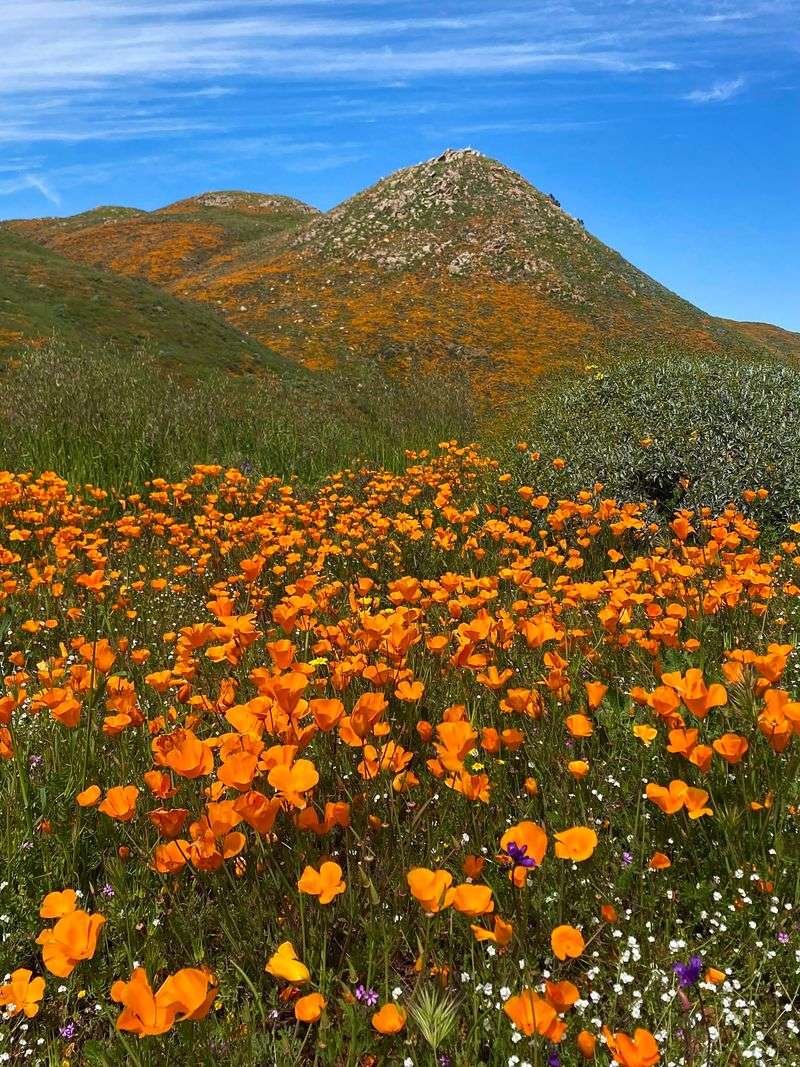
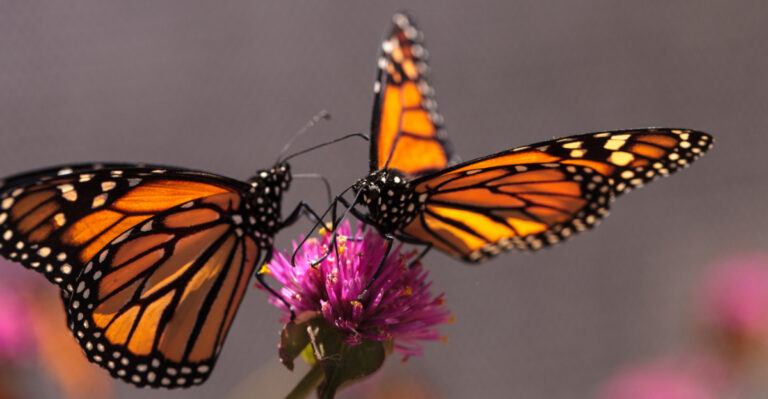
California’s native bees, hummingbirds, and butterflies begin their active season well before April, and a garden that offers early blooms becomes an important food source for pollinators that are just waking up and building energy for the season.
Planting early spring flowers before April arrives means your garden is ready to welcome them the moment they show up.
California poppies, native lupines, and phacelia are excellent early-season choices that thrive across much of the state with minimal water once established.
For gardeners who prefer non-native options, snapdragons, stock, sweet alyssum, and calendula all perform beautifully in California’s cool spring conditions and attract a wide range of beneficial insects.
Many of these can be direct-sown from seed in late February or early March, which keeps costs low and gives you a fuller planting.
Coastal California gardeners often find that cool-season flowers like pansies and violas extend well into spring without bolting, while inland gardeners may want to prioritize faster-maturing varieties that can handle warming temperatures by May.
Grouping flowers in clusters rather than scattering them individually makes it easier for pollinators to find and visit them efficiently.
Adding flowers near vegetable beds is a smart strategy too, since pollinators that visit flowers are likely to stick around and pollinate nearby crops.
Early color in the garden lifts spirits after a long winter and signals that the growing season is fully underway.
7. Fertilize Fruit Trees Before Bud Break
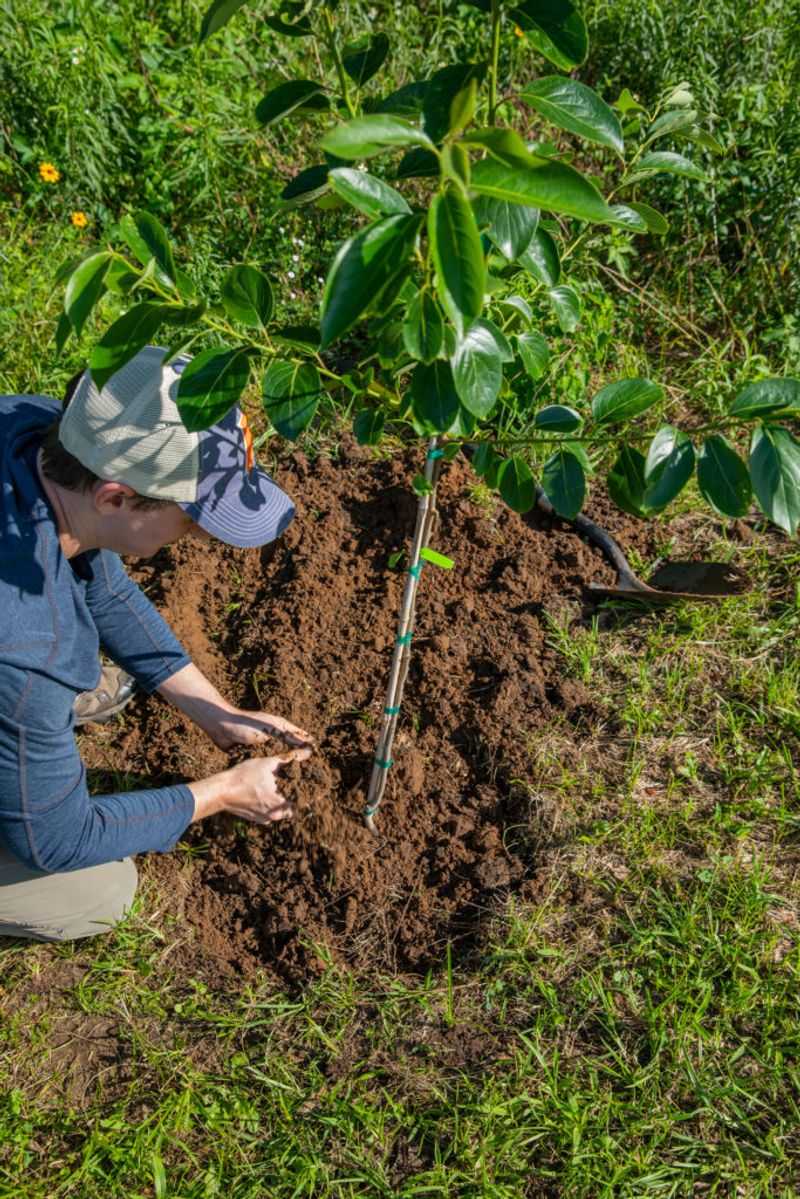
Fruit trees have a narrow but important window each year when fertilizing does the most good, and that window is just before bud break, when the tree is about to push out a flush of new leaves, blossoms, and eventually fruit.
Feeding trees at this moment gives them the nitrogen and micronutrients they need to support strong flowering and early fruit set, which directly affects how productive the tree will be later in the season.
For most California fruit trees, including apples, pears, peaches, plums, and citrus, a balanced fertilizer applied in late February or early March works well.
Scatter granular fertilizer evenly under the canopy out to the drip line, which is the outermost reach of the branches, rather than piling it against the trunk.
Water it in thoroughly after application so nutrients move into the root zone where the tree can access them.
Citrus trees in California have slightly different needs and benefit from a fertilizer formulated specifically for citrus, which typically includes higher amounts of nitrogen along with iron, zinc, and manganese to prevent the yellowing leaves that are common in California’s alkaline soils.
Avoid over-fertilizing, since too much nitrogen encourages leafy growth at the expense of fruit.
Inland California gardeners should aim to fertilize slightly earlier in the season than coastal gardeners, since warmer temperatures push bud break earlier in valleys and foothills.
Keeping a simple calendar note each year makes it easy to stay on schedule.
8. Remove Winter Debris To Reduce Pests
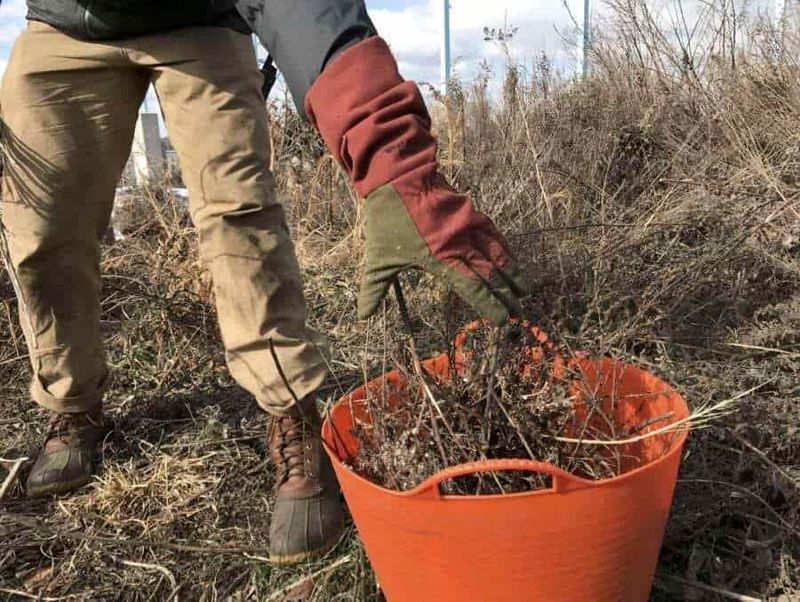
Piles of fallen leaves, spent plant stems, and old mulch that accumulated over winter might look harmless, but they serve as prime overwintering habitat for slugs, snails, aphid eggs, fungal spores, and other garden pests that will become active problems once warm spring weather arrives.
Clearing out this debris before April is one of the most effective low-cost pest management strategies a California gardener can use.
Work through garden beds methodically, removing dead stems from last year’s annuals and perennials, raking out matted leaves from around shrubs, and pulling up any weeds that have already germinated under the cover of debris.
Bag or hot-compost any plant material that shows signs of disease rather than adding it to a regular compost pile, since home compost piles rarely reach the temperatures needed to break down pathogens reliably.
California’s mild winters mean pests like snails and earwigs stay active at low levels year-round rather than going fully dormant, so debris removal has an even greater impact here than it might in colder climates.
Pay extra attention to areas beneath dense shrubs, along fence lines, and in corners where moisture and organic matter tend to collect.
Once beds are cleared, a fresh layer of mulch creates a clean, managed surface that is much less inviting to pest populations.
Starting April with a tidy garden means spending less time on reactive pest control and more time enjoying the plants you worked hard to grow.