Plant These Flowers In Late March For Bright Summer Color In California
Late March is when things start to feel real in the garden. The days are longer, the sun has a bit more strength, and suddenly it feels like anything you plant now actually has a shot at taking off.
It’s the perfect window to get flowers in the ground that will carry your garden straight into summer.
Planting now gives flowers a head start to establish strong roots before the heat kicks in. That early growth pays off in a big way once summer arrives, with fuller plants and way more blooms putting on a show.
It’s also a great time to fill in empty spaces or refresh areas that didn’t quite perform last season. A few well-chosen flowers can completely change how your garden looks in just a couple of months.
If you’re aiming for bold color, healthy plants, and a yard that feels alive all summer long, this is the moment to make it happen.
1. Zinnias
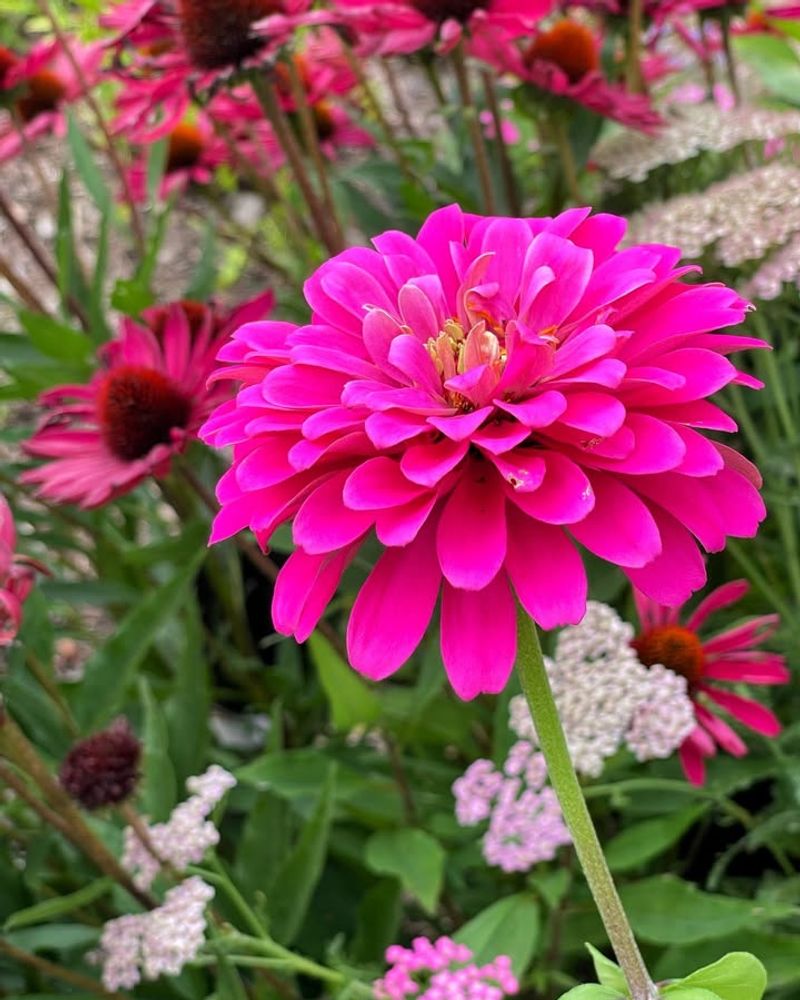
Few flowers put on a show quite like zinnias do. These bold, cheerful blooms come in almost every color you can think of, from deep crimson to bright coral to soft white.
Plant them in late March and you will have a California garden that looks like a painter went wild with a full box of crayons.
Zinnias grow fast and love the sun, which makes them a perfect match for California summers. They thrive in well-draining soil and need about six to eight hours of sunlight each day.
Water them at the base to keep the leaves dry and help prevent powdery mildew.
One of the best things about zinnias is that the more you cut them, the more they bloom. Snipping flowers for a vase actually encourages new buds to form.
They also attract butterflies, so your garden becomes a little wildlife hotspot too. Start seeds directly in the ground or in containers for a summer full of color.
2. Cosmos
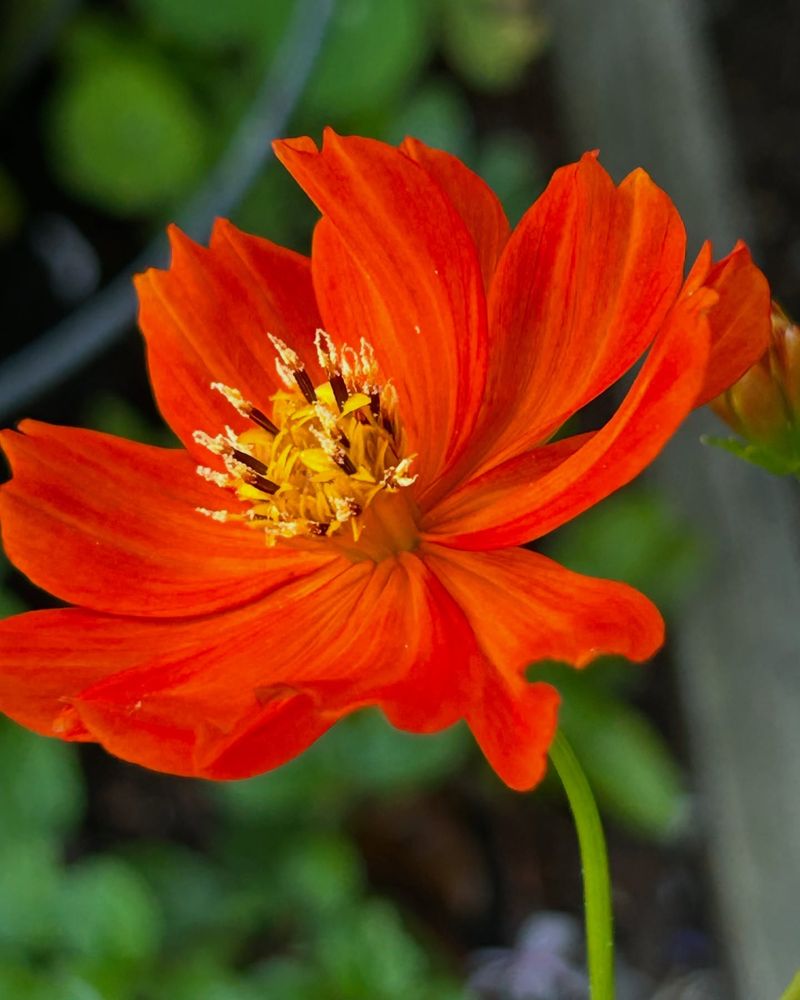
There is something almost magical about cosmos. Their thin, feathery leaves and wide, daisy-like blooms make them look like they belong in a meadow painting.
Planting them in late March in California gives them a strong head start before the heat of summer really kicks in.
Cosmos are incredibly easy to grow from seed. Just scatter them in a sunny spot with loose, well-draining soil and give them a little water.
They actually prefer soil that is not too rich, so skip the heavy fertilizer and let them do their thing naturally. They are one of those flowers that rewards you for not fussing over them too much.
In California, cosmos can grow up to four feet tall, especially in inland areas where the sun is strong and the season is long. They bloom in shades of pink, white, magenta, and red.
Bees and butterflies absolutely love them. Plant them along borders or in clusters for a big visual impact.
They are also great as cut flowers for indoor arrangements that last a surprisingly long time.
Your California Garden Changes Every Week. Your Plan Should Too.
Gardening in California changes quickly throughout the season. Every Friday you’ll receive a simple weekly plan showing exactly what to plant, prune, fertilize, harvest, and protect so you never miss the right timing.
3. Sunflowers
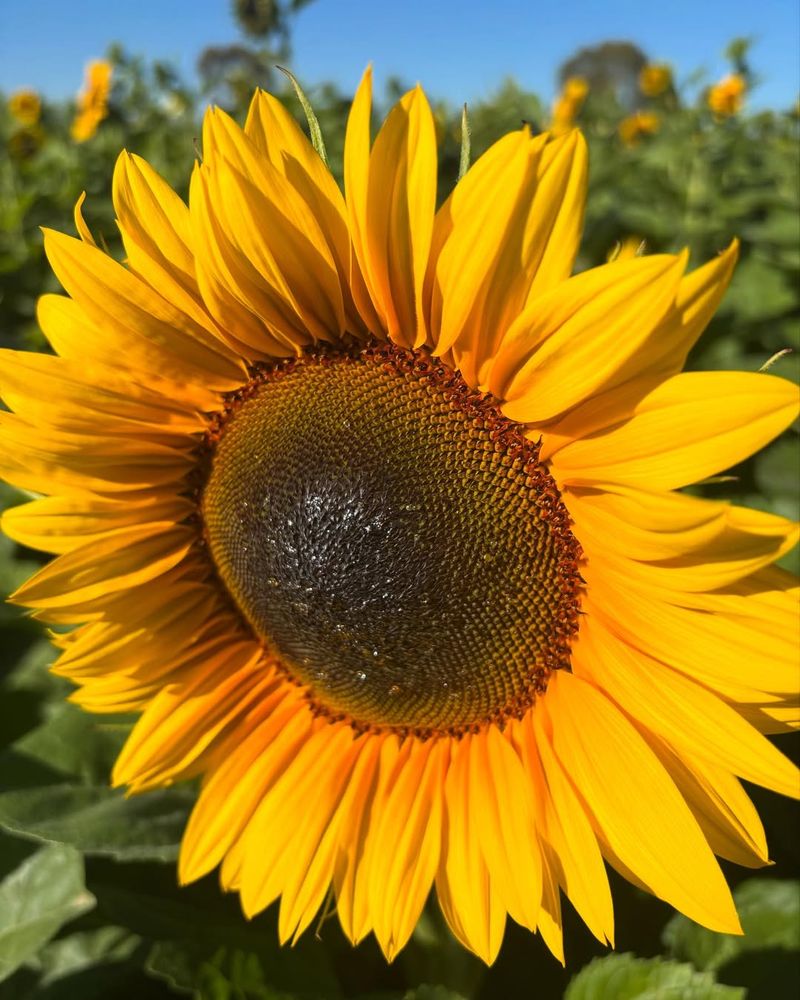
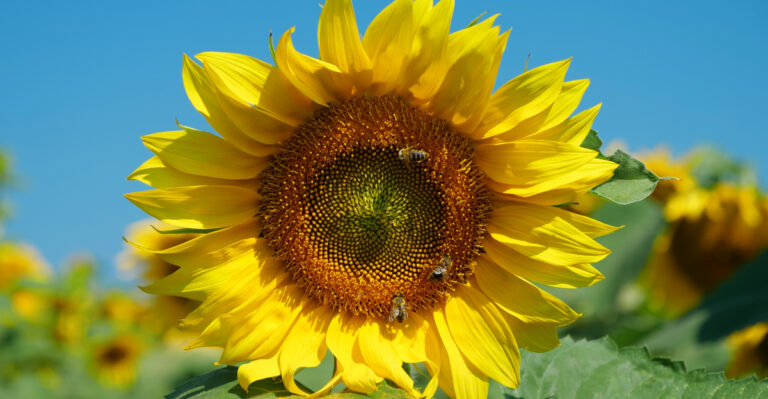
Nothing says summer in California quite like a row of tall, golden sunflowers standing proud in the garden. These iconic plants are not just beautiful to look at.
They are also incredibly easy to grow, making them a fantastic choice for beginner gardeners and seasoned pros alike.
Late March is the sweet spot for planting sunflower seeds in California. The soil is warm enough to support germination, and by early summer, you will have blooms that can reach six feet or taller.
Choose a sunny spot with well-draining soil and plant seeds about one inch deep. Water regularly, but avoid overwatering, especially in coastal areas where moisture can linger longer.
Sunflowers come in more varieties than most people realize. Beyond the classic tall yellow type, there are dwarf versions perfect for containers, and varieties in deep burgundy or warm orange tones.
Birds love the seeds once the blooms fade, so you can enjoy the garden visitors long after the peak of summer. In California, sunflowers are a reliable crowd-pleaser from San Francisco down to the Inland Empire.
4. Marigolds
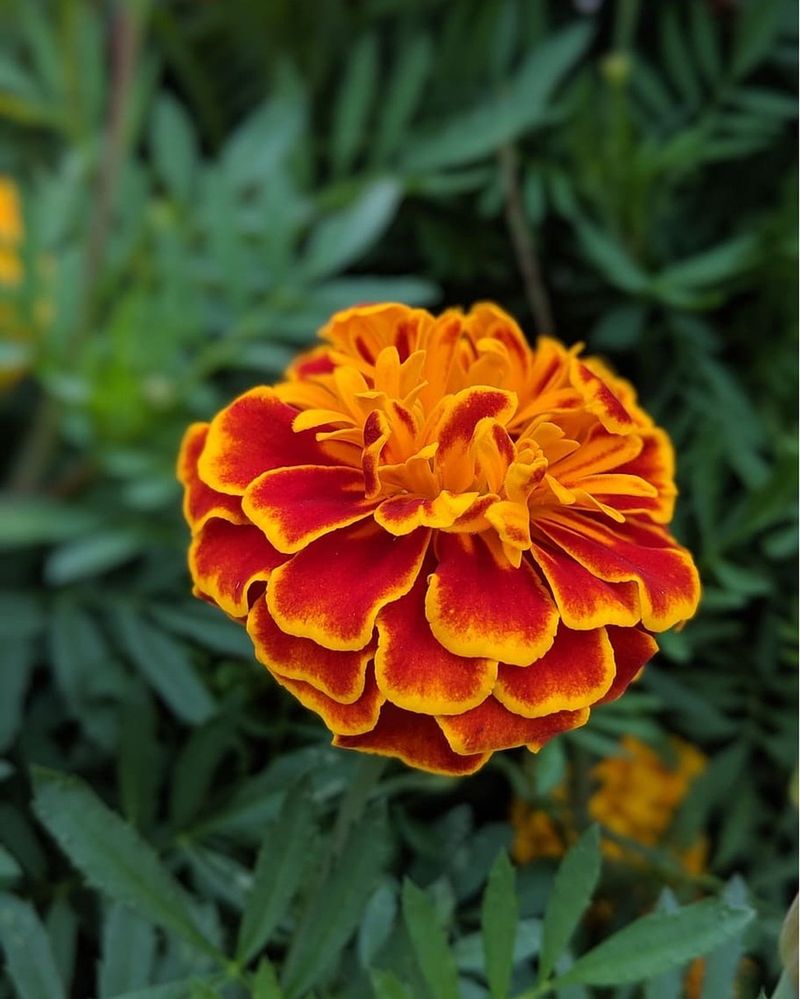
Marigolds have been a garden favorite for centuries, and once you plant them, it is easy to understand why.
Their bold orange and yellow blooms light up any garden bed, and they bring more to the table than just good looks.
Marigolds are known for naturally repelling certain garden pests, making them a smart and practical addition to any California garden.
Planting marigold seeds or transplants in late March sets them up for a long and productive summer. They love full sun and do well in most California soil types.
Keep them watered consistently, especially during the dry summer months in inland areas like the Sacramento Valley or the Coachella Valley. Deadhead spent blooms regularly to keep new flowers coming all season long.
Marigolds also pair beautifully with vegetables like tomatoes and peppers, which is why you will often see them growing alongside food gardens throughout California. Their strong scent is a natural deterrent for aphids and other unwanted insects.
Whether you plant them in borders, containers, or mixed flower beds, marigolds deliver reliable, cheerful color from late spring all the way through the end of summer.
5. Coreopsis
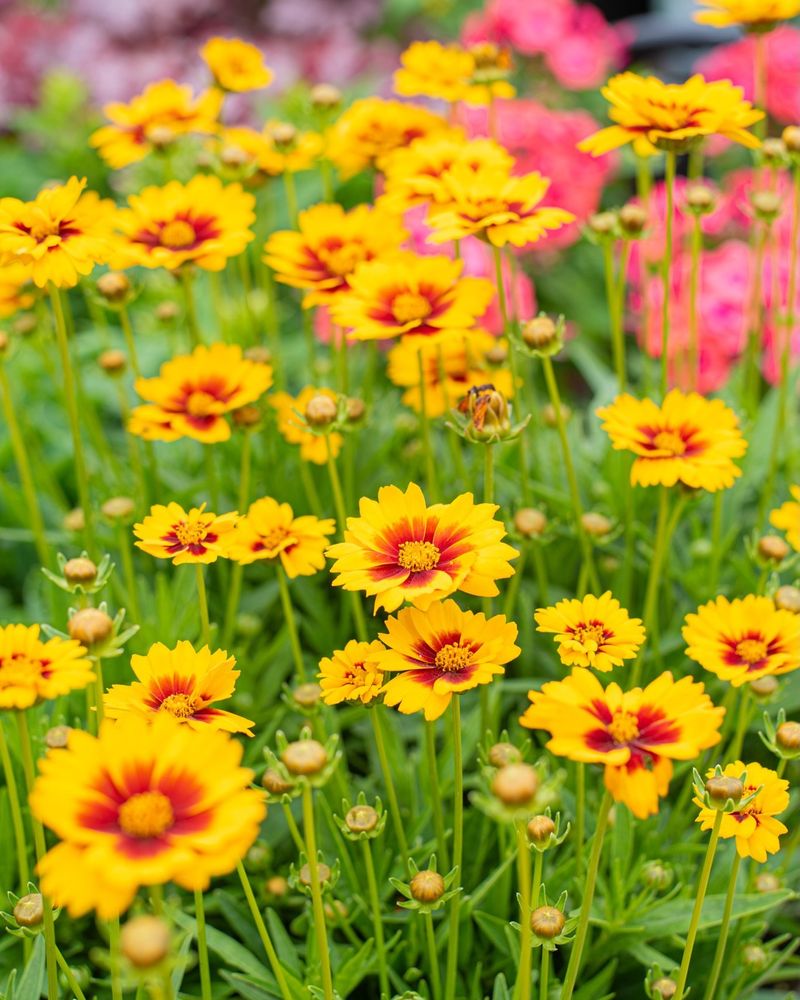
Sometimes called tickseed, this is one of those flowers that makes you smile every time you walk past it. The bright yellow blooms look like tiny suns scattered across your garden, and they keep coming back week after week throughout the summer.
For California gardeners, it is a seriously dependable performer.
Planting coreopsis in late March gives it time to establish strong roots before the heat sets in. It thrives in full sun and handles dry conditions better than most flowers, which is a major plus in California where water conservation matters.
Once established, it needs very little extra watering, making it an eco-friendly choice for drought-prone regions.
Both annual and perennial varieties of coreopsis are available, so you can choose what works best for your garden plan. Annual types bloom heavily in one season, while perennials come back year after year.
Either way, you get loads of cheerful color. They work well in wildflower-style gardens, along pathways, or mixed into borders.
Bees love them, and the long-lasting blooms make excellent cut flowers. Coreopsis truly earns its place in any bright California summer garden.
6. Gaillardia (Blanket Flower)
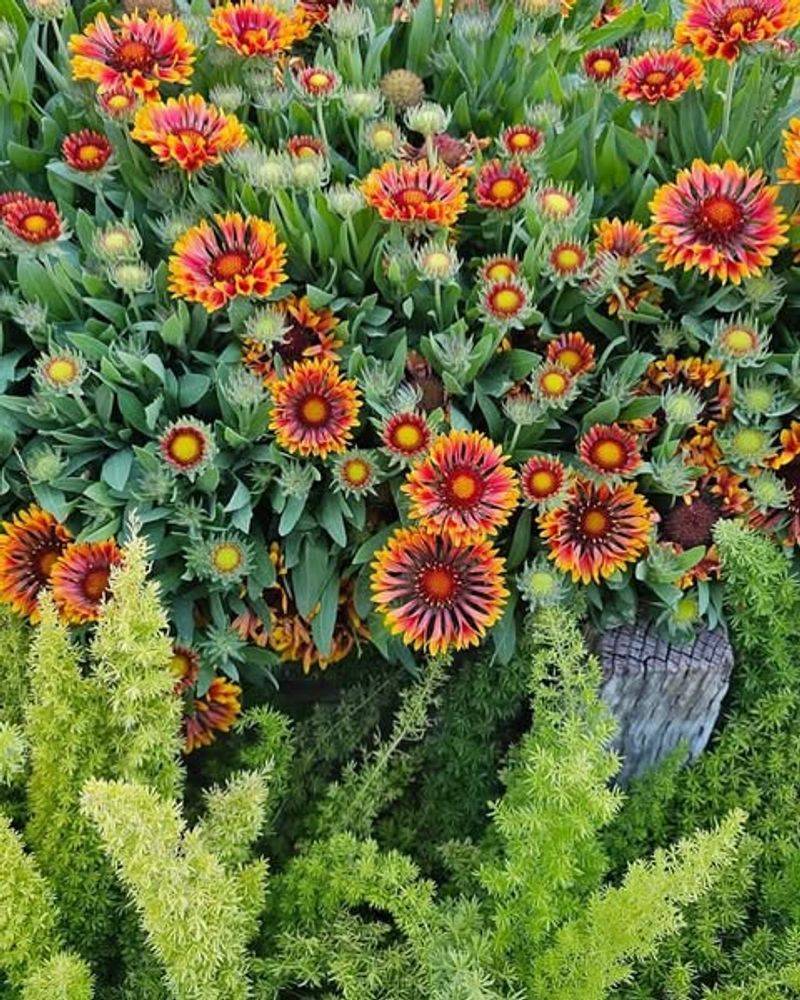
Gaillardia, better known as blanket flower, looks like it was designed by someone who could not pick just one favorite color. The blooms burst open in bold combinations of red, orange, and yellow, often all in the same flower.
They bring a fiesta-like energy to California gardens that few other plants can match.
Late March is a great time to get gaillardia into the ground in California. It is a heat-loving, sun-worshipping plant that was practically made for California summers.
Plant it in well-draining soil and give it plenty of direct sunlight. Once it is settled in, it handles dry spells with ease, which makes it a smart pick for water-conscious gardeners in Southern California and the Central Valley.
Gaillardia blooms from early summer all the way into fall, giving you months of color without much effort. It attracts bees, butterflies, and even hummingbirds to your garden.
Deadhead the spent blooms to encourage a longer flowering season. It looks stunning planted in drifts or mixed with other warm-toned flowers like marigolds and zinnias.
For a garden that feels warm, lively, and full of personality, blanket flower is hard to beat.
7. Salvia (Annual Types)
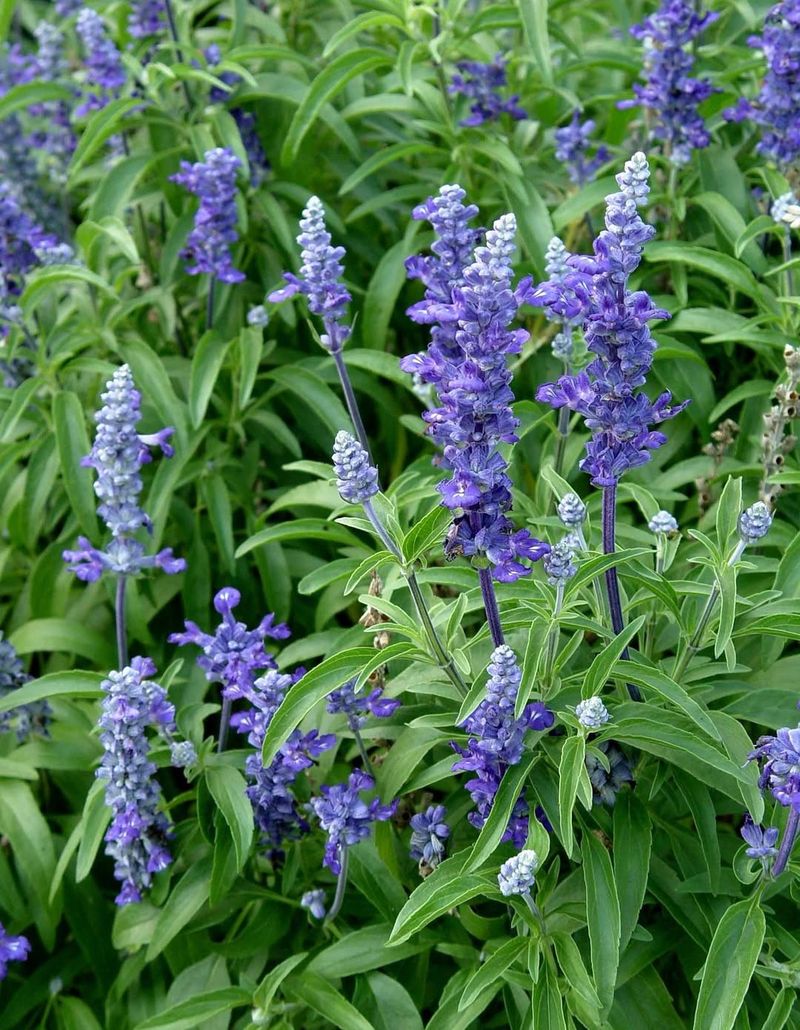
Annual salvia brings vertical drama to a garden that flat-growing flowers just cannot offer. The tall spikes of red, purple, or coral blooms stand out like little torches, drawing the eye and pulling in hummingbirds from what seems like miles away.
For California gardeners who want height and color, annual salvia is a go-to pick.
Starting salvia in late March works well across most of California, from the cooler Bay Area to the warmer inland zones. It needs full sun to really thrive, and well-draining soil helps keep the roots healthy.
Water it regularly during the first few weeks while it gets established, then ease back a bit as the plant matures. Too much moisture around the roots can cause issues, especially in humid coastal zones.
Annual salvia blooms from late spring right through the end of summer and often into fall in warmer parts of California. Deadheading spent flower spikes encourages continuous blooming throughout the season.
It pairs beautifully with white or yellow flowers for a striking contrast in garden beds. Container planting works great too, especially for smaller outdoor spaces like patios or balconies.
Salvia is truly one of the most reliable summer bloomers you can plant.
8. Verbena (Annual Varieties)
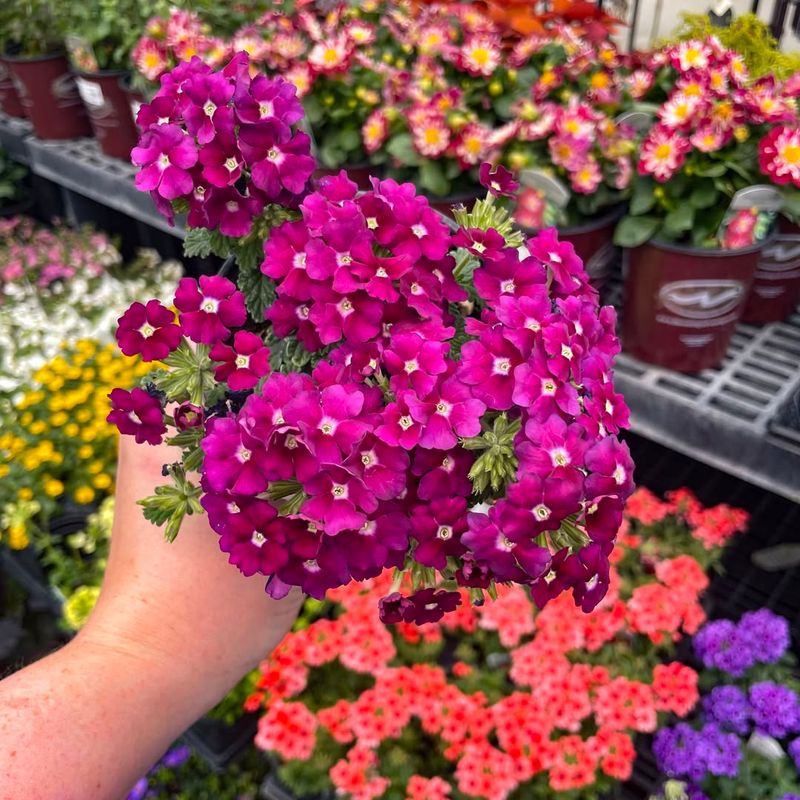
This stunning flower has a low-growing, spreading habit that makes it one of the best flowers for filling in gaps along borders, tumbling over container edges, or carpeting sunny slopes.
The tiny blooms cluster together in round heads of pink, red, purple, and white, creating a colorful tapestry effect that looks stunning throughout the California summer.
Planting annual verbena in late March gives it time to spread and establish before the warm weather fully arrives. It thrives in full sun and prefers well-draining soil.
Once established, it handles heat and dry conditions quite well, which is a big advantage in California where summer temperatures can climb fast, especially in areas like the Inland Empire or Sacramento.
One thing to keep in mind is that verbena benefits from light trimming mid-season. If it starts to look a little leggy or the blooms slow down, cutting it back by about a third will refresh the plant and trigger a new flush of flowers.
It attracts butterflies and pollinators in good numbers too. Verbena works wonderfully in hanging baskets, raised beds, or sprawling garden borders.
It is a cheerful, low-maintenance flower that delivers big rewards all season long.
9. Celosia
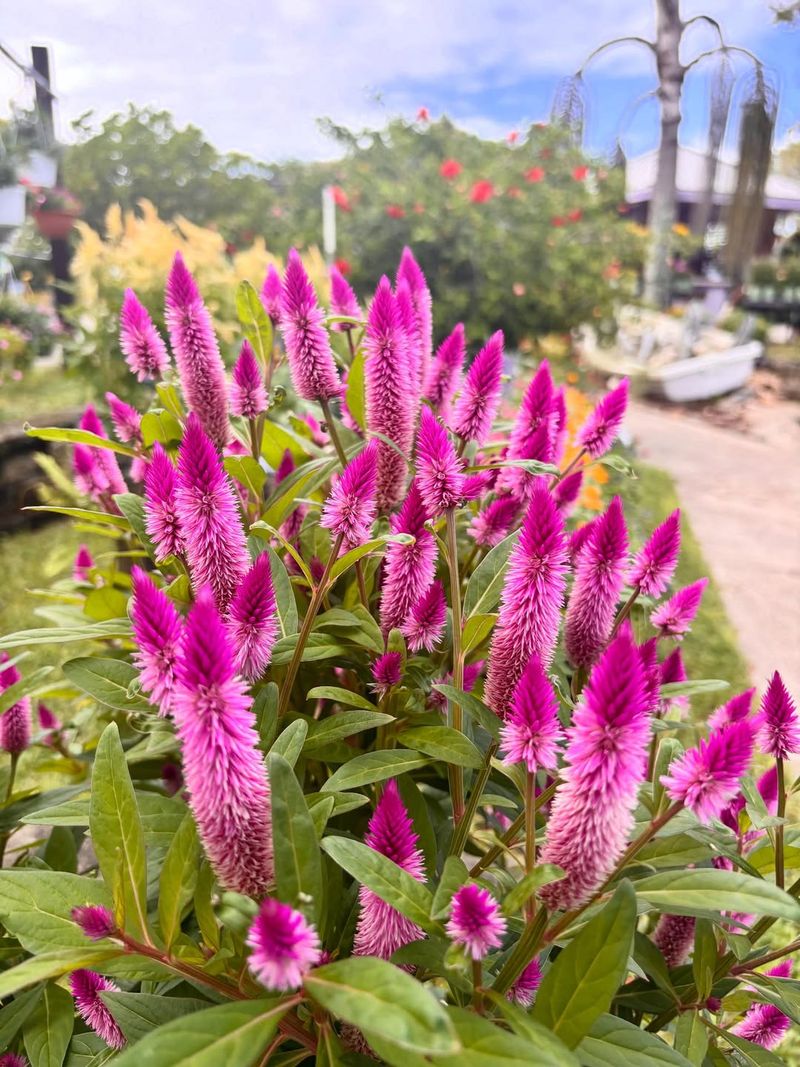
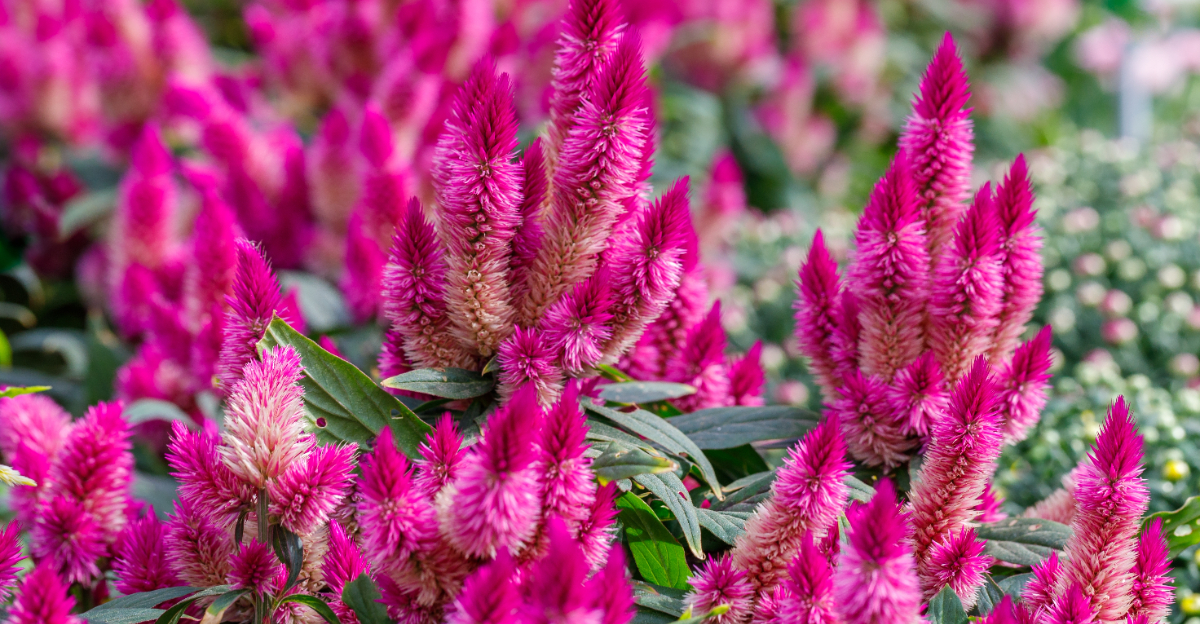
Celosia is one of the most eye-catching flowers you can grow in a California summer garden. The blooms come in two main forms: feathery plumes that look like flames and crested types that resemble coral or velvet fans.
Either way, the texture and color are unlike anything else in the garden, and they hold their vibrancy for an impressively long time.
Late March planting is ideal for celosia in California because the plant loves warm soil and long sunny days. It performs best with at least six hours of direct sunlight and does well in the heat of inland California regions.
Use rich, well-draining soil and water consistently, but avoid letting the roots sit in soggy ground. A little compost worked into the planting area gives it a great nutritional boost.
Celosia blooms from summer all the way through early fall, making it a long-season performer. The flowers also dry beautifully, so you can bring them indoors for arrangements that last for months.
Colors range from deep burgundy and bright orange to soft yellow and vivid pink. Celosia looks fantastic in mixed beds, containers, or as a bold focal point plant.
It is bold, unique, and completely worth growing.
10. Portulaca (Moss Rose)
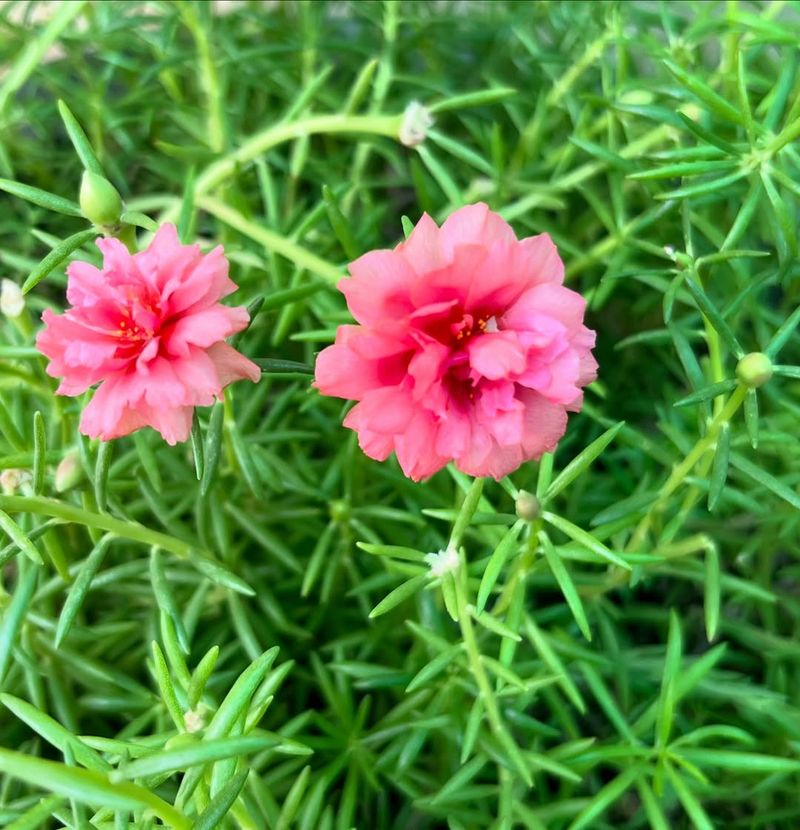
If you have a hot, dry, sunny spot in your California garden that seems impossible to plant, portulaca was made for exactly that challenge.
Also called moss rose, this low-growing annual produces silky, rose-like blooms in a rainbow of colors, from hot pink and orange to yellow and white.
It thrives where other flowers struggle to survive.
Planting portulaca in late March works well across California, especially in dry inland areas and Southern California where summer heat comes on strong. It needs very little water once established, making it a wonderful choice for water-conscious gardeners.
The succulent-like leaves store moisture, so the plant can handle dry spells without much fuss. Plant it in sandy or gravelly, well-draining soil for best results.
Portulaca blooms open fully in bright sunlight and tend to close in the evening or on cloudy days, which is a fun quirk that kids especially love to notice. The flowers cover the plant so thickly that the foliage is almost hidden beneath the blooms.
It works beautifully in rock gardens, along sunny pathways, in raised beds, or spilling out of containers on a warm California patio. It is one of the most carefree summer flowers you can grow.