12 Small Trees That Won’t Overcrowd Your New Jersey Yard
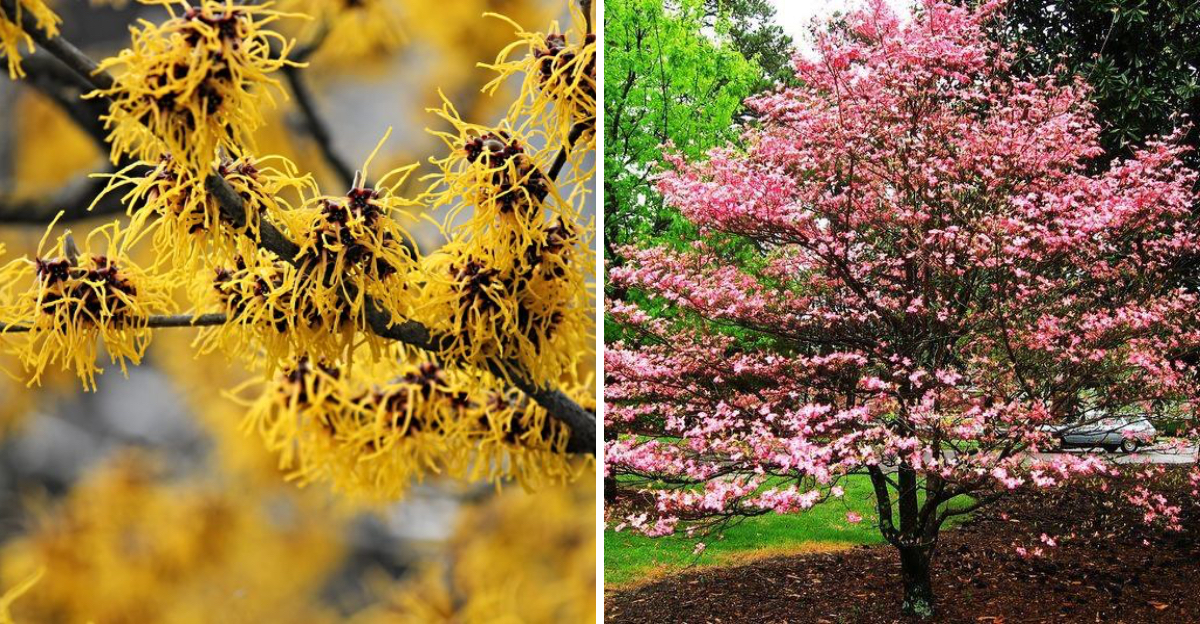
Finding the right tree for a small yard in New Jersey can feel like a real puzzle. You want something beautiful, maybe a splash of spring color or a little shade to escape the afternoon sun.
You definitely don’t want roots sneaking under your walkway or branches tickling your roof every time the wind picks up. A small yard shouldn’t feel cramped, and the right tree can turn even the tiniest patch of green into a private oasis.
Luckily, New Jersey’s climate offers plenty of compact trees that thrive in both humid coastal summers and chilly northern winters.
Small trees are quiet show-offs. They bring flashes of color, soft blossoms, and lively leaves without swallowing the whole yard.
One slender trunk rises like a sculpture. A canopy hovers like a green umbrella. In spring, petals drift through the air. In autumn, leaves glow like lanterns.
The right tree doesn’t crowd your space. It gives it character. A vertical spark here. A cloud of flowers there.
Suddenly, the garden feels alive, like a tiny retreat where every season arrives with its own kind of magic.
1. Japanese Maple
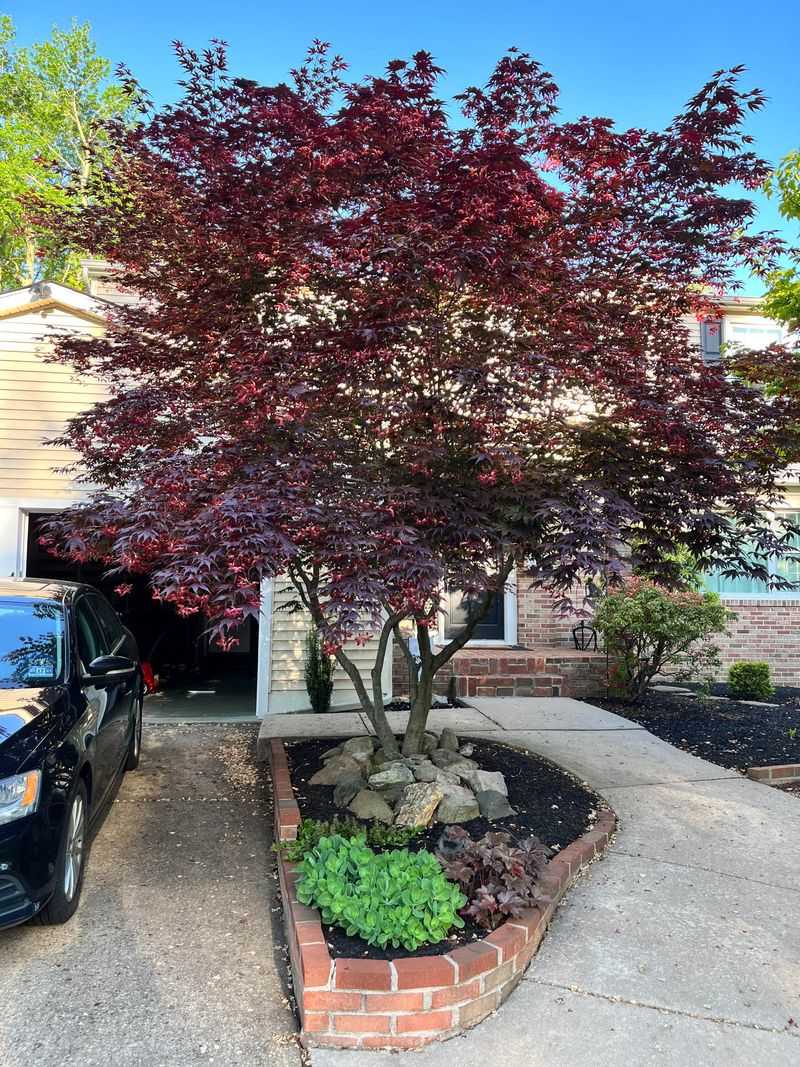
Few trees stop people in their tracks the way a Japanese Maple does. With its lacy, star-shaped leaves in shades of red, burgundy, orange, and green, this tree looks like living art right in your yard.
It stays small, usually topping out between 6 and 20 feet depending on the variety, making it a smart pick for tight spaces.
Japanese Maples prefer a spot with morning sun and afternoon shade, which works perfectly in many neighborhoods where taller trees or fences provide natural cover.
They are not big fans of harsh, drying winds, so planting near a fence or wall can help protect their delicate foliage. Amended, well-drained soil gives them the best start possible.
Fall is when this tree truly steals the show, bursting into fiery colors that rival any display at a local garden center. Slow-growing and low-maintenance, Japanese Maples rarely need heavy pruning.
They are a favorite among homeowners who want year-round visual interest without constant upkeep.
2. Serviceberry
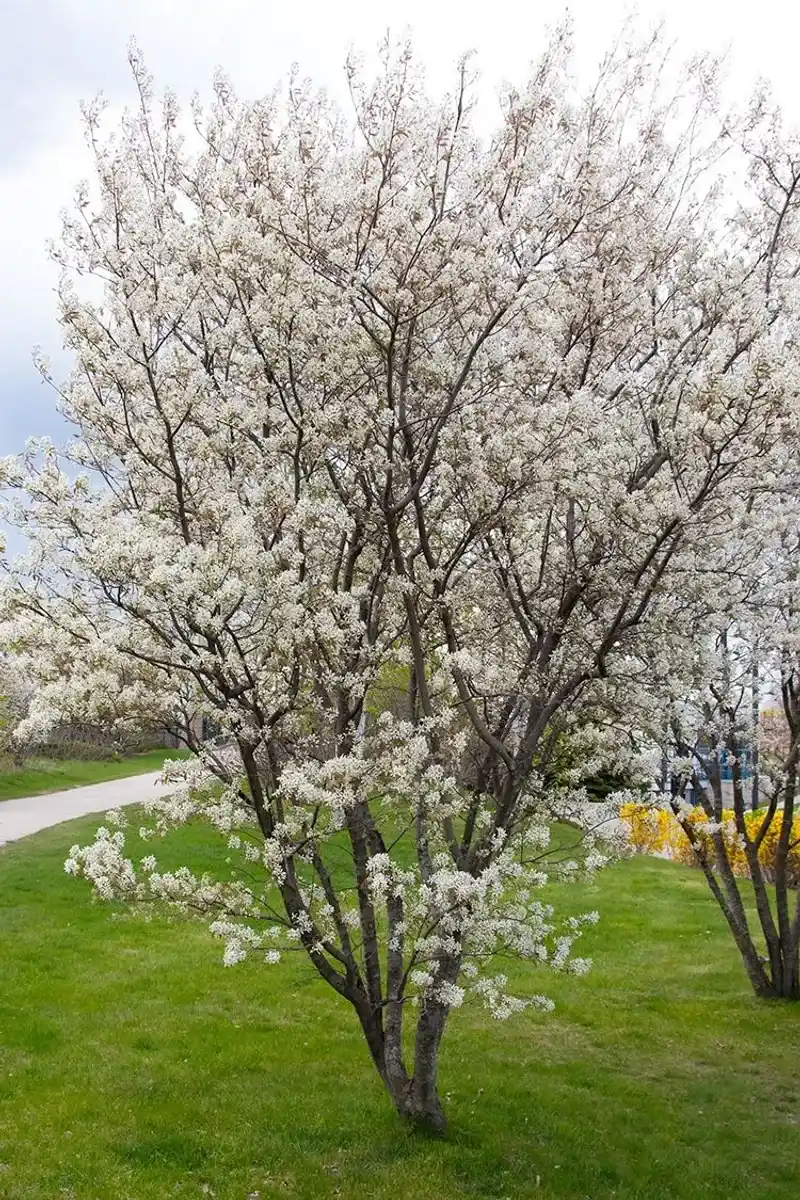
Long before most trees even think about waking up in spring, the Serviceberry is already covered in white, cloud-like blossoms. This native New Jersey tree is one of the earliest bloomers of the season, offering a welcome burst of life after a long winter.
It typically grows between 15 and 25 feet tall, fitting comfortably in most suburban yards without crowding neighbors.
Beyond its spring flowers, Serviceberry produces small, sweet berries in early summer that birds absolutely go crazy for. If you enjoy backyard birdwatching, planting one near a patio or window gives you a front-row seat to all the action.
The berries are also edible for people and taste a bit like blueberries.
Come fall, the foliage turns a gorgeous mix of orange, red, and gold, giving you three seasons of beauty in one compact package. Serviceberry thrives in New Jersey’s varied soil types and handles both sun and partial shade with ease.
Your New Jersey Garden Changes Every Week. Your Plan Should Too.
Gardening in New Jersey changes quickly throughout the season. Every Friday you’ll receive a simple weekly plan showing exactly what to plant, prune, fertilize, harvest, and protect so you never miss the right timing.
It is a reliable, low-fuss tree that rewards you generously throughout the year without ever outgrowing its welcome.
3. Dogwood
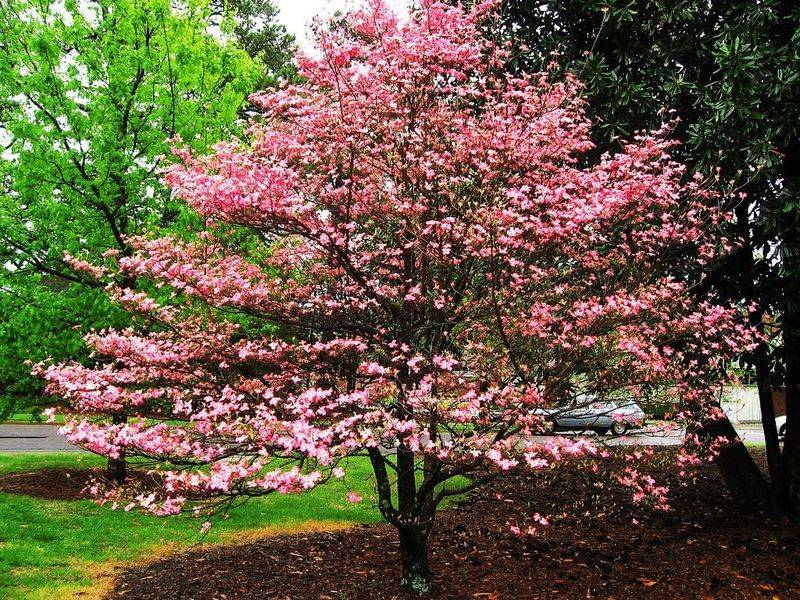
Ask any longtime gardener about their favorite spring tree, and there is a good chance the Dogwood comes up almost immediately.
Famous for its showy pink or white flower bracts that appear in April and May, this tree brings a classic, almost storybook beauty to any yard.
Flowering Dogwoods usually stay between 15 and 30 feet tall, making them a manageable choice for smaller properties. Native varieties like the Eastern Flowering Dogwood are well-adapted to New Jersey’s climate and soil conditions.
They prefer a spot with dappled or partial shade, mimicking their natural woodland-edge habitat, though they can handle full sun if watered well during dry stretches.
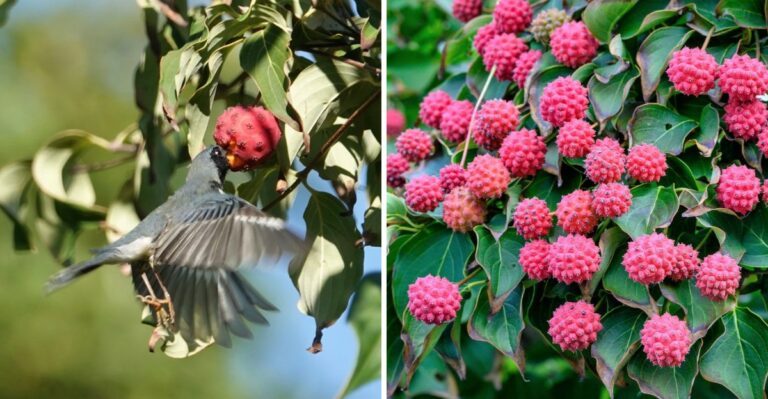
Good drainage is key since soggy roots can cause problems over time. In fall, the leaves shift to rich red and purple tones, and clusters of bright red berries appear, attracting robins and other local birds.
The horizontal branching pattern gives Dogwoods a graceful, layered look even in winter when the leaves are gone.
For homeowners seeking a tree with four-season appeal and a manageable footprint, the Dogwood is genuinely hard to beat.
4. Eastern Redbud
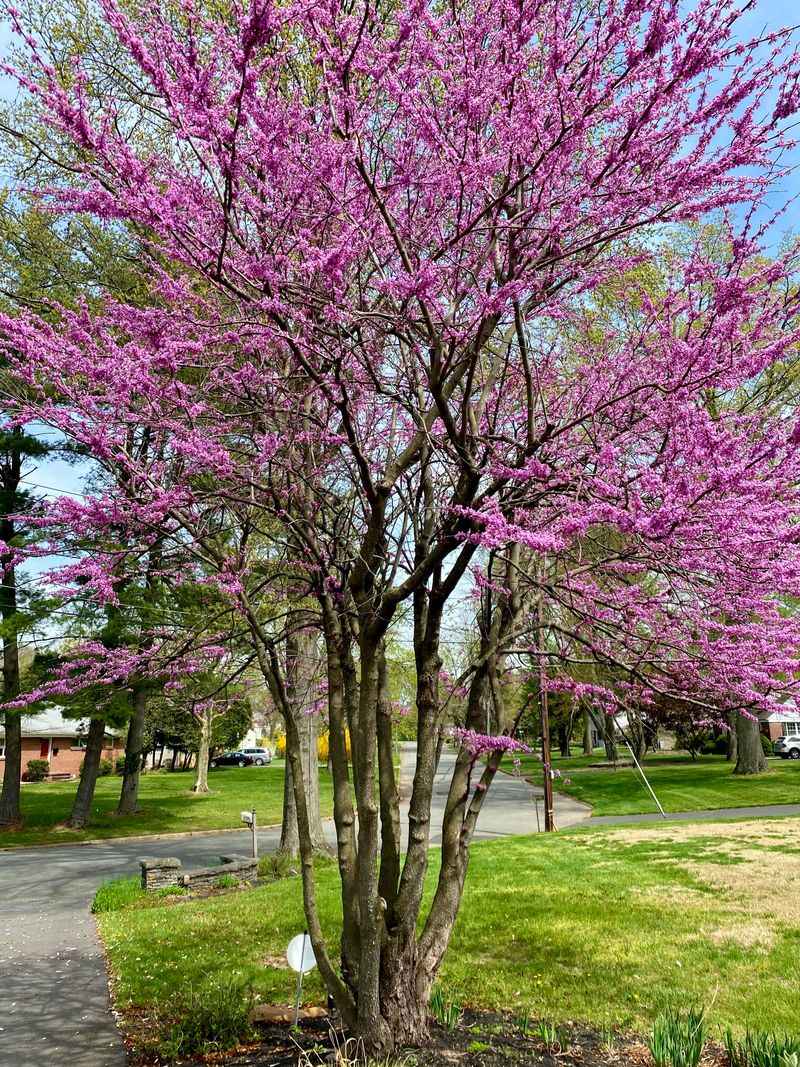
Before a single leaf appears, the Eastern Redbud explodes with hundreds of tiny magenta-pink flowers right along its bare branches, creating one of spring’s most dramatic displays.
This native tree is a true attention-grabber, and neighbors always seem to slow down for a second look when it is in full bloom. It typically reaches 20 to 30 feet at maturity, which keeps it well within the comfort zone for most yards.
Eastern Redbuds are remarkably adaptable, growing in full sun to partial shade and tolerating a range of soil types found across New Jersey.
They are also relatively drought-tolerant once established, which is handy during those hot, dry summers when watering every tree gets exhausting.
Planting in a spot protected from harsh winter winds helps the tree thrive long-term. Heart-shaped leaves follow the spring flowers, adding a fresh, cheerful texture to the canopy through summer.
Some cultivars feature purple or burgundy foliage, offering even more color variety.
For gardeners who want bold spring color without committing to a massive tree, the Eastern Redbud delivers every single year without fail.
5. Crape Myrtle
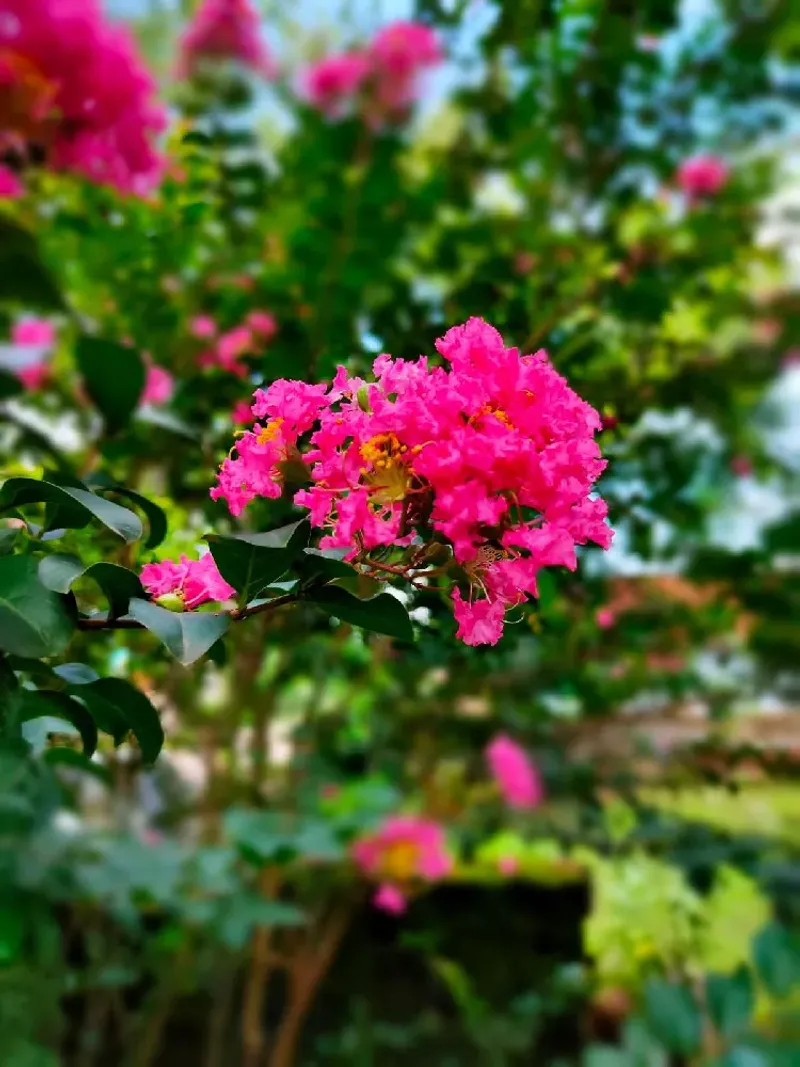
Crape Myrtles are the life of the summer party, blooming in showy clusters of pink, red, white, or lavender right when most trees have stopped putting on a show.
While they are more commonly associated with the South, compact varieties do very well in southern New Jersey, especially in the warmer coastal areas near the Jersey Shore.
Smaller cultivars stay under 10 to 15 feet, making them a great fit for tight spots. They need full sun to bloom their best, so choose a location that gets at least six hours of direct sunlight daily.
Crape Myrtles are heat-lovers, so the warm summers actually work in their favor, encouraging longer and more vibrant bloom periods. Well-drained soil and moderate watering once established are all they really ask for.
Beyond the flowers, the peeling, cinnamon-colored bark becomes a standout feature in winter when everything else looks bare.
Fall foliage adds orange and red tones before the leaves drop. One important tip for gardeners: resist the urge to heavily prune them, since proper light trimming keeps their natural shape elegant and encourages better blooming each season.
6. Dwarf Korean Lilac Tree
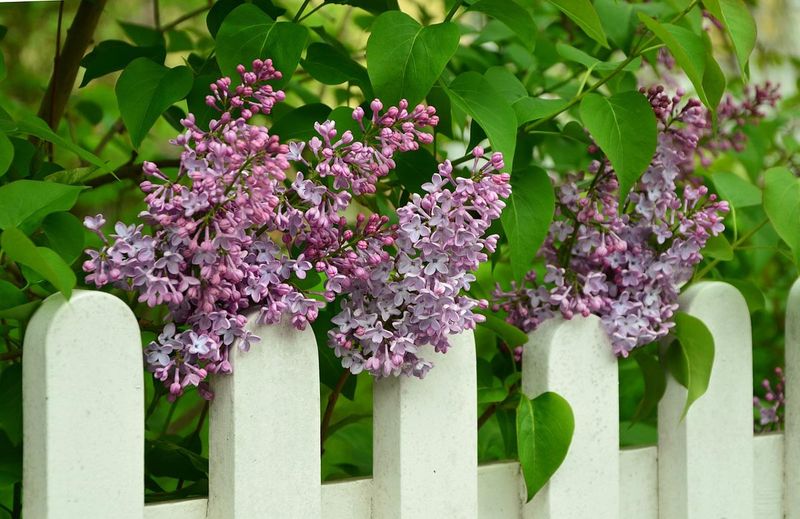
If you have ever walked past a lilac bush in full bloom, you already know how intoxicating that fragrance can be.
The Dwarf Korean Lilac Tree takes everything wonderful about lilacs and packages it into a tidy, upright form that works beautifully in smaller yards.
It typically grows 8 to 10 feet tall, so it never becomes an overwhelming presence in your landscape.
Blooming a bit later than traditional lilacs, usually in late May or early June, it extends the fragrant spring season just a little longer.
The pale lavender-pink flower clusters are slightly smaller than classic lilac blooms but just as fragrant and visually appealing. Full sun is ideal, and once established, this tree is quite tough and low-maintenance.
New Jersey homeowners love it near patios, entryways, or bedroom windows where the sweet scent drifts indoors on warm evenings.
It is also more disease-resistant than many traditional lilac varieties, which is a genuine bonus in humid summer climate.
With minimal pruning needed and a naturally neat shape, the Dwarf Korean Lilac Tree is one of the most rewarding small trees you can plant in your yard.
7. American Holly
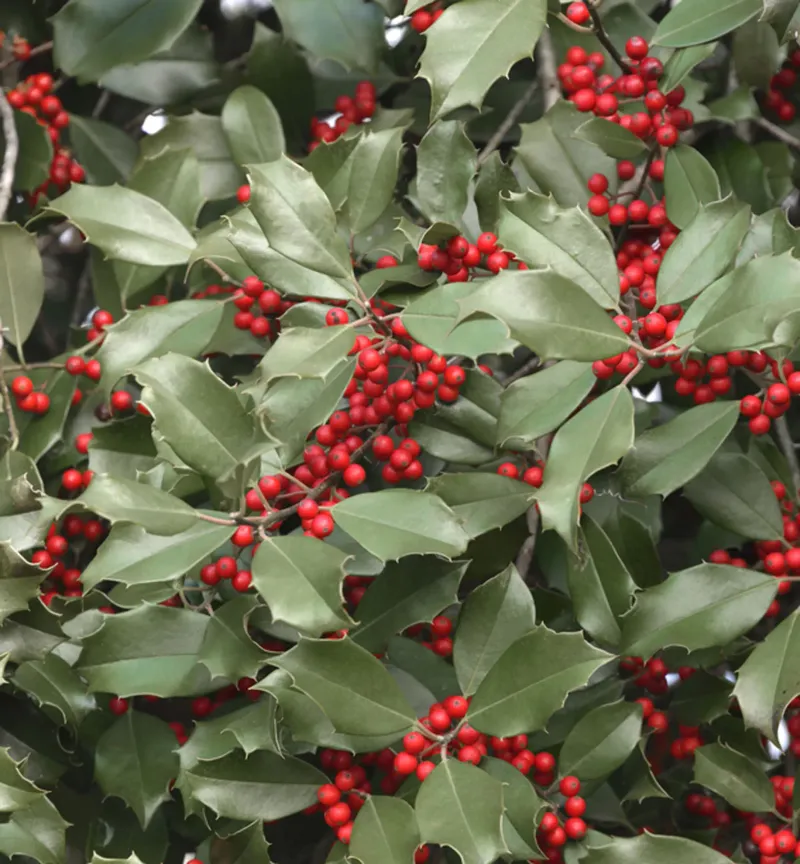
There is something undeniably cheerful about a tree that looks its absolute best in the middle of winter.
American Holly is a native evergreen that holds onto its glossy, dark green leaves year-round and produces clusters of brilliant red berries that stand out beautifully against a grey December sky.
It can be kept to 10 to 20 feet with light pruning, fitting nicely into most residential landscapes.
Birds like cedar waxwings, robins, and mockingbirds flock to American Holly for its berries during the colder months, turning your yard into a lively winter wildlife hub.
You will need both a male and female plant nearby for berry production, so plan accordingly when purchasing. Planting in full sun to partial shade and well-drained, slightly acidic soil gives the best results across New Jersey.
Beyond its wildlife value, American Holly works as an excellent privacy screen, blocking sightlines year-round thanks to its dense evergreen foliage.
It is native to the eastern United States and naturally suited to the state’s climate, requiring very little extra care once established.
For a tree that earns its place in every season, American Holly is a genuinely outstanding choice.
8. Saucer Magnolia
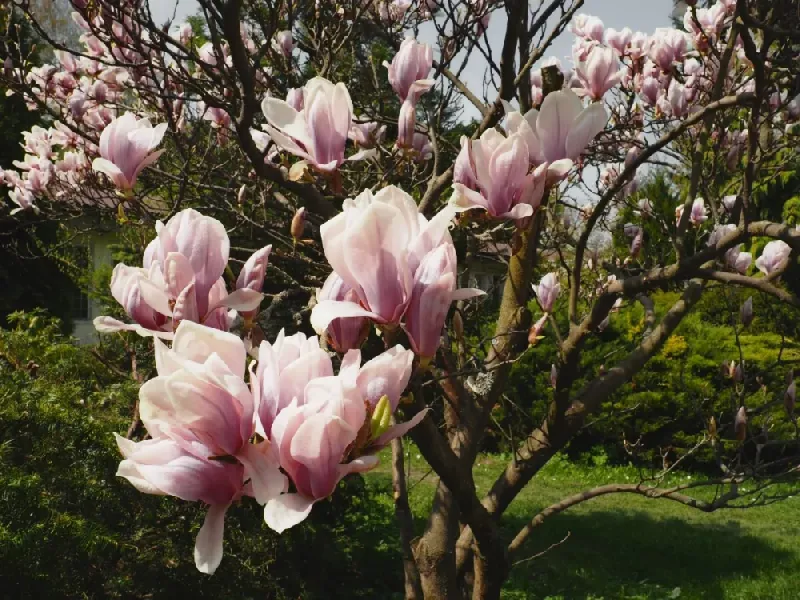
Every spring, Saucer Magnolia puts on a show so stunning it almost seems too good to be true.
Before the leaves emerge, the entire tree covers itself in oversized, tulip-shaped blooms in shades of pink, purple, and white, creating a display that looks straight out of a botanical garden.
For New Jersey homeowners, this tree is a conversation starter every single April without fail. Saucer Magnolias are a cross between two Asian species and have been popular in American gardens for well over a century.
They typically reach 20 to 25 feet at maturity, giving you a respectable-sized shade tree that still fits comfortably in a standard suburban lot.
They prefer full sun and well-drained soil, both of which are easy to provide in most neighborhoods. One thing to keep in mind: the blooms appear early in spring, which means a late frost can sometimes nip them.
Choosing a planting spot with some protection from north winds can help reduce frost damage in colder years.
Despite that occasional risk, most gardeners consider the annual spring spectacle well worth any minor setback, making Saucer Magnolia a beloved staple of the local landscape.
9. Witch Hazel
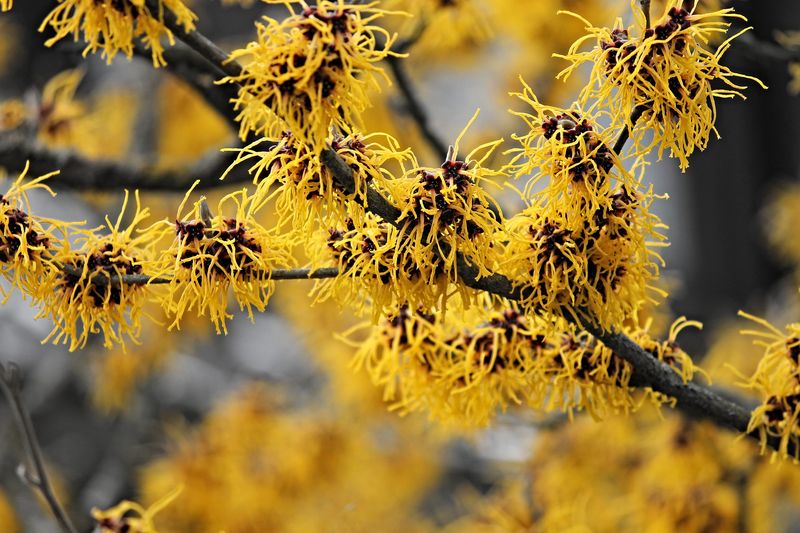
Witch Hazel is the tree that blooms when absolutely nothing else dares to, pushing out spidery, ribbon-like flowers in January or February right in the middle of winter.
The blooms come in yellow, orange, or red and carry a surprisingly pleasant, spicy fragrance that drifts through the cold air.
Seeing those cheerful flowers on a grey winter day feels like a small miracle.
Native species like Hamamelis virginiana are naturally adapted to New Jersey’s climate and can handle everything from summer heat to winter cold without much fuss.
This shrub-like tree typically grows 10 to 20 feet tall and wide, so it needs a bit of space but rarely overwhelms a yard.
Partial shade to full sun works well, and it is quite tolerant of different soil types found across the state.
Fall brings another reward: the foliage turns brilliant shades of yellow and orange before dropping for winter.
Witch Hazel is also the source of the well-known skin-care astringent sold in pharmacies, so there is a fun bit of history connected to this plant.
For gardeners who want something that stands out from the crowd, Witch Hazel is a genuinely unique and rewarding choice.
10. Crabapple
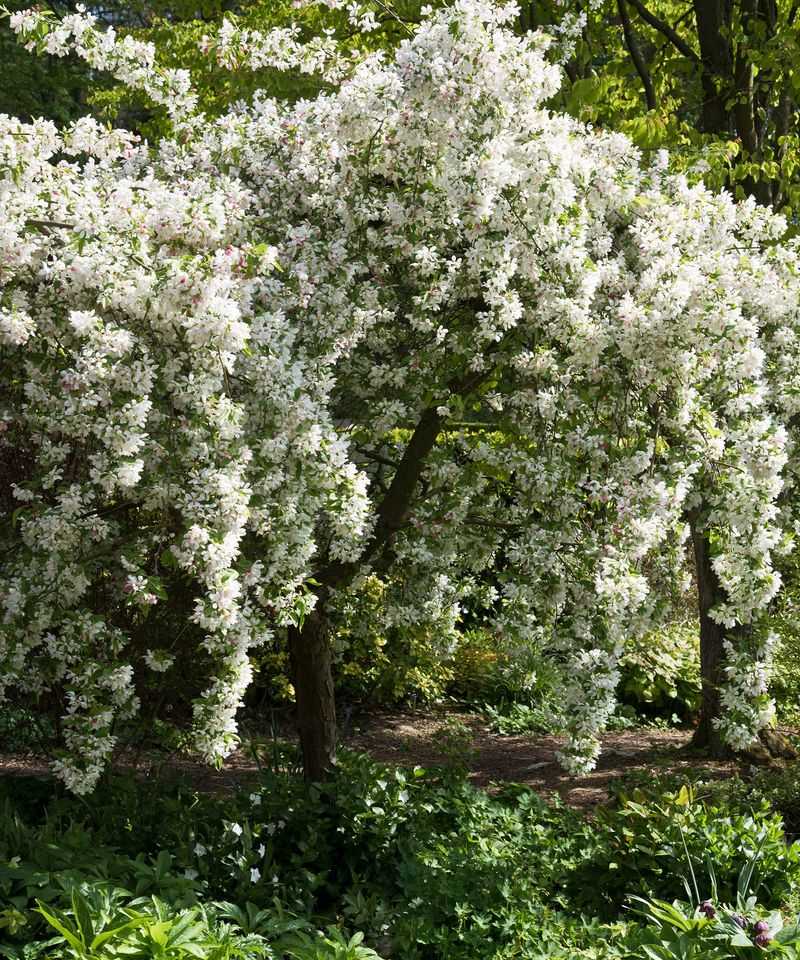
Ornamental Crabapple trees have been a staple of New Jersey gardens for generations, and it is not hard to understand why.
In spring, they erupt in dense clouds of pink, white, or red blossoms that perfume the surrounding air and make the whole yard feel festive.
Most compact varieties stay between 8 and 20 feet, fitting easily into small and medium-sized properties.
After the flowers fade, tiny apple-like fruits develop in shades of red, orange, and yellow, providing a valuable food source for birds heading into fall and winter.
Choosing a disease-resistant variety is important in humid climate, where apple scab and fire blight can be problems for older cultivars.
Modern selections like ‘Prairifire’ or ‘Sugar Tyme’ offer strong disease resistance and reliable annual blooming.
Full sun is where Crabapples truly thrive, so pick an open spot in your yard that gets at least six hours of direct light each day.
They are adaptable to many soil types and handle variable weather conditions quite well once established.
With spring flowers, summer fruit, fall color, and an attractive winter silhouette, few small trees offer as much seasonal variety as the ornamental Crabapple does.
11. Paperbark Maple
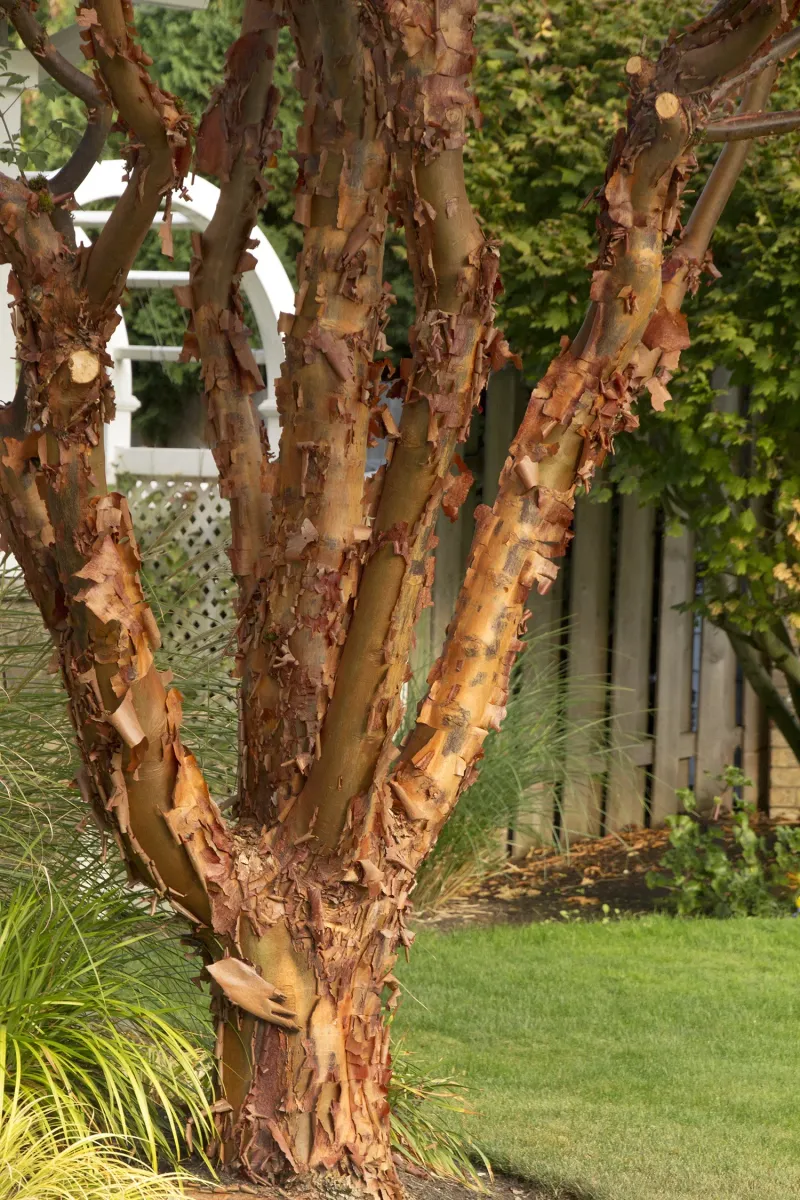
Most trees ask you to wait for spring or fall to look their best, but Paperbark Maple puts on a show every single day of the year.
The bark peels back in thin, cinnamon-orange sheets that catch the light and create a texture unlike anything else you can plant in your yard.
It is the kind of tree that makes visitors stop and ask, “What is that?” every single time.
Paperbark Maple is a slow-growing tree from China that typically reaches 20 to 30 feet at maturity, making it a great fit for yards where you want height without bulk.
It prefers full sun to partial shade and well-drained soil, which is easy to accommodate in most neighborhoods.
Slow growth means less pruning work, which busy homeowners genuinely appreciate.
In fall, the trifoliate leaves turn striking shades of orange and red before dropping, adding one more seasonal highlight to an already impressive resume.
Because it stays relatively narrow, Paperbark Maple works well in spots where a wide-spreading tree would be too much.
For gardeners who appreciate year-round visual interest and low maintenance, this tree is a sophisticated and rewarding long-term investment for the landscape.
12. Fringe Tree
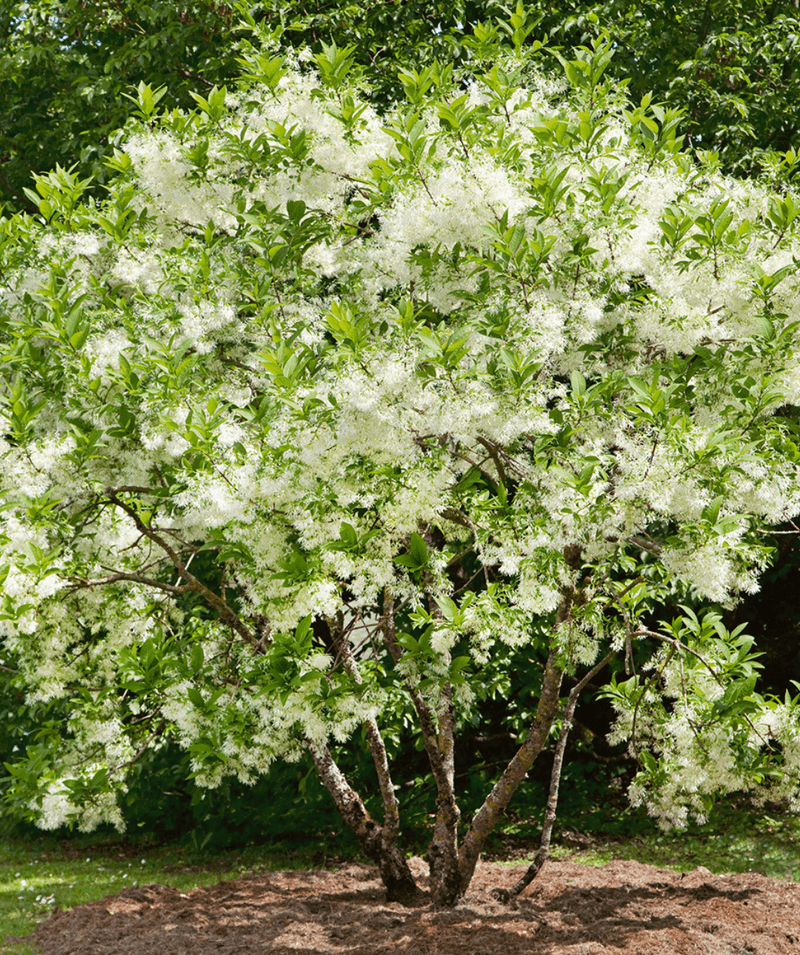
When a Fringe Tree blooms in late May, it looks like someone draped the entire canopy in white lace, with long, feathery flower clusters hanging from every branch.
Also called Old Man’s Beard, this native tree is one of the last to leaf out in spring but makes up for the wait with one of the most breathtaking floral displays you will find in any New Jersey yard.
It grows slowly to about 12 to 20 feet, keeping things manageable for most properties. Native to the eastern United States, Fringe Tree is naturally adapted to climate, handling heat, humidity, and occasional drought without major complaints.
It thrives in full sun to partial shade and prefers moist, well-drained, slightly acidic soil.
Female trees produce small, dark blue fruits in late summer that birds find irresistible, adding wildlife value to its already impressive list of qualities.
Because it leafs out later than most trees, Fringe Tree is sometimes mistaken for being unhealthy in early spring, so new owners should not panic when neighbors’ trees are already full and green. Fall color is a soft, understated yellow.
For gardeners who want a native, low-maintenance tree with jaw-dropping spring flowers, the Fringe Tree is an absolute standout worth every bit of patience.