How To Successfully Plant And Care For Cascade Hydrangeas In Washington
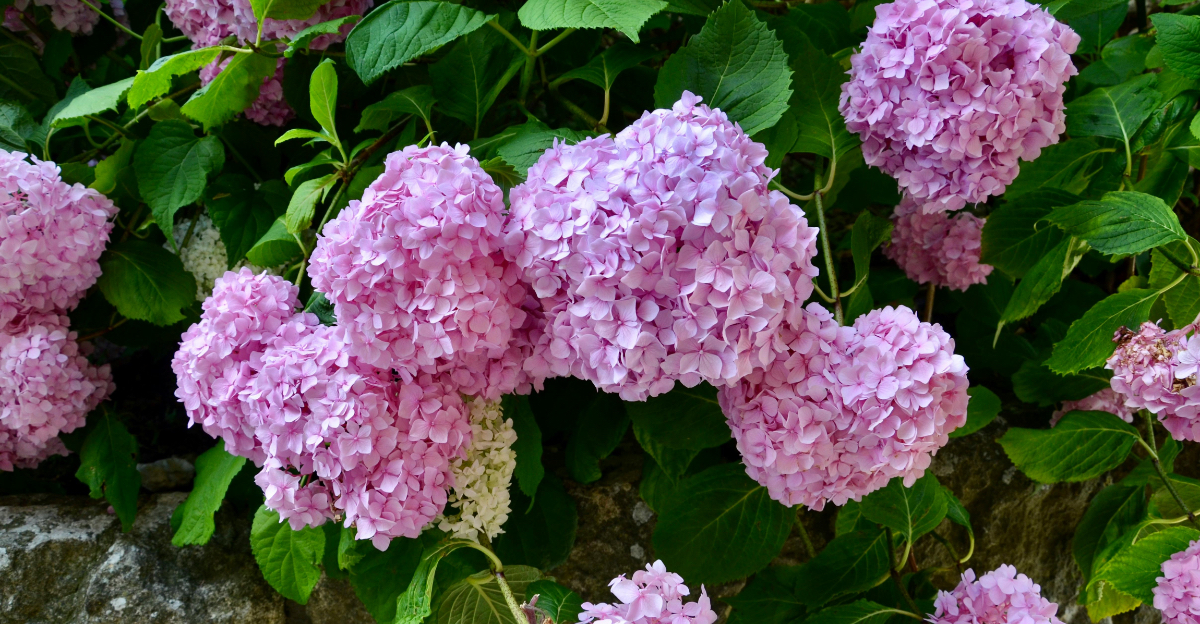
Looking for the perfect place to grow stunning cascade hydrangeas?
Washington might be just what your garden needs. With its mild, sun-kissed summers and cool, rainy winters, the Pacific Northwest offers the ideal environment for these lush, cascading blooms to flourish.
It doesn’t matter if you’re an experienced gardener or just starting your green journey, learning how to plant and care for cascade hydrangeas in Washington can reward you with breathtaking flowers year after year.
Imagine stepping into a garden where hydrangeas spill over in lush waves of color. Powdery blues, soft pinks, and creamy whites glowing in the sunlight.
With the perfect planting spot, rich soil, the right balance of water, and a little thoughtful pruning and care, these stunning blooms can transform your yard into a breathtaking floral show.
1. Choosing The Right Planting Location
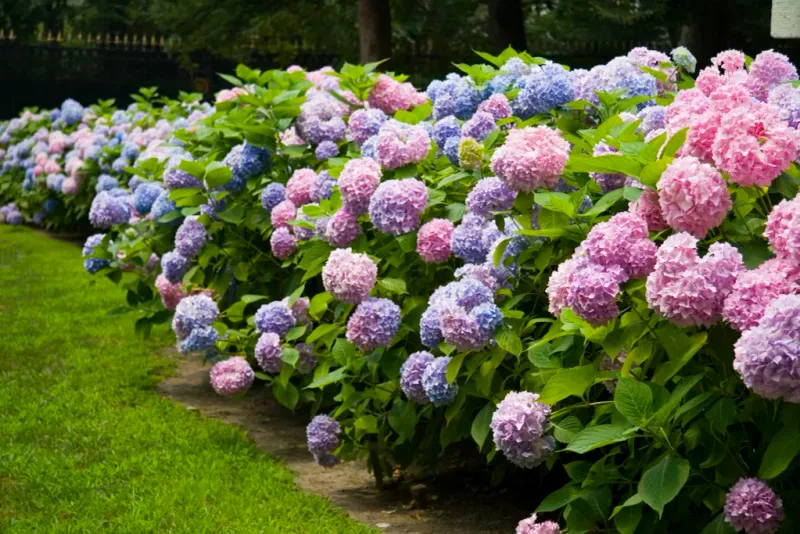
In Washington, the secret to thriving cascade hydrangeas starts with the perfect spot. Get the location right, and the rest of the magic follows.
Washington’s climate is naturally suited for hydrangeas, but you still need to pick a spot that gets morning sun and afternoon shade.
Too much direct afternoon sunlight can stress your plants, especially during the warmer summer months in eastern Washington.
A spot near a fence, under a tall tree, or along the north side of your house usually works perfectly. Think about drainage too.
Washington gets plenty of rainfall, especially west of the Cascades, so soggy soil can become a real problem. Cascade hydrangeas prefer moist but well-drained soil, so avoid low-lying areas where water tends to pool after a rainstorm.
Wind protection is another factor worth thinking about. Strong winds can snap delicate flower stems, so planting near a natural windbreak like a hedge or building wall helps protect your blooms.
Washington’s coastal areas can experience gusty conditions, making wind protection especially important for gardeners near Puget Sound or the coast.
Walk your yard at different times of day before you plant.
Observing how sunlight moves across your space helps you find the sweet spot that gives your cascade hydrangeas the best possible start in Washington.
2. Preparing Soil The Right Way
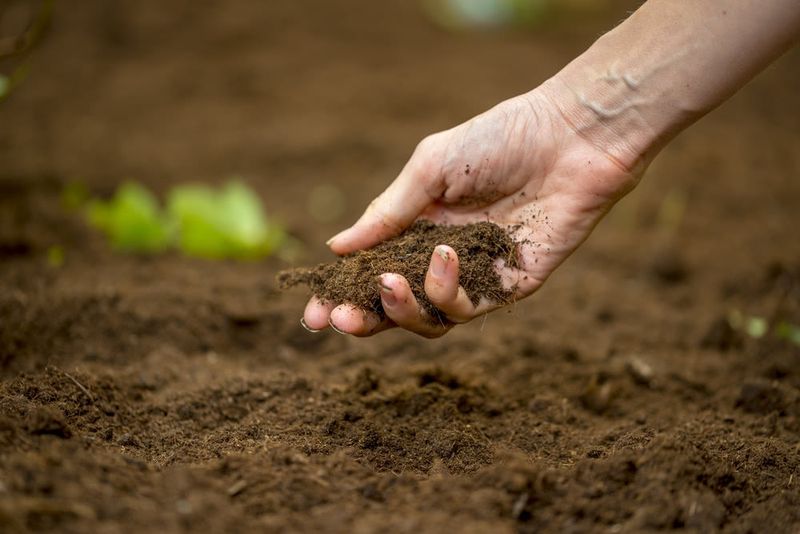
Soil preparation might sound boring, but it is honestly one of the most exciting steps because it sets your hydrangeas up for long-term success in Washington.
Washington soils vary quite a bit depending on where you live. Western Washington tends to have heavier clay soils that hold moisture, while eastern Washington often has sandier, more alkaline soil.
Cascade hydrangeas prefer slightly acidic soil with a pH between 5.5 and 6.5, so testing your soil before planting is a smart move.
You can pick up an affordable soil test kit at any local Washington garden center or cooperative extension office. If your soil is too alkaline, adding sulfur or peat moss can help bring the pH down to the right range.
If you are working with heavy clay, mixing in compost and perlite will improve drainage significantly.
Organic matter is your best friend when preparing soil for cascade hydrangeas. Adding two to three inches of compost into your planting bed improves soil structure, feeds beneficial microbes, and helps retain just the right amount of moisture.
Your Washington Garden Changes Every Week. Your Plan Should Too.
Gardening in Washington changes quickly throughout the season. Every Friday you’ll receive a simple weekly plan showing exactly what to plant, prune, fertilize, harvest, and protect so you never miss the right timing.
Washington gardeners who take time to prepare their soil properly almost always see bigger, healthier blooms come summer.
3. The Best Time To Plant Cascade Hydrangeas
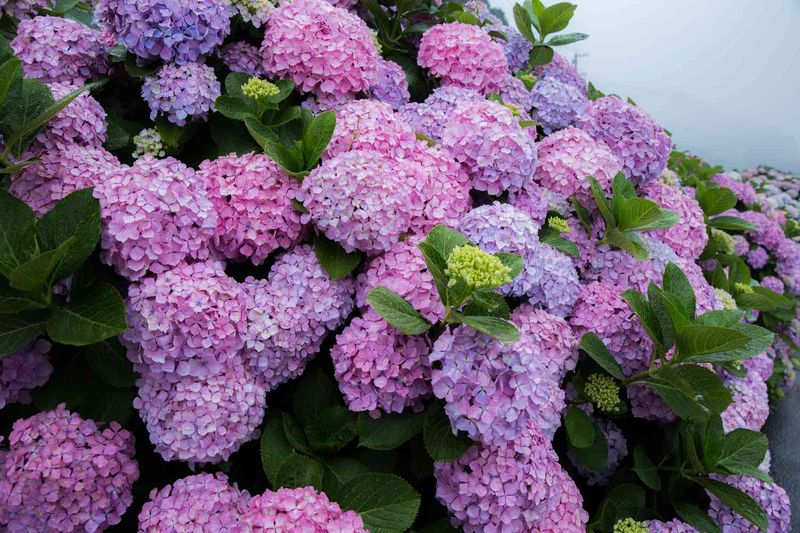
Timing your planting correctly in Washington can mean the difference between a thriving hydrangea and one that struggles to get established.
Early spring and early fall are the two best windows for planting cascade hydrangeas in Washington. Spring planting, once the last frost has passed, gives your plants the entire growing season to build strong roots before winter arrives.
In western Washington, that usually means planting safely from mid-March through April, while eastern Washington gardeners may want to wait until late April or May.
Fall planting is also a great option for Washington residents. Planting in September or early October gives your hydrangeas cooler temperatures and more natural rainfall to help them settle in without heat stress.
Just make sure your plants have at least six to eight weeks before the ground freezes to establish a healthy root system.
Avoid planting during Washington’s hottest summer weeks, even if the temptation is strong after seeing hydrangeas at a nursery. Heat and dry conditions make it much harder for new transplants to establish themselves properly.
If you do plant in summer, plan to water deeply every day for the first few weeks and add a thick layer of mulch to protect the roots from heat stress in Washington’s warmer regions.
4. Watering Cascade Hydrangeas The Right Way
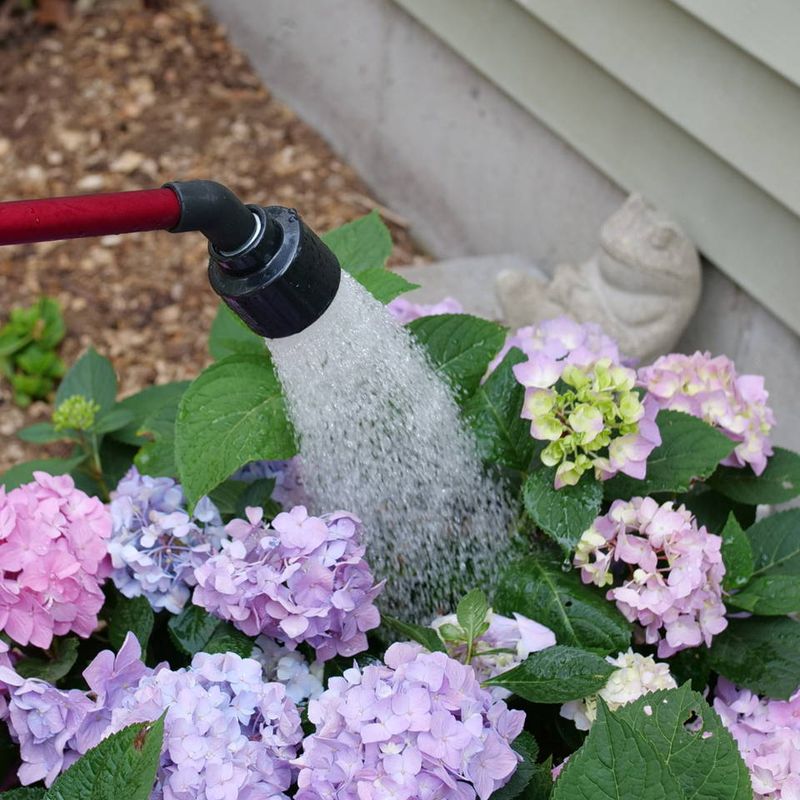
Few things are more satisfying than watching your cascade hydrangeas perk up after a good, deep watering on a warm Washington afternoon.
Cascade hydrangeas are known for being thirsty plants, and in Washington, your watering routine will depend a lot on where you live. West of the Cascades, Washington’s rainy season does a lot of the work for you from fall through spring.
But during the drier summer months, especially July and August, you will need to water your hydrangeas consistently and deeply.
Aim to water your cascade hydrangeas about once or twice a week during dry periods, giving the soil a deep soak each time. Shallow, frequent watering encourages roots to stay near the surface, making plants more vulnerable to drought stress.
Deep watering encourages roots to grow downward, which makes the plant stronger and more self-sufficient over time.
Early morning is the best time to water hydrangeas in Washington. Watering in the morning allows foliage to dry throughout the day, reducing the risk of fungal issues that can be common in Washington’s humid climate.
Using a soaker hose or drip irrigation system is a great way to deliver water directly to the roots without wetting the leaves and flowers unnecessarily.
5. Fertilizing Your Cascade Hydrangeas For Maximum Blooms
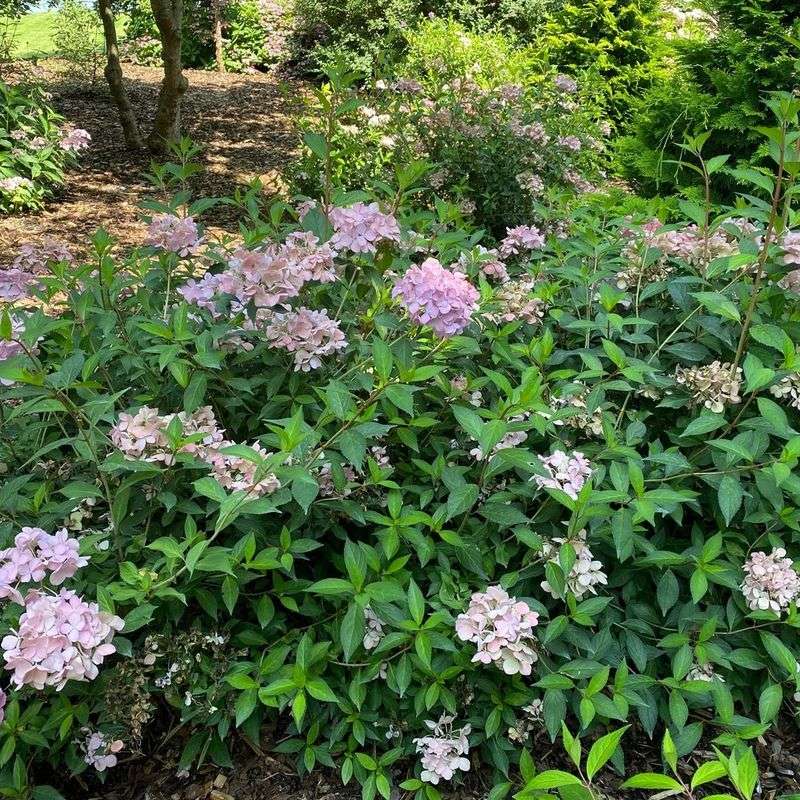
Want jaw-dropping blooms that make your neighbors stop and stare? Fertilizing your cascade hydrangeas the right way in Washington is the secret weapon most gardeners overlook.
Cascade hydrangeas are moderate feeders, meaning they appreciate regular nutrition but do not need to be overfed. A balanced slow-release fertilizer applied in early spring, just as new growth begins, gives your plants a strong start to the Washington growing season.
Look for a fertilizer labeled for flowering shrubs or acid-loving plants to match the slightly acidic soil preferences of cascade hydrangeas.
A second light feeding in early summer, around June, can help support the blooming process without pushing too much leafy growth.
Avoid fertilizing after July in Washington because encouraging new growth too late in the season can leave tender stems vulnerable to early fall frosts, especially in eastern Washington.
Always water your plants thoroughly before and after applying fertilizer to prevent root burn.
Organic fertilizers like fish emulsion or compost tea are popular choices among Washington gardeners who prefer a more natural approach. They release nutrients slowly and also improve overall soil health over time.
Whichever fertilizer you choose, always follow the package directions and resist the urge to add extra, since too much fertilizer can actually reduce blooming in cascade hydrangeas.
6. Pruning Cascade Hydrangeas To Keep Them Healthy And Full
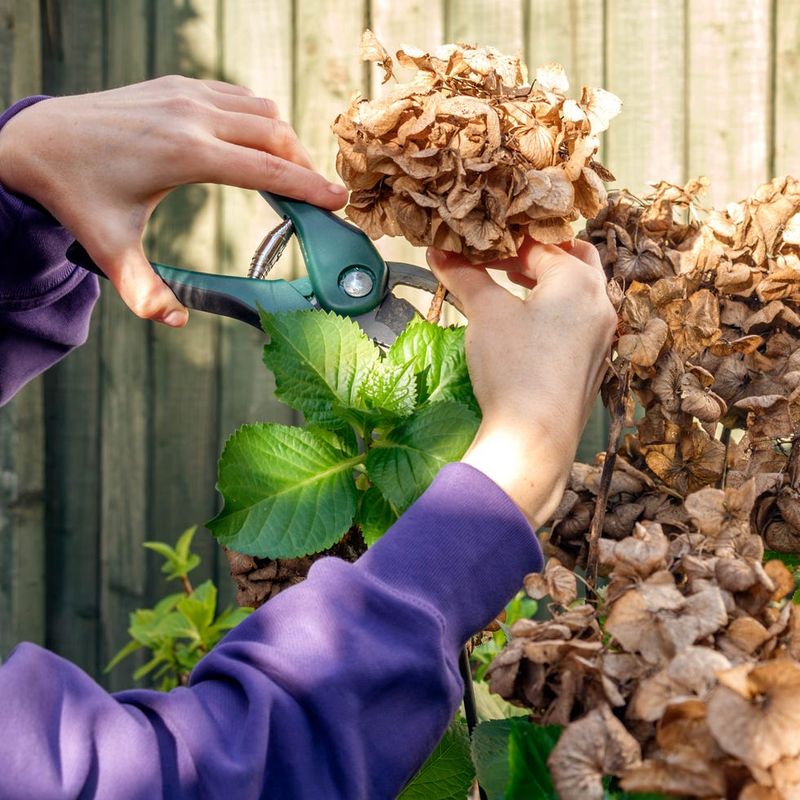
Pruning cascade hydrangeas is one of those gardening tasks that feels a little scary at first but quickly becomes one of the most rewarding parts of caring for your plants in Washington.
Cascade hydrangeas bloom on old wood, which means the flower buds for next year form on the current year’s stems. Pruning at the wrong time, like in fall or early spring, can accidentally remove those buds and leave you with a plant full of leaves but very few flowers.
In Washington, the safest time to prune cascade hydrangeas is right after they finish blooming, typically in late summer.
When pruning, focus on removing dead or damaged stems first. Cutting these out improves airflow through the plant, which is especially helpful in Washington’s often damp and humid climate where fungal issues can develop.
You can also remove any crossing branches that rub against each other, as this can create wounds where disease enters.
Light shaping is fine, but avoid cutting your cascade hydrangeas back hard unless absolutely necessary. Removing more than one-third of the plant at once can stress it significantly.
Washington gardeners who prune gently and at the right time are consistently rewarded with fuller, more floriferous plants the following season without much extra effort.
7. Protecting Cascade Hydrangeas Through Winters
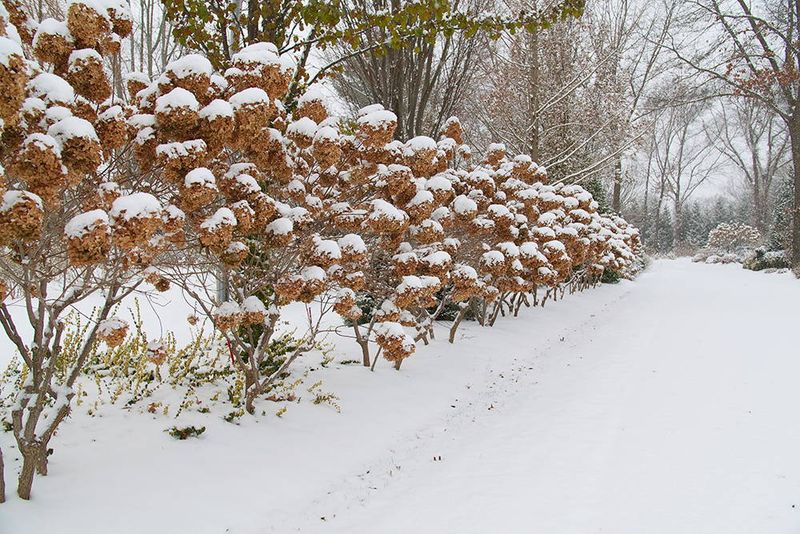
Washington winters can be surprisingly unpredictable, and giving your cascade hydrangeas a little extra protection can save next year’s blooms from being wiped out by a sudden cold snap.
In western Washington, winters are generally mild and rainy, and most cascade hydrangeas handle the season without much intervention.
However, gardeners in eastern Washington or higher elevation areas near the Cascades face colder, harsher winters that can seriously damage flower buds on exposed plants.
Understanding your specific Washington microclimate is key to knowing how much winter protection your hydrangeas actually need.
One of the easiest and most effective things you can do is apply a thick layer of mulch around the base of your plants in late fall. A three to four inch layer of shredded bark, straw, or leaves helps insulate the roots and protects them from freezing ground temperatures.
Pull the mulch back slightly from the main stem to prevent moisture buildup and potential rot over the wet Washington winter.
For extra protection in colder Washington areas, wrapping your plants loosely in burlap can shield the canes from harsh freezing winds. Avoid using plastic wrap, as it traps moisture and heat unevenly.
Removing the burlap in early spring once temperatures consistently stay above freezing allows your hydrangeas to wake up naturally and begin their new growth cycle.
8. Dealing With Common Pests And Diseases
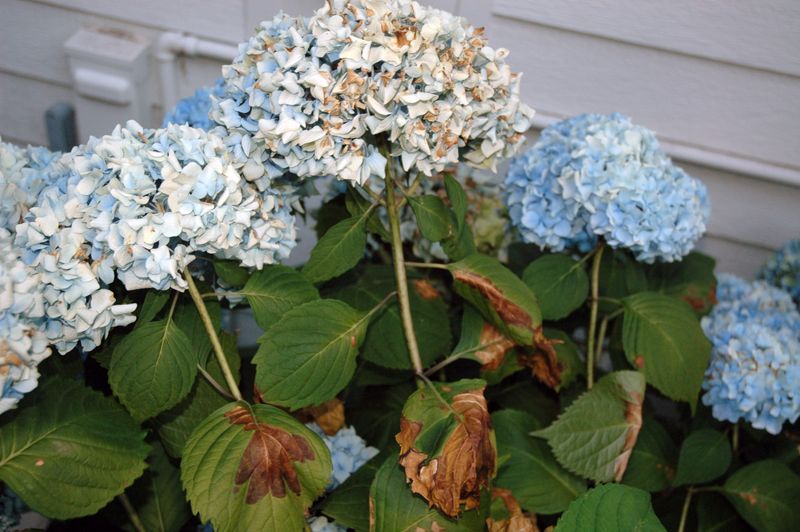
Every Washington gardener eventually faces the challenge of pests and diseases on their hydrangeas, but knowing what to look for makes managing them much easier.
Aphids are one of the most common pests that target cascade hydrangeas in Washington. These tiny insects cluster on new growth and suck the sap from stems and leaves, causing them to curl and look distorted.
A strong spray of water from a garden hose is often enough to knock them off, and introducing beneficial insects like ladybugs can help keep aphid populations in check naturally.
Powdery mildew is a fungal issue that Washington gardeners know all too well, thanks to the region’s cool, humid conditions. It shows up as a white powdery coating on leaves and is most common in late summer when warm days are followed by cool, damp nights.
Improving airflow around your plants through light pruning and avoiding overhead watering helps reduce the conditions that allow powdery mildew to spread.
Botrytis blight, also called gray mold, can affect cascade hydrangeas during Washington’s wet spring season. Removing affected plant material promptly and disposing of it away from your garden prevents the spores from spreading.
Keeping your garden beds clean and tidy throughout the growing season goes a long way toward preventing most common hydrangea diseases in Washington.
9. Mulching And Ongoing Care Tips For Washington Gardeners
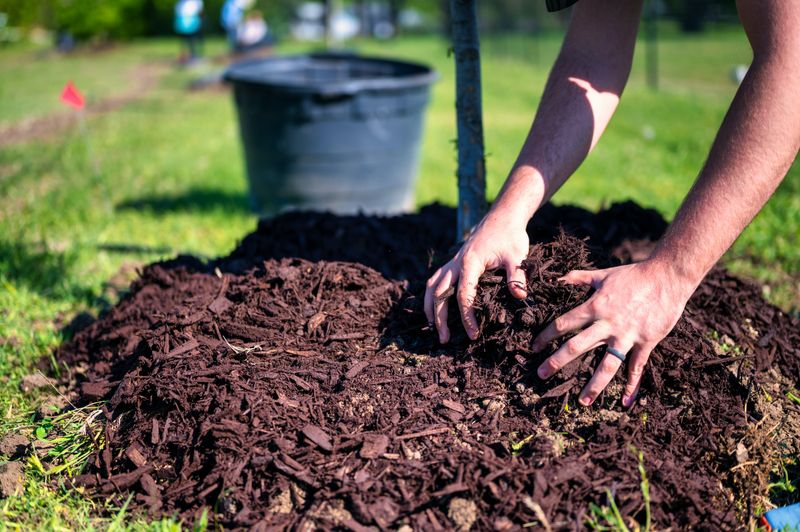
Mulching might be the single easiest thing you can do to keep your cascade hydrangeas looking their best throughout the Washington growing season.
Applying a two to three inch layer of organic mulch around your hydrangeas helps regulate soil temperature, retain moisture, and suppress weeds all at once.
In Washington, where summer dry spells can stress plants quickly, mulch acts like a moisture bank that slowly releases water to the roots between rain events and watering sessions.
Shredded bark, wood chips, and pine needles are all excellent mulch options for Washington gardens.
Keep the mulch a few inches away from the main stem of the plant to prevent rot and discourage insects from nesting too close to the base.
Replenishing your mulch layer each spring and fall keeps it effective throughout the year and gradually adds organic matter to the soil as it breaks down.
Washington gardeners who mulch consistently tend to have healthier, more vigorous hydrangeas with noticeably fuller blooms.
Beyond mulching, staying observant is one of the best ongoing care habits you can develop. Walking through your garden regularly and checking your cascade hydrangeas for signs of stress, pests, or unusual leaf color helps you catch small problems before they grow into bigger ones.
With consistent attention and a little love, your cascade hydrangeas will reward you with stunning seasonal blooms year after year right here in beautiful Washington.