Here’s The Reason Some California Plants Bloom After Wildfires
It sounds a little unbelievable at first, but some California plants actually wait for wildfires. While fire might seem like pure destruction, certain species have adapted to treat it as a signal that it’s time to grow, bloom, and take over the landscape.
After a fire passes through, the environment changes in a big way. Ash adds nutrients to the soil, sunlight reaches areas that were once shaded, and competition from other plants is suddenly reduced.
For some plants, this is the perfect moment to spring into action. Even more fascinating, a few species rely on heat or smoke to trigger their seeds to germinate.
Without that intense event, they might sit dormant in the soil for years, just waiting for the right conditions.
What looks like devastation on the surface is actually part of a natural cycle. And when the timing is right, it can lead to an incredible burst of growth and color across the landscape.
1. Fire Triggers Hidden Seeds
Buried just beneath the surface of California’s soil, millions of seeds have been waiting patiently for one specific signal: fire. It sounds dramatic, but it’s actually a brilliant survival strategy that has developed over thousands of years.
Many fire-following plants produce seeds with thick, hard coats that prevent germination under normal conditions.
When a wildfire sweeps through an area, the intense heat physically cracks or softens those tough seed coats. Once the coat is broken, moisture can enter the seed, and the germination process begins.
Without that heat trigger, the seeds would just keep sitting there, sometimes for decades.
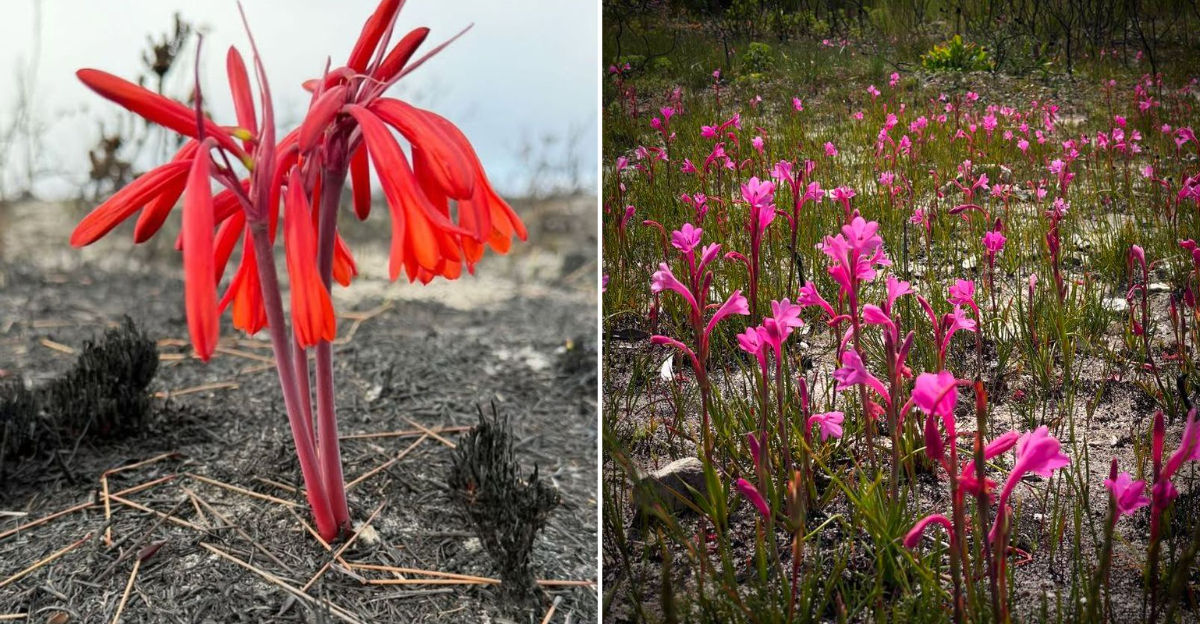
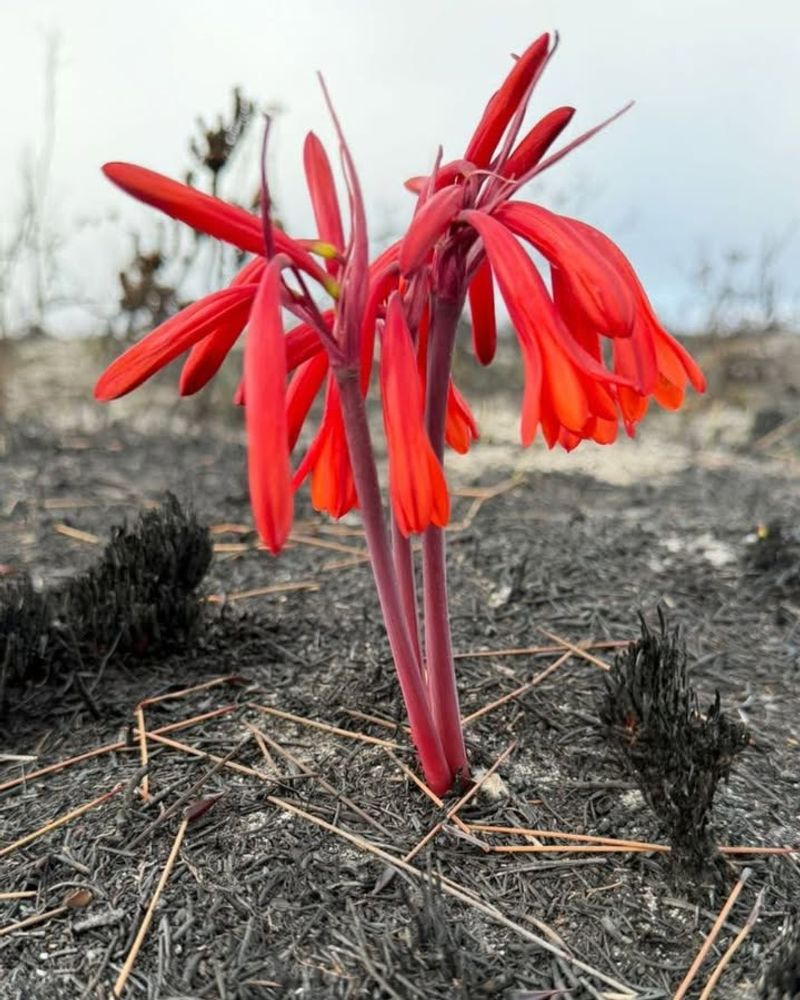
Fire poppies are a great example of this. Their seeds can stay dormant in California’s soil for more than 50 years, waiting for the right moment.
After a fire passes through, they suddenly burst into bloom, covering hillsides in brilliant orange-red color. It’s one of nature’s most stunning comebacks.
Researchers have documented this pattern across many California ecosystems, confirming that fire is not just a destroyer but also a powerful seed activator that kickstarts new plant life in ways nothing else can.
2. Heat Breaks Dormancy Fast
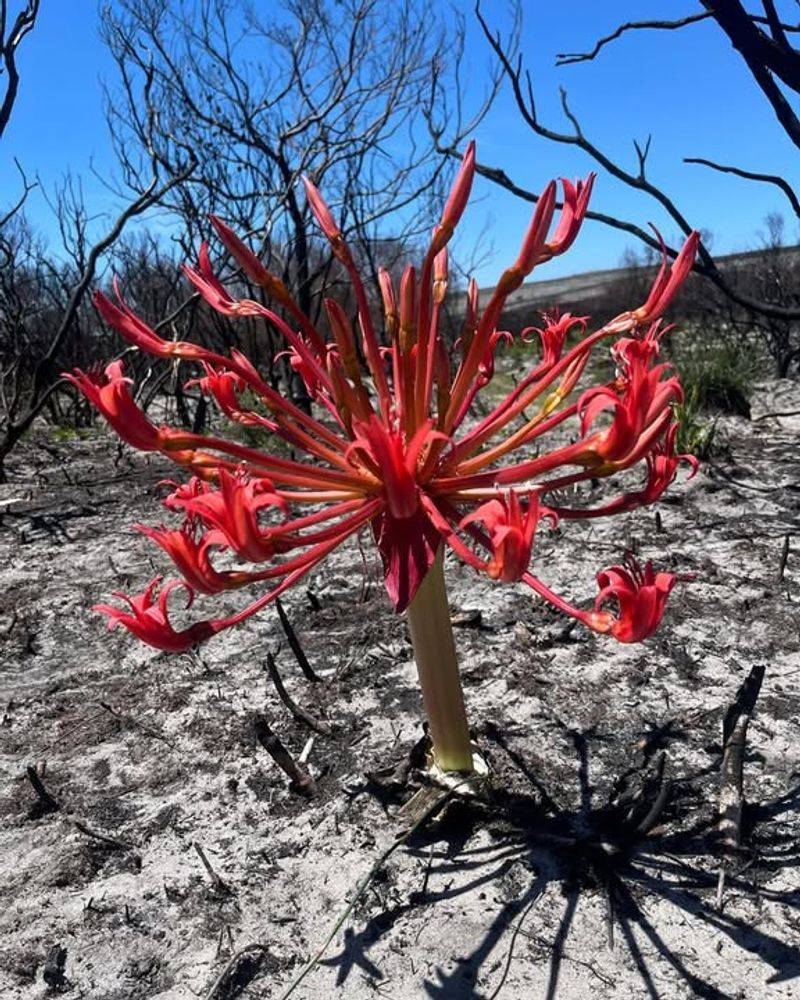
Not every seed needs fire to sprout, but for California’s fire-following plants, heat is the key that unlocks everything. Dormancy is like a deep sleep that seeds enter to survive harsh conditions.
Some seeds stay in this sleep for years, even decades, waiting for the right environmental cue.
The heat from a wildfire can reach temperatures high enough to break down chemical inhibitors inside seeds. These inhibitors are natural compounds that prevent premature sprouting.
Once the heat neutralizes them, the seed is free to wake up and grow. It happens fast, often within days of the fire cooling down.
Scientists studying California’s chaparral and coastal sage scrub regions have observed that post-fire soil temperatures play a huge role in which species germinate first. Plants that respond quickly to heat gain a major head start over slower-growing species.
That speed gives them a real advantage in the race to establish roots before other plants return. It’s a finely tuned biological clock, shaped by millions of years of living alongside fire.
Your California Garden Changes Every Week. Your Plan Should Too.
Gardening in California changes quickly throughout the season. Every Friday you’ll receive a simple weekly plan showing exactly what to plant, prune, fertilize, harvest, and protect so you never miss the right timing.
California’s fire-prone landscape has essentially trained these plants to treat heat not as a threat, but as a starting gun.
3. Ash Enriches The Soil
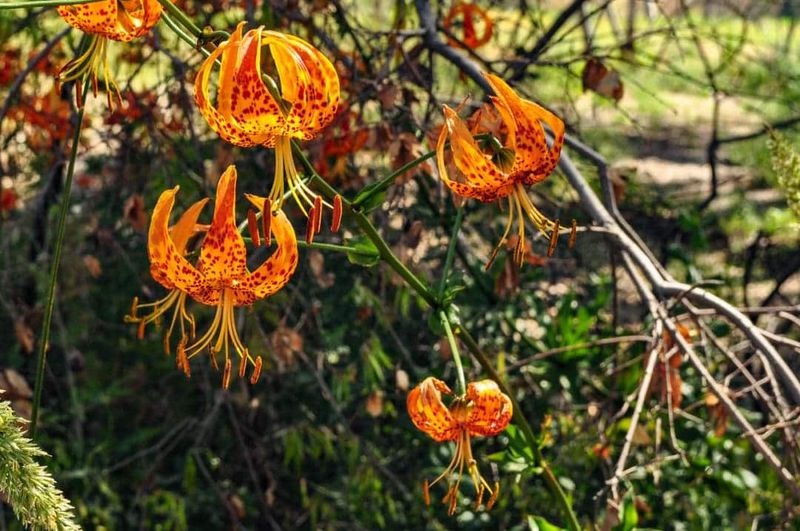
After a wildfire burns through California’s forests and shrublands, it leaves behind something surprisingly valuable: ash. While ash might look like the end of something, it actually marks a powerful new beginning for the soil and everything growing in it.
Wood ash is packed with minerals like calcium, potassium, and magnesium. These minerals were locked inside the plant material before the fire.
Once the plants burn, those nutrients get released directly into the soil in a form that new plants can absorb almost immediately. It’s like a fast-acting fertilizer delivered straight to the ground.
California soils in fire-prone areas often become nutrient-dense very quickly after a burn. This sudden boost creates ideal growing conditions for fire-following plants that have evolved to take advantage of this exact window.
The ash also raises the pH of acidic soils, making the environment even more welcoming for certain species. Some plants that struggle in normal California soil conditions suddenly thrive in post-fire ash beds.
Ecologists have measured significant increases in soil nutrient levels within weeks of a major fire. That nutrient surge, combined with other post-fire conditions, creates a rare and rich growing environment that fire followers are perfectly built to exploit.
4. Smoke Signals Growth
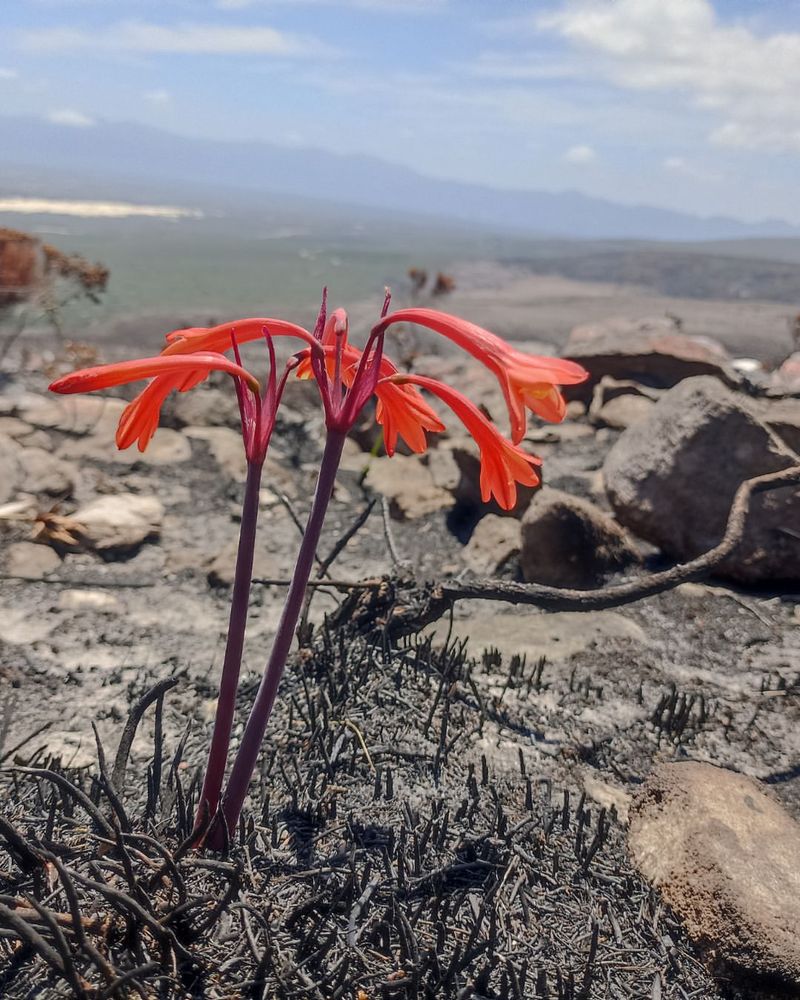
Smoke does more than fill the sky during a California wildfire. It carries chemical compounds that actually communicate with seeds in the soil below.
One of the most fascinating discoveries in plant science is that smoke contains molecules called karrikins, which act as germination signals for certain plant species.
Whispering bells, a delicate flower common in burned California areas, respond to nitrogen dioxide found in smoke at incredibly low concentrations. Even a tiny amount of smoke exposure can flip the switch for germination.
Scientists were amazed to find just how sensitive these plants are to smoke chemistry.
The karrikin molecules mimic a natural plant hormone that regulates growth and development. When seeds detect karrikins in the soil, they interpret it as a safe signal to start growing.
It’s almost like the plants are reading the smoke as a message that says conditions are right. Researchers have actually used smoke water, made by bubbling smoke through water, to trigger germination in lab settings.
This discovery has opened up exciting possibilities for ecological restoration projects across California. Understanding smoke’s role in plant biology has become an important tool for land managers trying to help ecosystems recover after major fire events.
5. Less Competition, More Light
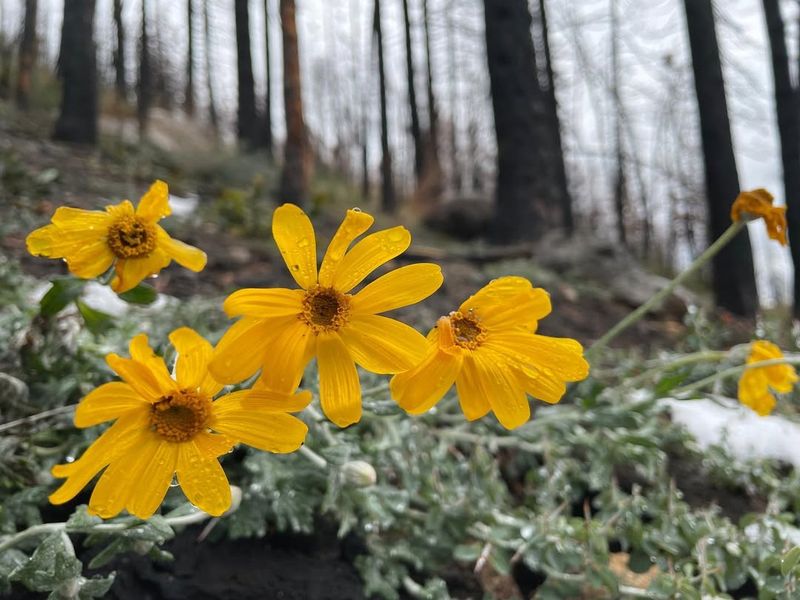
One of the biggest challenges for any plant is competition. In a healthy, mature California landscape, tall shrubs and trees block sunlight, soak up water, and crowd out smaller plants.
Most seeds that fall in these dense areas never get a real chance to grow.
A wildfire changes all of that almost instantly. When established vegetation burns away, the landscape opens up dramatically.
Sunlight reaches the ground for the first time in years. Water and nutrients are no longer being consumed by large, dominant plants.
Suddenly, there is space for new life to take hold.
Fire-following plants have evolved specifically to fill this open window. They grow fast, bloom quickly, and set seed before the larger vegetation has a chance to return and reclaim the space.
Golden eardrops, for example, were seen blooming in huge numbers across the Santa Monica Mountains after the 2018 Woolsey Fire. The open hillsides gave them room to spread in ways that would have been impossible in a crowded, unburned landscape.
This reduced competition is one of the most important reasons California’s fire followers bloom so explosively after a fire. They are essentially sprinting through an open door before it closes again.
6. Nutrients Surge After Fire
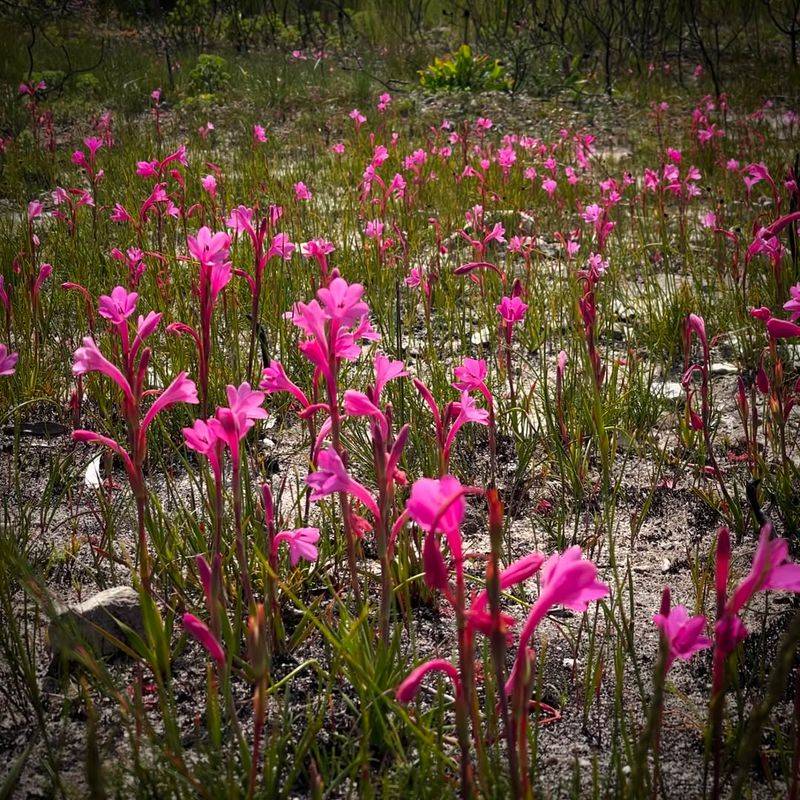
Beyond the ash layer, wildfires trigger a broader nutrient cycle that benefits fire-following plants in multiple ways. When organic material burns, it releases nitrogen, phosphorus, and other elements back into the environment.
These nutrients had been tied up inside plant tissues and were unavailable to other organisms.
California’s fire-dependent ecosystems have evolved to cycle nutrients through periodic burning. Plants that lived and grew for years store large amounts of nutrients in their roots, stems, and leaves.
A single fire can release all of those stored nutrients at once, flooding the soil with a concentrated boost of fertility.
Researchers studying post-fire recovery in California’s chaparral zones have recorded significant spikes in soil nitrogen levels within the first few weeks after a burn. That timing lines up perfectly with the germination window for many fire-following species.
The plants are essentially timed to sprout right when the nutrient levels are at their peak. It’s a remarkable example of co-evolution between plants and their environment.
Fire is not an outside force disrupting the system. For these California plants, fire is part of the system.
The nutrient surge it creates is a feature, not a side effect, and fire followers have spent thousands of years learning to use it.
7. Dormant Seeds Wait
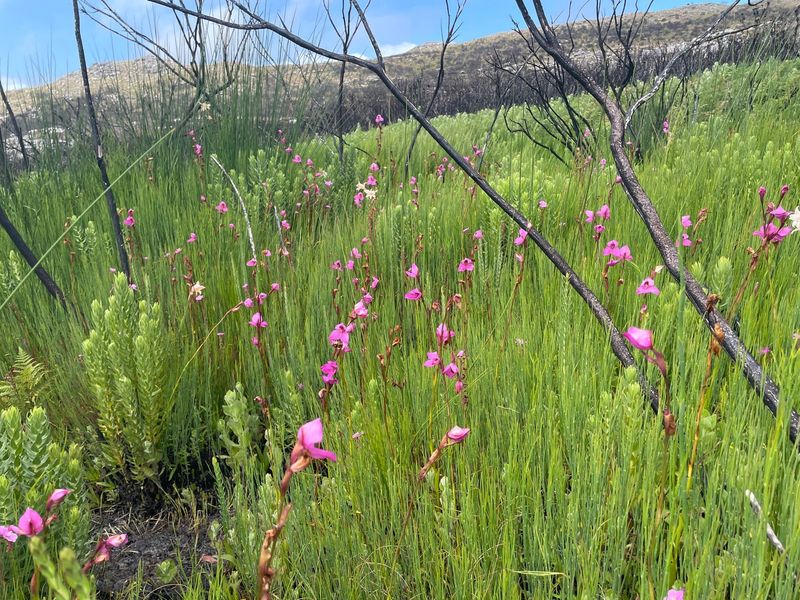
There is something almost poetic about the way fire-following seeds wait in California’s soil. They sit there quietly, sometimes for 50 years or more, completely still and patient.
Scientists call this collection of waiting seeds the soil seed bank, and it is one of nature’s most impressive storage systems.
The seed bank in fire-prone California regions can contain dozens of different species, all in various stages of dormancy. Some seeds are recent arrivals.
Others have been waiting since before the last major fire burned through the area. Each one is essentially a tiny time capsule, holding everything needed to create a new plant.
What makes dormant seeds so remarkable is their durability. They can survive drought, cold, heat, and even moderate soil disturbance without losing their ability to germinate.
When fire finally arrives and creates the right combination of heat, smoke, and open soil, the seed bank activates. Suddenly, a landscape that looked barren is filled with seedlings.
This is why post-fire blooms in California can be so dramatic and widespread. The seeds were there all along, just waiting for the right invitation.
For ecologists, protecting the soil seed bank is one of the most important priorities in post-fire land management across California.
8. Plants Rebound Fast
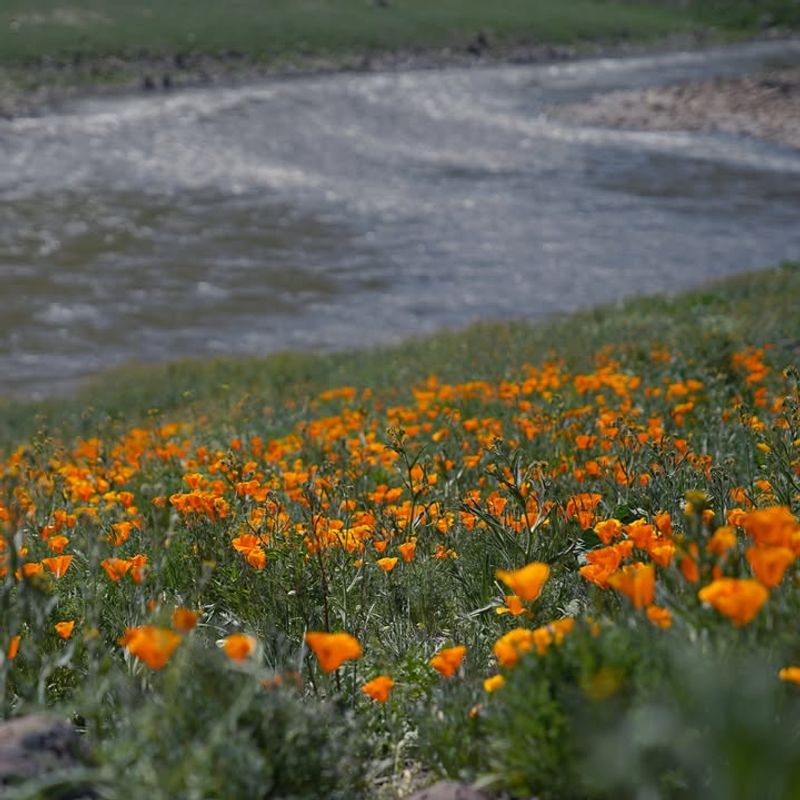
Few things in nature are as visually striking as a California hillside covered in wildflowers just months after a major fire. The rebound happens faster than most people expect.
Within weeks of a burn, green shoots begin pushing through the ash. By spring, entire hillsides can be transformed into fields of color.
Fire poppies, whispering bells, and golden eardrops are among the most visible signs of this recovery. They bloom early and bright, attracting pollinators back to the landscape before most other vegetation has returned.
Their presence jump-starts the entire food web, providing pollen, nectar, and eventually seeds for insects and birds.
The speed of this recovery is not accidental. Fire-following plants have short life cycles by design.
They bloom, produce seeds, and complete their life cycle quickly before competition returns. Some species finish their entire growing season within a single year.
After the first or second post-fire spring, their numbers begin to drop as shrubs and trees start reclaiming space. But by then, they have already done their job, stabilizing soil, feeding pollinators, and restocking the seed bank for the next fire cycle.
California’s fire ecosystems are built on this rhythm, and these fast-rebounding plants are the ones that keep it going.