7 Native Flowers That Attract Eastern Bluebirds To Your Pennsylvania Garden
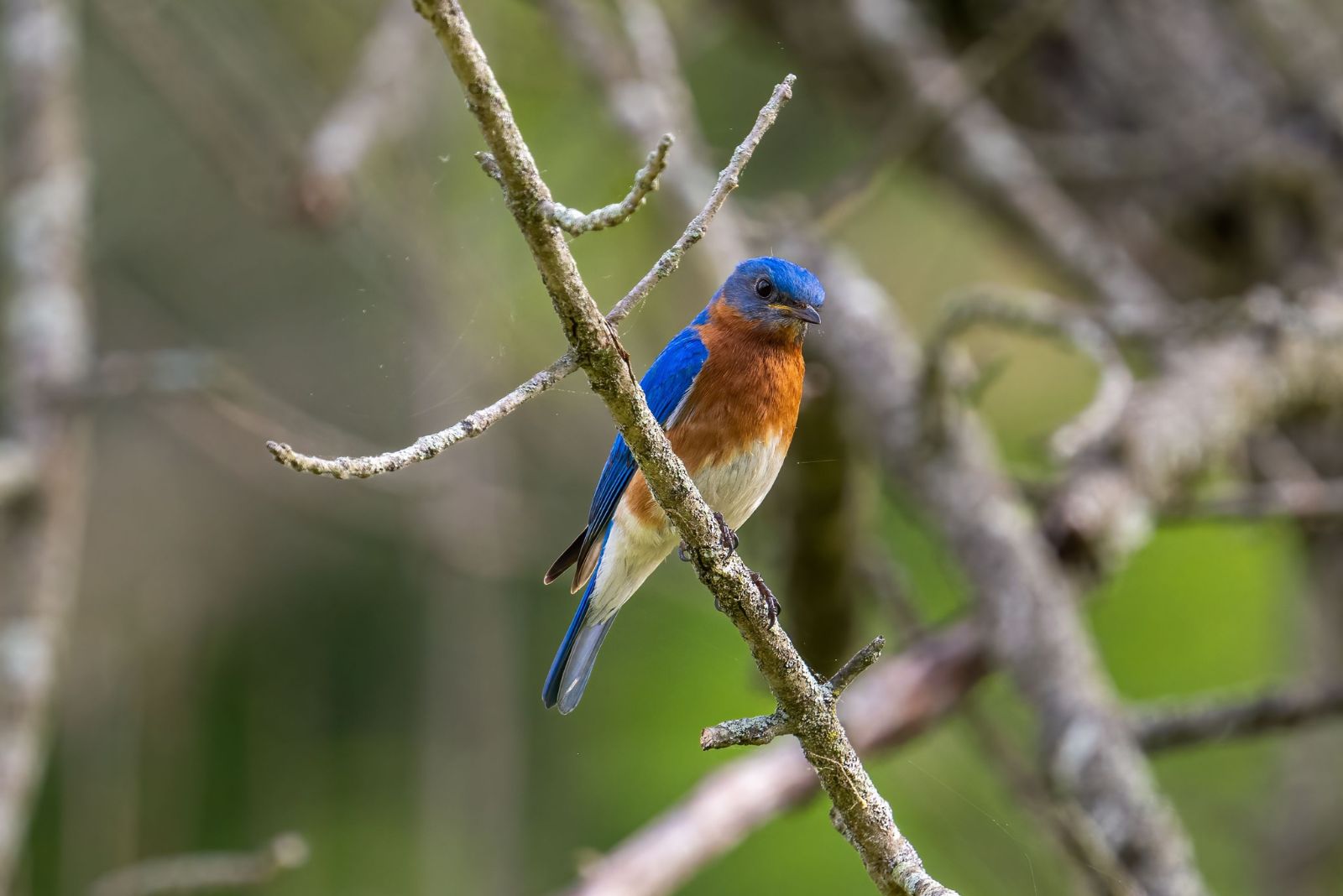
There is something special about catching a flash of blue in the yard and realizing an eastern bluebird has stopped by. These birds can make any Pennsylvania garden feel more cheerful, more alive, and a little more magical.
If you want to see them more often, the plants you grow can make a real difference. A garden filled with the right native flowers can offer more than just color.
It can help create a space that feels inviting to birds looking for food and a healthy place to spend time.
Native flowers are especially helpful because they belong in Pennsylvania’s landscape. They support insects that bluebirds feed on, and they fit naturally into the local growing conditions without needing constant attention.
That means your garden can be beautiful while also doing something useful for wildlife. Bright blooms may catch your eye, but they also help build the kind of habitat birds notice.
For gardeners who want a yard that feels lively and connected to nature, this is a smart place to start. With the right native flowers, your Pennsylvania garden can become more colorful, more vibrant, and much more appealing to eastern bluebirds.
1. Black-Eyed Susan
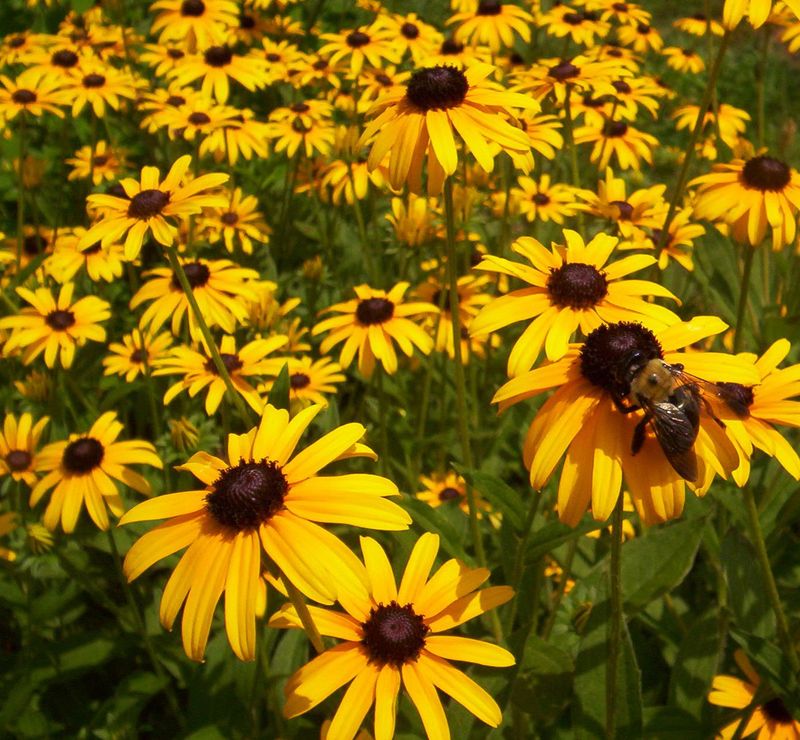
Few wildflowers are as cheerful or as hardworking as the Black-Eyed Susan. Those bold yellow petals surrounding a dark brown center are not just pretty to look at. They are also a powerful magnet for the insects that Eastern Bluebirds love to eat.
Black-Eyed Susans bloom from late spring all the way through early fall, giving insects a long season of activity right in your Pennsylvania yard. Beetles, bees, and butterflies flock to these flowers constantly.
Where insects gather, bluebirds are never far behind, watching from nearby perches and swooping down to snatch a meal.
One of the best things about this native flower is how easy it is to grow. It tolerates poor soil, handles dry spells well, and thrives in full sun. You do not need a green thumb to keep Black-Eyed Susans happy in a Pennsylvania garden.
Plant them in open, sunny spots where bluebirds can easily spot insect activity from above. Grouping several plants together creates a larger insect hub, which makes your yard even more attractive to foraging birds. A small cluster of these flowers can make a surprisingly big difference.
After the blooms fade, the seed heads also attract finches and sparrows, so the benefits keep coming well into autumn. Black-Eyed Susans truly pull double duty in a wildlife-friendly garden.
If you only add one native flower to your Pennsylvania yard this season, this cheerful wildflower is a fantastic place to start.
2. Purple Coneflower
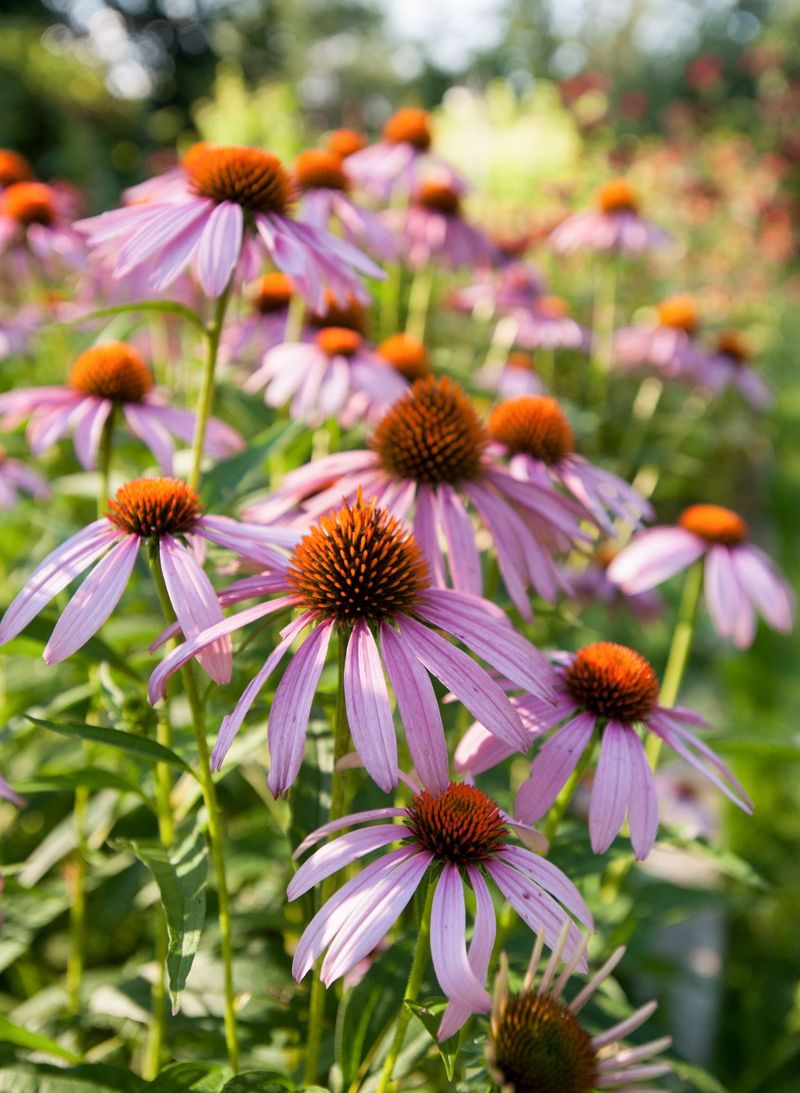
Walk past a patch of Purple Coneflowers on a warm Pennsylvania afternoon, and you will immediately notice the buzz of activity. Bees, butterflies, and all kinds of pollinators cannot resist these rosy-purple blooms.
That constant insect traffic is exactly what makes coneflowers such a valuable plant for attracting Eastern Bluebirds.
Bluebirds are insect hunters at heart, especially during the summer months when they are raising their young. A garden full of coneflowers becomes a reliable hunting ground, offering a steady stream of beetles, moths, and caterpillars.
Your Pennsylvania Garden Changes Every Week. Your Plan Should Too.
Gardening in Pennsylvania changes quickly throughout the season. Every Friday you’ll receive a simple weekly plan showing exactly what to plant, prune, fertilize, harvest, and protect so you never miss the right timing.
Watching a bluebird swoop low over a coneflower bed is one of those magical backyard moments worth waiting for.
Purple Coneflowers are also incredibly tough. They handle Pennsylvania’s hot summers and cold winters without much fuss.
Once established, they come back year after year, spreading slowly and filling in bare spots beautifully. That kind of low-maintenance toughness makes them a favorite among Pennsylvania gardeners of all skill levels.
When the petals drop in late summer, the spiky seed cones remain standing. Goldfinches and other seed-eating birds love pecking at them through fall and winter.
So even after bluebird season winds down, coneflowers keep working hard for your garden’s wildlife community.
Did you know that Echinacea has also been used for centuries as a natural herbal remedy? While bluebirds are not interested in that, it is a fun fact that makes this plant even more fascinating.
Plant coneflowers in well-drained soil and full sun for the best results in your Pennsylvania garden.
3. Bee Balm
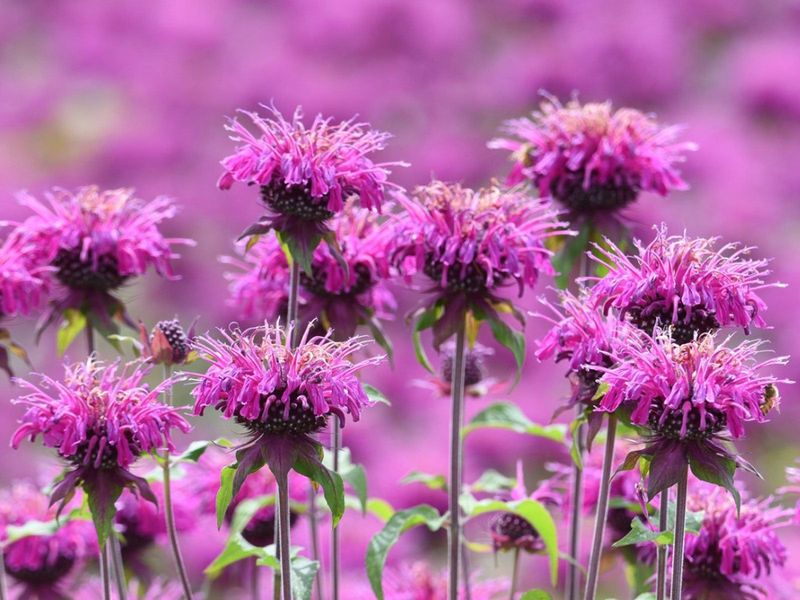
There is something almost electric about a Bee Balm plant in full bloom. The shaggy, firework-like flowers explode in shades of red, pink, and purple, and they draw in every pollinator in the neighborhood.
For Eastern Bluebirds in Pennsylvania, that means a non-stop insect buffet right outside your back door. Bee Balm earns its name honestly. Bees swarm it. Butterflies circle it. Even hummingbirds sneak in for a sip of nectar.
All of that activity stirs up beetles, flies, and other small insects in the surrounding soil and foliage, creating perfect hunting conditions for a bluebird scanning the garden from a fence post or tree branch nearby.
This native plant is well suited to Pennsylvania’s climate and grows naturally in moist meadows and woodland edges across the state. It does especially well in garden beds that get morning sun and afternoon shade.
Give it room to spread, because it will, and that is actually a good thing when you want maximum insect coverage.
Bee Balm blooms from June through August, filling in the midsummer gap when some other flowers have already faded. That timing lines up perfectly with the period when bluebird parents are working hardest to feed their growing chicks.
A generous planting of Bee Balm can genuinely support a bluebird family through its busiest weeks.
The fragrant leaves also add a lovely minty, citrusy scent to your Pennsylvania garden. It is one of those rare plants that smells wonderful, looks stunning, and does real work for local wildlife all at the same time.
4. Goldenrod
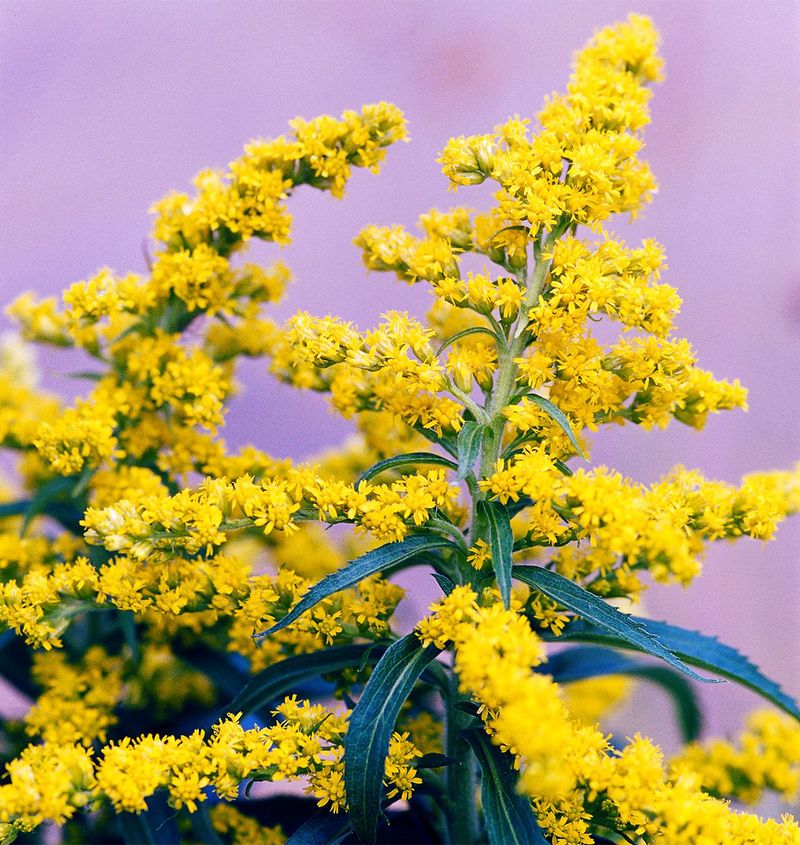
Goldenrod gets a bad reputation that it absolutely does not deserve. Many people blame it for fall allergies, but the real culprit is ragweed, which blooms at the same time.
Goldenrod’s heavy pollen is carried by insects, not the wind, so it will not make you sneeze. What it will do is transform your Pennsylvania garden into a wildlife hotspot.
Few native plants support as many insect species as Goldenrod. Scientists have documented well over 100 insect species visiting these golden plumes, from specialist bees to beetles to moths.
That kind of biodiversity is exactly what Eastern Bluebirds need, since insects make up a huge portion of their diet throughout the warmer months.
Goldenrod blooms in late summer and fall, which is a critical time for Pennsylvania wildlife. Most summer flowers have already finished by then, so Goldenrod steps in to fill the gap.
Bluebirds preparing for the cooler months ahead rely on insect-rich plants like this to keep their energy levels up.
Growing Goldenrod in Pennsylvania is almost effortless. It thrives in poor soils, tolerates drought, and spreads reliably each year.
Plant it along garden borders, in meadow-style beds, or at the edges of your yard where it can naturalize without taking over manicured spaces.
Clumping varieties like Solidago rugosa are great for smaller yards because they stay tidy. No matter which variety you choose, adding Goldenrod to your Pennsylvania garden is one of the most impactful things you can do for local birds and pollinators alike.
5. Wild Bergamot
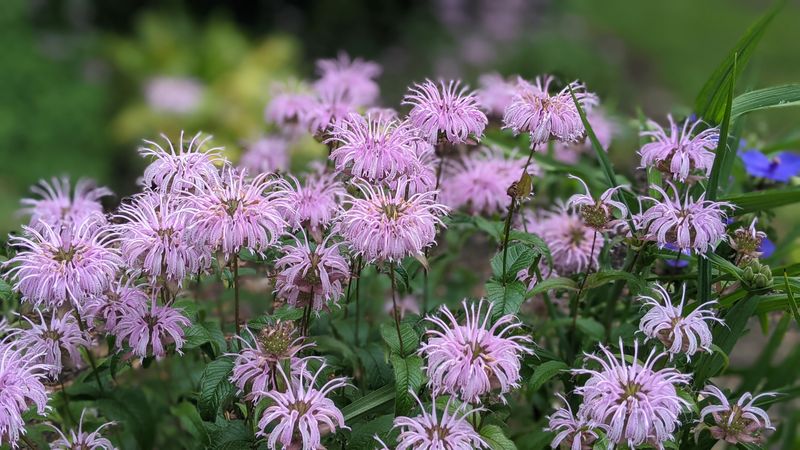
Wild Bergamot is the quieter, more easygoing cousin of the flashier Bee Balm, but do not let its subtle lavender blooms fool you. This native plant is a powerhouse for Pennsylvania pollinators and, by extension, a real draw for Eastern Bluebirds hunting nearby.
Native bees absolutely love Wild Bergamot. Bumblebees, sweat bees, and specialist Monarda bees all visit these flowers regularly throughout July and August.
That steady parade of pollinators also stirs up smaller insects in the surrounding soil and plant stems, giving bluebirds plenty of hunting opportunities just a few feet away from the blooms.
One reason Wild Bergamot works so well in Pennsylvania gardens is its adaptability. Unlike its close relative Bee Balm, Wild Bergamot actually prefers drier, well-drained soils and full sun.
It is perfectly suited to the sunny, open garden beds that bluebirds also tend to favor when they are foraging. Plant them together, and you create an ideal bluebird habitat zone.
Wild Bergamot grows naturally in Pennsylvania meadows, roadsides, and open woodlands, so it is completely at home in local gardens. It spreads slowly by rhizomes, gradually forming nice clumps that get more impressive each year.
Cutting plants back by half in late spring encourages bushier growth and even more blooms.
The dried seed heads also provide a small food source for birds in late fall, adding one more layer of value to this already impressive native plant.
If you want a low-fuss flower that genuinely supports your local Pennsylvania ecosystem, Wild Bergamot belongs in your garden.
6. New England Aster
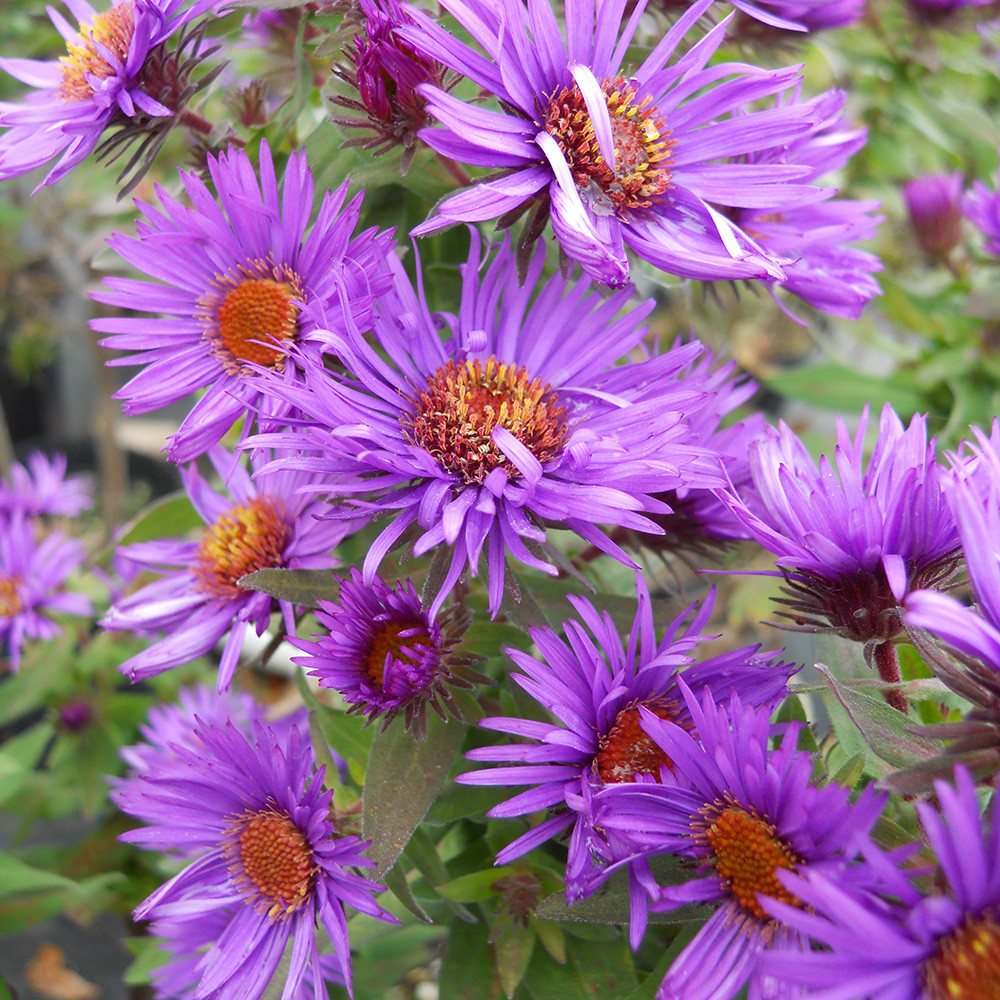
When most garden flowers have wrapped up for the year, New England Aster is just hitting its stride.
This stunning native plant bursts into bloom in September and October, painting Pennsylvania gardens in rich shades of purple, violet, and pink right when everything else is winding down. For Eastern Bluebirds, that late-season timing is incredibly valuable.
As autumn settles in across Pennsylvania, insect populations start to thin out. Bluebirds need to work harder to find food during this period.
New England Asters keep insect activity going longer than almost any other native flower, supporting bees, butterflies, and other small insects well into the cooler weeks of fall. That makes them a genuine lifeline for birds stocking up on energy.
Monarch butterflies migrating through Pennsylvania in October are especially drawn to New England Asters.
Watching monarchs and bluebirds share the same garden space on a crisp fall afternoon is one of the most rewarding experiences a Pennsylvania gardener can have.
These asters grow best in full sun and moist, well-drained soil. They can get quite tall, sometimes reaching four to six feet, so placing them toward the back of a garden bed keeps things looking tidy.
Pinching the stems back in June encourages more compact, bushy plants loaded with blooms.
New England Asters are also wonderfully long-lived perennials that come back stronger each year.
Once you plant them, they become a reliable autumn anchor for your Pennsylvania garden’s wildlife community, season after season without much extra effort from you.
7. Coreopsis
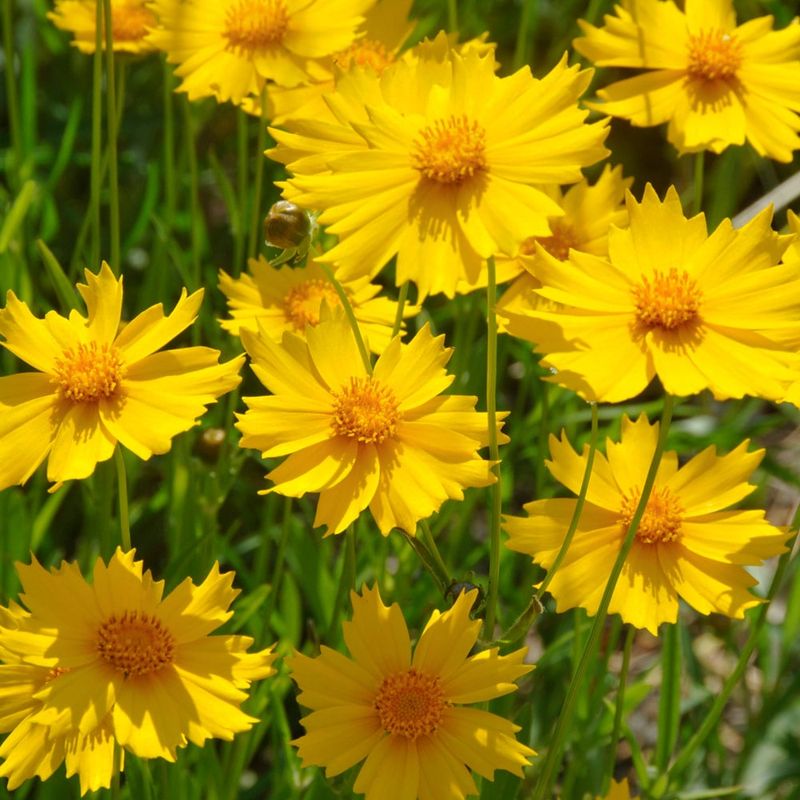
Sunny, bright, and almost impossible to neglect, Coreopsis is the kind of flower that makes a Pennsylvania garden look like it took much more effort than it actually did.
The cheerful yellow blooms pop against green foliage from late spring through midsummer, and they keep producing flowers for weeks on end with very little attention from the gardener.
For Eastern Bluebirds, the real value of Coreopsis lies in the insects it attracts. Native bees, hoverflies, and small beetles visit the flowers regularly, creating a lively insect scene that bluebirds find very hard to ignore.
Because Coreopsis grows low and open, foraging bluebirds can easily spot and chase down insects moving through the plant clusters.
Coreopsis lanceolata is native to open fields and roadsides across the eastern United States, including Pennsylvania, which means it is perfectly adapted to local growing conditions.
It handles dry spells better than many other native flowers and actually prefers lean, well-drained soil over rich, heavily amended beds. Less fertilizer means more natural, wildlife-friendly growth.
Deadheading spent blooms encourages even more flowers throughout the season, extending the insect activity that bluebirds depend on.
If you let some flowers go to seed at the end of summer, small songbirds will visit the seed heads too, adding another layer of wildlife value to this already generous plant. Coreopsis spreads gradually over time, slowly building into larger, more impactful clumps.
A few plants today become a bold, bird-friendly display within just a couple of growing seasons, making it one of the smartest investments you can make in your Pennsylvania garden.