4 Plants Michigan Gardeners Should Trim In March And 4 To Leave Alone
March in Michigan has a way of making gardeners restless. Snow begins to melt, the days grow longer, and the yard finally starts hinting that spring is on the way.
After months of winter, it is tempting to head outside with pruning shears and start cutting back anything that looks messy or overgrown. But early spring pruning can be trickier than it seems.
Across the Upper and Lower Peninsulas, many plants are already preparing their flower buds even while the weather still feels cold. Cutting them back too soon can remove the very blooms that would have brightened your yard in the weeks ahead.
Knowing which plants benefit from a March trim and which ones should be left alone is one of the most important spring gardening decisions.
With the right timing, Michigan gardeners can encourage healthier plants, fuller growth, and a far more colorful garden throughout the season.
1. Boxwood
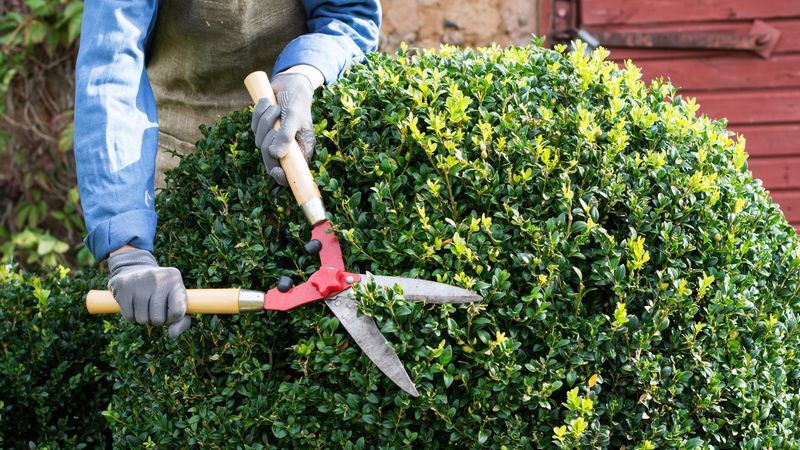
Boxwood is one of those reliable, year-round workhorses that Michigan gardeners love for its tidy, evergreen appearance. Even through harsh Michigan winters, these tough little shrubs hold their shape and keep gardens looking structured.
By the time March rolls around, a light trim can work wonders before the spring growth surge kicks in.
Removing just a small amount of the outer growth helps maintain those clean hedge lines and neat foundation plantings that many Michigan homeowners rely on for curb appeal. You do not need to go heavy with the shears.
A gentle cleanup pass around the outer surface is all it takes to keep boxwoods looking sharp and polished heading into the warmer months.
One helpful tip is to use clean, sharp shears so you get smooth cuts rather than ragged edges that can invite disease. Since boxwoods grow slowly, even a small trim makes a noticeable visual difference.
Trimming in March also gives the plant time to push fresh new growth that fills in beautifully by late spring.
Michigan gardeners in zones 4 through 6 will find that boxwoods respond really well to this early-season light maintenance, making them one of the easiest and most rewarding shrubs to manage throughout the year.
2. Arborvitae
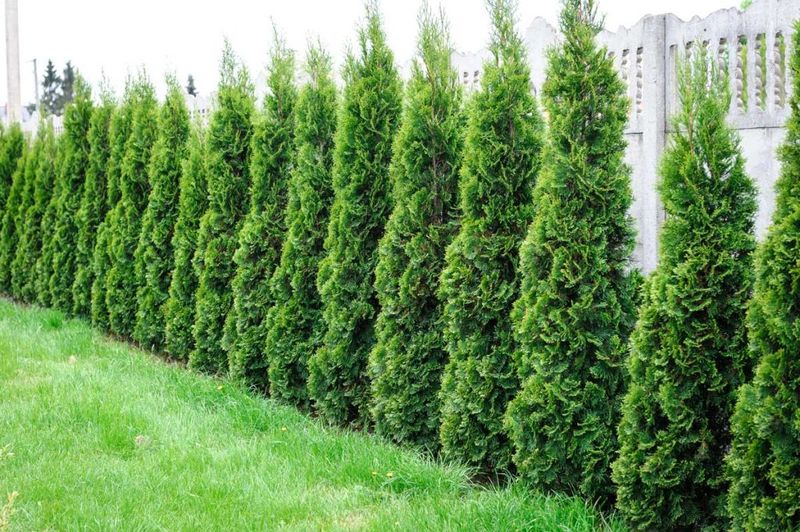
Few plants do more heavy lifting in a Michigan landscape than arborvitae. These tall, upright evergreens are a go-to choice for privacy screens, windbreaks, and natural borders across the state.
By March, they can start looking a little ragged after months of winter weather, and that is exactly when a light trim helps them bounce back beautifully.
The key with arborvitae is to trim only the outer tips of new growth rather than cutting back into the older, woody interior. Trimming too deep can leave bare patches that never fill back in, which is the last thing any Michigan gardener wants.
A gentle shaping pass along the outside keeps the plant looking dense, full, and uniform heading into the growing season.
Arborvitae are naturally fast growers, especially once warmer temperatures arrive, so a March trim gives you a head start on keeping them at the right size and shape before things get out of hand.
Your Michigan Garden Changes Every Week. Your Plan Should Too.
Gardening in Michigan changes quickly throughout the season. Every Friday you’ll receive a simple weekly plan showing exactly what to plant, prune, fertilize, harvest, and protect so you never miss the right timing.
In Michigan zones 4 through 6, these shrubs are incredibly hardy and tolerate early spring trimming without any stress.
Sharp, clean tools are always a must to avoid tearing the soft foliage. With just a little attention now, your arborvitae will reward you with a lush, full, and impressive display all the way through fall.
3. Privet Hedges
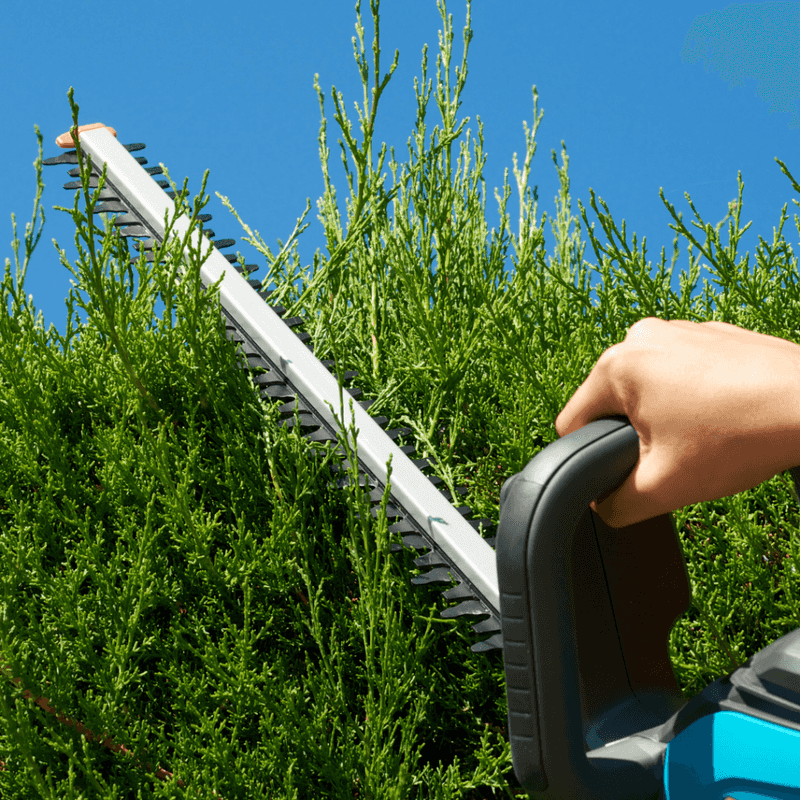
Privet hedges have a reputation for being some of the most forgiving and fast-growing shrubs you can plant in a Michigan yard. They respond to pruning with enthusiasm, pushing out fresh new growth almost immediately after a good trim.
That makes early March the perfect window to get them back under control before the spring growth explosion begins.
Trimming privet before strong new growth emerges helps you maintain a tight, uniform shape that looks intentional and polished.
Left untrimmed through spring, privet can get surprisingly unruly in a short amount of time, especially in the warmer parts of Michigan where growing conditions are favorable.
Getting ahead of that growth surge in March means far less work later in the season. One smart approach is to trim privet hedges to slightly narrower at the top than at the base.
This shape allows sunlight to reach the lower branches, keeping the entire hedge full and green rather than bare at the bottom. Privet is a tough plant that handles trimming well without any special aftercare.
Michigan gardeners who use privet for fencing or border definition will find that a March trim sets the tone for the entire growing season, keeping things neat and well-maintained with minimal effort from that point forward.
4. Yew
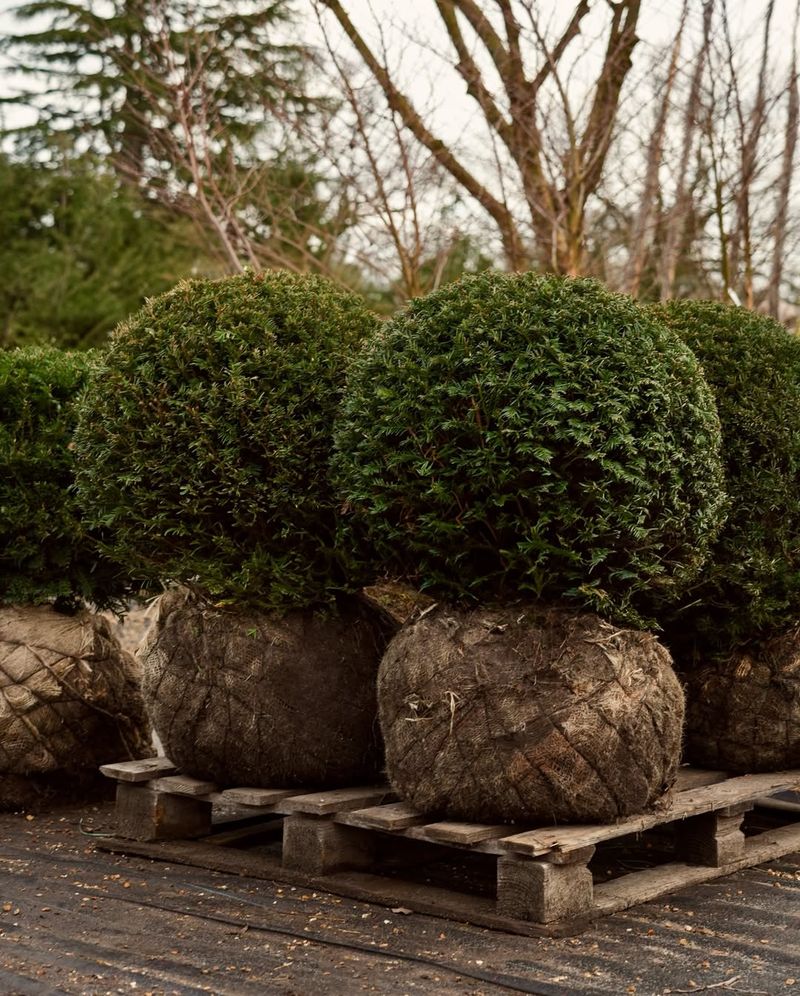
Yew shrubs are a classic fixture in Michigan landscapes, often used as foundation plantings, low hedges, or accent shrubs near entryways. They have a rich, deep green color that stays vibrant year-round, and they are remarkably tough in Michigan’s cold winters.
March is actually a great time to give them a light trim before new growth starts pushing out.
What makes yews so satisfying to trim is how well they respond to shaping. Removing a small amount of the outer growth encourages the shrub to produce dense, compact new growth that fills in any thin spots beautifully.
You want to stay on the outer layer and avoid cutting back into the older, darker interior wood, which is slower to recover and can leave noticeable gaps in the plant’s form.
Yews are known for their longevity, with some specimens living for decades in Michigan gardens.
Giving them consistent, light trimming each early spring is one of the best ways to keep them looking their best year after year. Their tolerance for pruning is actually one of their standout qualities as a landscape shrub.
Michigan gardeners in zones 4 through 6 will appreciate how low-maintenance yews really are once you get into a regular spring trimming routine that keeps their shape balanced and their growth dense.
5. Lilac
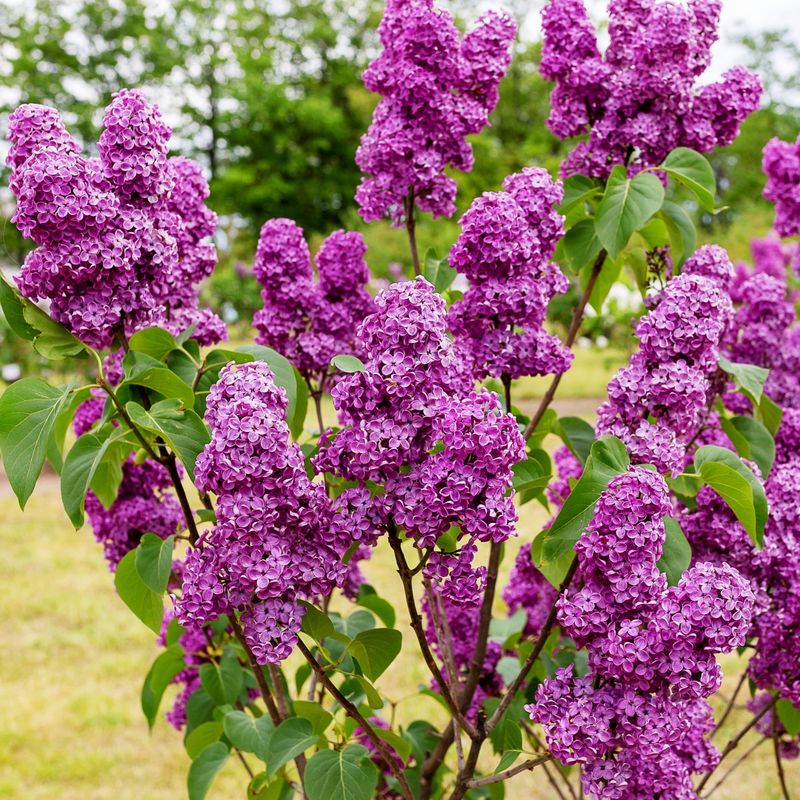
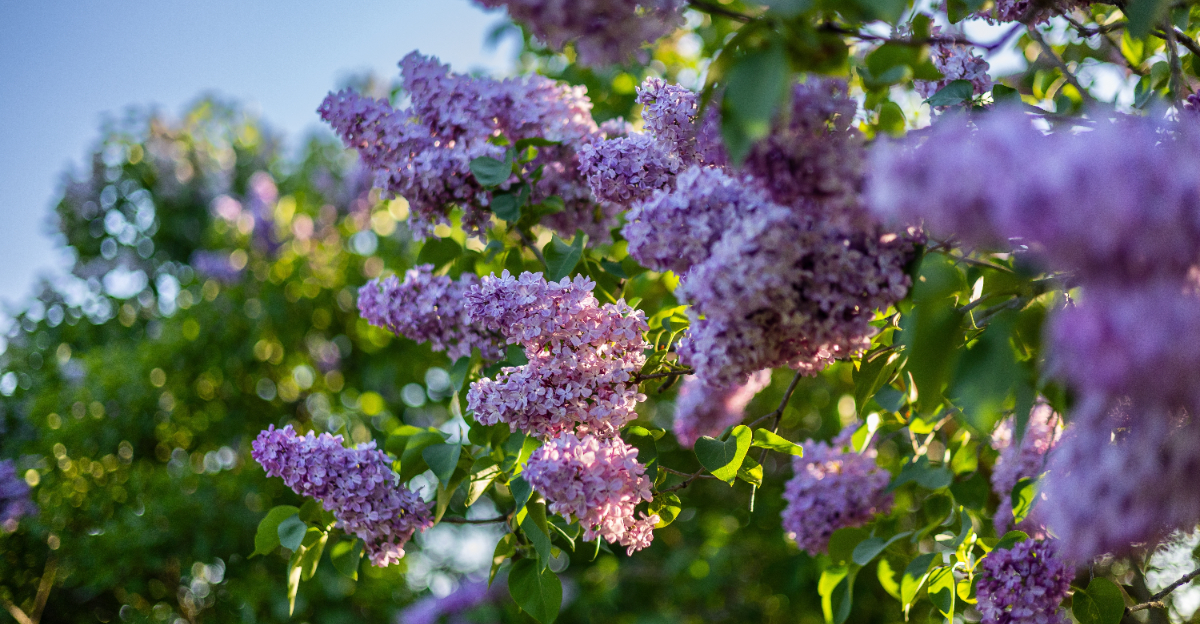
There is something almost magical about a lilac bush in full bloom in a Michigan garden. That wave of purple flowers and sweet fragrance in late spring is something gardeners wait all year to enjoy.
But here is the thing that surprises many people: trimming lilacs in March can actually take away all of those flowers before you ever get to see them.
Lilacs form their flower buds during the previous summer, which means those buds are already sitting on the branches right now in March, just waiting for warm weather to open up.
If you trim the branches before the plant blooms, you are removing the very buds that would have become this year’s flowers.
The result is a green, leafy shrub with no blooms, which is a real disappointment after a long Michigan winter.
The right time to trim lilacs is right after the flowers finish blooming in late spring, usually around May or early June in most parts of Michigan.
At that point, you can shape the plant, remove any crowded or crossing branches, and encourage fresh growth that will set next year’s flower buds over the summer.
Patience really pays off with lilacs. Waiting just a few weeks makes all the difference between a stunning floral display and a season with nothing to show for it.
6. Forsythia
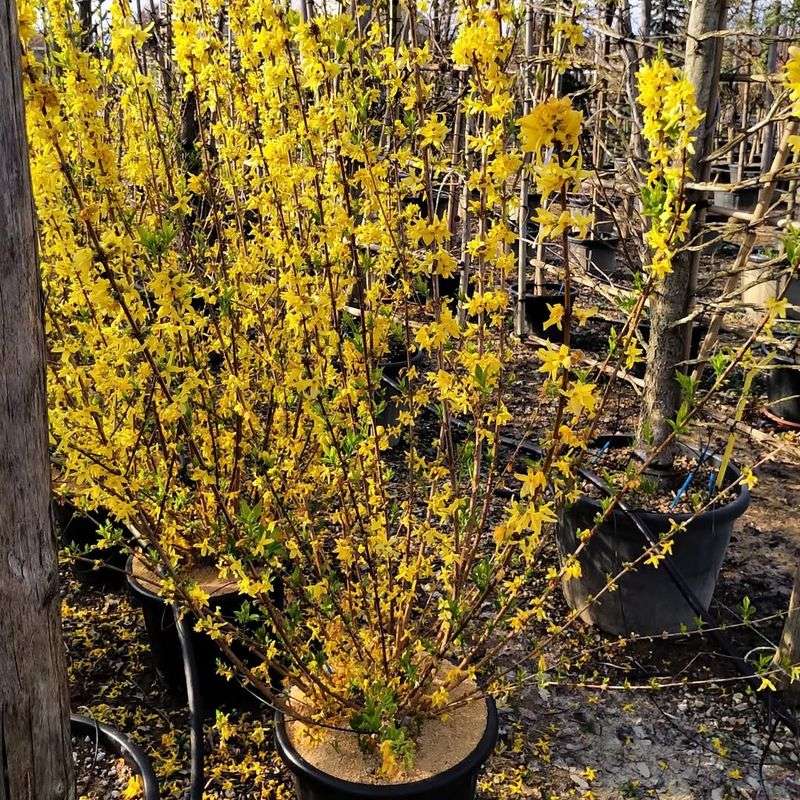
Forsythia is one of the most cheerful sights in a Michigan garden every spring. Those brilliant yellow flowers appear on bare branches before a single leaf shows up, signaling that warmer days are finally on the way.
Trimming forsythia in March, though, is a move that will leave your shrub looking bare and flowerless when it should be putting on its best show.
Just like lilacs, forsythia blooms on old wood, meaning the flower buds developed on last year’s growth. By March, those buds are already formed and ready to burst open as soon as temperatures climb a bit.
Cutting the branches now removes those buds completely, and you will lose the entire spring flower display for that year. It is an easy mistake to make, especially when the yard feels ready for a cleanup.
The best approach is to hold off on trimming forsythia until right after it finishes blooming, which usually happens in April across most of Michigan.
Once the flowers fade, you have a good window to shape the shrub, remove any old or tangled branches, and encourage healthy new growth.
That fresh growth will carry next spring’s flowers. Michigan gardeners who time their forsythia pruning correctly are always rewarded with a stunning yellow display that brightens up the yard at the very start of the gardening season.
7. Bigleaf Hydrangea
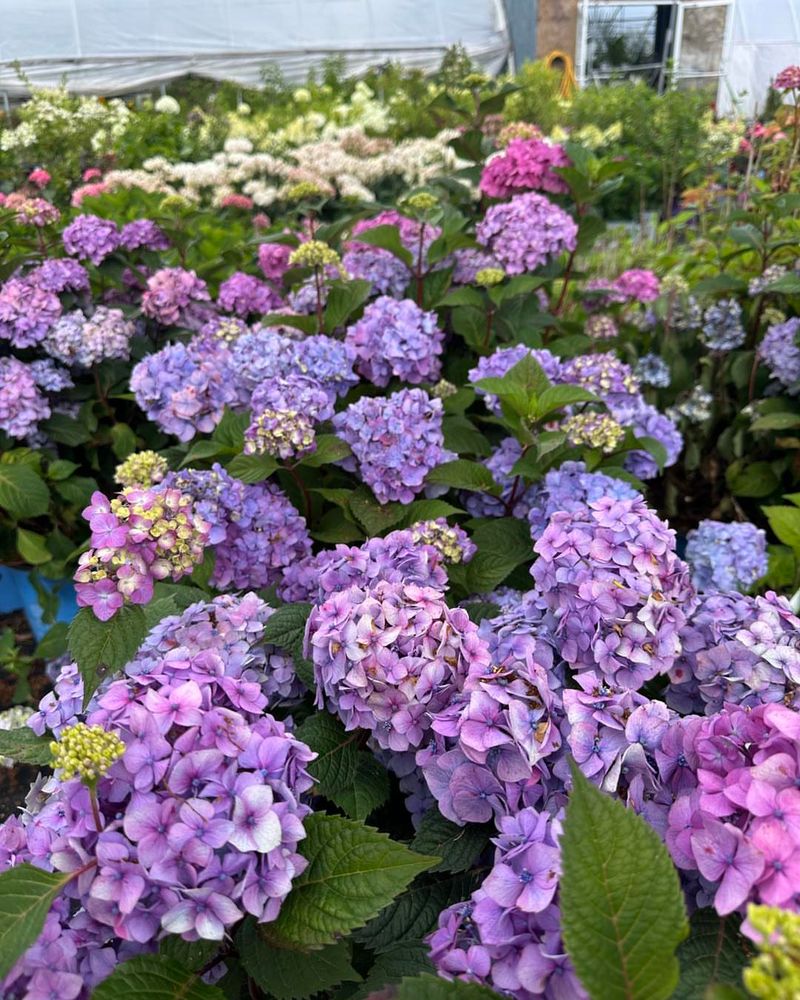
Bigleaf hydrangeas are showstoppers in Michigan gardens, producing those large, rounded flower heads in shades of pink, blue, and purple that look stunning all summer long. The color even changes based on the soil pH, which makes them endlessly fascinating to grow.
But trimming them in March is one of the most common mistakes Michigan gardeners make, and it can cost you the entire bloom season.
Many popular varieties of bigleaf hydrangea bloom on old wood, which means the flower buds for this coming season are already sitting on last year’s stems right now in March. Trimming those stems removes the buds before they ever get a chance to open.
You end up with a healthy green plant that produces no flowers at all, which is frustrating after waiting through a cold Michigan winter for something beautiful to happen.
The safest approach is to wait and see where new leaves emerge from the existing stems in spring. Once you can clearly see which stems are producing new growth and which are not, you can make careful, informed decisions about what to remove.
In most of Michigan, bigleaf hydrangeas appreciate protection from late frosts more than they need early pruning. Leaving them alone in March gives those precious flower buds the best possible chance to survive and produce a gorgeous bloom display come summer.
8. Azalea
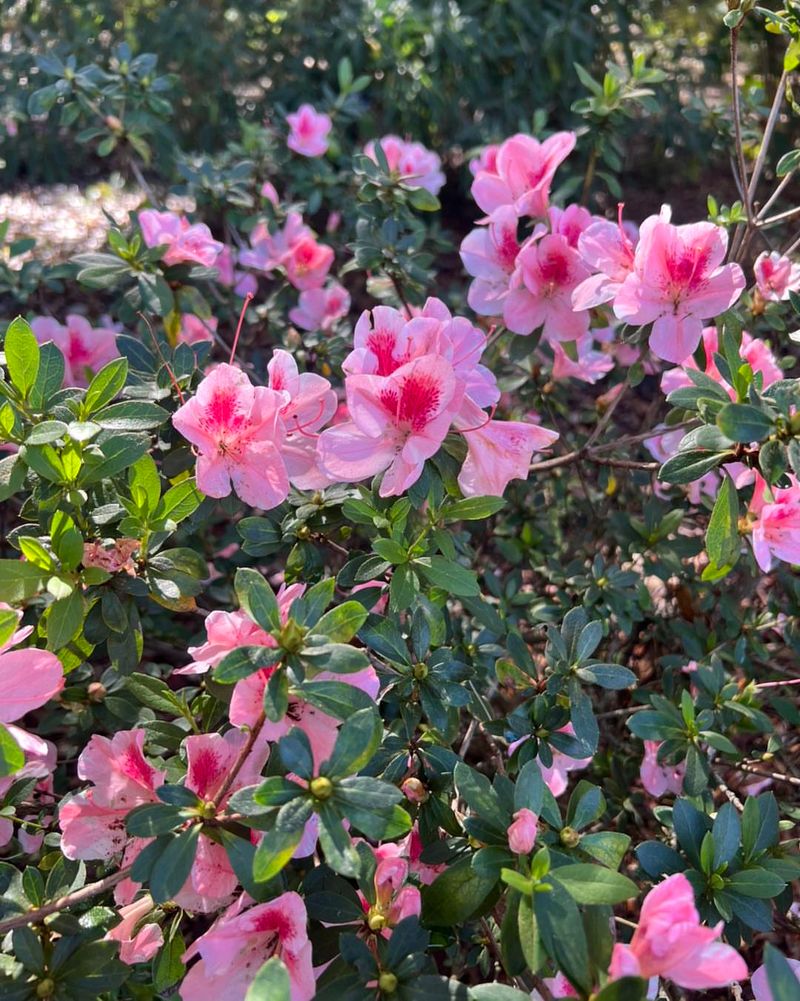
Azaleas are one of spring’s most spectacular garden plants, and Michigan gardeners who grow them know just how stunning that burst of color can be when the flowers open up in late spring.
Those blooms are worth protecting at all costs, which is exactly why March is the wrong time to reach for the pruning shears on your azalea bushes.
Azaleas set their flower buds during the previous growing season, typically in late summer and early fall. By the time March arrives in Michigan, those buds are already fully formed and sitting quietly on the branches, waiting for the right conditions to open.
Trimming now means cutting off the very buds that will become this year’s flowers, leaving you with a well-shaped but completely flowerless shrub for the entire spring season. Waiting until after the flowers fade in late spring is the right move for azaleas in Michigan.
That post-bloom window, usually sometime in May or June depending on your zone, gives you the ideal opportunity to shape the plant, remove any weak or crossing branches, and encourage strong new growth.
That fresh summer growth is what will carry next year’s flower buds. Azaleas are not difficult plants to manage, but timing really is everything.
Give them the space and time to bloom freely in March and April, and they will reward you with an absolutely breathtaking display year after year.