Trimming Vs Pruning In Michigan Gardens And How To Know What Your Plants Need
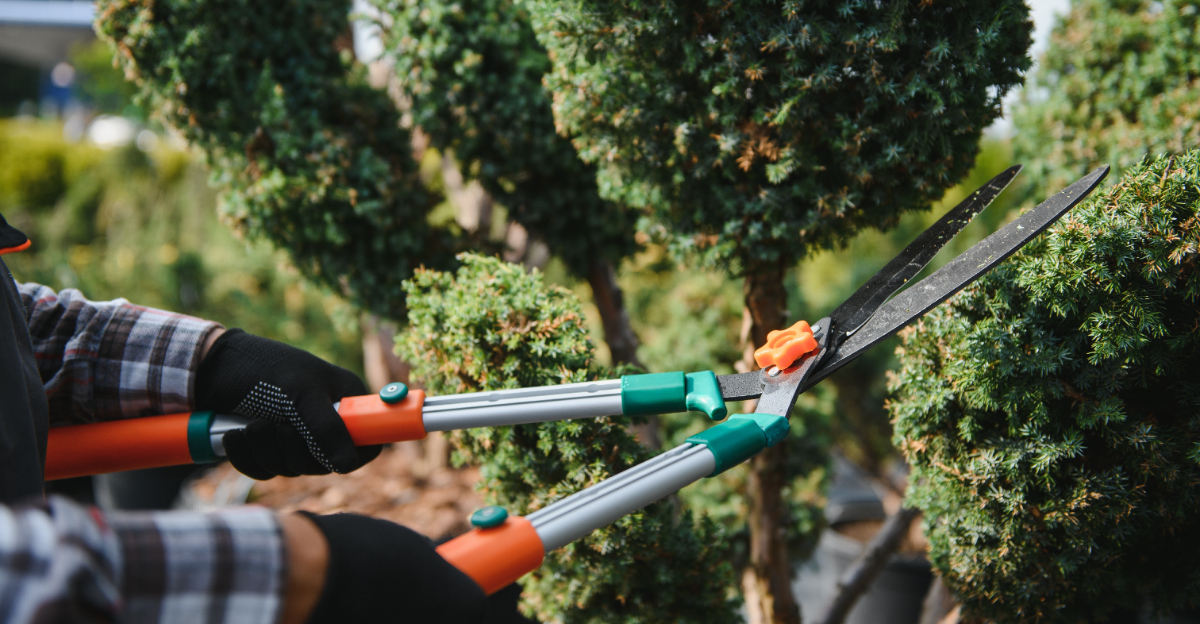
Many Michigan gardeners have stood in their yard with shears in hand, unsure whether to start trimming or make deeper cuts. It may seem like a small decision, but the choice can shape how a plant grows for the rest of the season.
What looks like simple maintenance can actually affect flowering, structure, and long term health. Across the Upper and Lower Peninsulas, trimming and pruning are often treated as the same task, but they serve very different roles.
One helps keep plants neat and controlled, while the other guides growth and improves strength over time. Using the wrong method at the wrong moment can hold plants back just when they should be thriving.
Understanding the difference gives you a real advantage. With the right approach, Michigan gardeners can encourage fuller growth, better blooms, and a landscape that stays strong through every season.
1. Trimming And Pruning Are Not The Same
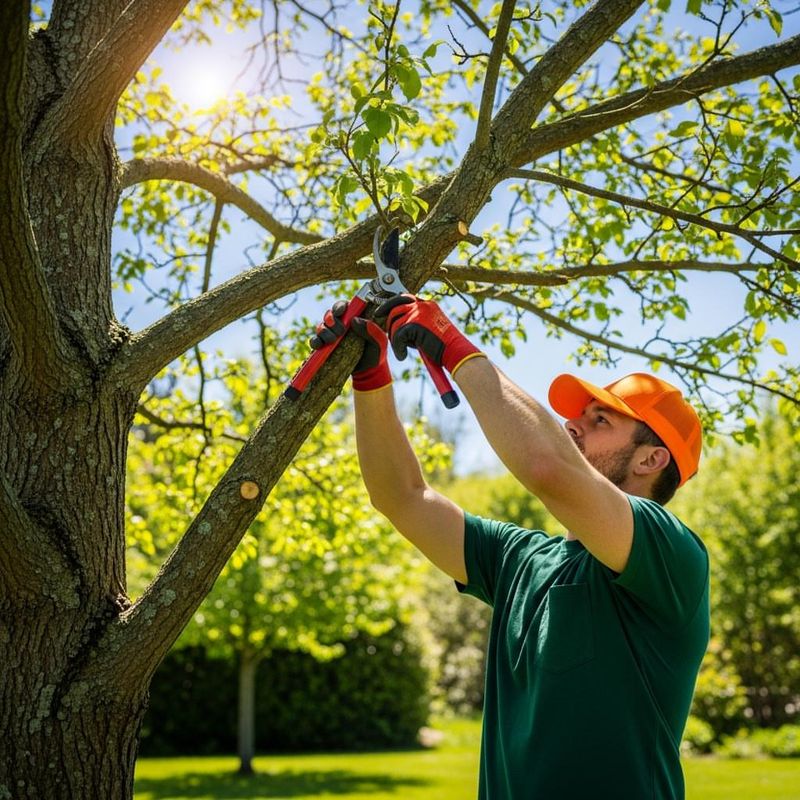
Grab your garden gloves, because this is one of the most useful things a Michigan gardener can learn. Trimming and pruning might look similar from the outside, but they serve completely different roles in your garden.
Trimming is about keeping plants looking neat, shaped, and the right size. Think of it like a haircut for your hedges.
Pruning, on the other hand, goes much deeper. It focuses on plant health by removing branches that are damaged, diseased, or simply not growing the way they should.
When you prune, you are making thoughtful cuts to help the plant grow stronger and produce better blooms or fruit.
In Michigan, where the seasons shift dramatically from icy winters to warm summers, knowing which method to use and when really matters. A plant that gets trimmed when it needed pruning may look fine on the outside but struggle on the inside.
The reverse is also true. Getting this right sets the foundation for every other gardening decision you make throughout the year.
Understanding the difference gives you real control over your garden’s health and beauty, season after season.
2. Early Spring Is A Key Pruning Window In Michigan
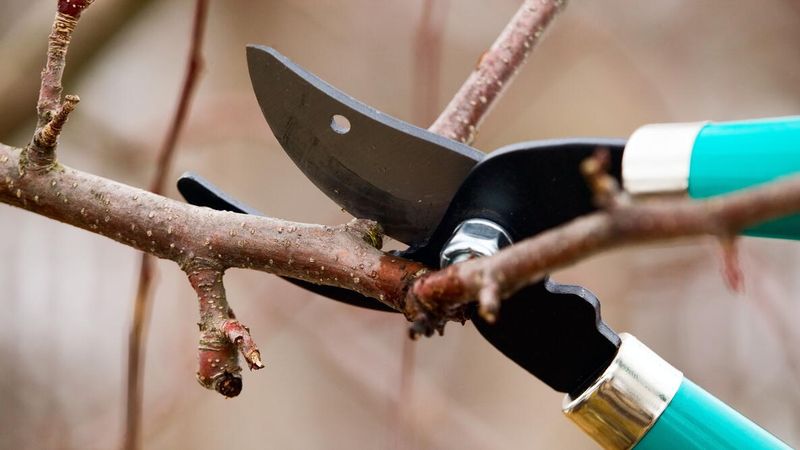
There is a short but powerful window every spring when pruning can do the most good for your Michigan garden. From March into early April in southern Michigan, and a bit later in northern parts of the state, many plants are still dormant but just about to wake up.
That is the sweet spot gardeners should aim for. Pruning just before active growth begins gives plants a real advantage. Fresh cuts heal faster during this period because the plant’s energy is about to surge upward into new growth.
Stress on the plant stays low, and the risk of pests or disease entering through cut wounds is much smaller in cool early spring air.
Hydrangea paniculata, commonly called Panicle Hydrangea, is a great example of a plant that loves early spring pruning. Spiraea japonica, or Japanese Spirea, is another one that rewards you with fuller growth and brighter blooms when cut back during this window.
Your Michigan Garden Changes Every Week. Your Plan Should Too.
Gardening in Michigan changes quickly throughout the season. Every Friday you’ll receive a simple weekly plan showing exactly what to plant, prune, fertilize, harvest, and protect so you never miss the right timing.
Both of these popular Michigan garden plants bloom on new wood, meaning the flowers come from growth that happens after pruning.
Cutting them back in early spring sets them up for a spectacular summer show. Mark your calendar, because this short window makes a big difference all season long.
3. Plants That Bloom On New Wood Should Be Pruned In Early Spring
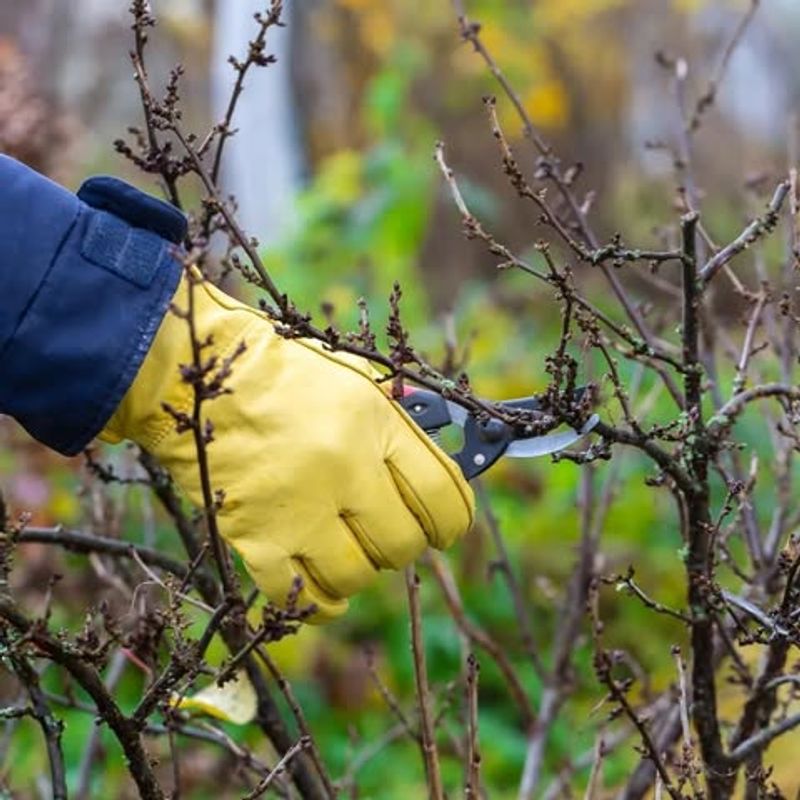
Some shrubs are total overachievers when it comes to blooming, and they do it all on brand-new growth. These plants, known as new wood bloomers, push out fresh stems every spring and then flower on those same stems later in the season.
Pruning them in early spring is not just helpful, it is actually the key to getting the best blooms possible.
When you cut these shrubs back before growth really kicks off, the plant responds by sending up strong, vigorous new stems. More stems mean more flower buds, and more flower buds mean a showier garden all summer long.
Skip the pruning, and you may end up with weak, leggy growth and far fewer flowers. Hydrangea arborescens, known as Smooth Hydrangea, is one of Michigan’s most beloved garden shrubs and a perfect example of a new wood bloomer.
Its big, round flower clusters look stunning from midsummer through fall. Hibiscus syriacus, or Rose of Sharon, is another fantastic choice for Michigan gardens that blooms on new wood each year.
Both plants handle early spring pruning beautifully and bounce back with impressive energy. If you are growing either of these in your yard, get out your pruners before those first green shoots appear for the best results.
4. Plants That Bloom On Old Wood Should Not Be Pruned In Early Spring
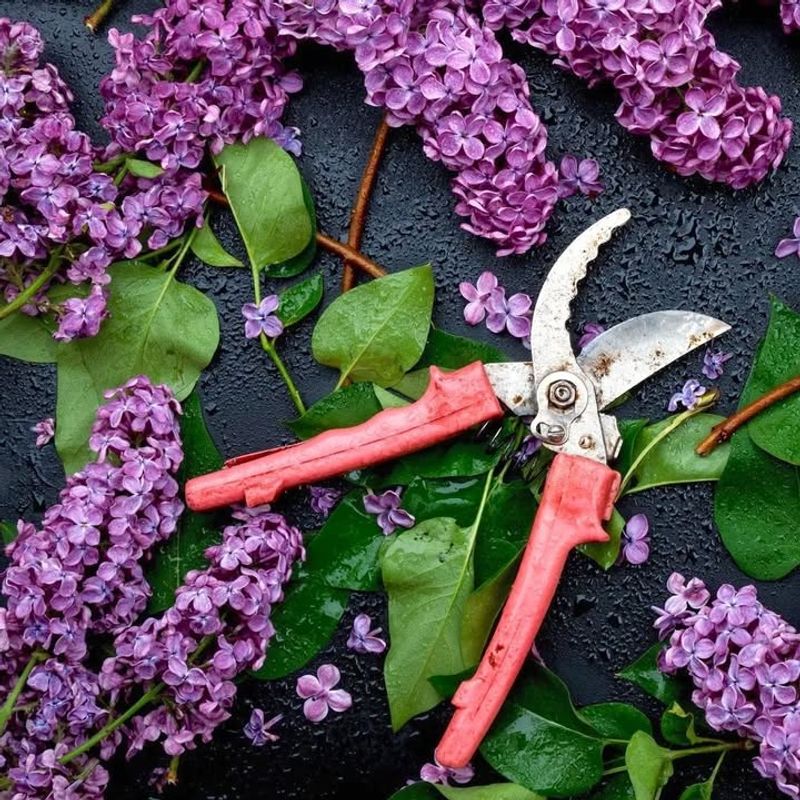
Here is a mistake that catches even experienced gardeners off guard every single year. Some plants store next season’s flower buds on branches that grew the previous year.
These are called old wood bloomers, and if you prune them in early spring, you are cutting off the very buds that were going to become this year’s flowers.
It feels counterintuitive at first. The plant looks like it needs a trim before the growing season starts, but reaching for those pruners too early means a season without blooms.
The plant itself will be fine, but your garden will miss out on the color and fragrance you were counting on.
Syringa vulgaris, the classic Lilac, is one of the most popular old wood bloomers grown across Michigan. Its gorgeous purple and white flower clusters form on the previous year’s wood, making early spring pruning a bloom-stealing mistake.
Forsythia x intermedia, the cheerful yellow Forsythia that lights up Michigan yards every April, works the same way. The right time to prune both of these plants is right after they finish flowering in late spring.
Give them a few weeks to enjoy their blooms, then make your cuts. You will protect next year’s flower buds while still keeping the shrubs healthy and well-shaped for the rest of the season.
5. Trimming Is Best For Hedges And Evergreens
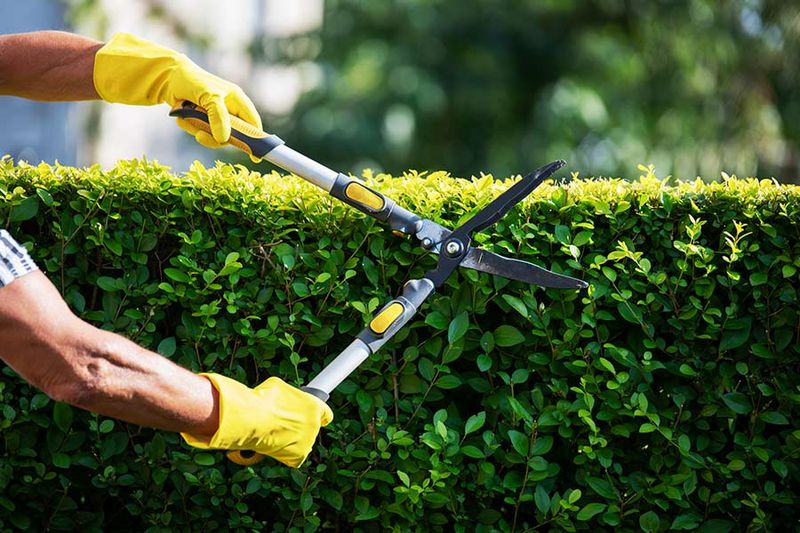
Walk through almost any Michigan neighborhood and you will spot perfectly shaped hedges lining driveways and fences. That crisp, clean look does not happen by accident.
Regular trimming is what keeps those plants looking sharp, and it works especially well for evergreen shrubs that hold their foliage all year long.
Buxus sempervirens, commonly called Boxwood, is one of the most trimmed plants in Michigan gardens. It responds beautifully to light, frequent trims that keep its dense, rounded shape intact.
Thuja occidentalis, or Arborvitae, is another evergreen staple in Michigan yards that benefits from careful trimming along its sides to maintain a tidy, upright form.
Timing matters even for trimming. Late spring or early summer, right after new growth has flushed out, is the ideal window for shaping these plants.
The new growth is soft and easy to cut, and the plant has enough season left to fill in any gaps. One thing to avoid is heavy trimming in late fall before Michigan winters set in.
Fresh cuts made too late in the season can leave plants vulnerable to cold damage. Keep trims light and timely, and your hedges and evergreens will stay full, green, and beautifully shaped from one Michigan season to the next.
6. Remove Damaged Or Winter-Injured Wood As Soon As You See It
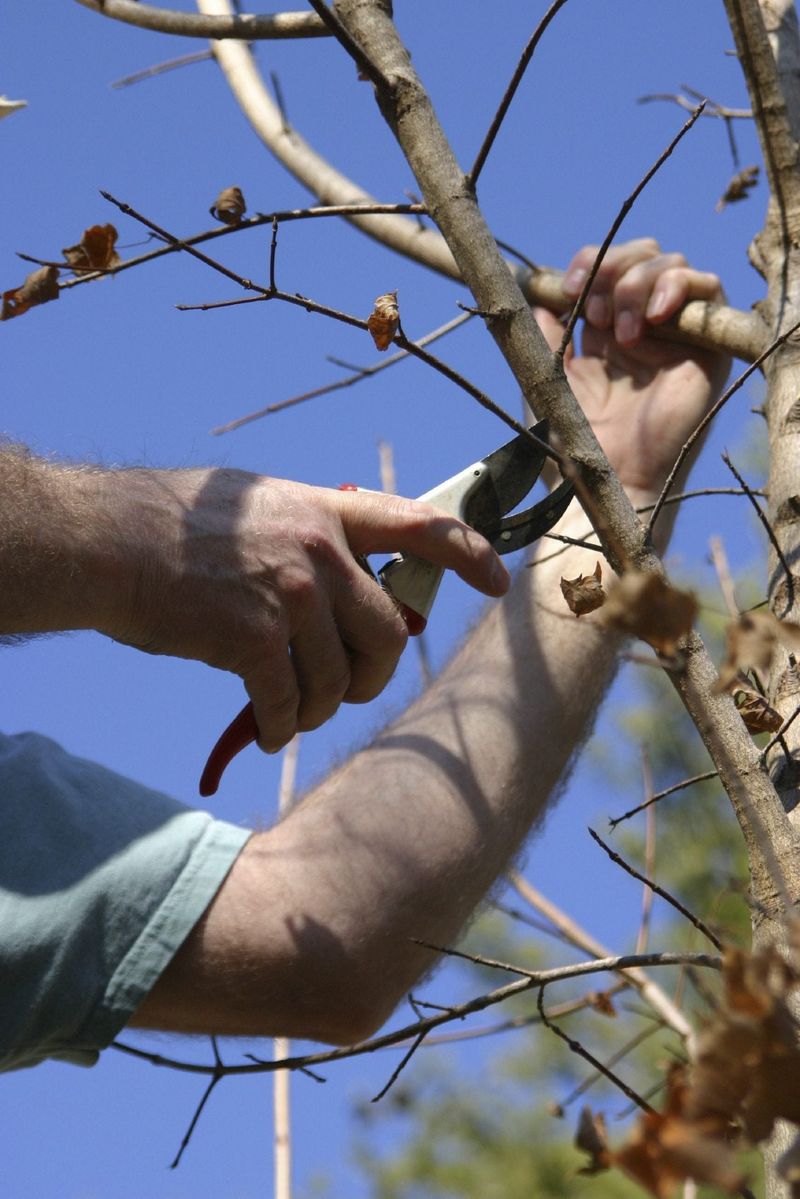
Michigan winters are no joke. The repeated freeze and thaw cycles that happen between December and March can really take a toll on garden plants, leaving behind branches that are cracked, discolored, or simply no longer alive.
Spotting and removing this damaged wood as soon as spring arrives is one of the smartest things you can do for your garden.
When you leave injured branches in place, they become entry points for fungal disease and pests. Pathogens love soft, compromised wood, and they can spread from one branch into the healthy core of the plant if you are not careful.
Getting those damaged sections out early stops problems before they have a chance to grow.
When making cuts, always trim back to healthy, firm wood. You will notice a clear difference in color and texture between damaged and healthy tissue once you make the cut.
It is also a smart habit to wipe down your pruning tools with a disinfectant solution between plants, especially when cutting away sections that look diseased.
This simple step keeps you from accidentally spreading pathogens from one plant to another across your Michigan garden.
A clean cut and a clean tool go a long way toward giving your plants the healthy start they deserve every spring season.
7. Over-Pruning Can Harm Plants In Michigan’s Climate
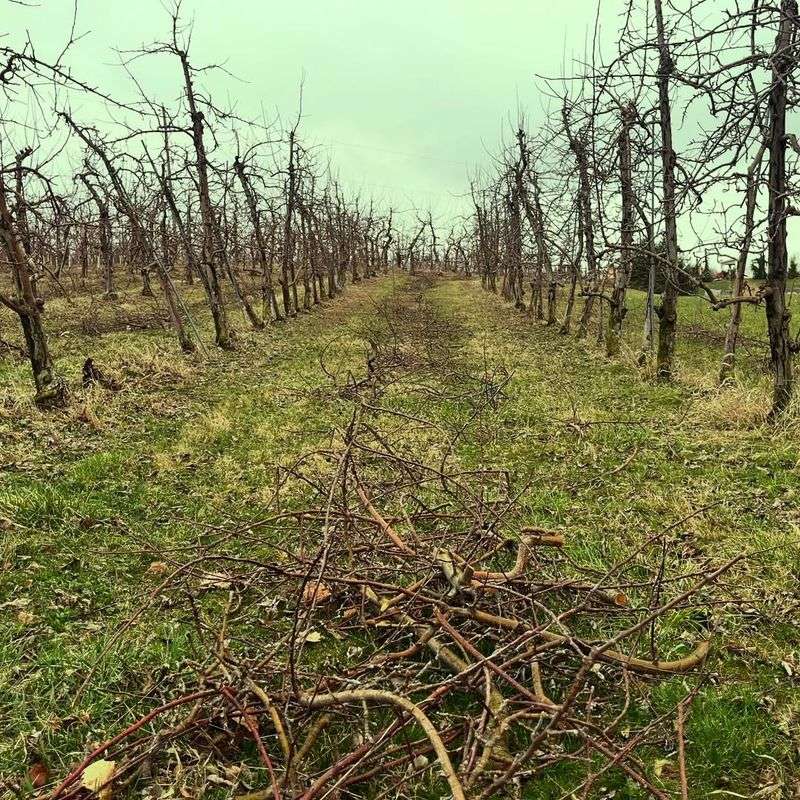
More is not always better when it comes to pruning, and Michigan gardens are a perfect place to see why. The growing season here is shorter than in warmer states, which means plants have less time to recover from stress.
Removing too much growth at once can leave a plant struggling to bounce back before the cold returns.
Every leaf on a plant is a tiny solar panel, capturing sunlight and turning it into the energy the plant needs to grow, flower, and stay healthy. When you remove too many branches at once, you reduce that energy-making capacity significantly.
A heavily over-pruned plant may spend the entire season just trying to recover rather than putting energy into new growth or blooms.
The widely recommended rule among horticulturists is to never remove more than one-third of a plant’s total growth in a single pruning session. This guideline applies to most shrubs and many trees grown across Michigan.
It keeps the plant balanced, maintains enough foliage for healthy photosynthesis, and gives the plant room to respond positively to the cuts you have made. If a plant really needs major reshaping, spread the work over two or three seasons rather than doing it all at once.
Your plants will thank you with stronger growth, better blooms, and a much healthier overall appearance year after year.
8. Timing Matters More Than Technique For Flowering Success
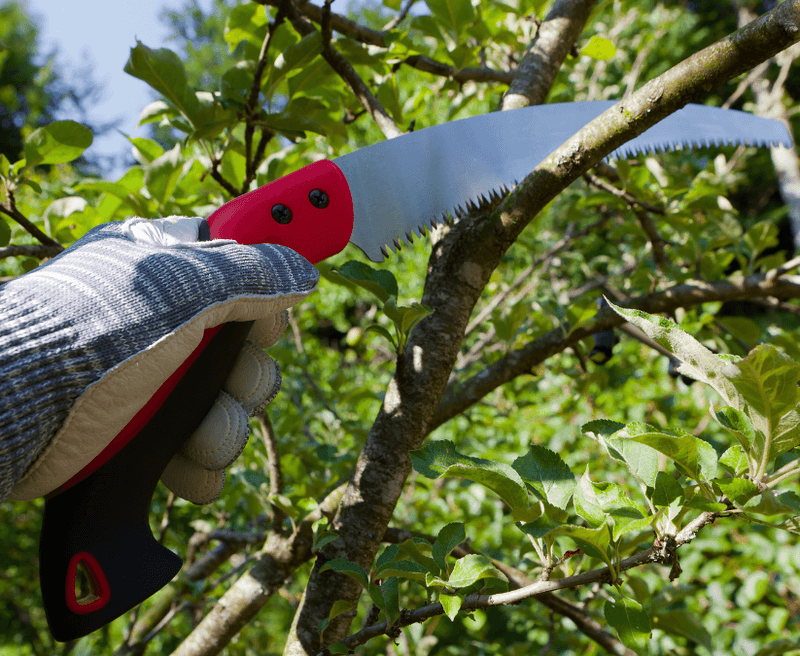
You could have the sharpest pruners in Michigan, make perfectly angled cuts, and follow every technique tip in the book, but if you prune at the wrong time, your flowering shrubs may not bloom at all that season.
Timing is genuinely the most important factor when it comes to getting beautiful flowers from your garden plants.
The reason timing matters so much comes back to how plants form their flower buds. Some set buds on the current season’s new growth, while others form buds on branches that grew the previous year.
Pruning at the wrong moment removes those buds entirely, and no amount of good technique can bring them back once they are gone.
Before you make a single cut on any flowering shrub in your Michigan garden, take a moment to figure out whether it blooms on old wood or new wood. That one piece of information tells you everything you need to know about when to prune.
Resources from Michigan State University Extension are a great starting point for identifying your specific plants and their bloom habits.
Getting the timing right is far more valuable than any fancy cutting technique, and it is the single biggest factor that separates a garden full of blooms from one that leaves you wondering what went wrong every summer.
9. Fruit Trees Require True Pruning, Not Just Trimming
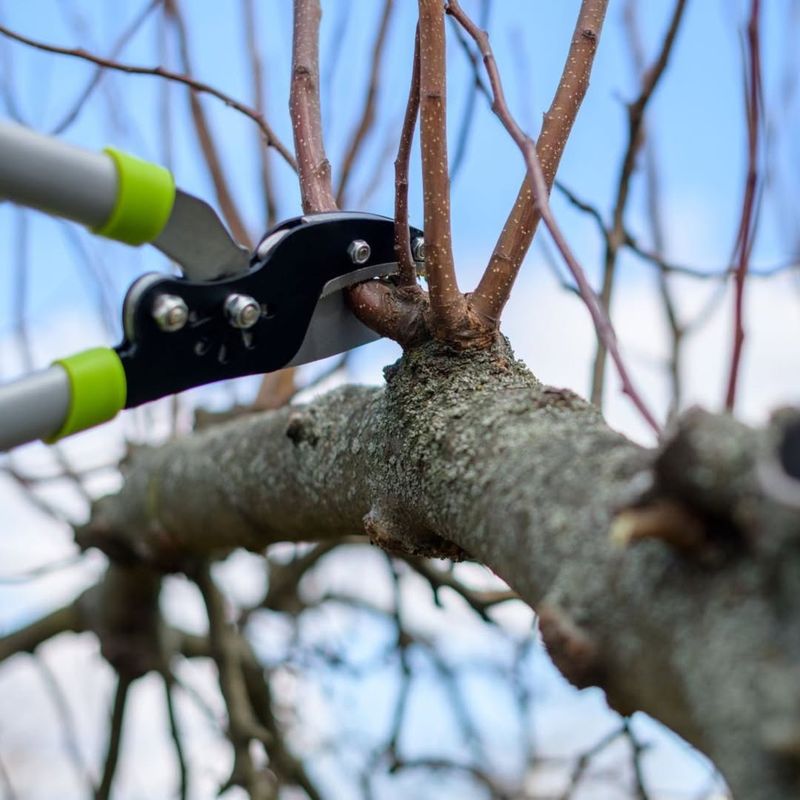
Fruit trees are a different kind of commitment compared to ornamental shrubs, and they need a different kind of care. Simply trimming an apple tree to keep it looking tidy is not enough.
Real, structural pruning is what actually helps a fruit tree produce a healthy, abundant harvest year after year in Michigan’s climate.
Malus domestica, the common Apple Tree, is one of the most popular fruit trees grown in Michigan and a great example of why proper pruning matters so much.
When you remove crossing branches, water sprouts, and crowded growth, you open up the tree’s canopy to better airflow and sunlight.
More light reaching the inner branches means better fruit development and fewer fungal disease problems, which are common in Michigan’s humid summers.
The best time to prune fruit trees in Michigan is in late winter to early spring, just before the buds begin to swell and break open. At this point the tree is still dormant, so it handles the pruning stress well and heals efficiently as warmer weather arrives.
Waiting too long into spring means the tree has already invested energy into early growth, making recovery harder.
Starting with the right pruning approach when your fruit trees are young also sets up a strong framework that makes future seasons much easier to manage across your Michigan property.
10. Always Match The Method To The Plant Type
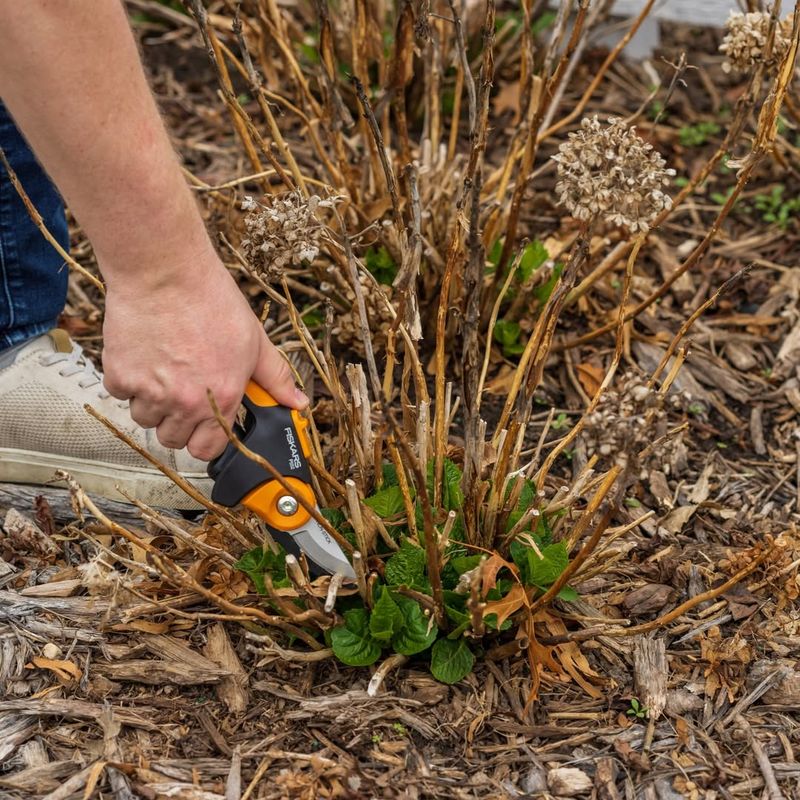
Not every plant in your Michigan garden wants the same kind of attention, and treating them all the same way is one of the most common mistakes gardeners make.
The key to a thriving garden is matching your method, whether trimming or pruning, to the specific plant you are working with and what that plant actually needs to grow well.
Formal hedges like Boxwood are made for trimming. Regular, light cuts keep their shape tight and their foliage dense, which is exactly what you want from a structured hedge along a walkway or fence.
Flowering shrubs like Lilac or Panicle Hydrangea are a completely different story. They need thoughtful pruning at the right time of year to support their health and encourage strong blooms season after season.
Before you pick up any tool in your Michigan garden, spend a few minutes identifying the plant species and understanding its natural growth habits. Is it a fast grower or slow?
Does it bloom on old wood or new? Is it evergreen or deciduous? These questions guide every decision you make. A quick search or a visit to a local Michigan nursery can give you the specific information you need for each plant in your yard.
Taking that small extra step before making cuts means healthier plants, better blooms, and a garden that keeps getting more beautiful every single year.