The 10 Best Native Trees To Plant In A Michigan Backyard
Some of the strongest, most beautiful trees you can grow in a Michigan yard are the ones that have been here all along.
Native trees are built for the state’s changing seasons, from cold winters to warm summers, which means they settle in quickly and grow with far less effort than many imported species.
Across the Upper and Lower Peninsulas, these trees do more than provide shade. They support birds, pollinators, and local wildlife that help keep your yard active and full of life.
Over time, they create a landscape that feels natural, balanced, and well suited to Michigan’s environment. Choosing native trees is one of the simplest ways to build a yard that thrives year after year.
Whether you have space for a large shade tree or just room for something smaller, the right Michigan native can transform your outdoor space in a lasting way.
1. Sugar Maple
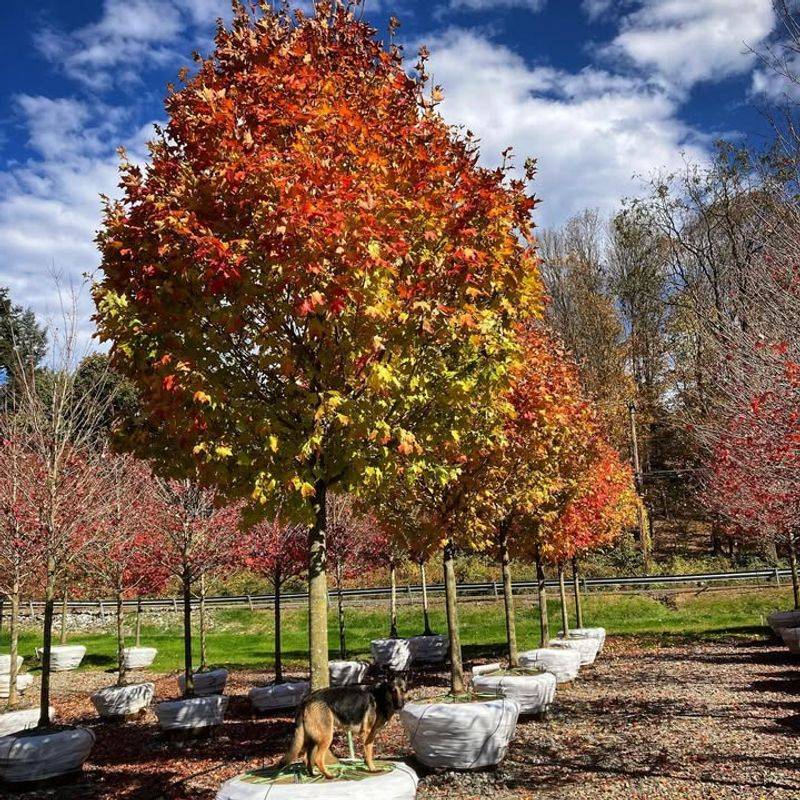
Few trees put on a fall show quite like the Sugar Maple. Known scientifically as Acer saccharum, this iconic Michigan native turns backyards into fiery masterpieces of orange, red, and gold every autumn.
It is native statewide, making it an ideal choice no matter where you live in Michigan. Sugar Maples grow best in well-drained, slightly acidic soil and do wonderfully in full sun to partial shade.
They can eventually reach 60 to 75 feet tall with a broad, rounded canopy, so giving them plenty of room to spread is important. The dense shade they provide is a huge bonus on hot Michigan summers.
Beyond beauty, Sugar Maples are also the source of maple syrup, which makes them a fun and practical addition to any backyard.
These trees are long-lived, often thriving for well over 200 years when planted in the right conditions. Young trees grow at a moderate pace, typically adding one to two feet per year.
Planting one in your Michigan yard means investing in something that will outlast generations. Make sure to water young trees regularly during dry spells to help them get established.
Once rooted in, they are remarkably self-sufficient and reward you with stunning seasonal color year after year without much fuss at all.
2. Red Maple
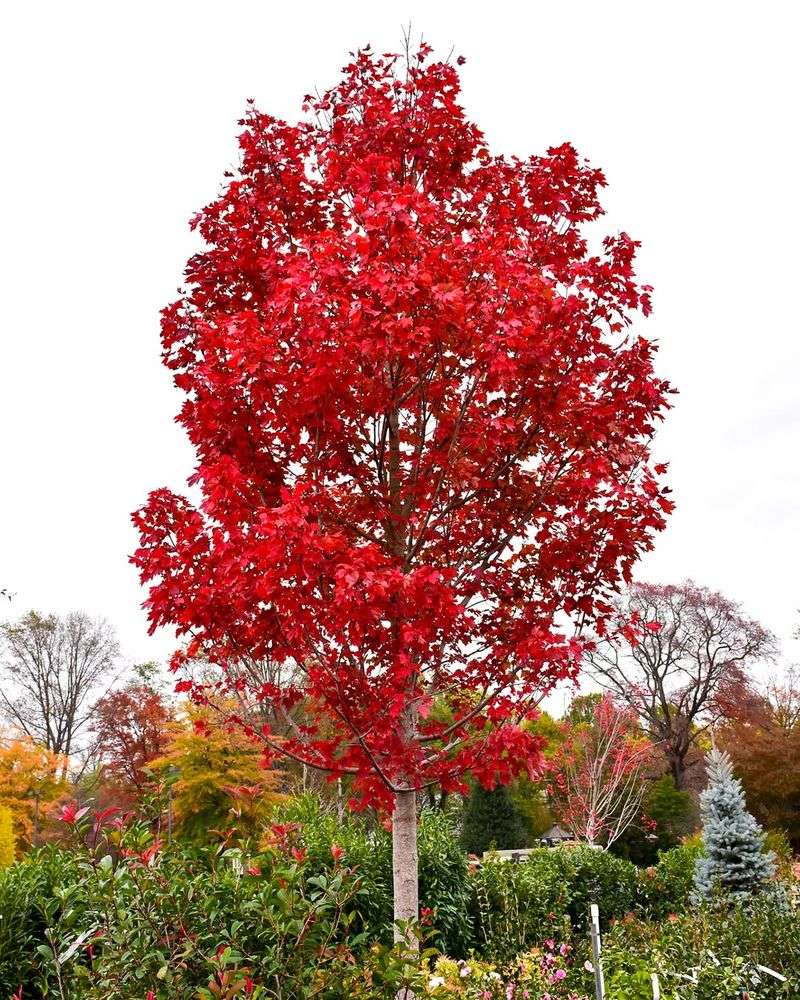
Walk through almost any Michigan neighborhood in early spring and you will likely spot a Red Maple already bursting with tiny red flowers before most other trees have even woken up.
Acer rubrum is one of the first trees to signal the end of winter, and that alone makes it a crowd favorite among Michigan homeowners. What really sets this tree apart is its incredible adaptability.
Red Maples tolerate wet soils, clay soils, and average garden conditions with equal ease, making them one of the most versatile native trees you can plant anywhere in Michigan.
They grow at a faster rate than many other native trees, often adding two or more feet per year. In autumn, the foliage shifts into a reliable, rich red that lights up the yard beautifully.
The tree typically reaches 40 to 60 feet at full maturity, providing generous shade throughout the warmer months. Planting in full sun produces the best fall color and the strongest overall growth.
Your Michigan Garden Changes Every Week. Your Plan Should Too.
Gardening in Michigan changes quickly throughout the season. Every Friday you’ll receive a simple weekly plan showing exactly what to plant, prune, fertilize, harvest, and protect so you never miss the right timing.
Red Maples also support pollinators in spring when food sources are still scarce, making them an ecologically valuable choice for your Michigan landscape.
They work well near low-lying or wetter areas of your yard where other trees might struggle to thrive.
Once established, they require very little attention and keep delivering season after season.
3. White Oak
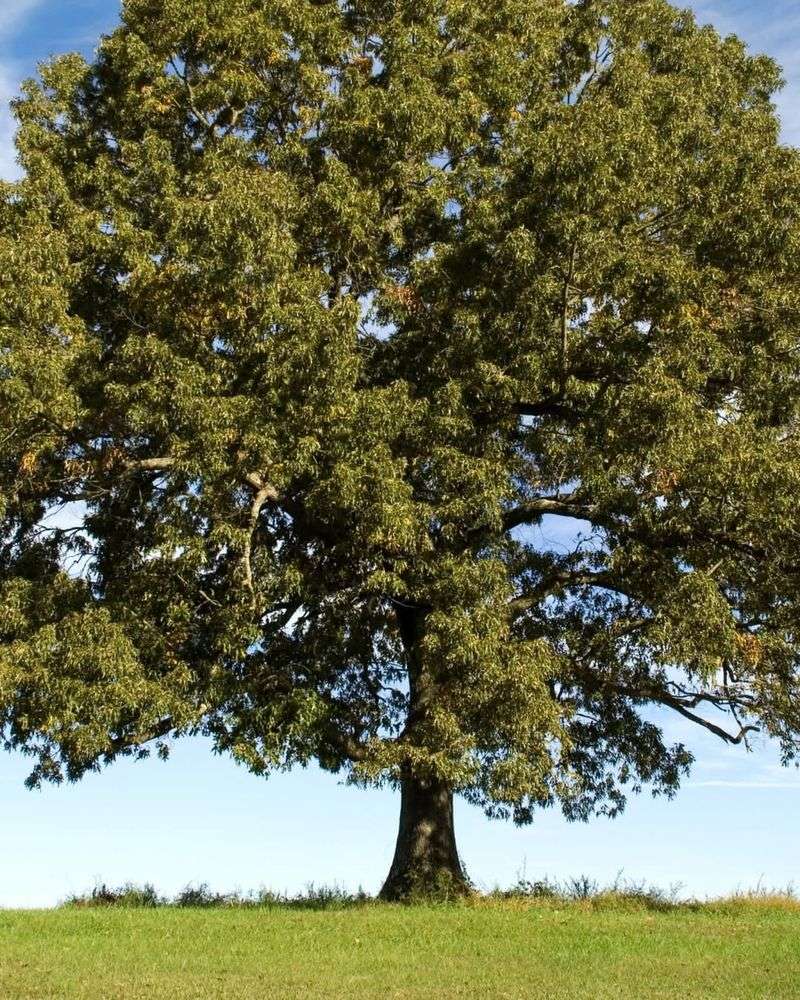
Some trees are built for the long haul, and the White Oak is absolutely one of them. Quercus alba is a tree that takes its time growing, but what it produces over the decades is nothing short of extraordinary.
In Michigan, it is celebrated as one of the finest native trees for homeowners who think ahead.
White Oaks grow best in full sun with well-drained soil, and they develop a broad, majestic canopy that can spread 50 to 80 feet wide at full maturity.
The tree itself can reach similar heights, creating a truly impressive presence in any Michigan backyard.
Its strength and structural integrity are remarkable, with thick limbs that hold up beautifully through harsh winters. Wildlife absolutely love White Oaks.
The acorns they produce are a critical food source for squirrels, deer, wild turkeys, and over 100 species of birds.
Planting one is like opening a wildlife sanctuary right in your own yard, which is a rewarding experience for the whole family.
White Oaks also support hundreds of caterpillar species, which in turn feed nesting songbirds throughout Michigan. The leaves turn deep burgundy and russet tones in fall, adding seasonal interest.
Though growth is slow at first, young trees become more vigorous once established and grow steadily for many productive years ahead.
4. Bur Oak
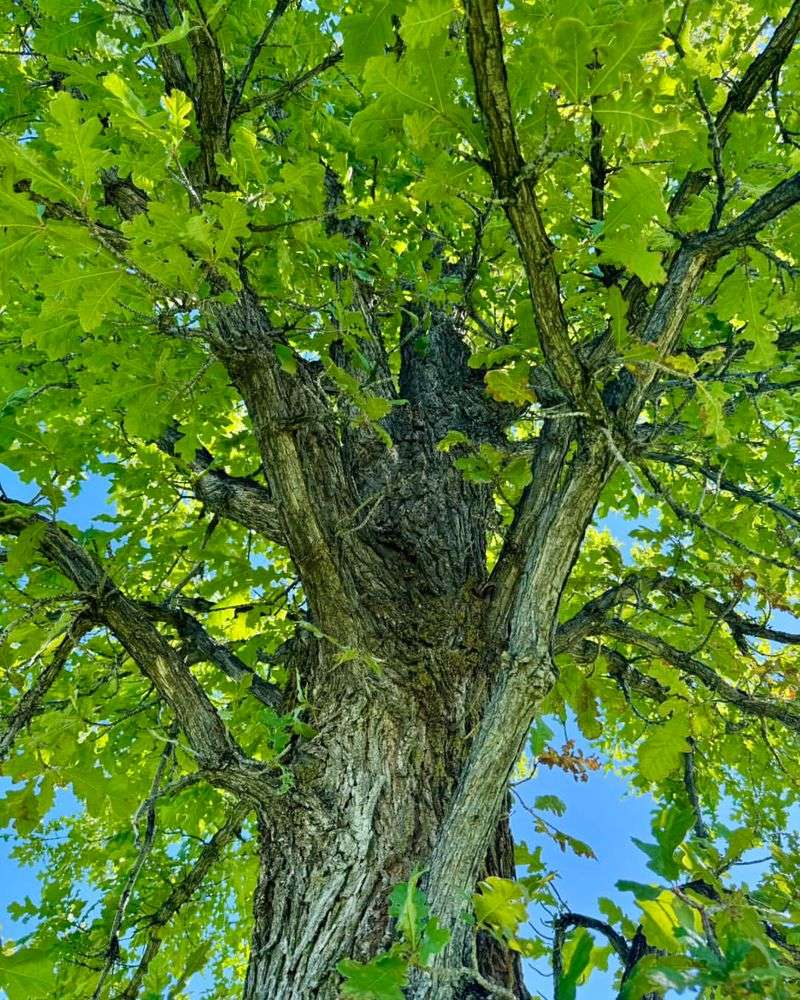
Tough as nails and built to last, the Bur Oak earns its reputation as one of the most resilient native trees you can plant in Michigan.
Quercus macrocarpa handles drought, bitter cold, strong winds, and compacted urban soils without missing a beat. If you have a challenging yard with difficult conditions, this tree belongs on your list.
Bur Oaks develop a wide, bold canopy that can stretch 60 to 80 feet across at full maturity, making them exceptional shade trees for larger Michigan properties.
Their thick, deeply furrowed bark gives them a rugged, ancient look that adds real character to any landscape. Growth is slow to moderate, but patience pays off enormously with this species.
One fascinating feature of the Bur Oak is its naturally fire-resistant bark, which historically allowed it to thrive in open savannas across the Midwest.
That same toughness translates perfectly to the variable Michigan climate, where cold snaps, ice storms, and summer heat waves are all part of the deal. It truly is built for this region.
The large, fringed acorns are a favorite food for wildlife, attracting squirrels, deer, and a wide variety of birds to your Michigan backyard.
Bur Oaks also support a rich community of native insects, boosting local biodiversity. Plant one in full sun and give it room to grow into the grand, commanding tree it is destined to become.
5. Eastern Redbud
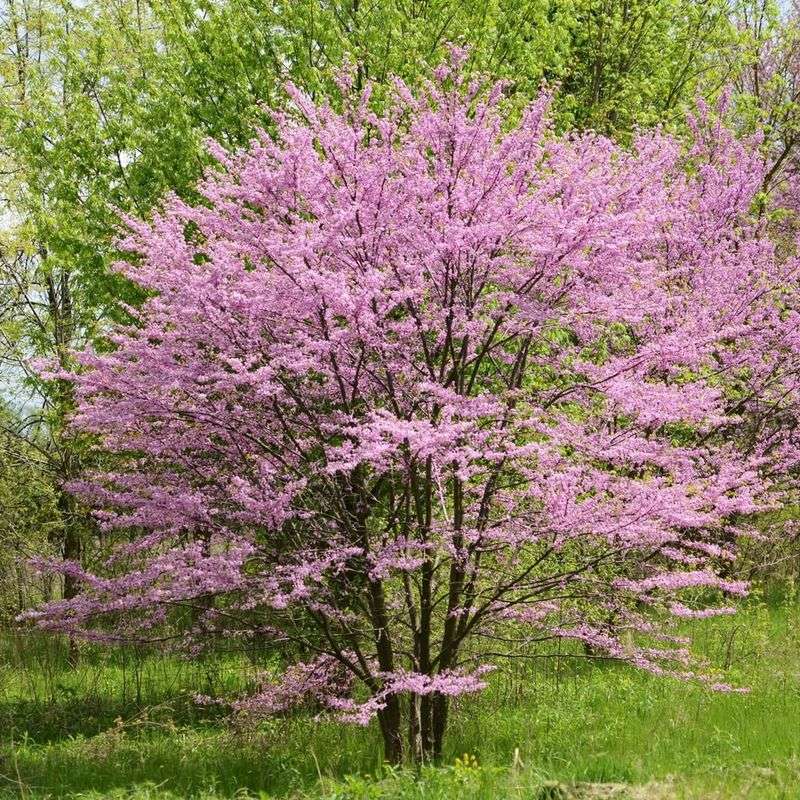
Every spring, the Eastern Redbud puts on one of the most breathtaking floral displays of any tree in Michigan.
Cercis canadensis bursts into clouds of pink to purple blooms directly on its bare branches before a single leaf has emerged, creating a truly magical effect in the early spring yard. It is one of those trees that stops people in their tracks.
Native to southern Michigan, the Eastern Redbud thrives best in that part of the state but can be grown successfully in more northern areas with some protection from harsh winter winds.
Choosing a sheltered spot, such as near a building or fence line, helps younger trees get established in colder Michigan regions.
Full sun to partial shade works well for this tree. At maturity, Eastern Redbuds reach around 15 to 30 feet tall, making them a perfect fit for smaller Michigan backyards where a full-sized oak would simply be too large.
The heart-shaped leaves that follow the flowers are attractive all summer long, and the fall color offers pleasant golden tones.
The branching structure is naturally graceful and eye-catching year-round. Pollinators absolutely flock to Redbud flowers in spring, making this tree an excellent choice for supporting bees and butterflies in Michigan.
Plant in moist, well-drained soil for the best results. Once established, this tree is low-maintenance and endlessly rewarding with its seasonal charm and compact, elegant form.
6. Serviceberry
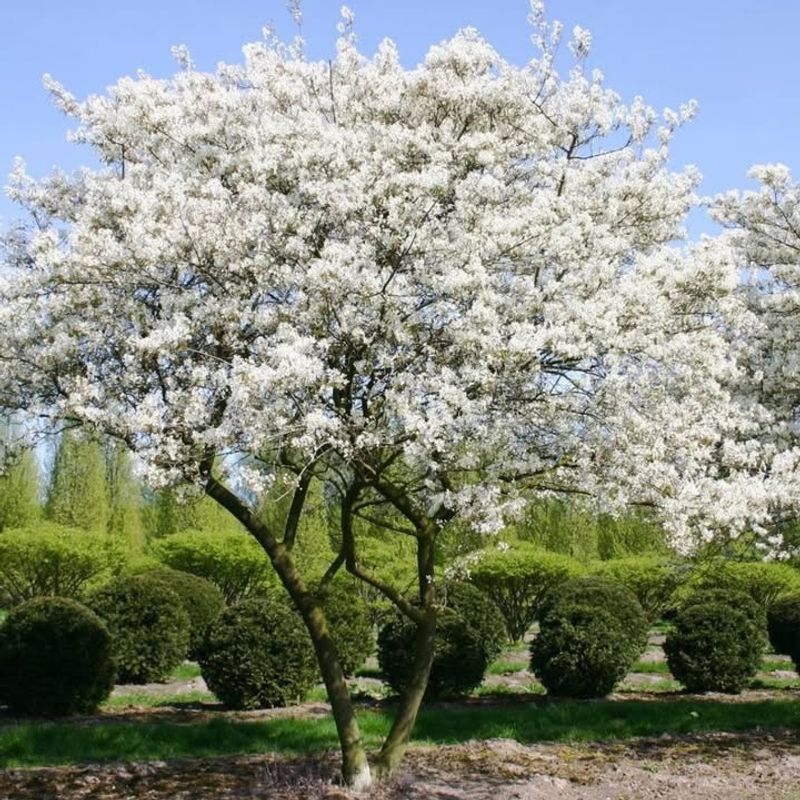
If you want a tree that gives generously in every single season, the Serviceberry is hard to beat.
Amelanchier canadensis is a beloved Michigan native that offers something special from early spring all the way through fall, making it one of the most productive small trees you can add to your yard.
Gardeners across Michigan absolutely rave about it. In early spring, the Serviceberry explodes with clusters of delicate white flowers, often before most other plants have stirred from winter.
Those blooms are followed by small, sweet berries that ripen in early summer and taste similar to blueberries.
Birds flock to these berries enthusiastically, so your yard quickly becomes a lively wildlife destination throughout the warmer months.
Serviceberries typically grow 15 to 25 feet tall, which makes them a smart choice for Michigan backyards that cannot accommodate larger trees.
They adapt well to a range of soil types and grow happily in full sun to partial shade. Well-drained soil gives them the best chance to really flourish and produce abundantly.
Fall color is another highlight, as the leaves shift to warm shades of orange, red, and yellow before dropping.
Pollinators love the early flowers, making this tree an important ecological player in Michigan landscapes.
Planting a Serviceberry near a window or patio means you get a front-row seat to all the bird and butterfly activity it attracts throughout the year.
7. American Basswood
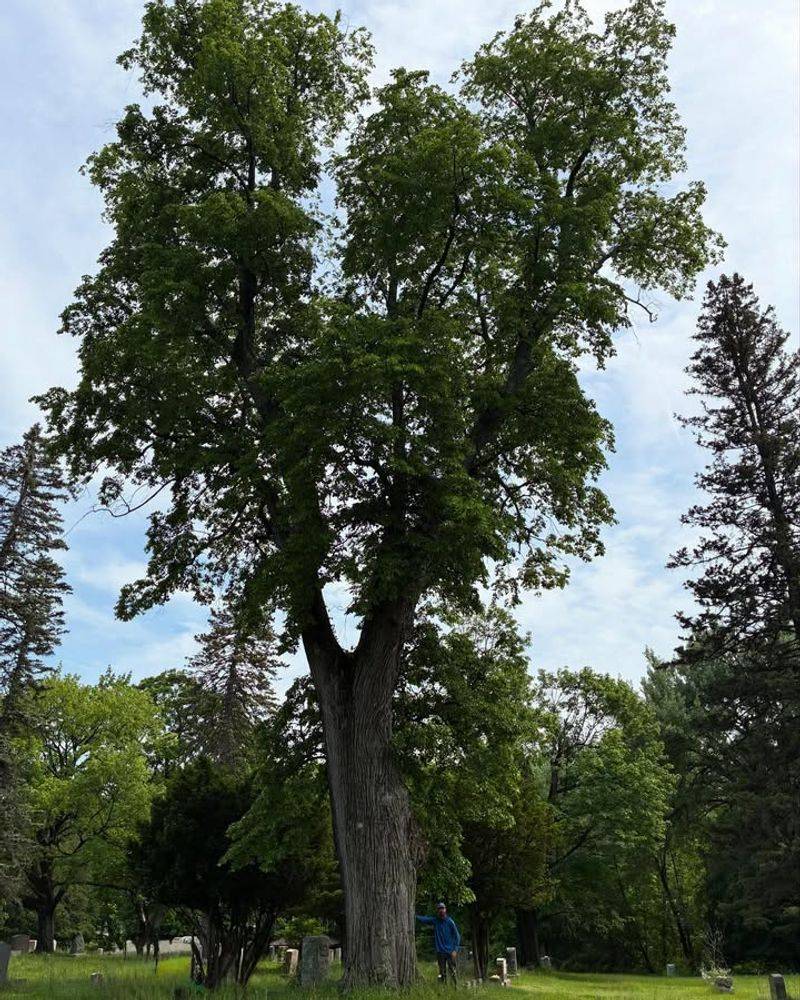
On a warm Michigan summer evening, you might catch a sweet, honey-like fragrance drifting through your yard, and if you have an American Basswood nearby, that is exactly where it is coming from.
Tilia americana produces clusters of small, creamy yellow flowers in midsummer that bees find absolutely irresistible.
Beekeepers across Michigan have long treasured this tree for the exceptional honey its nectar produces.
American Basswood thrives in moist, fertile soils and grows vigorously in full sun to partial shade. It can reach 60 to 80 feet tall at maturity, forming a full, rounded canopy that delivers excellent shade throughout the summer months.
The large, heart-shaped leaves give it a lush, tropical appearance that feels refreshingly cool on hot Michigan afternoons.
This tree is native throughout Michigan and has a long history of use by Indigenous peoples, who valued its strong, flexible inner bark for making rope and baskets.
That rich cultural history adds an extra layer of meaning to planting one in your yard today. It connects your landscape to the deeper natural heritage of the Great Lakes region.
Basswood is also a strong supporter of native pollinators, attracting not just honeybees but dozens of native bee species as well. Young trees establish relatively quickly in good soil conditions.
Give this tree plenty of moisture during its first few growing seasons and it will reward you with decades of fragrant, shade-filled summers in your Michigan backyard.
8. Eastern White Pine
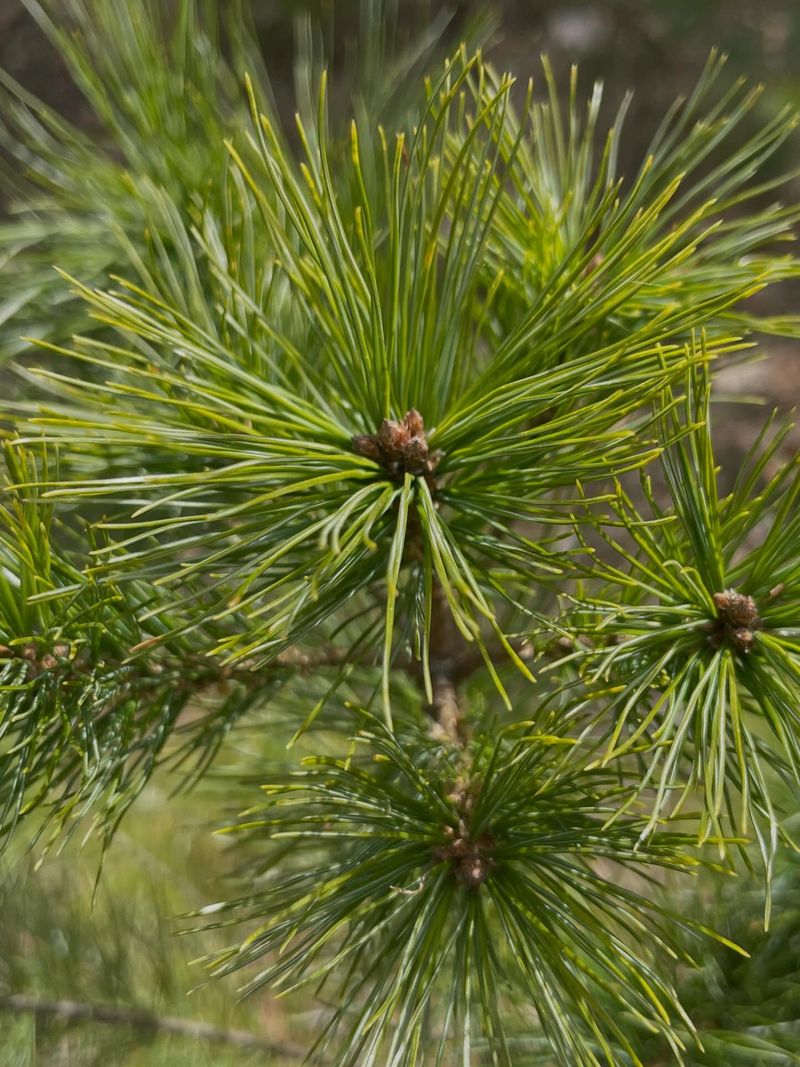
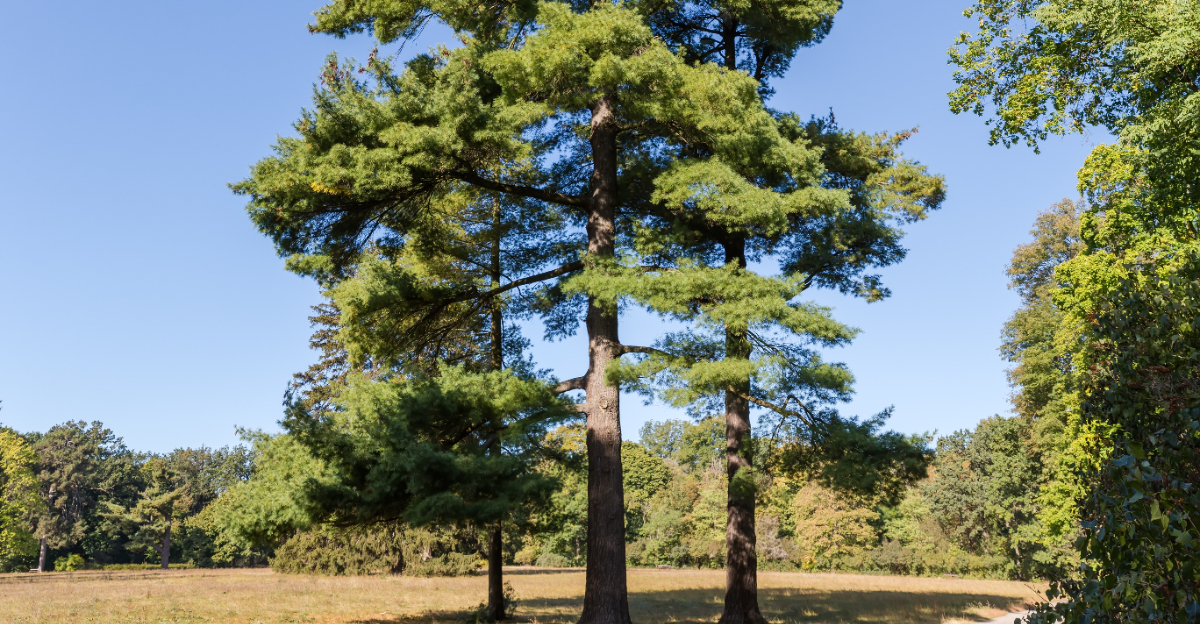
Standing tall through Michigan’s coldest winters, the Eastern White Pine is the kind of tree that makes a yard feel complete all year long.
Pinus strobus is Michigan’s state tree and one of the most iconic native evergreens in the entire Great Lakes region.
Its soft, blue-green needles and graceful, layered branches make it instantly recognizable and endlessly beautiful.
Eastern White Pines grow fast compared to most native trees, often adding two feet or more per year under good conditions.
At full maturity, they can soar to 80 feet or taller, creating an impressive natural privacy screen and windbreak along your Michigan property line. Planting them in full sun with well-drained soil gives them the best possible start.
Beyond their visual appeal, these pines provide critical winter habitat for birds like chickadees, nuthatches, and owls that stay in Michigan year-round.
The dense, layered branches offer shelter from wind and snow, making your backyard a warm refuge for wildlife during the toughest months.
That kind of ecological contribution is genuinely priceless. One important tip is to give Eastern White Pines plenty of space as they mature, since their canopy spreads widely and their roots need room to anchor properly.
Avoid planting in low-lying, poorly drained areas, as soggy soil can cause problems over time.
With the right placement, this magnificent Michigan native will be a defining feature of your landscape for generations.
9. Hackberry
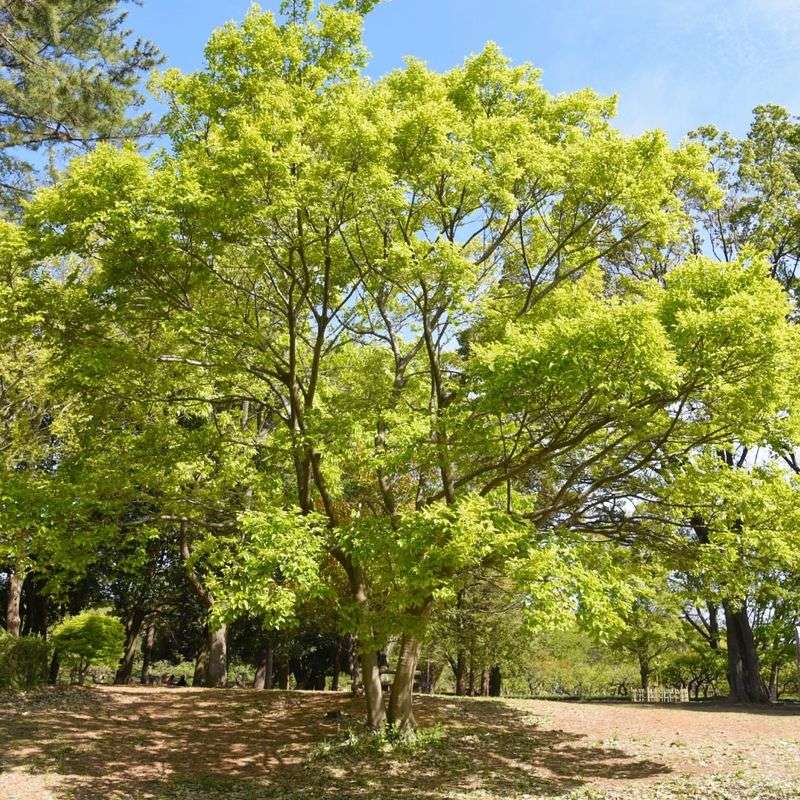
Not every great tree gets the spotlight it deserves, and the Hackberry is a perfect example of an underrated Michigan native that quietly outperforms expectations year after year.
Celtis occidentalis is rugged, adaptable, and incredibly generous to wildlife, yet it rarely gets the same attention as flashier trees. Once you plant one, though, you will quickly understand what all the quiet praise is about.
Hackberry handles a wide range of challenging conditions that would stress many other trees, including clay soils, compacted urban ground, strong winds, and even short periods of drought.
This makes it an outstanding choice for Michigan homeowners dealing with tricky yard conditions or urban environments where soil quality is less than ideal. It is one of the toughest native trees in the entire state.
The small, dark purple berries that ripen in fall are a feast for birds, attracting over 50 species including robins, cedar waxwings, and woodpeckers to your Michigan yard.
The berries persist on the branches well into winter, providing a critical food source when other options are scarce for local wildlife.
That kind of sustained value is rare in a single tree. Hackberry typically grows 40 to 60 feet tall with an arching, somewhat irregular canopy that has its own natural charm.
Once established, it needs very little maintenance and handles Michigan’s variable climate with ease.
Plant it in full sun to partial shade and enjoy a low-fuss, high-reward native tree that truly earns its place in your backyard.
10. Paper Birch
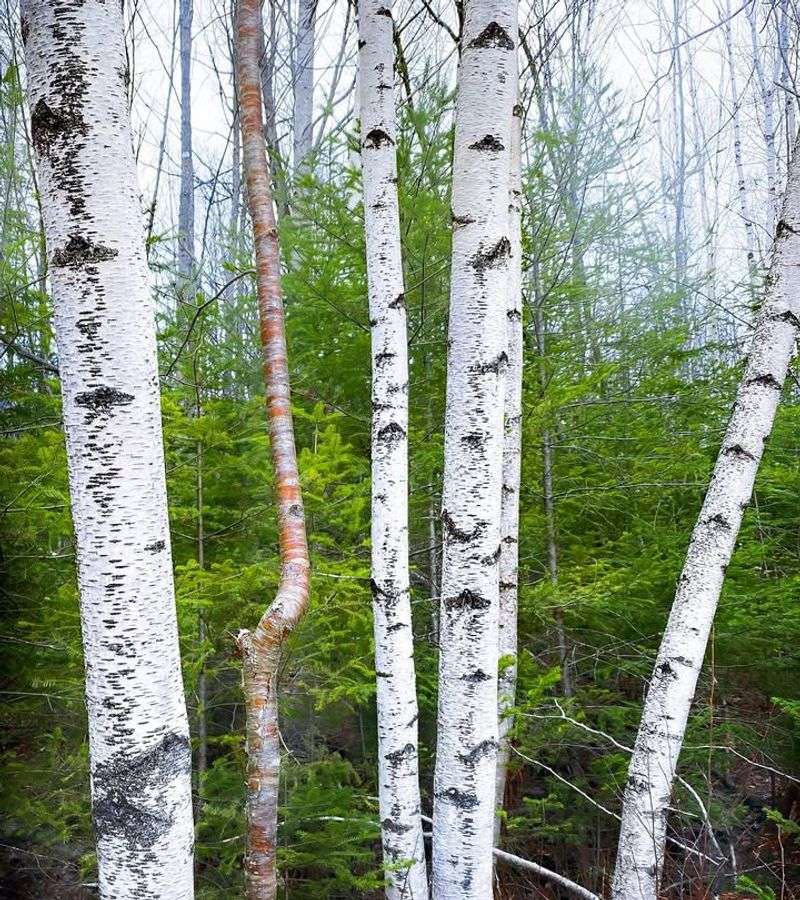
There is something undeniably magical about a Paper Birch standing in a Michigan yard, its bright white bark glowing against a backdrop of golden autumn leaves.
Betula papyrifera is one of the most visually striking native trees in the state, and it carries a sense of wildness and northern beauty that no other tree quite matches.
It feels like a piece of the Upper Peninsula brought right to your backyard. Paper Birch is best suited for northern Michigan or any cooler, moist site where temperatures stay reliably cold in winter.
It genuinely thrives in cold climates and struggles in hot, dry conditions, so choosing the right location is the most important step when planting this species.
Moist, well-drained soil in a spot that stays cool is the sweet spot for long-term success. In terms of wildlife value, Paper Birch is a powerhouse.
It supports hundreds of insect species, provides nesting sites for cavity-nesting birds, and offers seeds that small birds like redpolls and siskins love throughout winter.
The peeling white bark also adds texture and visual interest to the landscape in every single season, not just in fall. Paper Birches grow at a moderate to fast pace and typically reach 50 to 70 feet tall.
Planting in groups of three or more creates a stunning grove effect that looks incredibly natural and inviting in a Michigan yard.
Avoid hot, dry, or exposed southern slopes, and your Paper Birch will reward you with years of breathtaking, cool-climate beauty.