These Native Pennsylvania Plants Grow Well In Clay Soil
Clay soil can make gardeners feel like they are working against the ground instead of with it.
In many parts of Pennsylvania, that heavy, sticky soil holds water longer than expected, compacts easily, and can be frustrating when plants refuse to settle in and grow the way you hoped.
It is no surprise that so many gardeners end up wondering what will actually thrive in it without turning every planting project into a struggle.
The good news is that plenty of native Pennsylvania plants are already built for these conditions. Because they belong in the local landscape, they are often better adapted to the region’s soils, weather, and seasonal changes than fussier non-native options.
That makes them a smart choice for gardeners who want plants that can handle clay without needing constant fixing, babying, or soil amendments.
These plants do more than simply tolerate a tough spot. Many bring flowers, texture, wildlife value, and long-term beauty to the yard while rooting into the soil more naturally.
With the right native choices, clay soil stops feeling like a problem and starts looking like something you can actually work with.
1. Black-Eyed Susan
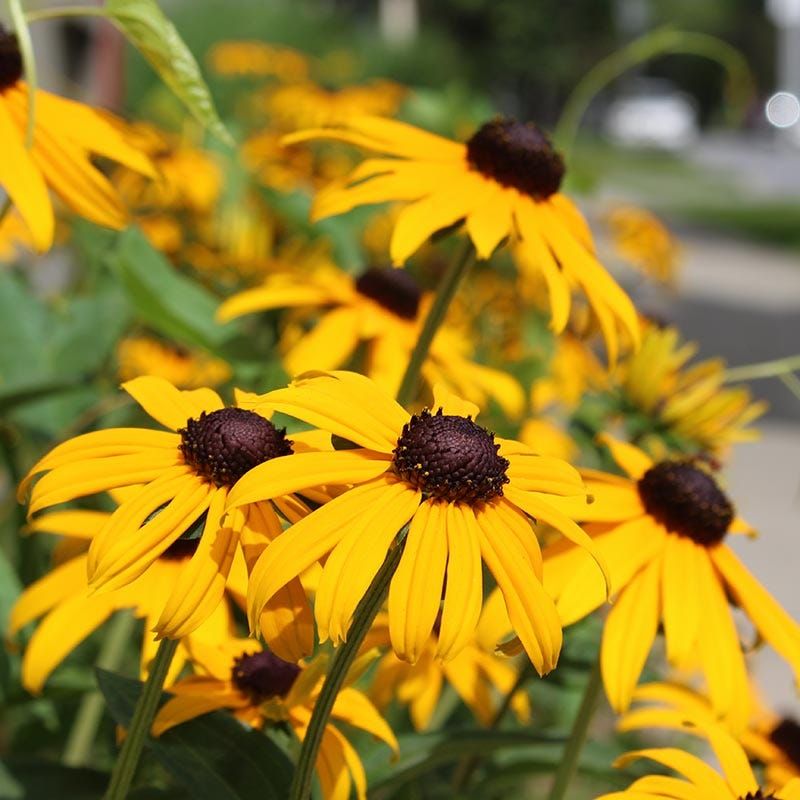
Few wildflowers light up a Pennsylvania garden quite like the Black-Eyed Susan. Those bold yellow petals surrounding a rich, dark center are nearly impossible to miss, and the good news is that this plant is just as tough as it is beautiful.
It handles heavy clay soil without much fuss, which makes it a top pick for gardeners dealing with dense, hard-to-work ground.
Black-Eyed Susan typically blooms from June through September, giving you months of cheerful color. Pollinators like bees and butterflies absolutely flock to these flowers, so planting a patch is a great way to support local wildlife in Pennsylvania.
Even birds get in on the action by snacking on the seed heads once blooming season winds down.
This plant is also impressively low-maintenance. Once it gets settled into the soil, it can handle dry spells without needing extra watering.
It spreads naturally over time, filling in bare spots and creating a fuller, more natural-looking garden bed. You can find it growing wild along Pennsylvania roadsides and meadows, which tells you a lot about just how adaptable it really is.
For best results, plant Black-Eyed Susan in a spot that gets full sun. It can tolerate partial shade but tends to bloom more heavily with direct sunlight.
Adding a light layer of mulch around the base helps retain some moisture during hot summers. This is one of those plants that practically takes care of itself once it gets going.
2. Purple Coneflower
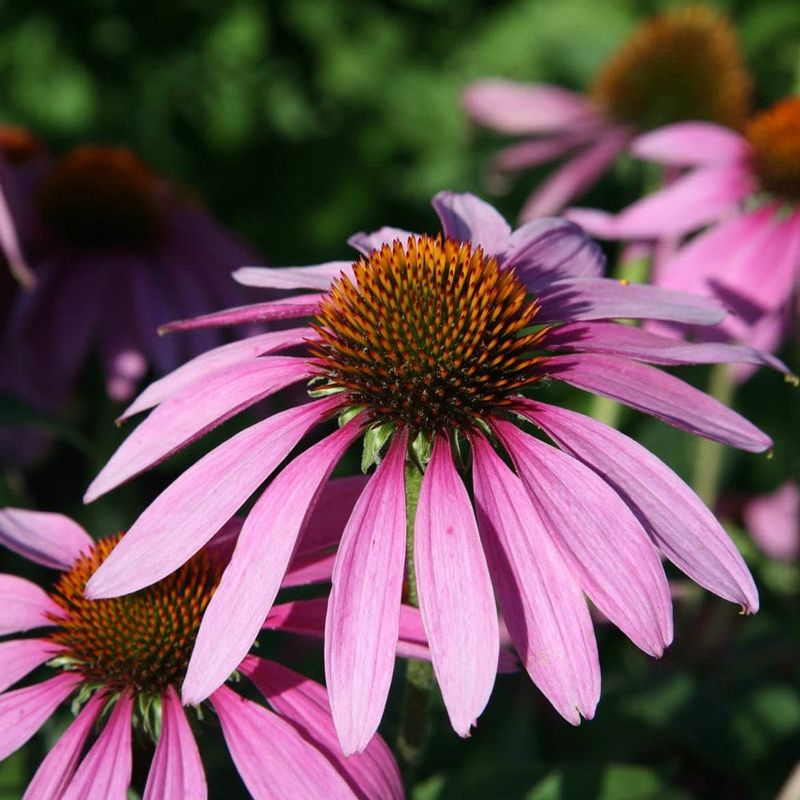
Tough, reliable, and undeniably pretty, the Purple Coneflower has earned its place as one of Pennsylvania’s most beloved native perennials. It takes a little patience at first because it needs time to establish a strong root system.
But once it settles in, it becomes one of the most drought-tolerant plants you can grow in clay-heavy soil.
The blooms are stunning, featuring rosy-purple petals that sweep back from a raised, spiky center cone.
Your Pennsylvania Garden Changes Every Week. Your Plan Should Too.
Gardening in Pennsylvania changes quickly throughout the season. Every Friday you’ll receive a simple weekly plan showing exactly what to plant, prune, fertilize, harvest, and protect so you never miss the right timing.
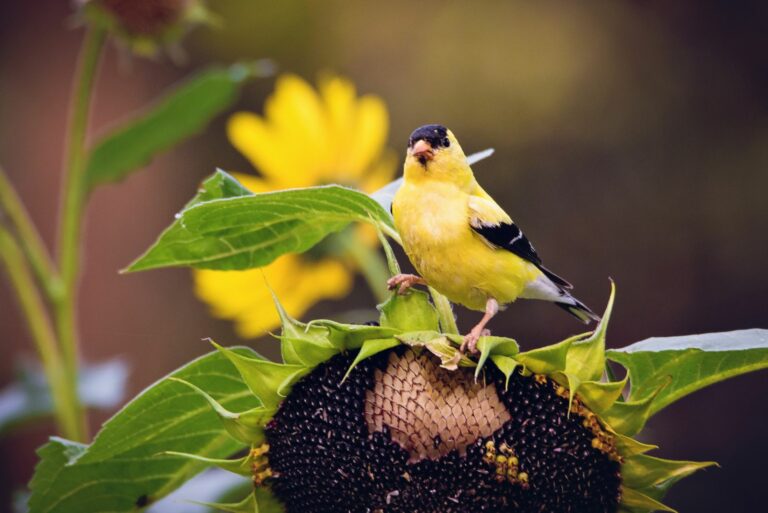
Flowers typically appear from midsummer all the way into fall, giving your Pennsylvania garden long-lasting color when many other plants start to fade. The seed heads also stay attractive into winter, offering food for songbirds like goldfinches.
What makes Purple Coneflower especially valuable is how well it handles the dense, moisture-retentive nature of clay soil. Its deep taproot helps it push through compacted ground and access water that shallower-rooted plants simply cannot reach.
Over time, those roots also help loosen and improve the structure of the clay around them. Pollinators absolutely love this plant. Bumblebees, honeybees, and several butterfly species are regular visitors throughout the blooming season.
Planting it in groups of three or more makes for an even bigger impact and gives pollinators more reason to stick around your yard.
In Pennsylvania, Purple Coneflower grows best in full sun but can handle a little afternoon shade without losing too much of its blooming power. It is truly a plant that rewards patience with years of beautiful returns.
3. Swamp Milkweed
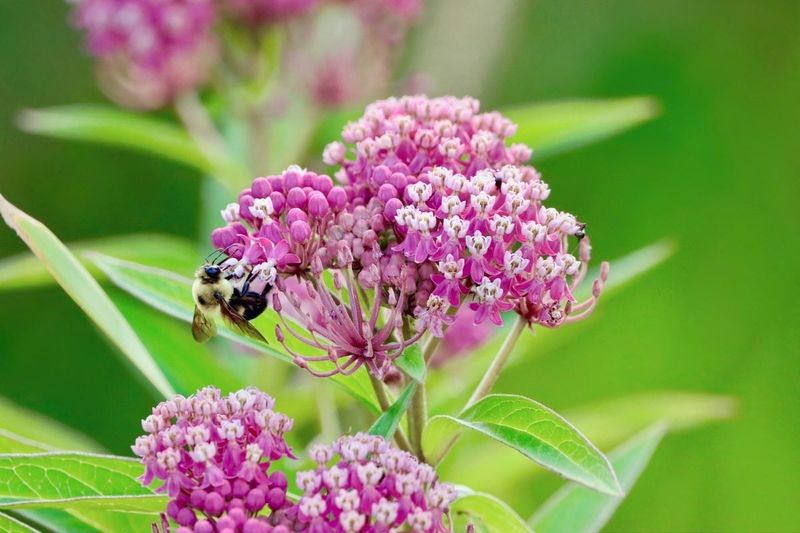
If you have a low spot in your yard where water tends to collect, Swamp Milkweed might just be your new best friend. This native Pennsylvania perennial is built for moist, heavy soils, and it genuinely thrives where other plants struggle to survive.
It is one of the few plants that actually prefers the kind of waterlogged clay conditions that drive most gardeners a little crazy.
The flowers are soft clusters of pink and mauve that bloom from June through August, attracting a wide range of pollinators. Monarch butterflies are particularly drawn to Swamp Milkweed because it serves as one of their primary host plants.
Female monarchs lay their eggs on the leaves, and the caterpillars feed on the plant as they grow, making this a genuinely important species for conservation across Pennsylvania and beyond.
Beyond monarchs, you will notice bumblebees, hummingbirds, and various native bee species visiting the blooms regularly. The plant grows between three and four feet tall, creating a nice vertical element in garden beds or along rain gardens and pond edges.
It pairs beautifully with Joe-Pye Weed and other tall natives in a naturalistic planting scheme.
Swamp Milkweed is also surprisingly easy to grow from seed if you want to start a larger patch. It prefers full sun and consistently moist soil, so avoid planting it in areas that dry out quickly between rain events.
In Pennsylvania, it naturalizes well along stream banks, wet meadows, and low-lying garden areas where clay holds moisture long after a rainfall.
4. Joe-Pye Weed
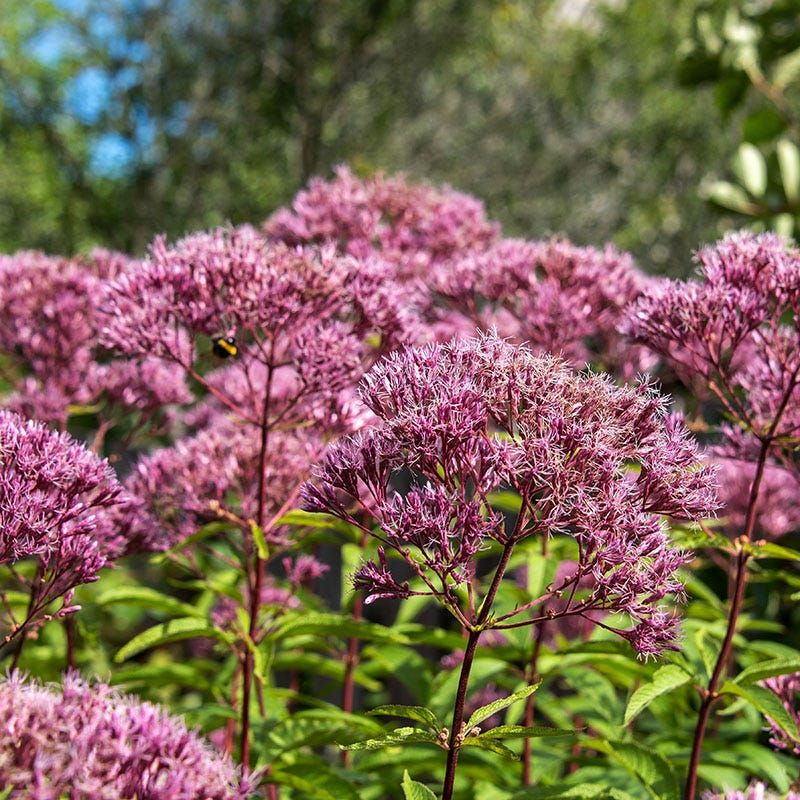
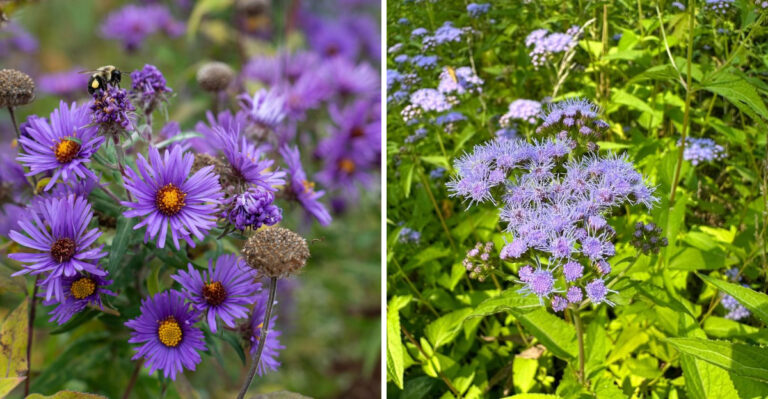
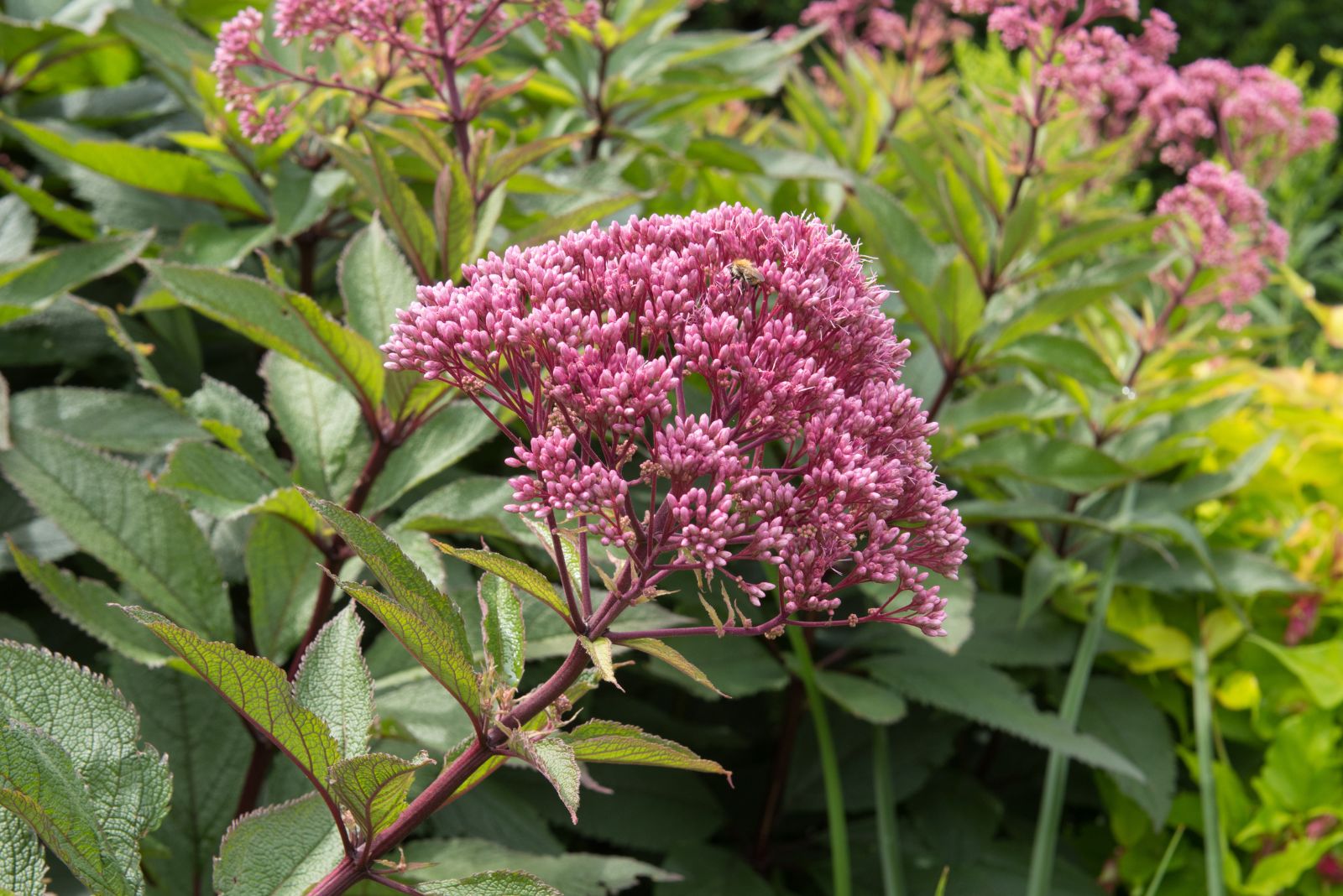
Walk through any Pennsylvania meadow in late summer and you will almost certainly spot the towering presence of Joe-Pye Weed. This native giant can reach heights of four to seven feet, making it one of the most dramatic plants you can add to a clay-soil garden.
Its sheer size alone creates a bold, eye-catching backdrop for shorter plants growing nearby.
The blooms are large, domed clusters of dusty mauve-pink flowers that appear from July through September. They are incredibly attractive to pollinators, especially swallowtail butterflies, which seem almost magnetically drawn to the fluffy flower heads.
On a warm afternoon, a patch of Joe-Pye Weed in full bloom can look like a butterfly convention is being held right in your backyard.
One of the best things about this plant is how comfortably it handles dense, moisture-retentive clay soils. It naturally grows along stream banks and in moist woodland edges across Pennsylvania, so it is well-suited to spots where drainage is less than ideal.
It does not need rich, amended soil to look great, which saves you a lot of effort as a gardener.
Joe-Pye Weed works especially well at the back of a border or along a fence line where its impressive height can shine without blocking smaller plants. Cut it back in late fall or leave the stalks standing through winter to provide shelter for beneficial insects.
Either way, this plant earns its spot in any Pennsylvania native garden with minimal care and maximum visual impact season after season.
5. New England Aster
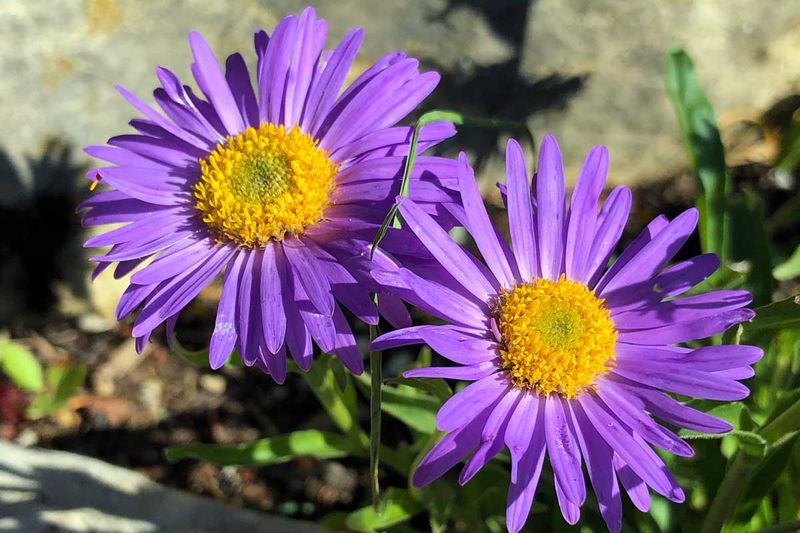
Just when most of the garden starts to slow down for the season, New England Aster bursts into bloom with a show that is hard to beat.
Its vivid purple flowers with bright yellow centers appear from late August through October, bringing a fresh splash of color to Pennsylvania gardens at a time when it is needed most. Honestly, few native plants put on a better fall performance.
New England Aster is wonderfully adaptable to clay soils, and it handles both full sun and partial shade without losing much of its blooming vigor. It grows between three and six feet tall depending on conditions, forming bushy clumps that fill out garden beds beautifully.
The plant spreads gradually over the years, so a small start can grow into an impressive colony over time.
For fall pollinators, this plant is essential. Migrating monarchs, native bees, and late-season bumblebees all depend on late-blooming flowers like New England Aster to fuel up before temperatures drop.
Planting it in your Pennsylvania garden is a simple and meaningful way to support those creatures during a critical time of year.
To keep the plant from getting too leggy and floppy, try cutting it back by about one-third in early June. This simple trick encourages bushier growth and more flower heads by fall without reducing the overall blooming time.
New England Aster also pairs well with ornamental grasses and goldenrod for a layered, naturalistic fall garden that looks effortlessly put together and deeply rooted in Pennsylvania’s native landscape.
6. Virginia Sweetspire
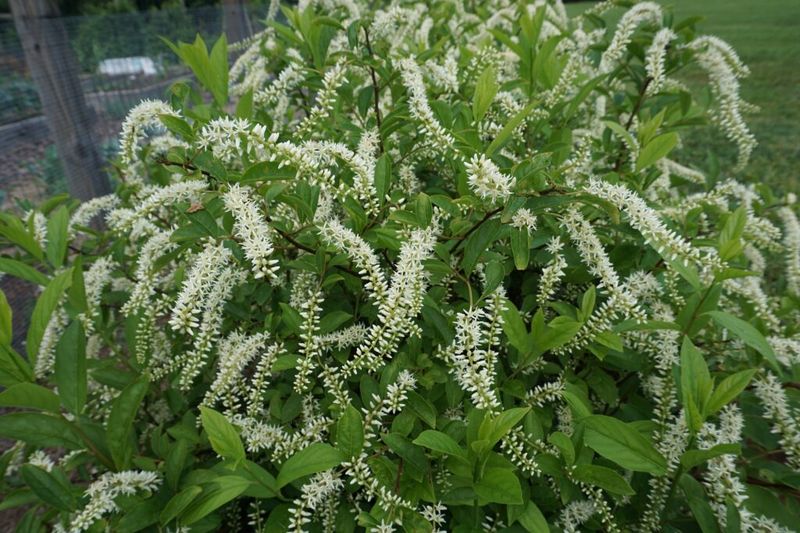
Not every clay-soil hero in Pennsylvania is a wildflower. Virginia Sweetspire is a native shrub that quietly checks every box a gardener could want: fragrant blooms, brilliant fall color, tolerance for wet clay, and almost zero fuss once established.
It is the kind of plant that makes you wonder why more people are not growing it in their yards.
In early summer, the shrub produces long, arching clusters of small white flowers that carry a sweet, light fragrance. These blooms are a reliable draw for bees and other beneficial insects looking for nectar.
The flowers hang like soft white bottle brushes and create a really elegant look, especially when the shrub is planted in a mass or along a garden path.
When fall arrives, Virginia Sweetspire absolutely earns its keep with a foliage display that ranges from deep red to burgundy and orange. The color can last for weeks, which is longer than many other native shrubs.
Even in shade, the fall color stays rich and vibrant, which is a rare quality among Pennsylvania native plants.
Virginia Sweetspire handles wet, clay-heavy soils better than most landscape shrubs, making it an excellent choice for rain gardens, low spots, or areas near downspouts. It grows three to five feet tall and spreads slowly by suckers to form a natural thicket over time.
Pruning after flowering helps keep the shape tidy if needed. For Pennsylvania gardeners looking for a four-season shrub that can handle tough soil conditions, Virginia Sweetspire is genuinely hard to beat.
7. Red Twig Dogwood
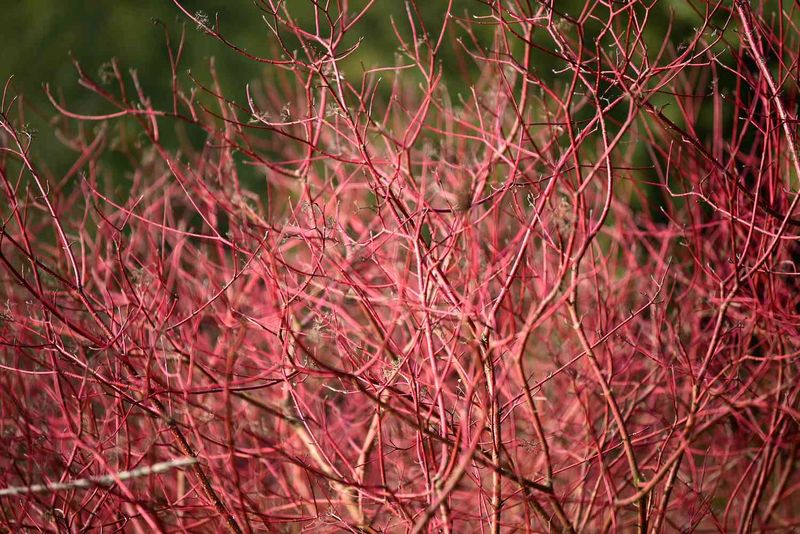
Most plants take a break in winter, but Red Twig Dogwood actually looks its best when everything else has gone bare. Those brilliant, fire-engine-red stems glow against snow and gray skies, turning a dormant Pennsylvania garden into something genuinely striking.
It is one of the few shrubs that earns its spot in the landscape based on winter appearance alone.
Beyond its showstopping winter stems, Red Twig Dogwood offers something for every season. Clusters of small white flowers appear in late spring, followed by white berries that birds eagerly eat throughout summer and fall.
The leaves turn a soft reddish-purple in autumn before dropping to reveal those famous red stems once again. Year-round interest does not get much better than this.
When it comes to soil tolerance, Red Twig Dogwood is remarkably tough. It naturally grows along stream banks and in floodplains across Pennsylvania, so heavy, wet clay is not a problem at all.
In fact, it is one of the best choices for spots in your yard that stay soggy after rain, where other shrubs might struggle to establish themselves.
The shrub grows quickly, reaching six to nine feet tall and wide if left unpruned. To keep those stems the brightest red possible, cut about one-third of the oldest stems down to the ground each spring.
New growth produces the most vivid color, so regular pruning keeps the display looking fresh and vibrant. Red Twig Dogwood also works well as a natural privacy screen or erosion-control planting along slopes and Pennsylvania stream banks.