6 Mistakes Georgia Gardeners Make When Growing Marigolds

Marigolds might look like the ultimate “set it and forget it” flower, but in a Georgia garden, they are surprisingly good at snitching on your hidden mistakes.
Their fiery blooms seem tough enough for anything, yet our local weather has a way of testing their limits.
Between sticky humidity, unpredictable spring snaps, and afternoon downpours that turn soil into a swamp, even these classics can struggle.
The line between a vibrant, bushy patch and a scraggly disappointment usually comes down to simple errors in timing or spacing.
If your marigolds often look tired by mid-season, the answer is likely hidden in Georgia’s unique climate quirks.
Mastering these common pitfalls is the fastest way to keep your garden full of steady color all year.
1. Planting Too Soon Can Stall Growth In Georgia Spring Weather
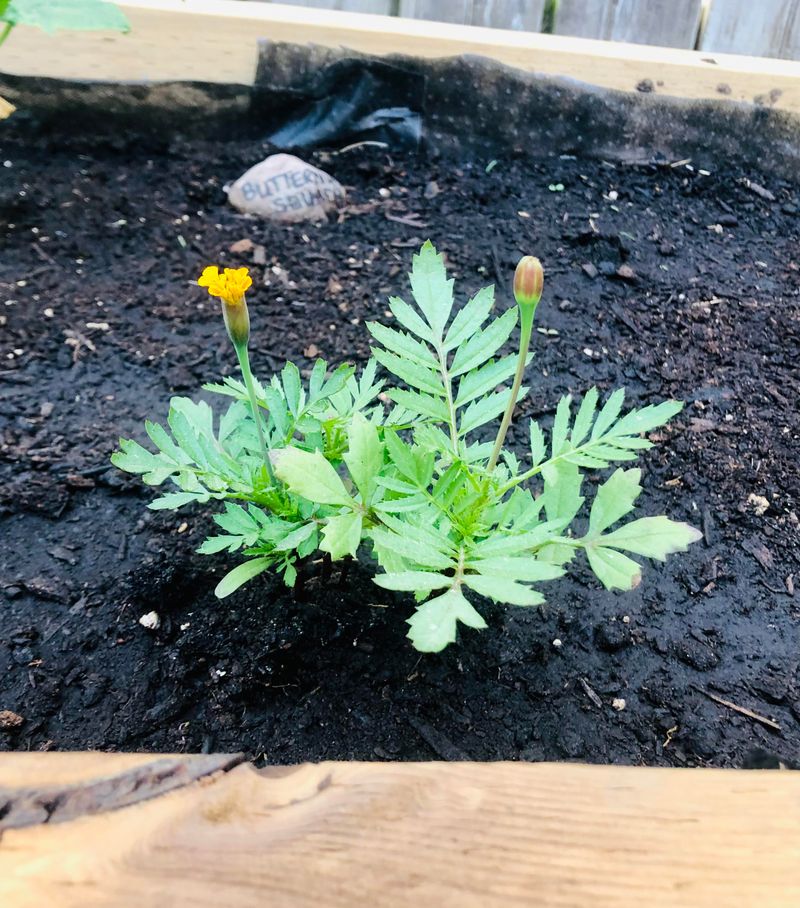
Georgia springs have a way of fooling even experienced gardeners.
A stretch of warm days in late February or early March can make it feel like the perfect time to get marigolds in the ground, but soil temperatures in Georgia often stay cooler than the air suggests, especially after a rainy spell.
Marigolds establish best after frost risk has passed and the soil has warmed, with seed germination usually quickest when soil temperatures are closer to 70 to 75 degrees Fahrenheit.
When marigolds go in too early, they tend to just sit there. Instead of putting on new leaves and reaching upward, they stall out, sometimes turning pale or slightly yellow as they struggle with cold, wet roots.
Gardeners often mistake this slow start for a watering issue and overcompensate, which only makes the situation worse.
A smarter approach in Georgia is to wait until the last average frost date for your specific region has passed and nighttime temperatures are consistently staying above 50 degrees.
North Georgia gardeners near the mountains generally need to be more patient than those in the Atlanta metro or coastal areas farther south.
Checking soil temperature with an inexpensive thermometer takes the guesswork out of timing completely.
If the urge to plant early is strong, containers are a solid option.
Potted marigolds can be moved indoors or under a covered porch when a late cold snap rolls through, giving plants a head start without the risk of a setback in the ground.
Starting a week or two later than feels natural often leads to a fuller, more vigorous plant by midsummer.
2. Too Much Shade Means Fewer Flowers And Leggier Plants
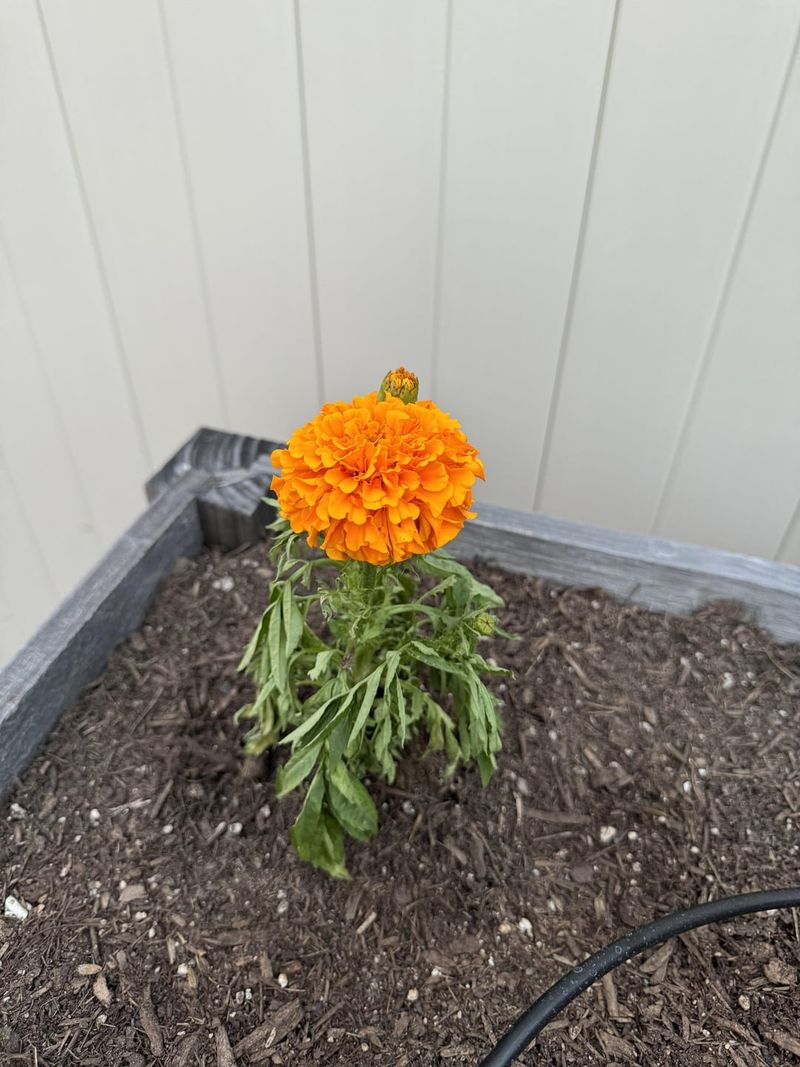
Walk through any Georgia neighborhood in midsummer and you will spot the telltale sign of shade-stressed marigolds right away.
The stems stretch long and thin, reaching upward in search of more light, while the flower count drops off noticeably.
Marigolds are sun-loving plants that put on their best show when they receive six to eight hours of direct sunlight each day, and anything less starts to show in the quality of the blooms.
Georgia gardeners sometimes underestimate how much shade shifts through the season. A spot that gets full sun in April may find itself partially blocked by a mature tree canopy by July.
Your Georgia Garden Changes Every Week. Your Plan Should Too.
Gardening in Georgia changes quickly throughout the season. Every Friday you’ll receive a simple weekly plan showing exactly what to plant, prune, fertilize, harvest, and protect so you never miss the right timing.
What starts as a sunny bed can quietly become a problem area just as marigolds are hitting their peak growing season. Watching how sunlight moves across a planting area over several weeks before committing to a location helps avoid this surprise.
Legginess is the most common symptom, but reduced bloom production is the real frustration.
Plants that stretch toward light put their energy into stem length rather than flower development, leaving gardeners with tall, floppy plants that look sparse and unimpressive by late summer.
Repositioning to a sunnier spot is the most straightforward fix, but container growing gives Georgia gardeners real flexibility here. A pot on a sunny patio or driveway edge can be moved as light patterns change.
Marigolds bloom best with generous daily sun in Georgia, but they can still grow in partial sun, usually with fewer flowers and a looser shape.
3. Wet Roots Lead To Bigger Problems Than Dry Spells
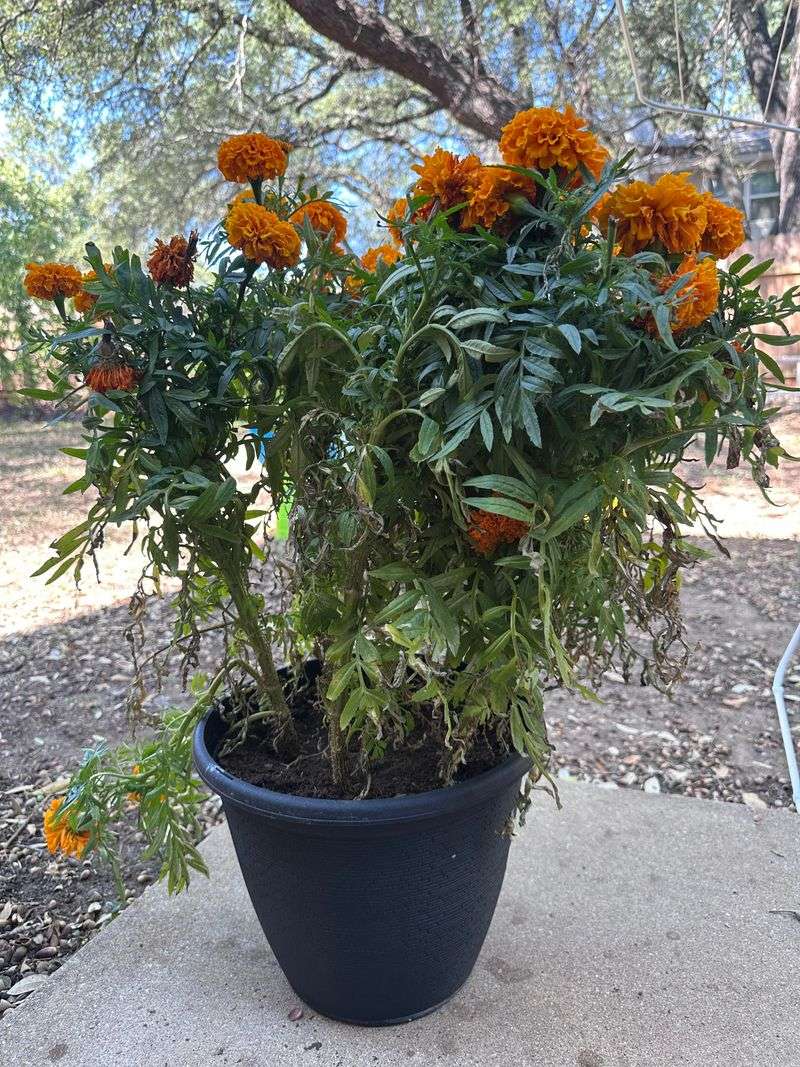
Georgia clay soil has a reputation, and marigolds feel the effects of it quickly. When heavy summer rains arrive and water has nowhere to drain, marigold roots sit in saturated soil for hours or even days at a time.
Unlike drought stress, which marigolds can bounce back from fairly easily, prolonged wet roots create conditions where fungal problems and root rot can take hold and quietly weaken a plant from the ground up.
Yellowing lower leaves are often the first sign that roots are struggling. Gardeners sometimes interpret this as a sign that plants need more water or fertilizer, but adding either only deepens the problem.
The real issue is drainage, not nutrition. Stems may also start to look soft or discolored near the soil line as root damage progresses.
Improving drainage before planting makes a meaningful difference in Georgia gardens. Mixing compost into clay-heavy beds helps break up the dense structure and allows water to move through more freely.
Raised beds are another strong option, giving gardeners direct control over soil composition and drainage from the start.
Watering habits matter too. Even in Georgia’s humid summers, marigolds prefer to dry out slightly between waterings rather than stay constantly moist.
Checking the top inch of soil before reaching for the hose is a simple habit that prevents a lot of trouble.
During Georgia’s heavy rain cycles in June and July, most in-ground marigolds need little to no supplemental watering at all.
Container plants need drainage holes and should never sit in standing water in a saucer.
4. Extra Fertilizer Can Push Leaves Instead Of Blooms
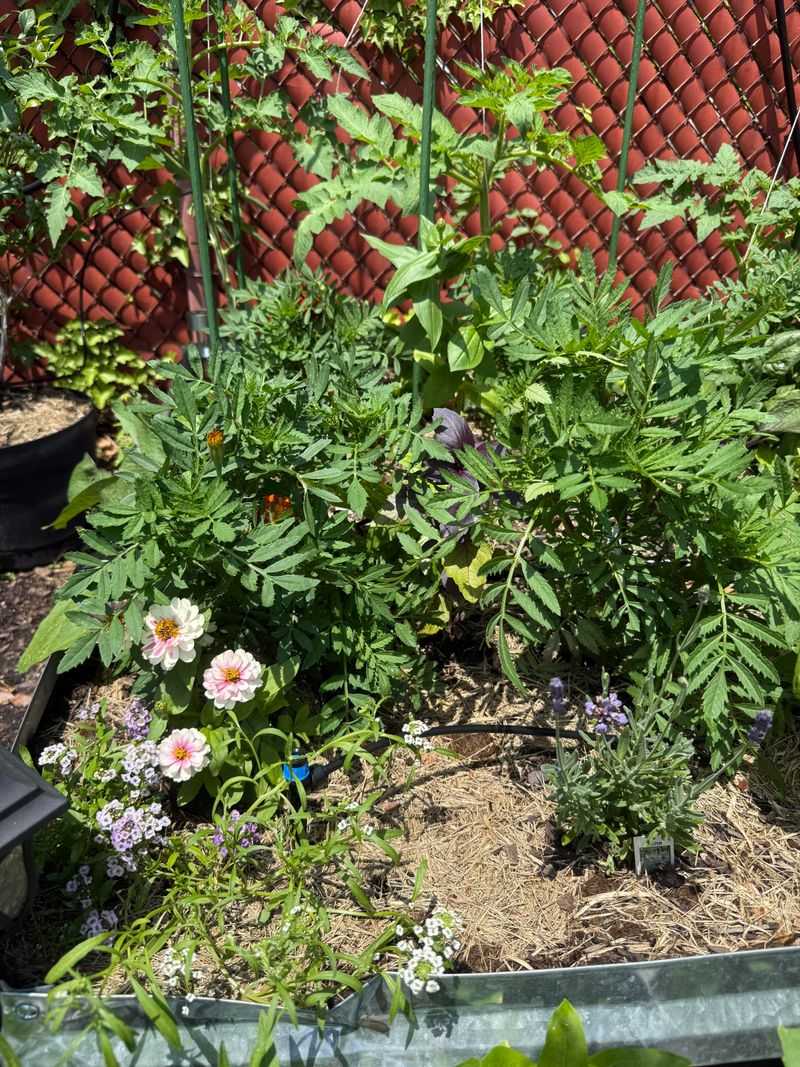
Bigger is not always better when it comes to feeding marigolds. Many Georgia gardeners give their marigolds the same fertilizer treatment as their vegetable garden, assuming more nutrients will mean more flowers.
The opposite often happens. When marigolds receive too much nitrogen, they channel their energy into producing thick, dark green foliage rather than putting out blooms.
The plant looks healthy and lush from a distance, but up close the flower count is disappointing.
Nitrogen is the nutrient most responsible for pushing leafy, green growth in plants. Fertilizers with a high first number in the N-P-K ratio, like a 30-10-10 blend, flood marigolds with more nitrogen than they need.
Georgia’s warm growing season already encourages vigorous vegetative growth on its own, so adding a heavy nitrogen fertilizer on top of that amplifies the leaf-over-bloom imbalance even further.
Marigolds are not heavy feeders by nature. In reasonably good garden soil amended with compost before planting, many marigolds will perform well all season with little or no added fertilizer.
If the soil is genuinely poor, a light application of a balanced fertilizer, something in the range of a 5-10-5 or similar blend, gives a gentle boost without overstimulating leaf growth.
Slow-release granular fertilizers applied at planting time are a lower-risk option than liquid fertilizers applied repeatedly throughout the season.
If plants already show excessive leafy growth and few flowers, the best move is simply to stop fertilizing and let the plant redirect its energy.
Blooms often begin to appear within a few weeks once the nitrogen push settles down.
5. Tight Spacing Traps Humidity And Invites Issues
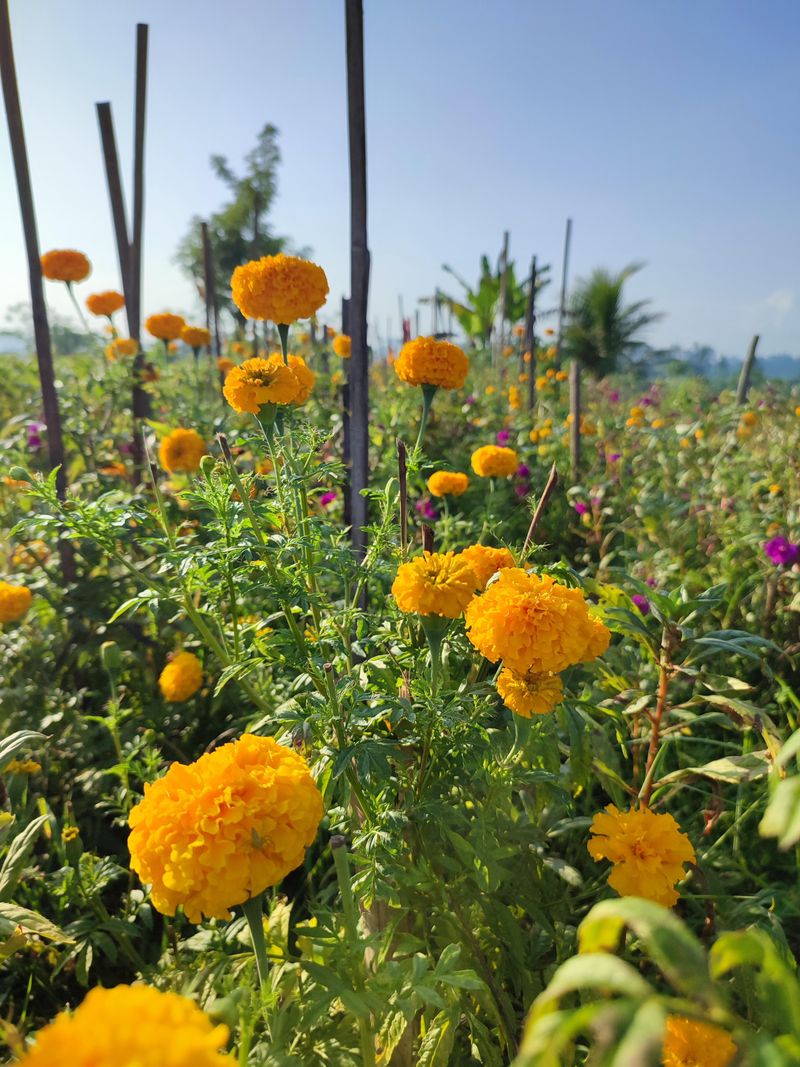
Georgia summers are genuinely humid, and that humidity does not just make gardeners uncomfortable.
It creates the exact conditions that fungal problems love, especially when plants are crowded so closely together that air can barely move between them.
Marigolds planted too tightly can stay damp long after rain or watering, and that lingering moisture raises the risk of problems like gray mold, leaf spots, and other fungal issues in warm, humid conditions.
The appeal of tight spacing is understandable. A densely planted bed looks lush and full right away, and it feels like better use of garden space.
But those plants start competing for resources within a few weeks, and by midsummer the airflow problems become obvious.
Leaves in the interior of a crowded cluster turn yellow, stems weaken, and the overall plant health declines faster than gardeners expect.
Spacing guidelines vary by marigold type. Smaller French marigold varieties generally do well spaced about 8 to 10 inches apart, while larger African marigold types benefit from 12 to 18 inches of breathing room between plants.
Following these ranges in Georgia, where summer humidity is a genuine factor, helps plants stay drier and healthier through the hottest months.
Good spacing also makes it easier to spot and address problems early. When plants have room between them, gardeners can see individual stems and leaves clearly rather than sorting through a tangled mass of foliage.
Thinning seedlings early, even when it feels wasteful, almost always leads to stronger, better-looking plants by late summer in Georgia’s garden conditions.
6. Removing Spent Blooms Keeps The Flower Show Going Longer
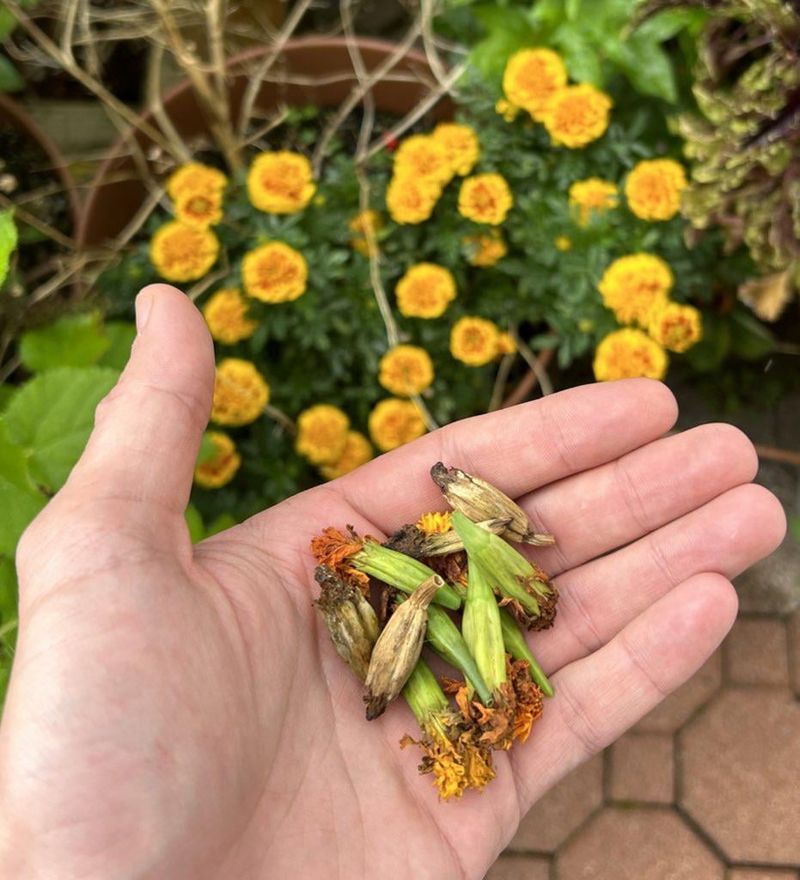
Spent marigold blooms left on the plant do more than just look untidy. Once a flower finishes its cycle and starts forming a seed head, the plant puts more energy into seed production and less into pushing fresh buds.
In a Georgia summer that can stretch well into October, letting lots of faded flowers hang on can slow the bloom show and make plants look tired sooner.
Many gardeners notice marigolds tapering off in midsummer and blame the heat, but a buildup of aging blooms can be part of the problem too.
Regular spent bloom removal helps the plant stay cleaner and often encourages more new flowers during the long season.
The technique is simple. Pinch or snip the faded bloom back to the nearest set of healthy leaves or a visible side bud.
Pulling only the flower head and leaving a long bare stem behind can make plants look ragged and may not encourage branching as well.
Georgia’s extended warm stretch gives marigolds plenty of time to keep blooming, and a quick cleanup pass every few days can help the bed stay brighter longer.