What Oregon Gardeners Should Be Cutting Back Before April
As spring starts picking up, it’s easy to get caught up in planting, planning, and watching everything wake up again.
But before April rolls in, there’s one important job that can make a big difference in how your garden performs for the rest of the season.
Cutting back the right plants now helps clear out old growth, encourages fresh new shoots, and keeps everything looking healthier and more put together.
It also gives you a chance to reset plants that might otherwise grow leggy, crowded, or a little out of control.
The timing matters more than most people realize. Wait too long, and you risk cutting into new growth or missing the window when plants respond best.
Get it right, and you set the stage for stronger, fuller growth in the weeks ahead. If you want a garden that looks refreshed and ready for spring, this is the moment to grab the pruners and get started.
1. Withered Perennials
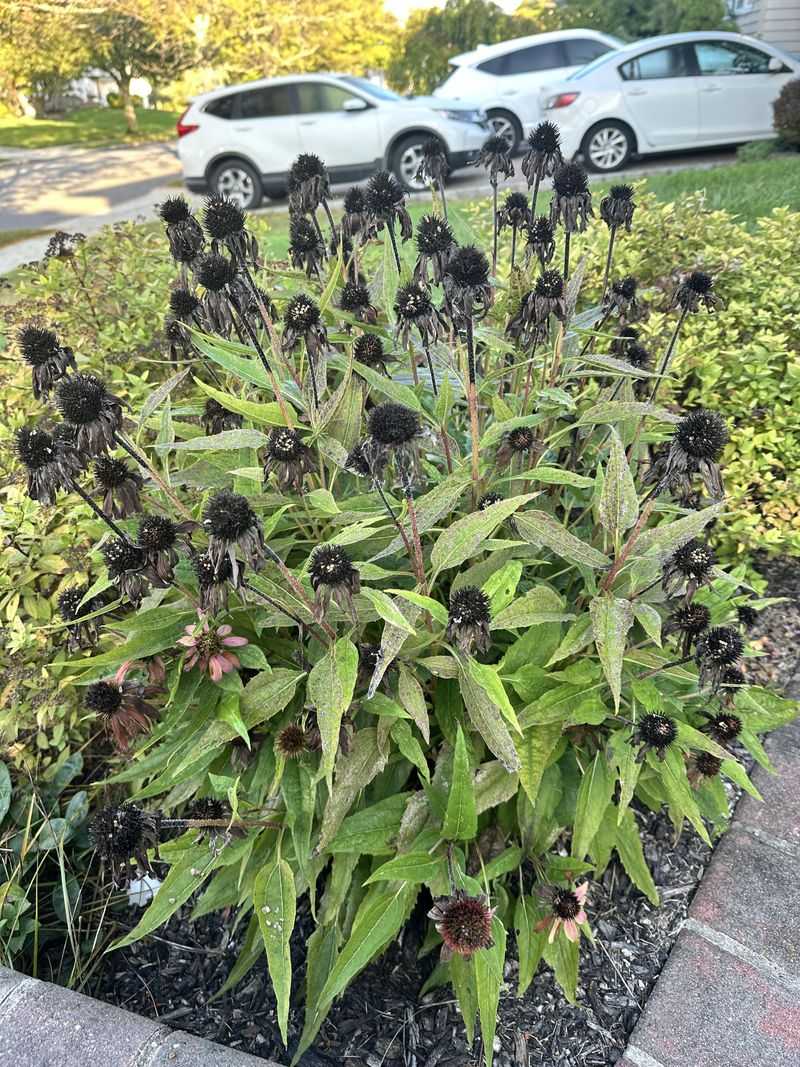
Last year’s perennials have likely spent the entire winter standing stiff and brown in your garden beds. Those old stems might look like they are protecting the plant, but leaving them too long can block new growth and create hiding spots for pests.
Late February through March is the sweet spot for cleanup in Oregon.
Cut stems down to just a few inches above the soil. You will often spot tiny green shoots already pushing up from the base.
That is your signal that the plant is ready and waiting. Hostas, coneflowers, black-eyed Susans, and sedums are all great candidates for this kind of cutback.
Work carefully around any new growth you see emerging. Sharp, clean pruners make the job easier and reduce the chance of tearing plant tissue.
Toss the old stems into your compost bin rather than leaving them on the soil. Removing that old material helps air and light reach the crown of the plant.
Oregon’s wet winters can cause stems to get moldy, so clearing them out early keeps your beds fresh and ready for the growing season ahead.
2. Ornamental Grasses
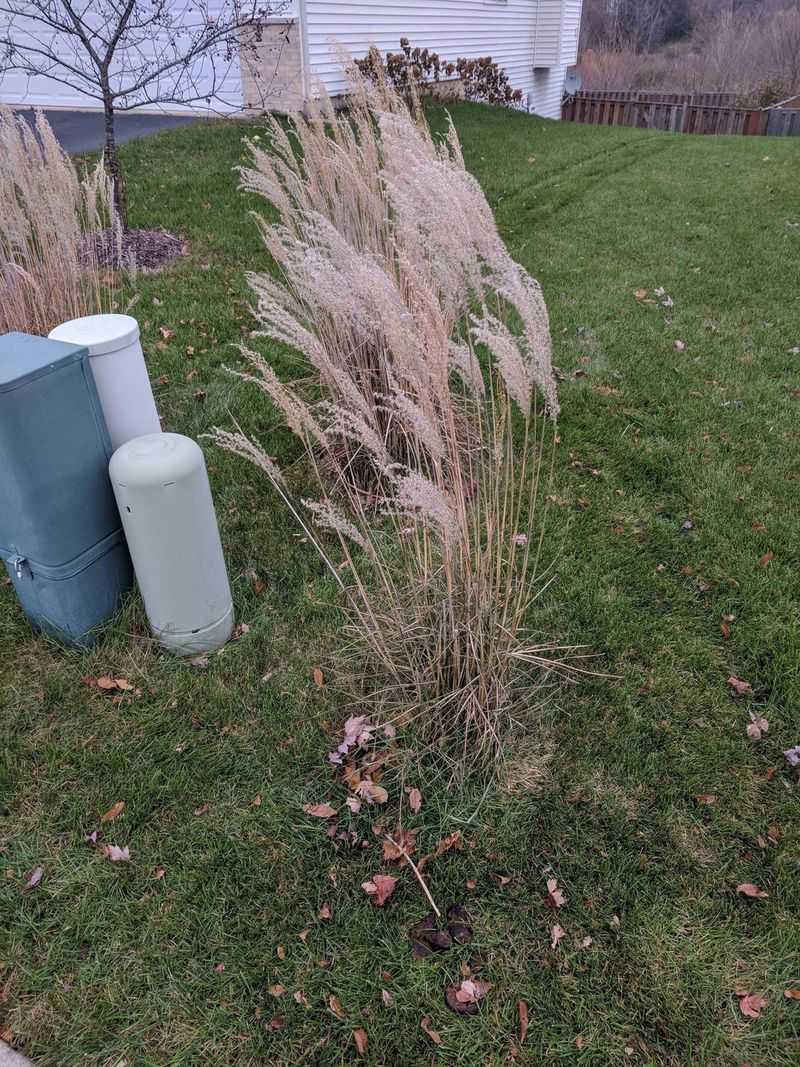
Few plants look as dramatic as ornamental grasses swaying through a winter garden, but by late February they start looking more like a bad hair day than a design feature.
Before new growth begins pushing up from the center, it is time to grab your shears and give them a serious trim.
Cut the entire clump down to about four to six inches above the ground. Some gardeners use twine to bundle the grass before cutting, which makes cleanup much faster.
Oregon State University Extension recommends doing this before March ends to avoid cutting into fresh green shoots.
Ornamental grasses like Miscanthus, Pennisetum, and blue oat grass are all common in Oregon landscapes and respond well to an early spring cutback. Without it, the new growth gets tangled up in the old dead material, making the plant look messy all season.
Once you cut them back, you will be amazed at how quickly they bounce back with bright, fresh blades. Add the removed material to your compost pile.
Your Oregon Garden Changes Every Week. Your Plan Should Too.
Gardening in Oregon changes quickly throughout the season. Every Friday you’ll receive a simple weekly plan showing exactly what to plant, prune, fertilize, harvest, and protect so you never miss the right timing.
Within just a few weeks, your grasses will look full and healthy again, ready to become a standout feature in your Oregon yard.
3. Rose Canes
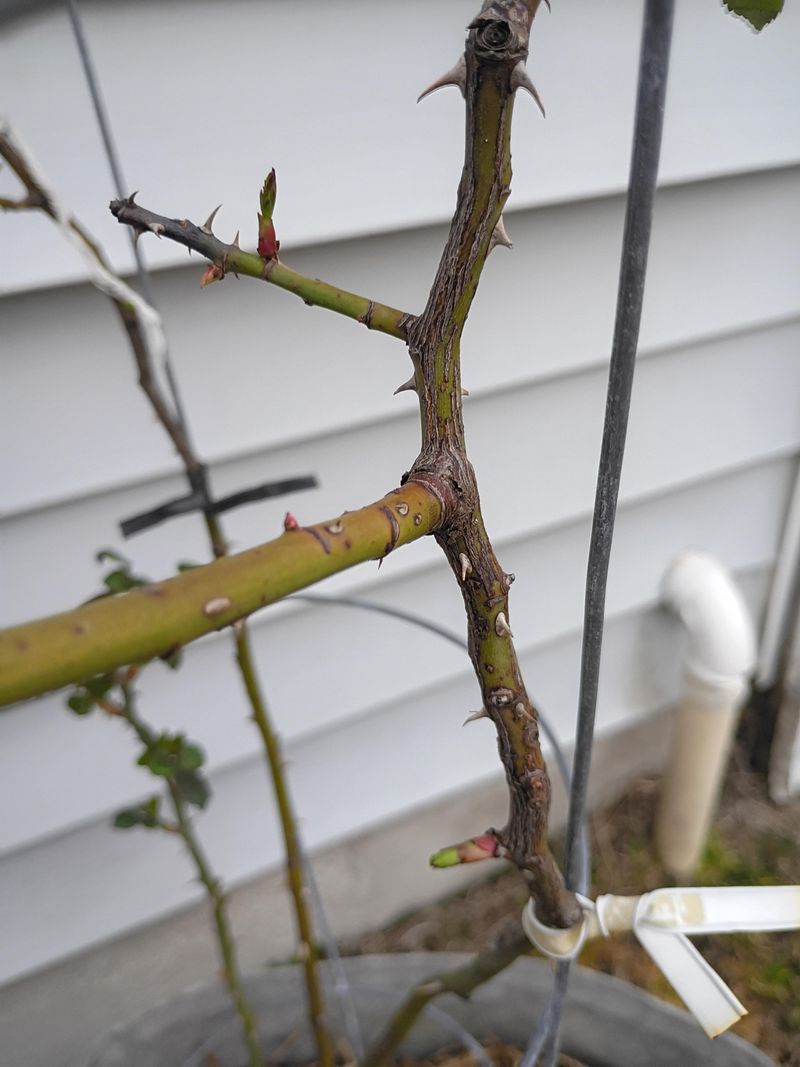
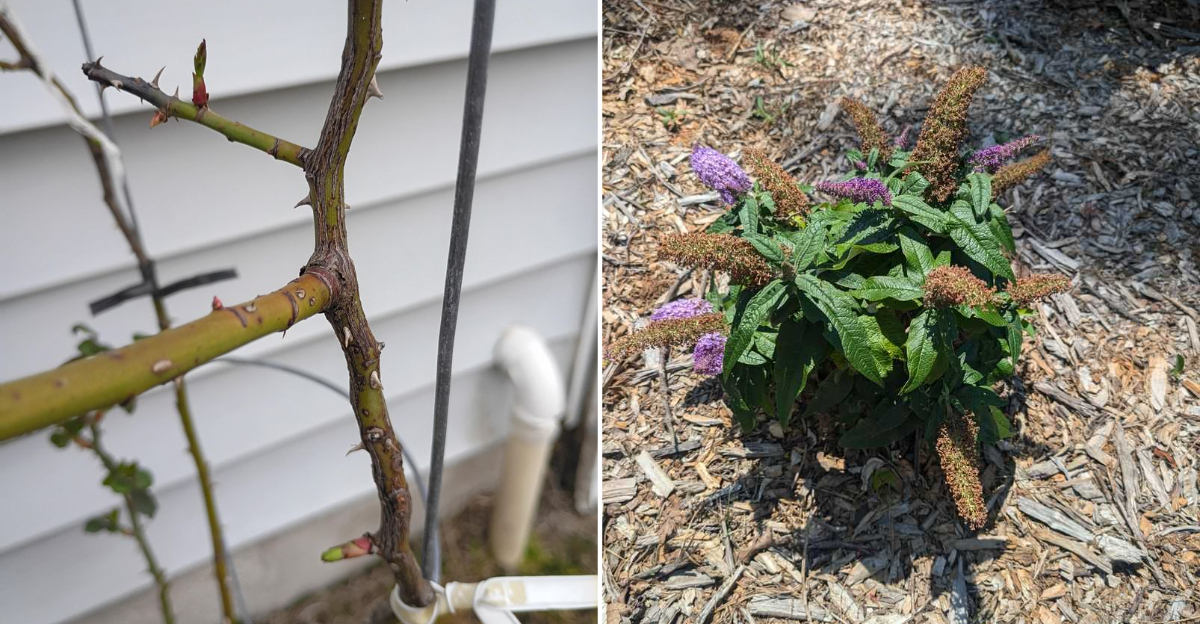
Roses can be a little intimidating to prune, but the good news is that they are tougher than they look. In Oregon, the window between late February and late March is ideal for cutting back rose canes before new leaves fully open.
Getting in early helps the plant focus its energy on strong new stems rather than struggling old ones.
Start by removing any canes that look dark, shriveled, or discolored. Healthy canes are green or greenish-white when you cut into them.
Trim the remaining canes down to about 12 to 18 inches, cutting at a 45-degree angle just above an outward-facing bud. This encourages the plant to grow outward rather than inward, which improves airflow and reduces disease.
Oregon’s wet climate makes roses prone to fungal issues, so good airflow through the plant is especially important. Remove any leaves still clinging to the canes and clean up fallen debris around the base.
Disinfect your pruners between plants to avoid spreading any disease. Once you are done, consider adding a light layer of compost around the base.
Your roses will reward the effort with a fuller, more vibrant bloom come late spring and summer.
4. Spent Hydrangea Stems
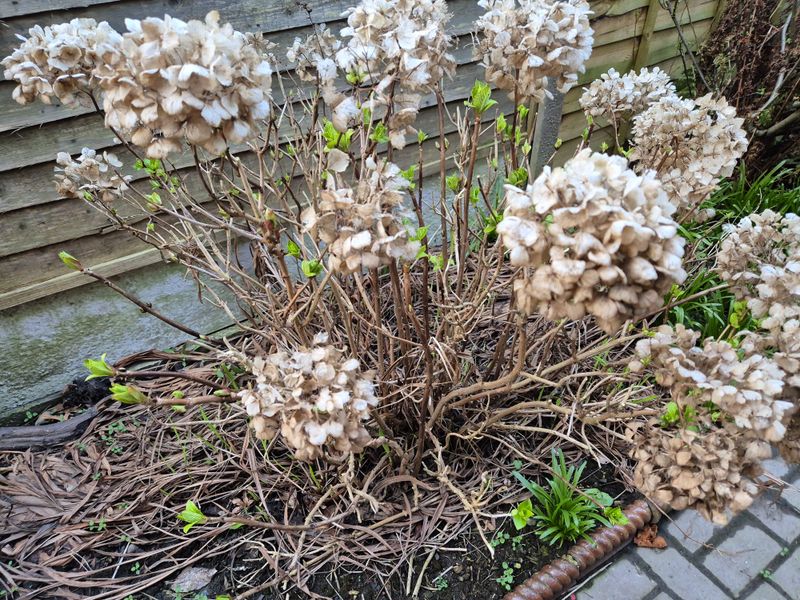
Hydrangeas are one of the most beloved shrubs in Oregon gardens, but knowing when and how to prune them trips up a lot of people.
The key is figuring out which type you have before you start cutting, because pruning the wrong kind at the wrong time can mean missing out on blooms for an entire season.
Panicle hydrangeas and smooth hydrangeas, like Annabelle, bloom on new wood. You can cut these back hard in late winter or early spring, and they will still flower beautifully.
Bigleaf hydrangeas, the classic mopheads and lacecaps so popular in Oregon’s Willamette Valley, bloom on old wood. For those, just remove the spent flower heads and any weak or crossing stems without cutting the main canes back hard.
A simple trick is to wait until you see buds swelling on the stems before you make your cuts. That way you can clearly see which wood is alive and which is not.
Remove the dried flower heads by cutting just above the first pair of healthy buds. This small step tidies up the plant and redirects energy toward fresh blooms.
A little patience here pays off with a spectacular summer show in your Oregon garden.
5. Summer-Blooming Shrubs
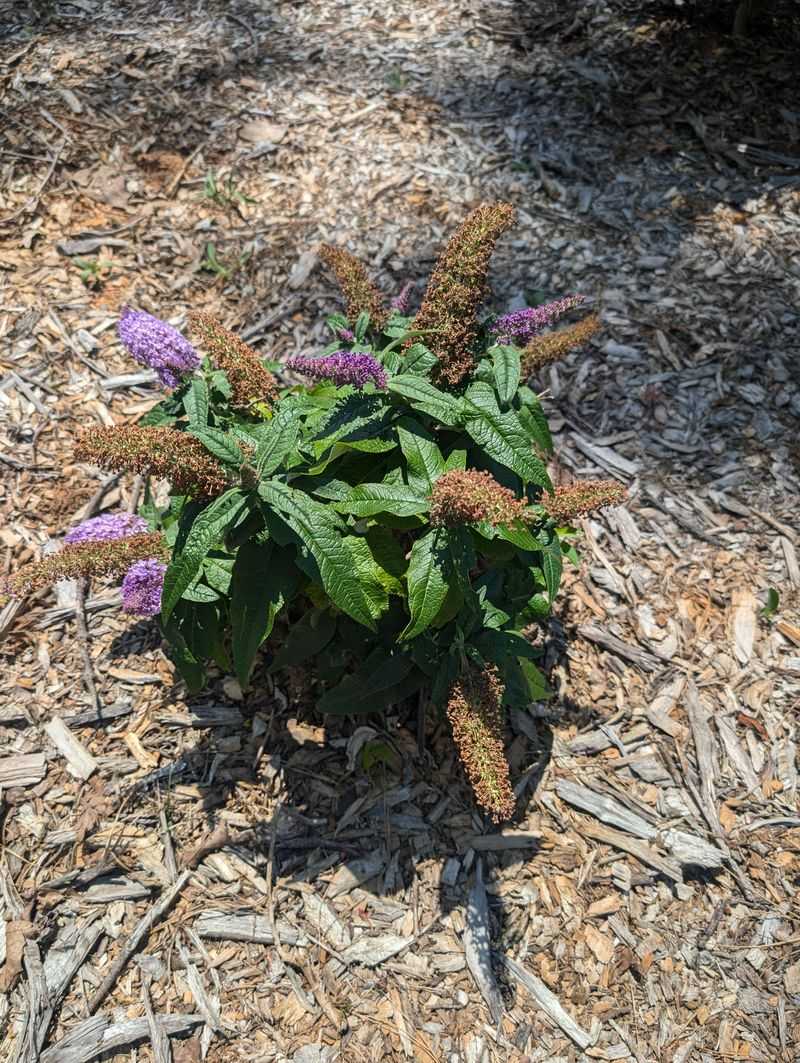
Summer-blooming shrubs are some of the easiest plants to prune because you have a wide-open window to cut them back before they leaf out.
Shrubs like butterfly bush, spirea, and potentilla all bloom on new wood, which means pruning in early spring actually encourages more flowers, not fewer.
Oregon gardeners have until late March to get this done before things heat up.
Cut butterfly bush back hard, sometimes almost to the ground, leaving just a few inches of woody stem. It may look dramatic, but these plants come back with incredible vigor.
Spirea can be cut back by about one-third to encourage fresh, bushy growth. Always use sharp, clean loppers or pruners to get smooth cuts that heal quickly.
Beyond just encouraging blooms, cutting back summer-flowering shrubs helps maintain the shape and size of the plant. Left unpruned for several seasons, many of these shrubs become leggy and woody, producing fewer flowers at the tips of long bare stems.
A consistent annual cutback keeps them compact and productive. After pruning, work a balanced slow-release fertilizer into the soil around the base to give the plant a nutritional boost as it pushes out new growth throughout the spring season.
6. Lavender (Light Trim Only)
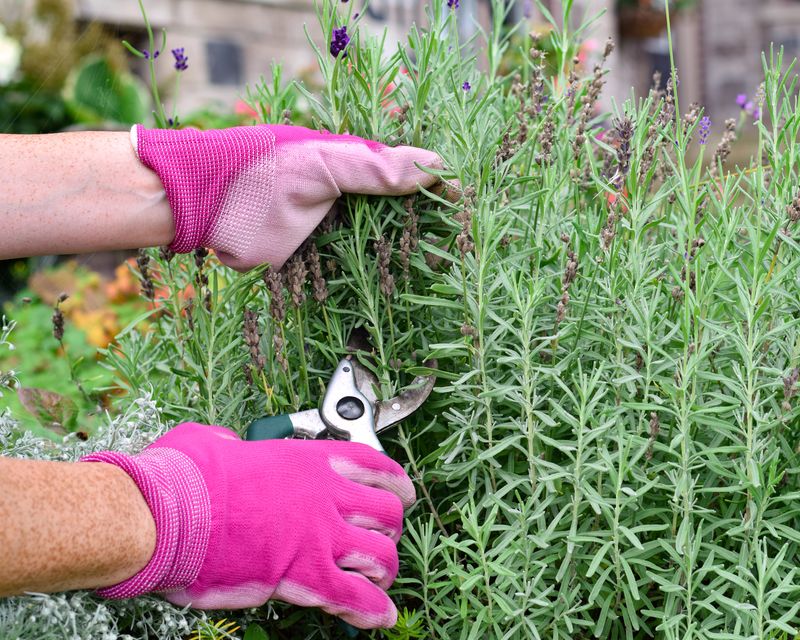
Lavender is a plant that rewards patience and punishes aggression with the pruners. Many Oregon gardeners make the mistake of cutting lavender back hard into the old woody base, and then wonder why the plant never bounces back.
The truth is that lavender does not regenerate well from bare wood, so light and careful is the way to go.
In early spring, look for the point where green growth begins on each stem. Cut back to just above that green growth, removing about one-third of the plant at most.
Never cut into the thick gray or brown woody base. The goal is to tidy up the plant and encourage bushy new growth without stressing it.
Oregon’s rainy winters can cause lavender to get a bit scraggly, with stems flopping outward and the center opening up. A light trim helps tighten the shape and promotes upright growth.
If your lavender has gotten very woody and open over the years, it may be time to replace the plant entirely rather than trying to rescue it with heavy pruning.
After trimming, make sure the area around the base is clear of soggy leaves and debris, since good drainage is essential for lavender to thrive in Oregon’s wet climate.
7. Berry Canes
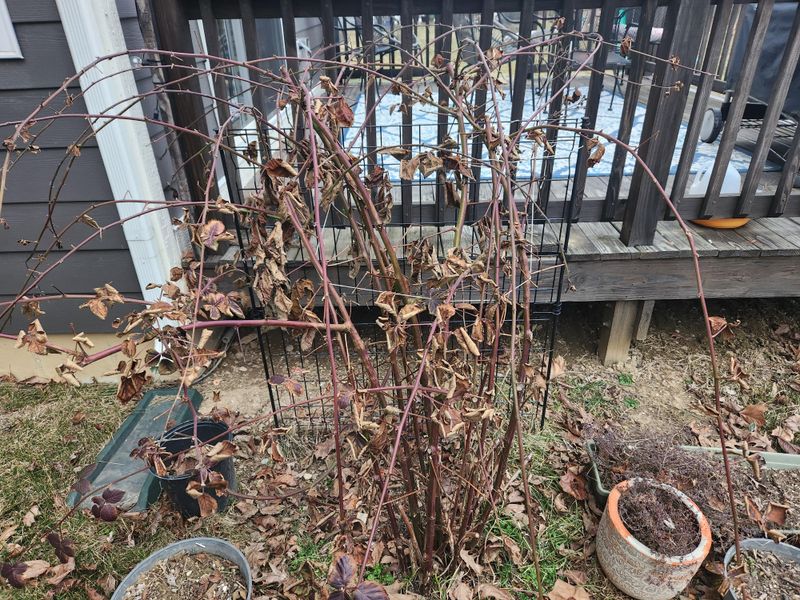
Berry patches can get tangled and overwhelming fast, especially after a full season of growth. Raspberries and blackberries are among the most popular crops in Oregon, and both need annual cane management to stay productive.
Getting in before April makes the job easier and sets the plants up for a generous harvest later in the year.
For raspberries, remove all the canes that fruited last year. These will be the brown, dry-looking ones.
The green or reddish canes that grew last season but did not fruit are the ones to keep, since they will produce berries this summer. Tie those keeper canes to a trellis or wire support so they grow upright and get good airflow.
Blackberries follow a similar pattern, but the canes are usually thicker and thornier, so heavy gloves are a must. Trim back any lateral shoots on the keeper canes to about 12 inches to encourage better fruiting.
Remove any canes that are crossing, crowded, or lying on the ground. Oregon State University Extension notes that well-managed berry patches produce significantly more fruit than neglected ones.
A little effort now means you will be picking buckets of berries come summer, making all that early spring work in your Oregon garden completely worth it.
8. Damaged Wood
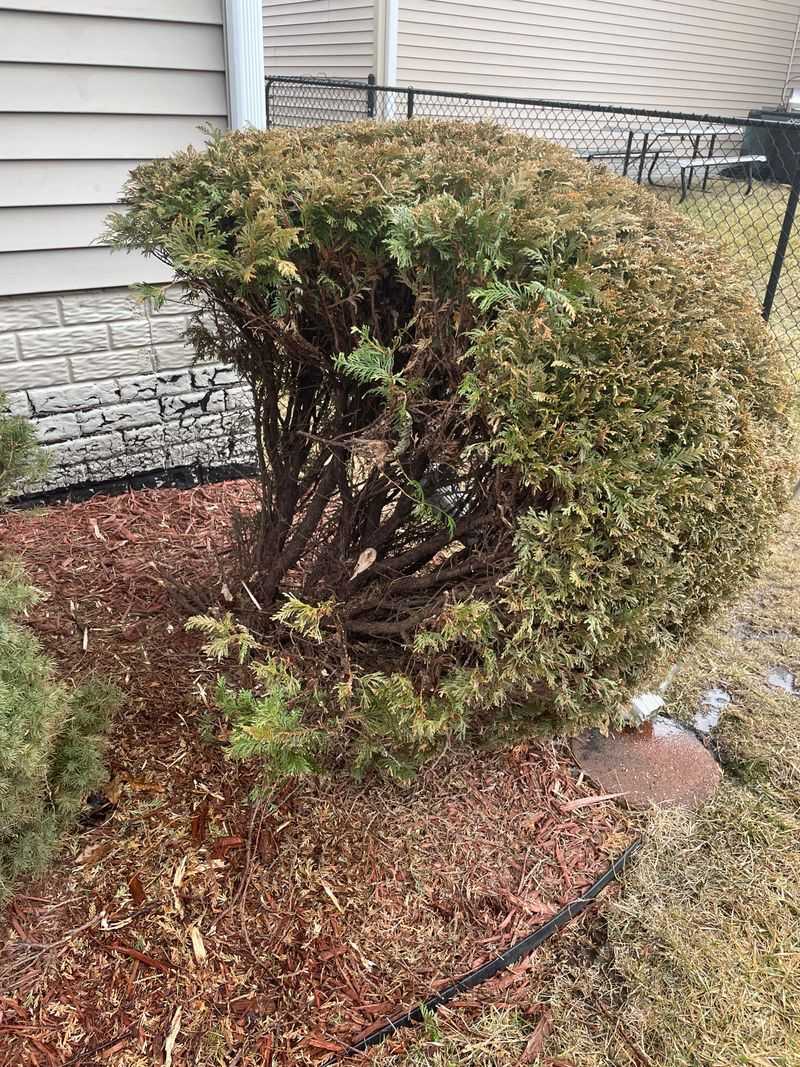
Winter in Oregon can be rough on woody plants. Wind, snow, and prolonged wet cold all take a toll, leaving behind branches that are cracked, broken, or showing signs of disease.
Before new growth kicks into high gear, walking through your garden to assess and remove damaged wood is one of the most valuable things you can do.
Look for branches that are visibly broken, hanging at odd angles, or have bark that looks sunken and discolored. Cut them back to healthy wood, making your cut just above a healthy bud or side branch.
Disinfect your pruners with rubbing alcohol between cuts, especially if you suspect any fungal or bacterial issues on the wood.
Removing damaged wood is not just about looks. Broken branches create entry points for pests and disease, and leaving them in place can spread problems to healthy parts of the plant.
Fruit trees, ornamental trees, and flowering shrubs all benefit from this kind of careful inspection before spring. Oregon gardens, with their combination of wet winters and early warm spells, are especially prone to winter damage.
Take your time, make clean cuts, and your plants will channel all their energy into healthy new growth rather than trying to recover from winter wounds.