The One Hydrangea Pruning Step That Boosts Blooms In Oregon
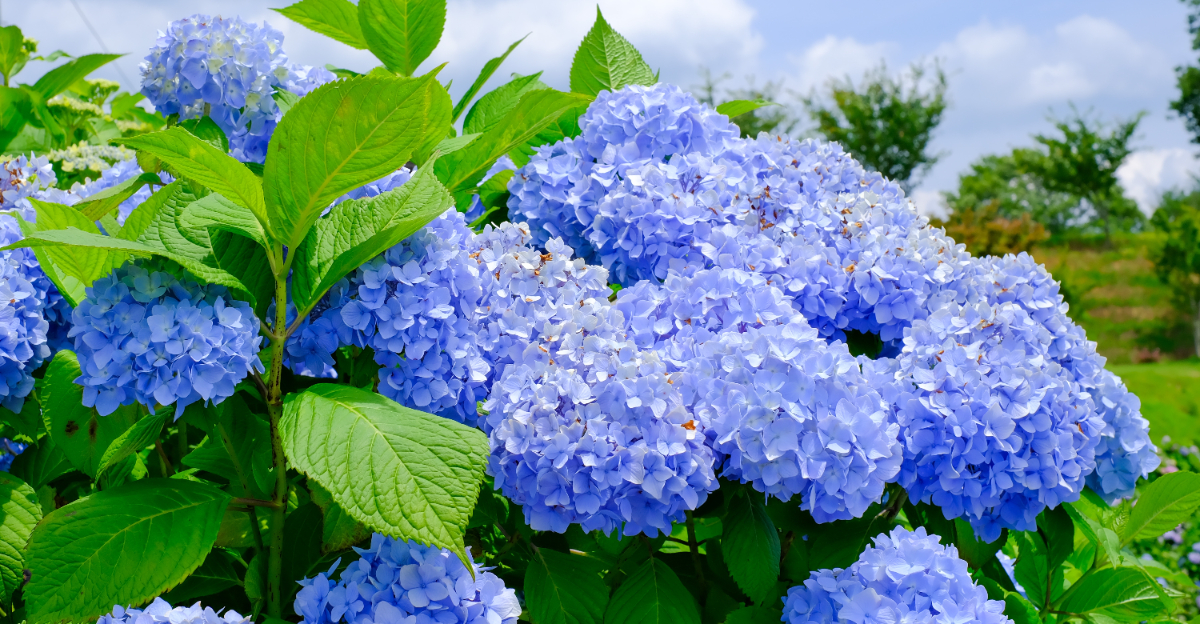
Hydrangeas can be a little unpredictable when it comes to blooming, which is why many gardeners hesitate to prune them at all. One wrong cut at the wrong time, and it can feel like you’ve accidentally canceled the entire flower show for the season.
But here’s the good news. There’s one simple step you can take without second guessing yourself, and it can actually help your hydrangea perform better.
As spring begins, it becomes easier to spot stems that didn’t make it through winter. They may look dry, brittle, or just out of place compared to the rest of the plant.
Leaving them there doesn’t help, and can even hold the plant back. Clearing out that withered or damaged wood gives your hydrangea a cleaner start and allows energy to go where it’s needed most.
It’s a quick, low-risk task that can lead to healthier growth and a much better display of blooms later on.
Start With Damaged Wood Removal
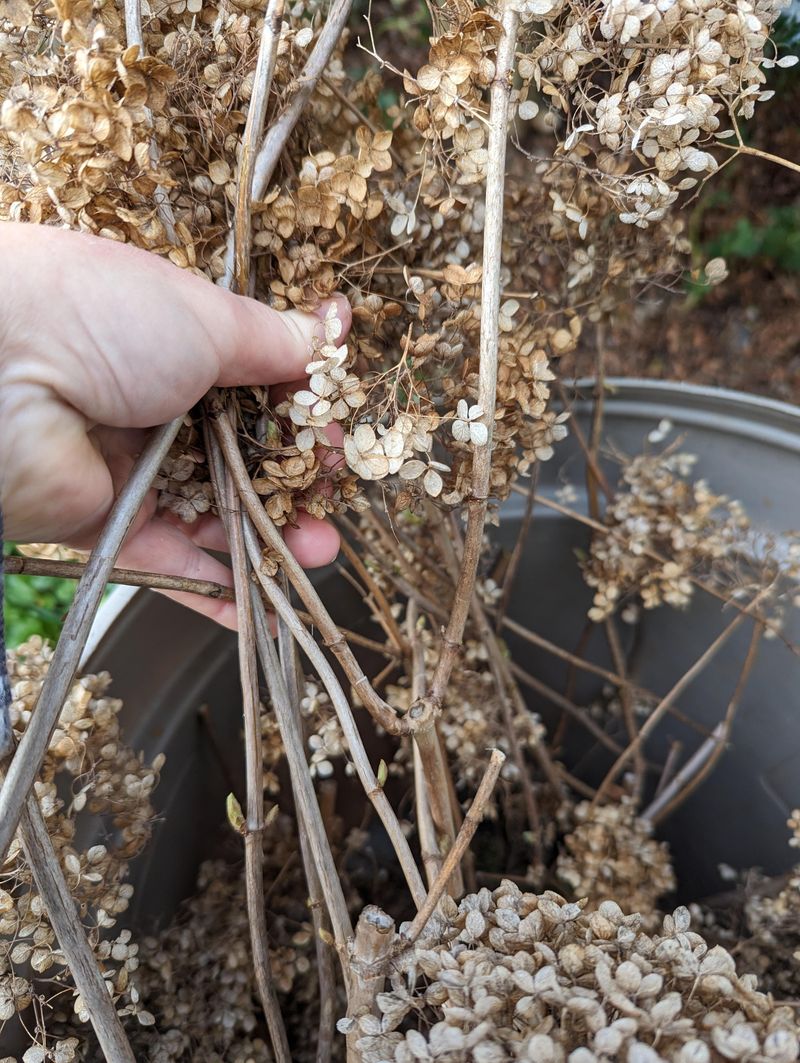
Every great bloom season starts before a single flower opens. Removing damaged wood is the foundation of any good hydrangea pruning routine, and it makes a bigger difference than most Oregon gardeners realize.
When you skip this step, your plant wastes precious energy trying to push life into stems that simply cannot support new growth.
Damaged wood shows up as brown, cracked, or hollow stems. You might also notice stems that feel soft or look discolored compared to the healthy ones nearby.
These problem areas block your hydrangea from reaching its full blooming potential each season.
In Oregon, where winters can bring heavy rain, frost, and wind, hydrangeas often end up with more damaged wood than gardeners expect. Starting your pruning session by targeting these weak spots sets your plant up for a strong comeback.
Work from the outside of the shrub inward. Look for any stem that bends too easily or snaps without resistance.
Clearing these away first gives you a cleaner view of what healthy growth remains. This single step alone can transform how well your hydrangea performs in the coming months.
Spot Lifeless, Brittle Stems
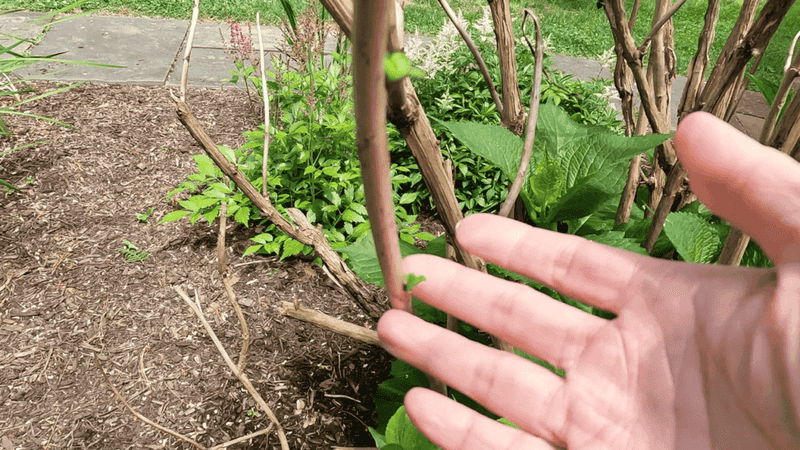
Not all withered-looking stems are actually gone for good, but brittle ones usually are. Learning to spot the difference saves you from accidentally cutting healthy growth while leaving behind wood that will never bloom.
A quick scratch test on the stem surface can reveal a lot about what is still alive underneath.
Scratch the outer bark gently with your fingernail. If you see green or white underneath, that stem still has life in it.
If the inside looks brown, dry, and chalky, you are looking at a stem that needs to come out.
Oregon gardeners deal with this challenge every spring because the wet, cold winters here can quietly damage stems from the inside out without leaving obvious signs on the surface. Brittle stems also tend to crack under their own weight, which can create entry points for pests and disease.
Removing them early in the pruning process protects the rest of the plant. Go through your hydrangea methodically, checking each main stem before making any cuts.
Your Oregon Garden Changes Every Week. Your Plan Should Too.
Gardening in Oregon changes quickly throughout the season. Every Friday you’ll receive a simple weekly plan showing exactly what to plant, prune, fertilize, harvest, and protect so you never miss the right timing.
Taking your time at this stage pays off with a healthier, more productive shrub when bloom season arrives in your Oregon yard.
Cut Back To Healthy Growth
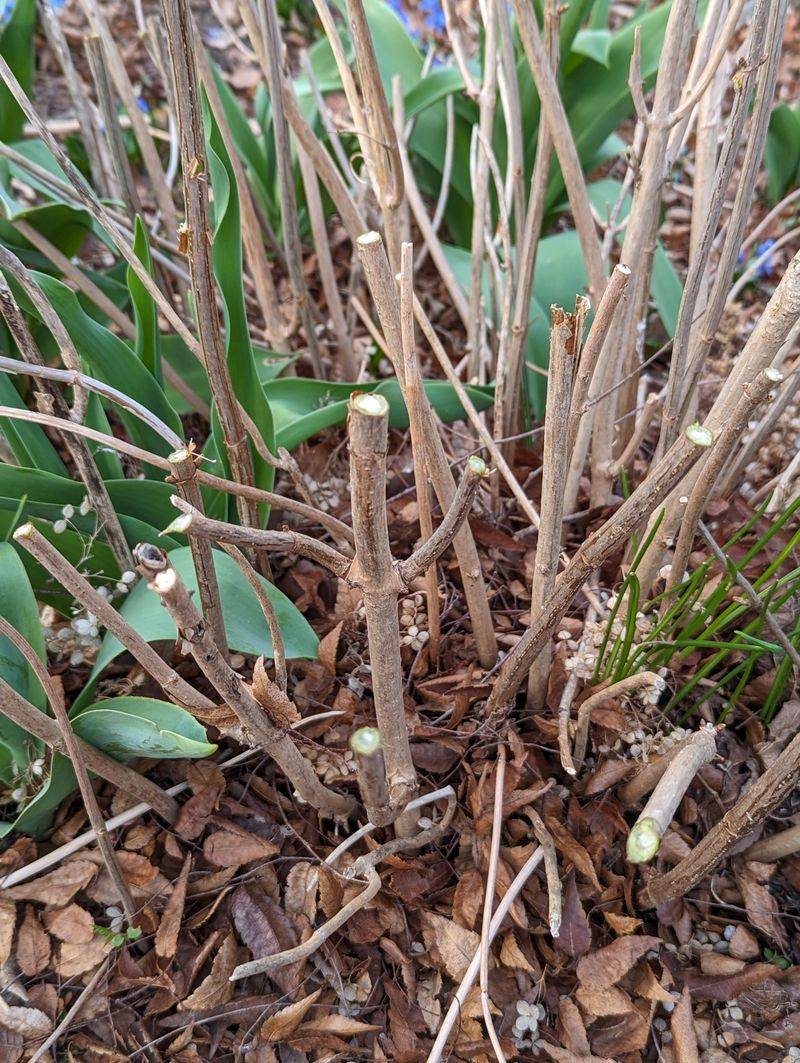
Once you find a damaged or lifeless stem, the next move is cutting it back to where healthy growth begins. This is where precision really matters.
Cutting too far above a healthy bud leaves a stub that can rot and invite disease. Cutting too close risks damaging the bud itself.
Look for a node, which is a small bump or swelling on the stem where new growth will emerge. Make your cut about a quarter inch above that node at a slight angle.
The angle helps water run off the cut surface instead of sitting and causing rot.
In Oregon, timing matters too. For hydrangeas that bloom on old wood, like bigleaf varieties, you want to finish this step right after flowering ends in late summer.
For new wood bloomers like panicle or smooth hydrangeas, late winter to early spring is your window. Cutting back to healthy growth at the right time encourages your plant to channel its resources into strong new shoots rather than struggling stems.
Each clean cut you make is basically a signal to the plant that it is time to grow fresh, productive wood that will support bigger blooms in the coming season.
Use Clean, Sharp Pruners
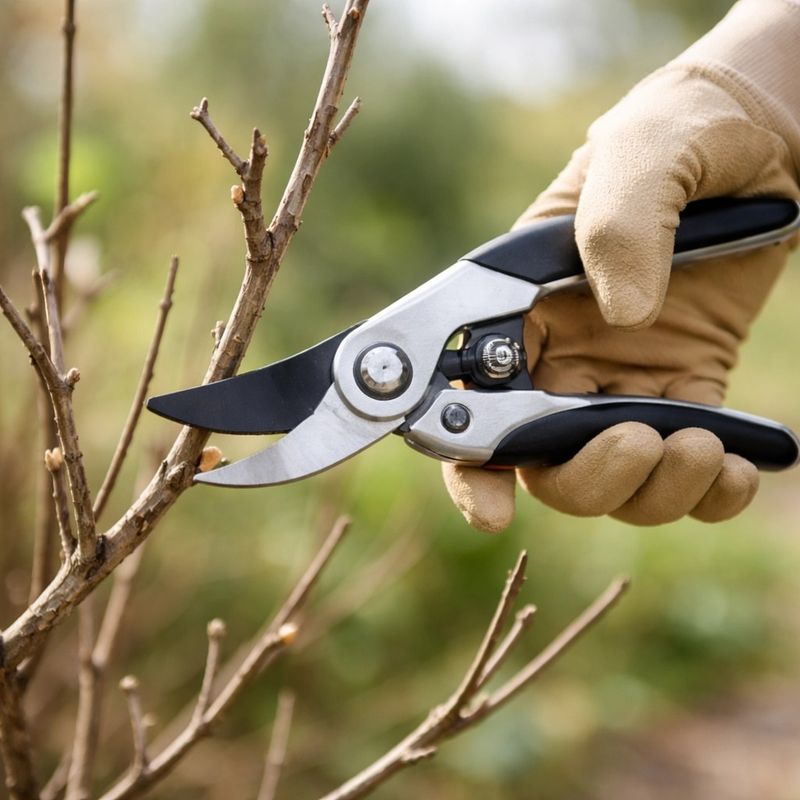
Your pruning tools matter just as much as your technique. Dull or dirty pruners crush stems instead of cutting them cleanly, and that crushed tissue heals slowly and unevenly.
A clean cut, on the other hand, closes up quickly and reduces the chance of disease entering the wound.
Before you start pruning, wipe your blades with rubbing alcohol or a diluted bleach solution. This simple habit prevents the spread of fungal or bacterial issues from one stem to another.
Sharpen your blades if they feel like they are dragging or tearing through the wood.
Oregon’s damp climate is a breeding ground for plant diseases, so keeping tools clean is especially important here. Bypass pruners are the best choice for hydrangeas because they make a scissor-like cut rather than a crushing one.
Replace blades or the entire tool if sharpening no longer helps. Many experienced Oregon gardeners keep a small bottle of disinfectant spray right in their garden basket so they can clean between cuts on the same plant.
It takes only a few extra seconds, but it protects your hydrangea all season long. Sharp, clean tools are one of the easiest upgrades you can make to your pruning routine.
Open Space For New Shoots
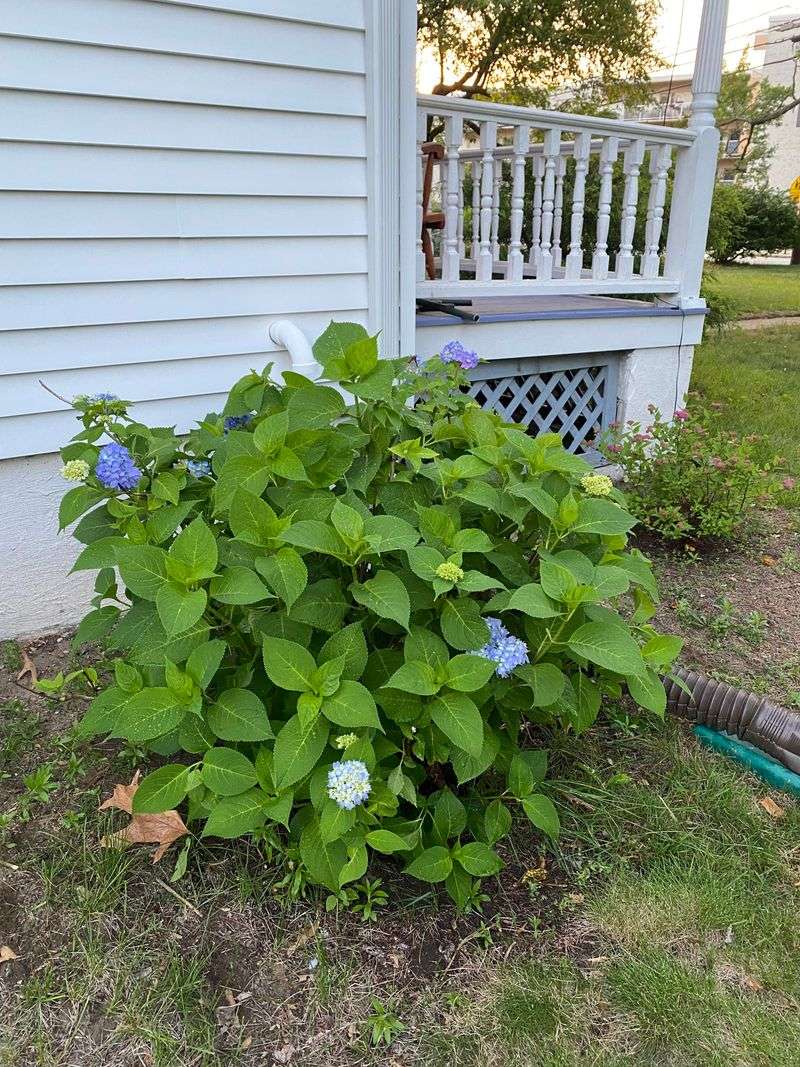
Crowded shrubs struggle to bloom well. When too many stems compete for the same space, airflow drops, light gets blocked, and new shoots have nowhere to grow.
Opening up the interior of your hydrangea is one of the most rewarding parts of the pruning process.
After removing damaged and lifeless stems, step back and look at the overall shape of the shrub. Are there stems crossing over each other?
Are some growing inward instead of outward? These are the next candidates for removal or trimming.
Oregon gardeners often find that their hydrangeas get quite dense after a few seasons of growth, especially in the mild, wet conditions of the Willamette Valley or along the coast.
Thinning out that density gives new shoots the room they need to push up from the base and develop into strong, bloom-bearing canes.
You do not need to remove huge amounts of growth to see results. Sometimes just pulling out three or four crossing stems makes a dramatic difference.
The goal is to create a structure where each remaining stem has breathing room. When new shoots emerge in spring, they will have the space they need to grow tall, strong, and loaded with flowers.
Let Light Reach The Center
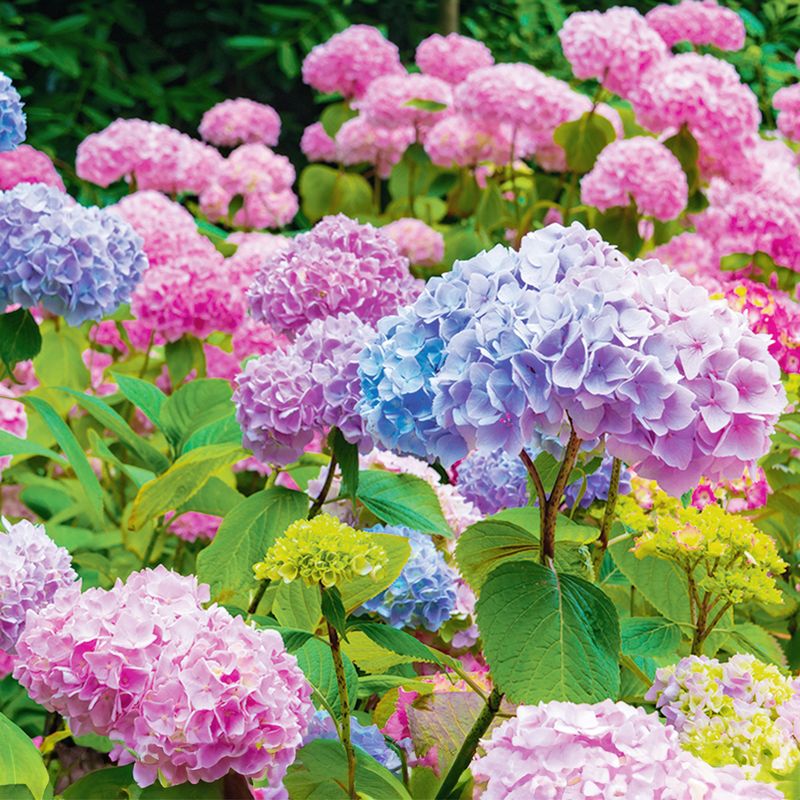
Sunlight is fuel for flowering plants. When the center of your hydrangea is packed with old, tangled wood, the inner stems never get the light they need to produce flower buds.
That is why opening up the canopy is not just about looks. It is about giving every part of the plant a fair shot at blooming.
After thinning out crossing or inward-growing stems, check whether light can reach the center of the shrub. Hold your hand near the base of the plant on a sunny day.
If it stays shaded, more thinning may be needed. Light penetration is especially important for older hydrangeas that have built up several years of dense growth.
In many parts of Oregon, hydrangeas grow vigorously because of the long, mild growing season. That rapid growth is a gift, but it also means plants can shade themselves out faster than in drier climates.
Letting light into the center encourages dormant buds along older wood to activate and produce new flowering shoots. It also warms the soil around the base of the plant, which stimulates root activity and overall vigor.
A little strategic thinning goes a long way toward making sure your Oregon hydrangea blooms from the inside out, not just along the outer edges.
Direct Energy To Live Buds
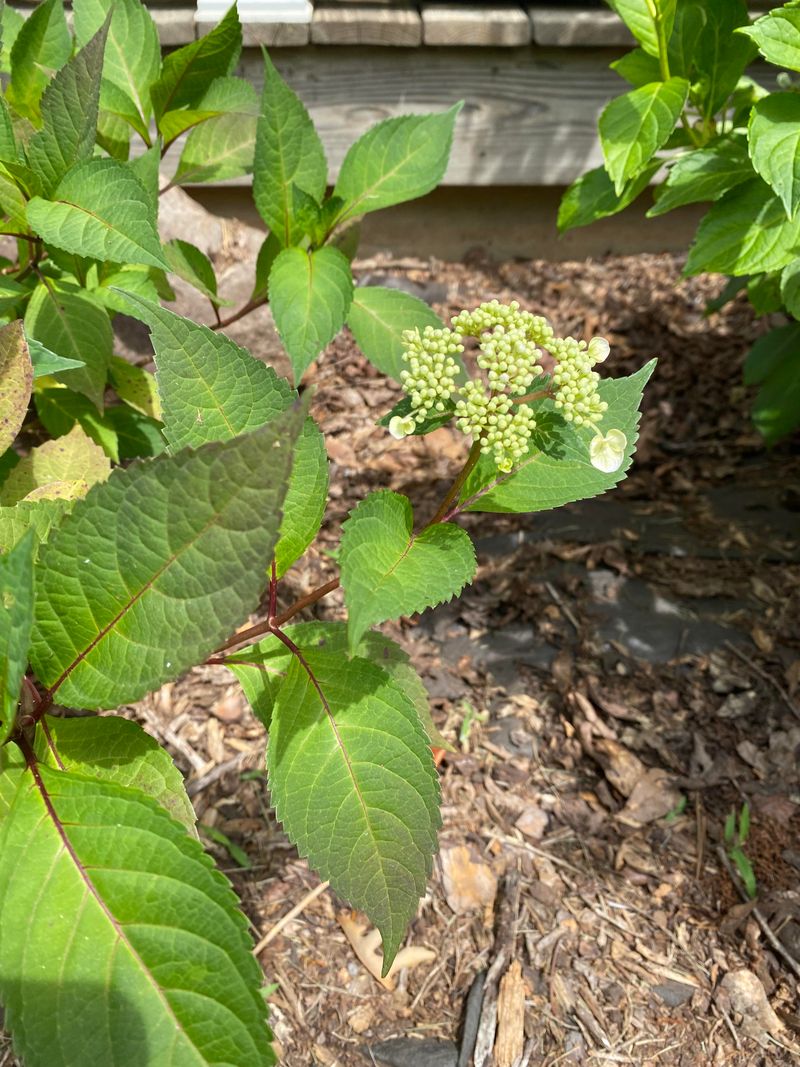
Every stem you remove is a redirection of energy. When a hydrangea no longer has to maintain damaged or hollow wood, it sends its stored nutrients straight to the stems and buds that can actually use them.
This is the real reason why proper pruning leads to more blooms rather than fewer.
After your initial cleanup, look closely at the remaining stems for signs of active buds. These show up as small, rounded swellings along the sides of the stem or at the tips.
Healthy buds are firm, slightly shiny, and often have a hint of green or red color depending on the variety.
Oregon gardeners growing bigleaf hydrangeas should pay extra attention here because those varieties set their flower buds on last year’s wood during the previous summer.
Protecting those buds through winter and then directing plant energy toward them in spring is the key to a strong bloom display.
For panicle and smooth hydrangeas, buds will form on new wood as the season progresses, so cutting back encourages more of that productive new growth. Either way, every pruning decision you make should point toward supporting live, healthy buds.
Those buds are your future blooms, and they deserve every bit of energy your plant has to offer.
Boost Stronger Spring Blooms
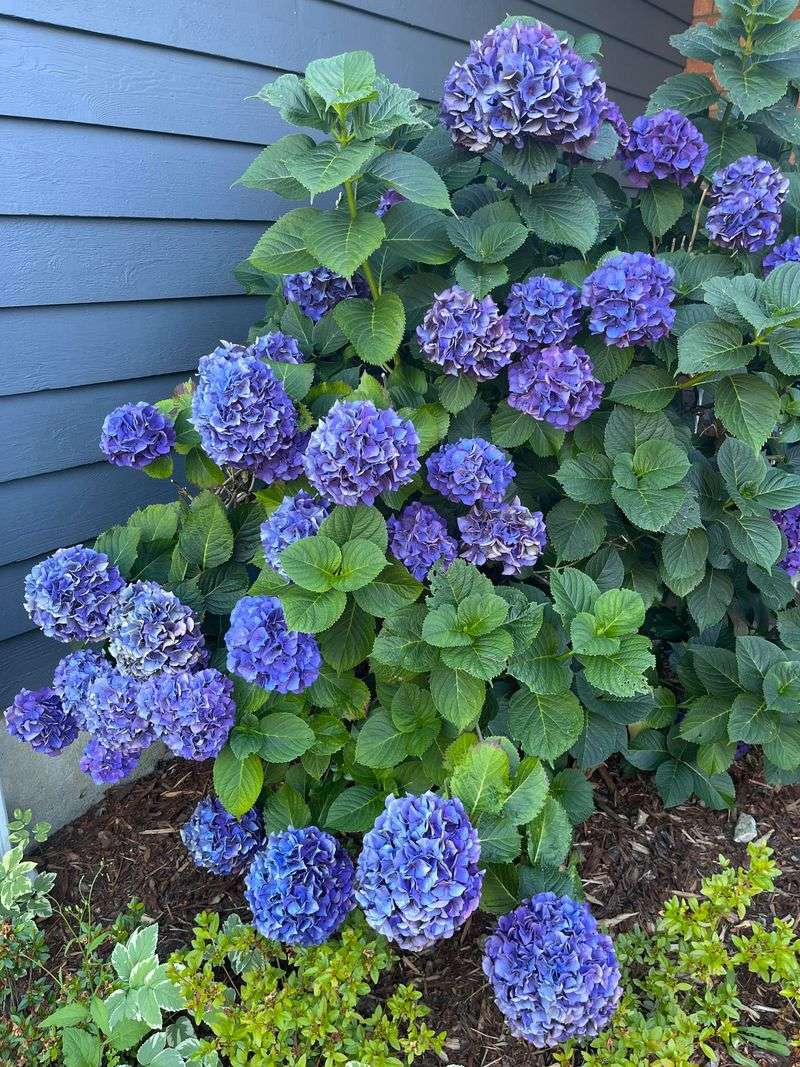
All the work you put into pruning pays off in one spectacular moment when your hydrangea bursts into bloom.
Gardeners across Oregon who follow these steps consistently report fuller plants, larger flower heads, and a longer bloom season compared to plants that never get proper attention.
The connection between smart pruning and bigger blooms comes down to plant biology. When resources are not wasted on struggling wood, the plant can build stronger stems, bigger buds, and more flower clusters.
It is a simple trade-off that delivers stunning results.
Oregon’s climate is genuinely one of the best in the country for growing hydrangeas. The combination of cool winters, mild springs, and moderate summers creates ideal conditions for these shrubs to thrive.
But even in a perfect climate, a neglected plant will underperform. Regular pruning, done with care and at the right time, is what separates a good hydrangea from a truly showstopping one.
Start next season by committing to this one foundational step, and you will likely never skip it again.
Whether your garden sits in Portland, Eugene, Bend, or anywhere else across Oregon, your hydrangeas will reward your effort with the kind of blooms that stop neighbors in their tracks.