Should Georgia Gardeners Prune Loropetalum Before Spring
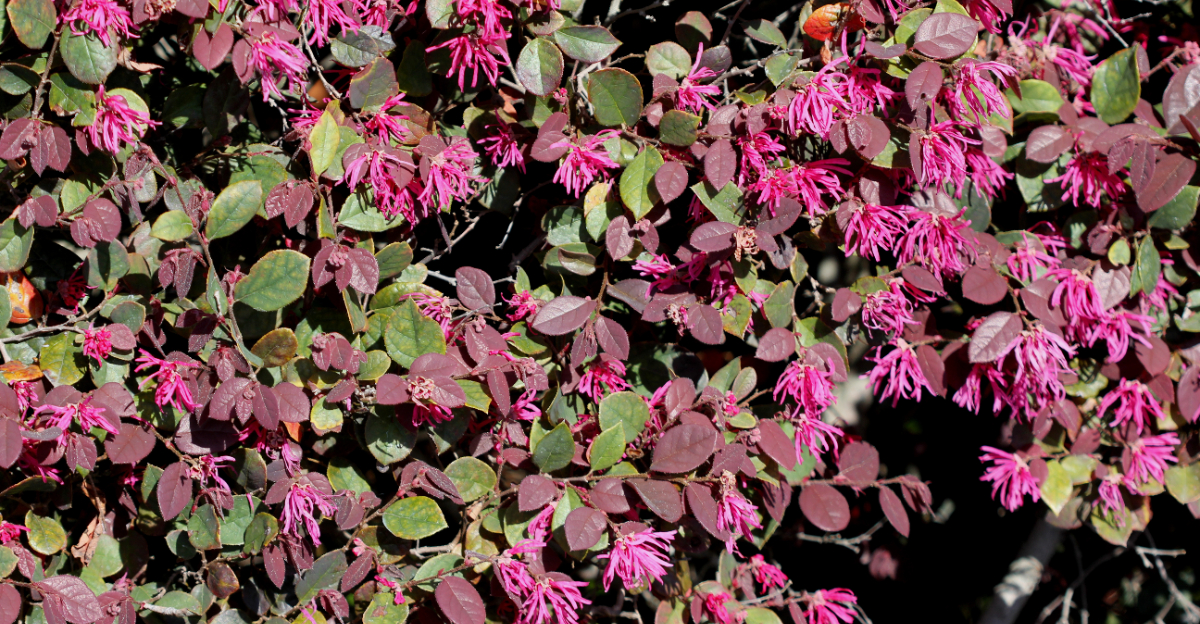
Loropetalum can get out of control fast if it is left alone, but cutting it at the wrong time can cost you those bright spring blooms. That is why timing matters more than most Georgia gardeners expect.
As winter fades, it is tempting to grab the pruners and clean everything up, but loropetalum is often already setting buds for its early flowers. A heavy trim now can mean fewer blooms just weeks later, even if the plant still looks healthy.
The smarter move is knowing when to step in and when to wait. A light cleanup might be fine in some cases, but bigger shaping is usually better saved for after flowering.
Getting this timing right keeps the plant full, colorful, and much easier to manage through the rest of the season.
1. Avoid Heavy Pruning Before Spring Flowering Begins
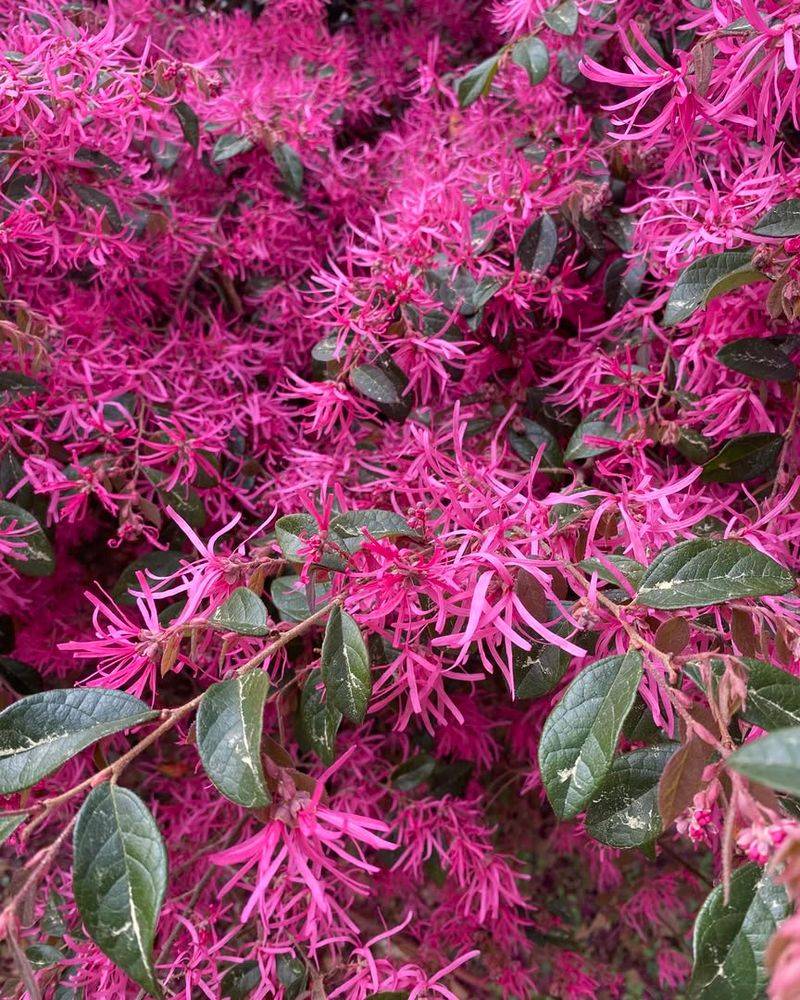
Cutting into your loropetalum right before it blooms is one of the fastest ways to ruin the whole show. Georgia’s loropetalum typically starts pushing out those signature pink flowers as early as late February, with peak bloom usually hitting around March.
If you prune during this window, you are not just trimming branches — you are removing buds that spent months developing.
Picture those flower clusters already forming beneath the surface, just waiting for the right temperature to open up. Heavy pruning at this stage strips the plant of its seasonal payoff.
What you end up with is a neatly shaped shrub that produces almost no blooms for the entire season.
Georgia gardeners who prune hard in January or February often wonder why their loropetalum looks green but bare while their neighbor’s plant is covered in color. Timing is the answer.
Skipping the pre-spring prune is not laziness — it is smart planning.
Loropetalum sets its flower buds on old wood from the previous growing season. Cutting that old wood away removes the bloom potential entirely.
Unless there is broken, crossed, or clearly unhealthy growth that needs attention, put the shears down and let the plant do what it does best — bloom. You will be glad you waited once March rolls around in Georgia and those flowers open up bright and full.
2. Prune Right After Blooming To Protect Next Season Flowers
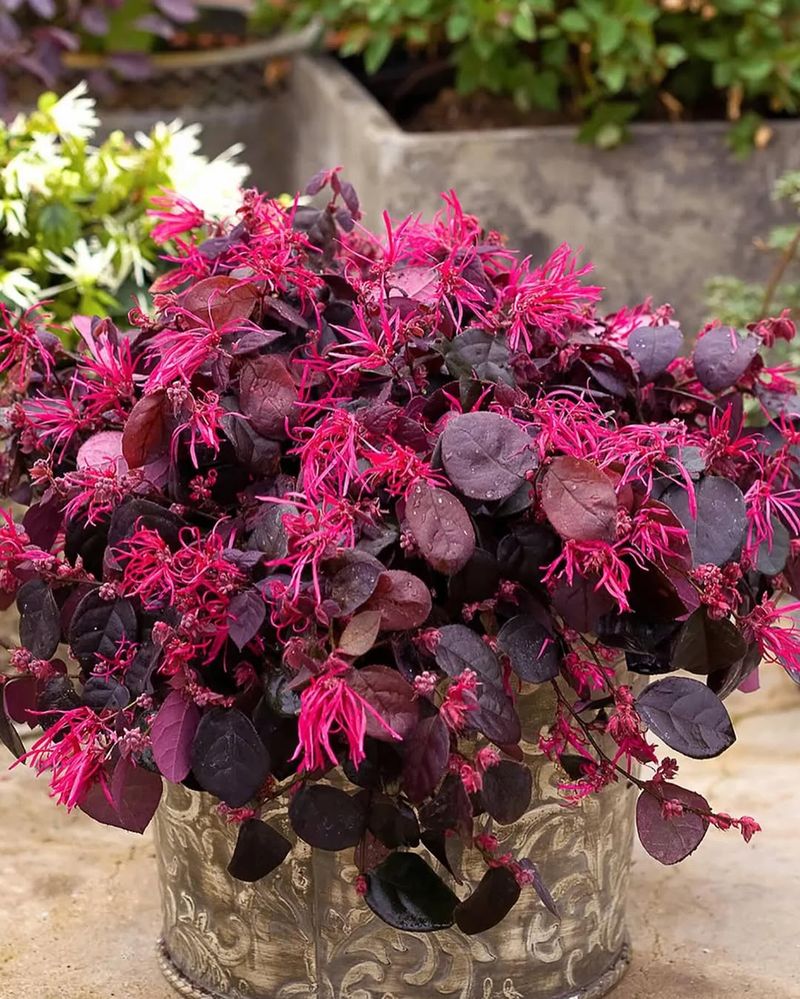
Right after the flowers fade is your green light. Late spring in Georgia — typically somewhere between late April and early June depending on your location — is when loropetalum is most forgiving about pruning.
The blooms are done, the plant is actively growing, and new stems are pushing out with plenty of time to mature before next winter’s bud set.
Pruning at this stage does something important: it gives the plant an entire growing season to recover and develop the new wood that will carry next year’s flower buds.
Skip this timing and prune in fall or early winter instead, and you are back to the same problem — cutting away buds before they ever get a chance to open.
In Georgia’s long, warm growing season, loropetalum responds well to a good post-bloom shaping. Plants can put on a surprising amount of new growth between June and October.
Your Georgia Garden Changes Every Week. Your Plan Should Too.
Gardening in Georgia changes quickly throughout the season. Every Friday you’ll receive a simple weekly plan showing exactly what to plant, prune, fertilize, harvest, and protect so you never miss the right timing.
That means a shrub you shape in May can look full and lush again by midsummer.
Post-bloom pruning also lets you address the overall size and shape while you can actually see what you are working with. No guessing where the branch structure is.
No worrying about nicking a bud cluster. You can see the framework clearly once the flowers drop, and that makes for cleaner, more intentional cuts.
Aim to finish your pruning no later than early July in Georgia to give the plant enough runway before it starts setting next season’s buds.
3. Remove Damaged Or Weak Growth In Late Winter If Needed
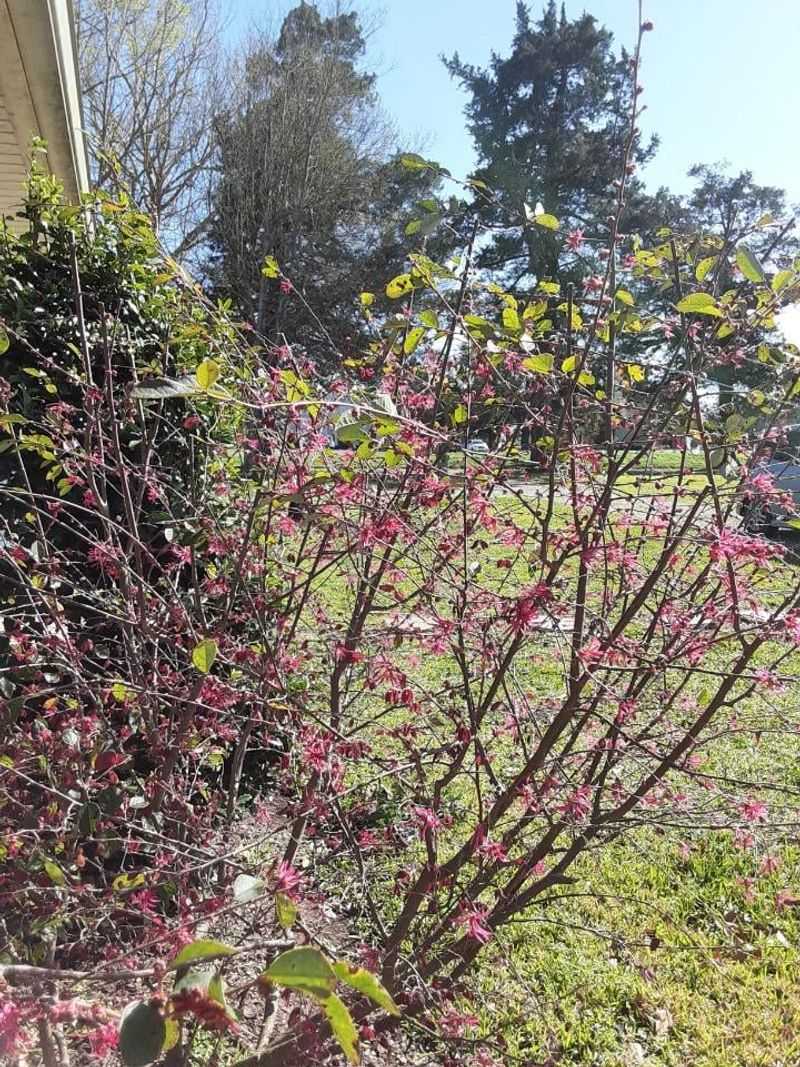
Not every cut before spring is a mistake. Late winter is actually a fine time to clean up loropetalum — as long as you keep it surgical.
Removing branches that are clearly broken, rubbing against each other, or showing signs of damage is a different thing entirely from shaping or reducing the plant’s overall size.
Georgia winters can bring ice, heavy wind, and the occasional hard freeze that snaps weaker branches or splits stems at the base. Leaving that damaged wood on the plant through spring does not help it — it just gives pests and fungal issues a place to settle in.
Cutting out the problem growth cleanly is the right call.
The key distinction here is restraint. You are not reshaping the shrub or going after healthy stems with good bud potential.
You are targeting only what is clearly compromised. Think one or two cuts, not a full session with a hedge trimmer.
Georgia gardeners dealing with a shrub that got hit hard by a cold snap can feel confident about removing that specific damaged material in late January or February. Just step back after each cut and ask yourself whether that next branch actually needs to go.
If it looks healthy and you can see bud development along the stem, leave it. Save those cuts for after the bloom when the plant has the full growing season ahead to bounce back and fill in any gaps you created.
4. Shape Lightly Without Cutting Into Developing Flower Buds
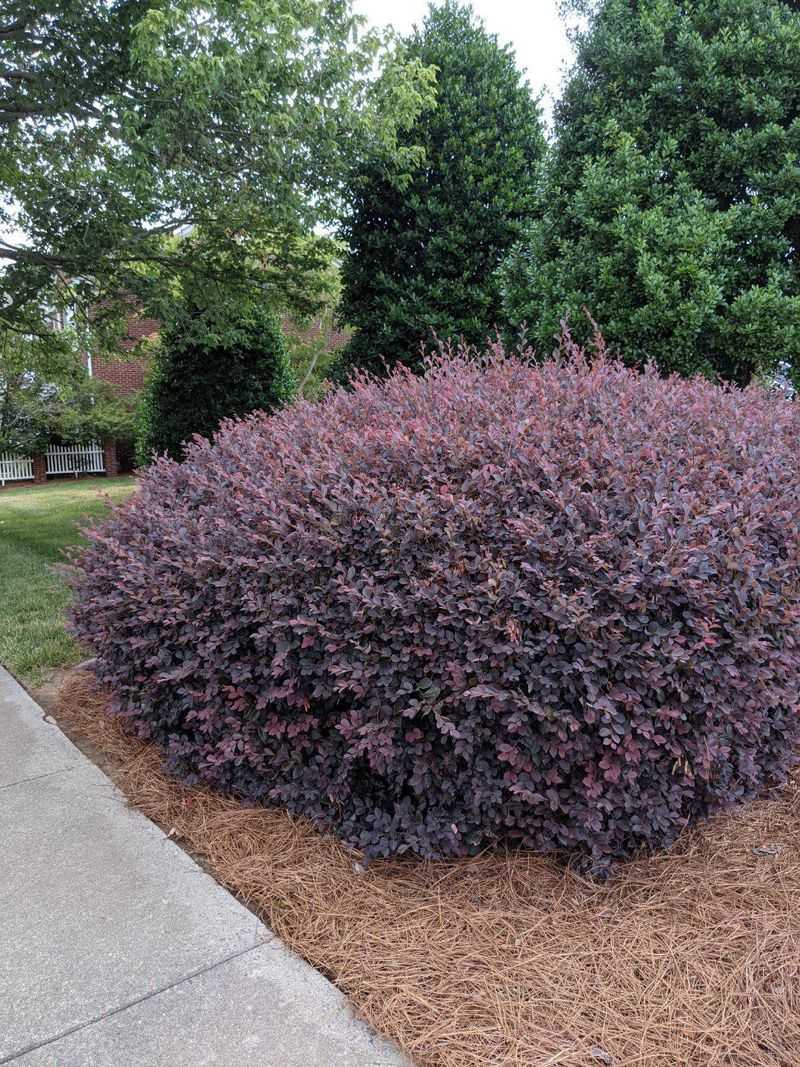
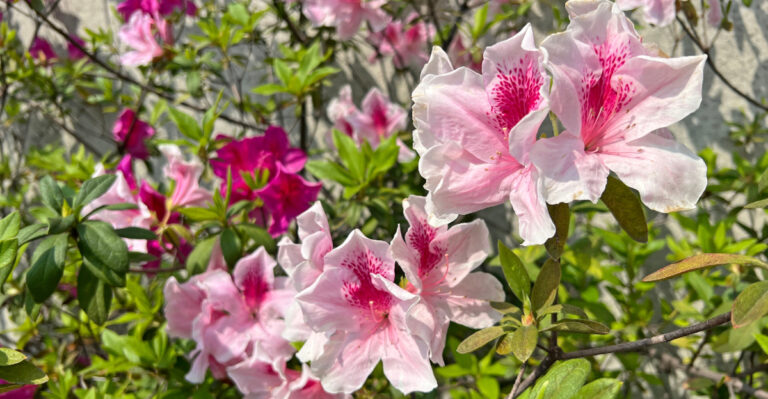
There is a version of late-winter pruning that can work without wrecking your spring display — and it comes down to how carefully you look before you cut. Loropetalum flower buds are visible if you take a close look at the branch tips.
They appear as small, clustered nubs, slightly different in texture from the flat leaf buds sitting further back on the stem.
Light shaping — and we are talking very light — can happen in late winter as long as you are working on interior growth, crossing branches, or stems that are clearly not carrying bud clusters.
Cutting off the tips of flowering stems, though, even just a few inches, removes the bloom.
That is not a light shaping anymore, that is sacrificing flowers.
Georgia gardeners who want a tidy shrub heading into spring should focus on the interior of the plant rather than the outer edges. Opening up the center a little for airflow is a reasonable late-winter task.
Snipping the perimeter where all the buds are sitting is not.
A good habit before making any cut in late winter is to hold the branch up to light and look at it for a few seconds. Bud clusters are usually visible at the tips and just below them.
Once you train your eye to spot them, it becomes second nature to work around them. Loropetalum rewards patience, and a few weeks of restraint before the bloom is a small price for a shrub covered in flowers.
5. Older Overgrown Shrubs Can Handle Gradual Renewal Pruning
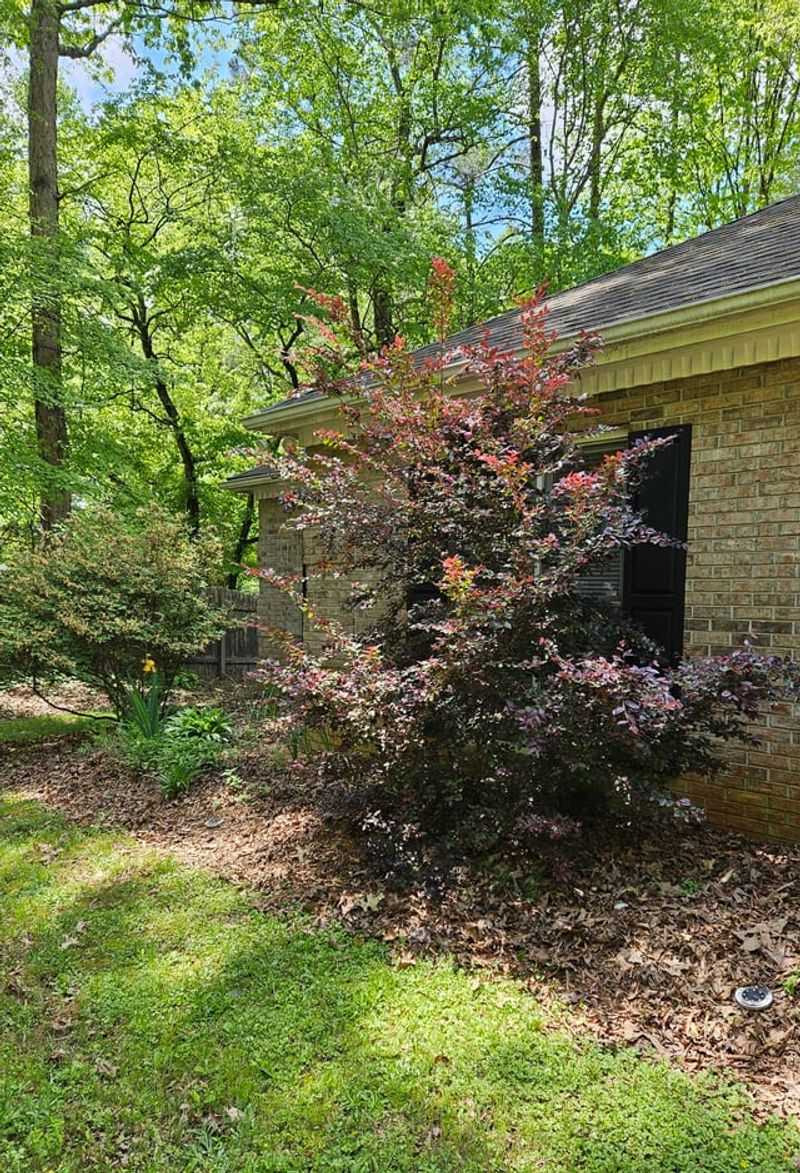
Some Georgia yards have loropetalum that has been left alone for years — maybe decades. These plants can get massive, sprawling well beyond their intended space and looking more like a small tree than a garden shrub.
Dealing with that kind of overgrowth requires a different approach than a standard annual shaping.
Gradual renewal pruning is the method that works best here. Rather than cutting the entire shrub back hard all at once, you remove roughly one-third of the oldest, thickest stems each year.
By the end of three years, you have essentially replaced the whole structure with younger, more vigorous growth without shocking the plant into a long recovery period.
Timing matters even with renewal pruning. Ideally, you would do this work right after bloom in late spring.
But if the shrub is seriously overgrown and crowding out everything around it, late winter removal of the worst offending old stems — cut close to the base — is a reasonable compromise.
You will lose some bloom on those stems, but the overall plant can still flower on the branches you leave untouched.
Georgia’s warm climate actually works in your favor here. Loropetalum pushes new growth aggressively in the heat of summer, so a plant that gets renewal pruning in May or June can look surprisingly full and recovered by fall.
Stick to the one-third rule, be patient across a couple of seasons, and an overgrown eyesore can turn back into a genuinely attractive focal point in your Georgia landscape.
6. Use Clean Sharp Tools To Prevent Stress And Disease
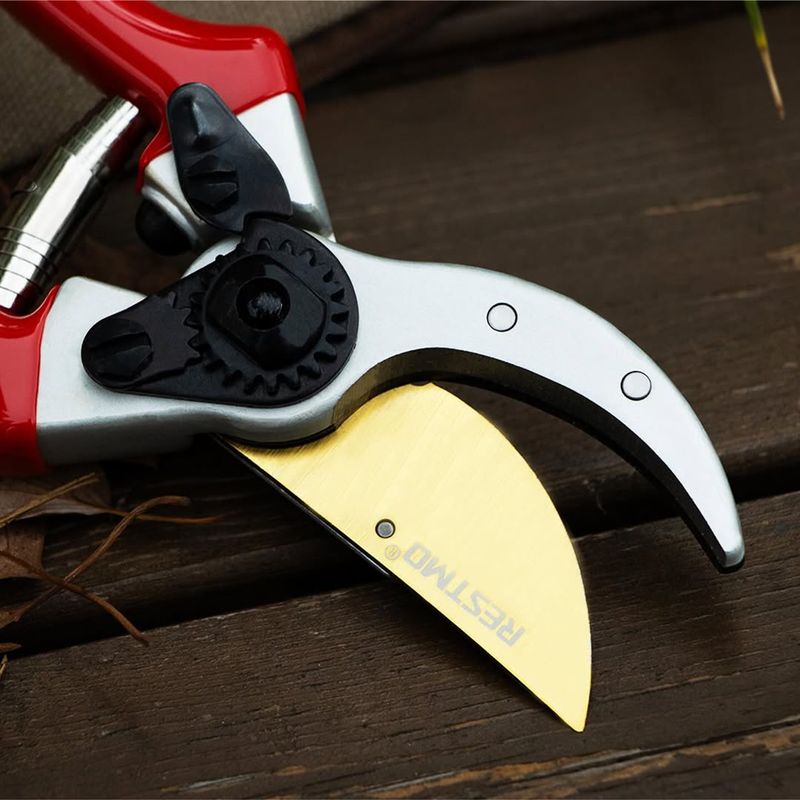
Dull blades and dirty tools do real damage that most gardeners do not think about until they see the results. Ragged cuts made with a blunt pruner heal slowly, leaving the stem exposed longer than necessary and creating an easy entry point for fungal problems.
Georgia’s humidity makes that risk even more relevant — a wound that might close quickly in a drier climate can linger here.
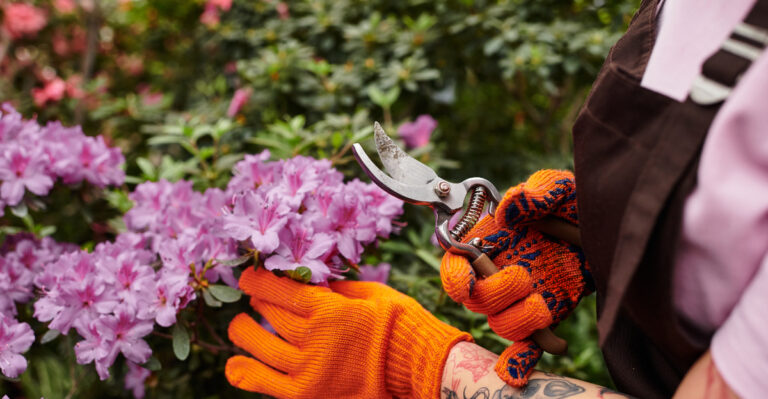
Sharp bypass pruners are the right tool for most loropetalum work. Anvil-style pruners tend to crush the stem slightly rather than cutting cleanly, and that bruising slows healing.
For larger, older stems on an overgrown plant, a sharp pair of loppers or even a pruning saw will give you a cleaner result than forcing undersized pruners through thick wood.
Cleaning your tools between plants — especially if you have been working on anything that showed signs of disease — is a habit worth building.
A quick wipe with rubbing alcohol or a diluted bleach solution takes about ten seconds and prevents you from spreading problems from one shrub to the next across your Georgia yard.
Sharpening your pruners a couple of times per season is not overkill. It is basic maintenance that pays off in cleaner cuts, less effort, and healthier plants.
A sharp blade also reduces hand fatigue during longer pruning sessions. Keep a small sharpening stone in your garden kit, and touch up the blade before you start a session rather than waiting until it is noticeably dull and already doing damage.
7. Time Major Pruning For Late Spring To Early Summer
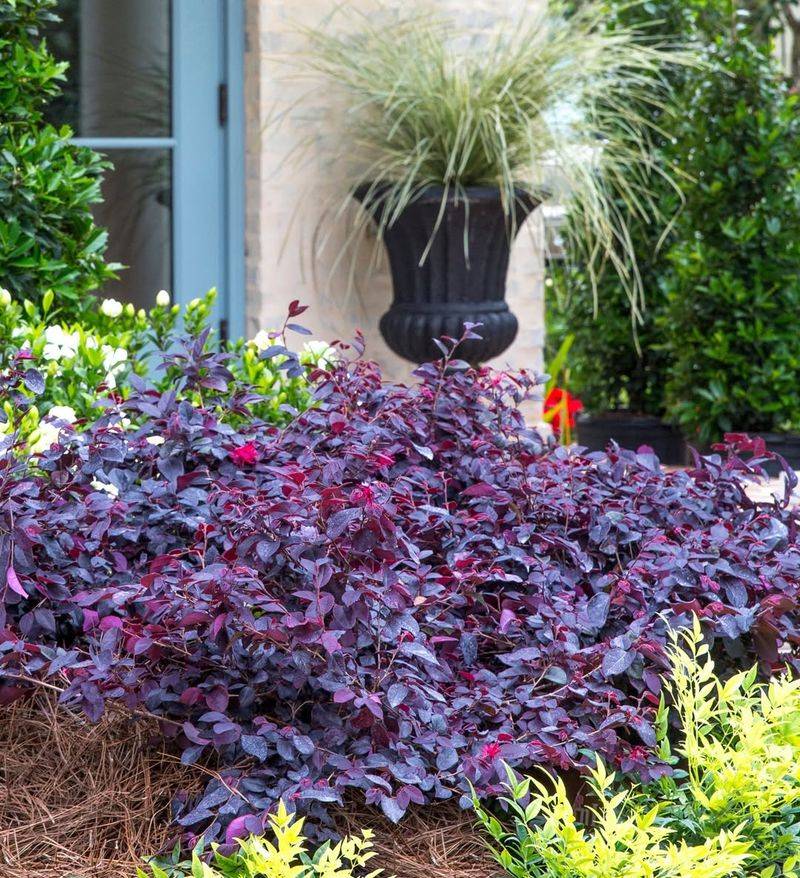
Late spring to early summer is the sweet spot for any significant loropetalum work in Georgia. By this point, the bloom is finished, the plant is actively pushing new growth, and temperatures are warm enough to support fast recovery.
You have a clear window — roughly from late April through the end of June — before the summer heat peaks and before the plant starts setting next season’s buds.
Major pruning during this period can include size reduction, structural reshaping, or removing stems that have grown in awkward directions.
Because the plant is in full growth mode, cuts made now tend to callous over quickly and new shoots fill in gaps faster than they would after a fall prune.
Waiting until late July or August to do significant pruning is cutting it close in Georgia. By midsummer, loropetalum is already working on next year’s flower buds internally, even if you cannot see them yet.
Pruning too late in summer removes that developing bud potential just as surely as pruning in February does.
A practical approach for Georgia gardeners is to mark the calendar right when you see the flowers starting to fade. Give the plant two to three weeks after the last blooms drop, then get to work.
You do not need to rush, but you also do not want to keep pushing it back until fall. Late spring pruning is the one timing window where you can be bold with the shears and feel confident the plant will recover beautifully before winter arrives.