5 Plants North Carolina Gardeners Should Trim In March And 4 To Leave Alone
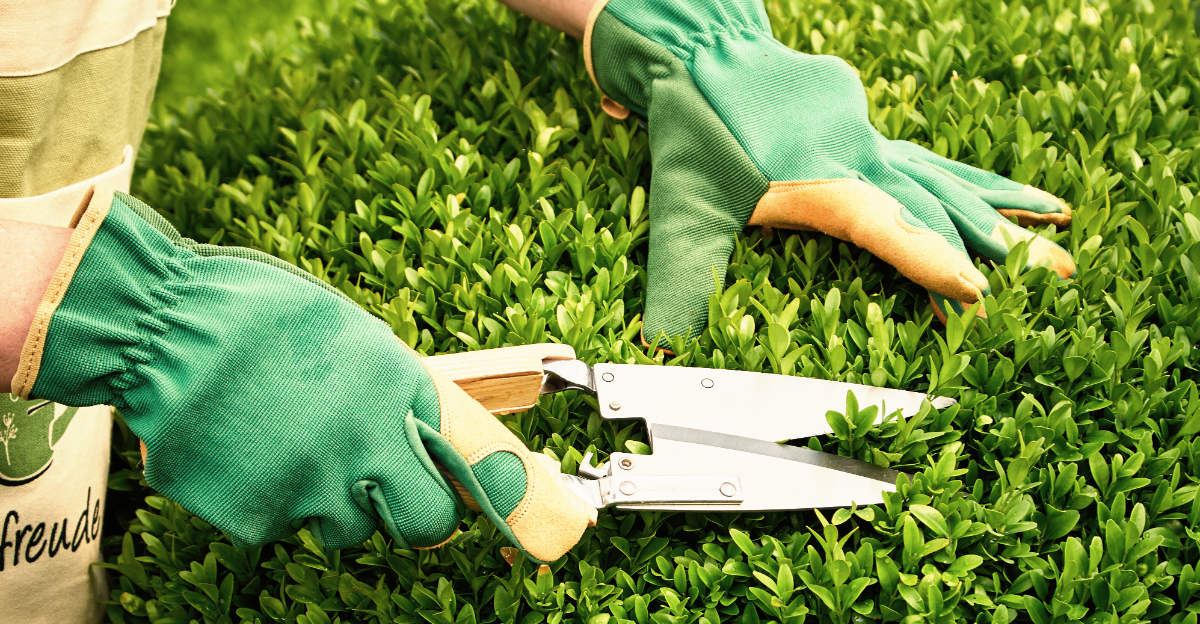
March in North Carolina brings that moment when the garden finally starts stirring again. Warmer afternoons, longer days, and swelling buds make it tempting to head outside with pruning shears and start cutting things back.
After months of winter quiet, many gardeners feel the urge to tidy up every shrub and tree in sight. But this early spring window can be tricky.
Across the Coastal Plain, Piedmont, and Mountain regions, some plants benefit greatly from a careful trim in March, while others are already preparing their flower buds and should be left untouched.
Pruning the wrong plant now can quietly remove the very blooms you were hoping to see.
Knowing which plants need a trim and which ones should be left alone is one of the most important early season decisions a gardener can make. With the right timing, North Carolina gardens can look fuller, healthier, and far more colorful as the season unfolds.
1. Boxwood
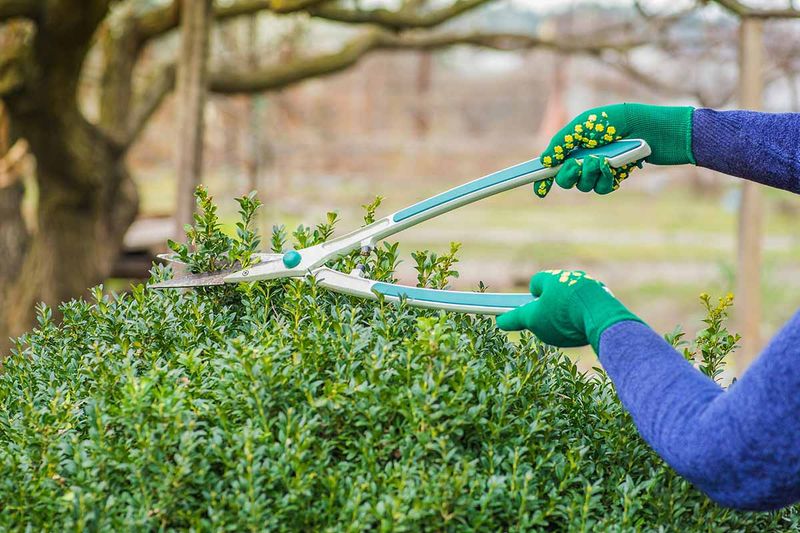
Boxwood is one of those classic shrubs that just about every North Carolina yard seems to have. Whether it lines a walkway or frames a front porch, this evergreen workhorse looks its best when it gets a little attention in March.
Light trimming at this time helps keep the shape tight and encourages dense, full growth before the spring flush really takes off.
Boxwood (Buxus sempervirens) responds well to having its outer growth tidied up. You do not need to cut deep into the shrub.
Just removing the outermost tips, maybe an inch or two, is enough to keep the plant looking sharp and well-maintained heading into the warmer months.
One smart tip for North Carolina gardeners is to use sharp, clean shears every single time. Dull blades can bruise the stems and invite disease.
After trimming, step back and check your angles so the top of the shrub is slightly narrower than the base. This shape allows sunlight to reach the lower branches, keeping the whole plant full and healthy from top to bottom all season long.
2. Yaupon Holly
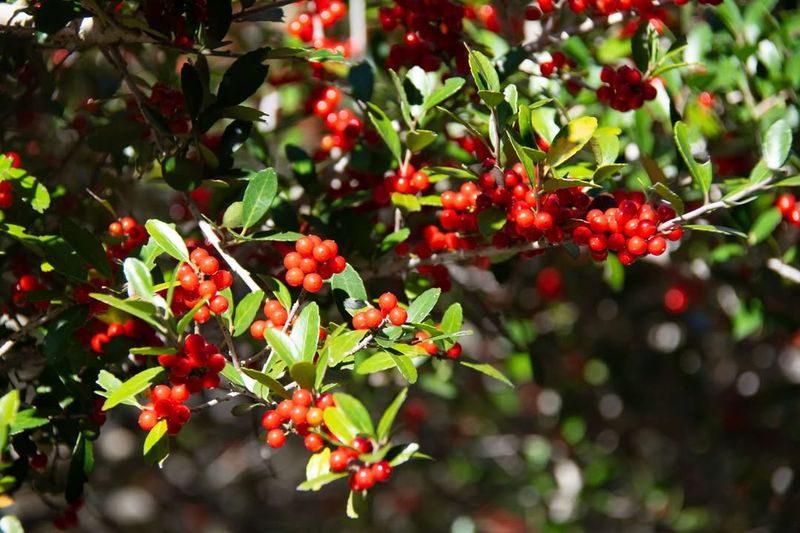
Yaupon Holly might just be the most underrated native shrub in North Carolina. Tough, adaptable, and evergreen year-round, this plant handles coastal winds, drought, and clay soil without complaint.
By March, it is still holding its shape from winter, and a light trim right now helps maintain that tidy look before the new growth kicks in strong.
Ilex vomitoria is incredibly forgiving when it comes to pruning, which makes it a favorite among North Carolina homeowners who want low-maintenance landscaping.
Whether you are growing it as a clipped hedge or a loose foundation shrub, a quick pass with the shears in early spring removes any straggly stems and keeps the overall form clean and intentional looking.
One thing worth knowing is that Yaupon Holly grows fast, especially in the warmer parts of North Carolina. Trimming in March gives you a head start before that growth surge arrives.
Keep the cuts light and even, following the natural silhouette of the plant rather than trying to force a rigid shape.
Your North Carolina Garden Changes Every Week. Your Plan Should Too.
Gardening in North Carolina changes quickly throughout the season. Every Friday you’ll receive a simple weekly plan showing exactly what to plant, prune, fertilize, harvest, and protect so you never miss the right timing.
If you have female plants that produce those cheerful red berries in fall, a March trim will not affect berry production since the berries come later in the year after the new growth matures fully.
3. Japanese Spirea
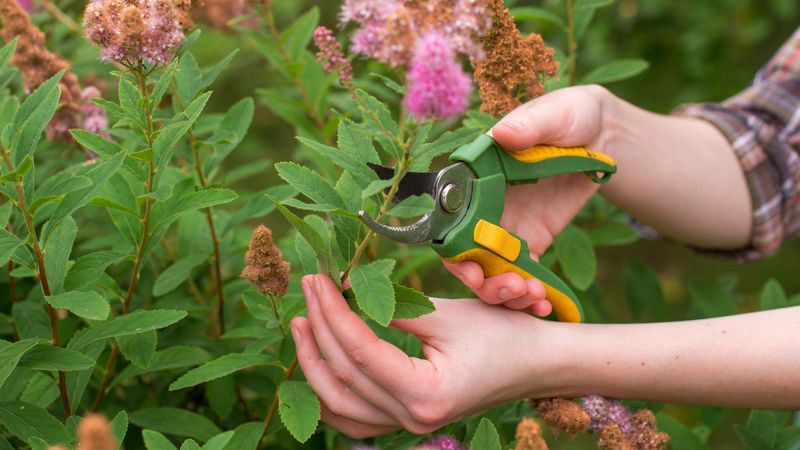
Japanese Spirea has a way of spreading out in all directions if you let it go without any guidance. By March in North Carolina, this shrub is still quiet before its big spring show, which makes it the perfect moment to step in with your shears and clean things up a bit.
A light trim now sets the plant up for a neater, more compact shape when the blooms arrive.
Spiraea japonica blooms on new wood, so trimming in early spring actually encourages more vigorous growth and better flowering later in the season. Focus on removing any uneven or wayward stems that stick out beyond the natural outline of the plant.
You are not trying to reshape it dramatically, just tidy it up and give it some direction. North Carolina gardeners in the Piedmont and Coastal Plain regions tend to see Japanese Spirea grow quickly once temperatures climb.
Getting ahead of that growth spurt in March means less work later. Keep cuts clean and angled, and avoid cutting back more than one-third of the plant at once.
A modest trim now rewards you with a fuller, more attractive shrub by the time April rolls around and the flowers begin to open beautifully.
4. Privet Hedges
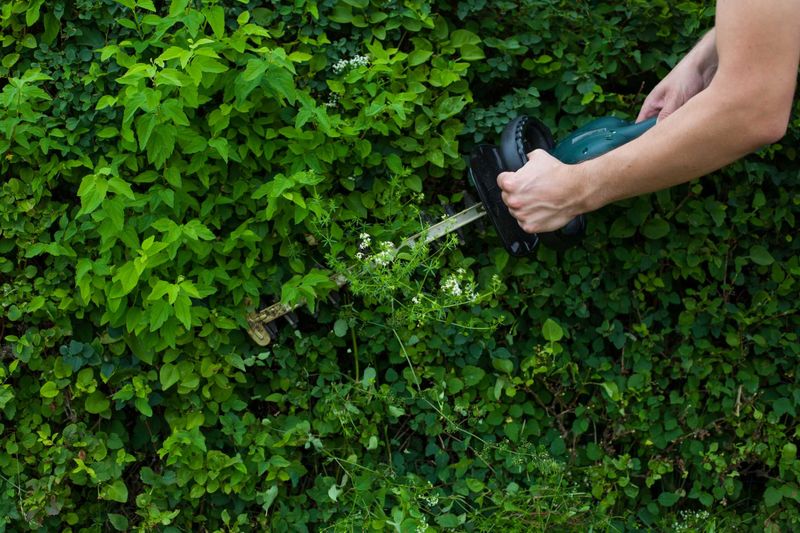
Privet hedges are the backbone of many North Carolina landscapes, providing privacy, structure, and a clean green backdrop for flowering plants.
By March, the hedge has likely grown a bit uneven after winter, and shaping it now is one of the smartest moves you can make before the rapid spring growth begins. Once warm weather arrives, privet can put on several inches of new growth in just a few weeks.
Ligustrum species are fast growers, which is both their best quality and the reason they need regular attention. A trim in early March helps define the hedge line and prevents the plant from getting leggy or top-heavy.
Use long-bladed hedge trimmers for a smooth, even cut along the sides and top, and always keep the base slightly wider than the top for good light distribution.
North Carolina gardeners dealing with invasive Chinese privet should be especially mindful about not letting it go to seed. Regular trimming in March removes any flower buds that might develop later and spread seeds into nearby natural areas.
For ornamental privet varieties used intentionally as hedges, a March shaping sets the tone for the whole growing season. Clean up all the trimmings afterward to keep your yard looking polished and to reduce any pest or fungal issues down the road.
5. Wax Myrtle
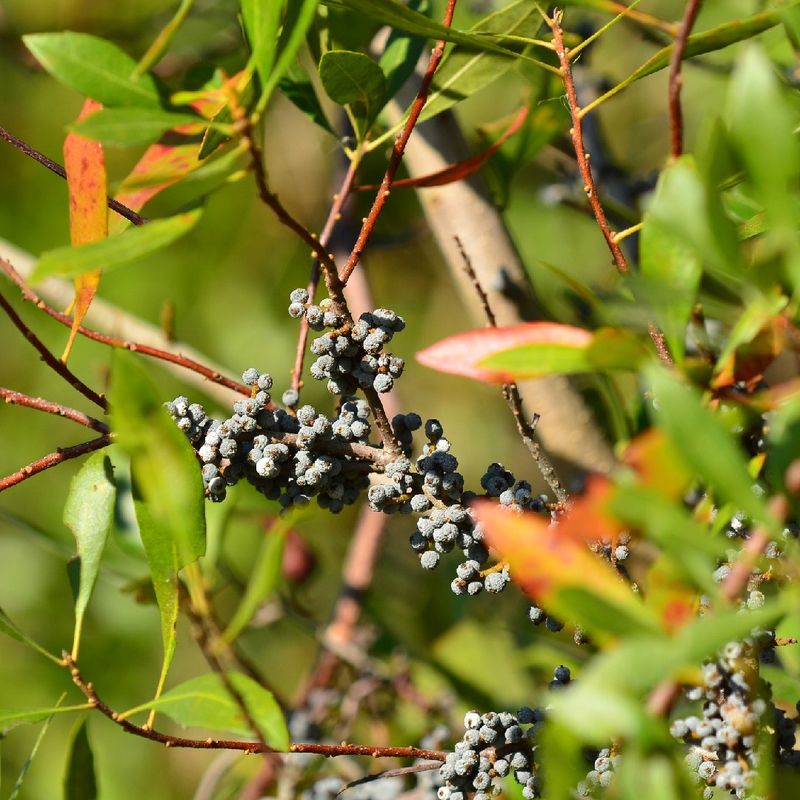
Wax Myrtle is a true North Carolina native and one of the most versatile shrubs you can plant in your yard. From the Outer Banks to the Piedmont, this aromatic evergreen thrives in a wide range of conditions.
It grows fast and can quickly get out of bounds, which is exactly why a light trim in March is such a smart habit to get into each year.
Morella cerifera responds beautifully to early spring pruning. Cutting it back a bit before the new growth emerges helps keep the plant at a manageable size and encourages a fuller, bushier form.
You can also use this time to remove any crossing branches or stems that are growing inward, which improves airflow through the plant and keeps it healthier overall.
In coastal North Carolina especially, Wax Myrtle can grow several feet in a single season under the right conditions. Getting ahead of that growth in March means you spend less time wrestling with an overgrown shrub in July.
Keep your cuts clean and do not remove more than about one-third of the plant at once. The waxy blue-gray berries that appear in fall are a favorite food source for birds, and a well-trimmed March plant will still produce a generous crop of them come autumn.
6. Azalea
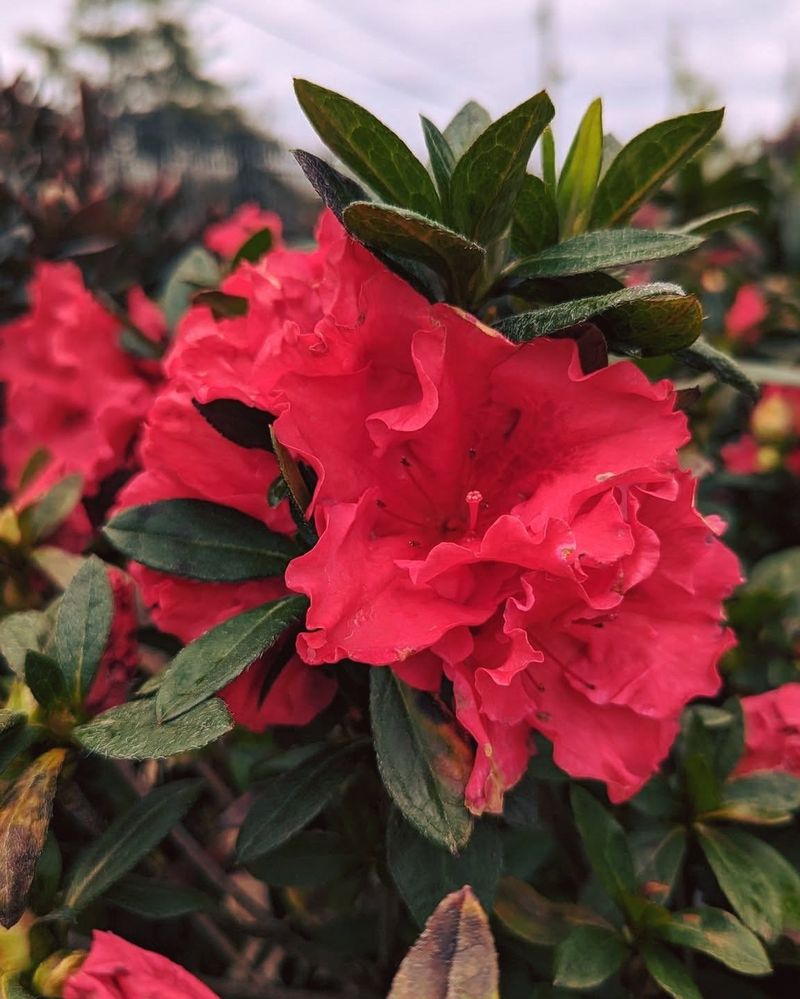
Azaleas are practically the official flower of a North Carolina spring, bursting into color in April and turning entire neighborhoods into something straight out of a postcard.
But here is the catch: those gorgeous blooms are already set inside the buds that formed last summer.
If you trim your azaleas in March, you are cutting away all those flower buds before they ever get the chance to open.
Rhododendron spp. bloom on old wood, meaning the flower buds developed on last year’s growth. Pruning now removes exactly what you have been waiting months to see.
The right time to trim azaleas is right after they finish blooming in spring, usually sometime in May or early June in North Carolina, when the plant has just enough time to set new buds for next year.
Even a well-meaning cleanup trim in March can wipe out an entire season of color. North Carolina gardeners who have waited all winter for that explosion of pink, red, or white blooms know how disappointing it is to end up with a green shrub and no flowers.
Put the shears away for now, enjoy the show when it comes, and mark your calendar for a post-bloom trim instead. Your azaleas will reward that patience with a spectacular display year after year.
7. Bigleaf Hydrangea
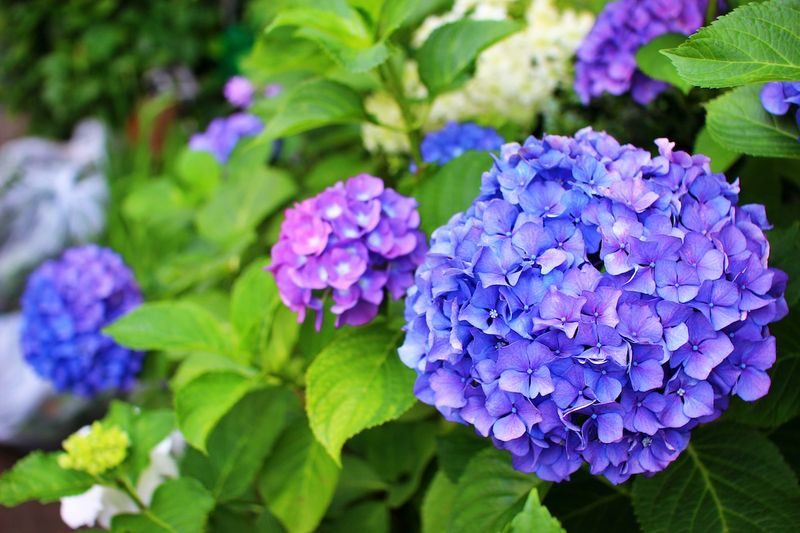
Bigleaf Hydrangea is one of those plants that confuses even experienced gardeners, especially when it comes to pruning timing. Those classic mophead and lacecap blooms that show up in June and July grow on wood from the previous season.
That means every stem you cut in March is a potential flower you will never see this summer, and that is a trade nobody wants to make.
Hydrangea macrophylla carries its flower buds on old wood through the winter and into spring. By March in North Carolina, those buds are already swelling and getting ready to grow.
Cutting the plant back now, even with the best intentions of tidying it up, removes the very growth that holds this season’s blooms. The result is a healthy-looking shrub with zero flowers, which defeats the whole purpose.
Some newer Bigleaf Hydrangea varieties, like the Endless Summer series, can rebloom on new wood, giving them a little more flexibility. But even with those types, it is safer to wait and see which stems survived winter before making any cuts.
A good rule of thumb for North Carolina gardeners is to wait until late April or May, once you can clearly see where the live growth is emerging. Then remove only the stems that show no signs of budding out, and leave everything else completely alone.
8. Camellia
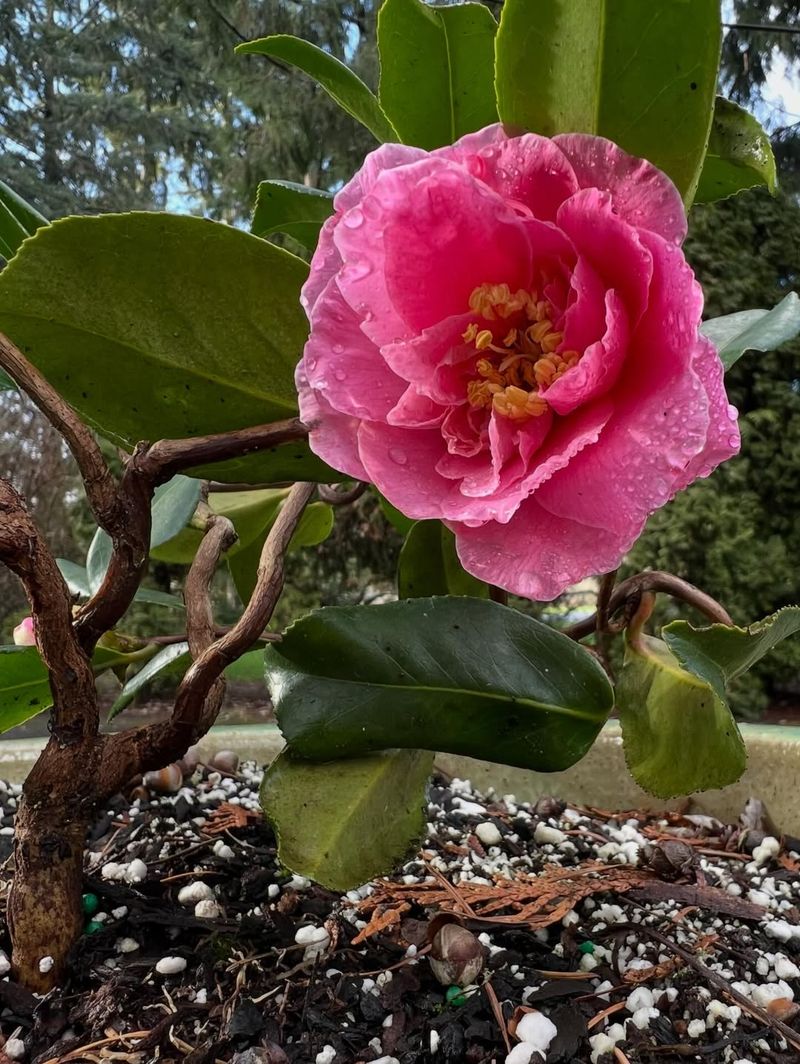
Few plants bring as much elegance to a North Carolina garden as a Camellia in full bloom. These stunning shrubs can carry flowers from late fall all the way through early spring, depending on the variety.
March is often right in the middle of or just at the tail end of their flowering period, which is exactly why trimming now would be such a shame.
Camellia japonica blooms on old wood, and many plants are still showing off their last flowers as March arrives. Cutting into the shrub now not only removes open blooms but also risks cutting away buds that have not yet opened.
Beyond the flowers themselves, trimming during active bloom puts unnecessary stress on the plant at a time when it should be focused on finishing its flowering cycle naturally.
The best time to trim a Camellia in North Carolina is right after it finishes blooming, typically in late March or April depending on the variety and your location in the state.
At that point, you can lightly shape the plant, remove any crossing branches, and clean up the overall silhouette without sacrificing a single flower.
Patience really pays off with Camellias. Give the plant space to finish what it started, and you will have a healthier, more beautiful shrub heading into the warmer months of the year.
9. Mountain Laurel
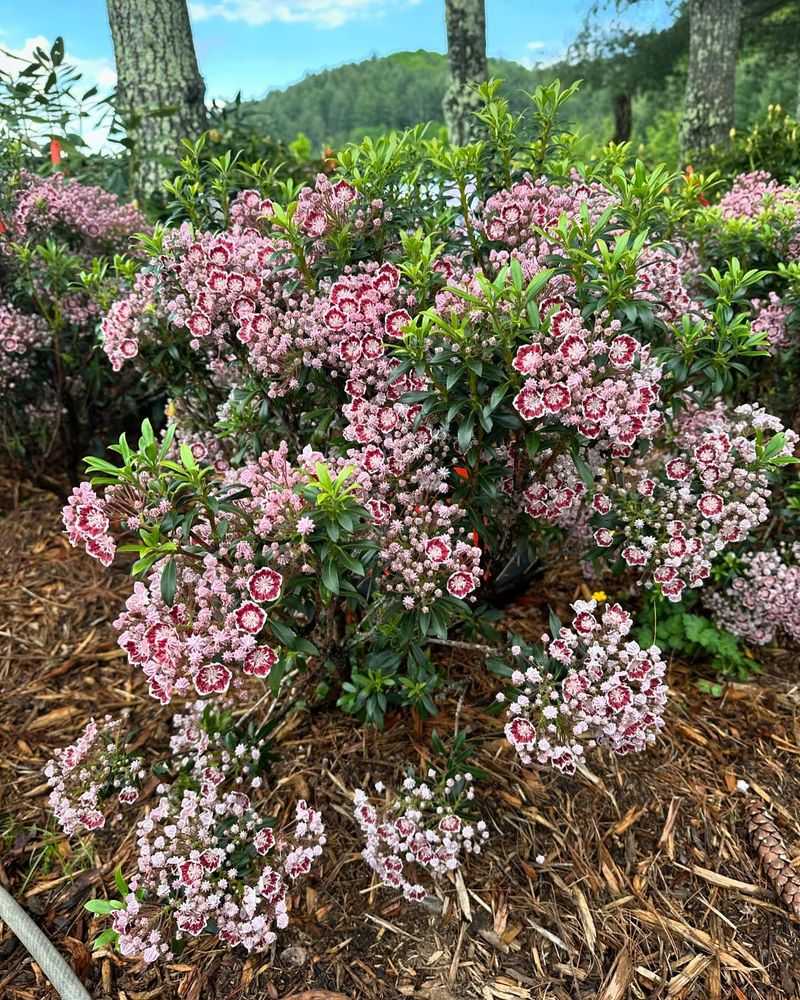
Mountain Laurel is one of the most breathtaking native plants in North Carolina, especially in the western mountains where it carpets hillsides in late spring with clusters of pink and white flowers.
By March, this plant is already carrying the flower buds that will produce that spectacular display in May and June. Trimming now would mean removing those buds before they ever bloom.
Kalmia latifolia sets its flower buds in the fall and carries them through winter into spring. Those rounded, sticky buds are easy to spot on the branch tips by March, and they are packed with potential.
Cutting back the plant at this stage removes the very tips where the flowers will emerge, leaving you with a trimmed shrub and no blooms for the season, which is a real loss for such a stunning plant.
Mountain Laurel is also a slower-growing shrub compared to many others in the North Carolina landscape, so it does not need frequent shaping anyway. If you do want to do any light pruning, wait until right after the flowers fade in late spring or early summer.
At that point, you can remove spent flower clusters and lightly shape any overly long stems without affecting next year’s bloom cycle.
For now, in March, simply enjoy watching those buds swell and prepare for one of the most beautiful natural shows the North Carolina mountains have to offer.