Garden Chores Pennsylvania Gardeners Should Wrap Up Before April
Late March in Pennsylvania often feels like a gentle tug between winter and spring. The ground is finally workable, birds are singing, and every gardener knows that a little preparation now saves countless hours later.
You’ve likely spent winters dreaming of the growing season, and stepping outside to tackle chores brings a sense of satisfaction and anticipation.
Fallen leaves, lingering mulch, and winter debris all need attention to give new growth a healthy start.
Finishing pruning, tidying beds, and prepping tools now sets the stage for a season full of color and productivity.
Taking care of irrigation systems, adding compost to vegetable beds, and securing perennials for the new season ensures your garden can thrive without last-minute scrambling.
With the warmth slowly returning and the sun climbing higher, the garden begins to awaken. Completing these early chores positions you to enjoy every moment as blooms appear and your yard bursts into life.
1. Prune Damaged Branches On Trees And Shrubs
After a long Pennsylvania winter, your trees and shrubs have likely taken a beating. Cold snaps, heavy snow, and ice storms can snap branches, crack bark, and leave woody plants looking rough.
Before new growth kicks in, walk around your yard and look closely at every tree and shrub you have.
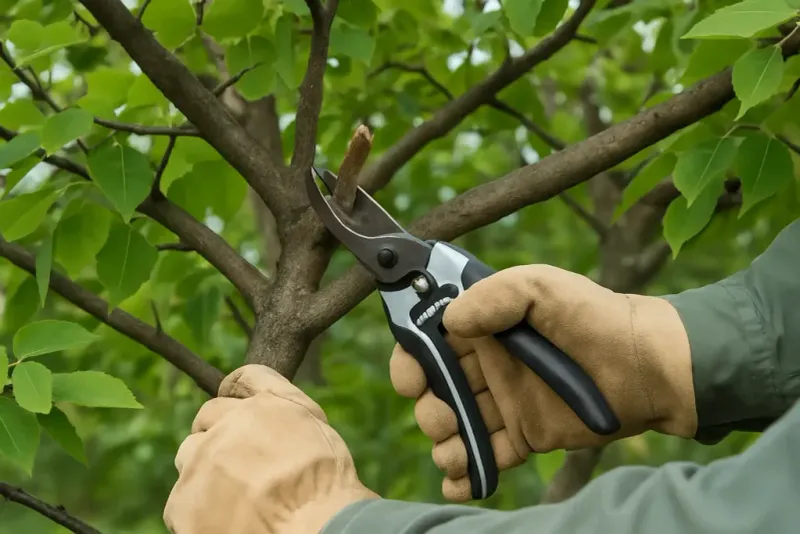
Broken or hanging branches can be dangerous, especially if they are positioned over walkways or near the house. Use sharp bypass pruners for smaller branches and a pruning saw for thicker limbs.
Always cut just above a healthy bud or a branch collar to encourage proper healing.
Avoid making flush cuts, which can create entry points for pests and disease. Removing damaged wood also improves airflow through the canopy, which helps prevent fungal problems as the warm, wet spring weather rolls in across Pennsylvania.
Shrubs like panicle hydrangeas and smooth hydrangeas benefit especially from early pruning because they bloom on new growth. Getting this done before April can help your plants focus energy on new growth, though results may vary with plant health and weather.
A little time with the pruners now pays off with a healthier, better-looking yard all season long.
2. Clear Leaves And Winter Debris From Beds
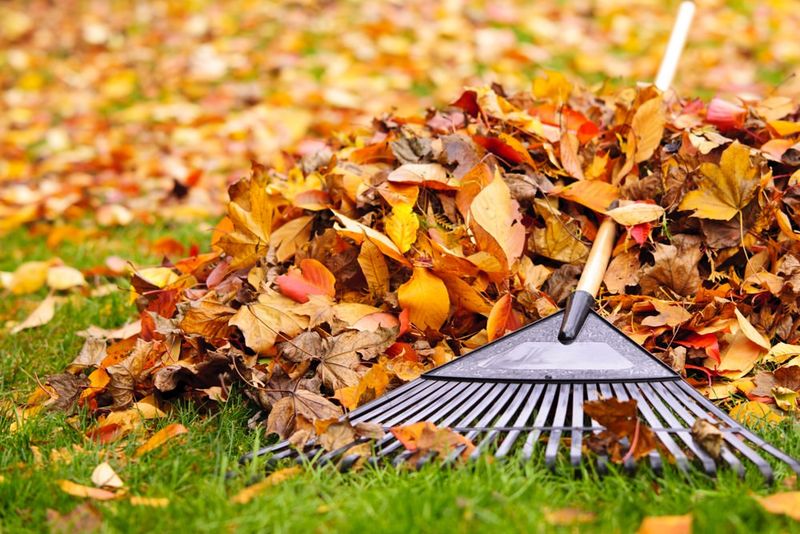
Soggy, matted leaves sitting on top of your garden beds all winter long are not doing your plants any favors. They trap moisture, block sunlight from reaching the soil, and create the perfect hiding spot for slugs, fungal spores, and overwintering insects.
Clearing them out before April is one of the most important things you can do for your Pennsylvania garden.
Start by raking off the heavy layer of leaves and tossing them into a compost pile if they are not diseased. Use a hand rake or garden fork to gently loosen any matted material around the base of perennials, being careful not to disturb any early sprouts that may already be pushing through.
Once the beds are cleared, you will be surprised how much better the soil looks and how quickly it warms up when exposed to the spring sun. In Pennsylvania, soil temperatures in late March and early April can still be on the cool side, and removing that insulating layer of debris helps warm things up faster.
Your Pennsylvania Garden Changes Every Week. Your Plan Should Too.
Gardening in Pennsylvania changes quickly throughout the season. Every Friday you’ll receive a simple weekly plan showing exactly what to plant, prune, fertilize, harvest, and protect so you never miss the right timing.
Faster soil warming can encourage earlier root activity, which may support healthier plant growth as the season progresses. Do not rush this task if the ground is still waterlogged, though, as working wet soil compacts it and damages its structure.
3. Inspect And Sharpen Garden Tools
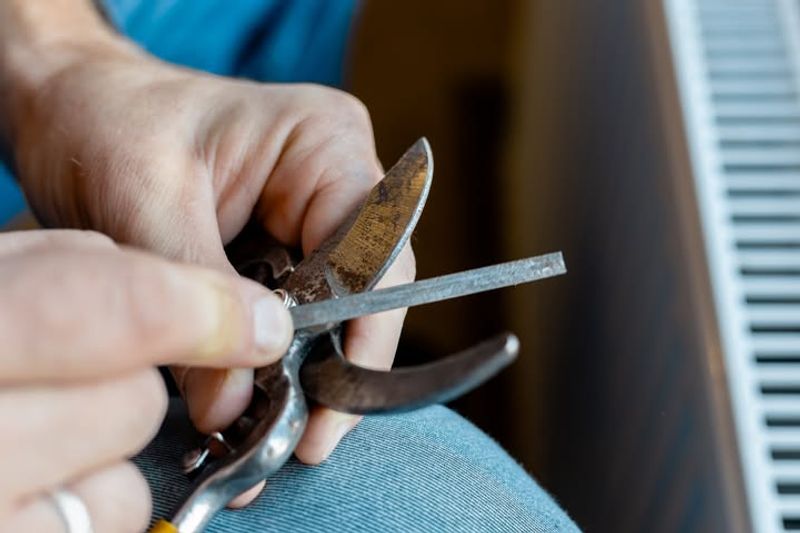
Rusty, dull garden tools make every single chore harder than it needs to be. A spade that cannot slice cleanly through soil or pruners that crush stems instead of cutting them can actually cause more harm to your plants than good.
Taking an hour or two before the busy spring season to inspect and sharpen your tools is one of the smartest moves a Pennsylvania gardener can make.
Start by wiping down all your metal tools with a rag and checking for rust spots. Light rust can be scrubbed off with steel wool or a wire brush, then treated with a thin coat of linseed oil to prevent it from coming back.
Check wooden handles for cracks or splinters and sand them smooth if needed.
For sharpening, a flat mill file works great on hoes, spades, and shovels. Pruners and loppers benefit from a sharpening stone or a specialized pruner sharpener.
Sharp cutting edges make cleaner cuts, which means plants heal faster and waste less energy recovering from rough pruning wounds. In Pennsylvania, where spring gardening can get intense very quickly, having all your tools in top shape from the start means less frustration and more productivity every time you step outside to work.
4. Amend Vegetable Beds With Compost
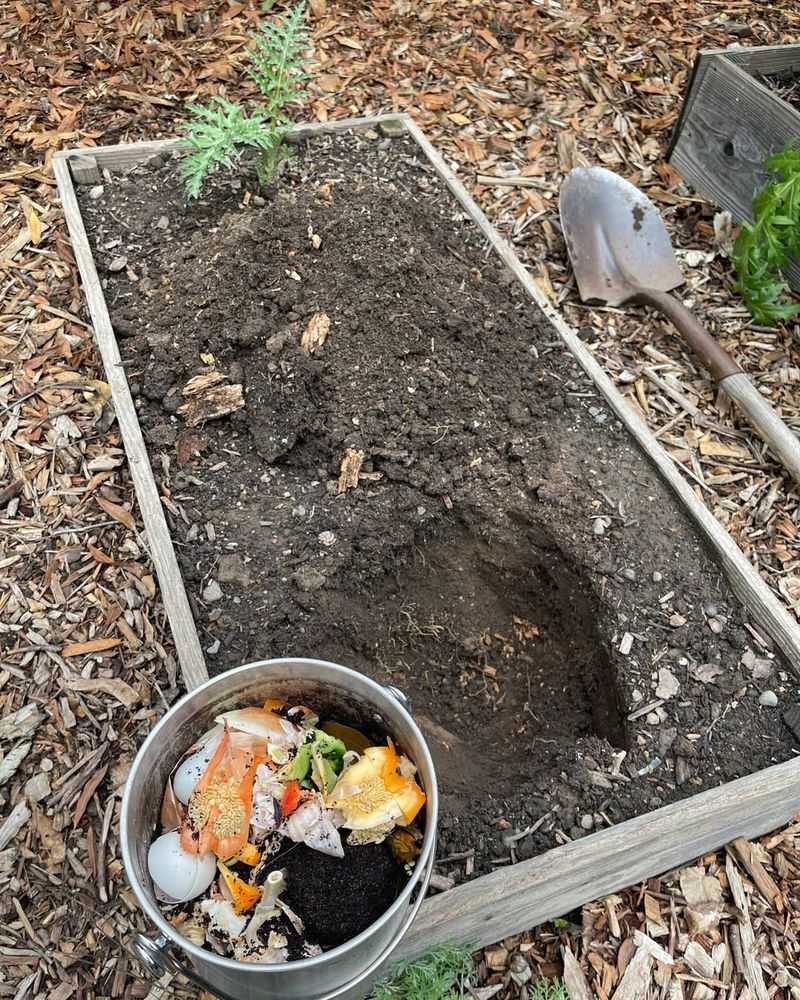
Healthy vegetables start with healthy soil, and Pennsylvania soils can really vary depending on where you garden. Some areas have heavy clay, others have sandy or rocky ground, and most could benefit from a generous top-dressing of compost before the growing season begins.
Adding compost in late March or early April gives it time to work into the soil before your first transplants go in.
Spread a two to three inch layer of finished compost across your vegetable beds and work it into the top few inches of soil with a garden fork or tiller. Compost improves drainage in clay soils, helps sandy soils hold onto moisture and nutrients, and feeds the beneficial microorganisms that make nutrients available to plant roots.
If you do not have your own compost pile yet, many Pennsylvania municipalities offer free or low-cost compost through local recycling programs. You can also pick up bags of aged compost at any garden center.
Before adding compost, consider doing a quick soil test through Penn State Extension, which is a fantastic resource available to all Pennsylvania gardeners. Knowing your soil pH and nutrient levels lets you amend smarter, not just more.
Adding compost in early spring can help improve soil health and may contribute to a more productive harvest.
5. Divide And Move Perennials Early
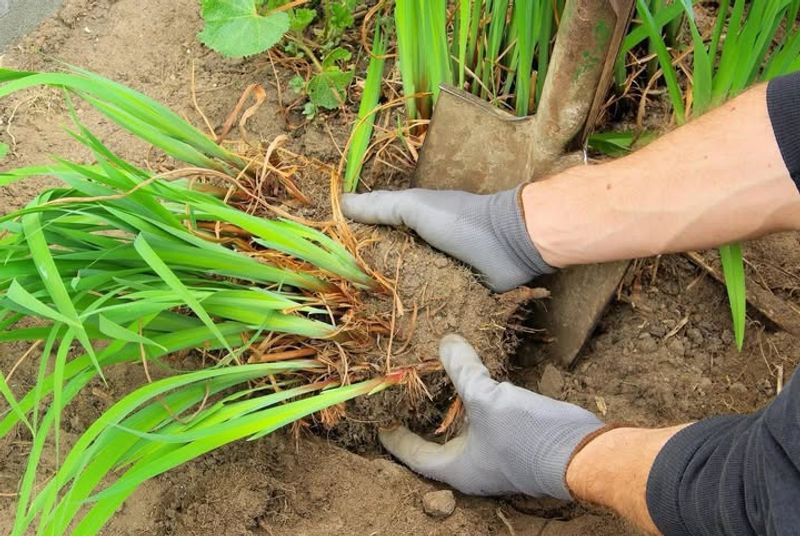
Perennials are incredible workhorses in the Pennsylvania garden, coming back year after year and filling beds with color and texture. But over time, many of them get overcrowded, producing fewer blooms and losing their vigor.
Early spring, before plants have put on significant new growth, is generally a good time to divide and move them.
Popular candidates for dividing include hostas, daylilies, black-eyed Susans, coneflowers, and ornamental grasses. Look for clumps that have a dead or sparse center, which is a clear sign the plant is ready to be split.
Use a sharp spade or garden fork to lift the entire clump, then separate it into sections, each with healthy roots and a few growth shoots attached.
Replant the divisions at the same depth they were growing before, water them in well, and keep the soil consistently moist for the first couple of weeks. In Pennsylvania, early spring divisions have time to establish before summer heat, which can improve their chances of thriving.
You can also pot up extras to share with neighbors or friends, which is one of the most enjoyable parts of being a gardener. Dividing perennials regularly keeps them looking full, blooming heavily, and growing with renewed energy season after season.
6. Check Irrigation Systems For Spring
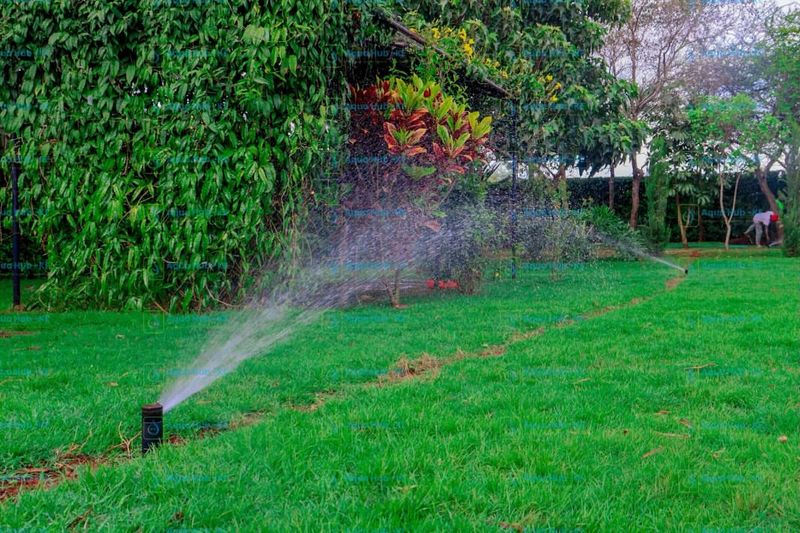
Nothing is more frustrating than turning on your irrigation system for the first time in spring and discovering a cracked pipe, a broken sprinkler head, or a clogged drip emitter. Pennsylvania winters are tough on irrigation components, and freeze-thaw cycles can cause real damage to lines, fittings, and timers that were not fully winterized.
Getting ahead of these issues before April means your system will be ready when your plants need it most.
Start by visually inspecting all above-ground components, including hose bibs, timers, and any exposed tubing. Turn the system on slowly and walk through each zone, watching for leaks, misdirected heads, or areas that are not getting coverage.
Check drip emitters for clogs by holding them up to the light or running them briefly while watching for flow.
Replace any cracked or broken components before the season gets busy. If your system has a backflow preventer, make sure it is operating correctly, as this is often required by local ordinances across Pennsylvania.
Updating your watering schedule is also a good idea at this time. Early spring typically requires less irrigation than midsummer, so programming your timer correctly from the start saves water and prevents overwatering, which can lead to root rot and other moisture-related problems in your garden beds.
7. Plan Crop Rotation And Order Seeds
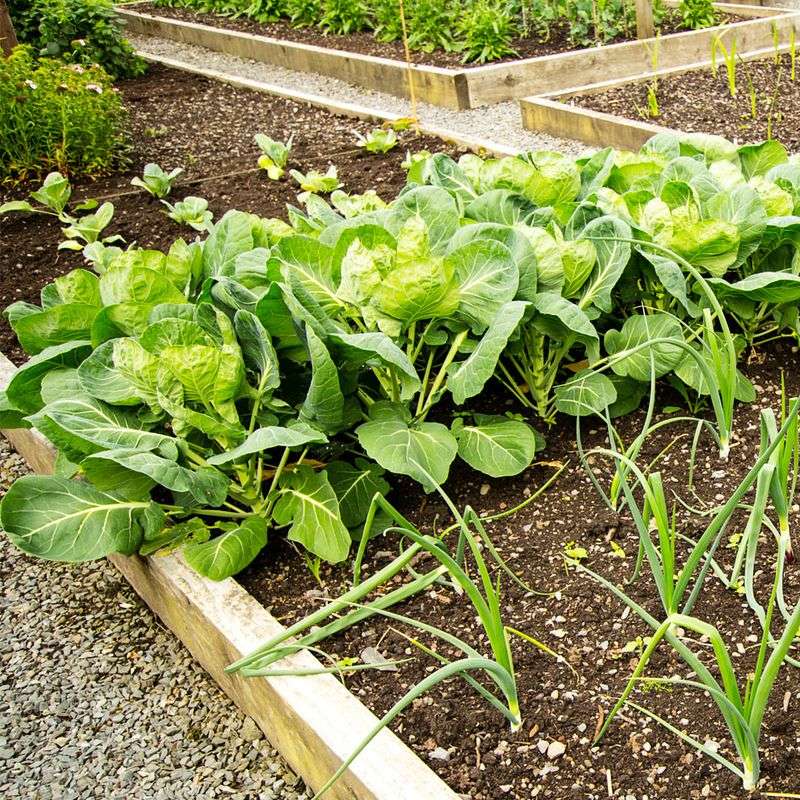
Smart Pennsylvania gardeners know that planting the same crops in the same spot year after year is a recipe for trouble. Crop rotation breaks pest and disease cycles that build up in the soil over time, and it helps balance nutrient use across different areas of your vegetable garden.
Planning your rotation before April means you will be organized and ready to plant the moment soil conditions allow.
A simple four-bed rotation works well for most home gardens. Move nightshades like tomatoes and peppers to a new spot, follow them with legumes like beans and peas, then plant brassicas like cabbage and broccoli, and finish with root vegetables like carrots and beets.
Sketch out your garden on paper or use a free online tool to keep track from year to year.
If you have not yet ordered your seeds, do it now before the best varieties sell out. Many specialty seed companies, including several that serve Pennsylvania gardeners directly, offer heirloom and regionally adapted varieties that perform beautifully in the mid-Atlantic climate.
Look for disease-resistant tomato varieties, cold-tolerant lettuce types, and short-season corn if you have a compact growing window. Having your seeds in hand before April means you can start transplants on time and get your cool-season crops in the ground as soon as the soil is ready.
8. Apply Pre-Emergent Herbicides
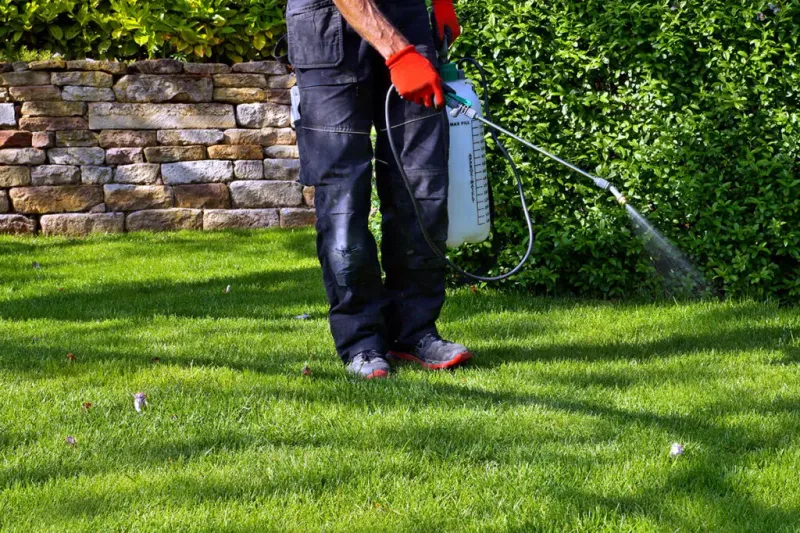
Weeds are persistent, and in Pennsylvania, crabgrass, chickweed, and hairy bittercress are among the first to show up once temperatures start climbing. Pre-emergent herbicides work by preventing weed seeds from germinating in the first place, making them far more effective than trying to pull weeds after they have already taken hold.
Timing is everything with pre-emergents, and applying them before soil temperatures consistently reach 55 degrees Fahrenheit is key.
In many parts of Pennsylvania, that window typically falls between late March and early April, which is often a good time to act. For lawns, granular pre-emergents applied with a broadcast spreader are easy to use and widely available.
For garden beds, look for products specifically labeled for ornamental use, and always read the label carefully to make sure the product is safe around your existing plants.
Organic options like corn gluten meal are also available and work reasonably well as a natural pre-emergent, though they require higher application rates and may need to be reapplied. Keep in mind that pre-emergents also prevent desirable seeds from sprouting, so avoid applying them in areas where you plan to direct-sow flowers or vegetables.
Watering the product in after application activates it and helps it form a barrier in the top layer of soil where most weed seeds germinate.
9. Protect Early Blooms From Frost
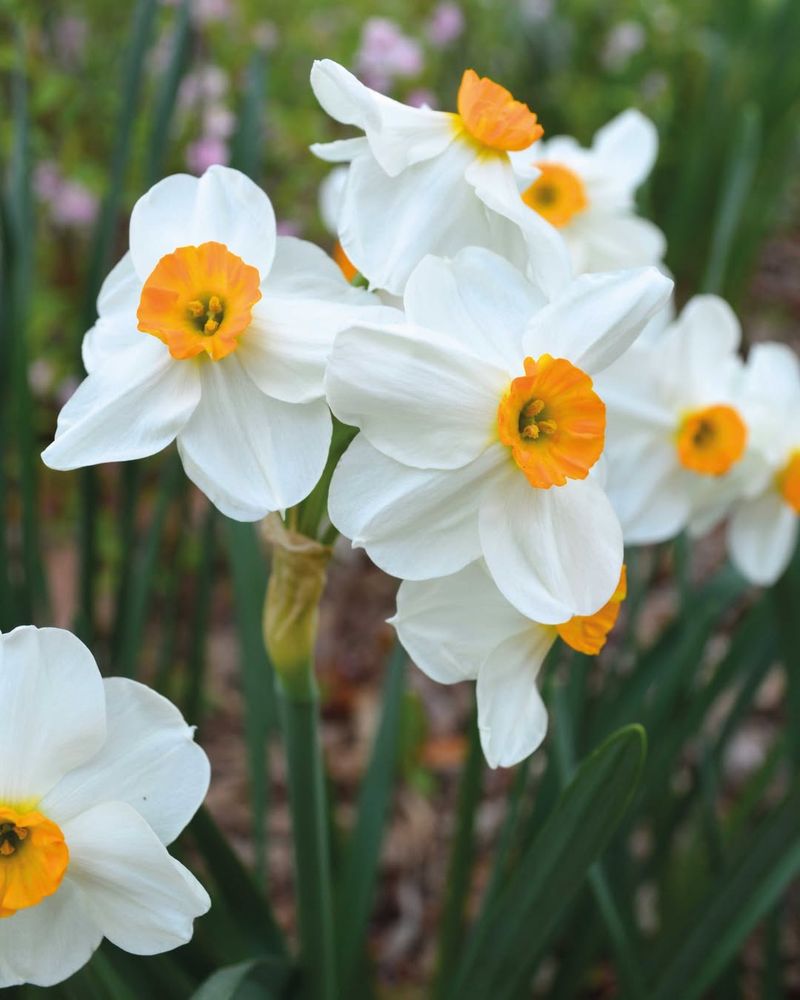
Early bloomers like forsythia, hellebores, tulips, and daffodils are among the most cheerful signs of spring in Pennsylvania gardens. But late frost events are very common across the state in March and early April, and a single hard frost can damage or wipe out tender blossoms that took months to develop.
Being prepared to protect those early blooms is a simple step that saves a lot of heartbreak.
Keep a supply of frost cloth or old bedsheets on hand and watch the weather forecast closely as temperatures fluctuate. When a frost warning is issued, drape the cloth loosely over blooming plants in the evening before temperatures drop, making sure it reaches all the way to the ground to trap soil heat.
Remove the covering in the morning once temperatures rise above freezing.
For container plants with early blooms, the easiest solution is to move them into a garage or shed overnight when frost threatens. Cold frames and row covers are also great investments for Pennsylvania gardeners who want to extend the season and protect early plantings.
Even a few degrees of temperature difference under a frost cloth can help reduce frost damage to blooms, though results may vary. Staying attentive to weather patterns through early April is just part of gardening in the mid-Atlantic region.
10. Mulch Bare Spots To Conserve Moisture
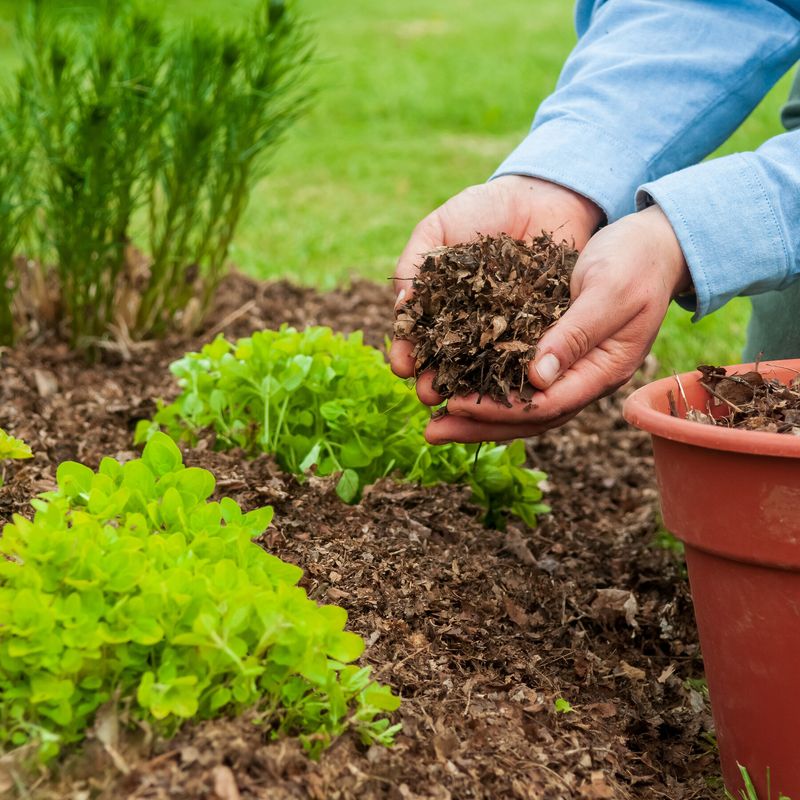
Bare soil in the garden is basically an open invitation for weeds to move in and moisture to evaporate. After a Pennsylvania winter, many garden beds end up with thin or missing mulch in spots where it has decomposed or been displaced by weather.
Refreshing or adding mulch before April is a quick task with a big payoff throughout the entire growing season.
Aim for a two to three inch layer of organic mulch like shredded bark, wood chips, or straw. Spread it evenly across bare soil but keep it a few inches away from the base of plants and tree trunks to prevent moisture buildup and pest problems right at the crown.
A little breathing room around plant stems goes a long way toward keeping them healthy.
Organic mulches break down over time, adding organic matter to the soil and feeding earthworms and beneficial microbes. In Pennsylvania, where spring rains can be heavy and unpredictable, mulch also plays a critical role in preventing soil erosion and keeping mud from splashing up onto lower leaves, which can spread soil-borne diseases.
Mulching now also means fewer weeding sessions throughout the summer, which is a benefit every gardener can appreciate. It is one of those low-effort tasks that keeps on giving all season long, making it well worth doing before April arrives.