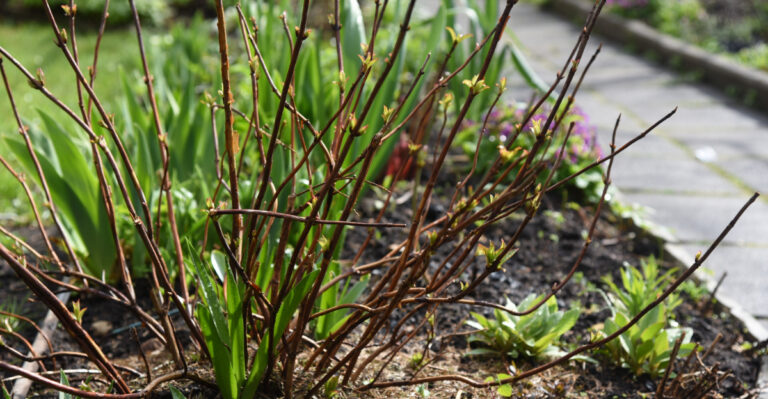
What North Carolina Roses Need In Late March For Bigger And Healthier Blooms
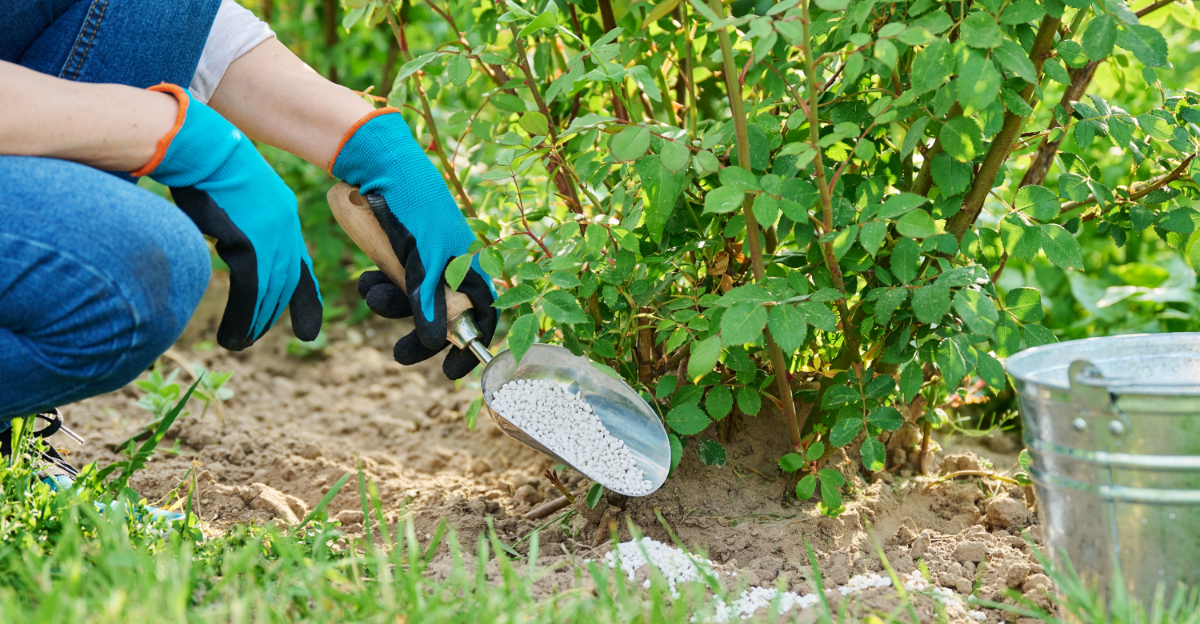
Late March in North Carolina has a familiar rhythm for anyone who tends roses. There’s a sense of excitement when you see buds swelling on canes, sunlight lingering a little longer, and the soil soft enough to work without fear of frost.
Years of caring for roses teach that the right early-season actions can make all the difference between sparse blooms and a full, vibrant display.
During this period, roses respond to careful pruning, proper feeding, and attention to any lingering winter damage.
Making these adjustments now helps guide energy into strong new growth, encourages prolific flowering, and prevents problems later in the season.
With the right early care, your roses will develop the strength and volume needed to fill the garden with color and fragrance, transforming your yard into a stunning spring showcase you can enjoy day after day.
1. Prune Old Canes To Encourage Growth
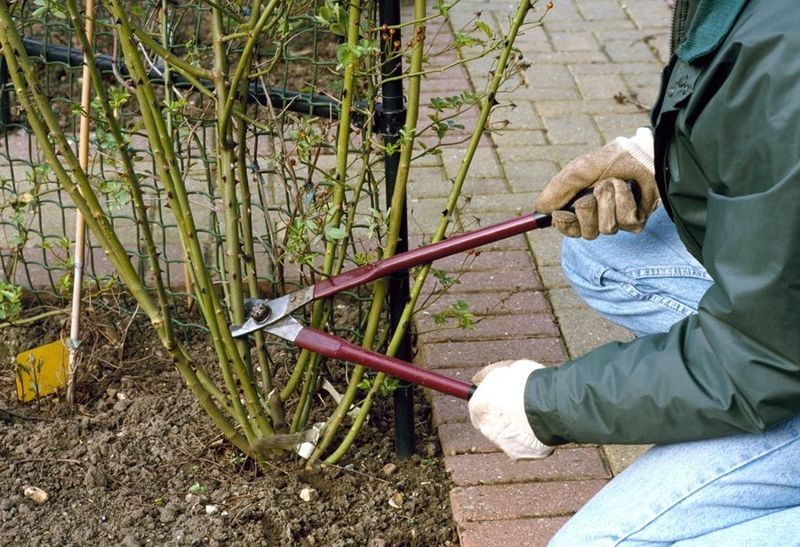
Grab your pruning shears, because late March in North Carolina is prime time to give your roses a fresh start. Pruning is an effective way to encourage new growth and potentially improve bloom quality, though results vary with variety and care.
A great local trick many North Carolina gardeners swear by is to watch for the forsythia shrubs to bloom. When those bright yellow flowers appear, it is usually the perfect signal that your roses are ready to be pruned.
Start by removing any canes that look gray, brown, or shriveled. These older canes are no longer contributing to the plant’s energy, and cutting them away gives the remaining healthy canes more room to thrive.
Make your cuts at a 45-degree angle, about a quarter inch above an outward-facing bud. This small detail actually helps water run off the cut and encourages the plant to grow outward rather than inward.
Good air circulation is one of the biggest factors in rose health, especially here in North Carolina where humidity can be high. Thinning out the center of the plant helps air move through freely, which reduces the chance of fungal problems later in the season.
Aim to leave three to five strong, healthy canes on each plant. Do not be afraid to cut back boldly.
Roses are generally resilient and often respond well to careful spring pruning, though outcomes depend on variety and growing conditions.
2. Remove Suckers From Below The Graft
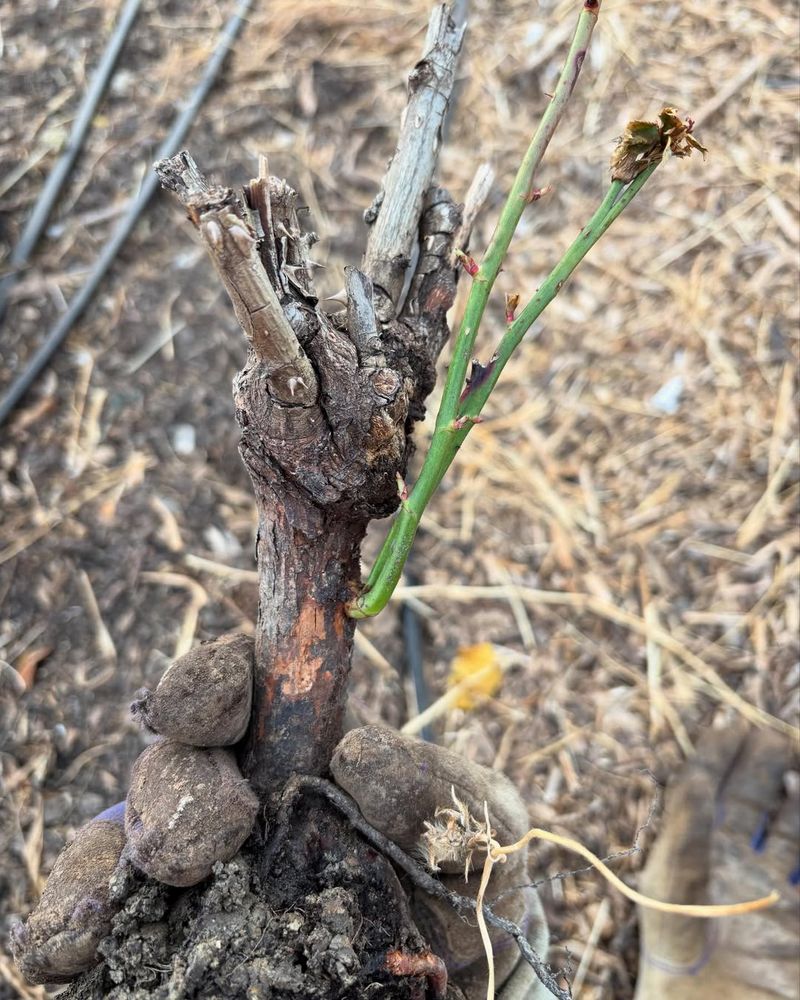
Not everything that grows on your rose bush is actually your rose. Suckers are sneaky little shoots that grow from below the graft union, which is the swollen bump near the base of the plant where the decorative rose was joined to the rootstock.
These shoots are not part of the beautiful rose variety you planted. They belong to the rootstock, and if you leave them alone, they will slowly take over and crowd out the blooms you actually want.
Identifying suckers is pretty straightforward once you know what to look for. They usually have a different leaf shape, a lighter green color, and sometimes more thorns than the rest of the plant.
Your North Carolina Garden Changes Every Week. Your Plan Should Too.
Gardening in North Carolina changes quickly throughout the season. Every Friday you’ll receive a simple weekly plan showing exactly what to plant, prune, fertilize, harvest, and protect so you never miss the right timing.
They grow with a lot of energy and can shoot up fast, especially as the soil warms in late March across North Carolina. The sooner you catch them, the easier they are to remove.
To properly remove a sucker, do not just snip it at the soil line. Pull the soil back carefully to expose where the sucker connects to the root, then pull or cut it off as close to the source as possible.
Cutting it above ground level actually encourages more suckers to sprout back. Getting it at the root connection stops regrowth much more effectively.
This task helps keep roses healthy and can support fuller blooms, though results will vary depending on care and conditions.
3. Check For Winter Damage And Disease
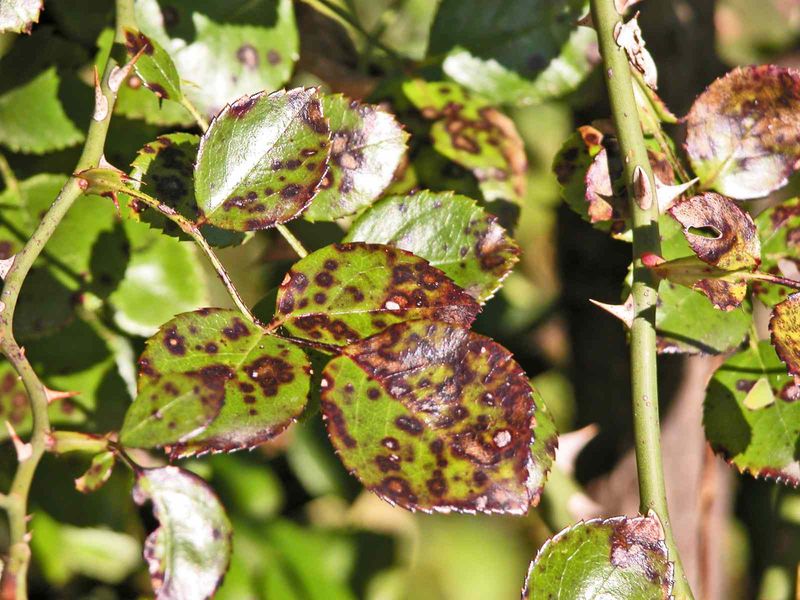
Late March is the perfect moment to play detective in your North Carolina rose garden. After the winter months, your plants may be carrying some hidden problems that could slow down their growth if left unchecked.
Walking through your garden with a careful eye right now can save you a lot of frustration once the warmer weather fully arrives. Look for canes that have split bark, dark discoloration, or mushy spots, as these are signs that cold weather has done some damage.
Black spot is one of the most common rose diseases in North Carolina, and it loves to show up early in the season when moisture levels are high. It appears as dark circular spots on leaves and can cause them to turn yellow and drop off.
Powdery mildew is another issue to watch for, showing up as a white dusty coating on new growth. Catching these problems early gives you a much better chance of managing them before they spread across the whole plant.
Remove any infected leaves or canes and dispose of them away from the garden, not in your compost pile. Starting a spray program just before the buds begin to break open is a smart move that many experienced North Carolina rose growers follow every year.
Fungicide sprays applied at this stage can help reduce disease pressure, though effectiveness depends on proper application and environmental conditions. Staying proactive rather than reactive is the key to keeping your roses strong and full of blooms throughout the entire growing season.
4. Feed With Balanced Fertilizer For Strength

Roses are hungry plants, and after a long winter, they are ready for a good meal. Feeding your roses with a balanced fertilizer in late March gives them the nutrients they need to push out strong new growth and set the stage for bigger, more colorful blooms.
A balanced fertilizer means it contains roughly equal amounts of nitrogen, phosphorus, and potassium, often labeled as something like 10-10-10 on the bag. Nitrogen supports leafy green growth, phosphorus helps with root and flower development, and potassium keeps the overall plant strong and healthy.
In North Carolina, the warming soil temperatures in late March mean that rose roots are actively beginning to absorb nutrients again. Applying fertilizer at this point in the season is really well-timed because the plant can actually use what you are giving it.
Sprinkle granular fertilizer evenly around the base of each plant, keeping it a few inches away from the main canes to avoid burning the stems. Water it in well after applying so the nutrients can move down into the root zone.
Avoid the temptation to over-fertilize, thinking more is better. Too much nitrogen too early can lead to lots of soft, leafy growth that is actually more vulnerable to pests and disease.
Stick to the package directions and plan to feed your roses again about every four to six weeks through the growing season. Consistent, measured feeding supports healthy growth and can contribute to full-petaled blooms, though results vary with conditions and rose variety.
5. Mulch Around The Base To Protect Roots

Mulching might not be the most glamorous gardening task, but it is one of the smartest things you can do for your North Carolina roses in late March. A fresh layer of organic mulch around the base of each plant does several important jobs all at once.
It holds moisture in the soil so your roses do not dry out between waterings, it keeps weed seeds from getting the sunlight they need to sprout, and it helps regulate soil temperature as spring weather fluctuates between warm days and still-chilly nights.
Shredded bark, wood chips, or pine straw all work well as mulch for roses. Aim to spread a layer about two to three inches deep around each plant, covering the area out to the drip line if possible.
One important detail to remember is to keep the mulch a few inches away from the base of the canes. Mulch piled up directly against the stems can trap moisture and encourage rot, which is the last thing you want after putting so much effort into your garden.
As the organic mulch breaks down over time, it actually improves the soil by adding nutrients and encouraging beneficial microbial activity. Many experienced North Carolina gardeners refresh their mulch layer every spring as part of their regular routine.
It is a small investment of time and materials that can help support healthier plants, depending on soil and growing conditions. Well-mulched roses generally tolerate heat and drought more effectively, which can contribute to healthier growth and more abundant blooms.
6. Water Consistently As New Growth Emerges
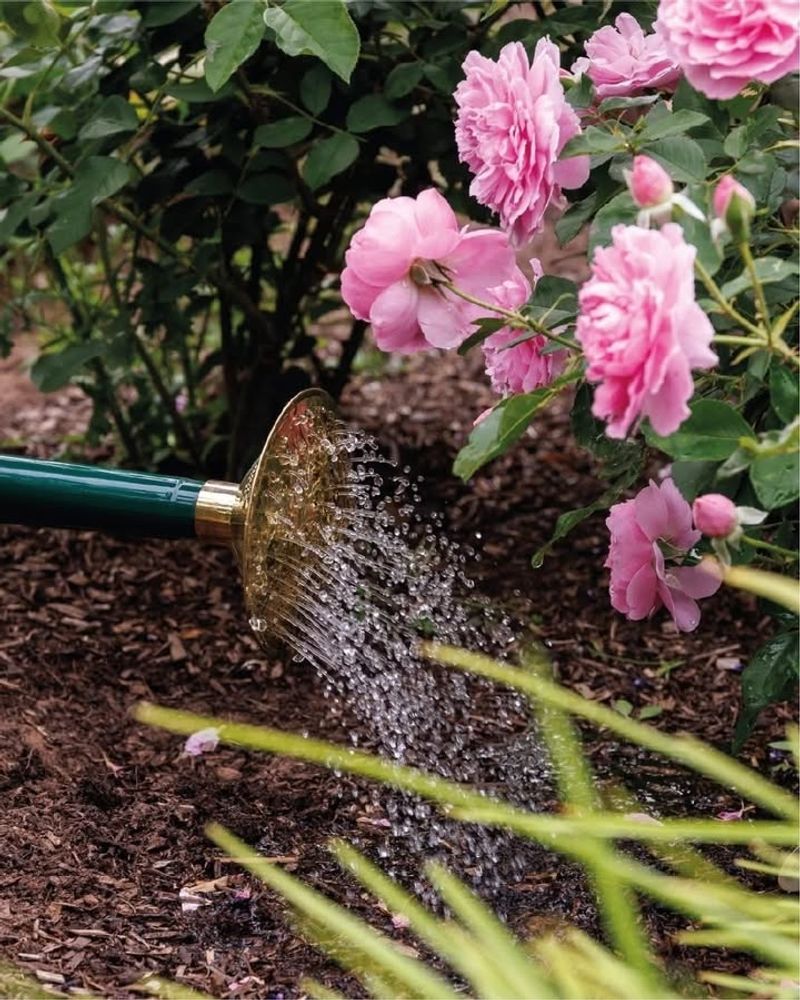
Proper watering in late March can support healthy growth and overall performance, though results vary with conditions. As new growth begins to emerge from the canes, the plant’s demand for water increases significantly.
The roots are working hard to pull up moisture and nutrients to fuel all that fresh new growth, so giving your roses a consistent, reliable water supply right now is genuinely important.
Deep watering is always better than light, frequent sprinkling. When you water deeply, moisture moves down into the lower layers of soil, encouraging the roots to follow it downward.
Deep roots tend to be stronger and more stable, which can help roses tolerate summer heat. A good rule of thumb is to give each rose bush about one inch of water per week, either from rainfall or from you.
If the spring has been dry, you may need to supplement even when it feels cool outside.
Always water at the base of the plant rather than from overhead. Wet leaves, especially in the humid climate of North Carolina, create ideal conditions for fungal diseases like black spot and powdery mildew.
A soaker hose or drip irrigation system is a fantastic investment for rose gardeners because it delivers water right where it is needed without wetting the foliage at all. Watering in the early morning is also a smart habit, giving any accidental leaf splash time to dry before evening temperatures drop and moisture lingers overnight.