Stylish North Carolina Backyard Ideas For A Low-Maintenance Space
For many North Carolina homeowners, the backyard is a retreat from busy days, a place where mornings start with coffee and evenings end with calm. Over time, you notice which plants flourish without fuss and which spots demand too much attention.
Achieving a beautiful garden that requires minimal upkeep can feel like a balancing act, especially when you want a space that’s both relaxing and stylish.
Using low-water plants, native perennials, and carefully chosen shrubs lets you enjoy seasonal color without spending hours on maintenance.
Adding ornamental grasses, evergreen structure, and compact perennials creates interest and texture while keeping care simple.
With these ideas in place, your yard becomes a space to unwind, entertain, and enjoy the natural beauty of the region. Every corner can offer charm and comfort, inviting you to spend more time outdoors all season long.
1. Plant Native Perennials For Seasonal Color
Nothing beats the satisfaction of watching your yard burst into color season after season without replanting every single year. Native perennials are plants that naturally grow in North Carolina’s environment, so they already know how to handle the heat, humidity, and occasional dry spells that come with living in this state.
Once established, these perennials often return year after year and typically require minimal maintenance under favorable conditions.
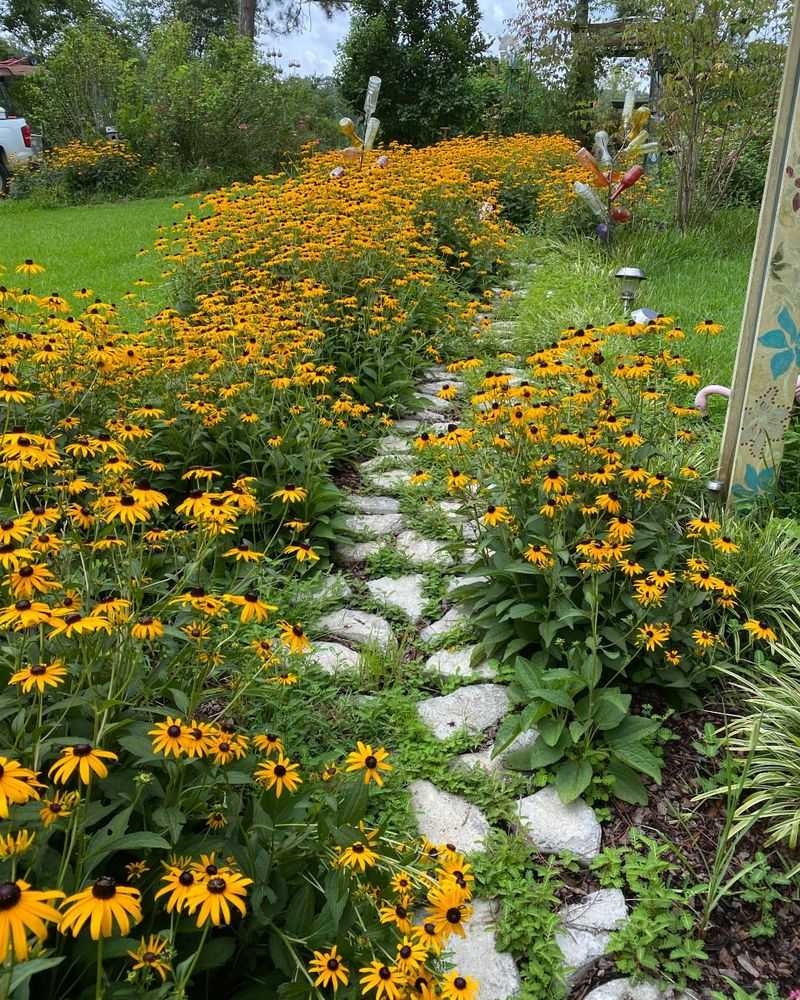
Black-eyed Susans are a North Carolina favorite, producing cheerful golden-yellow blooms from midsummer through fall. They are tough, sun-loving plants that spread gradually to fill in garden beds over time.
Eastern Purple Coneflower, also known as Echinacea, is another outstanding choice that blooms in shades of pink and purple while also attracting bees and butterflies to your outdoor space.
Bee balm is a perennial that thrives across much of North Carolina and produces showy red, pink, or purple flowers that hummingbirds absolutely love. Wild blue indigo is another native that offers striking blue-purple spires in spring before transitioning to interesting seed pods that add visual texture later in the season.
Mixing several of these perennials together can provide blooms from early spring through late fall, though timing and duration may vary.
Because these plants evolved right here in the region, they require far less fertilizer, watering, and pest control than non-native species. Planting them in clusters rather than scattered spots makes maintenance even easier and creates a bolder, more polished look that feels intentional and designed.
2. Choose Low-Water Plants
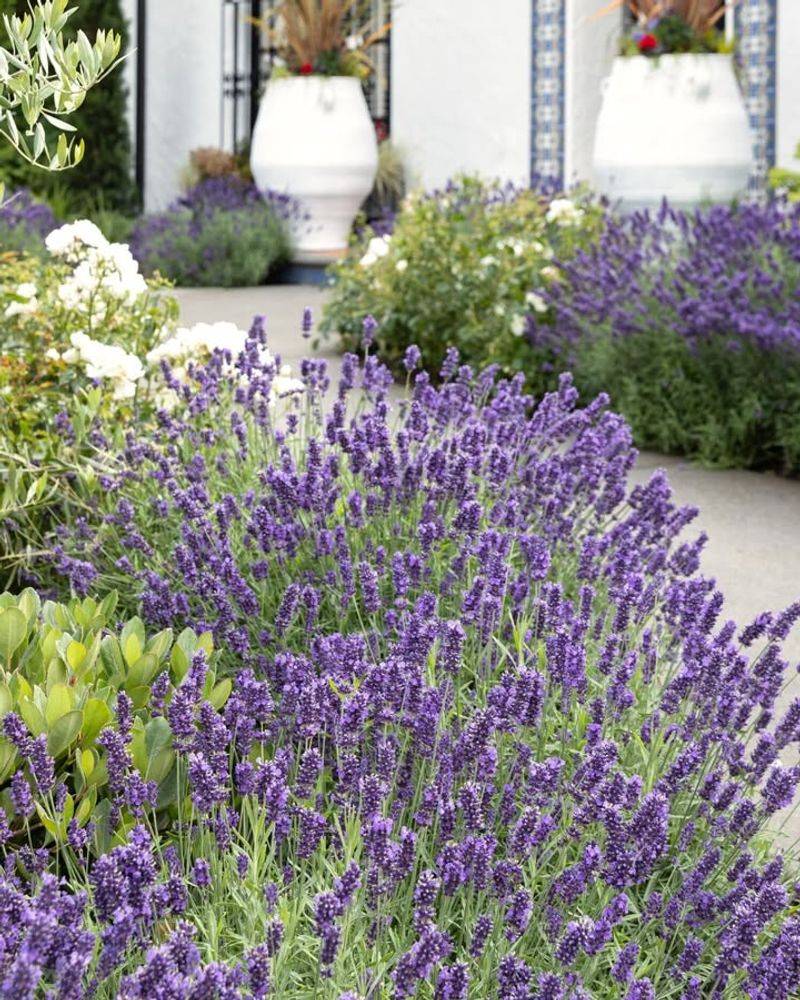
Watering your garden every single day in the North Carolina heat can feel like a full-time job, but it does not have to be that way. Choosing low-water plants is one of the smartest moves you can make for a backyard that stays attractive without constant attention.
These are plants that have adapted to survive with less moisture, meaning they can handle dry spells without wilting or looking sad.
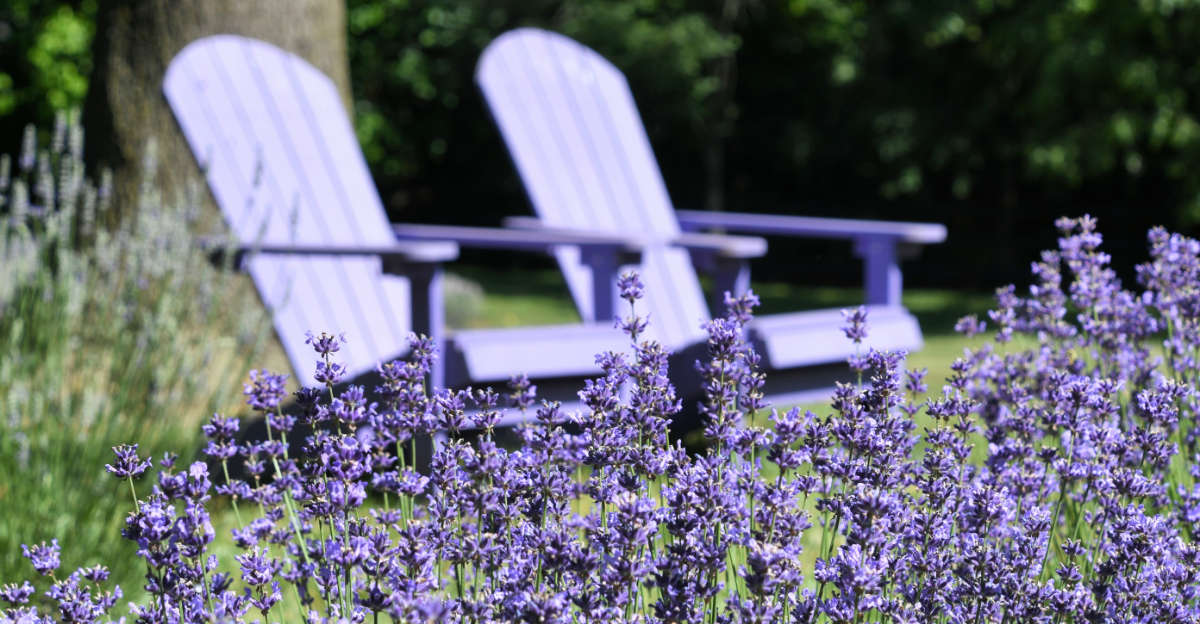
Some excellent low-water choices for North Carolina yards include lavender, sedum, salvia, and yarrow. Lavender is especially popular because it smells incredible, looks beautiful, and actually prefers dry, well-drained soil.
Salvia comes in a range of colors from deep purple to bright red, and it attracts hummingbirds and butterflies without needing much water at all.
Your North Carolina Garden Changes Every Week. Your Plan Should Too.
Gardening in North Carolina changes quickly throughout the season. Every Friday you’ll receive a simple weekly plan showing exactly what to plant, prune, fertilize, harvest, and protect so you never miss the right timing.
Sedum, sometimes called stonecrop, is nearly indestructible and comes in dozens of varieties that work well as borders or ground fillers. Yarrow spreads easily and produces cheerful clusters of yellow or white flowers through the summer months.
Pairing these plants together can help create a garden bed that looks full while reducing the need for daily watering, though some attention may still be necessary during hot periods.
Adding a layer of mulch around your low-water plants helps lock moisture into the soil so the roots stay cool during hot North Carolina summers. Even two to three inches of pine bark mulch can help reduce watering needs, though effectiveness depends on soil, plant type, and climate conditions.
Starting with these plants means spending more time relaxing in your backyard and less time worrying about keeping everything alive.
3. Add Evergreen Shrubs For Year-Round Structure
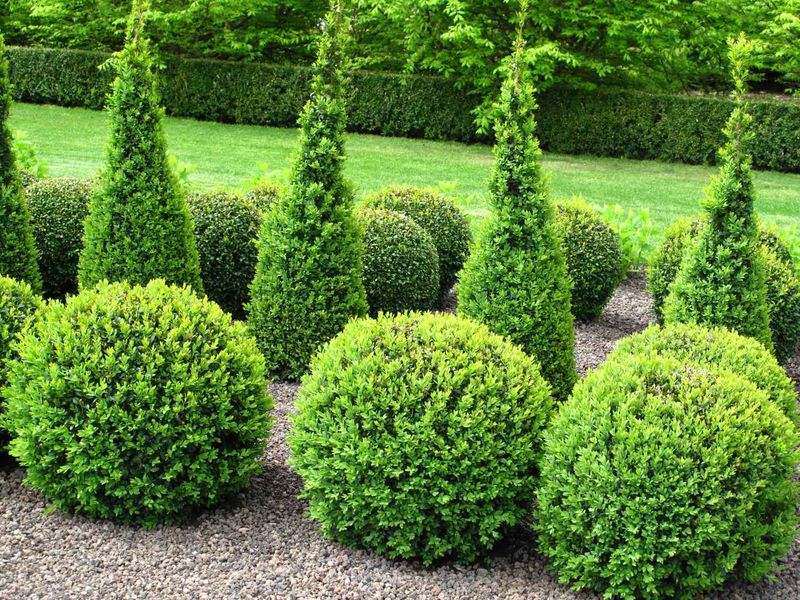
A backyard can start to look bare and forgotten during winter months when most plants have gone dormant, but evergreen shrubs solve that problem completely. These plants keep their leaves all year long, giving your outdoor space a sense of structure and fullness even in the coldest weeks of a North Carolina winter.
They act like the backbone of your landscape, anchoring everything else around them.
Boxwood is one of the most popular evergreen shrubs in North Carolina because it responds well to shaping, stays compact, and holds its rich green color through all four seasons. Inkberry holly is a native evergreen that produces small black berries in fall and winter, adding visual interest while also feeding local birds.
Nellie Stevens holly grows into a tall, dense pyramid shape that works beautifully as a privacy screen along fences or property lines.
Mountain laurel is a stunning native evergreen that produces clusters of pink and white flowers in late spring before settling into a lush backdrop for the rest of the year. Wax myrtle is another excellent North Carolina-friendly choice that tolerates both dry conditions and occasional flooding, making it incredibly adaptable to different yard situations.
Planting a mix of sizes and textures among evergreen shrubs can help create a layered look that is visually appealing.
Once established, most evergreen shrubs need very little care beyond an occasional trim and some mulch around their bases. They are a worthwhile addition to a low-maintenance North Carolina backyard, providing structure with relatively little care.
4. Incorporate Ornamental Grasses For Texture And Movement
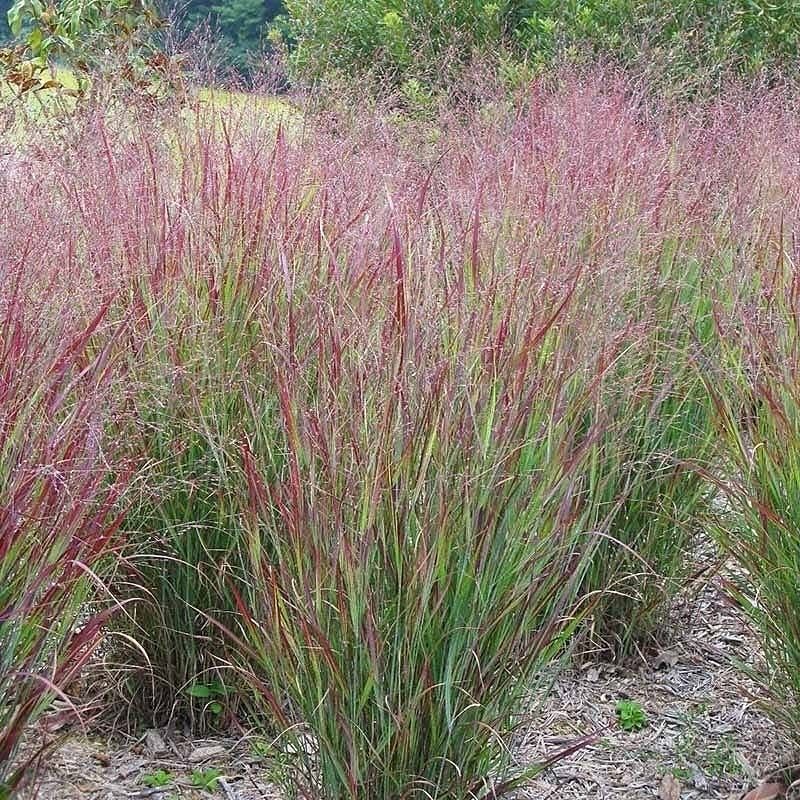
Few plants bring a backyard to life quite like ornamental grasses. When the wind blows through a North Carolina afternoon, these plants sway and shimmer in a way that makes your yard feel dynamic and alive.
They add a layer of texture that you simply cannot get from flowering plants or shrubs alone, and they look stunning through every season of the year.
Switchgrass is a native North Carolina grass that grows in upright clumps and shifts from green in summer to golden orange in fall. It handles drought, clay soil, and heat with ease, making it an ideal fit for backyards across the state.
Fountain grass is another popular choice that arcs gracefully outward and produces feathery plumes in late summer that last well into winter, providing visual interest long after other plants have faded.
Blue fescue is a smaller ornamental grass that forms tidy, blue-gray mounds perfect for edging pathways or filling gaps between larger plants. Little Bluestem is a native grass with a slim, upright habit that turns brilliant shades of copper and burgundy in autumn, making it a showstopper for fall color.
Mixing different heights and textures among your ornamental grasses creates a naturalistic look that feels effortless and elegant at the same time.
Ornamental grasses are generally low-maintenance plants for a North Carolina backyard, with most benefiting from a single annual cut-back in late winter before new growth.
5. Use Flowering Groundcovers To Reduce Weeding
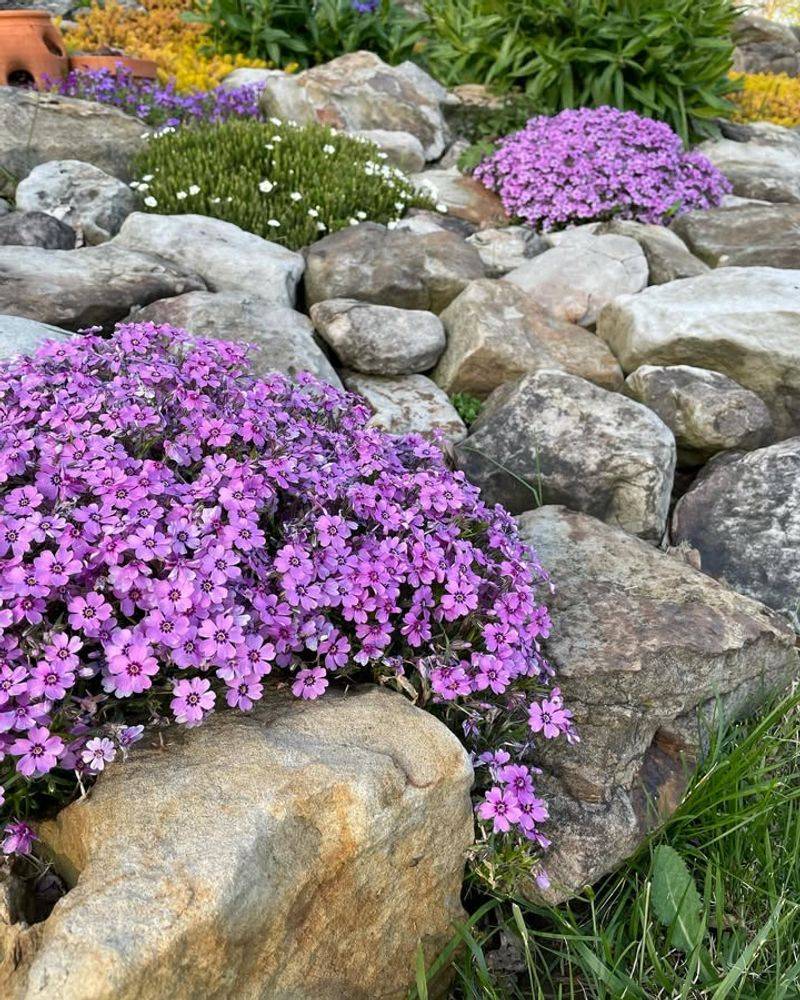
Weeding is probably the most dreaded chore for any homeowner with a yard, but flowering groundcovers are one of the best ways to make that problem almost disappear. These low-growing plants spread across the soil and crowd out weeds naturally, covering bare patches of ground that would otherwise become overrun with unwanted plants.
They also add incredible color and charm to areas where grass struggles to grow.
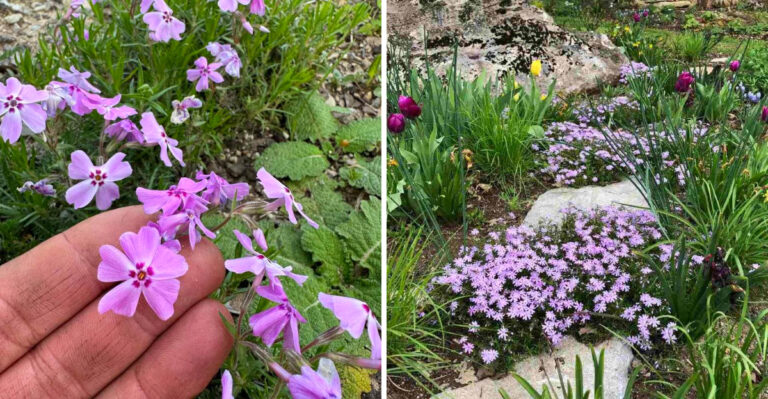
Creeping phlox is a North Carolina favorite that blankets the ground in a carpet of pink, purple, or white flowers every spring. It grows in full sun or partial shade and spreads steadily without becoming invasive or hard to control.
Ajuga, also called bugleweed, produces spikes of blue-purple flowers in spring and has attractive bronze or green foliage that looks great all year long.
Creeping thyme is another excellent groundcover that releases a pleasant herbal fragrance when walked on and produces tiny pink flowers in early summer. It tolerates dry conditions very well and works beautifully between stepping stones or along the edges of garden paths.
Liriope, often called monkey grass, is a tough and reliable groundcover that thrives in North Carolina’s climate and produces purple flower spikes in late summer.
Replacing large areas of traditional lawn with flowering groundcovers can dramatically cut down on mowing, watering, and weed control throughout the year. They are especially useful under trees where grass tends to struggle due to shade and root competition.
A well-chosen groundcover can help improve the look of a bare patch while reducing weeds, though results vary depending on plant choice and conditions.
6. Cluster Drought-Tolerant Containers Near Seating Areas
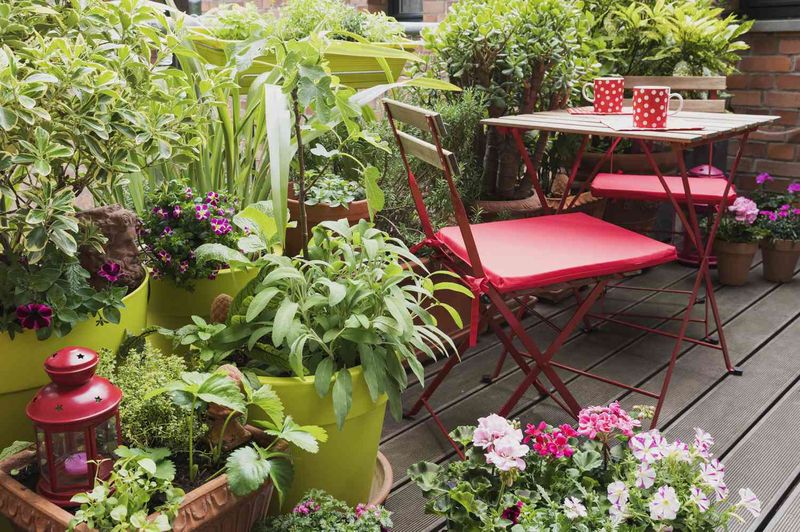
Container gardening is one of those ideas that sounds simple but can completely transform the feel of a backyard seating area. Grouping pots of drought-tolerant plants near your patio chairs or outdoor table creates a lush, garden-like atmosphere without requiring you to dig up the ground or commit to a permanent planting bed.
You can rearrange the containers whenever you feel like changing things up, which is a freedom traditional garden beds do not offer.
Lantana is a strong choice for North Carolina container gardens, often blooming from spring through frost and handling heat and dry spells well.Agave adds a bold architectural look with its spiky, sculptural form, and it requires almost no watering once it settles into its pot. Succulents like echeveria and sedum thrive in containers and add a modern, stylish touch to any outdoor seating space.
Portulaca, also called moss rose, is a cheerful low-growing plant that spills over the edges of containers in vivid shades of red, orange, yellow, and pink. It loves the hot, dry conditions that North Carolina summers are known for and needs almost no care beyond occasional watering.
Mixing trailing plants with upright ones in the same container creates a full, layered look that feels professionally designed.
Using containers also means you can move plants indoors during an unexpected cold snap, protecting your investment without any stress. Choose pots with drainage holes and use a quality potting mix designed for drought-tolerant plants to set yourself up for easy success all season long.
7. Select Low-Maintenance Shade Trees For Comfort

Summers in North Carolina can get seriously hot, and having a shade tree in your backyard makes an enormous difference in how comfortable your outdoor space actually feels. A well-placed shade tree can noticeably lower temperatures under its canopy, making outdoor spaces more comfortable.
The key is choosing a tree that provides great shade without demanding constant cleanup or complicated care.
Willow oak is a North Carolina native that grows tall and provides dense, feathery shade without dropping large messy leaves or seed pods that make a yard look cluttered. It adapts well to a range of soil types found across the state and grows at a steady, satisfying pace.
Crape myrtle is another beloved choice that offers gorgeous summer blooms in shades of pink, red, white, and lavender, plus attractive peeling bark and brilliant fall color, all while being remarkably easy to care for.
Southern red oak is a sturdy, long-lived shade tree that thrives in the Piedmont and coastal plain regions of North Carolina, growing broad and majestic over the years. Eastern redbud is a smaller option that fits nicely into tighter yards and produces stunning magenta-pink flowers in early spring before the leaves even appear.
Both trees offer excellent shade with minimal maintenance once they are established in your yard.
Planting a shade tree on the west or southwest side of your home not only makes your backyard more comfortable but can also reduce your energy bills during hot summer months by blocking afternoon sun from hitting your house directly.
8. Include Slow-Growing, Compact Perennials For Easy Care
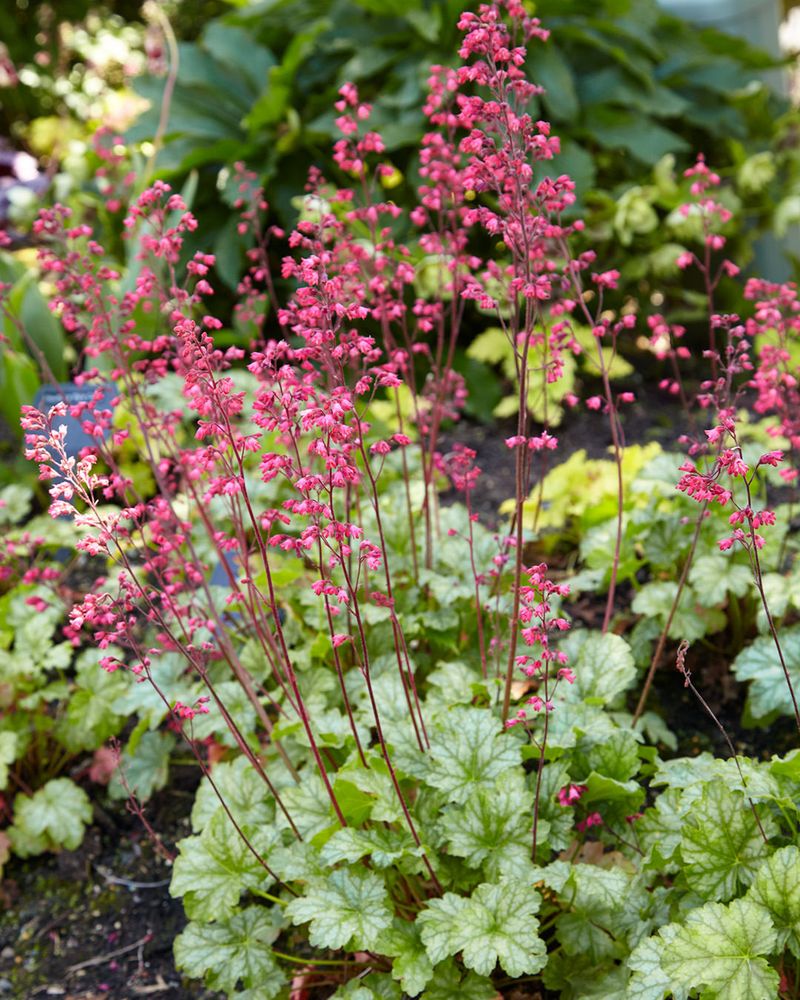
Fast-growing plants can seem exciting at first, but they often become the biggest headache in a low-maintenance yard because they spread aggressively and need constant trimming to stay in bounds. Slow-growing, compact perennials are the smarter choice for a North Carolina backyard where you want things to look tidy and polished without spending every weekend pruning and cutting back overgrown plants.
These are the quiet workhorses of a beautiful, easy-care landscape.
Heuchera, commonly called coral bells, is a fantastic compact perennial that comes in an amazing range of foliage colors from lime green to deep burgundy. It grows in neat mounds that rarely need dividing and looks great as a border plant or a filler between larger shrubs.
Daylilies are another outstanding option that spread slowly and steadily, producing cheerful blooms in nearly every color imaginable throughout the summer months in North Carolina.
Liriope muscari, or big blue lilyturf, is a compact and tough perennial that forms dense clumps of grass-like foliage and produces purple flower spikes in late summer. It handles shade, drought, and even heavy clay soil without complaining, which makes it one of the most reliable plants you can put in a North Carolina yard.
Hellebore is a shade-loving perennial that blooms in late winter and early spring when almost nothing else is flowering, adding unexpected color during the quietest time of year.
Mixing slow-growing perennials can help your garden fill in gradually and generally requires less maintenance, though some attention will still be needed over time.