Plants Oregon Gardeners Regret Buying In Early Spring
Early spring in Oregon brings a rush of energy for gardeners who have spent winter dreaming of colorful blooms and fresh green leaves.
The nursery aisles are full, and the temptation to bring home new plants is strong, especially when the first warm days arrive and the soil finally softens.
You’ve likely seen friends’ gardens thrive and fail in the same week, and it’s easy to wonder why some plants don’t live up to expectations.
Certain early-season purchases struggle in cool soil, unexpected frosts, or harsh spring rains, and gardeners often regret investing time and money too soon.
Choosing plants at the wrong moment can stunt growth, reduce flowers, or even prevent them from surviving the season.
Learning which varieties to hold off on now will help you avoid disappointment and ensure that every plant you add has a real chance to thrive. The next choices you make will shape a garden full of vitality and color as spring unfolds.
1. Azaleas Bursting With Spring Color
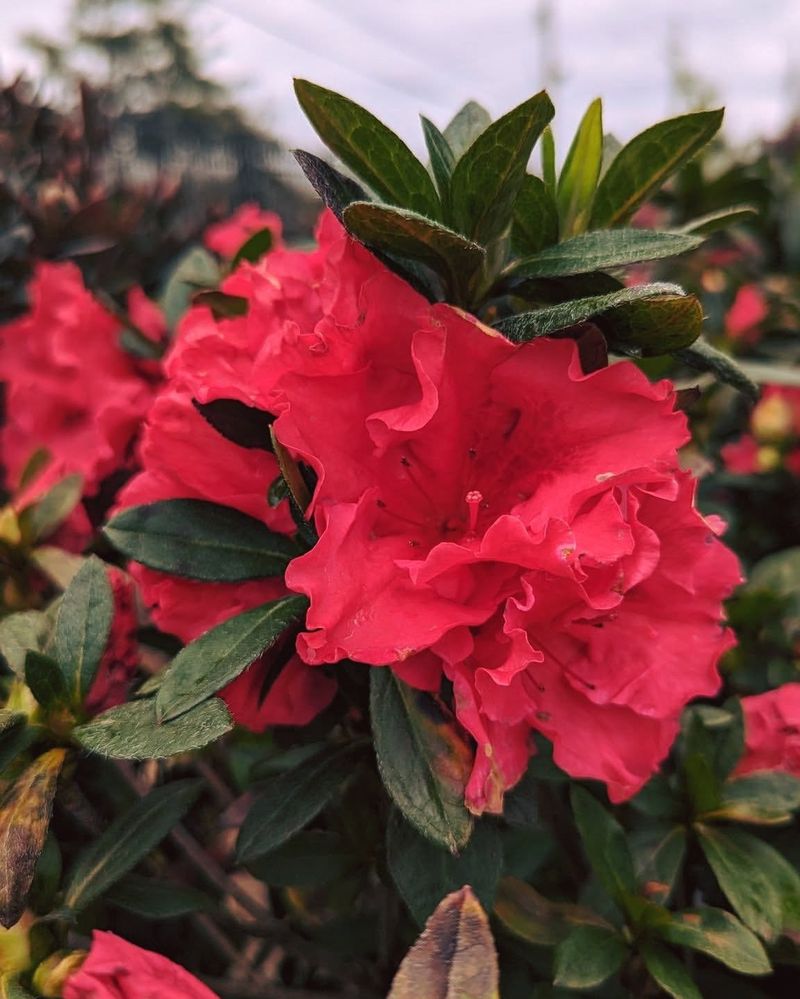
Walk into any Oregon nursery in early spring and azaleas are practically impossible to miss. Those brilliant clusters of pink, red, orange, and white flowers look absolutely stunning sitting on the shelf, and it is easy to see why so many gardeners grab one without a second thought.
The problem starts once you get them home and into the ground.
Azaleas in Oregon prefer well-draining, slightly acidic soil and dappled morning sun; planting them in these conditions reduces the risk of root rot and leaf scorch. Oregon’s heavy spring rains can lead to root rot, and a plant that looked gorgeous at the nursery can start looking sad within just a few weeks.
Azaleas also benefit from a layer of mulch around the base to retain soil moisture and moderate temperature fluctuations, which is especially helpful during late spring and summer.
Another common issue is sunlight. Azaleas need dappled shade, not full afternoon sun.
Many Oregon gardeners plant them in a sunny spot because that is where they noticed the garden needed color, only to watch the leaves scorch during the drier summer months.
Azaleas bloom on old wood, meaning if you prune them at the wrong time, you cut off next year’s flower buds. Most Oregon gardeners learn this lesson the hard way after a season of no blooms.
If you want azaleas to thrive in your Oregon garden, research the right variety, pick a sheltered spot with morning sun, and make sure drainage is excellent before you ever dig a hole. Fertilizing lightly with an acid-loving plant fertilizer in early spring can also support healthy growth and encourage vibrant blooms throughout the season.
2. Lilacs Filling The Air With Fragrance
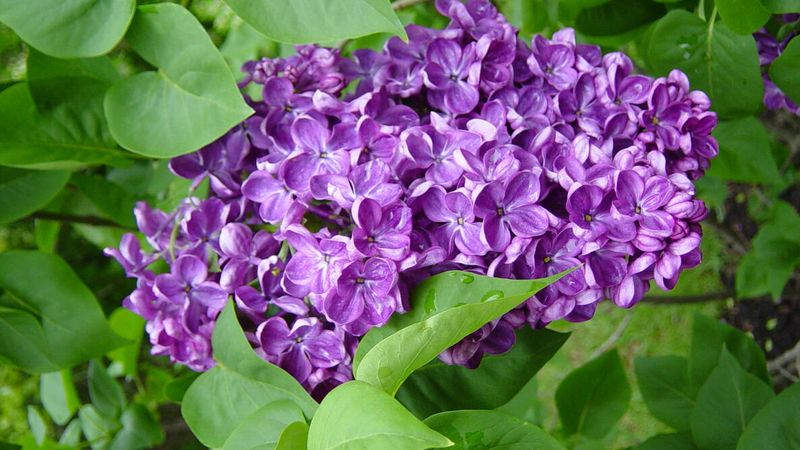
Few plants carry as much nostalgic charm as lilacs. That sweet, heavy fragrance and those gorgeous purple flower clusters make lilacs one of the most beloved shrubs in American gardens.
Oregon gardeners get swept up in the romance of lilacs every single spring, and who could blame them? The display at the nursery is absolutely breathtaking.
Your Oregon Garden Changes Every Week. Your Plan Should Too.
Gardening in Oregon changes quickly throughout the season. Every Friday you’ll receive a simple weekly plan showing exactly what to plant, prune, fertilize, harvest, and protect so you never miss the right timing.
Here is the honest truth about lilacs in Oregon, though: they are not always the best fit for the western part of the state. Lilacs need a certain number of cold winter hours to set their flower buds properly.
Lilacs need adequate cold hours to bloom reliably; in mild Willamette Valley winters, gardeners may need to choose cold-tolerant varieties or accept a lighter bloom. Eastern Oregon gardeners tend to have better luck since winters there are colder and more consistent.
Size is another thing Oregon gardeners underestimate. Lilacs can grow into large shrubs or even small trees over time, sometimes reaching fifteen feet tall or more.
What looks like a manageable little plant in a nursery pot can take over a garden bed within several years, crowding out everything around it.
Maintenance is also more demanding than most people expect. Lilacs need regular pruning right after they bloom to encourage healthy new growth and future flowers.
Skip a few years of pruning and you end up with a tangled, woody mess that produces fewer blooms every season. Think carefully about available space and your local Oregon climate zone before bringing one home.
3. Forsythia Lighting Up Early Gardens
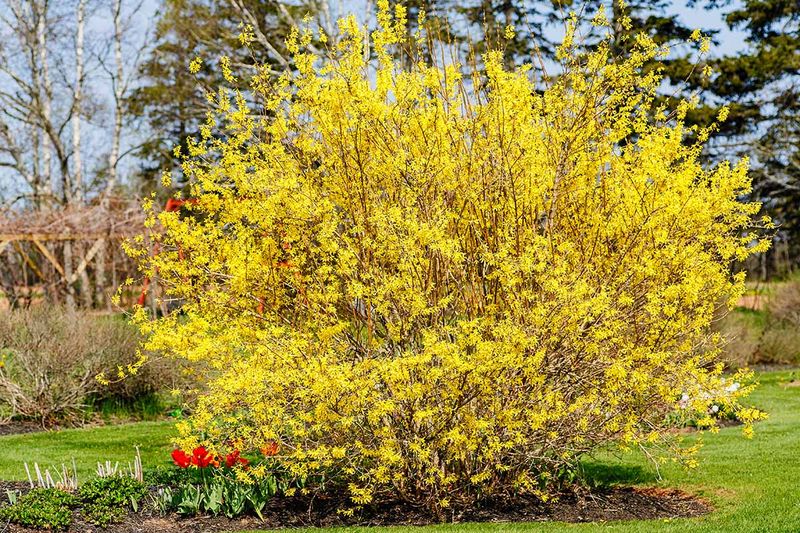
Bright yellow forsythia is basically the official announcement that spring has arrived. Those cheerful golden branches burst into bloom before almost anything else in the garden, and they are genuinely stunning for about two to three weeks.
That short window of glory is exactly what pulls Oregon gardeners in every spring at the nursery.
Forsythia’s early-season blooms are brief, and regular pruning after flowering helps manage size and maintain visual appeal throughout the rest of the season. Without those yellow flowers, it has almost no visual interest for the rest of the growing season.
In smaller Oregon yards, that tradeoff can feel frustrating, especially when the shrub keeps getting bigger every year. Carefully monitoring growth ensures it does not overwhelm nearby plants.
Forsythia is also a vigorous grower that demands regular, attentive pruning. Skip a season or two and the plant becomes a tangled, arching mess of branches that looks scraggly and unkempt.
Pruning forsythia correctly means cutting it right after it blooms, which is a skill that many first-time Oregon gardeners do not know about until it is too late to fix that season.
Another thing worth knowing is that forsythia can sucker and spread beyond where you originally planted it. Shoots pop up from the roots in unexpected spots, and before long you are pulling them out of your lawn and neighboring beds.
For Oregon gardeners with limited space or a preference for low-maintenance landscapes, forsythia often ends up being more work than its brief spring show is worth.
4. Mock Orange Drawing Every Eye
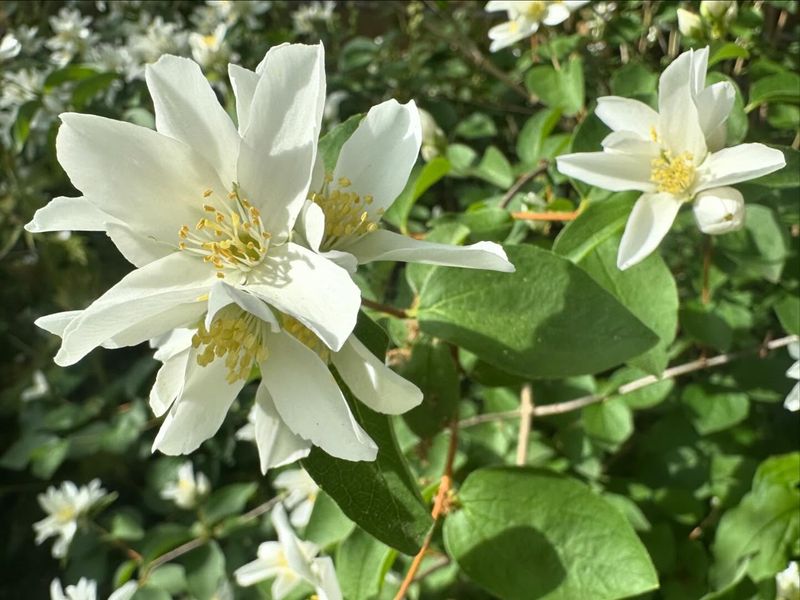
Its reputation is almost entirely built on its flowers and fragrance, making mock orange especially beloved. For a few glorious weeks in late spring, the white blooms fill the air with a scent that genuinely does smell like orange blossoms.
Oregon gardeners smell it at a friend’s house or a local garden tour and immediately want one of their own. The appeal is completely understandable.
Mock orange thrives in larger spaces and blooms on old wood; pruning after flowering and choosing an area with enough room ensures it remains attractive and manageable. In a smaller Oregon garden, that kind of growth can quickly overwhelm nearby plants and block windows, pathways, or views that you actually want to enjoy.
Beyond the size issue, mock orange has a very short season of interest. Once those fragrant flowers drop, you are left with a large, plain green shrub that offers nothing particularly special for the rest of the year.
Oregon’s long growing season means you are looking at that unremarkable foliage from June all the way through fall.
Pruning mock orange is also a commitment. It blooms on old wood, so timing your cuts matters a great deal.
Many Oregon gardeners accidentally prune it at the wrong time and lose the following year’s blooms entirely. If you have a large property with plenty of room and love the fragrance enough to work around its limitations, mock orange can be rewarding.
But for smaller Oregon yards, it often becomes a plant people wish they had skipped.
5. Wisteria Climbing With Grace
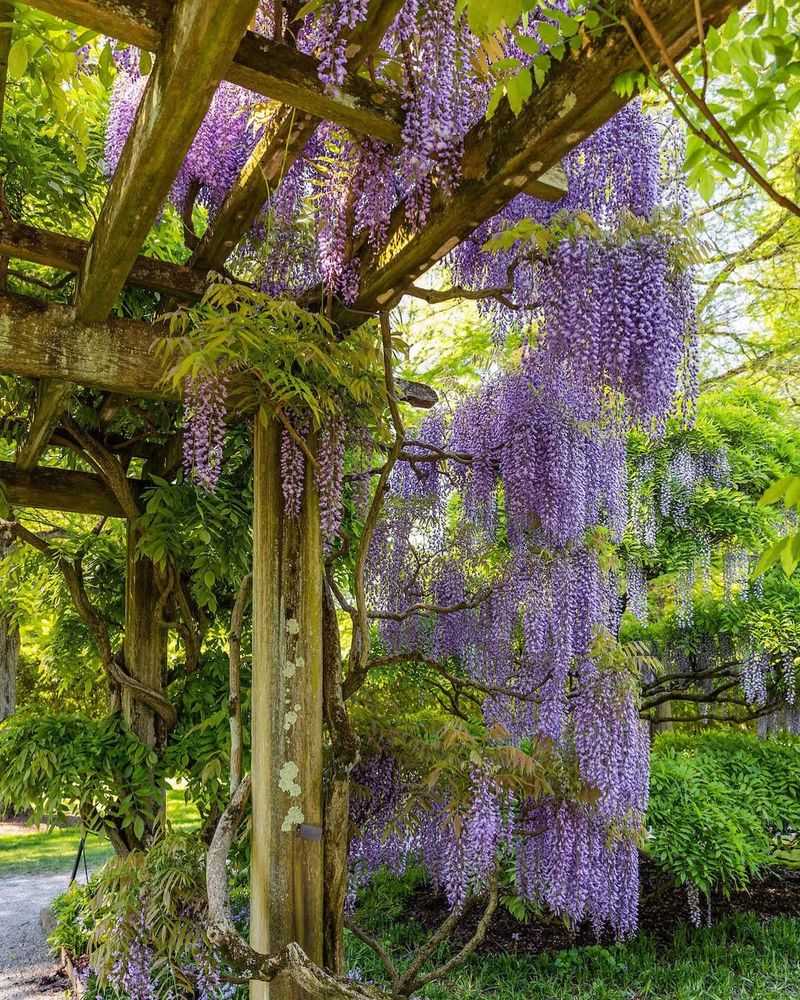
Wisteria might be the most visually dramatic plant on this entire list. Those long, cascading clusters of purple or white flowers look like something out of a fairy tale, and every spring Oregon nurseries sell them by the cartload to gardeners who have seen a stunning photo online or spotted a gorgeous specimen at a botanical garden.
The allure is real and completely valid.
Choose native American wisteria or carefully manage pruning for Asian types; regular maintenance prevents it from spreading aggressively while still enjoying its dramatic blooms. It wraps itself around anything it can reach, including gutters, fences, trees, and even structural beams.
Oregon homeowners have reported wisteria working its way under roof shingles and into siding, causing serious and expensive damage. Proper mulching and monitoring root growth can also help reduce unwanted spread.
Asian wisteria varieties, which are the most commonly sold in Oregon nurseries, are also considered invasive in many parts of the Pacific Northwest. They can spread beyond your property and crowd out native plants in natural areas, which is a real ecological concern for Oregon’s diverse plant communities.
Keeping wisteria under control requires pruning multiple times per year, sometimes as often as every six weeks during the growing season. Miss a few rounds and it can take over faster than you expect.
If you truly love wisteria, look for the American native species, which is far less aggressive and much better suited to responsible gardening in Oregon. Going with the native option lets you enjoy the beauty without the long-term battle.
6. Japanese Quince Blooming Boldly
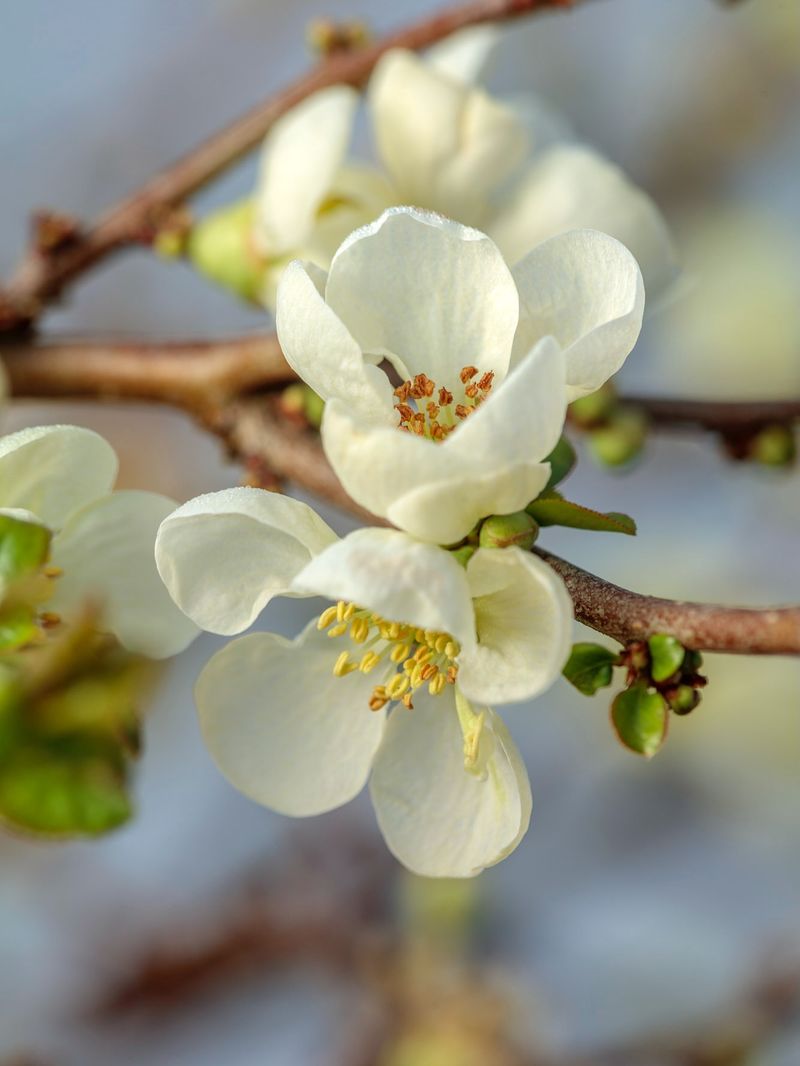
At first, gardeners are caught off guard in the best possible way by Japanese quince. Those brilliant red, orange, or coral flowers appear early in the season, often before the leaves even open, creating a vivid burst of color when the rest of the Oregon garden is still waking up.
Spotted at a nursery in late winter or early spring, it looks like exactly the kind of bold, early color every gardener craves.
Plant Japanese quince in larger spaces and handle pruning with gloves or tools; the fruit is edible but requires preparation, so consider placement to minimize cleanup issues. Reaching into the center of the shrub to remove crossing branches or deadwood means dealing with sharp, stiff thorns that can scratch and catch on clothing and skin.
Many Oregon gardeners end up avoiding pruning altogether, which leads to an increasingly tangled and overgrown shrub.
The fruit that develops after flowering is another surprise for first-time growers. Hard, yellowish-green quinces appear in summer and fall, and while they are technically edible, they are extremely tart and require significant processing before they can be used.
Most Oregon gardeners have no idea what to do with them and simply let them drop, creating a messy cleanup situation on patios and pathways.
Suckering is also a common complaint. Japanese quince sends up shoots from its roots, spreading into lawn areas and neighboring beds in ways that are surprisingly difficult to manage.
For Oregon gardeners who want early spring color without the thorns and maintenance demands, there are much friendlier alternatives worth exploring at your local nursery.
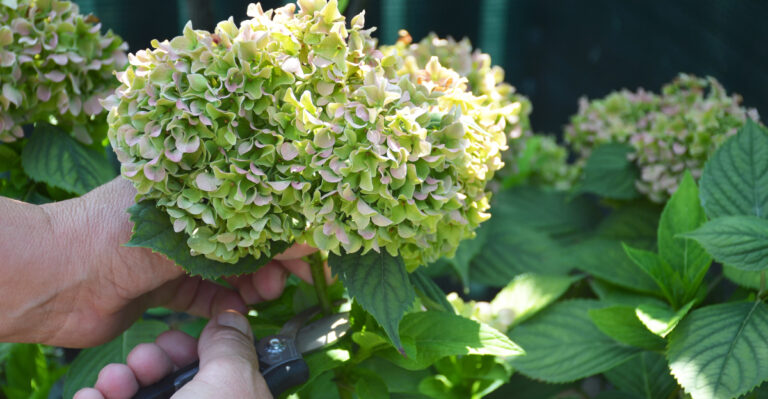
7. Certain Hydrangeas Showing Off Stunning Blooms
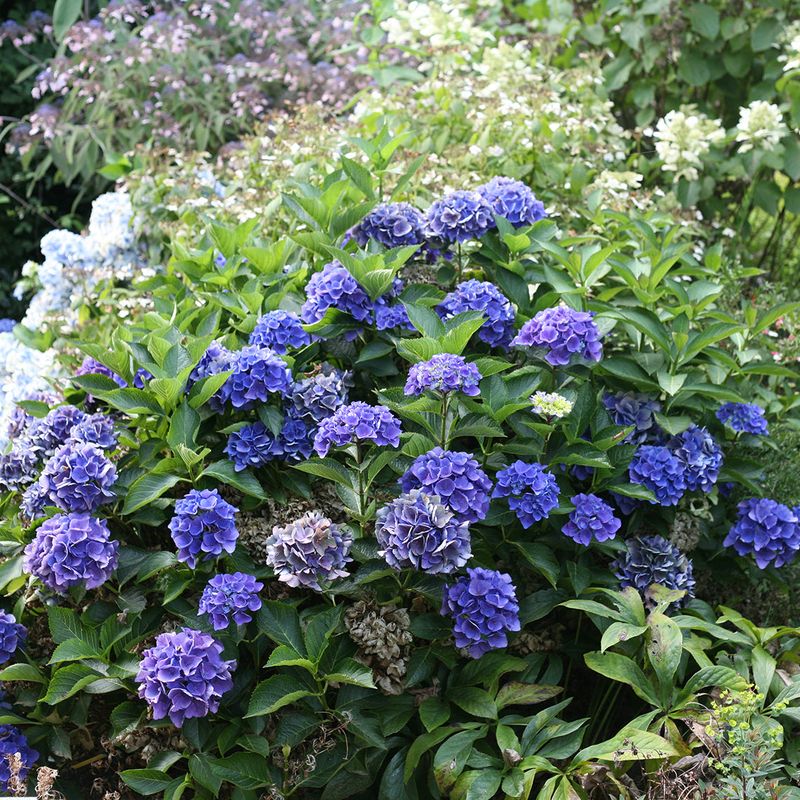
Across Oregon, hydrangeas are wildly popular, and honestly, it is easy to see why. The big, showy flower heads come in gorgeous shades of blue, pink, purple, and white, and they photograph beautifully.
Every spring, Oregon nurseries are packed with hydrangeas in full bloom, sitting under shade cloth and looking absolutely perfect. Gardeners buy them by the thousands.
Choose hydrangeas suited for your microclimate, plant in morning sun with afternoon shade, and select varieties that bloom on new wood to avoid frost loss and sun stress. Oregon’s unpredictable late spring frosts are notorious for zapping those tender new buds right off the plant, leaving gardeners with a perfectly healthy shrub that produces zero flowers for the entire season.
Applying a layer of mulch and keeping soil consistently moist helps hydrangeas stay strong through variable spring temperatures.
Placement mistakes are also extremely common. Many Oregon gardeners plant bigleaf hydrangeas in full sun because that is where there is space in the yard, not realizing these plants prefer morning sun and afternoon shade.
Summer heat and dry conditions, especially in southern and eastern Oregon, can stress them badly and cause the large leaves to wilt dramatically every afternoon.
Soil pH plays a major role in flower color too, and adjusting it requires ongoing effort and testing. Before purchasing any hydrangea in Oregon, research whether it blooms on old wood or new wood.
Smooth hydrangeas and panicle hydrangeas are far more reliable choices for most Oregon gardens, offering consistent blooms without the frustration of frost-damaged buds season after season.