Protect Your Spring Buds From Late Cold Snaps In Oregon
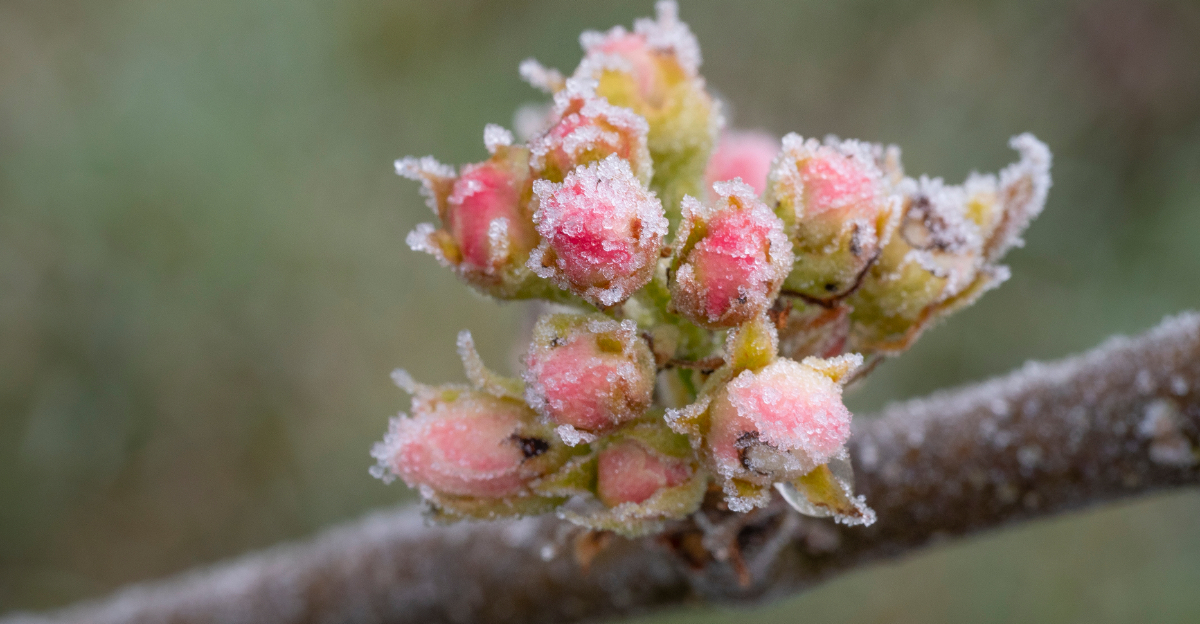
Spring in Oregon can be a bit unpredictable. One day it’s sunny and warm, and the next, a late cold snap rolls in, threatening your delicate garden buds.
Those tender new shoots, full of promise, can easily be damaged by a sudden frost, leaving you with fewer blooms and slower growth.
To protect your plants, a little preparation goes a long way. Simple steps like covering tender buds with fabric, blankets, or row covers can create a protective barrier against frost.
It’s also a good idea to mulch around the base of plants to help keep the soil temperature more stable.
While it’s impossible to predict every cold snap, taking a few precautions can save your garden’s early growth and ensure your plants are ready to flourish once the weather finally settles.
1. Watch For Late Frosts
Late frosts in Oregon are sneaky. One afternoon it feels like summer, and by dawn the thermometer has dropped below 28 degrees Fahrenheit.
That kind of freeze can seriously damage tender spring buds in just a few hours. The best defense is staying informed before the cold arrives.
Get into the habit of checking your local weather forecast every evening during March, April, and even into May. Oregon weather can shift fast, especially in the Willamette Valley and higher elevation areas.
Use apps, websites, or even old-fashioned radio forecasts to stay ahead of incoming cold fronts. The National Weather Service offers free frost alerts that are easy to sign up for.
Pay attention to nighttime lows, not just daytime highs. A warm afternoon can fool you into thinking the danger has passed.
When forecasts show temps dropping below 32 degrees, take action right away. Keep a simple garden journal to track frost dates each year.
Over time, you will start to see patterns that help you predict when Oregon late frosts are most likely to hit your specific area and neighborhood.
2. Check Bud Development
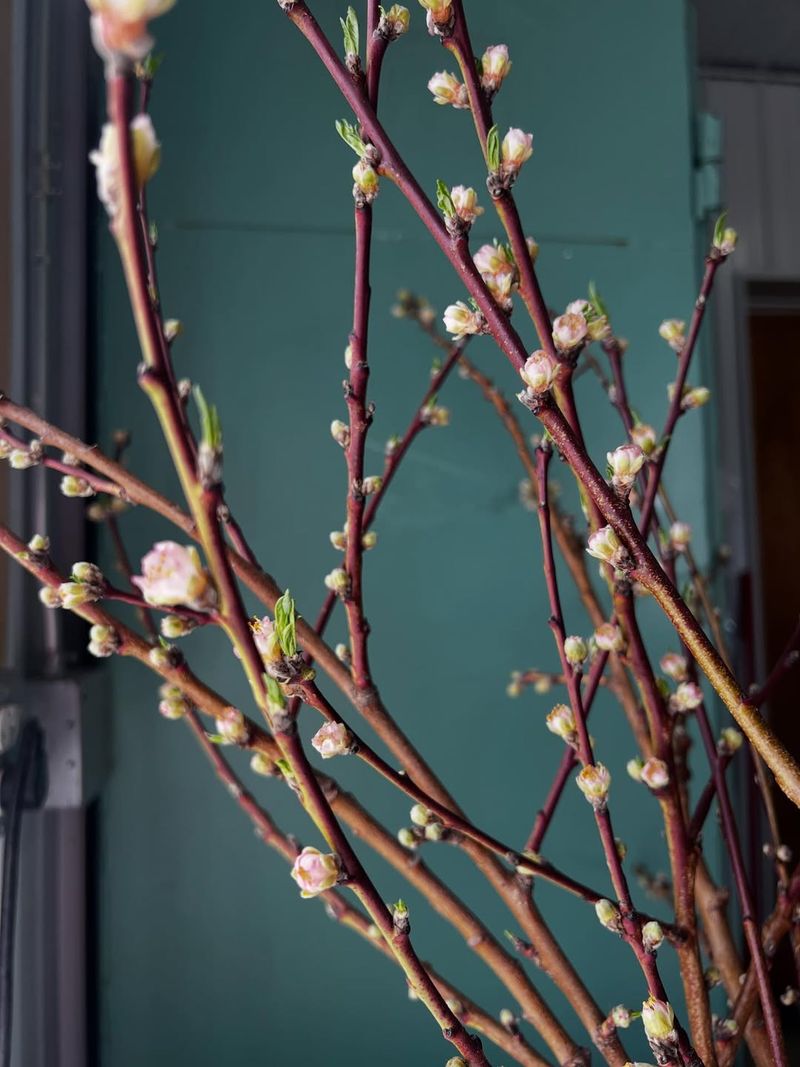
Not every bud is equally at risk during a cold snap. A bud that has just barely started to swell can handle colder temperatures than one that has already opened into a full blossom.
Understanding where your plants are in their growth cycle helps you decide how urgently you need to act.
Fruit trees like cherries, apricots, and peaches are especially sensitive once they reach the pink bud or open flower stage. At that point, even a brief dip to 28 degrees Fahrenheit can cause serious damage.
Oregon orchardists have learned this lesson the hard way after late April freezes wiped out entire crops.
Walk through your garden every few days starting in late February. Look closely at your fruit trees, berry bushes, and flowering plants.
Note which ones are furthest along in bud development. Those are the ones that need the most protection when a cold snap is on the way.
Taking photos on your phone is a great way to track progress over time. The more you observe your plants, the better you will get at predicting when they are most vulnerable to Oregon’s unpredictable spring cold spells.
Your Oregon Garden Changes Every Week. Your Plan Should Too.
Gardening in Oregon changes quickly throughout the season. Every Friday you’ll receive a simple weekly plan showing exactly what to plant, prune, fertilize, harvest, and protect so you never miss the right timing.
3. Cover Plants At Night
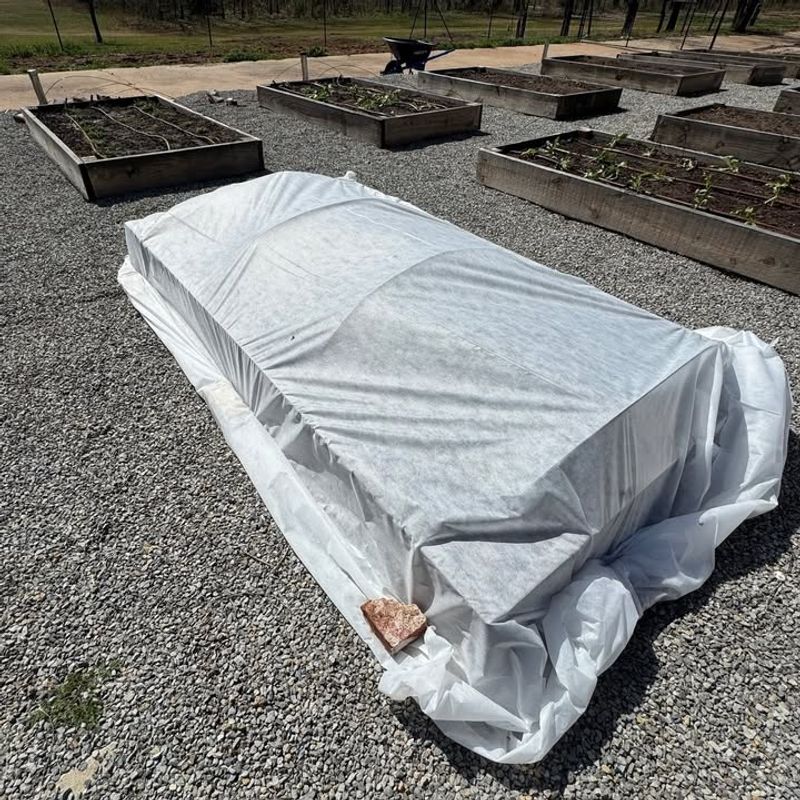
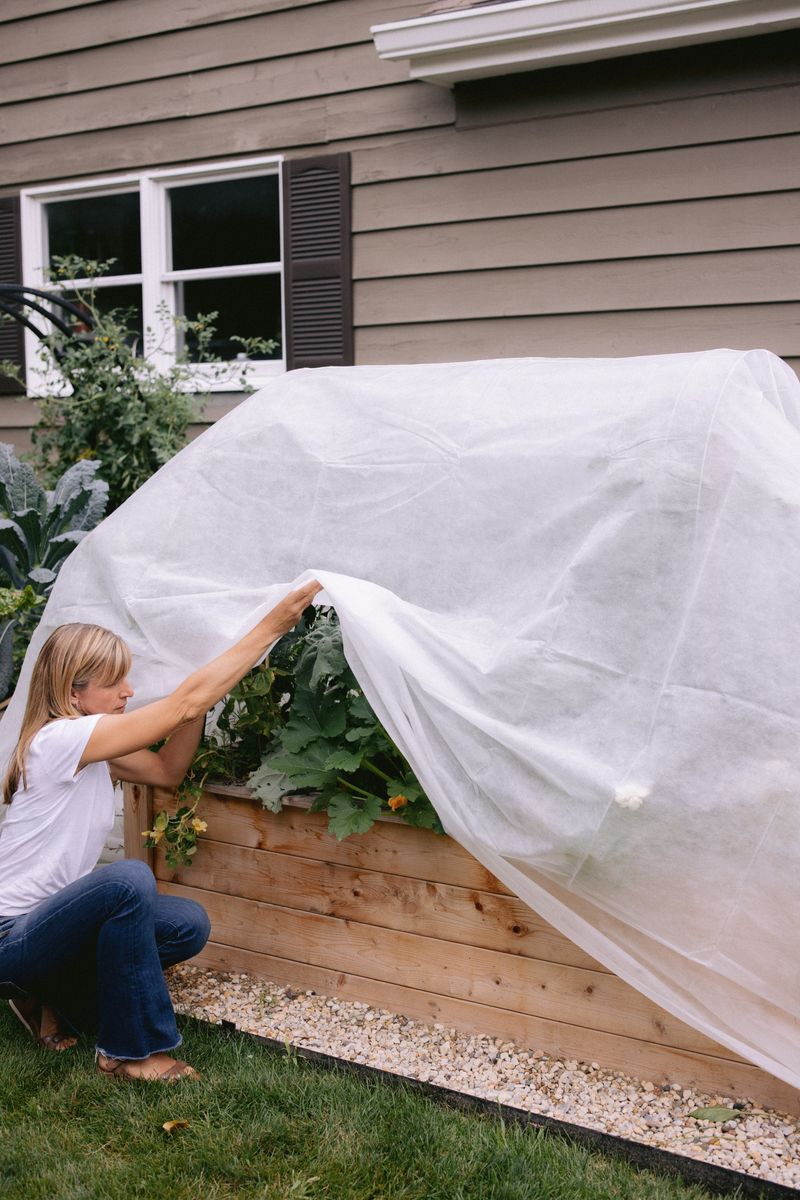
One of the fastest and most effective ways to protect spring buds is to cover your plants before temperatures drop at night. A simple layer of material can trap enough warmth near the plant to prevent frost from forming on delicate buds and blossoms.
Good covering materials include old bedsheets, burlap sacks, frost blankets, or floating row covers. Avoid using plastic sheeting directly on plants because plastic can actually make freezing worse by drawing heat away from leaves.
Fabric materials breathe and hold warmth much better. For small plants, an upside-down bucket or a cardboard box works great in a pinch.
Always drape your covers all the way to the ground. This traps the warmth that radiates up from the soil overnight.
Set up your covers before sunset so the heat from the day gets locked in underneath. In the morning, once temperatures rise above freezing, remove the covers promptly.
Leaving them on too long can cause overheating or prevent pollinators from reaching your blossoms. Oregon gardeners who cover their plants consistently during risky nights often see far better results come harvest time than those who skip this simple step.
4. Mulch To Protect Roots
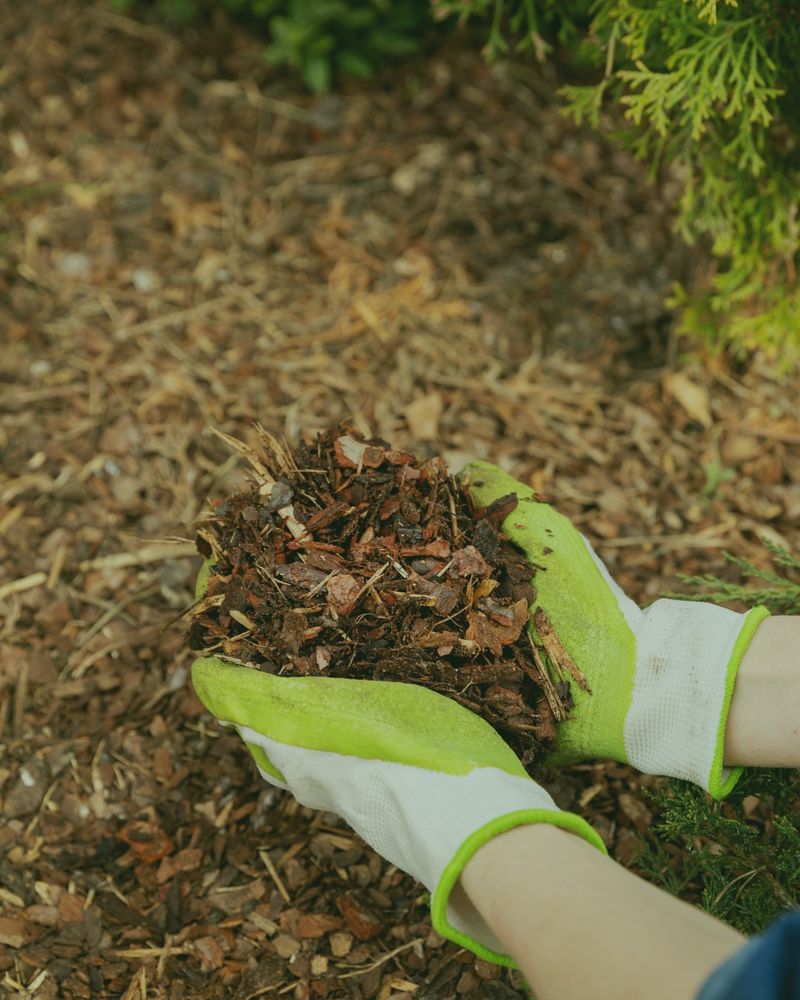
Mulch might not look exciting, but it is one of the hardest-working tools in any Oregon gardener’s arsenal. A good layer of organic mulch around the base of your plants acts like a cozy blanket for the roots, keeping soil temperatures stable even when the air above gets dangerously cold.
Straw, wood chips, shredded leaves, and bark all work well as mulching materials. Aim for a layer about three to four inches thick, spread in a wide circle around each plant.
The goal is to cover as much of the root zone as possible without piling the mulch up against the stem or trunk. Piling mulch too close to the base can trap moisture and lead to rot over time.
Mulch also helps the soil hold onto moisture, which is a bonus during dry Oregon spring stretches between rain events. Apply your mulch in late winter or very early spring before the ground warms too much.
Refreshing your mulch layer each year keeps it working at full strength. Many Oregon gardeners swear by straw because it is cheap, widely available, and easy to remove once the frost risk has passed for the season.
5. Water Before A Freeze
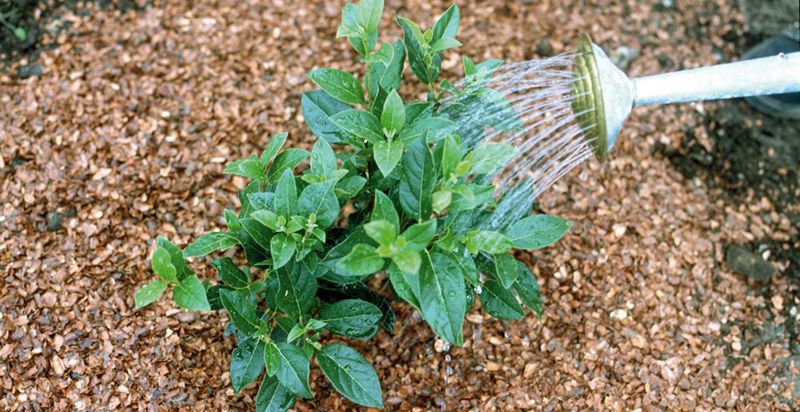
Watering your garden the afternoon before a freeze might sound counterintuitive, but it is actually one of the smartest things you can do. Moist soil holds heat much more effectively than dry soil.
When water in the soil freezes, it releases a small amount of heat energy that can help protect nearby roots and lower stems.
This technique has been used by Oregon fruit growers for generations. Give your trees, shrubs, and garden beds a good deep soak the day before a cold snap is expected.
Make sure the water reaches down into the root zone, not just the surface. Avoid overwatering to the point of standing puddles, which can cause other problems.
Overhead irrigation is another method used by commercial Oregon orchardists during hard freezes. Water sprayed on buds and blossoms actually forms a thin layer of ice that insulates the plant tissue underneath, keeping it just above the freezing point.
This works because freezing water releases latent heat. For home gardeners, a simple soaker hose or slow drip system run overnight can provide similar benefits on a smaller scale.
Combine this method with covers and mulch for the best overall protection during Oregon cold snaps.
6. Avoid Early Pruning
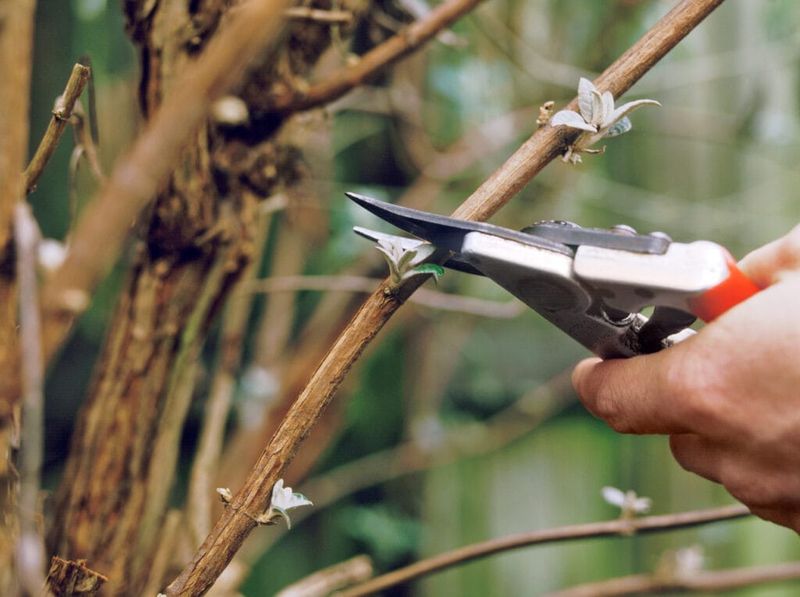
Pruning feels productive, and it is tempting to get out there with your shears the moment the weather warms up. But pruning too early in Oregon’s spring can actually make your plants more vulnerable to late frost damage.
Fresh cuts expose tender plant tissue and encourage new growth that is highly sensitive to cold.
When you prune a branch, the plant responds by pushing out new growth near the cut. If a frost follows shortly after, that soft new growth can suffer badly.
Waiting until the risk of late frost has truly passed gives your plants a better chance of staying healthy through the rest of the season.
As a general rule, wait until nighttime temperatures in your area are consistently staying above freezing before doing major pruning. In the Willamette Valley and other parts of Oregon, that often means holding off until late April or even early May, depending on elevation.
Light cleanup pruning, like removing clearly broken or crossed branches, can be done cautiously. But save heavy structural pruning for when the cold snap risk has passed.
A little patience now will pay off with stronger, healthier plants that bounce back quickly and produce well throughout the growing season.
7. Choose Hardy Varieties
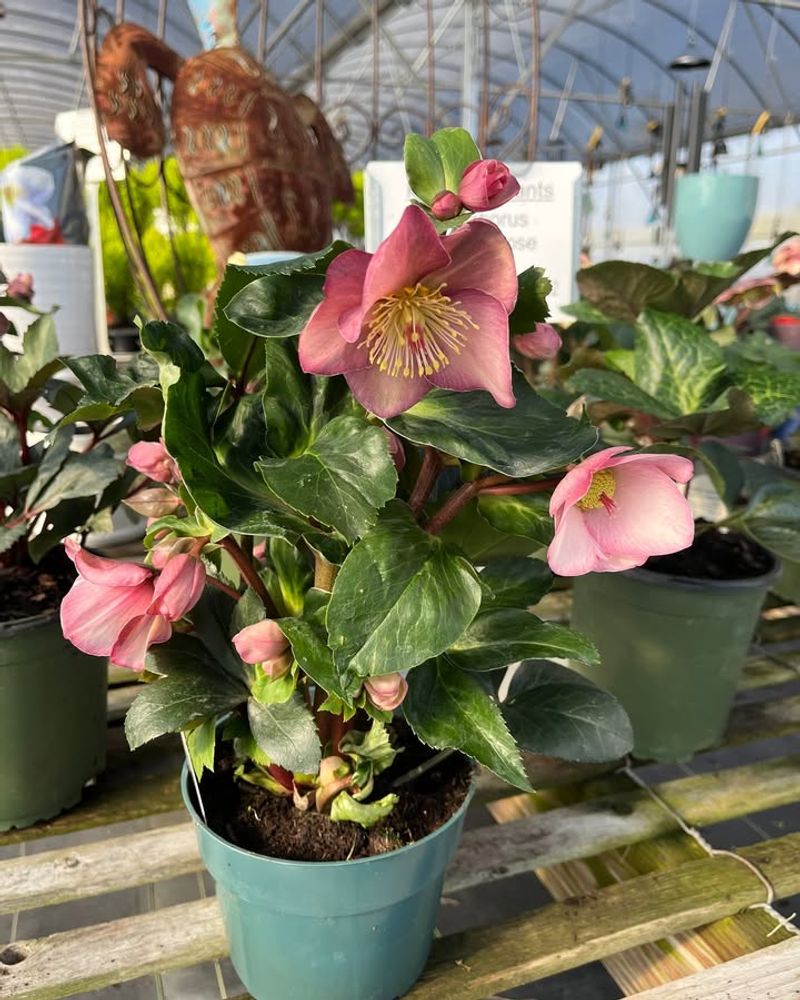
Sometimes the best protection starts long before a cold snap ever arrives. Choosing plant varieties that are naturally suited to Oregon’s climate gives your garden a built-in advantage when late frosts roll through.
Hardy varieties have been bred or selected to handle temperature swings without losing their blossoms or buds.
Oregon State University Extension has done extensive research on fruit tree varieties that perform well across different Oregon climates. Look for apple varieties like Liberty or Jonagold, pear varieties like Bosc or Comice, and cherry varieties that are known to bloom later in the season, reducing their exposure to early frosts.
Nurseries across Oregon often stock locally adapted varieties that are your safest bet.
When shopping for new plants, ask your local nursery staff which varieties have proven most frost-resistant in your specific part of Oregon. Gardeners in the Coast Range, the Cascades foothills, and the high desert of Eastern Oregon all face different frost timing and severity.
A variety that thrives in Portland may struggle in Bend or Ashland. Matching the right plant to your local conditions is one of the most effective long-term strategies for keeping your spring buds safe year after year without extra effort or expense.