9 Best Hedges For Privacy In Pennsylvania Gardens
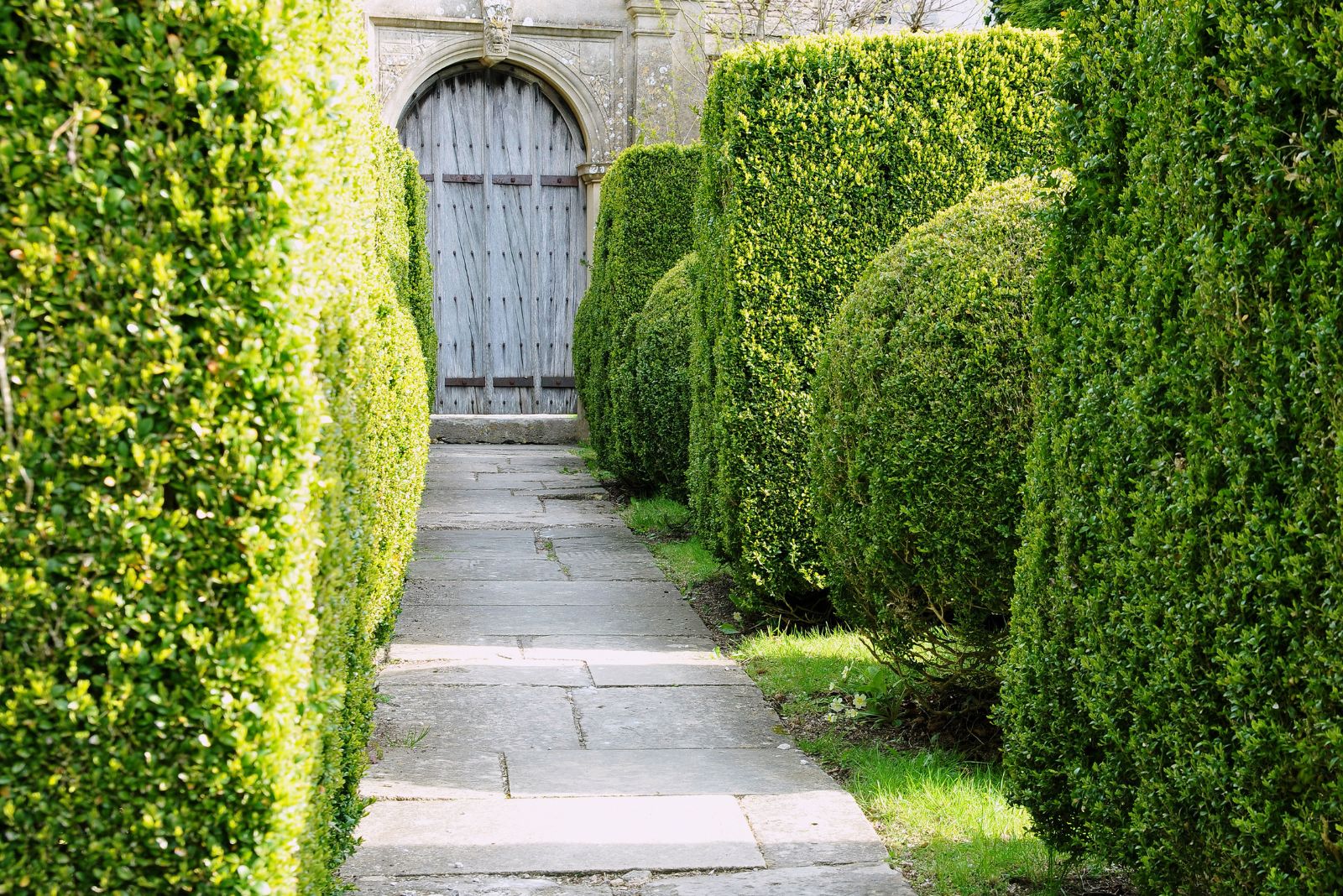
Looking for a little more privacy in your Pennsylvania garden? A well-chosen hedge can create the perfect barrier, blocking out noise, nosy neighbors, and providing a cozy, secluded space.
The key is picking the right plants – ones that grow well in Pennsylvania’s climate and can handle the changing seasons while offering year-round coverage.
When it comes to hedges, it’s not just about height. You need plants that grow thick, fill in quickly, and stay dense even in the winter months.
Some shrubs are perfect for creating a solid, natural fence, while others bring added beauty with colorful blooms or vibrant foliage.
With the right mix of texture, height, and foliage density, your backyard can feel more like a peaceful retreat. These hedges can not only give you the privacy you need but also enhance the overall look of your garden, creating a serene atmosphere for you to enjoy year-round.
1. American Holly
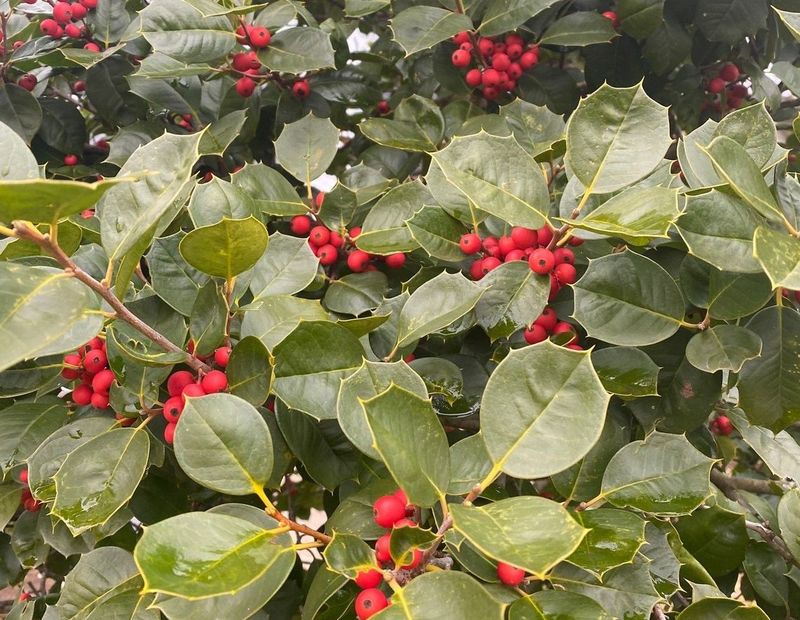
Few plants bring as much year-round charm to a Pennsylvania garden as the American Holly. With its thick, spiny leaves and deep green color, it forms a nearly impenetrable screen that keeps your yard private every single day of the year.
Deer tend to avoid it because of those sharp leaf edges, which is a big bonus in many Pennsylvania neighborhoods.
Growing between 15 and 30 feet tall, this evergreen tree creates a tall, solid wall of foliage that blocks both sightlines and wind.
It grows about 1 to 2 feet each year, so patience pays off with a truly impressive hedge over time. Plant it in well-drained soil with full sun to partial shade for the best results.
Come winter, the American Holly puts on a spectacular show with clusters of bright red berries that stand out against the snow. Birds like robins and cedar waxwings flock to these berries, turning your privacy hedge into a lively wildlife habitat.
For Pennsylvania gardeners who want beauty and function in one plant, American Holly is a fantastic choice that delivers all season long.
2. Boxwood
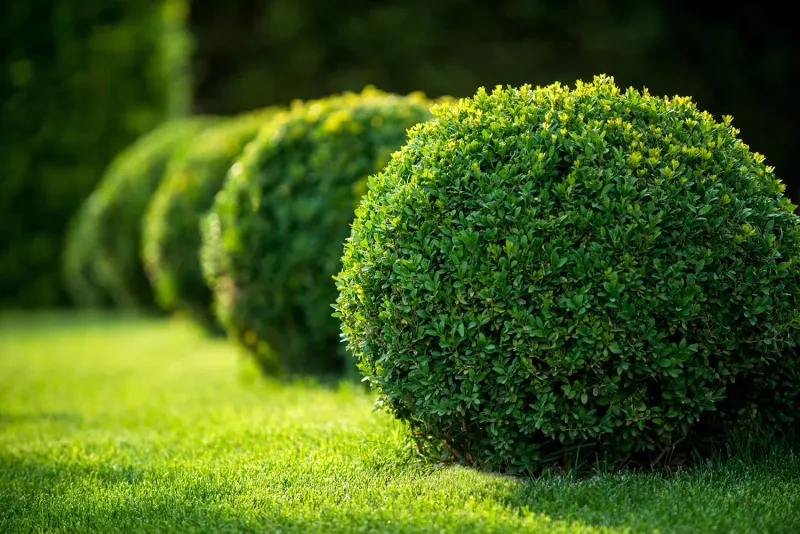
Walk past almost any classic Pennsylvania garden and you will likely spot a boxwood hedge standing neat and tidy along the border. Boxwood has been a go-to choice for gardeners for centuries, and it is easy to see why.
Its compact, dense growth habit makes it perfect for creating sharp, clean lines in formal gardens or soft, rounded shapes in more relaxed settings.
One of the best things about boxwood is how well it handles Pennsylvania’s unpredictable weather. It tolerates cold winters and warm summers without much fuss.
It also works great in tight spaces, making it ideal for smaller yards or narrow garden borders where every inch counts.
Boxwood grows slowly, usually about 3 to 6 inches per year depending on the variety, so it stays manageable without constant trimming. Regular light pruning keeps it looking sharp and encourages thicker, bushier growth over time.
Plant boxwood in well-drained soil with partial to full sun for the healthiest results. For Pennsylvania homeowners who want a polished, evergreen hedge that holds its shape season after season, boxwood is a reliable and timeless option worth considering for any yard.
Your Pennsylvania Garden Changes Every Week. Your Plan Should Too.
Gardening in Pennsylvania changes quickly throughout the season. Every Friday you’ll receive a simple weekly plan showing exactly what to plant, prune, fertilize, harvest, and protect so you never miss the right timing.
3. Arborvitae
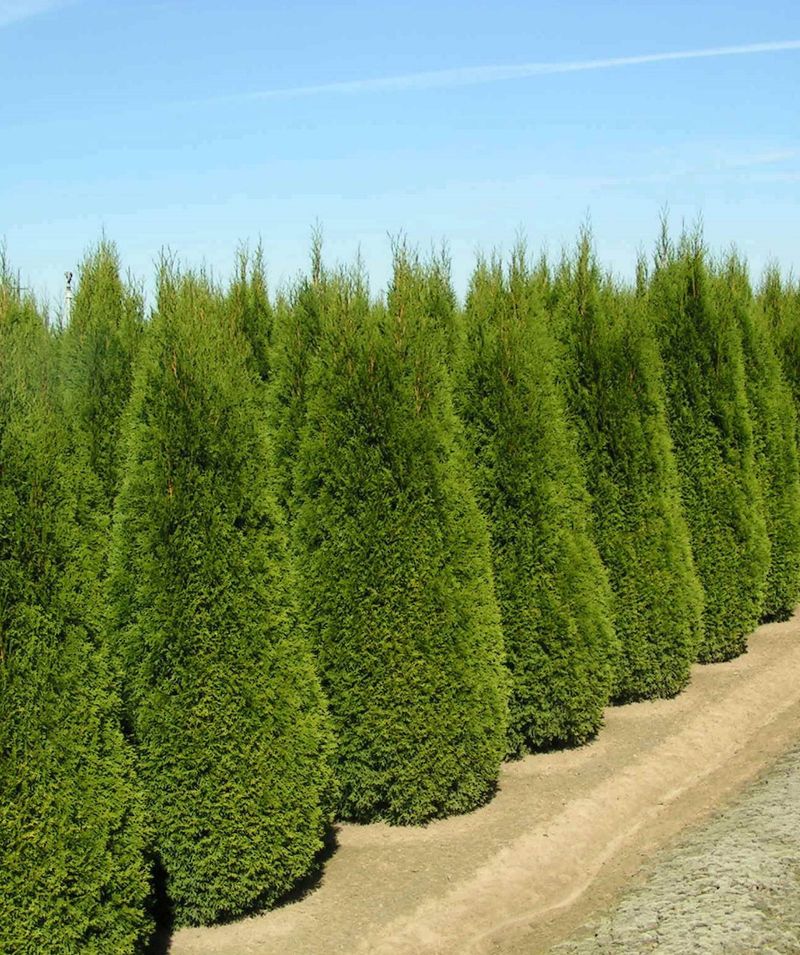
Speed matters when you want privacy fast, and arborvitae delivers like few other plants can. Known as the American Arborvitae, this evergreen powerhouse grows up to 2 feet per year under good conditions.
In Pennsylvania, it is one of the most popular choices for homeowners who want a tall, dense privacy screen without waiting a decade to see results.
Mature arborvitae can reach 20 to 40 feet tall and 10 to 15 feet wide, creating a solid green wall that blocks both views and noise effectively.
Its feathery, scale-like foliage stays rich green through the coldest Pennsylvania winters, offering reliable year-round coverage.
Plant them about 3 to 4 feet apart in a row and they will fill in to form a seamless screen within just a few growing seasons.
Maintenance is refreshingly simple with arborvitae. It does not demand heavy pruning or special fertilizers to thrive.
Full sun to partial shade and moist, well-drained soil are all it really needs. Deer can be a problem in some areas, so deer-resistant varieties like Green Giant are worth considering.
For Pennsylvania gardeners who value low-maintenance plants with fast, impressive results, arborvitae is truly hard to beat.
4. Privet
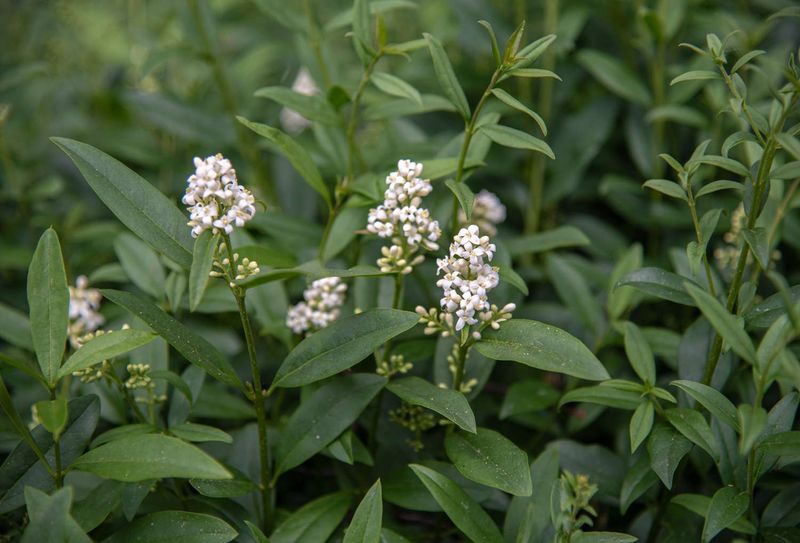
Privet is the overachiever of the hedge world. Growing 2 to 3 feet per year, it shoots up fast and fills in thick, creating a dense privacy screen that is hard to see through.
In Pennsylvania, privet is a popular choice for homeowners who need quick coverage along property lines, driveways, or noisy streets.
What makes privet especially appealing is its flexibility. It handles a wide range of soil types, from sandy to clay-heavy ground, without much complaint.
It also tolerates both full sun and partial shade, which means you can plant it in spots where other hedges might struggle. When small white flowers bloom in late spring, they bring a pleasant fragrance to the garden as a bonus.
Privet responds well to pruning and can be shaped into formal hedges or left to grow in a more natural, loose style depending on your preference.
Some varieties are semi-evergreen, meaning they may drop leaves in very cold Pennsylvania winters but fill back in quickly come spring.
Regular trimming two or three times a season keeps it neat and promotes dense regrowth. For versatile, fast-growing privacy coverage in Pennsylvania gardens, privet is a dependable and widely available option.
5. Yew
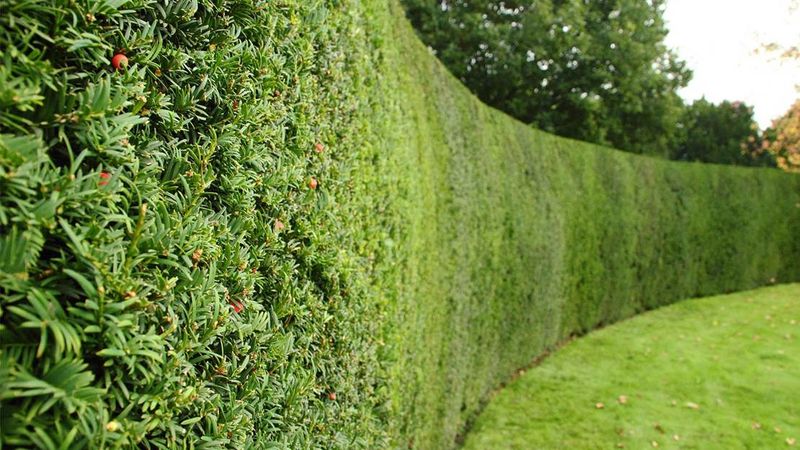
Slow and steady wins the race, and yew is proof of that. While it grows at a modest pace of about 6 to 12 inches per year, yew becomes one of the densest, most solid hedges you can grow in Pennsylvania over time.
Its dark green, needle-like foliage is so thick that even wildlife has trouble pushing through it.
One of yew’s standout qualities is its ability to thrive in shady spots. Many hedging plants struggle under tree canopies or on north-facing walls, but yew handles low-light conditions with ease.
That makes it an excellent choice for Pennsylvania properties where shade is unavoidable along fence lines or near large trees.
Yew is also remarkably long-lived. Some yew hedges in old Pennsylvania estates have been growing for well over a hundred years, proving just how tough and durable this plant truly is.
It responds beautifully to shaping and can be pruned into sharp formal lines or left slightly softer for a more relaxed look. Plant it in well-drained soil and avoid waterlogged areas, as yew dislikes soggy roots.
For anyone wanting a formal, long-lasting privacy hedge that handles shade, yew is an outstanding pick.
6. Laurel
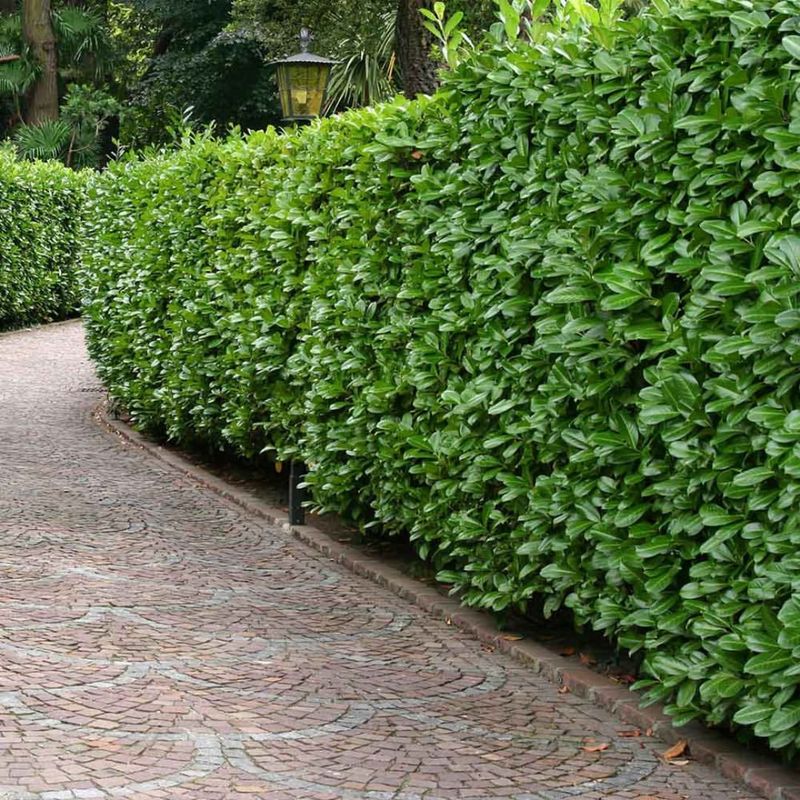
Big, bold, and brilliantly green, Cherry Laurel is one of those hedges that makes an immediate impression. Its large, glossy leaves create a lush, tropical-looking screen that provides excellent privacy and even helps muffle traffic noise.
In Pennsylvania, it grows well in both full sun and partial shade, giving it a flexibility that many homeowners really appreciate.
Cherry Laurel grows about 1 to 2 feet per year and can reach 15 to 20 feet tall at maturity, making it a solid choice for creating tall screens along property boundaries. Its dense branching structure means very little light filters through once the hedge fills in.
In late spring, it produces small white flower spikes that add a nice decorative touch to an already handsome plant.
Pruning twice a year keeps Cherry Laurel looking tidy and encourages a thicker, more compact form. It handles Pennsylvania winters reasonably well, though in the coldest northern parts of the state, some leaf browning may occur after severe cold snaps.
Planting in a sheltered spot helps protect it during harsh winters. For Pennsylvania gardeners who want a fast, dense, and visually striking privacy hedge, Cherry Laurel delivers impressive results with relatively little effort required.
7. Spiraea
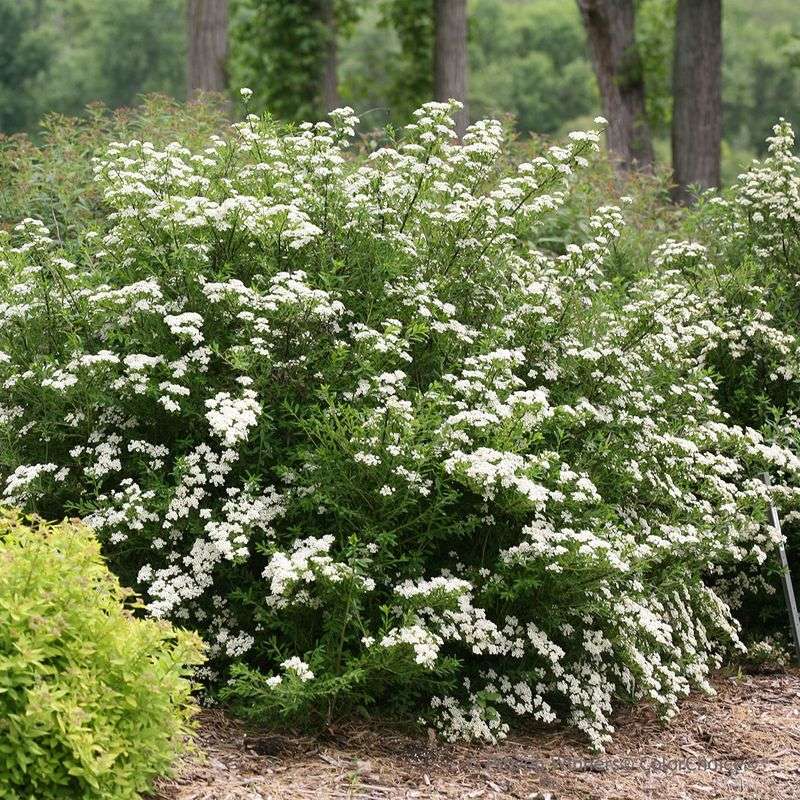
Not every privacy hedge has to look serious and formal. Spiraea brings a playful, colorful energy to Pennsylvania gardens with its arching branches loaded with clusters of pink or white flowers in spring and summer.
If you want a hedge that doubles as a flowering showpiece, spiraea is a wonderful option to consider.
Growing quickly and spreading wide, spiraea forms a bushy, informal screen that works beautifully along garden borders, fences, or property edges. It is a tough plant that handles a range of soil types and tolerates both full sun and light shade.
Pennsylvania gardeners love it because it comes back reliably every year without much fuss or attention.
Spiraea works best as an informal hedge rather than a strictly trimmed formal screen. Its natural arching shape and generous flower production make it a standout feature rather than just a background plant.
After flowering, a good pruning session encourages fresh growth and prepares it for the next season. Some varieties also offer attractive fall foliage color, adding another layer of seasonal interest to your yard.
For a softer, more natural privacy screen that brings beauty along with coverage, spiraea is a cheerful and rewarding choice for Pennsylvania gardens of all sizes.
8. Flameleaf Sumac
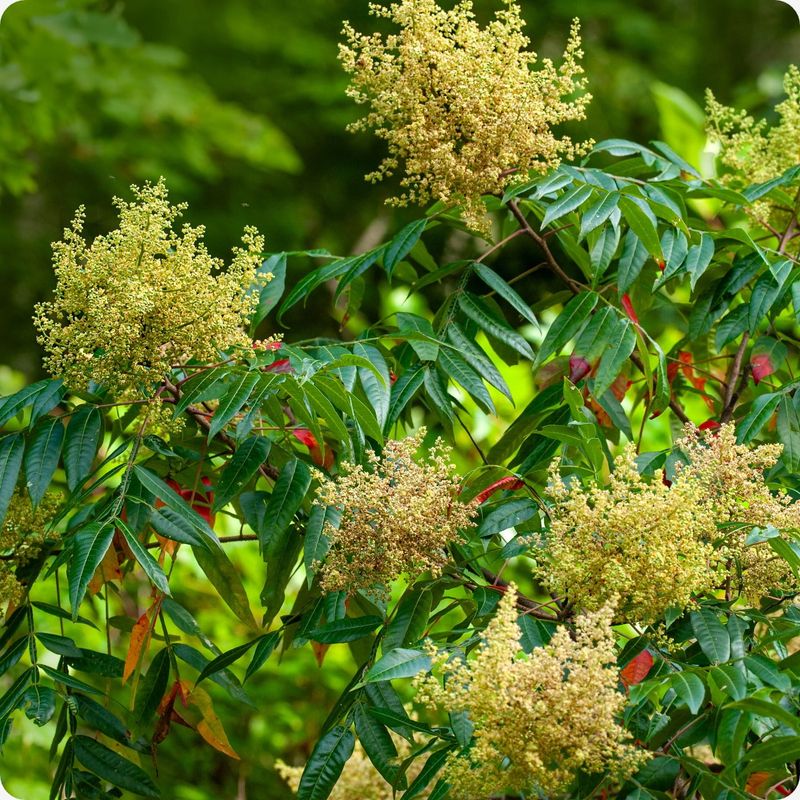
When autumn rolls around in Pennsylvania, most hedges just sit there quietly. Flameleaf Sumac puts on a jaw-dropping show.
Its leaves explode into brilliant shades of red, orange, and scarlet in fall, turning your privacy screen into one of the most eye-catching features in the neighborhood. But the drama does not stop there.
Flameleaf Sumac grows fast and spreads wide, forming a thick, bushy mass of foliage that provides excellent coverage during the growing season.
It is remarkably tough and adaptable, thriving in poor soils, rocky ground, and dry conditions where many other plants would struggle.
Pennsylvania gardeners dealing with challenging planting spots will find sumac to be a welcome solution.
Its drought resistance is one of its most impressive traits. Once established, Flameleaf Sumac needs very little supplemental watering, making it a low-maintenance option for busy homeowners.
It does spread by suckers, so keeping an eye on its edges and trimming back new shoots each year helps manage its spread. Full sun brings out the best growth and the most vivid fall color.
For Pennsylvania yards that need fast, tough, and visually spectacular privacy coverage, Flameleaf Sumac is an underrated gem that deserves far more attention from gardeners.
9. Eastern Red Cedar
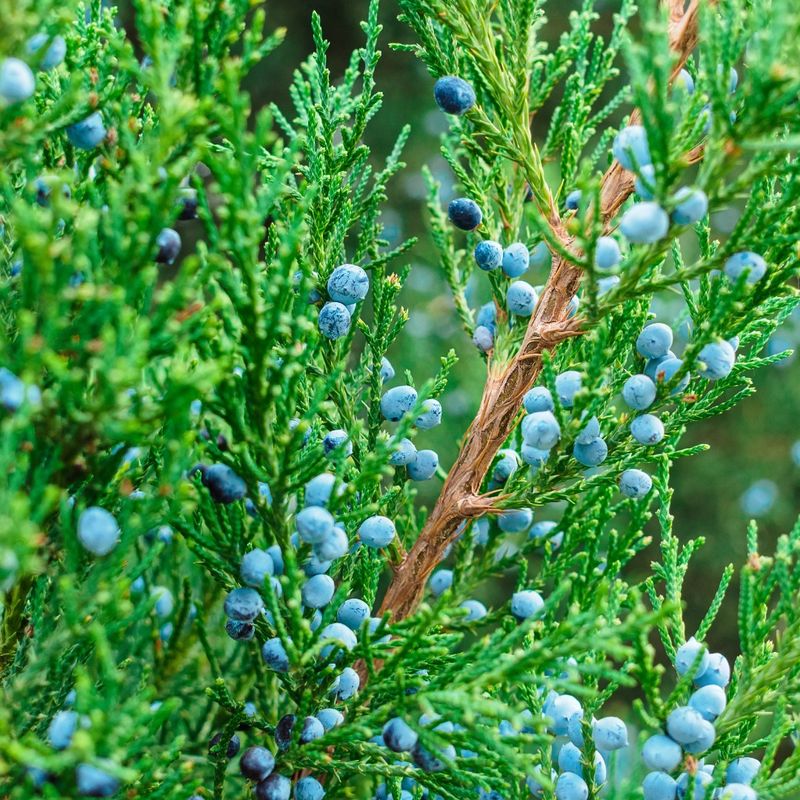
Rugged, reliable, and deeply rooted in American history, Eastern Red Cedar is one of Pennsylvania’s most capable native privacy trees.
Native Americans used its wood and berries for centuries, and today it remains one of the best choices for creating a tall, long-lasting privacy screen that can handle almost anything Pennsylvania’s weather throws at it.
Eastern Red Cedar grows at a moderate to fast pace and can reach impressive heights of 40 to 50 feet at maturity. Its dense, dark green to blue-green foliage stays thick and full year-round, providing consistent coverage without seasonal gaps.
It also works brilliantly as a windbreak, reducing cold winter winds that can make outdoor spaces uncomfortable in Pennsylvania’s colder months.
Few trees match its adaptability. Eastern Red Cedar thrives in poor, rocky, or sandy soils and handles dry, hot conditions without missing a beat.
Once established, it needs almost no supplemental care, making it ideal for low-maintenance Pennsylvania landscapes. Birds love its small blue berries, bringing natural wildlife activity right into your yard.
Plant it in full sun for the densest, most vigorous growth. For Pennsylvania gardeners who want a native, tough, and truly impressive privacy hedge that stands the test of time, Eastern Red Cedar is an exceptional and highly rewarding choice.