6 Tips For Growing A Cherry Tree In Pennsylvania For Delicious Fruit And Stunning Blooms
Dreaming of a cherry tree in your Pennsylvania yard, full of delicious fruit and stunning blooms? It’s a goal many gardeners share, and with the right care, it’s totally achievable.
While growing a cherry tree may sound intimidating, it’s actually a rewarding experience that brings beauty and fresh fruit to your garden for years to come.
Pennsylvania’s climate offers a great environment for cherry trees, but there are a few things to keep in mind. From choosing the right variety to understanding proper planting and care, small steps can lead to big rewards.
Whether you’re looking for sweet, tart, or ornamental cherries, each tree type has its own set of needs.
Proper sunlight, soil, and watering techniques are key, but don’t forget about timing. Pruning and harvesting at the right moments can make all the difference.
With a little patience and the right approach, your cherry tree can become a centerpiece in your garden and an ongoing source of fruit and beauty.
1. Why Cherry Trees Are Perfect For Pennsylvania Gardens?
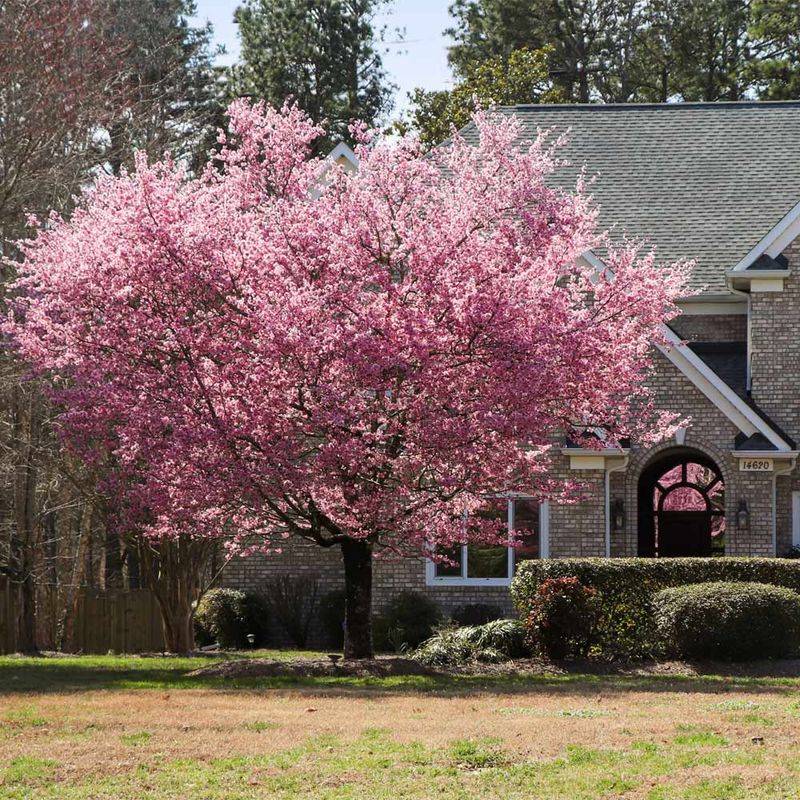
There is something truly special about a cherry tree standing in full bloom against a clear Pennsylvania sky. Every spring, these trees explode with clouds of pink and white blossoms that stop neighbors in their tracks.
Then, just a few months later, those same branches hang heavy with bright, juicy cherries ready to pick. It is hard to find another tree that gives you that kind of double reward.
Pennsylvania sits in USDA hardiness zones 5 through 7, which is a sweet spot for growing cherry trees. The state gets cold enough winters to satisfy the chilling hours that cherry trees need, and warm enough summers to ripen the fruit fully.
That balance is exactly what makes the Keystone State such a good home for these trees. Many local gardeners are surprised to learn just how well cherry trees adapt to Pennsylvania conditions.
Cherry trees also add serious curb appeal to any yard. Even in years when the fruit harvest is modest, the spring bloom show is always worth it.
The trees are also relatively manageable in size compared to other fruit trees, making them a practical choice for home gardens.
Whether you have a large rural property in Lancaster County or a smaller suburban yard near Philadelphia, there is likely room for at least one cherry tree.
Growing your own cherries also means fresher fruit than anything you will find at a grocery store, and that alone makes every bit of effort worthwhile.
2. Choose The Right Cherry Tree Variety For Pennsylvania
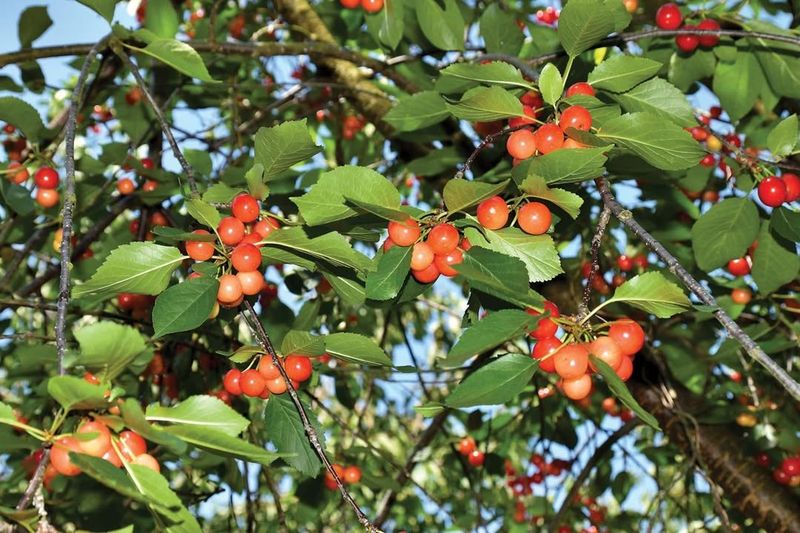
Not every cherry tree is created equal, and picking the wrong variety can leave you frustrated after years of waiting for fruit. Pennsylvania gardeners generally have two main categories to choose from: sweet cherries and sour cherries.
Sweet cherries, like Bing and Lapins, produce the large, dark, candy-like fruit you find at farmers markets. Sour cherries, like Montmorency, are smaller and tangier but absolutely perfect for pies, jams, and preserves.
One important thing to know is that most sweet cherry varieties need a second tree nearby for cross-pollination to produce fruit well. If your yard only has room for one tree, a self-pollinating variety like Stella or a sour cherry like Montmorency is a smarter pick.
Your Pennsylvania Garden Changes Every Week. Your Plan Should Too.
Gardening in Pennsylvania changes quickly throughout the season. Every Friday you’ll receive a simple weekly plan showing exactly what to plant, prune, fertilize, harvest, and protect so you never miss the right timing.
Montmorency is actually one of the most popular choices among Pennsylvania growers because it handles the state’s climate reliably and produces heavy crops without needing a pollination partner.
Disease resistance is another factor worth thinking about carefully. Some cherry varieties are more prone to issues like brown rot or cherry leaf spot, which can be common in Pennsylvania’s humid summers.
Choosing a variety with natural disease resistance saves you a lot of headaches down the road. Balaton is another excellent sour cherry option that offers good disease resistance and a rich, sweet-tart flavor.
Before buying a tree, check with your local Pennsylvania nursery or cooperative extension office to confirm which varieties perform best in your specific growing zone. Starting with the right tree makes everything else much easier.
3. Planting Your Cherry Tree In The Right Location
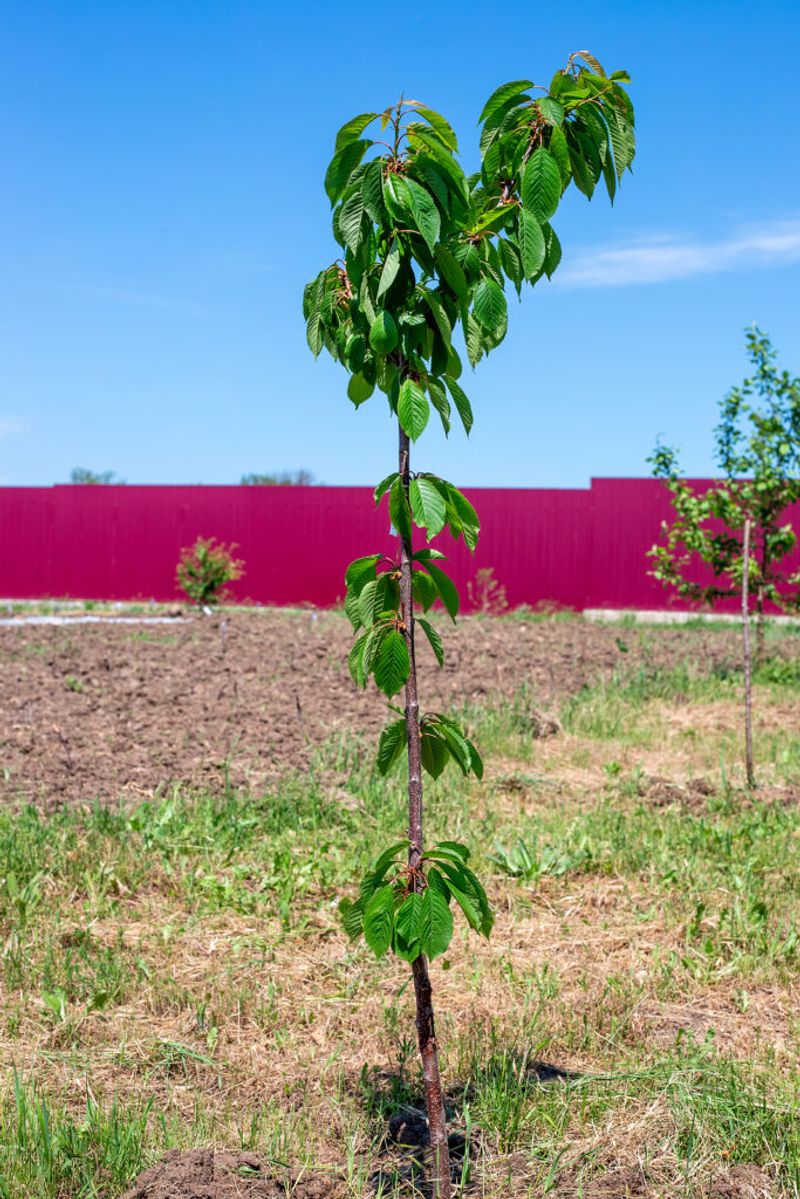
Picking the perfect planting spot might be the single most important decision you make for your cherry tree. Cherry trees are sun lovers through and through.
They need at least six to eight hours of direct sunlight every day to grow strong, produce healthy blossoms, and set a good crop of fruit.
A shady corner of the yard might seem convenient, but it will leave your tree struggling and underproducing for its entire life. Well-drained soil is just as critical as sunshine. Cherry tree roots do not like sitting in water.
If your yard has heavy clay soil or areas that stay soggy after rain, you may need to amend the soil or consider raised planting beds. Poorly drained spots can cause root rot, which weakens the tree significantly over time.
A simple way to test your drainage is to dig a hole about twelve inches deep, fill it with water, and see how long it takes to drain. If it takes more than an hour, that spot needs improvement before planting.
One often overlooked factor in Pennsylvania is frost pockets. Low-lying areas in the yard tend to collect cold air on chilly spring nights.
Late spring frosts are common in many parts of Pennsylvania, and a sudden freeze can wipe out an entire season’s worth of cherry blossoms in one night. Planting your tree on a gentle slope or slightly elevated spot helps cold air drain away harmlessly.
A little planning at planting time protects those gorgeous spring blooms and ensures you get a full fruit harvest every single year.
4. Watering And Soil Care For Healthy Cherry Trees
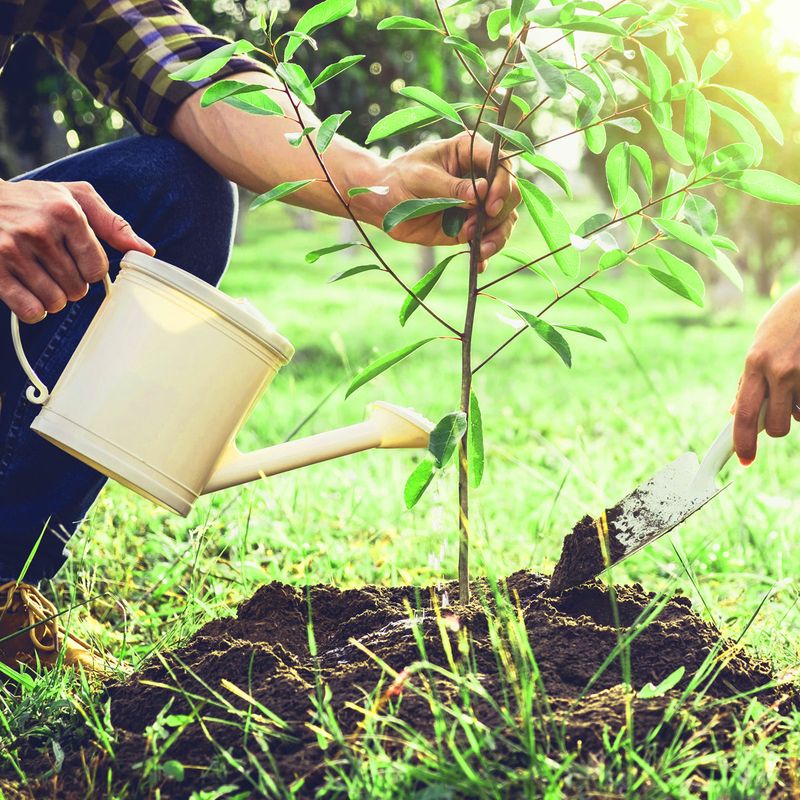
Water is life for a young cherry tree, but too much of it can cause just as many problems as too little. Cherry trees prefer soil that stays slightly moist but drains quickly.
Soggy roots are a serious problem that can lead to fungal infections and long-term damage to the tree. Getting the watering balance right from the start sets your tree up for a long, productive life in your Pennsylvania yard.
Deep, infrequent watering works much better than shallow, frequent watering. When you water deeply, the moisture soaks down into the lower layers of soil.
This encourages the roots to grow downward rather than staying close to the surface. Deep roots make a tree far more resilient during hot, dry Pennsylvania summers.
A good rule of thumb is to water slowly and thoroughly once a week during dry periods, allowing the water to soak at least twelve to eighteen inches into the ground.
Mulching around the base of your cherry tree is a simple habit that pays off in a big way. A two to four inch layer of wood chips or shredded bark helps the soil hold moisture longer, which means less frequent watering during dry spells.
Mulch also keeps the soil temperature more stable, protecting roots from extreme heat in summer and harsh cold in winter. Keep the mulch a few inches away from the trunk itself to prevent moisture from building up against the bark.
Good soil care paired with smart watering habits gives your Pennsylvania cherry tree the strong foundation it needs to thrive season after season.
5. Pruning And Care For Better Fruit And Blooms
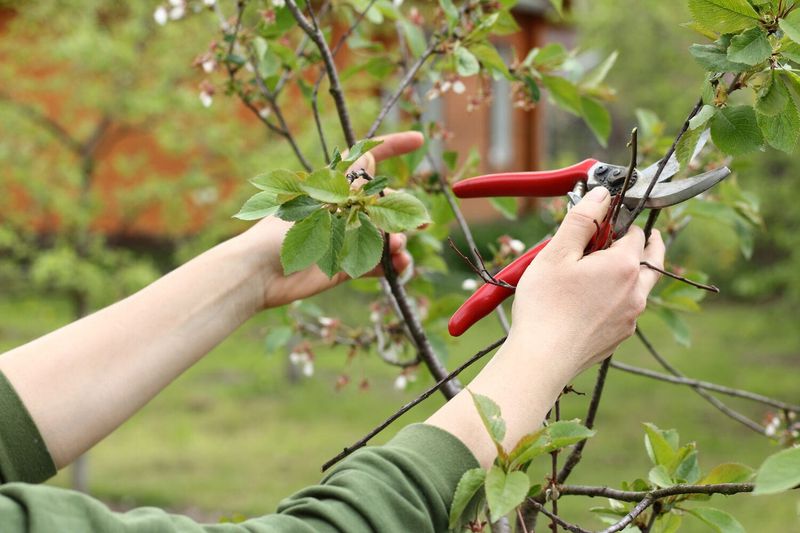
Pruning might sound intimidating if you have never done it before, but it is one of the most rewarding things you can do for your cherry tree. Think of it like a haircut that keeps the tree healthy, shapely, and productive.
Without regular pruning, branches become crowded, airflow decreases, and the tree becomes more vulnerable to disease. A well-pruned cherry tree simply performs better in every way.
The best time to prune cherry trees in Pennsylvania is in late winter or very early spring, just before new growth begins. At this point, the tree is still dormant, so pruning causes minimal stress.
Start by removing any branches that look dry, damaged, or diseased. Next, look for branches that cross over each other or grow toward the center of the tree.
Removing those crossing branches opens up the canopy and lets sunlight and fresh air reach all parts of the tree more easily.
Good air circulation is a game changer when it comes to preventing common cherry tree diseases like brown rot and powdery mildew, both of which can be issues in Pennsylvania’s humid climate.
When air moves freely through the canopy, leaves dry out faster after rain, giving fungal spores fewer chances to take hold.
Always use clean, sharp pruning tools and wipe the blades with rubbing alcohol between cuts to avoid spreading any pathogens from branch to branch.
Proper pruning done consistently each year leads to bigger, more flavorful cherries and a more spectacular spring bloom display that your whole neighborhood will admire.
6. Managing Pests And Diseases To Protect Your Cherry Tree
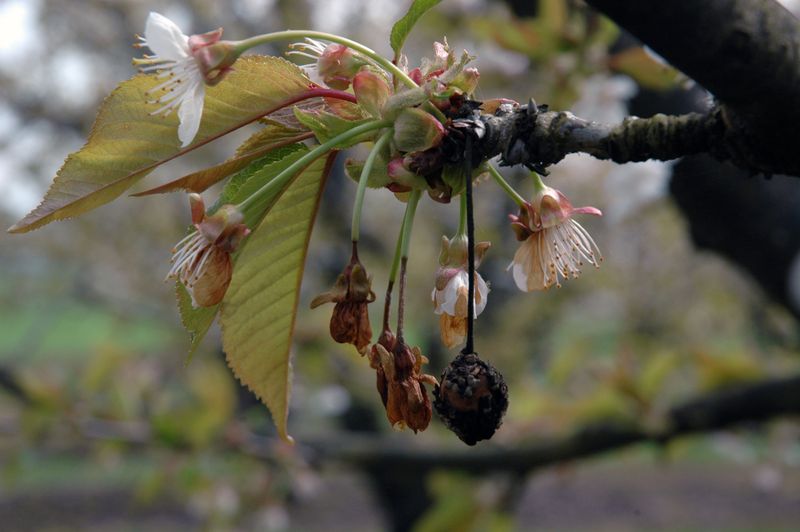
Even the healthiest cherry tree in Pennsylvania can run into trouble with pests and diseases from time to time. The good news is that most problems are manageable when you catch them early and stay consistent with preventative care.
Knowing what to watch for makes a huge difference in keeping your tree productive and your fruit harvest plentiful year after year.
Aphids are among the most common pest problems for cherry trees. These tiny insects cluster on new growth and suck sap from the leaves, causing them to curl and yellow.
A strong blast of water from the hose can knock them off, and organic insecticidal soap or neem oil works well for heavier infestations. Cherry fruit flies are another serious threat in Pennsylvania.
The larvae burrow into ripening fruit, making it inedible. Yellow sticky traps hung in the tree starting in late spring can help you monitor and reduce fruit fly populations before they get out of hand.
Japanese beetles can also munch on leaves heavily during summer, and hand-picking them in the morning when they are sluggish is an effective low-chemical approach.
On the disease side, brown rot and cherry leaf spot are the most common issues Pennsylvania growers face. Both thrive in warm, wet conditions.
Removing fallen leaves and fruit from around the base of the tree each season cuts down on the fungal spores that cause these diseases. Good spacing between trees promotes airflow and reduces humidity around the canopy.
When disease pressure is high, applying a copper-based fungicide early in the season can offer solid protection. Staying proactive rather than reactive keeps your cherry tree strong and your harvest sweet.