This Is One Of The Most Widely Planted Flowering Plants Across California
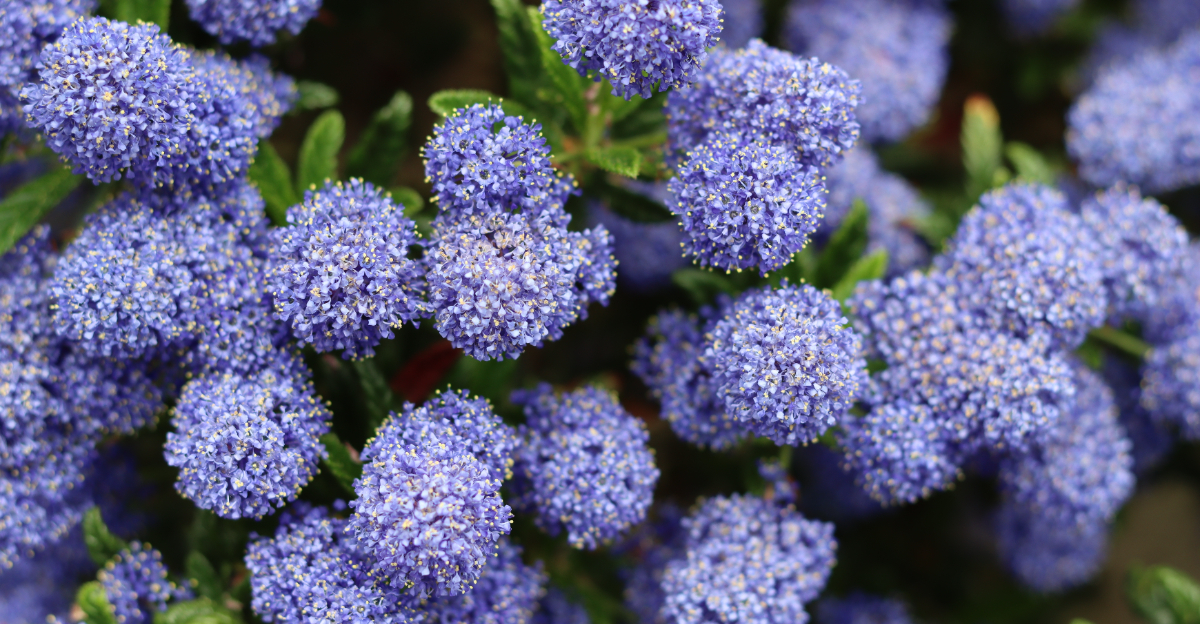
Imagine a plant that actually thrives on neglect while turning your entire yard into a cloud of electric blue every spring.
Most people spend a fortune on fussy shrubs that shrivel up the second a heatwave hits the Central Valley or a dry breeze blows through Malibu.
This native powerhouse is the total opposite. It loves the rocky soil and the salty air that makes other garden favorites throw a tantrum.
Known to botanists as Ceanothus, this local legend is the ultimate secret weapon for a low-maintenance landscape.
You have probably seen it hugging the cliffs along Highway 1 or standing tall as a vibrant privacy screen in a suburban cul-de-sac.
It is easily one of the most widely planted flowering specimens in the Golden State because it handles our wild weather with total grace.
If you want a garden that attracts every butterfly in the neighborhood without demanding a drop of summer water, this is your new best friend.
1. A Native Plant With Deep California Roots
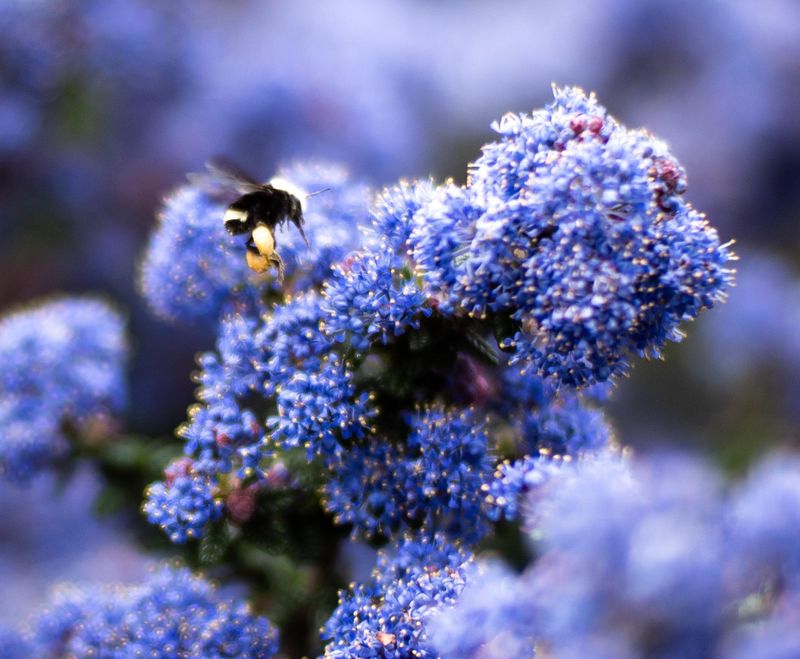
Long before California had cities, freeways, or even farms, Ceanothus was already growing wild across the state’s hills, canyons, and coastal ranges. California Lilac is truly a native plant, meaning it evolved right here over thousands of years.
That long history is a big reason why it thrives so well in California’s unique climate.
You can find Ceanothus growing naturally from the coast all the way to the Sierra Nevada foothills. There are more than 50 species of Ceanothus native to North America, and most of them call California home.
Each species has adapted to slightly different conditions, which is why you see them popping up in so many different parts of the state.
Planting a California native like Ceanothus in your garden is actually a smart move. Native plants already know how to handle California’s hot, dry summers and mild, wet winters.
They need far less care than plants brought in from other regions. Gardeners across California have learned that working with nature, not against it, makes for a healthier and happier garden.
California Lilac is living proof of that idea.
2. Stunning Blooms
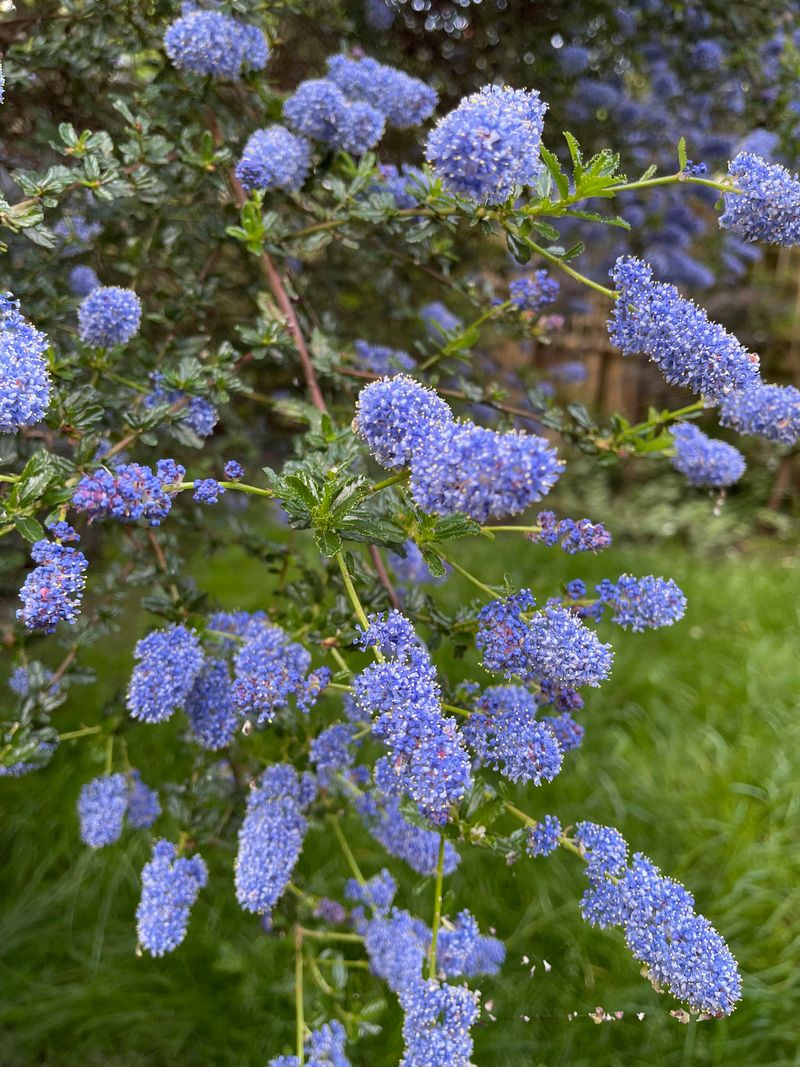
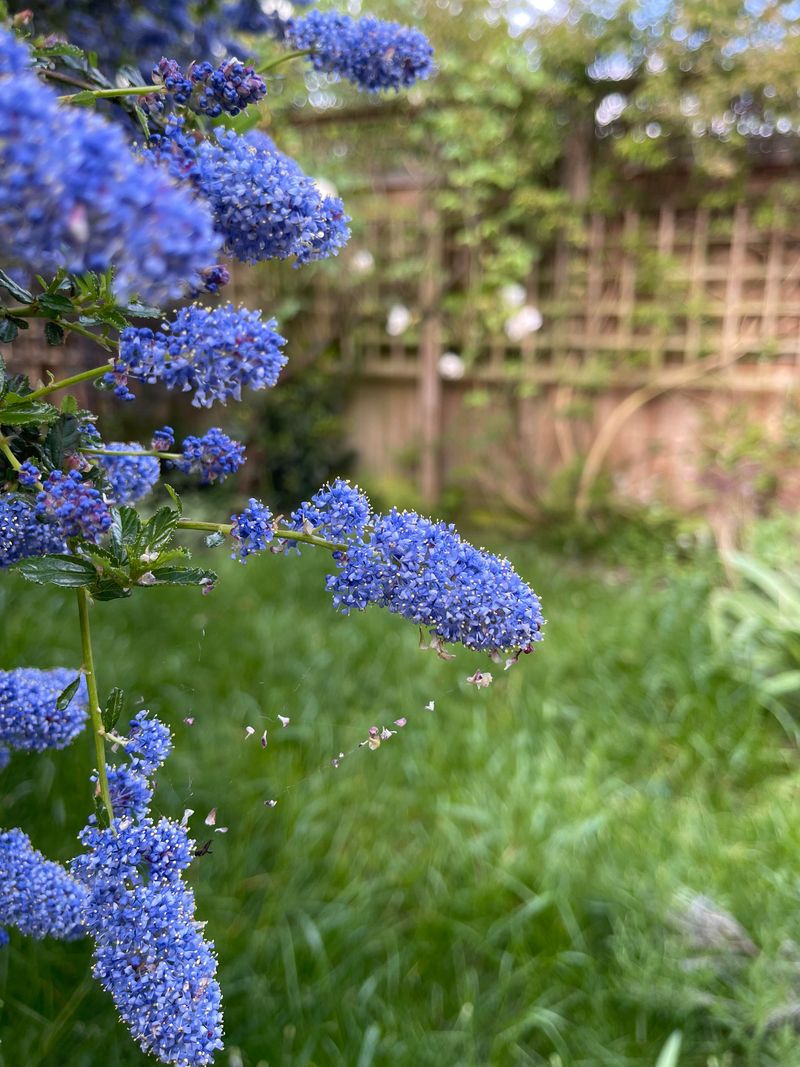
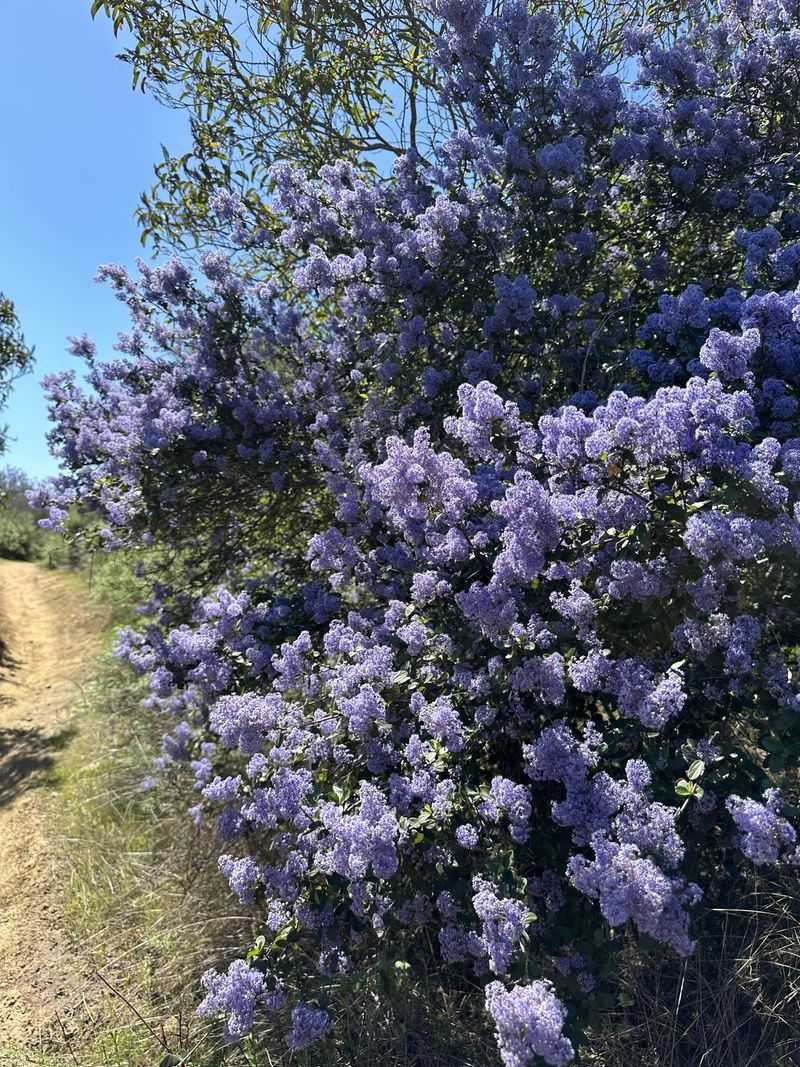
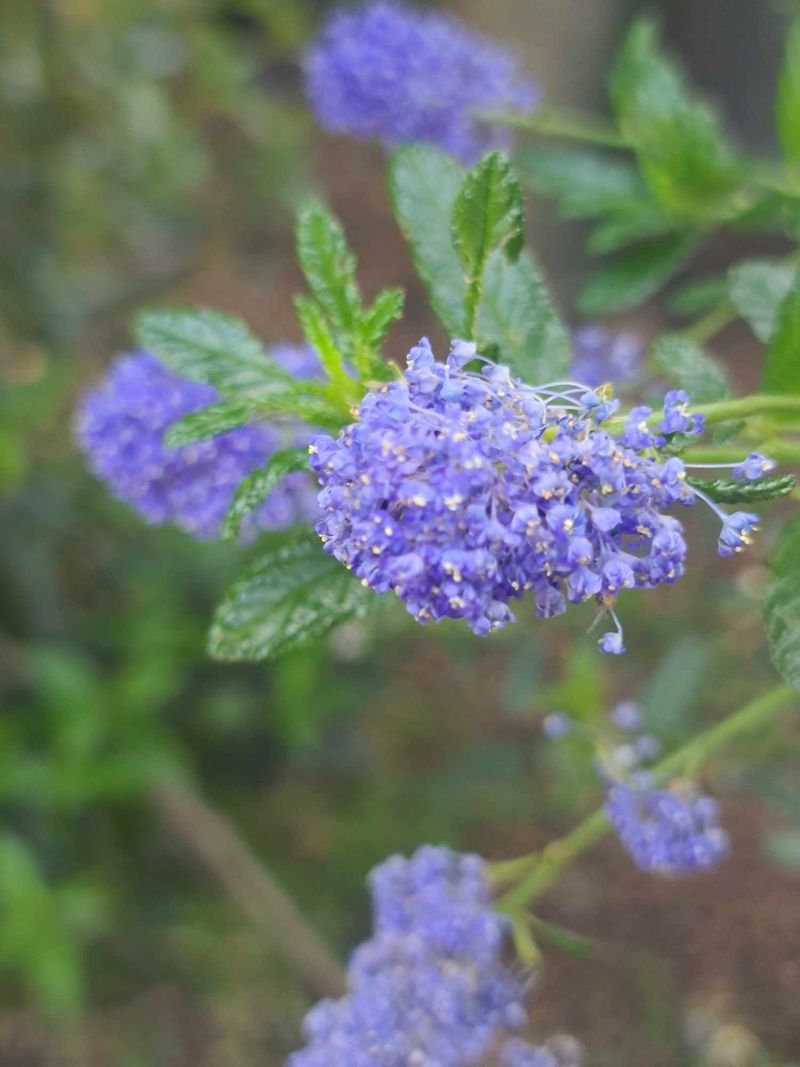
Few flowering shrubs can match the sheer visual impact of California Lilac in full bloom. The flowers burst open in tight, fluffy clusters that range from soft lavender to deep cobalt blue, and they cover the entire shrub from top to bottom.
Seeing a mature Ceanothus in bloom feels like watching a small piece of the California sky land in your garden.
Blooming season typically runs from late winter through spring, which means Ceanothus often flowers when many other garden plants are still waking up. That early color makes it incredibly valuable in any California garden.
Some popular cultivars like ‘Victoria’ produce brilliant cobalt blue flowers, while ‘Puget Blue’ offers dense sprays of luminous lavender-blue blooms that gardeners absolutely love.
The flowers are not just beautiful, they are also fragrant. A gentle honey-like scent drifts from the blooms on warm California afternoons, making the garden feel alive and welcoming.
Your California Garden Changes Every Week. Your Plan Should Too.
Gardening in California changes quickly throughout the season. Every Friday you’ll receive a simple weekly plan showing exactly what to plant, prune, fertilize, harvest, and protect so you never miss the right timing.
Whether you plant Ceanothus along a fence, on a slope, or as a standalone feature shrub, those blue and purple clusters will always steal the show. Few plants deliver this kind of seasonal drama with so little effort required from the gardener.
3. A Pollinator’s Favorite Spot
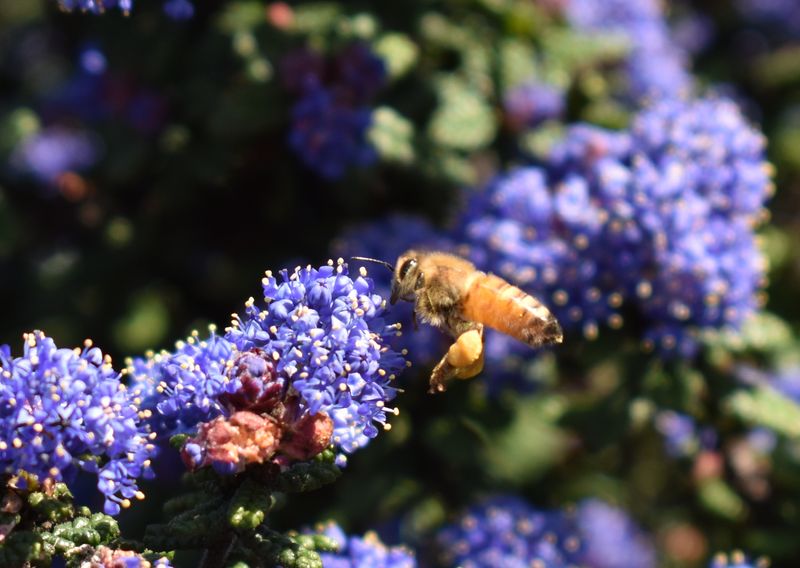
Walk past a California Lilac in full bloom and you will quickly notice something: it is absolutely buzzing. Bees are the most frequent visitors, hovering from cluster to cluster in a focused, almost joyful way.
Butterflies drift in too, landing gently on the blooms to sip nectar. Even hummingbirds have been spotted zipping through the branches to grab a quick meal.
Ceanothus is one of the most pollinator-friendly plants you can grow in California. Because it blooms in late winter and early spring, it provides food for pollinators at a time when not many other plants are flowering yet.
That early-season support is incredibly important for bee populations that are just coming out of their winter slow-down.
Planting California Lilac in your yard is one of the easiest ways to turn your outdoor space into a wildlife-friendly habitat. You do not need a huge property to make a difference.
Even a single mature Ceanothus shrub can support dozens of pollinator visits every single day during bloom season.
Across California, gardeners are increasingly choosing native plants like this one to help restore balance to local ecosystems.
It is a small action with a big, positive impact.
4. Built To Survive Here

One of the most impressive things about California Lilac is how tough it really is. Once a Ceanothus plant gets established in your garden, it can handle California’s long, hot, dry summers without needing much water at all.
That drought tolerance is a major reason why it has become one of the most widely planted shrubs across the state.
California has been dealing with serious water shortages and drought conditions for years. Many homeowners and landscapers have been replacing thirsty, non-native plants with drought-tolerant natives.
Ceanothus fits perfectly into that shift. It naturally stores moisture efficiently and its root system is designed to find water deep in the soil even when the surface is bone dry.
There is one important thing to keep in mind though. Overwatering Ceanothus is actually worse than underwatering it.
Too much water, especially in summer, can lead to root rot, which will quickly damage the plant. The best approach is to water it regularly while it is getting established during its first year, then gradually reduce watering as it matures.
After that, most California Lilac plants are happy with just the natural rainfall that California receives during the cooler months.
5. How To Grow Ceanothus
Growing California Lilac is honestly not that complicated, but there are a few key things to get right from the start. The most important factor is sunlight.
Ceanothus loves full sun and performs best when it gets at least six hours of direct sunlight each day. In hotter inland areas of California, a little afternoon shade can help keep the plant comfortable.
Soil is the next big consideration. California Lilac thrives in well-drained soil and does not do well in soggy or waterlogged ground.
Sandy, rocky, or clay-loam soils all work fine as long as water drains away quickly. Raised beds and slopes are actually great spots for Ceanothus because water naturally drains away from those areas.
Pruning is something many gardeners overthink with this plant. Light pruning right after the flowering season ends is usually all that is needed.
This helps maintain a tidy shape and encourages denser, bushier growth the following year. Avoid heavy pruning because Ceanothus does not respond well to it.
One more thing to know: California Lilac has a relatively short lifespan of around 8 to 10 years in garden settings, so plan to replace plants eventually. With the right setup from the beginning, you will enjoy years of beautiful blooms.
6. It Fixes Your Soil!
Here is something truly cool that most people do not know about California Lilac: it actually improves the soil it grows in. Ceanothus is a nitrogen-fixing plant, which means it can take nitrogen from the air and convert it into a form that enriches the soil.
Think of it like a natural fertilizer factory quietly working underground while the plant blooms beautifully above ground.
Nitrogen is one of the most essential nutrients for plant growth. Many soils in California, especially in drier or more disturbed areas, are naturally low in nitrogen.
When California Lilac grows in these spots, it gradually improves the soil quality, making the surrounding area more hospitable for other plants. This is one reason why Ceanothus plays such an important role in California’s wild ecosystems.
For home gardeners, this nitrogen-fixing ability is a real bonus. Planting Ceanothus near other shrubs or garden plants can subtly boost their health over time without any extra effort from you.
It is a natural, low-cost way to improve your garden’s soil quality. Across California, restoration projects often use native Ceanothus species to help rebuild and enrich degraded soils in areas affected by wildfires or development.
Nature really did design this plant with multiple purposes in mind.
7. Popular Varieties You Can Plant
With so many Ceanothus species and cultivars available, choosing the right one for your California garden can feel a little overwhelming. The good news is that most varieties are easy to grow and rewarding to have.
Knowing a few popular options makes the decision much easier.
‘Victoria’ is one of the most well-known cultivars, loved for its brilliant cobalt blue flowers and compact, tidy growth habit.
It works beautifully as a hedge or a standalone feature plant in smaller California gardens. ‘Puget Blue’ is another gardener favorite, offering dense rounded form and lavender-blue flower sprays that are truly hard to resist.
For something lower growing, ‘Centennial’ is a groundcover variety that spreads wide and low, making it perfect for covering slopes or filling large open areas.
If you want a larger, more dramatic plant, ‘Ray Hartman’ can grow into a small tree reaching up to 20 feet tall, covered in medium blue flowers every spring. It makes a stunning statement in larger California landscapes.
No matter which variety you choose, all Ceanothus plants share the same core strengths: drought tolerance, pollinator appeal, and that signature blue bloom that makes them instantly recognizable anywhere across California.
Visit a local native plant nursery to see the options in person before you decide.