8 Plants That Predict Spring Before Oregon Weather Reports
Your Oregon garden often wakes up long before the weather report catches on. One day frost is glistening on the lawn – and the next, vibrant blooms are already pushing through the soil, fueled by the first hints of early sun.
These early bloomers offer gardeners a secret advantage: a living signal that spring is quietly underway, even when the sky still looks undecided.
From the crocus drifts of the Willamette Valley to the fragrant daphne found near coastal homes, these resilient plants respond to subtle shifts in daylight and soil temperature.
By knowing exactly what to watch for, you can better plan your planting schedule and enjoy the season’s first colors while others are still waiting for the rain to stop.
Understanding these early cues is the best way to stay one step ahead of Oregon’s unpredictable spring.
1. Forsythia Signals Spring With Golden Blooms
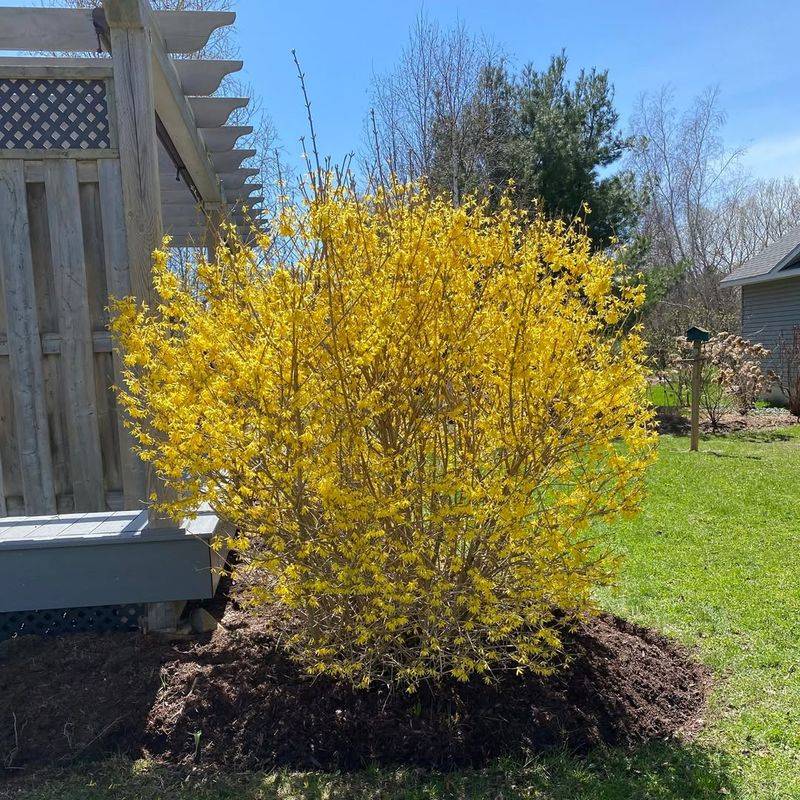
Walk past almost any Oregon neighborhood in late February or early March, and you will likely spot a forsythia shrub blazing with golden-yellow flowers before a single leaf has appeared.
That vivid display is one of the most reliable visual signals that spring is on its way, even when temperatures still dip below freezing at night.
Forsythia blooms respond to lengthening daylight hours rather than warm air temperatures, which is exactly why it gets ahead of the forecast.
In Oregon’s Willamette Valley, forsythia typically bursts into bloom between late February and mid-March, depending on the specific location and microclimate.
Gardeners in the Portland metro area often see blooms even earlier during mild winters.
The shrub thrives in full sun to partial shade and prefers well-drained soil with moderate moisture, both of which Oregon’s variable early spring conditions can provide.
Plant forsythia along a fence line, at the back of a mixed border, or as a loose informal hedge. It can grow six to ten feet tall and wide, so give it room to spread naturally.
Pruning right after blooming helps maintain shape without sacrificing next year’s flower buds. Pollinators, especially early-season bees emerging from winter dormancy, visit forsythia blooms eagerly.
Its early nectar source makes it an ecologically valuable addition to any Oregon yard during a time when food for beneficial insects is genuinely scarce.
2. Crocus Pushes Through Cold Soil With Color
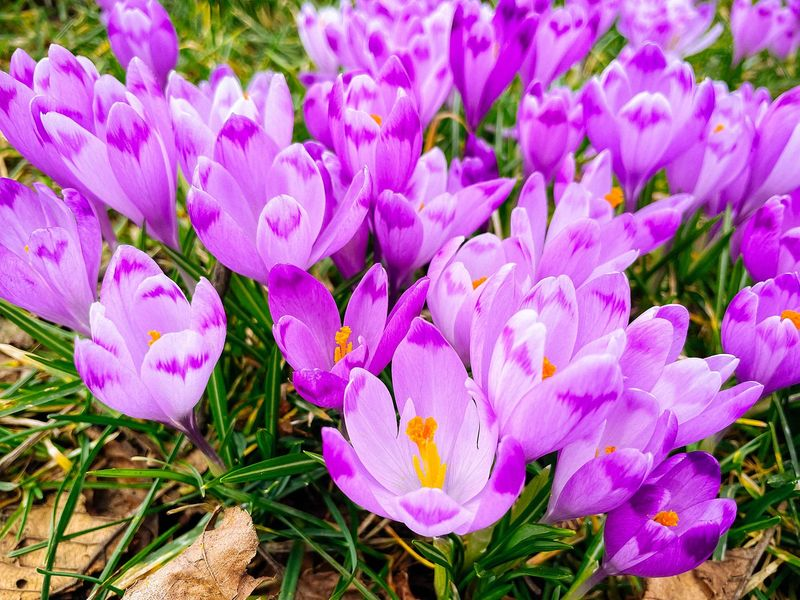
Few garden moments feel as hopeful as spotting the first crocus nose poking up through damp, cold Oregon soil in late January or February.
These small but determined bulbs respond to rising soil temperatures, not air temperatures, which means they can emerge and bloom while frost still coats the lawn in the early morning.
That biological timing makes crocus one of the most trustworthy early-spring indicators in the Pacific Northwest.
In Oregon, crocus bulbs typically bloom between January and March, with earlier appearances during mild winters along the coast and in the Willamette Valley.
Species crocus, such as Crocus tommasinianus, tend to bloom earlier than the larger Dutch hybrids and naturalize beautifully in lawns and woodland edges.
Your Oregon Garden Changes Every Week. Your Plan Should Too.
Gardening in Oregon changes quickly throughout the season. Every Friday you’ll receive a simple weekly plan showing exactly what to plant, prune, fertilize, harvest, and protect so you never miss the right timing.
Plant bulbs in fall, about three to four inches deep, in well-drained soil with full sun to light shade.
One of the most rewarding ways to use crocus in an Oregon garden is to scatter them beneath deciduous trees or along pathways where their low-growing blooms can be appreciated up close.
They require very little maintenance once established and spread gradually over time to form cheerful drifts of purple, white, yellow, and striped varieties.
Early bees and other pollinators depend on crocus for pollen during a season when almost nothing else is flowering, making these small bulbs a surprisingly important ecological resource in Oregon gardens and landscapes.
3. Snowdrops Appear As Winter’s First White Gems
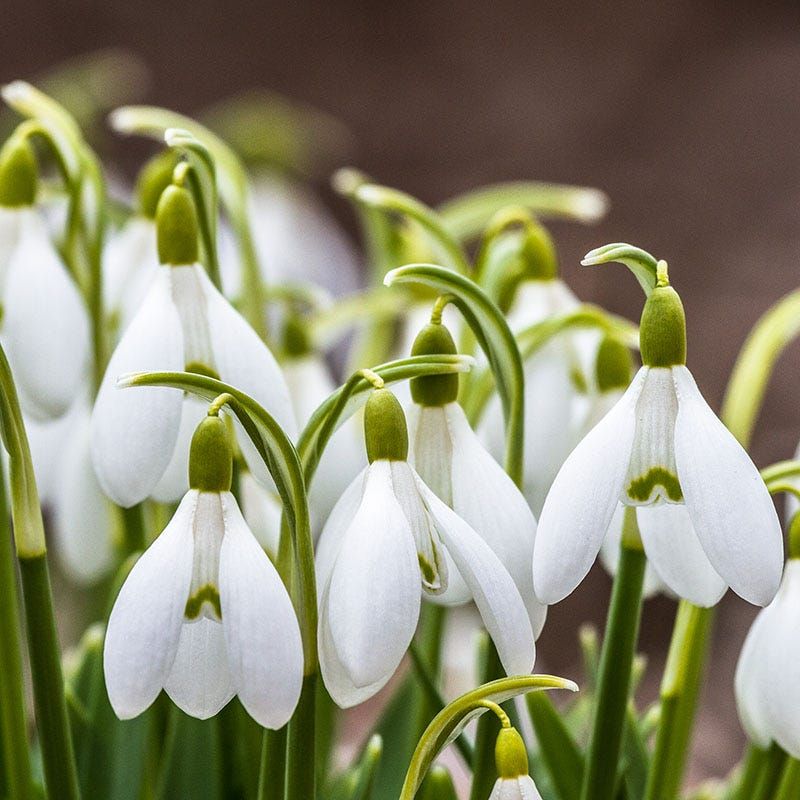
Sometimes the smallest flowers carry the biggest seasonal message.
Snowdrops, with their nodding white bells and slender green stems, can appear in Oregon gardens as early as December in mild years, making them one of the earliest flowering bulbs in the entire Pacific Northwest.
Seeing them emerge through leaf litter or soggy winter soil feels like receiving a quiet but definite announcement that the cold season is losing its grip.
Snowdrops prefer cool, moist conditions and partial to full shade, which makes them well suited to the damp, overcast winters common in western Oregon.
Plant them under deciduous trees or along shaded borders where they will receive winter sun and summer shade.
Bulbs should be planted in fall at a depth of about three inches in humus-rich, well-drained soil that retains some moisture without becoming waterlogged.
Unlike many other early bloomers, snowdrops actually prefer to be planted as growing bulbs rather than dry ones, a technique called planting “in the green” that gives them a better start.
Once established, they multiply slowly into expanding clumps that return reliably each year.
Their nodding flowers contain nectar that early queen bumblebees actively seek out on the first warm late-winter days.
In Oregon’s shaded garden spots where little else grows in winter, snowdrops provide both visual delight and an important early food source for emerging pollinators that are just beginning to stir.
4. Hellebores Bring Early Blooms To Shady Corners
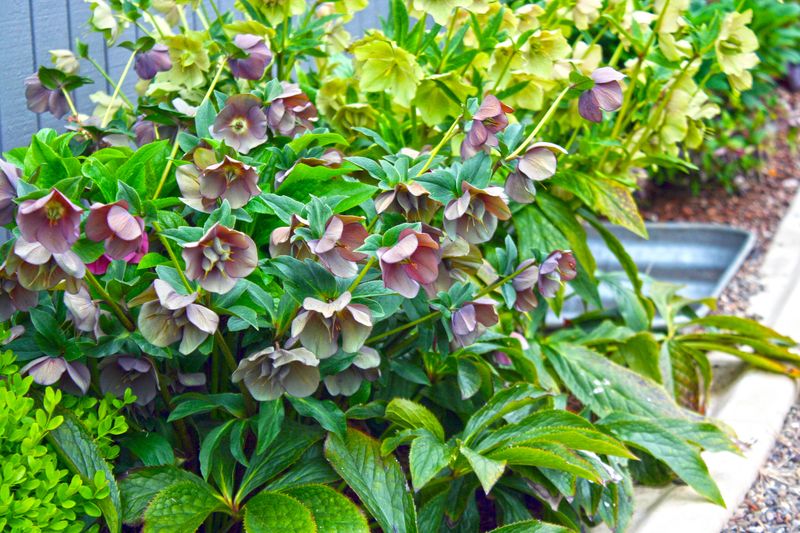
Shady spots in Oregon gardens can feel forgotten during the long, grey winter months, but hellebores have a way of transforming those overlooked corners into something genuinely beautiful.
Also called Lenten roses, these tough perennials bloom from late December through March, producing nodding flowers in shades of cream, blush, deep plum, burgundy, and near-black.
Their blooming season coincides almost exactly with the period when most gardeners are still waiting for any sign of life in the yard.
Hellebores are exceptionally well suited to Oregon’s climate, especially in the Willamette Valley and along the coast where winters are wet and mild.
They prefer partial to full shade and rich, humus-heavy soil with consistent moisture but good drainage.
Once planted, they are slow to establish but become increasingly floriferous and resilient with each passing year, often self-seeding to form relaxed colonies under trees or along north-facing borders.
Place hellebores near a path or low wall where you can easily tilt the blooms upward to see the intricate markings inside the petals, since the flowers naturally face downward. They pair beautifully with snowdrops, ferns, and hostas in shaded beds.
Early-season bumblebees visit hellebore flowers on mild winter days, making them a valuable pollinator resource.
Their evergreen foliage provides year-round structure in shaded areas, which is a practical bonus in a garden that can look sparse during Oregon’s long rainy season.
5. Winter Aconite Brightens Gardens Before Leaves
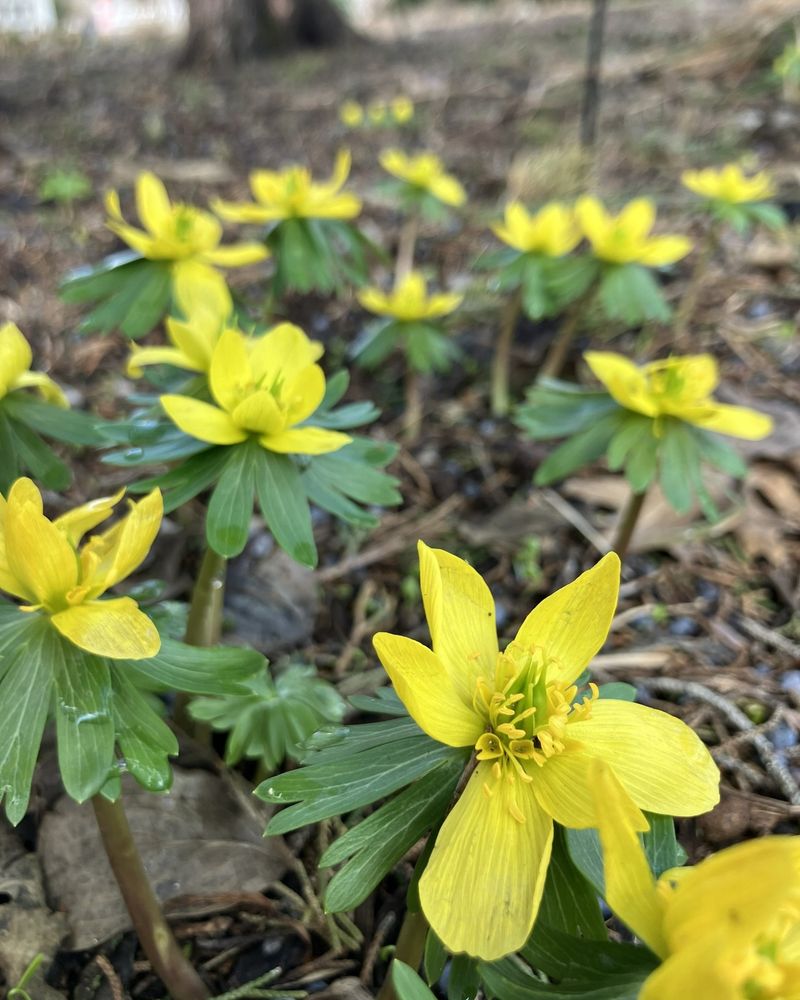
Tucked low to the ground like tiny suns, winter aconite is one of the most cheerful sights an Oregon gardener can encounter in late January or February.
Each small, buttercup-yellow flower sits atop a ruff of bright green leaves, creating a carpet-like effect when the tubers are planted in groups.
Most people walk right past them without knowing their name, but experienced gardeners recognize winter aconite as one of the earliest and most dependable spring predictors in the Pacific Northwest.
Winter aconite belongs to the genus Eranthis and thrives in the cool, moist conditions that Oregon winters reliably provide. Plant the small, knobbly tubers in fall beneath deciduous trees or shrubs where they will receive winter sunlight and summer shade.
Like snowdrops, they establish more successfully when planted fresh rather than after long periods of dry storage, so sourcing them from a reputable local nursery in early fall gives the best results.
Once established, winter aconite spreads gradually by self-seeding to form golden drifts that expand naturally over several years. They combine beautifully with snowdrops and early crocus in a layered late-winter planting scheme.
Honeybees and early bumblebees visit the bright flowers eagerly on mild days, drawn by the pollen that is otherwise extremely scarce in late-winter Oregon gardens.
Their short stature means they work best at the front of borders, along pathways, or naturalized beneath large deciduous trees where they can spread undisturbed.
6. Daphne Fills Oregon Gardens With Fragrant Flowers
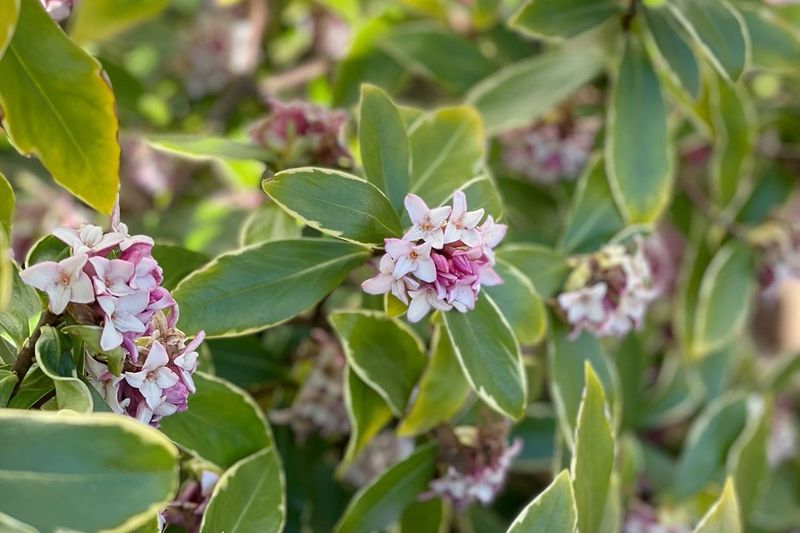
You often smell daphne before you see it. On a mild late-January or February morning in Oregon, the sweet, intensely rich fragrance from even a single Daphne odora shrub can drift across an entire garden, catching you completely off guard.
That fragrance alone makes daphne one of the most beloved winter-to-spring transition plants among Oregon gardeners, and its clusters of pink-flushed white flowers add genuine visual appeal alongside the scent.
Daphne odora, commonly called winter daphne, blooms reliably from late January through March in most parts of western Oregon.
It prefers partial shade to filtered sun and well-drained, slightly acidic soil with consistent moisture.
Oregon’s naturally acidic soils in many areas suit daphne well, though the plant benefits from good drainage to keep its roots healthy during the wet winter months. Avoid heavy clay soils or spots where water pools after rain.
Plant daphne near an entrance, a frequently used path, or beneath a window where the fragrance can be appreciated close up.
It grows slowly into a rounded shrub about three to four feet tall and wide, making it suitable for smaller gardens and containers.
Variegated forms, such as Daphne odora ‘Aureomarginata,’ are especially popular in Oregon nurseries for their cream-edged leaves and strong cold tolerance.
Early pollinators, including overwintering bumblebee queens, visit the flowers on warm late-winter days, making daphne both a sensory pleasure and an ecological asset in the late-winter Oregon garden.
7. Camellias Offer Late-Winter Color And Drama
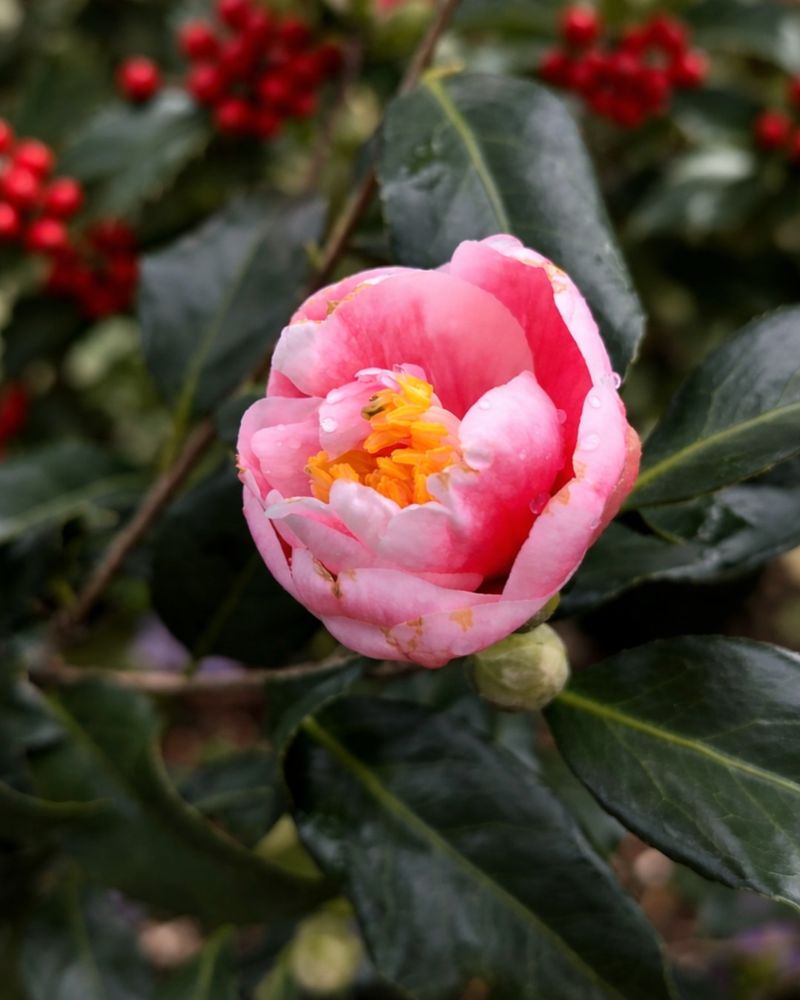
Few late-winter sights in an Oregon garden match the bold drama of a camellia in full bloom.
While the rest of the garden sits in shades of brown and grey, a mature camellia shrub can be covered in dozens of formal, rose-like flowers in shades of red, pink, white, or bicolor, all appearing between January and March depending on the variety.
That timing makes camellias one of the most visually striking seasonal indicators of winter’s end in the Pacific Northwest.
Camellias thrive in Oregon’s mild, rainy winters and do particularly well in the Willamette Valley and along the coast.
They prefer partial shade to filtered morning sun and acidic, humus-rich soil with consistent moisture and excellent drainage.
Planting them on the east or north side of a building or under the canopy of tall trees helps protect the delicate flowers from harsh afternoon sun and late frosts that can brown the petals.
Japonica camellias are among the most popular types for Oregon gardens, with reliable bloom times from January through April.
Sasanqua camellias bloom even earlier, sometimes starting in November, and are slightly more sun-tolerant.
Both types benefit from a layer of mulch around the root zone to retain moisture and moderate soil temperature during Oregon’s unpredictable late-winter swings.
Bees and other early pollinators visit camellia flowers on mild days, and the shrub’s evergreen structure provides year-round visual interest and habitat value in mixed borders and foundation plantings.
8. Witch Hazel Blooms When Oregon Still Feels Wintery
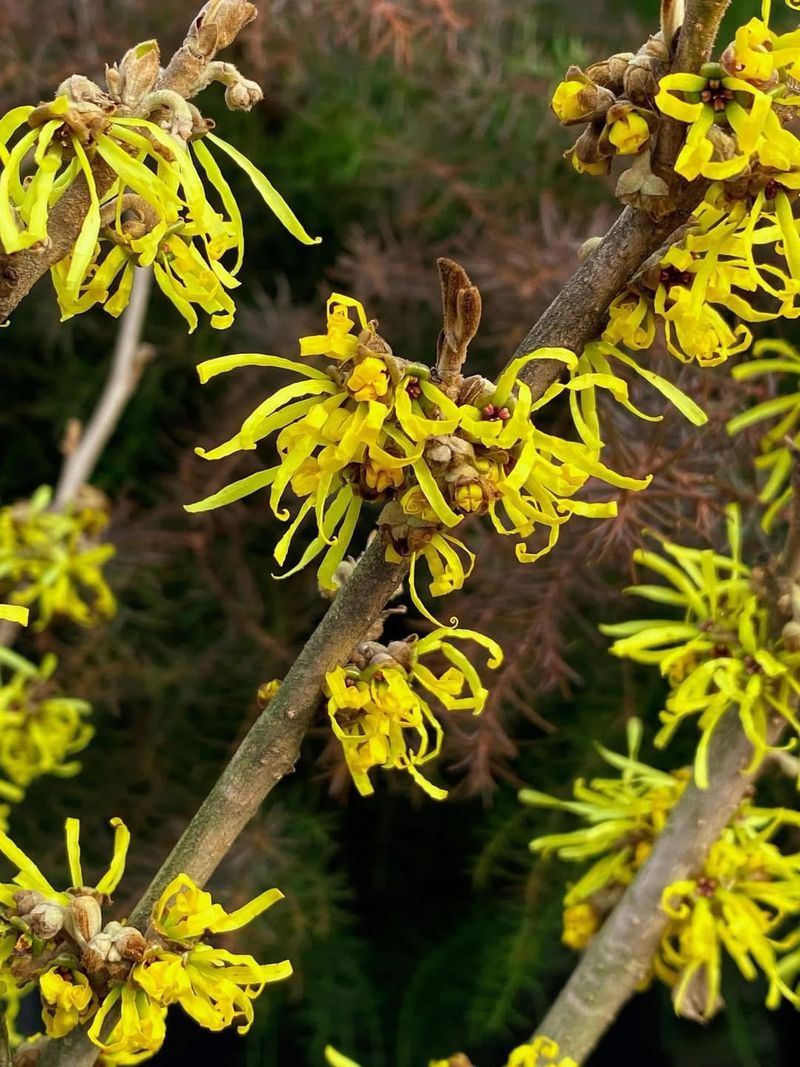
On a cold, overcast February morning when most of the Oregon garden looks completely dormant, witch hazel manages to do something remarkable: it blooms.
The spidery, ribbon-like flowers appear directly on bare branches in shades of yellow, orange, and copper-red, often accompanied by a faint but pleasant spicy fragrance that carries on cool air.
Witch hazel is one of the few woody plants in the Pacific Northwest that actually blooms in the middle of winter rather than at its edges.
Several witch hazel species and hybrids perform well in Oregon gardens.
Hamamelis x intermedia cultivars such as ‘Arnold Promise’ and ‘Jelena’ are especially popular for their reliable bloom times from January through March and their attractive fall foliage color.
These hybrids prefer full sun to light shade and well-drained, slightly acidic soil with moderate moisture, conditions that Oregon’s Willamette Valley and foothills can provide across many planting sites.
Witch hazel works well as a specimen shrub, a backdrop for smaller late-winter bulbs, or planted near a path where the fragrance and unusual flowers can be appreciated on winter walks.
It grows gradually into a large, vase-shaped shrub or small tree, typically reaching ten to fifteen feet at maturity.
Early pollinators, including winter-active flies and the occasional mild-day bee, visit the flowers for nectar.
Witch hazel’s combination of mid-winter bloom, fragrance, and striking fall color makes it one of the most rewarding long-term investments an Oregon gardener can make.