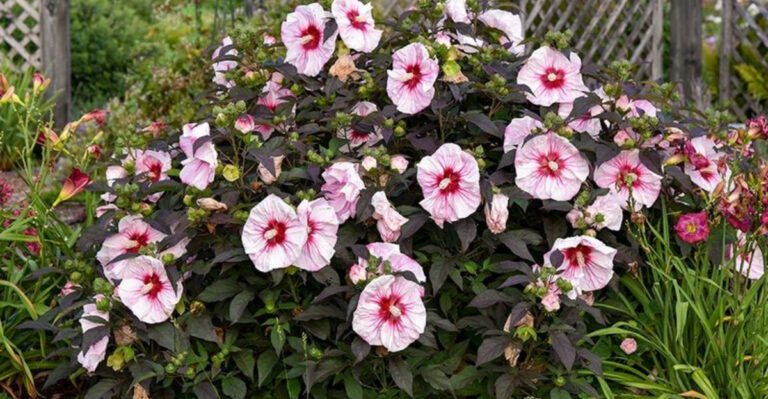
What Georgia Roses Need In March For More Abundant Blooms

March is when roses in Georgia start shifting from rest into active growth, and what happens during this window shapes everything that follows. Buds begin to form, stems push forward, and the plant is ready to respond to even small changes in care.
It’s a moment that often gets rushed, but slowing down and focusing on the basics can make a noticeable difference in how full and consistent those blooms turn out.
A few simple steps now help roses direct their energy where it matters most instead of spreading it too thin.
This is also when small issues can be corrected before they turn into bigger setbacks later in the season.
Getting roses on the right track in March doesn’t take much, but it does require knowing what to prioritize while the plant is gearing up for its main bloom cycle.
1. Pruning At The Right Time Sets Up Stronger Blooms
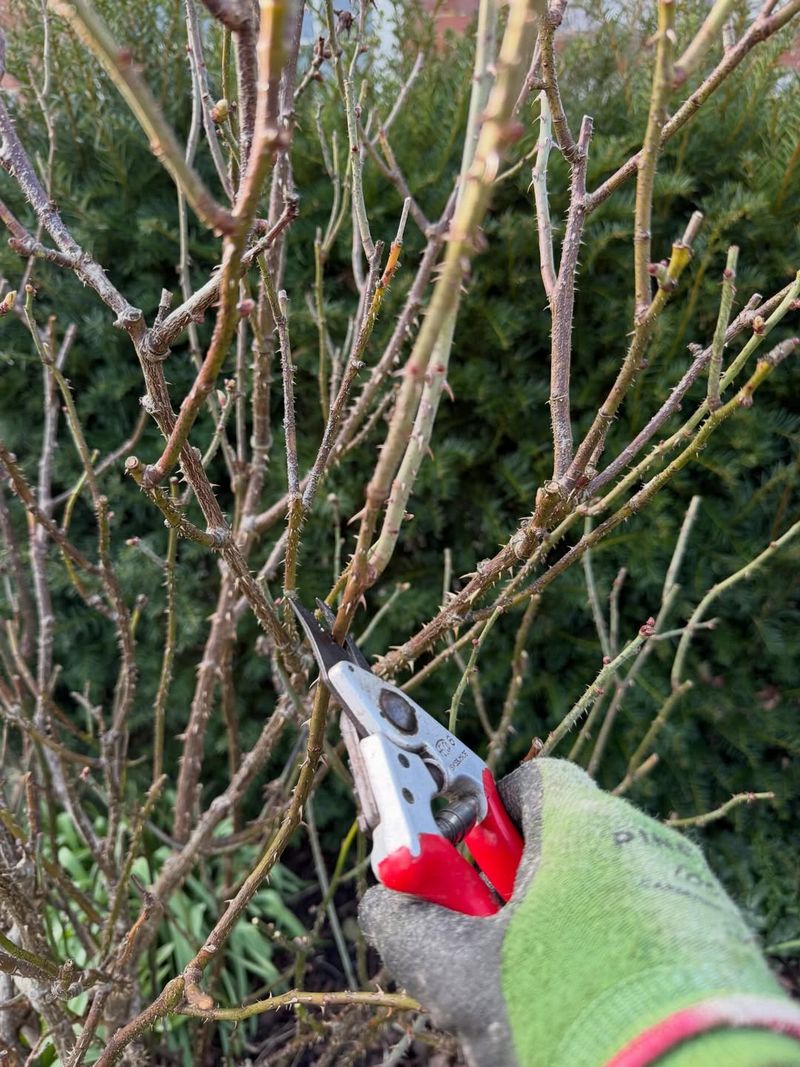
Sharp pruners and good timing are two of the most powerful tools you have in a Georgia garden. Prune your roses between late February and early March, right before new growth kicks into high gear.
If you wait too long, you risk cutting off buds that are already forming, and that means fewer blooms later.
Cut each cane at a 45-degree angle, about a quarter inch above an outward-facing bud. That angle helps water run off the cut and keeps the wound from sitting wet.
An open, vase-shaped plant is what you are going for so air can move through the center freely.
Remove any canes that look dark, shriveled, or damaged from winter. You want healthy, green wood staying on the plant.
If a cane snaps instead of bending, it probably needs to come off.
Clean your pruning tools with rubbing alcohol between plants, especially if you spot any diseased wood. Spreading problems from one bush to another is easy to avoid with a quick wipe.
It takes ten seconds and saves you a lot of trouble later in the season.
Roses that get a proper March pruning in Georgia tend to push out stronger new canes with bigger flower clusters. Skipping this step usually means a messier plant with weaker blooms.
Put in the work now, and your roses will reward you all the way through fall.
2. Balanced Feeding Supports Healthy Bud Formation
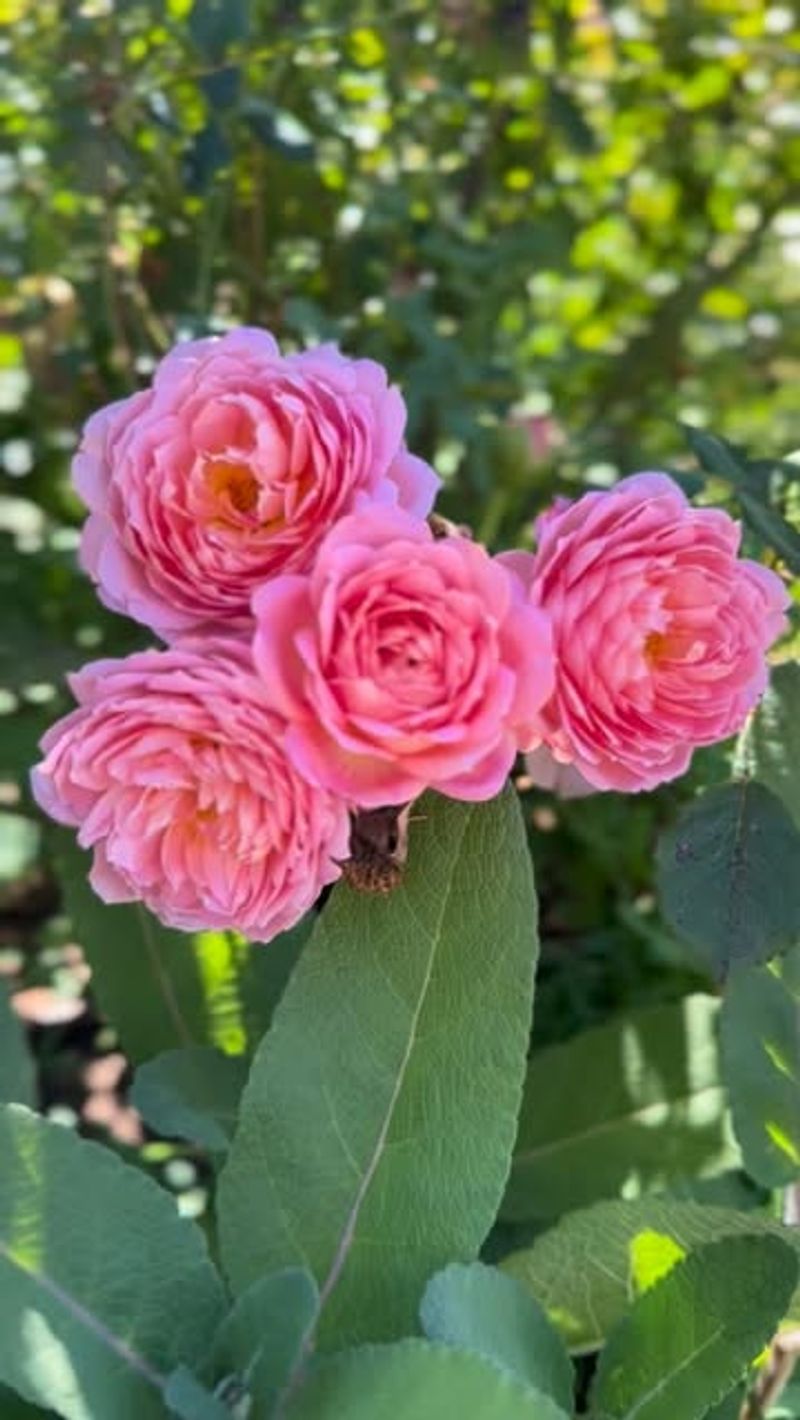
Hungry roses do not bloom well, and March is exactly when they start asking for food. As new growth pushes out in early spring across Georgia, your roses need nutrients ready and waiting in the soil.
A slow-release, balanced fertilizer applied in early March gives them a steady supply without overwhelming the roots.
Look for a fertilizer with roughly equal amounts of nitrogen, phosphorus, and potassium. Nitrogen pushes leafy growth, phosphorus supports root and bloom development, and potassium helps the whole plant stay strong.
Getting that balance right matters more than just dumping any fertilizer on the ground.
Alfalfa meal is a solid organic option that Georgia gardeners have trusted for years. It adds nitrogen along with a growth-promoting compound called triacontanol, which can actually help push more blooms.
Your Georgia Garden Changes Every Week. Your Plan Should Too.
Gardening in Georgia changes quickly throughout the season. Every Friday you’ll receive a simple weekly plan showing exactly what to plant, prune, fertilize, harvest, and protect so you never miss the right timing.
Mix it into the soil around the drip line of each bush rather than right up against the base.
Epsom salt is another useful addition, though it is not a fertilizer on its own. It supplies magnesium, which helps roses absorb other nutrients and supports the development of deeper green leaves.
About a tablespoon dissolved in a gallon of water, applied once a month, is a reasonable starting point.
Avoid going heavy on nitrogen alone, especially in March. Too much too fast pushes leafy growth at the expense of flowers.
Feed consistently and moderately, and your Georgia roses will put their energy into exactly where you want it.
3. Deep Watering Builds Strong Roots Before Heat

Roots that reach deep are roots that survive Georgia summers. March is the window to build that depth before the heat arrives, and the way you water right now shapes how well your plants hold up in July and August.
Shallow, frequent watering trains roots to stay near the surface where they dry out fast.
Water deeply and less often instead. Giving each rose bush a slow, thorough soak two or three times a week encourages roots to follow moisture downward.
That depth gives the plant a buffer when surface soil dries out during hot spells.
Soaker hoses are worth the investment if you have several bushes. Water delivered slowly at ground level soaks in rather than running off, and keeping leaves dry reduces the chance of fungal issues.
Black spot loves wet foliage, and Georgia humidity already gives it plenty of opportunity.
Aim for about an inch of water per week total, counting rainfall. A simple rain gauge near your garden beds takes the guesswork out of it.
During dry stretches in March, you may need to supplement more than you expect.
Morning is the best time to water. Any moisture that splashes onto leaves has time to evaporate before evening, which cuts down on disease pressure.
Watering at night in Georgia is asking for trouble given how warm and humid the air stays even in early spring. Build the habit now and your roses will thank you by midsummer.
4. Mulch Helps Soil Stay Even And Moist
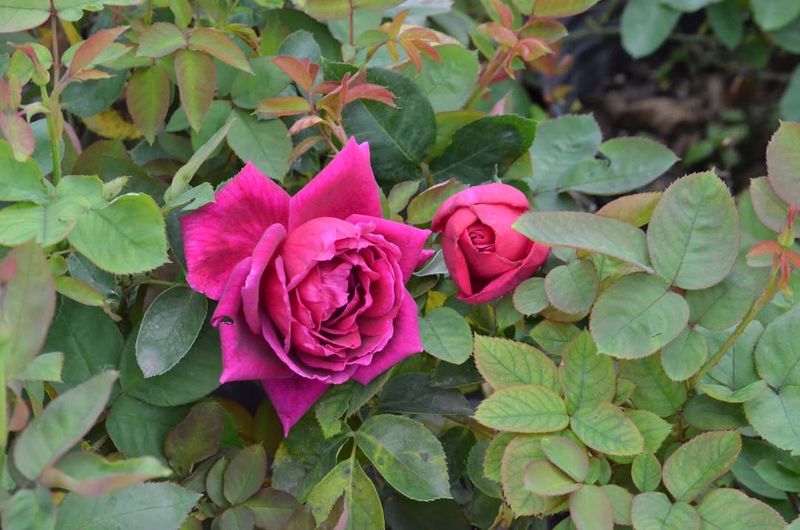
A good layer of mulch does more quiet work in a rose bed than most people realize.
After you prune and feed your roses in March, spreading two to three inches of mulch around the base of each plant locks in moisture, keeps soil temperature steady, and cuts down on weeds competing for nutrients.
In Georgia, where spring can swing between warm afternoons and surprisingly cool nights, that temperature buffer matters.
Pine bark, shredded hardwood, and pine straw all work well. Pine straw is especially common across Georgia and breaks down slowly enough to stay in place through spring rains.
Whichever you choose, keep the mulch a few inches away from the cane itself so moisture does not sit against the base and cause rot.
Weed pressure in March can sneak up on you fast. Bare soil around roses is an open invitation, and weeds pull nutrients and water away from your plants.
A solid mulch layer suppresses most of that without any extra effort on your part.
Reapplying mulch in early spring also gives you a chance to check the soil underneath. If it looks compacted or crusty, loosen it gently with a hand fork before laying fresh mulch down.
Compacted soil does not absorb water well, which defeats the purpose of deep watering.
Mulching is one of those low-effort steps that pays back consistently all season long. Put it on your March checklist right after pruning and feeding, and your Georgia roses will stay more comfortable from the start.
5. Full Sun Drives Better Flower Production
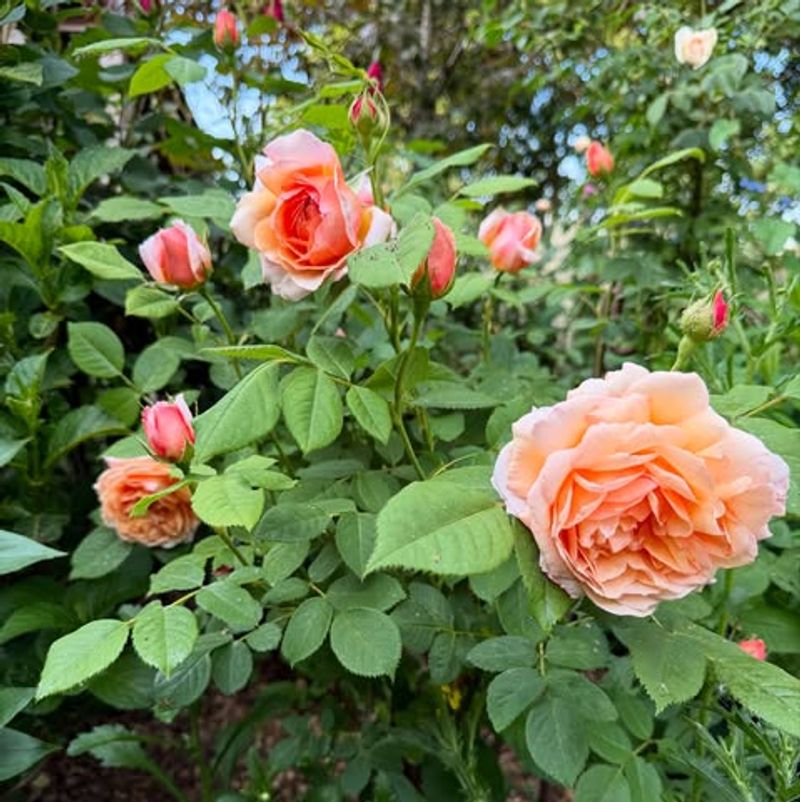
Roses are sun chasers, plain and simple. A bush sitting in partial shade might survive just fine, but it will never bloom the way it can when it gets a solid six to eight hours of direct sun each day.
In Georgia, where spring sunshine comes in strong and early, positioning matters a lot.
March is a good time to look at where shadows fall in your yard. Trees that were bare all winter start leafing out this month, and a spot that looked sunny in February can turn shady by April.
Walk your yard at different times of day and actually observe where the light lands longest.
If you have roses in spots that get blocked by fences, overgrown shrubs, or structures, consider whether any of that shade is removable.
Trimming back nearby shrubs or moving a rose to a better location during early spring is far less stressful on the plant than transplanting in summer heat.
South-facing and west-facing garden beds tend to get the most sun in Georgia. East-facing spots work too, giving roses morning light that dries dew off leaves quickly.
North-facing beds are usually the toughest for roses and tend to produce fewer flowers over the course of a season.
Sun is essentially free fertilizer for roses. More light means more photosynthesis, more energy stored, and more flowers pushed out.
Getting your placement right in March, before heat stress becomes a factor, gives your Georgia roses the best possible starting point for a productive year.
6. Early Pest Checks Protect New Growth
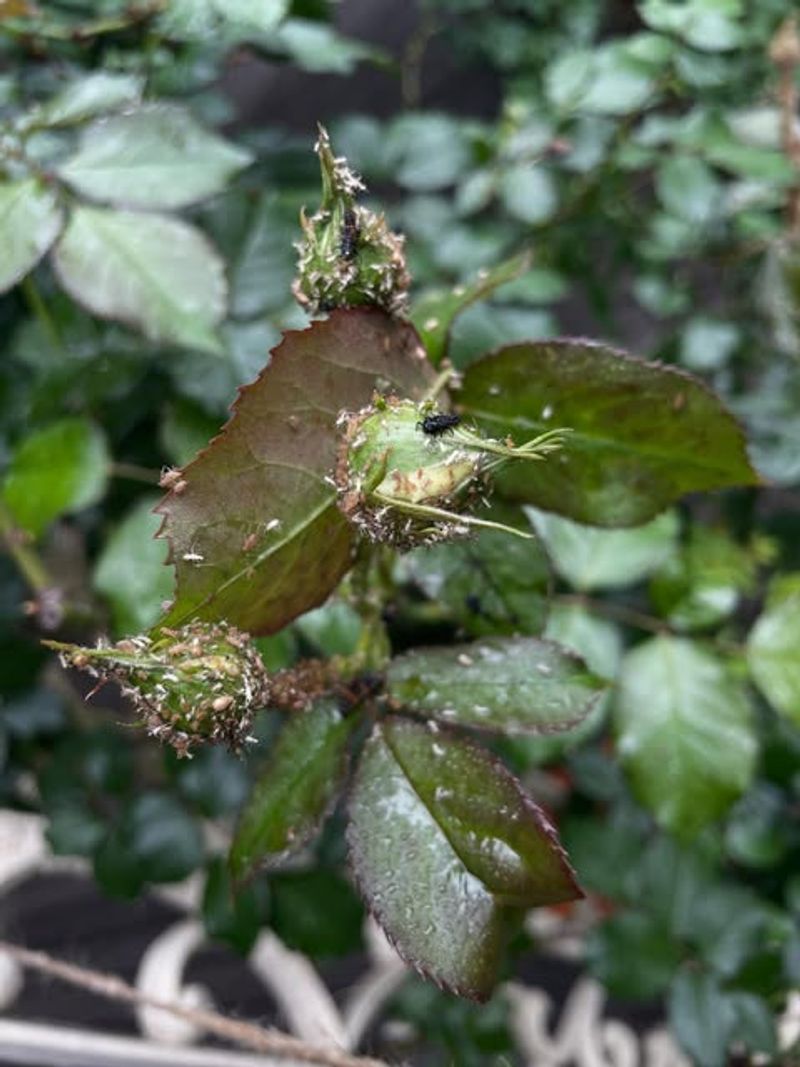
Catching a pest problem early is a completely different situation than dealing with a full-blown infestation in June. March is when new growth is tender, soft, and exactly what insects are looking for after a quiet winter.
Getting in the habit of checking your roses every few days in early spring saves you real headaches later.
Aphids are usually the first to show up. Clusters of tiny green or black insects gather on new shoots and buds, sucking sap and distorting growth.
A strong spray of water knocks most of them off, and repeating that a few times usually keeps numbers manageable without reaching for anything stronger.
Thrips are trickier because they hide inside buds and cause petals to look streaked or distorted when they open. If you see that kind of damage, neem oil or insecticidal soap applied directly to affected areas works well without harming beneficial insects too badly.
Spray in the early morning when bees are less active.
Japanese beetles are not usually a March problem in Georgia, but checking for their grub stage in the soil around your roses now can reduce adult pressure later in summer. A grub-control product applied to the soil in spring interrupts their cycle before they emerge.
Walk your rose beds with your eyes actually on the plants, not just a quick glance while passing through. Flip leaves over, look at new shoots, check around buds.
Five minutes of close attention a few times a week in March is worth hours of treatment work later in the season.
7. Proper Spacing Keeps Air Moving And Leaves Healthy
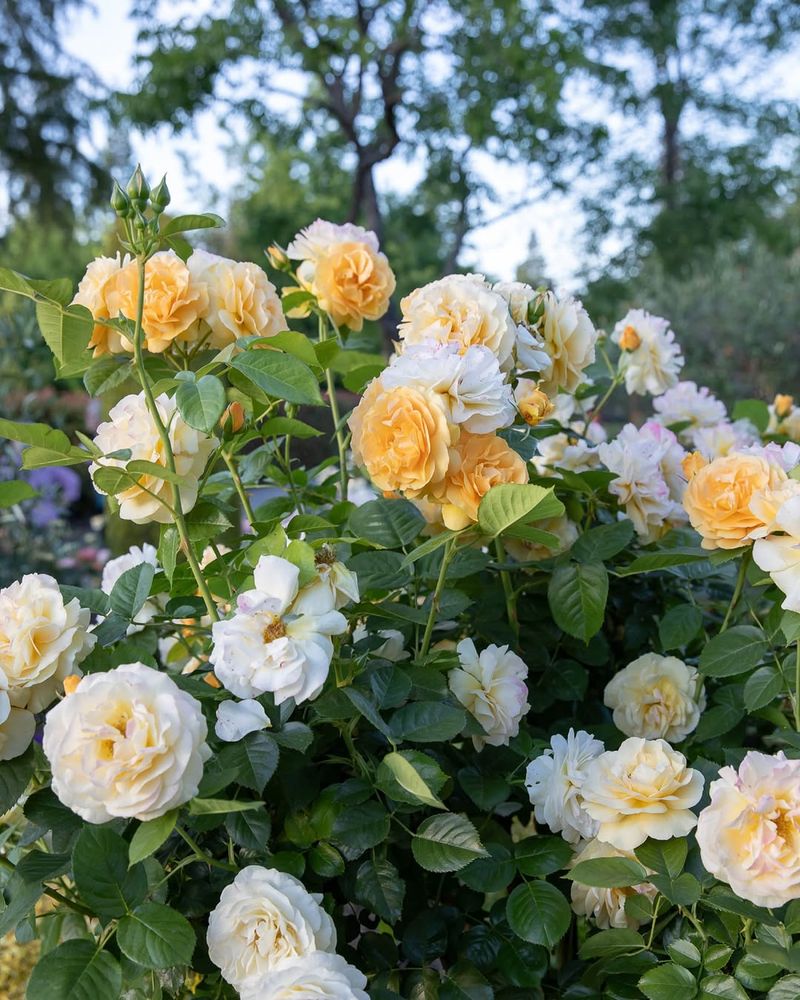
Crowded roses get sick more often, and that is not an exaggeration. When plants are packed too close together, air cannot move freely between them, and humidity builds up around the foliage.
In Georgia, where spring air is already warm and damp, that kind of stagnant pocket is exactly where black spot and powdery mildew get their start.
Most bush roses need at least three to four feet of space between plants. Climbing roses and larger shrub varieties need even more room.
If you planted roses close together years ago hoping they would fill in nicely, March is a good time to evaluate whether any need to be moved before the heat locks them in place for the season.
Thinning out crossing canes during your March pruning session also improves airflow inside each individual plant. Canes that rub against each other create wounds where disease can enter.
Removing the weakest of any two crossing canes keeps the center of the plant open and reduces that risk.
Spacing is not just about disease prevention. Roses with room to breathe also tend to get better light penetration all the way through the plant, which means more canes produce flowers rather than just the outer tips.
A crowded bush often blooms only at the edges while the interior stays shaded and unproductive.
Walk your Georgia rose beds in March and be honest about what you see. If plants are overlapping or touching, something needs to move.
A little reorganization now pays off in healthier, more productive plants from spring all the way through fall.