Should Arizona Gardeners Prune Desert Honeysuckle Before Spring
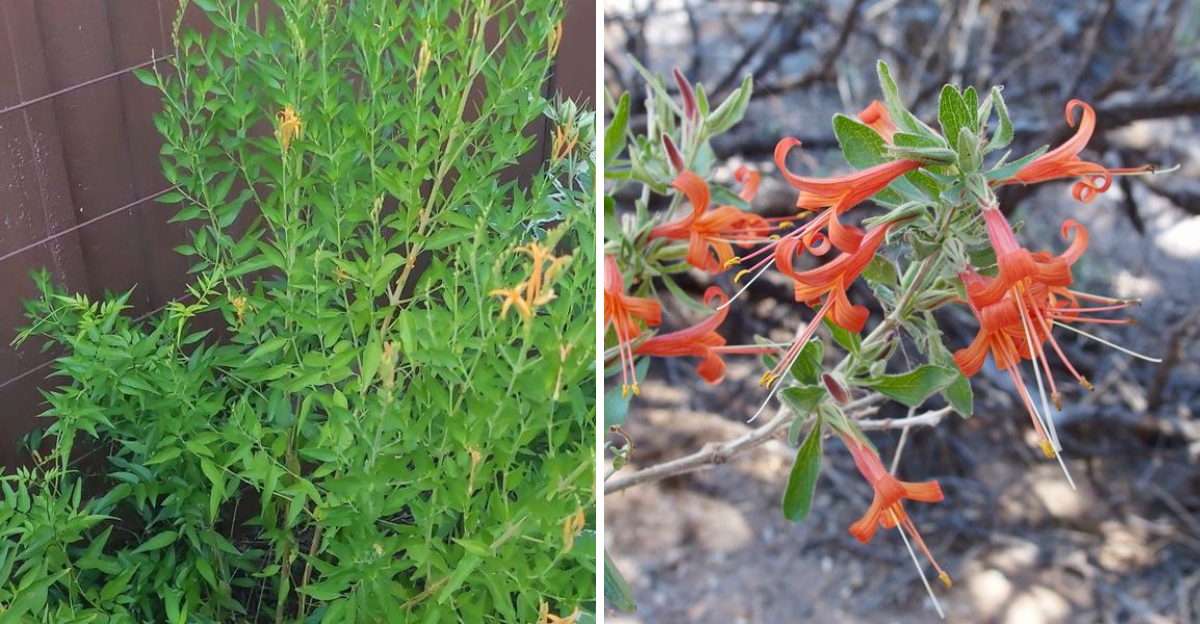
Desert honeysuckle can be one of those Arizona plants that looks tough enough to handle anything, which is probably why pruning it at the wrong time feels so easy to brush off.
It sits there through the cooler season looking calm, steady, and not all that demanding, so a lot of gardeners assume a quick trim before spring is no big deal.
But with plants like this, timing changes more than people expect. What seems like a simple cleanup can affect how the shrub fills out, how fresh it looks, and how well it handles the stronger growing season ahead.
That is where things get a little more interesting. In Arizona, plants respond fast once temperatures begin to shift, and that small window before spring does not always work the way people think it does.
Desert honeysuckle may be low fuss compared to many other shrubs, but that does not mean every pruning choice is harmless. A better result often comes down to knowing what not to rush.
1. Desert Honeysuckle Rarely Needs Regular Pruning
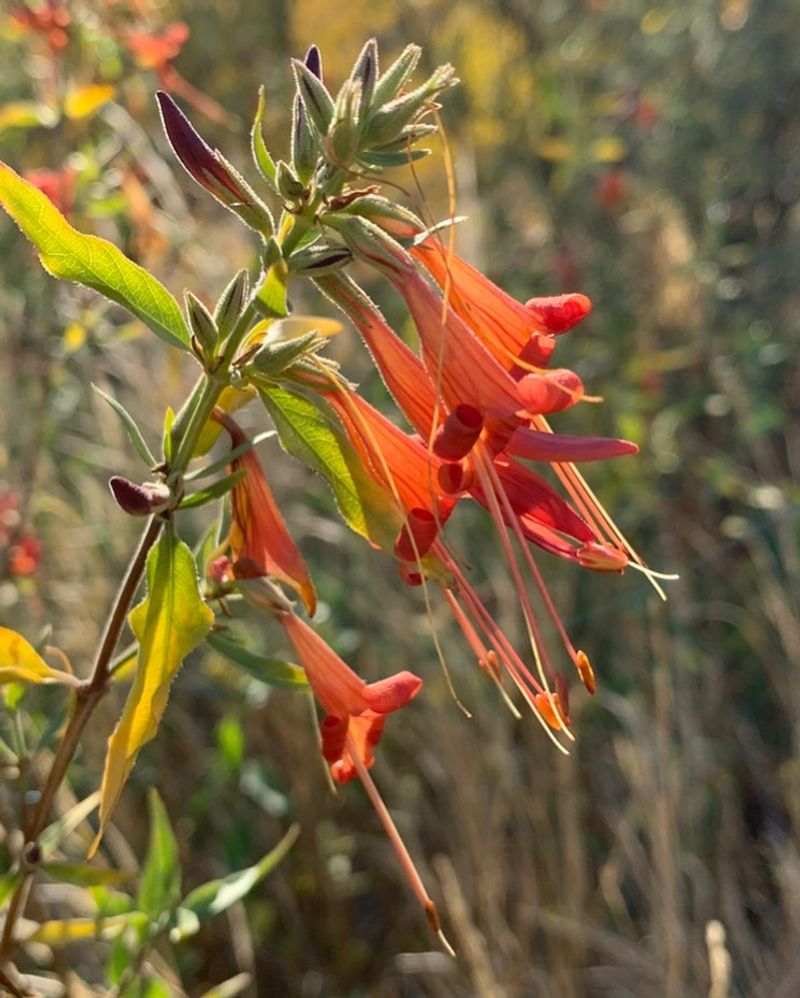
Grab your pruning shears, then put them back down. Desert Honeysuckle is one of those shrubs that genuinely does better when you leave it alone most of the time.
Unlike roses or fruit trees that need yearly cutting to stay productive, this plant has its own rhythm that works pretty well without interference.
Anisacanthus thurberi is adapted to Arizona’s hot, dry conditions. Its natural shape tends to stay open and airy without much help.
Overpruning actually causes more problems than it solves, pushing the plant into a cycle of stress and uneven regrowth that looks worse than just letting it grow.
Plenty of Arizona gardeners make the mistake of treating every shrub like it needs a seasonal haircut. Desert Honeysuckle does not fit that mold.
If you planted it in the right spot with enough room to spread, you may only need to touch it every couple of years at most.
Occasional removal of damaged or crossing branches is usually all it takes to keep things tidy.
Skipping unnecessary cuts also means more energy goes into flower production.
Hummingbirds return to the same plants season after season, and a well-established, lightly managed Desert Honeysuckle in an Arizona yard gives them exactly what they are looking for.
Respecting the plant’s natural growth pattern saves time and protects the blooms. Less pruning truly is more when it comes to this particular desert native.
2. Light Shaping In Late Winter Keeps Growth Controlled
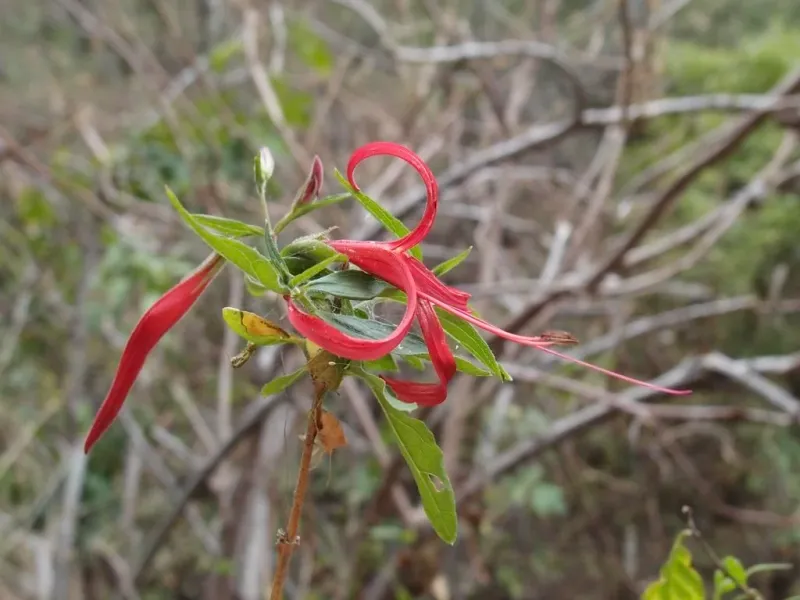
Late winter in Arizona feels almost like early spring to most gardeners, and that timing matters a lot for Desert Honeysuckle. A light shaping session right before new growth kicks in is the sweet spot.
Cut too early in December and you risk stimulating tender growth during a cold snap. Wait too long into March and you might snip off emerging buds.
Light shaping means removing maybe a third of the longest stems, trimming anything that sticks out awkwardly, and cutting back branches that are crowding the center. It is not a full haircut.
Your Arizona Garden Changes Every Week. Your Plan Should Too.
Gardening in Arizona changes quickly throughout the season. Every Friday you’ll receive a simple weekly plan showing exactly what to plant, prune, fertilize, harvest, and protect so you never miss the right timing.
Think of it more like a light edit rather than a full rewrite.
In Arizona, late February through early March is usually the right window depending on your elevation. Low desert areas around Phoenix can move a little earlier.
Higher elevation spots near Prescott or Flagstaff should wait a bit longer since frost risk lingers well into spring at those altitudes.
Sharp, clean cuts matter here. Ragged cuts invite pests and slow healing.
A good pair of bypass pruners makes cleaner work than anvil-style ones, especially on green stems. Wipe your blades between plants if you have several in the yard.
Keeping the shape controlled with a light hand every year or two prevents the plant from getting leggy and top-heavy.
A well-shaped Desert Honeysuckle looks intentional in the landscape without looking stiff or over-managed, which fits the natural Arizona garden style perfectly.
3. Blooms Form On New Warm Season Growth
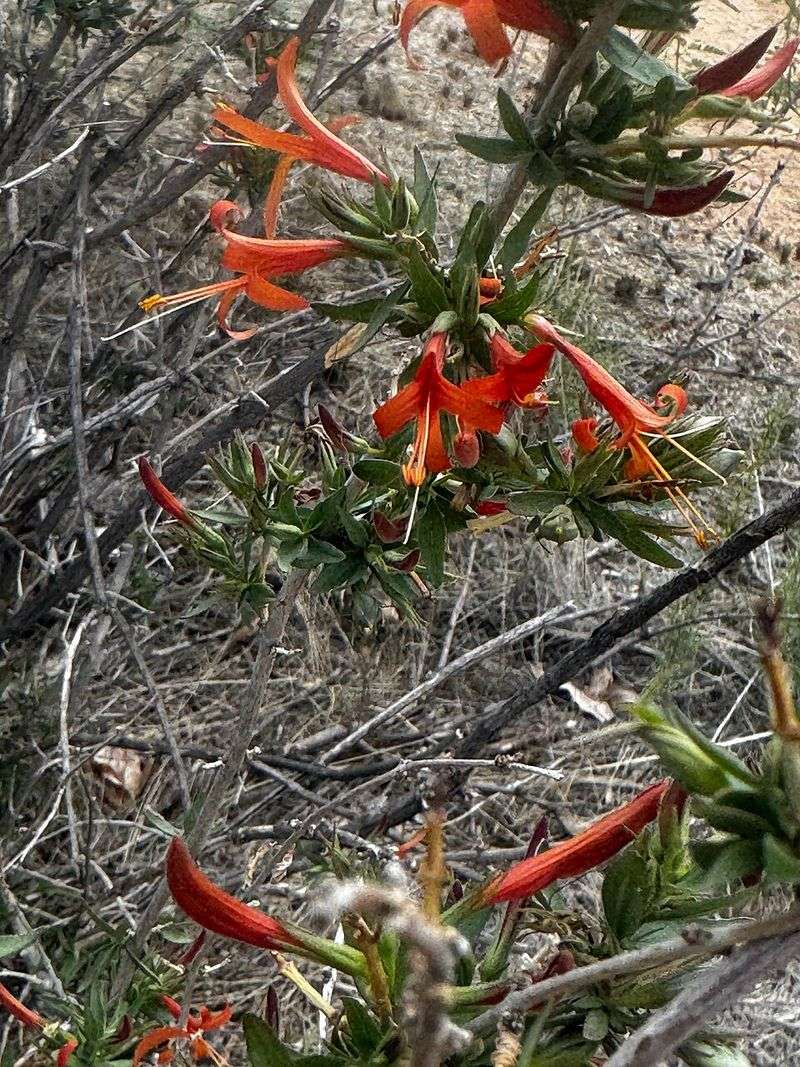
Here is something worth knowing before you pick up any pruning tool: Desert Honeysuckle blooms on new growth produced during the warm season.
That changes everything about how and when you should prune.
Cut at the wrong time and you are essentially removing the very stems that would have carried flowers a few weeks later.
Spring blooming happens on growth that pushed out after winter. A second flush typically comes in late summer and into fall as temperatures cool slightly from the peak of Arizona’s brutal summer heat.
Both rounds of blooming depend on the plant having enough fresh, vigorous stems to work with.
Pruning in late winter makes sense because you are cutting before those new stems develop.
By the time warm temperatures arrive and the plant starts pushing new growth, the cuts have already healed and the plant is ready to channel energy into flower production rather than wound recovery.
Avoid pruning in spring once growth has already started. You will be cutting off flower buds before they even open, which wastes the plant’s effort and yours.
Summer pruning after the first bloom flush is a different story. A light tip trim then can encourage more branching and set up a stronger fall bloom.
Understanding this bloom cycle is probably the most useful piece of information any Arizona gardener can have about this plant. Work with the growth pattern instead of against it and the reward is two full seasons of vibrant color every year.
4. Heavy Pruning Can Reduce Flowering And Distort Shape
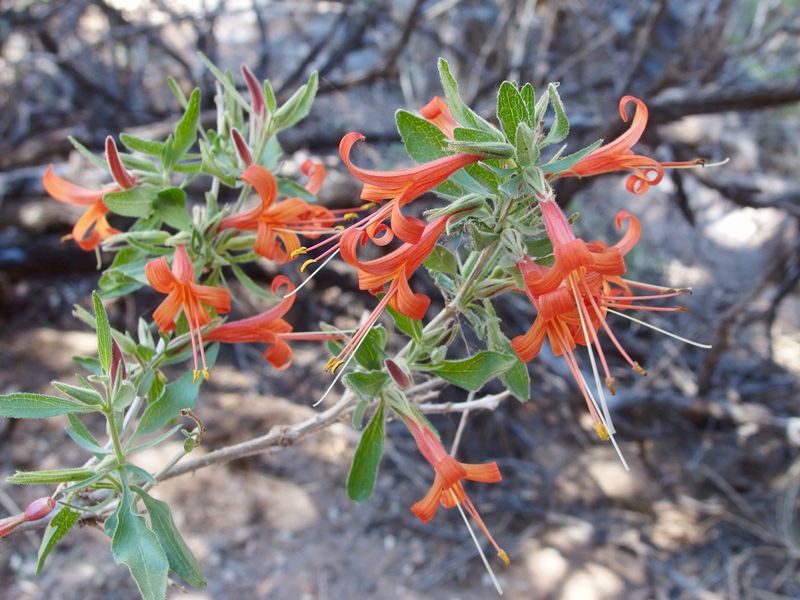
Cutting too much off a Desert Honeysuckle at once is one of the most common mistakes Arizona gardeners make. It looks tidy right after the cut, but what follows is a plant that struggles to put on a decent flower show and ends up looking awkward for months.
Heavy pruning removes the mature woody structure that supports strong, upright growth. When you cut a significant portion back all at once, the plant responds by pushing out a burst of weak, whippy new stems from the base.
Those stems flop around, grow unevenly, and rarely produce the same quality of bloom you would get from properly maintained wood.
Shape distortion is another real problem. Desert Honeysuckle has a naturally arching, open form that looks great in Arizona desert landscapes.
Aggressive cutting often results in a dense, shrubby mound of growth that clashes with the plant’s natural character. Getting that natural form back can take a full growing season or more.
Rejuvenation pruning, which means cutting the whole plant back hard to about six to twelve inches, is sometimes necessary for very old or severely overgrown plants. Even then, it should be done carefully in late winter and followed up with consistent watering.
It is a last resort, not a routine practice.
Restraint is the right approach. Removing no more than a third of the plant at one time keeps the structure intact, supports healthy regrowth, and protects the flowering potential that makes Desert Honeysuckle worth growing in Arizona in the first place.
5. Pruning Too Early Can Trigger Growth Before Frost Ends
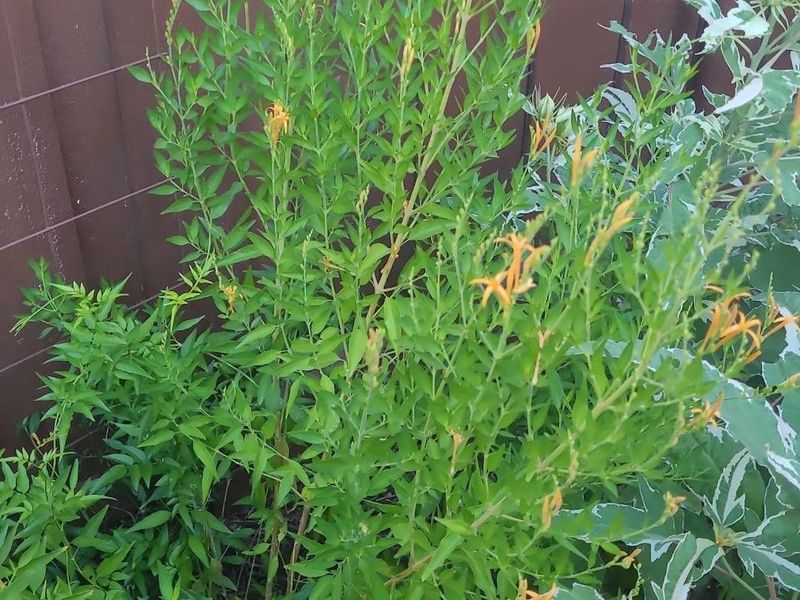
Arizona winters can fool you. A stretch of warm days in January feels like spring has arrived, and the temptation to get out and prune is real.
But pruning Desert Honeysuckle too early in the season is a gamble that does not always pay off, especially in parts of Arizona that still see frost well into February.
Cutting stimulates the plant. Even a light trim sends a signal that growing time has arrived, and the plant responds by pushing out new tender shoots.
Those fresh shoots have almost no cold hardiness. One hard frost after that and you end up with blackened, damaged growth that sets the plant back significantly.
Phoenix and the lower Sonoran Desert have fewer frost risks, but they are not frost-free. Gardeners in Tucson, Sedona, or any location above 2,000 feet elevation need to be especially careful.
Frost events in those areas can occur well into March in some years.
Watching the forecast is more reliable than following a calendar date. When nighttime lows are consistently staying above 40 degrees Fahrenheit and no frost is predicted for the next few weeks, that is a safer window to begin pruning.
Patience here genuinely protects the plant.
Waiting a few extra weeks costs nothing. Pruning too early and losing new growth to frost means the plant spends energy recovering instead of blooming.
In Arizona’s climate, letting the season fully settle before making cuts is always the smarter move for Desert Honeysuckle.
6. Waiting Until Frost Risk Passes Helps Protect New Growth
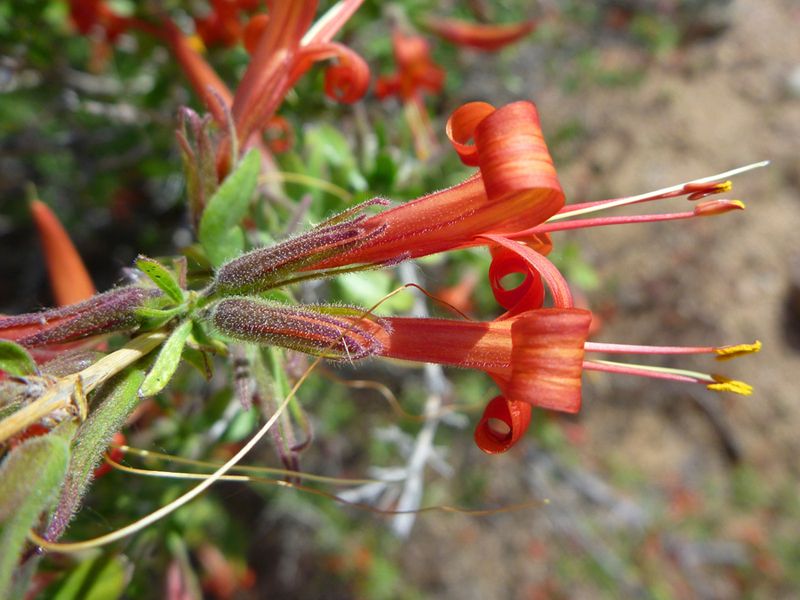
Patience pays off with Desert Honeysuckle. Waiting until frost risk has genuinely passed before pruning gives new growth the best possible start.
Once you make those cuts, the clock starts ticking on new shoot development, and you want warm, stable weather waiting on the other side.
In the Phoenix metro area, most gardeners can safely prune by mid-February in a typical year. Tucson gardeners often push toward late February or early March.
If you are gardening at higher elevations, waiting until March is not overcautious. It is just smart timing based on how Arizona weather actually behaves.
New growth that emerges after a well-timed late-winter pruning is strong and vigorous. Stems that push out into warm, settled weather establish quickly, develop good structure, and support heavy flowering.
Contrast that with growth forced out by early pruning that then gets hit by cold. That growth often looks stunted even after it recovers.
Keeping an eye on the ten-day forecast is a practical habit worth developing. Local Arizona weather can shift quickly in late winter, and a single cold night can undo weeks of careful plant management.
No forecast is perfect, but tracking conditions gives you better odds.
Protecting new growth is not just about surviving frost. It is about giving Desert Honeysuckle the energy and structure it needs to produce those brilliant red-orange blooms that make it such a standout in Arizona landscapes.
A little extra waiting in February means a much better show come spring and fall.
7. Occasional Pruning Is Enough To Maintain A Natural Look
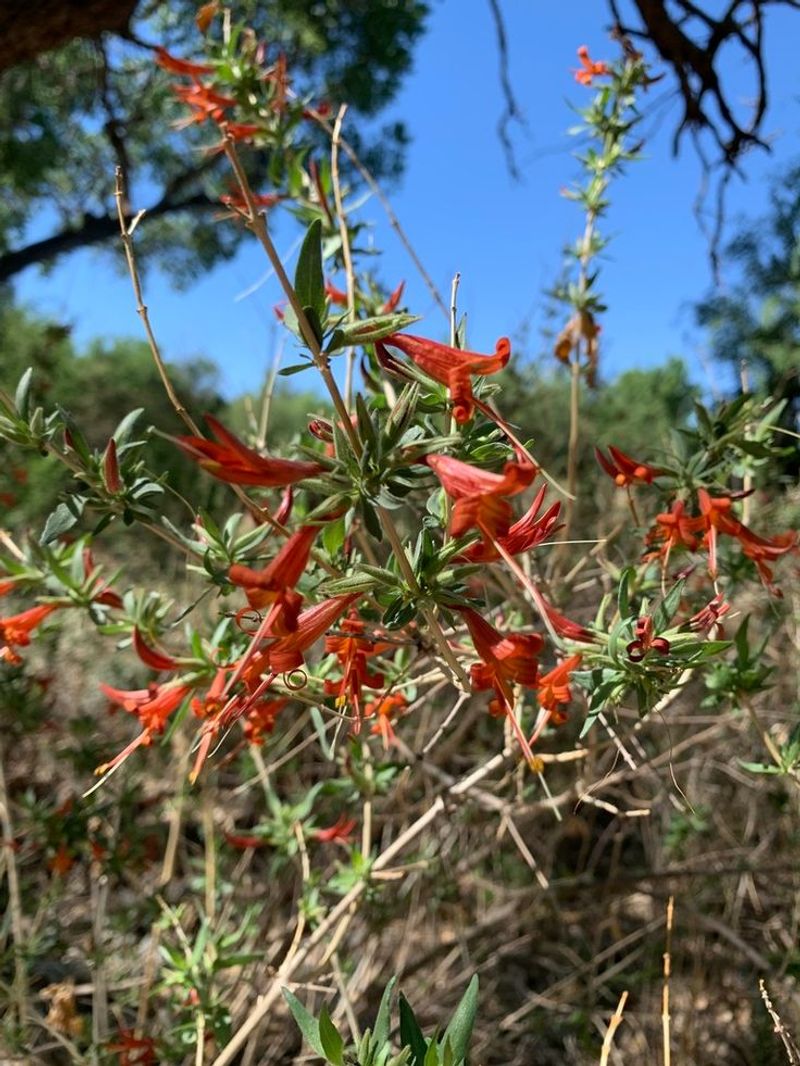
Not every plant in your Arizona yard needs constant attention, and Desert Honeysuckle is proof of that. Occasional pruning, done thoughtfully and at the right time, is genuinely enough to keep this shrub looking good year after year.
Chasing a perfectly manicured shape is not the goal and not what this plant is built for.
A natural look suits Desert Honeysuckle perfectly. Its arching stems and open branching structure have a relaxed quality that fits right in with Arizona’s desert aesthetic.
Trying to force it into a tight, formal shape requires constant cutting and usually makes the plant look worse, not better.
Every year or two, go through the plant and remove any stems that have crossed and are rubbing together, anything that has been damaged by cold or wind, and any branches that are pulling the overall shape way off balance.
That kind of selective editing takes maybe twenty minutes and makes a noticeable difference without disrupting the plant’s natural form.
After the spring bloom flush, a light tip trim on the longest stems can encourage more branching before the fall flowering season. That optional step adds a little density and increases the number of bloom tips available.
Skip it if the plant looks balanced already.
Arizona gardeners who resist the urge to over-manage Desert Honeysuckle are usually the ones with the healthiest, most floriferous plants.
Occasional, intentional pruning keeps the shrub thriving and looking naturally beautiful without turning into a recurring chore on your gardening calendar.