These 8 Native Plants Thrive In Arizona Front Yards When Planted In March
Arizona front yards can be hard to get right because what looks good at planting time does not always keep looking good once the heat settles in. That is why March matters more than many people realize.
It is one of those short windows when the weather is still workable, the soil is warming up, and plants have a real chance to settle before conditions turn much tougher.
For a lot of gardeners, this is when the front yard starts moving in a better direction or becomes another space that feels like too much work.
Native plants make that choice even more interesting because they already belong in this kind of climate. They are not just about using less water or playing it safe.
They can bring texture, color, and a more natural look that fits Arizona instead of fighting it. A front yard does not need to feel bare or overly designed to stand out, and the right plants planted at the right time can make that clear very quickly.
1. Desert Marigold Establishes Easily In Dry Soil When Planted In Early Spring
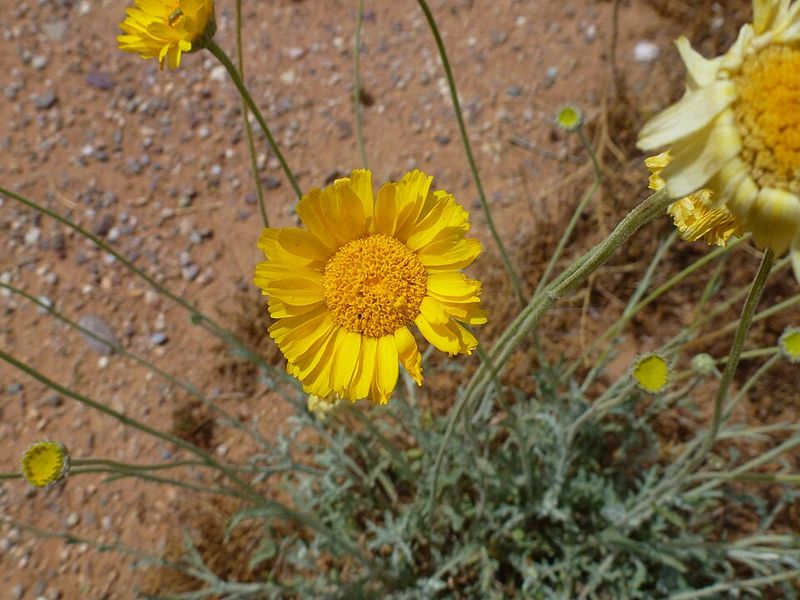
Bright yellow and almost impossible to ignore, Desert Marigold earns its spot in any Arizona front yard without much help from the gardener.
Baileya multiradiata pushes out cheerful, daisy-like blooms starting in early spring and keeps going all the way through November.
That is a long run for any flowering plant in the desert Southwest.
Planting in March lines up perfectly with its natural rhythm. Roots push down into the dry, sandy soil while temperatures are still reasonable, and by the time June heat arrives, the plant is already grounded and ready.
No coddling, no deep watering schedule, no drama. Dry, well-drained soil is exactly what it prefers.
In Tucson and Phoenix front yards, this plant tends to spread naturally over a couple of seasons, forming loose clusters of golden color that look wild in the best possible way. It reseeds itself without much fuss.
Deadheading spent flowers can encourage more blooms, but leaving them alone lets seeds scatter and fill gaps over time.
Full sun is non-negotiable. Shade slows it down and reduces flowering.
Give it open exposure and poor soil, and it will reward you with months of color. Few native plants deliver this kind of consistent performance across such a wide stretch of Arizona landscapes with so little asked in return.
2. Globe Mallow Settles In Quickly Before Extreme Heat Arrives
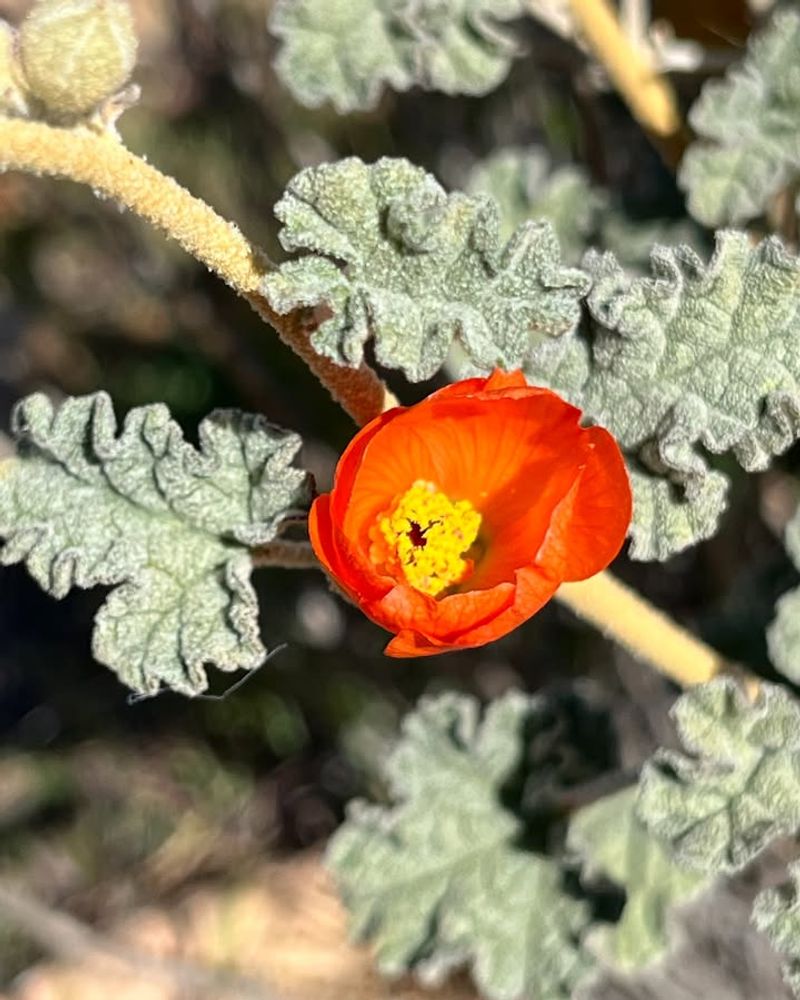
Walk past a Globe Mallow in full bloom and you will stop. Those small, cup-shaped flowers in shades of orange, coral, and occasionally pink have a way of pulling attention, especially against the dusty backdrop of an Arizona front yard.
Sphaeralcea ambigua is built for this landscape in every way that matters.
Planting in March gives it enough time to anchor itself before temperatures climb past 100 degrees.
Roots move quickly in loose, well-drained desert soil, which is exactly the kind of ground found across much of Phoenix, Scottsdale, and the surrounding desert communities.
Your Arizona Garden Changes Every Week. Your Plan Should Too.
Gardening in Arizona changes quickly throughout the season. Every Friday you’ll receive a simple weekly plan showing exactly what to plant, prune, fertilize, harvest, and protect so you never miss the right timing.
No amendments needed. No special prep.
Just get it in the ground while the soil is workable.
Blooms typically run from March through May, sometimes stretching longer if temperatures stay moderate. Pollinators, especially native bees, visit regularly.
Hummingbirds also show up for the nectar. Watching a healthy Globe Mallow hum with activity on a warm spring afternoon is genuinely satisfying.
One thing to keep in mind: Globe Mallow has tiny hairs on its leaves and stems that can irritate skin. Wearing gloves when handling it is smart.
Beyond that, it asks for very little. Occasional deep watering during the first summer helps, but after roots are established, rainfall alone often carries it through.
It is a tough, no-fuss plant that fits right into the Arizona desert without skipping a beat.
3. Penstemon Transplants Root Well When Planted In Early Spring
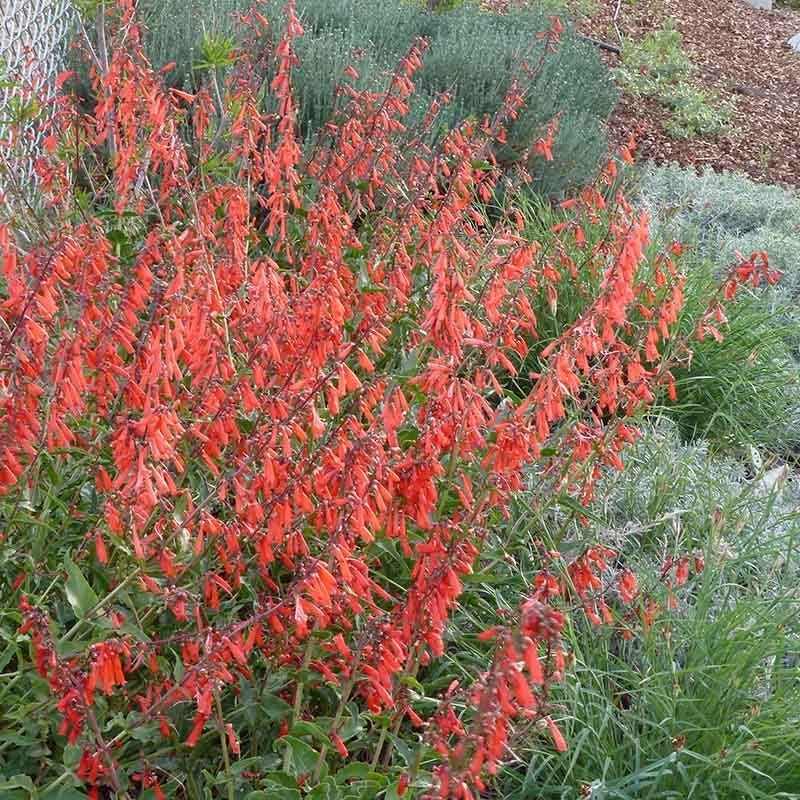
Red tubular flowers, hummingbirds hovering nearby, and a plant that practically ignores drought once it finds its footing. Firecracker Penstemon, known botanically as Penstemon eatonii, is one of those plants that earns serious respect from Arizona gardeners who have tried it even once.
Starting transplants in March takes advantage of cooler soil temperatures that help roots spread without stress. By April, blooms are already opening up, and the hummingbird traffic begins almost immediately.
Planting too late in the season, when soil temps spike, can slow establishment considerably. March is the sweet spot across most Arizona elevations.
Well-drained soil is essential. Heavy clay holds too much moisture around the crown and causes problems.
Sandy or gravelly desert soil, the kind found naturally across much of southern and central Arizona, suits it perfectly. Raised planting areas work well in spots where drainage is questionable.
Penstemon transplants from nursery containers tend to root faster than bare-root plants in Arizona conditions. Water regularly for the first four to six weeks, then pull back and let the plant adjust.
It blooms from April through July in most Arizona locations, with some variation depending on elevation. Leaving the seed stalks standing after flowering gives birds something to work with in late summer.
Few plants pack this much activity and color into a single growing season across the Arizona desert.
4. Fairy Duster Adapts Fast To Warm Dry Conditions After Planting
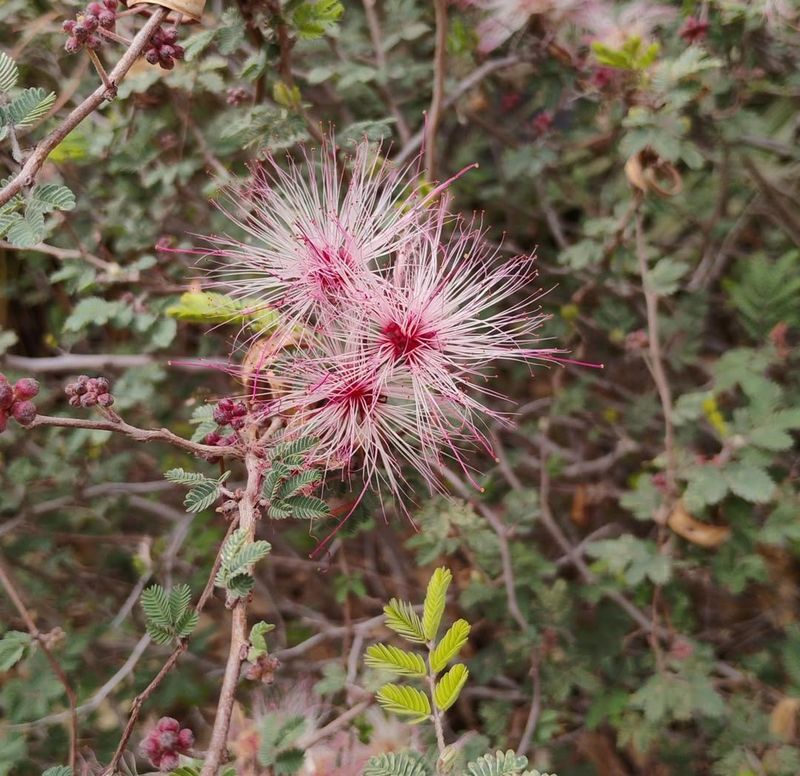
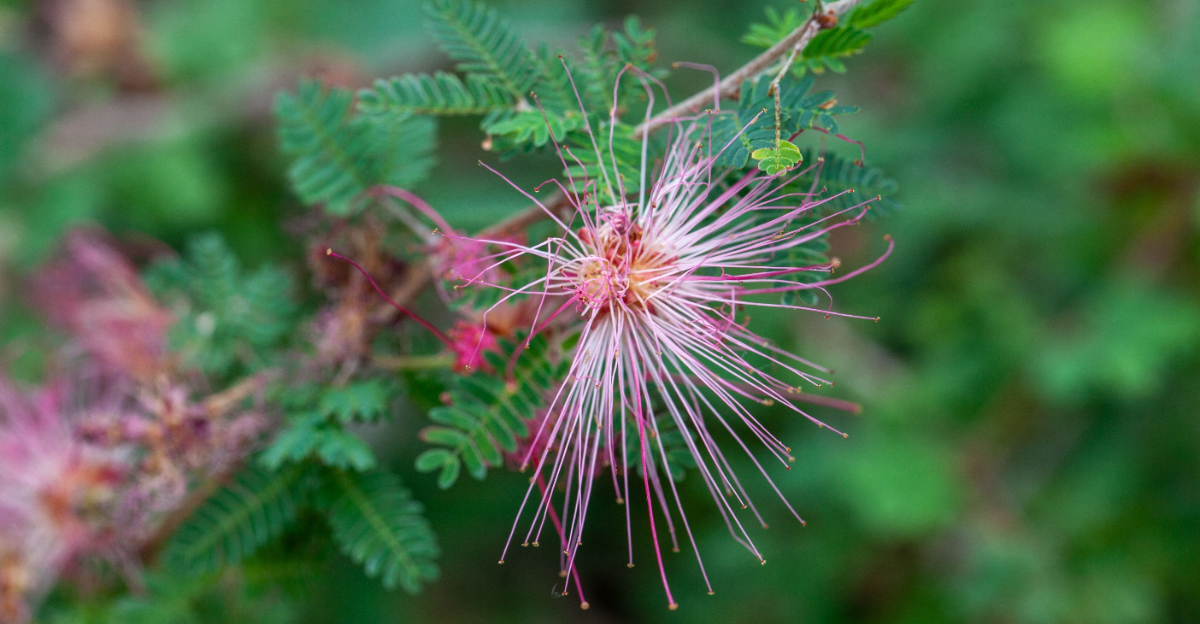
Soft and feathery, the pink blooms of Fairy Duster look almost too delicate for the harsh Arizona desert. But looks can be deceiving.
Calliandra eriophylla is tougher than it appears and adapts quickly once roots start finding their way through dry desert soil.
March planting works especially well because warm days and cool nights create ideal rooting conditions. Fairy Duster responds to that balance by pushing roots outward before heat intensifies.
By late spring, a March-planted shrub already looks settled and confident in its spot. Compared to fall-planted specimens, spring planting in Arizona often produces faster above-ground growth through the first season.
Hummingbirds are drawn to the blooms almost immediately after flowering begins in late winter and early spring. Native bees work the flowers too.
Positioning the plant near a window or porch where you can watch that activity adds real value to the front yard beyond just aesthetics.
Water every week or so for the first couple of months, then taper off as the plant finds its rhythm. Fairy Duster handles rocky slopes, sandy flats, and everything in between across Arizona.
Pruning lightly after the main bloom period keeps the shape tidy without sacrificing next season’s growth.
It stays relatively compact, usually reaching three to five feet in height, which makes it a practical choice for front yard borders and foundation plantings throughout the state.
5. Brittlebush Establishes Reliably When Planted Before Summer Heat
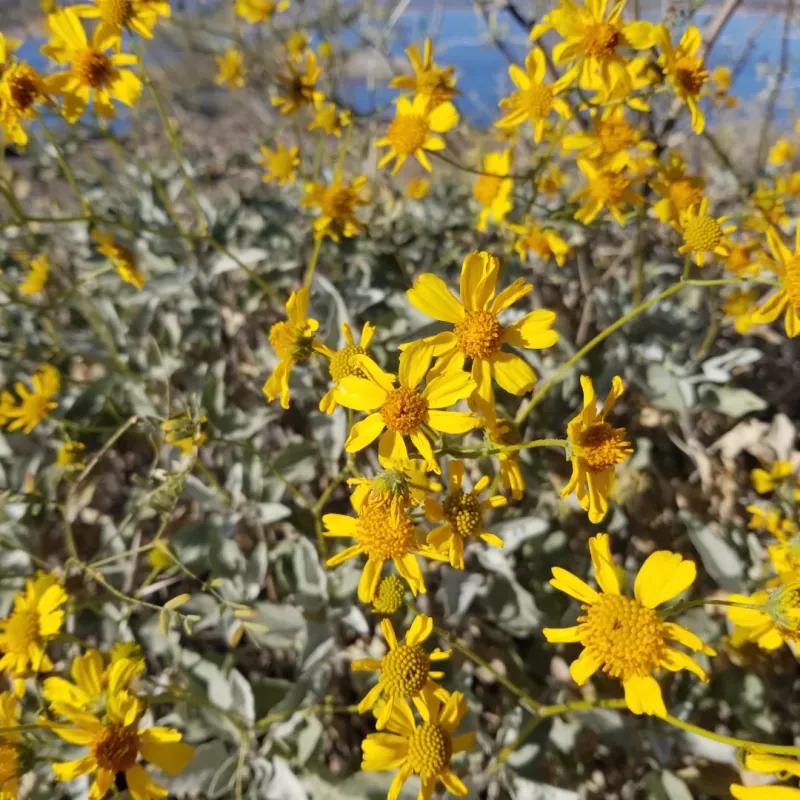
Silvery leaves catch the light in a way that makes Brittlebush stand out even when it is not blooming.
Add the bright yellow flowers that cover the plant from February through May, and you have one of the most visually striking native shrubs available to Arizona front yard gardeners.
Encelia farinosa handles poor soil better than almost any other native shrub in the state. Caliche, sandy loam, rocky hillside soil — none of it stops Brittlebush from getting comfortable.
Planting in March means roots have several weeks of moderate temperatures to spread before the first real heat wave hits. That early root development is what carries the plant through its first summer.
Water sparingly after planting. Too much moisture early on actually slows root development by reducing the plant’s incentive to search for water deeper in the soil.
A deep soak every ten to fourteen days during the first two months is plenty in most Arizona locations.
During extreme summer heat, Brittlebush may drop some of its leaves as a natural response to conserve moisture. That is normal and not a sign of trouble.
New growth returns once temperatures moderate in fall. Mature plants can reach four to five feet wide, so give them space from the start.
Crowding them near walkways or driveways leads to constant pruning work. Plant with room to spread and enjoy a genuinely low-effort native shrub year after year.
6. Blackfoot Daisy Grows Strong When Started In Early Spring
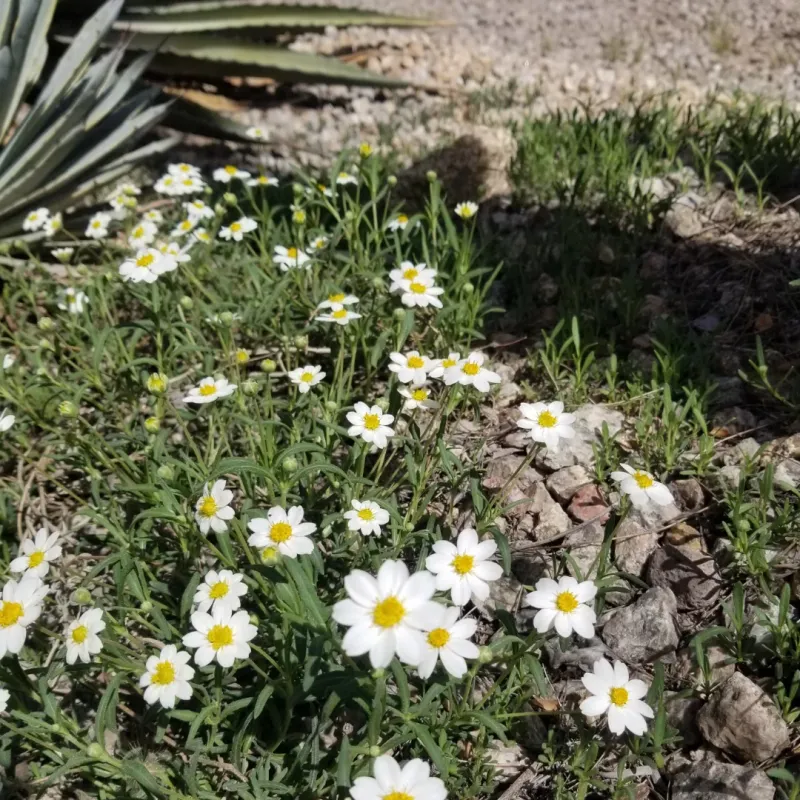
Compact, cheerful, and covered in small white flowers for months at a time — Blackfoot Daisy punches well above its size in an Arizona front yard.
Melampodium leucanthum is not a showstopper in the dramatic sense, but it brings a kind of steady, reliable beauty that holds a landscape together through long stretches of the growing season.
Starting plants in March gives them a full spring to root in before summer arrives. Blackfoot Daisy prefers lean, fast-draining soil.
Rich amended beds actually work against it by encouraging soft growth that struggles in intense desert heat. Stick to native soil, maybe with a little extra gravel mixed in, and the plant settles right in.
Blooms appear from spring through fall with only brief pauses. White petals with yellow centers attract small native bees and butterflies throughout the season.
In Tucson and other parts of southern Arizona, plants sometimes bloom nearly year-round during mild winters. That kind of staying power makes it one of the more dependable choices for front yard color.
Shear plants back lightly after heavy bloom periods to encourage fresh growth and continued flowering. Skip the heavy fertilizer.
Skip the rich mulch piled against the crown. Blackfoot Daisy wants to stay dry at the base.
Give it sun, give it space, and keep soil drainage sharp. Do those things and it will perform consistently across most Arizona front yard conditions without asking for much in return.
7. Parry’s Penstemon Establishes Best When Planted Before Heat Sets In
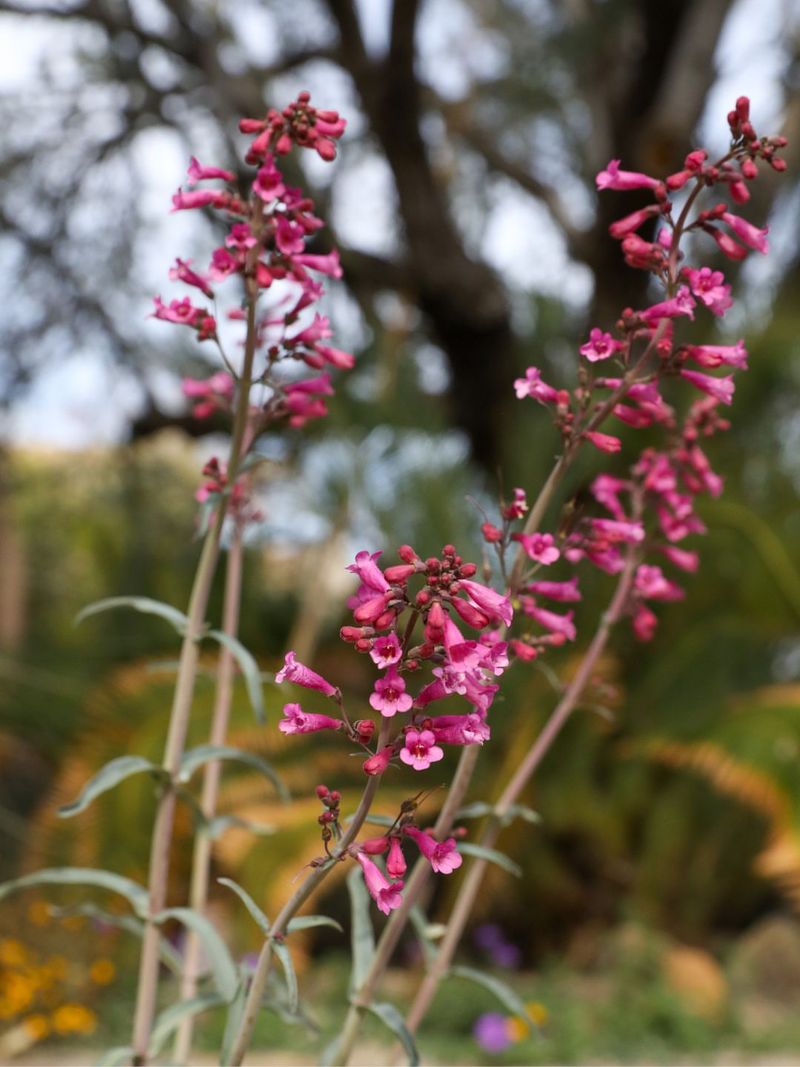
Tall spikes of rosy pink flowers rising two to four feet above the ground, with hummingbirds working every bloom — Parry’s Penstemon is one of those plants that makes Arizona gardeners genuinely excited about spring.
Penstemon parryi is native to the Sonoran Desert and looks completely at home in front yards across the Phoenix metro and Tucson areas.
Planting in March matters more for this species than for some others. Parry’s Penstemon needs several weeks of cool-to-warm soil temperatures to develop a strong root system.
Plant too late and the roots barely have time to settle before summer heat stresses the plant hard. Get it in the ground in early to mid-March and the difference in first-season performance is obvious.
Soil drainage is the most important factor. Parry’s Penstemon will not tolerate wet feet.
Rocky, sandy, or gravelly soil works best. Avoid low spots in the yard where water pools after rain or irrigation.
Raised planting mounds in heavier soils solve this problem quickly and inexpensively.
After the main spring bloom, let seed stalks dry and stand. Birds visit them through summer.
Cut stalks back in fall to tidy things up. Established plants need almost no supplemental water during winter and spring in most Arizona locations.
A deep soak every two to three weeks through the first summer is usually enough. It is a rewarding plant that delivers serious visual impact without demanding serious effort.
8. Arizona Milkweed Supports Pollinators And Establishes Well In Spring
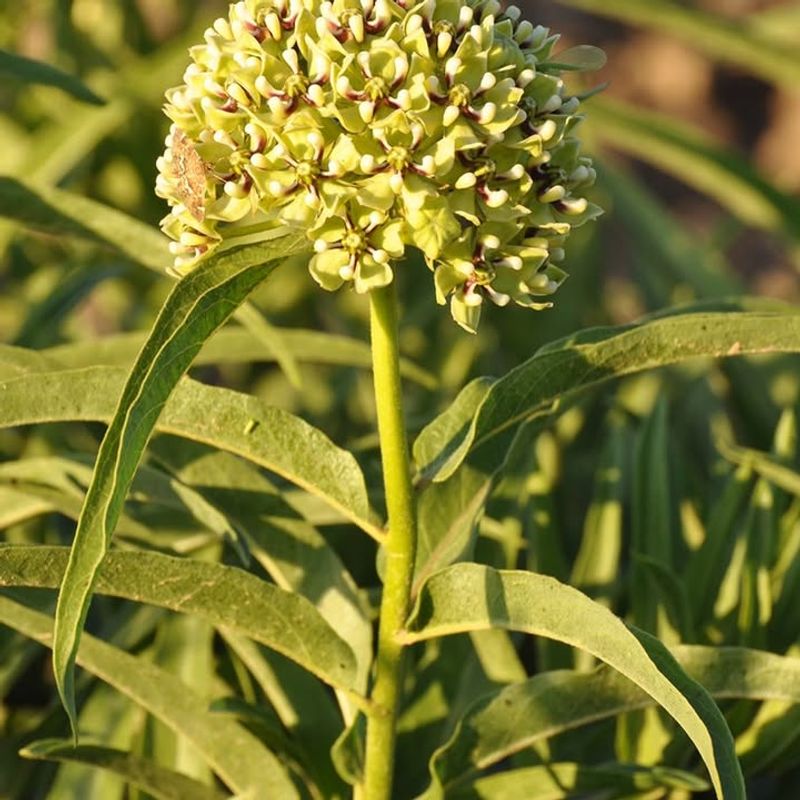
Monarch butterflies need milkweed to complete their life cycle, and Arizona Milkweed, Asclepias angustifolia, is one of the native species that supports them right here in the Southwest.
Planting it in March connects your front yard to something much larger than just curb appeal.
It is a direct contribution to pollinator health across the region.
March planting gives Arizona Milkweed time to root and push up new growth before the first monarchs and queen butterflies arrive in spring. Plants started from nursery containers root faster than seed-grown plants in the first season.
Either way, getting them in the ground early pays off. Roots spread steadily through loose, well-drained desert soil, and the plant grows more confident with each passing week.
Clusters of small pink and white flowers appear in spring and again after monsoon rains in late summer. Native bees, painted ladies, and several other butterfly species visit regularly alongside monarchs.
Positioning Arizona Milkweed in a spot that gets full sun most of the day maximizes both growth and pollinator traffic.
Avoid using pesticides anywhere near this plant. Even products considered safe for other plants can harm the caterpillars feeding on the leaves.
Cut plants back partway in late fall to encourage fresh growth the following spring. Water deeply but infrequently through the first summer.
After that, established plants handle Arizona’s dry seasons without needing much help from the garden hose.