7 Mistakes Georgia Gardeners Make When Growing Muscadine Vines
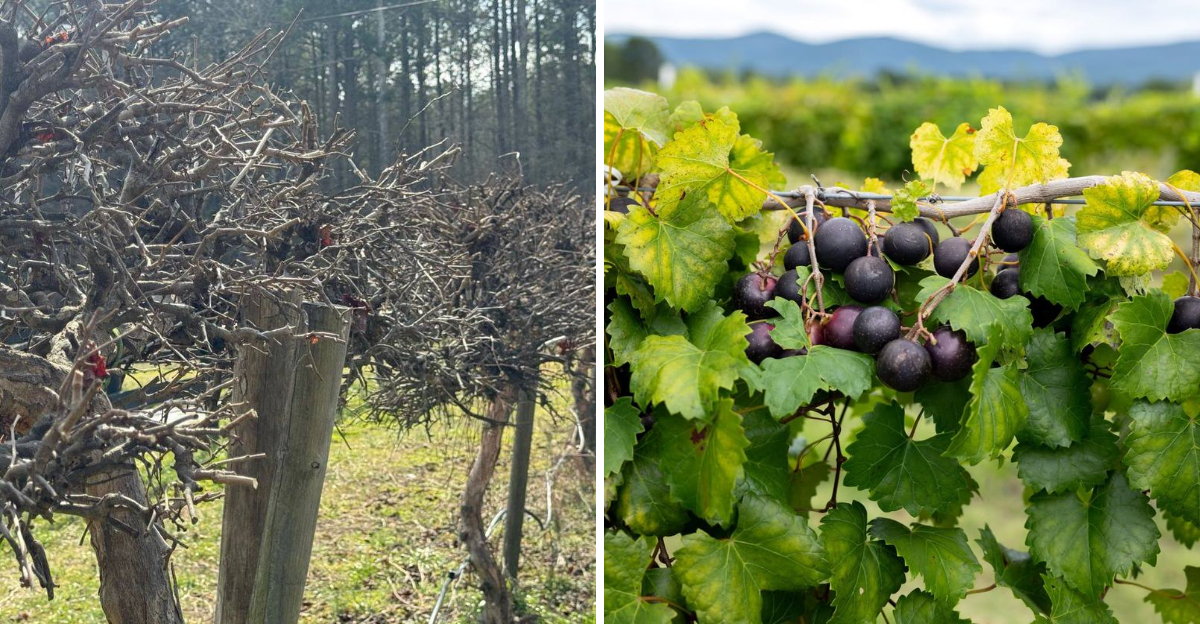
Muscadine vines can grow fast and look tough, but getting a good harvest out of them is not as simple as letting them do their thing. In Georgia, a few common mistakes can quietly limit fruit production, even when the vine looks healthy and full.
It often starts with small choices that seem harmless at first, like where the vine is planted, how it is trained, or when it is pruned. Over time, those decisions add up and affect how much fruit the plant actually produces.
The good news is that muscadines respond quickly when those mistakes are corrected.
With the right setup and timing, these vines can turn into one of the most reliable and productive parts of the garden, giving you strong growth and a much better harvest season after season.
1. Planting Muscadines In Poorly Drained Soil
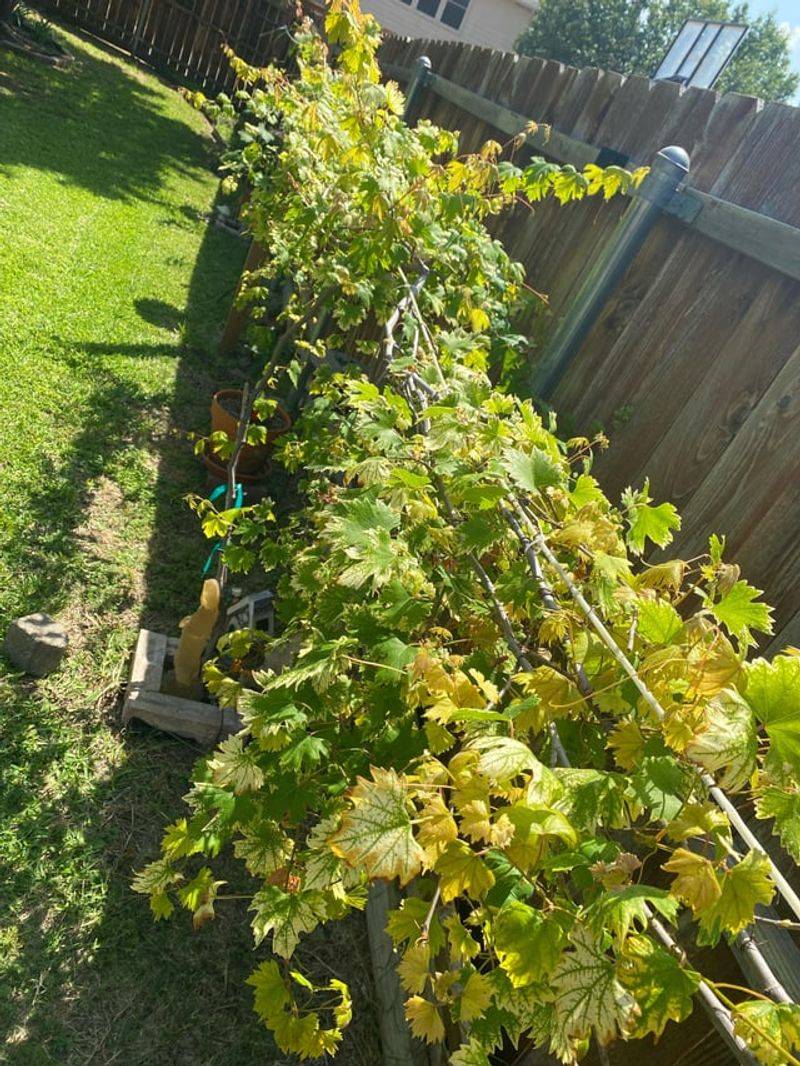
Soggy roots are a muscadine vine’s worst enemy. Georgia’s clay-heavy soils are notorious for holding water, and if you plant without thinking about drainage first, you are setting yourself up for a struggling vine from day one.
Muscadines need soil that drains well between waterings. When water sits around the roots for too long, the root system weakens and the vine has a hard time pulling in the nutrients it needs.
Fruit production drops, new growth slows down, and the whole plant looks worn out even in good weather.
Before you plant, do a simple drainage test. Dig a hole about 12 inches deep, fill it with water, and see how long it takes to drain.
If water is still sitting there after a few hours, you need to either amend the soil or choose a different spot entirely.
Raised beds and slightly sloped planting areas work really well across Georgia, especially in regions with heavy red clay. Adding compost or coarse sand to your planting hole can improve drainage significantly.
Aim for a soil pH between 6.0 and 6.5 for best results. Getting the soil right before planting saves a lot of frustration down the road.
Planting the vine slightly above the surrounding soil line helps excess water drain away from the roots instead of pooling around the base.
2. Growing Vines Without A Strong Trellis Support System
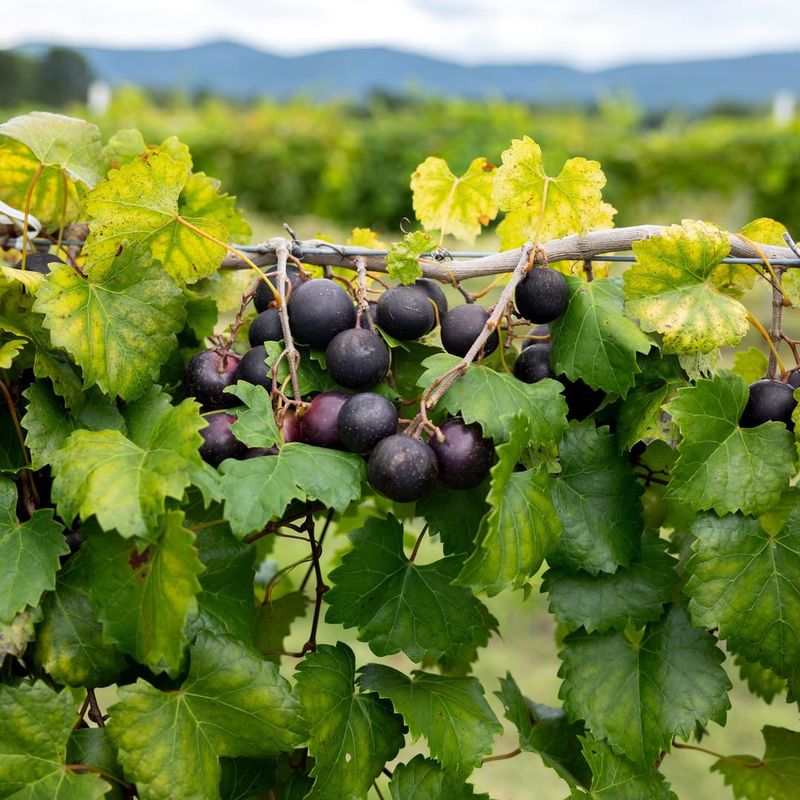
A muscadine vine loaded with fruit is heavier than most people expect. Skimping on the trellis is one of those mistakes that feels minor at first, but by late summer in Georgia, you will regret it when the whole structure leans or collapses under the weight.
Wooden posts should be at least four inches in diameter and set at least two feet into the ground. End posts need to be anchored at an angle or braced to handle the tension of the wire.
Using thin stakes or lightweight fencing wire just does not hold up over time, especially through Georgia’s humid summers and occasional storms.
Two popular setups work well for home gardens here: the single-wire trellis and the double curtain system. Single-wire trellises are easier to build and maintain.
Double curtain systems take more effort but can increase your fruit yield because more of the vine gets direct sun exposure.
Your Georgia Garden Changes Every Week. Your Plan Should Too.
Gardening in Georgia changes quickly throughout the season. Every Friday you’ll receive a simple weekly plan showing exactly what to plant, prune, fertilize, harvest, and protect so you never miss the right timing.
Space your posts no more than 20 feet apart and use at least 9-gauge galvanized wire. Plan your trellis before you plant so the vine grows into the right structure from the start.
Retrofitting a trellis around an established vine is frustrating work that most Georgia gardeners wish they had avoided.
Training young vines early along the wire makes a big difference, since proper structure in the first year leads to stronger growth and better fruiting later on.
3. Pruning At The Wrong Time Of Year
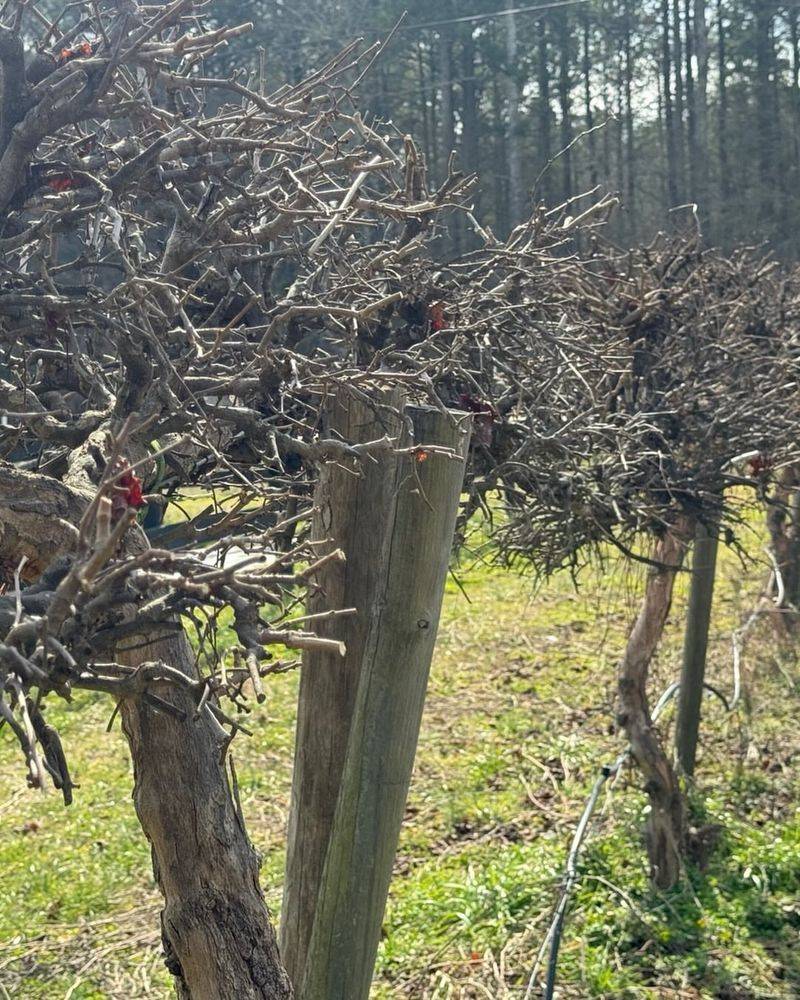
Timing your pruning wrong can set back a muscadine vine by an entire growing season. Cutting too early in fall leaves the vine vulnerable to cold damage, and pruning too late in spring means you are cutting off growth that already has energy invested in it.
Late winter is the sweet spot for Georgia, typically between January and early March. At that point, the vine is still dormant but temperatures are starting to creep up.
You want to prune before the buds begin to swell and push out new growth.
Muscadines produce fruit on new growth that sprouts from last year’s wood. Removing about 90 percent of the previous year’s growth sounds aggressive, but it is exactly what keeps the vine productive.
Leaving too much old wood crowds the canopy, reduces airflow, and limits how much sunlight reaches the fruiting zones.
Use sharp, clean bypass pruners for smaller shoots and loppers for thicker canes. Dull blades tear the wood and create rough wounds that are slow to heal.
In Georgia’s warm, humid climate, clean cuts matter more than people realize because moisture and warmth create ideal conditions for fungal problems to take hold on damaged wood.
Expect some sap bleeding if pruning runs a bit late, which looks dramatic but does not harm the vine or reduce fruit production.
4. Overwatering Established Muscadine Vines
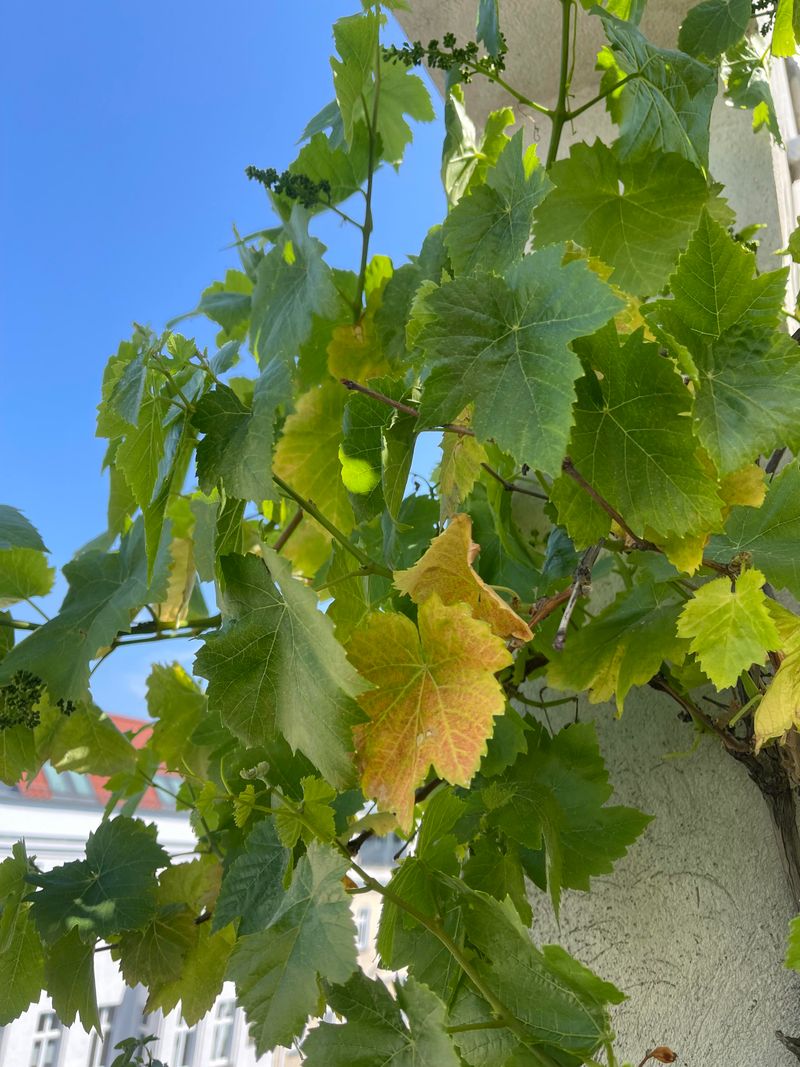
Watering a muscadine vine too much is more common than underwatering, and it causes real problems that are easy to misread. Yellow leaves and slow growth often get blamed on nutrient deficiencies, but overwatering is frequently the actual cause.
Young vines in their first two years need consistent moisture to get established, but once a muscadine has been in the ground for a couple of seasons, it develops a surprisingly deep and capable root system.
At that point, frequent shallow watering does more harm than good.
Across Georgia, summer rainfall is often enough to carry established vines through without supplemental irrigation. Check the soil a few inches down before watering.
If it still feels moist, hold off. During dry stretches, deep watering once a week is far better than light daily watering that keeps the surface wet but never encourages roots to grow deeper.
Drip irrigation works really well for muscadines because it delivers water directly to the root zone without wetting the foliage. Wet leaves in Georgia’s humid summers are an open invitation for fungal diseases.
Cutting back on unnecessary watering is one of the simplest adjustments you can make to keep your vines healthier through the season.
Allowing the top layer of soil to dry slightly between waterings encourages deeper root growth and helps the vine become more drought-tolerant over time.
5. Skipping Annual Pruning And Letting Vines Overgrow
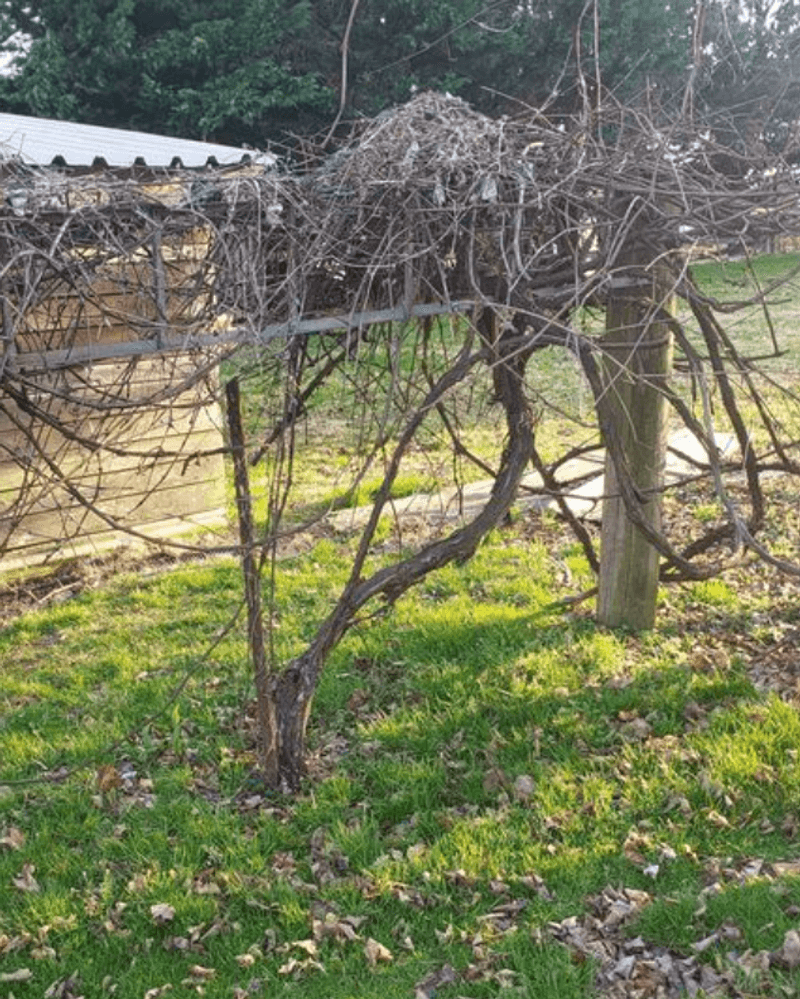
Walk past a neglected muscadine vine in Georgia after a few years without pruning, and you will see a tangled wall of wood and leaves that looks impressive but produces very little fruit. Overgrown vines are one of the most common sights in older Georgia gardens.
Skipping pruning for even one season makes the following year’s job significantly harder. Canes pile on top of each other, sunlight cannot reach the interior of the vine, and the fruiting spurs get buried under layers of unproductive old wood.
Fruit clusters end up small, scattered, and hard to reach at harvest.
Annual pruning keeps energy focused where you want it. A well-pruned vine pushes that energy into new fruiting shoots rather than wasting it on maintaining a huge mass of old canes.
You get better clusters, cleaner fruit, and a vine that is actually manageable to work with.
If you have inherited a severely overgrown vine, do not try to fix it all in one season. Gradual renovation over two or three years is easier on the plant and gives you better results.
Remove the most congested and unproductive wood first, then work your way toward a proper framework over time. Georgia gardeners who commit to annual pruning almost always report noticeably better harvests.
Keeping the main structure limited to a few strong arms along the trellis helps maintain airflow and makes future pruning much easier.
6. Planting Only One Vine Without Checking Pollination Needs
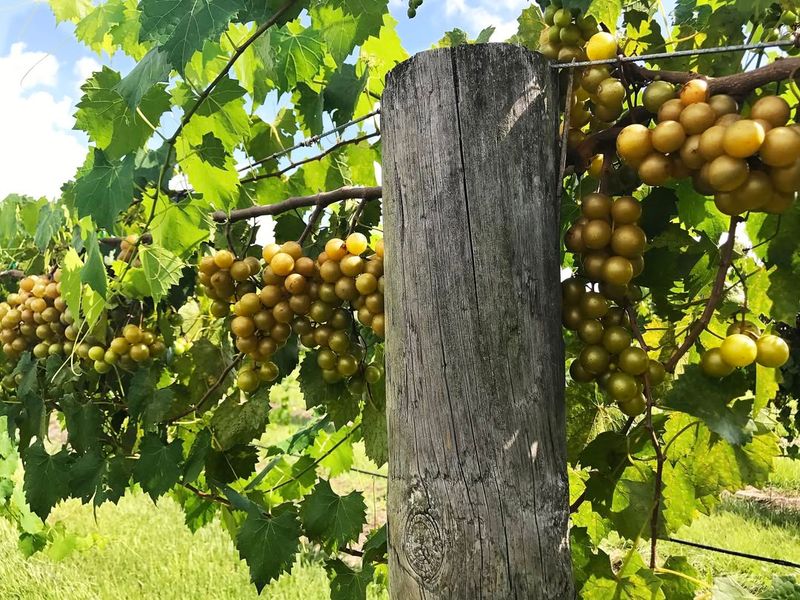
Buying one muscadine vine and expecting a full harvest is a mistake that catches a lot of Georgia gardeners off guard. Muscadines are not all the same when it comes to pollination, and ignoring this detail means you might get almost no fruit at all.
Muscadine varieties fall into two categories. Some have perfect flowers, meaning they carry both male and female parts and can pollinate themselves and others.
Others are female-only varieties that produce fruit only when pollen is available from a nearby perfect-flowered vine.
Popular Georgia varieties like Fry and Jumbo are female types that need a pollinator. Carlos and Cowart are perfect-flowered and work well as pollinators.
Planting one perfect-flowered vine for every three or four female vines is a standard recommendation from University of Georgia extension resources.
Before buying, check the tag or ask your nursery specifically whether the variety is self-fertile or requires a pollinator. Many nurseries in Georgia carry both types, but the labels are not always clear.
Planting the wrong combination and waiting a full growing season to discover the problem is a frustrating experience that is completely avoidable with a quick question before you buy.
Vines should be planted within about 50 feet of each other to ensure reliable pollination, since bees and insects do most of the work.
Bloom timing also needs to overlap, so choosing varieties that flower at the same time helps guarantee a consistent fruit set.
7. Choosing The Wrong Variety For Local Conditions
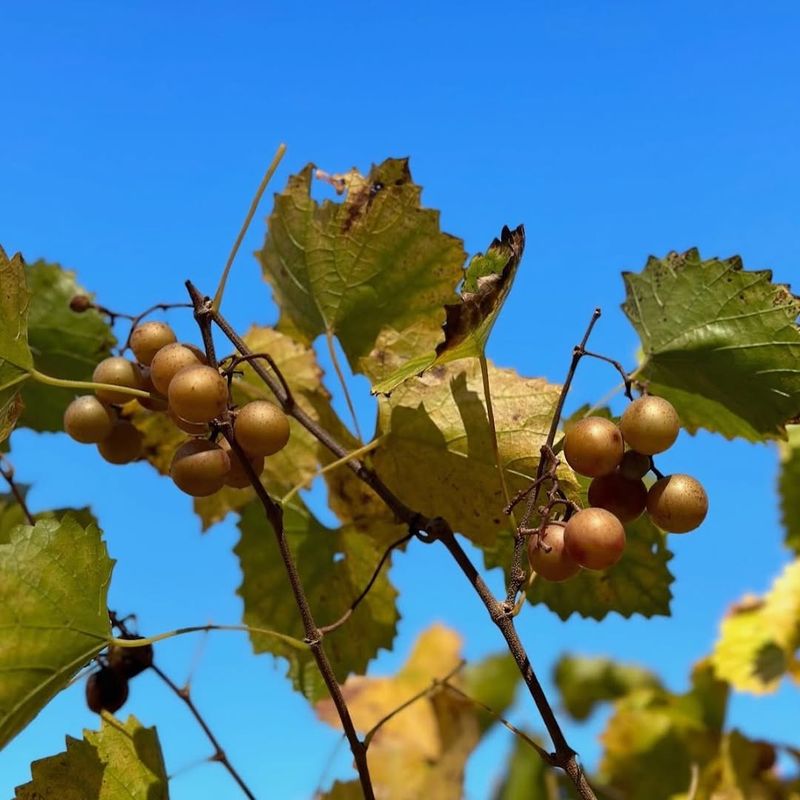
Not every muscadine variety performs equally well across Georgia, and picking the wrong one based on looks or a neighbor’s recommendation can lead to years of underwhelming results.
Georgia has distinct growing regions, and variety selection actually matters more than most people think.
Varieties developed specifically for the Southeast tend to handle Georgia’s heat, humidity, and occasional late frosts much better than varieties bred for other climates.
Carlos, Tara, and Noble are well-tested varieties that perform reliably in Georgia’s conditions. Newer releases like Ison and Summit have also earned strong reputations among Georgia growers.
Bronze-fruited varieties like Carlos tend to be slightly more disease-resistant, which is a real advantage in humid regions of the state.
Think about what you actually want from the vine too. Some varieties are better for fresh eating, others for juice or wine.
Skin thickness, sweetness, and seed size vary quite a bit between cultivars.
Visiting a local Georgia agricultural extension office or a reputable nursery that specializes in southeastern fruit crops is one of the best moves you can make before committing to a variety you will be tending for years.
Self-fertile varieties produce fruit on their own, while female types need a compatible pollinator nearby to set a full crop.
Ripening times vary between cultivars, so planting a mix can extend harvest from late summer into early fall.