8 Heat-Loving Plants That Bring Hummingbirds To Tucson, Arizona Gardens
Hummingbirds are always searching for reliable nectar sources, and in Tucson, Arizona, they are drawn to gardens that offer bright blooms able to handle intense heat without slowing down.
The right plants make all the difference, especially when many flowers struggle once temperatures rise and dry conditions settle in.
What sets these plants apart is their ability to keep blooming through the toughest parts of the season while still producing the nectar hummingbirds depend on.
Instead of fading out early, they stay consistent and continue attracting visitors when other parts of the garden start to lose momentum.
With a thoughtful mix, the entire space begins to feel more active and alive, filled with movement and color that repeats day after day.
It is one of the simplest ways to create a garden that not only survives Tucson conditions but feels vibrant and full of life throughout the season.
1. Red Yucca Produces Nectar Rich Blooms Hummingbirds Visit Often
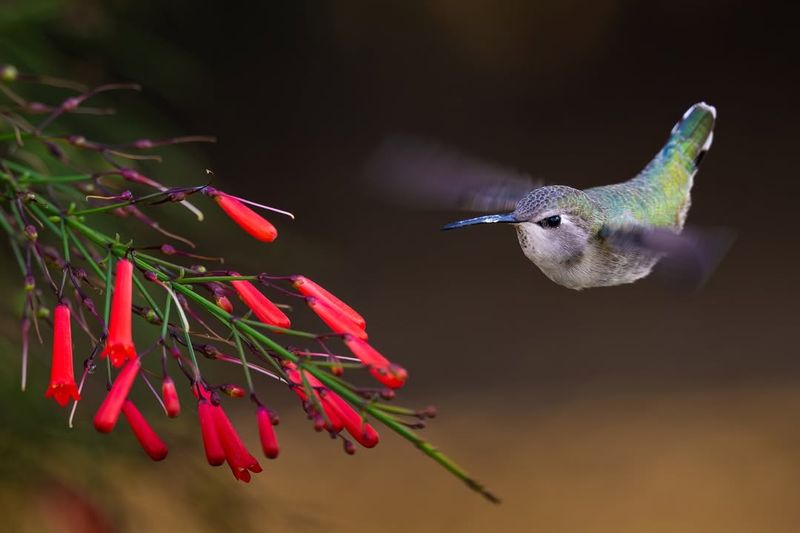
Coral-pink flower stalks shooting four to six feet into the air are hard to miss, and hummingbirds do not miss them either.
Red Yucca, known scientifically as Hesperaloe parviflora, pushes up those tall spikes loaded with tubular blooms that are basically custom-built for a hummingbird’s bill.
In Tucson, where summer temperatures regularly crack 100 degrees, Red Yucca barely flinches.
Bloom season stretches from late spring into summer, which lines up perfectly with the busiest hummingbird activity in southern Arizona. A single plant can carry multiple flower stalks at once, giving birds plenty of options without having to travel far.
Plant it in full sun with rocky or sandy soil, and it rewards you season after season without much fuss from you.
Red Yucca also holds up beautifully against the brutal Tucson monsoon season. Rain does not rot it, and drought does not slow it down much either.
Clumps spread gradually over the years, so one plant eventually becomes a small colony of blooming stalks.
Hummingbirds, especially Anna’s and Costa’s, return to the same plants repeatedly, almost like they have a regular route mapped out through your yard.
This kind of consistency makes it one of the most dependable nectar sources in desert landscapes. It quickly becomes a regular stop that hummingbirds rely on throughout the season.
2. Baja Fairy Duster Attracts Hummingbirds With Bright Red Flowers
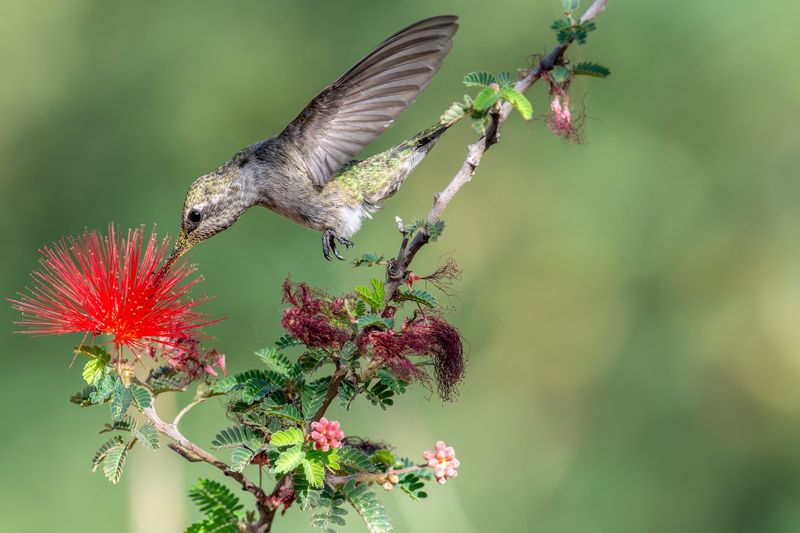
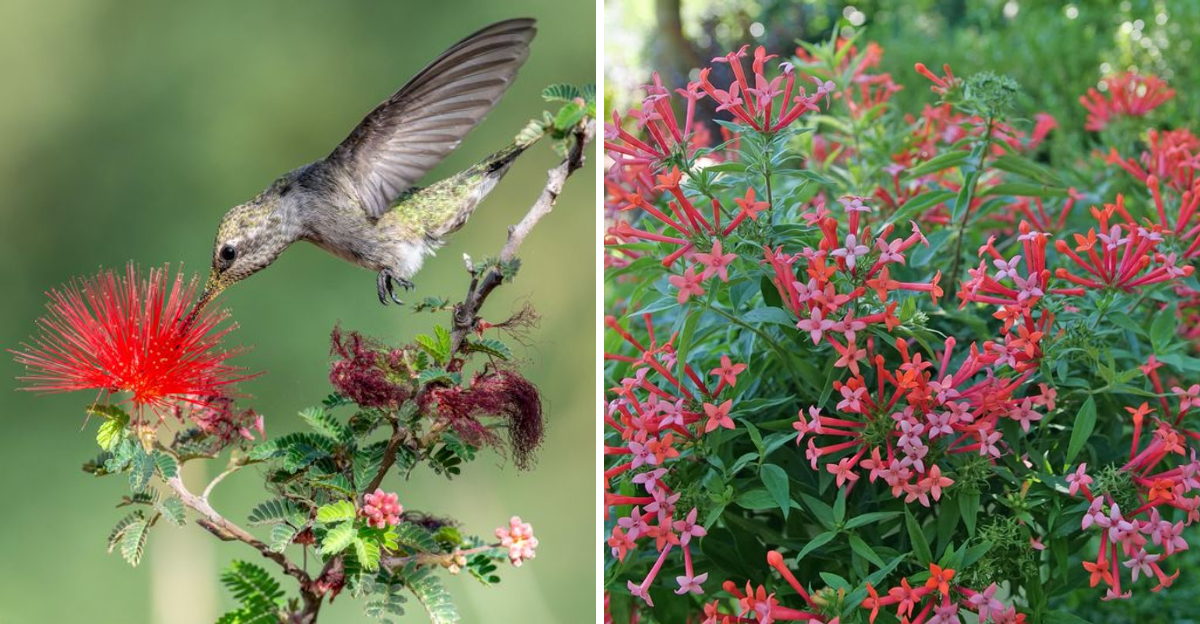
Walk past a Baja Fairy Duster in full bloom and you will stop in your tracks. Calliandra californica produces these wild, brushy red flowers that look almost like something from a tropical garden, yet this plant is completely at home in the Sonoran Desert heat.
Tucson gardeners who want big visual impact alongside serious hummingbird traffic should keep this one near the top of their list.
Unlike its pink-flowered cousin, the Baja variety goes bright red, which is practically a neon sign for hummingbirds. Bloom time is generous, often running from late winter through spring and picking back up after monsoon rains arrive in July.
Birds probe those fluffy stamens looking for nectar, and the plant produces enough blooms to keep multiple visitors busy at once.
Your Arizona Garden Changes Every Week. Your Plan Should Too.
Gardening in Arizona changes quickly throughout the season. Every Friday you’ll receive a simple weekly plan showing exactly what to plant, prune, fertilize, harvest, and protect so you never miss the right timing.
Size-wise, expect a rounded shrub reaching about four to six feet tall and wide. It fills in fast and handles reflected heat from walls and pavement better than most plants.
In Tucson neighborhoods where south-facing walls bake everything nearby, Baja Fairy Duster actually seems to enjoy the extra warmth. Pair it with desert willow or red yucca for a layered planting that feeds hummingbirds across different heights and seasons.
It would be best to plant it in well-drained soil and avoid overwatering, since overly wet conditions can weaken growth and reduce flowering.
Once established, it needs very little maintenance beyond occasional shaping, making it a reliable choice for keeping hummingbirds coming back without constant care.
3. Chuparosa Blooms In Cooler Months And Feeds Early Migrators
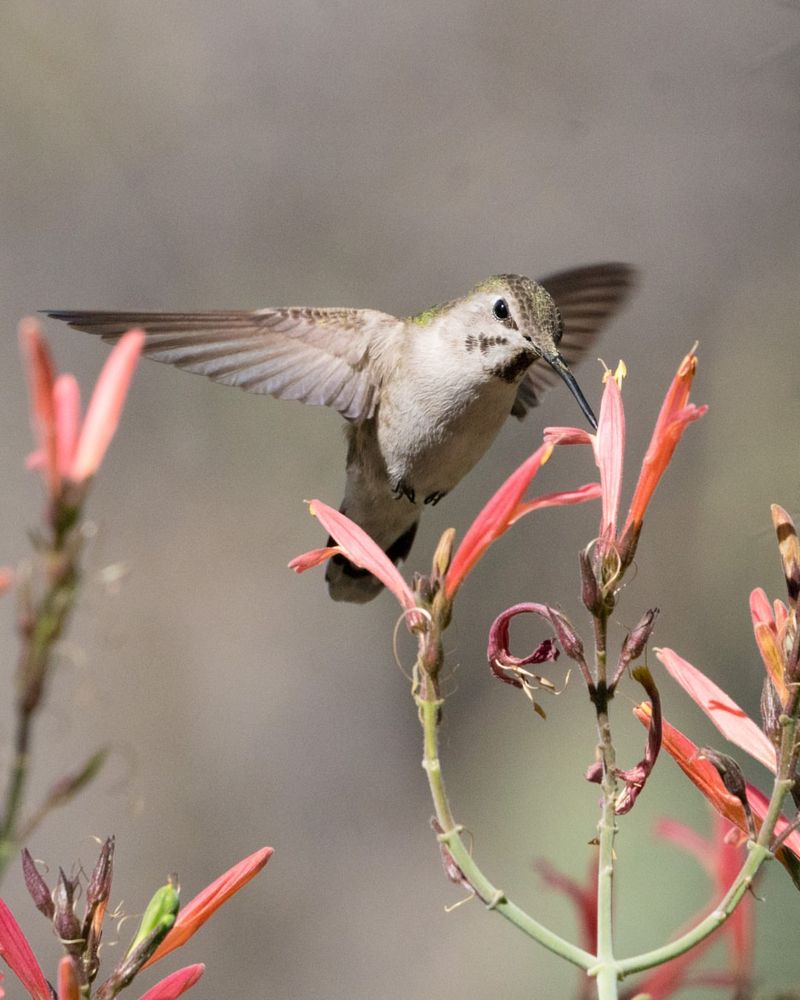
Its name literally translates to hummingbird in Spanish, so you already know what this plant is about. Chuparosa, or Justicia californica, starts blooming when most of the garden is still bare and quiet, often as early as January or February in the Tucson area.
That timing matters a lot because early migrating hummingbirds arrive hungry and need food sources before much else is flowering.
Bright red-orange tubular blooms cover the stems while the plant is still mostly leafless, creating a striking look against the pale desert background. Hummingbirds zero in on those flowers almost immediately.
Costa’s hummingbirds, which winter in southern Arizona, rely heavily on Chuparosa when other nectar sources are scarce in the colder months.
Chuparosa grows as a loose, arching shrub reaching three to five feet in height. It handles full sun, reflected heat, and dry conditions without complaint.
In Tucson’s lower elevations and desert washes, you can find it growing wild, which tells you how well adapted it is to local conditions.
Plant it where you can see it from a window, and you will likely catch hummingbird visits even on cool winter mornings when you least expect them.
It drops its leaves during extended dry periods, which helps it conserve moisture and stay alive through tough desert stretches.
Pruning should be minimal and timed after flowering, since cutting too early can remove the very stems that produce those early-season blooms.
4. Desert Honeysuckle Provides Tubular Flowers Hummingbirds Prefer
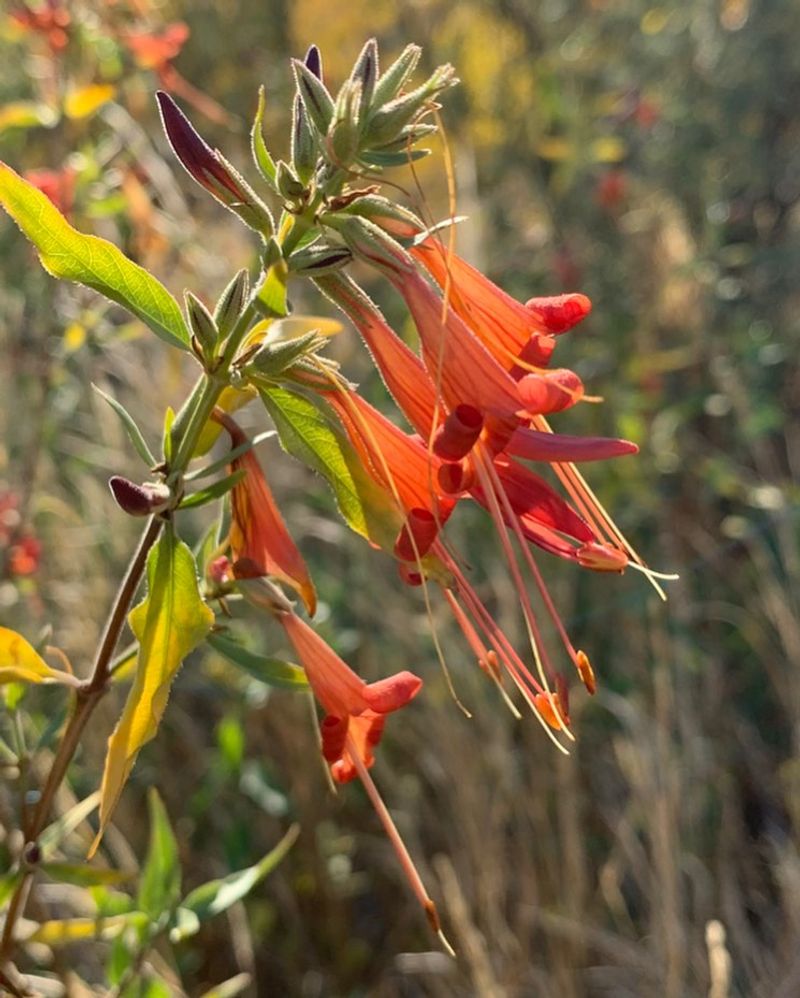
Bright orange-red tubes packed with nectar, Desert Honeysuckle is one of those plants that almost seems designed with hummingbirds specifically in mind. Anisacanthus thurberi is native to the Sonoran Desert region, and Tucson gardens are exactly where it belongs.
Put it in full sun, give it decent drainage, and step back because it handles itself from there.
Bloom time runs from summer into fall, which fills a gap when some spring bloomers have already finished. That late-season nectar is critical for hummingbirds preparing for fall migration, especially Rufous and Broad-tailed hummingbirds moving south through the Tucson corridor in August and September.
Having reliable food sources during that window can make your yard a regular stop on their migration route.
Plants grow into tidy four to five foot shrubs with a slightly open structure that birds navigate easily. Foliage is fine-textured and pleasant looking even when the plant is not in bloom.
After monsoon rains hit in July, Desert Honeysuckle often pushes out a flush of new growth and flowers that coincides perfectly with peak hummingbird migration.
Combining it with Chuparosa creates a near year-round nectar calendar that keeps birds coming back to your Tucson yard in every season.
A light trim after the main bloom cycle helps keep the shape clean without cutting into future flower production.
Well-drained soil and occasional deep watering are enough to keep growth steady, even through long stretches of heat.
5. Ocotillo Sends Up Flower Spikes That Draw Spring Visitors
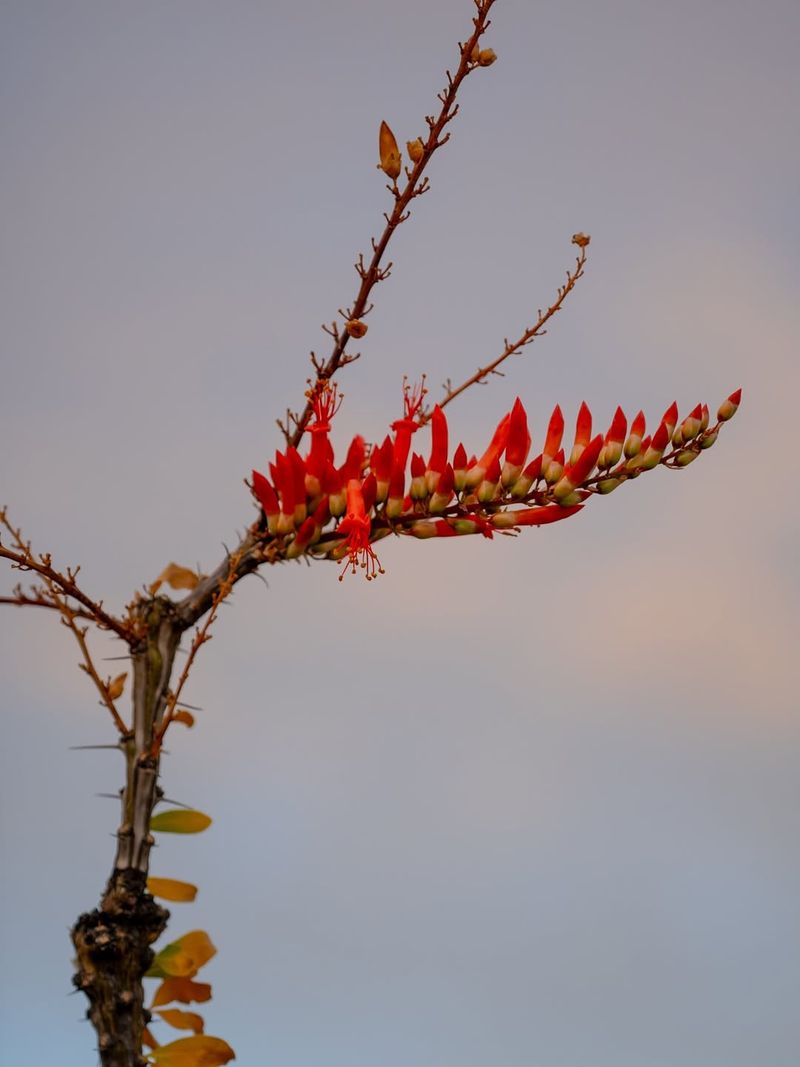
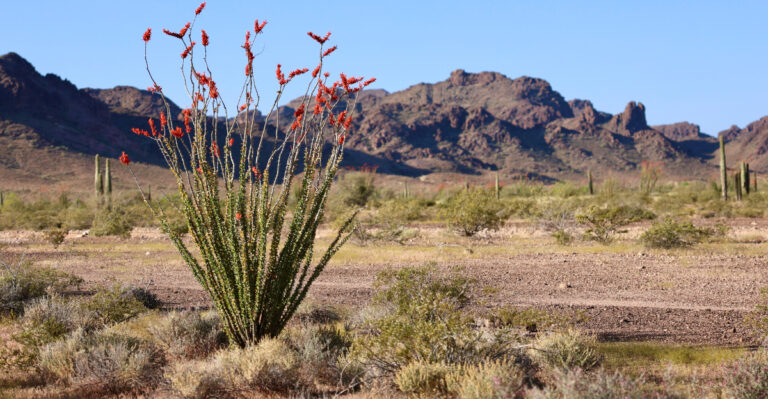
Few plants command as much attention in a Tucson yard as Ocotillo in full bloom.
Fouquieria splendens sends up those tall, spiny canes topped with clusters of brilliant red-orange flowers that are visible from a distance, and hummingbirds seem to find them from just as far away.
Spring is when Ocotillo really puts on a show, often coinciding with the arrival of migrating hummingbirds moving north through southern Arizona.
Costa’s and Black-chinned hummingbirds are particularly fond of those flower clusters, hovering at the tips of canes that can reach ten to fifteen feet tall.
Watching a tiny bird work its way up a towering Ocotillo is one of those Tucson garden moments you do not forget quickly.
Bloom timing often tracks rainfall, so plants that receive winter or early spring moisture tend to flower more heavily.
Ocotillo needs very little from you beyond a sunny spot and well-drained soil. It drops its leaves during dry spells and leafs back out after rain, which is completely normal behavior for this plant.
Transplanted Ocotillo can take a season or two to settle in, so patience pays off. Once it gets established in your yard, it becomes one of the most structurally dramatic and wildlife-friendly plants you own.
Proper planting orientation matters, since keeping the original south-facing side in the same direction helps reduce transplant stress and improves establishment success.
6. Penstemon Offers Nectar Filled Tubes Ideal For Hummingbirds
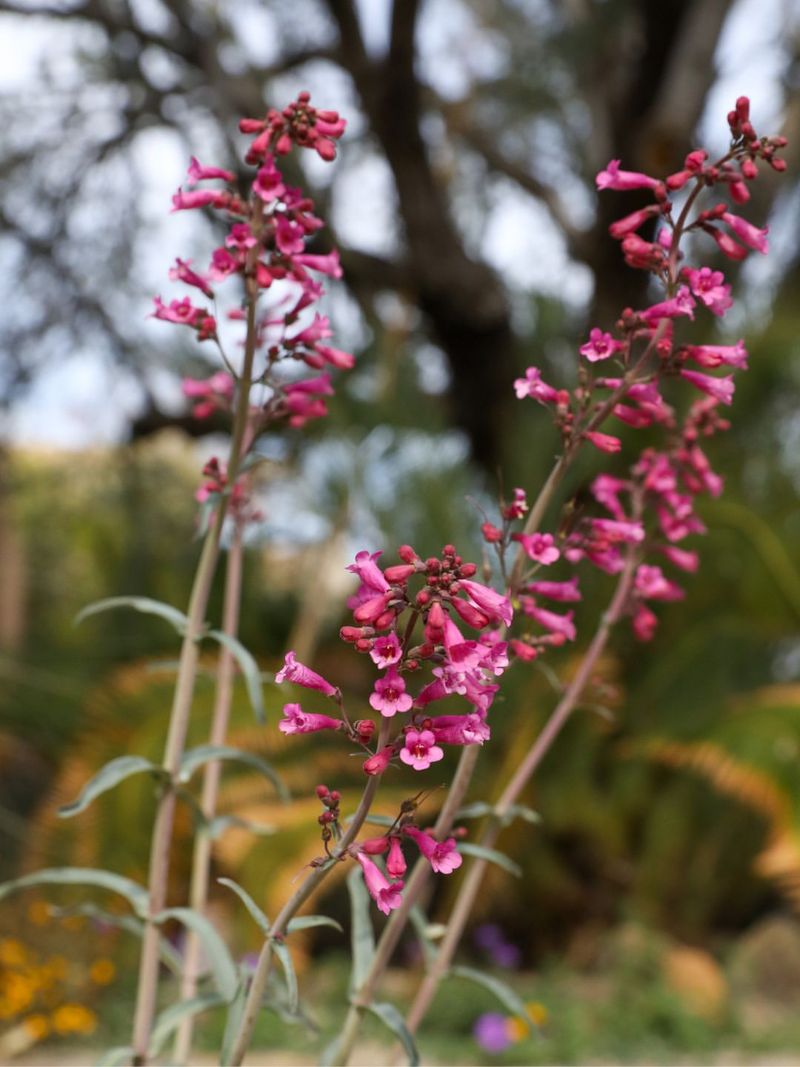
Ask any experienced Tucson gardener which perennials pull the most hummingbird visits in spring, and Penstemon comes up almost every time.
Several species do well in southern Arizona, including Penstemon parryi and Penstemon superbus, both producing tall flower spikes packed with narrow tubular blooms in shades of pink, red, and coral.
Hummingbirds are built for exactly this type of flower.
Bloom season typically runs from February through April, which aligns with hummingbird migration timing through the Tucson region.
A cluster of Penstemons in peak bloom can attract multiple birds at once, sometimes sparking the territorial chasing behavior that is entertaining to watch from a patio chair.
Plants grow in rosettes of basal leaves and send up flower stalks that reach two to four feet depending on the species.
Full sun and rocky or sandy soil produce the best results. Penstemon does not enjoy sitting in wet soil for extended periods, so raised beds or slopes with good drainage work particularly well in Tucson yards.
Seed heads left standing after bloom provide texture in the garden and sometimes attract small birds looking for seeds.
Letting a few plants go to seed also encourages natural reseeding, which means new plants popping up in spots you did not plan but will probably appreciate.
Cutting back spent flower stalks can tidy the look, but leaving a few in place helps ensure reseeding and a stronger display the following season.
7. Desert Willow Produces Trumpet Flowers Hummingbirds Visit Constantly
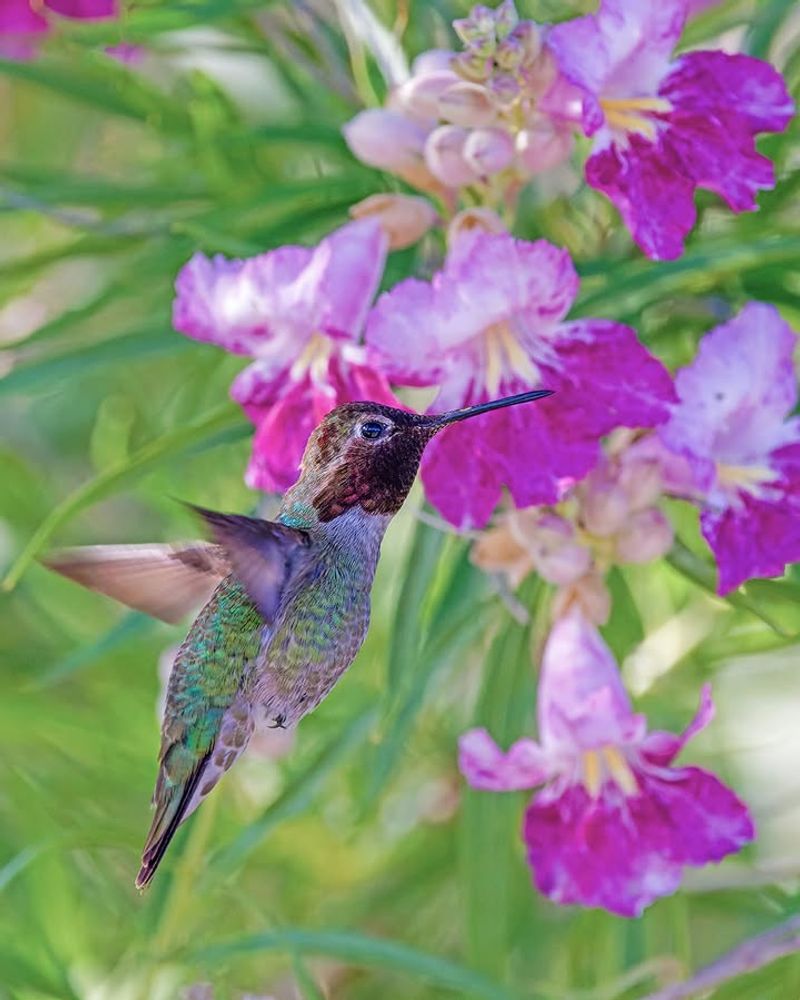
Desert willow is one of those plants that instantly changes the feel of a Tucson yard once it starts blooming. Long, narrow leaves give it a light, airy look, but it is the flowers that really pull attention.
Trumpet-shaped blooms in shades of pink, lavender, and soft purple appear in clusters, and hummingbirds waste no time finding them.
In southern Arizona, desert willow thrives in full sun and handles extreme heat without slowing down. Even during stretches of triple-digit temperatures, it continues pushing out new flowers while many other plants pause or fade.
That consistency makes it a reliable nectar source right when hummingbirds need it most.
Blooming typically starts in late spring and can continue into summer, especially if the plant receives occasional deep watering.
After monsoon rains, it often puts on another strong flush of flowers, which lines up perfectly with increased hummingbird activity in the region.
Its open canopy makes it easy for birds to move freely between branches while feeding. You will often see hummingbirds hovering around the flowers or darting back and forth as they work through each cluster.
Plant desert willow in well-drained soil and give it space to grow, since it can reach fifteen to twenty feet tall over time. Once established, it requires minimal care and becomes one of the most dependable flowering trees for attracting hummingbirds in Tucson landscapes.
8. Firecracker Bush Blooms In Heat And Keeps Hummingbirds Coming
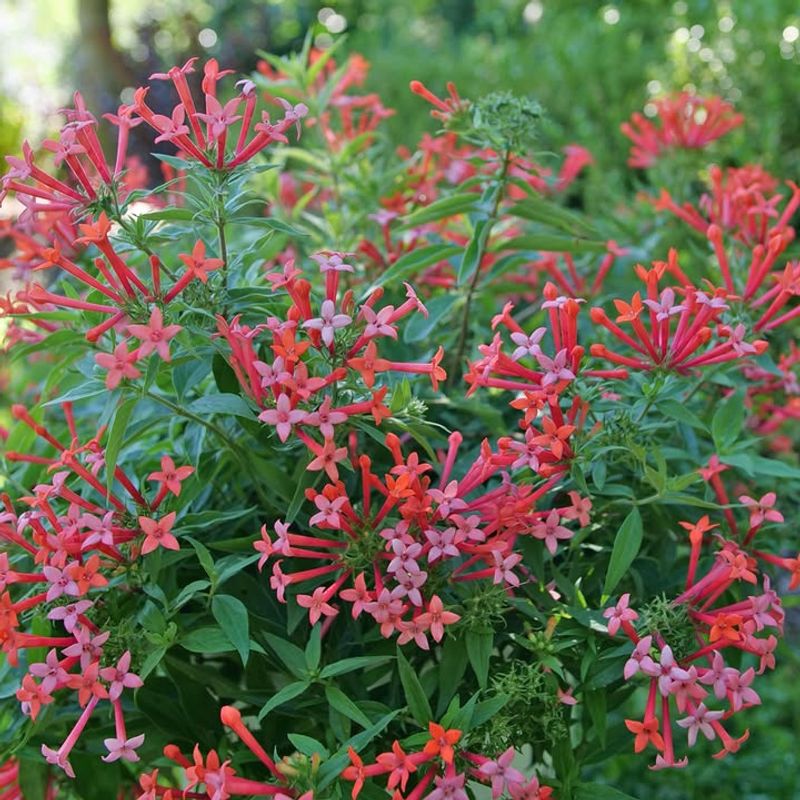
Summer heat shuts down plenty of flowering plants in Tucson, but Firecracker Bush treats it like an invitation to bloom harder.
Hamelia patens pushes out clusters of small tubular orange-red flowers right through the hottest months, which makes it one of the most valuable hummingbird plants you can grow when the thermometer is pushing 105 degrees and most of the garden is just trying to survive.
Black-chinned hummingbirds, which are abundant in Tucson through summer, work Firecracker Bush constantly.
Blooms appear in loose clusters at branch tips, and because the plant keeps producing new growth through the season, fresh flowers keep coming without any deadheading needed.
Butterflies and bees also visit, turning a single shrub into a busy pollinator hub during peak summer months.
Expect plants to reach four to six feet tall with a rounded, somewhat tropical-looking form. Foliage turns reddish in fall as temperatures drop, adding another season of visual interest beyond the blooms.
Firecracker Bush can handle a light frost but appreciates a warm, sheltered spot in Tucson yards, especially at higher elevations in the foothills.
Pair it with Desert Honeysuckle for continuous orange and red blooms that bridge summer into fall migration and keep hummingbirds fueled for their long journey south.
Growth may slow after a cold snap, but it quickly rebounds once temperatures warm, often pushing even more blooms as summer settles in.