The Plants Georgia Gardeners Are Interested In Growing In 2026
Some plants quietly start showing up everywhere in Georgia gardens.
Gardeners notice them at local nurseries, see them thriving in nearby yards, and suddenly they are on the planting list.
It usually happens when a plant proves it can handle Georgia’s heat, humidity, and long growing season while still looking great with very little trouble.
Gardeners naturally gravitate toward plants that stay healthy through the toughest parts of the season and still bring color, texture, or pollinator activity to the garden. When a plant checks those boxes, interest spreads quickly.
Lately, a handful of plants have been catching more attention across Georgia. Some stand out for their bold flowers, others for their strong foliage or ability to attract bees and butterflies.
All of them share one thing in common. They grow well in Georgia gardens and continue to spark curiosity among gardeners.
1. Lantana Handles Heat And Long Summers Well
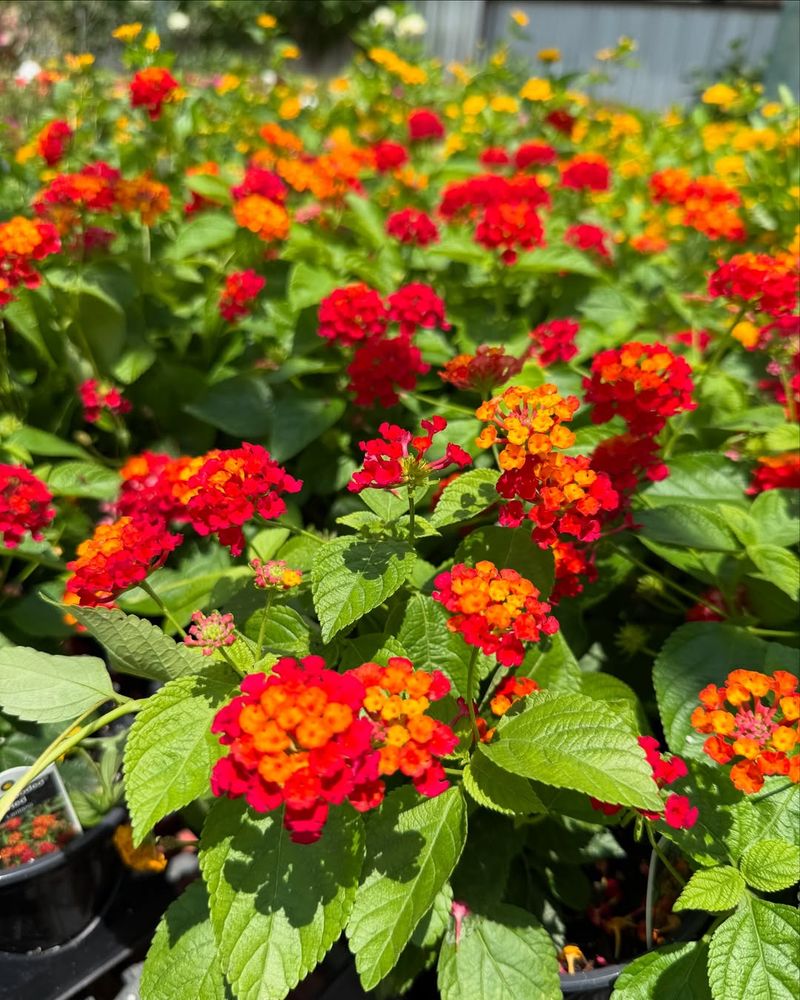
Walk past any sun-baked Georgia yard in July and you will likely spot lantana thriving where other plants have given up. Clusters of tiny flowers in orange, yellow, red, and pink cover this shrubby plant all season long.
Butterflies and bees cannot seem to stay away from it.
Lantana does not ask for much. Plant it in a spot that gets full sun and has decent drainage, and it will reward you with color from late spring straight through fall.
Watering it every few days during the driest stretches is enough to keep it going strong.
Georgia summers are no joke, and lantana genuinely does not care. Temperatures that push past 95 degrees barely slow it down.
Gardeners in Macon and Augusta have been growing it for years precisely because it keeps blooming when everything else looks tired.
One thing worth knowing is that lantana can spread aggressively if you let it go to seed. Deadheading spent blooms or cutting it back mid-season keeps it tidy and actually encourages more flowers.
Container planting is also a smart option if you want to control its spread on a patio or deck.
It also tolerates poor soil surprisingly well, which makes it useful in spots where many other flowering plants struggle.
With a little sunlight and occasional trimming, lantana can stay colorful and active with pollinators for months.
2. Coneflower Produces Colorful Blooms That Attract Pollinators
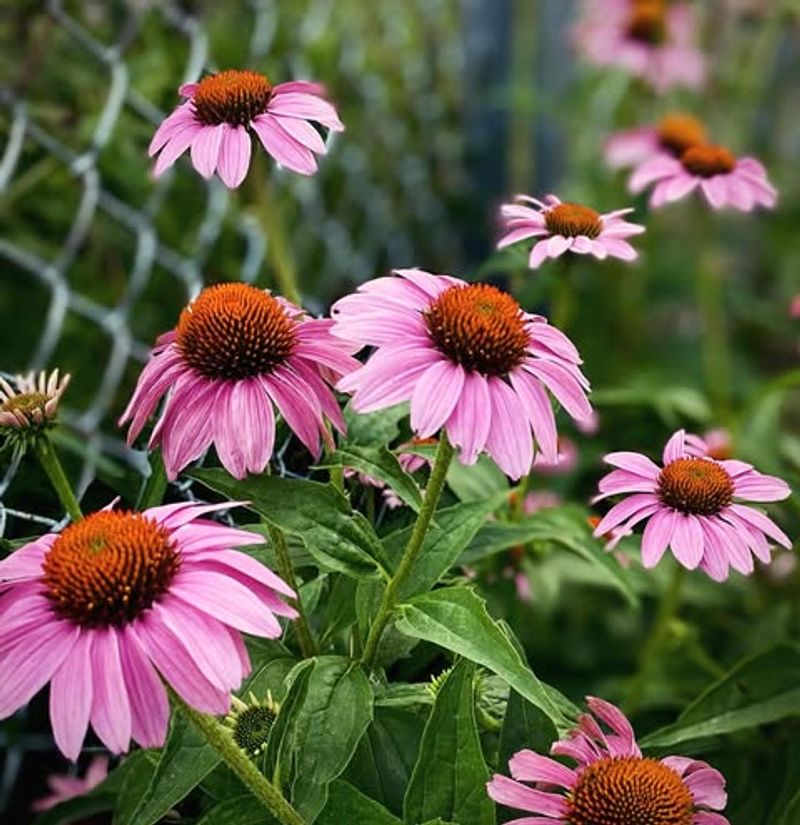
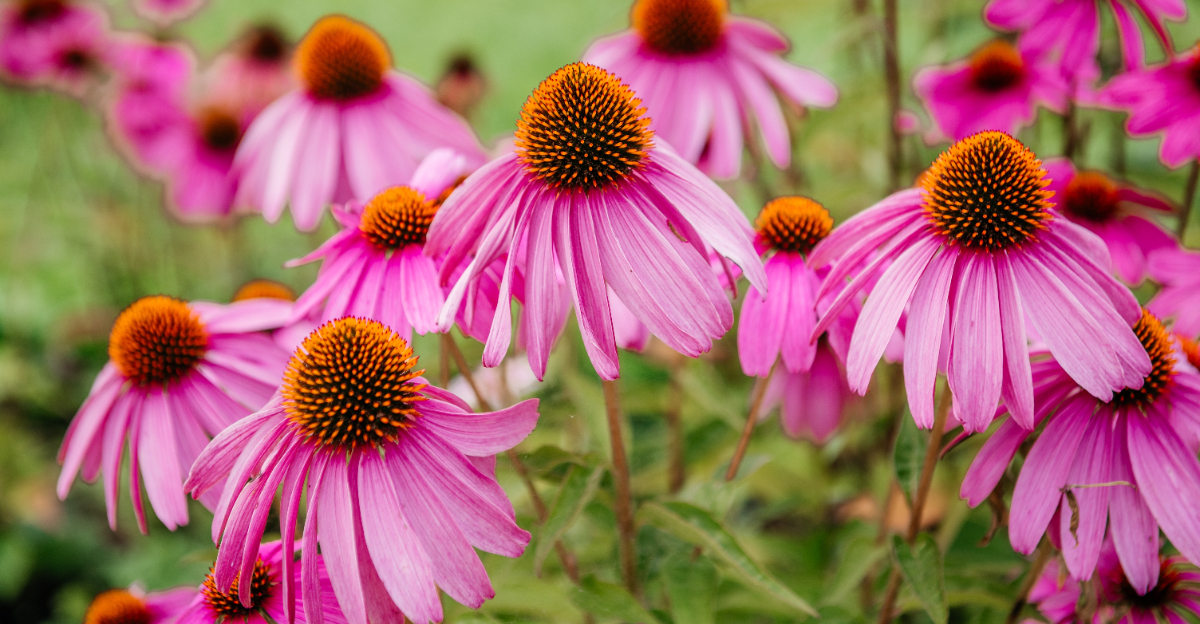
Coneflower might be one of the most reliable bloomers a Georgia gardener can put in the ground. Purple petals surrounding a spiky orange center make it immediately recognizable, and the blooms last for weeks without much fuss from you.
Pollinators absolutely swarm it. Bumblebees, honeybees, and several butterfly species treat coneflower patches like a buffet.
If supporting local wildlife matters to you, adding a few of these to your beds is a genuinely practical choice, not just a decorative one.
Hot and humid conditions across central and south Georgia suit coneflowers surprisingly well. Sandy or clay-heavy soils do not bother them much as long as water drains away after heavy rain.
Soggy roots are really the only situation where they struggle.
Your Georgia Garden Changes Every Week. Your Plan Should Too.
Gardening in Georgia changes quickly throughout the season. Every Friday you’ll receive a simple weekly plan showing exactly what to plant, prune, fertilize, harvest, and protect so you never miss the right timing.
Newer varieties have expanded the color range well beyond purple. Gardeners are now growing orange, yellow, cream, and deep red coneflowers alongside the classic lavender-purple types.
Mixing a few different cultivars together creates a layered, natural look that holds up through the peak of Georgia summers without needing replanting each year.
Leave the seed heads standing in fall and winter. Birds, especially goldfinches, feed on them heavily and the dried stems add quiet structure to the garden during the cooler months.
Coneflowers also self-seed lightly, so new plants often appear around the garden without much effort. That slow, natural spreading helps create fuller flower beds over time.
3. Milkweed Supports Butterflies And Other Pollinators
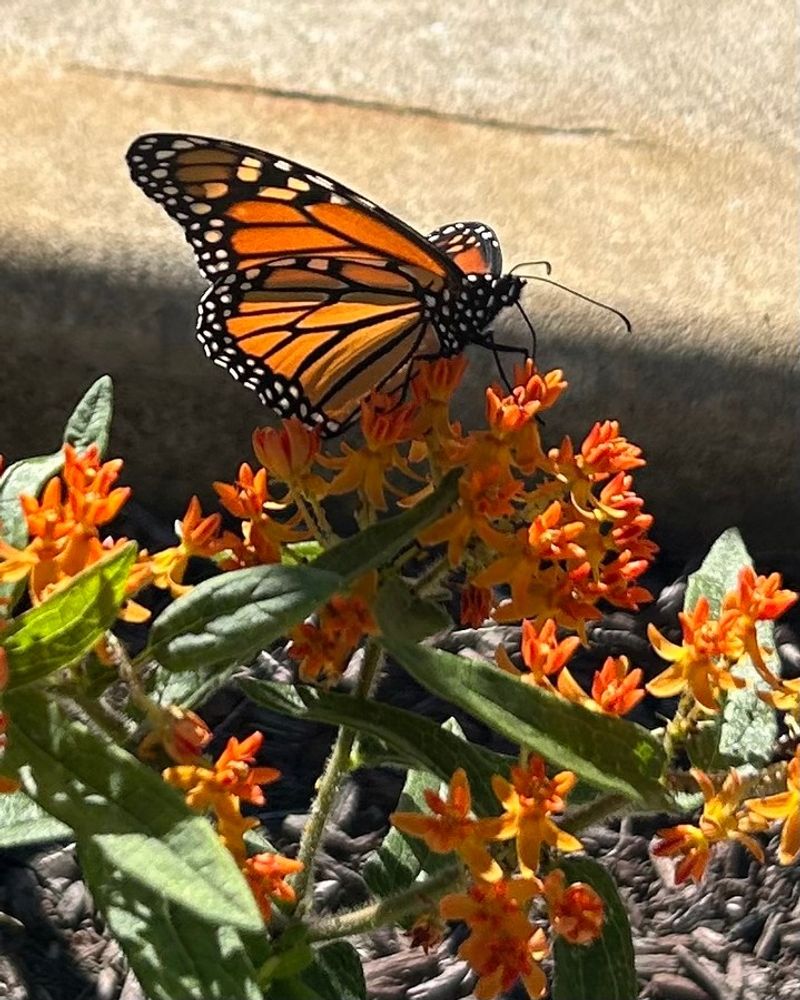
Monarch butterfly populations have taken a hard hit over the past two decades, and milkweed is the one plant that can actually help turn things around. Monarchs lay their eggs exclusively on milkweed, and caterpillars feed on it before transforming.
Without it, the whole cycle breaks down.
Tropical milkweed and butterfly weed are two varieties that do especially well across Georgia. Butterfly weed, with its clusters of vivid orange flowers, handles drought and poor soil without complaint.
Tropical milkweed produces red and yellow blooms that stand out in any garden bed.
Planting milkweed near Savannah or along the Georgia coast puts it right in the path of monarch migration routes. Gardeners in those areas have reported noticeably more butterfly activity after adding just a handful of milkweed plants to their yards.
Watching a monarch lay eggs on a plant you grew yourself is genuinely hard to beat.
One practical note: tropical milkweed should be cut back hard in late fall in Georgia. Leaving it standing through winter can disrupt monarch migration patterns by encouraging butterflies to stay put rather than continuing south.
Cutting it to a few inches in November keeps the ecological benefit intact while letting the plant regrow strong in spring.
Once established, milkweed asks for very little care and often returns year after year with fresh growth and new blooms.
4. Salvia Produces Long-Lasting Blooms Through Summer
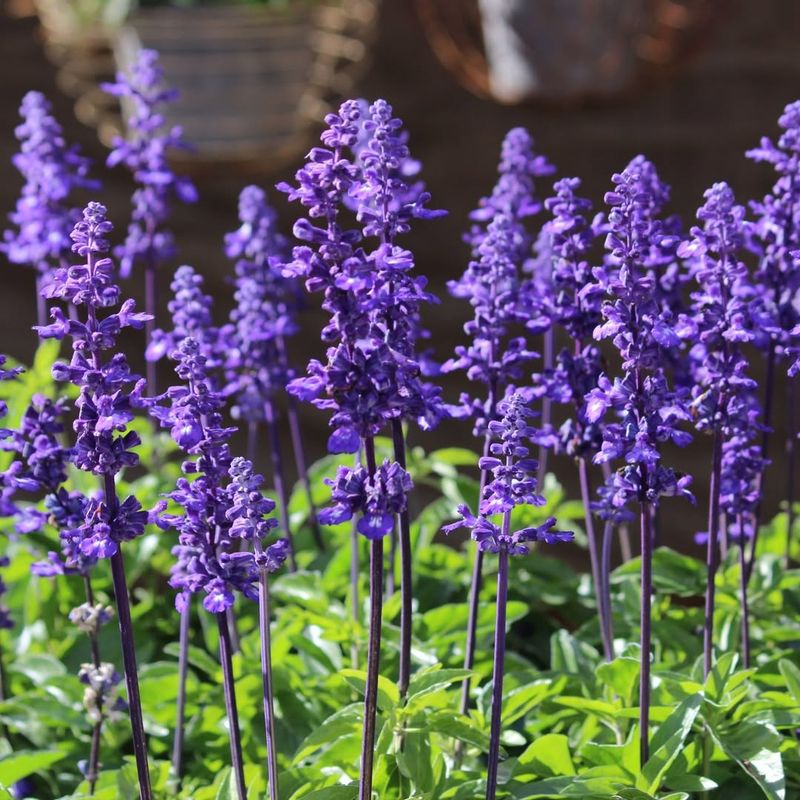
Salvia spikes shoot upward in shades of blue, purple, red, and pink, and they hold their color for far longer than most summer bloomers. Pull up any spent flower stalks and new ones push out within a couple of weeks.
That kind of repeat performance is exactly what Georgia gardeners need across those long, relentless summers.
Heat does not slow salvia down. In fact, it tends to peak during the hottest stretches of the season when other perennials are looking ragged.
Varieties like Victoria Blue and Black and Blue have built strong followings among gardeners in Columbus and Athens for exactly this reason.
Hummingbirds are drawn to the tubular flowers, especially red and coral varieties. Placing salvia near a window or porch gives you a front-row view of the activity.
It pairs well with ornamental grasses or coneflower in mixed borders without either plant overwhelming the other.
Soil preparation matters more with salvia than most people expect. Well-drained ground is non-negotiable.
Georgia clay can hold moisture too long and cause root problems, so mixing in some coarse sand or compost before planting makes a real difference.
Full sun exposure and occasional deep watering during dry spells will keep salvia performing all the way into October across most of the state.
Regular deadheading helps keep salvia producing fresh flower spikes throughout the season. With that simple maintenance, the plant stays colorful and active with pollinators for months.
5. Coreopsis Flowers Brightly In Sunny Garden Beds
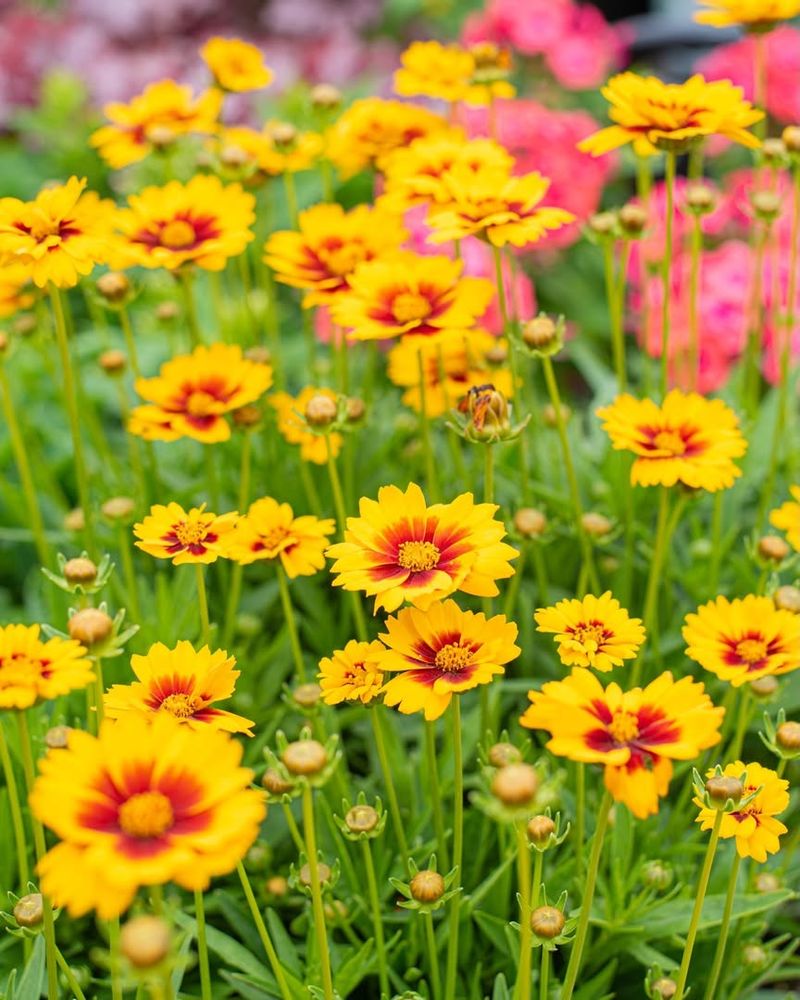
Few plants throw out color as cheerfully or as consistently as coreopsis.
Bright yellow daisy-like flowers cover the plant from late spring through summer, and the whole thing has an easygoing, wildflower quality that fits naturally into Georgia landscapes without looking forced or overly manicured.
Sandy soils that frustrate other plants suit coreopsis just fine. Coastal Georgia gardeners near Brunswick and St. Simons Island have grown it for years because it handles both the sandy ground and the intense coastal sun without missing a beat.
Even in heavier clay soils further inland, it performs well as long as water moves through freely.
Threadleaf coreopsis is a particularly popular variety right now. Its finely cut, feathery foliage creates a soft texture that contrasts nicely with broader-leaved plants nearby.
Flowers appear in waves rather than all at once, which means the display keeps refreshing itself rather than burning out in a single flush.
Deadheading helps, but it is not strictly required. Letting spent blooms remain simply shifts the plant’s energy toward seed production, which can result in new plants popping up nearby the following season.
Cutting plants back by about a third in midsummer typically triggers a strong second flush of blooms that carries color well into September across much of Georgia.
6. Native Asters Provide Color Late In The Growing Season
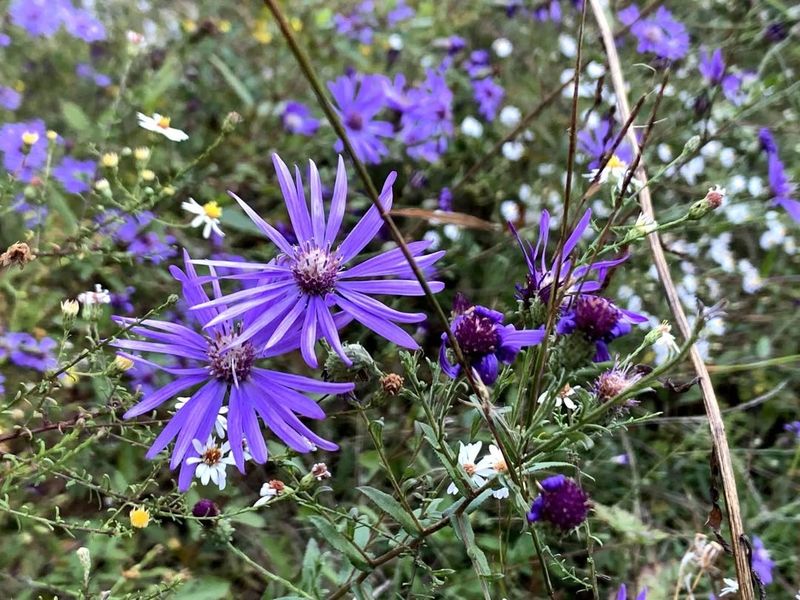
By September, most Georgia gardens are looking worn out. Asters step in right when everything else is winding down, covering themselves in small purple, blue, or white daisy-like flowers just as the season starts to cool.
Timing alone makes them worth planting.
Native aster species adapted to Georgia soil and climate tend to spread at a manageable pace and attract late-season pollinators that are still active and feeding before winter arrives.
Bees in particular rely heavily on fall-blooming plants, and asters rank among the most valuable sources of late pollen available across the Southeast.
Smooth aster and New England aster both perform well across Georgia. New England aster grows taller and produces deeper purple flowers, while smooth aster stays more compact and works well in smaller beds or containers.
Knowing which variety you are planting helps you plan spacing correctly from the start.
Pinching stems back by half in early June encourages bushier growth and prevents the tall varieties from flopping over by bloom time. Skip that step and you may end up staking plants in late summer, which is more work than the pinching would have been.
Plant asters near goldenrod if you have it, and the combination creates one of the most pollinator-friendly late-season pairings possible in a Georgia yard.
Asters are also tough enough to handle Georgia’s shifting fall weather without much extra care. Once they begin blooming, they carry color and pollinator activity well into the later weeks of the season.
7. Rose Of Sharon Produces Large Summer Flowers
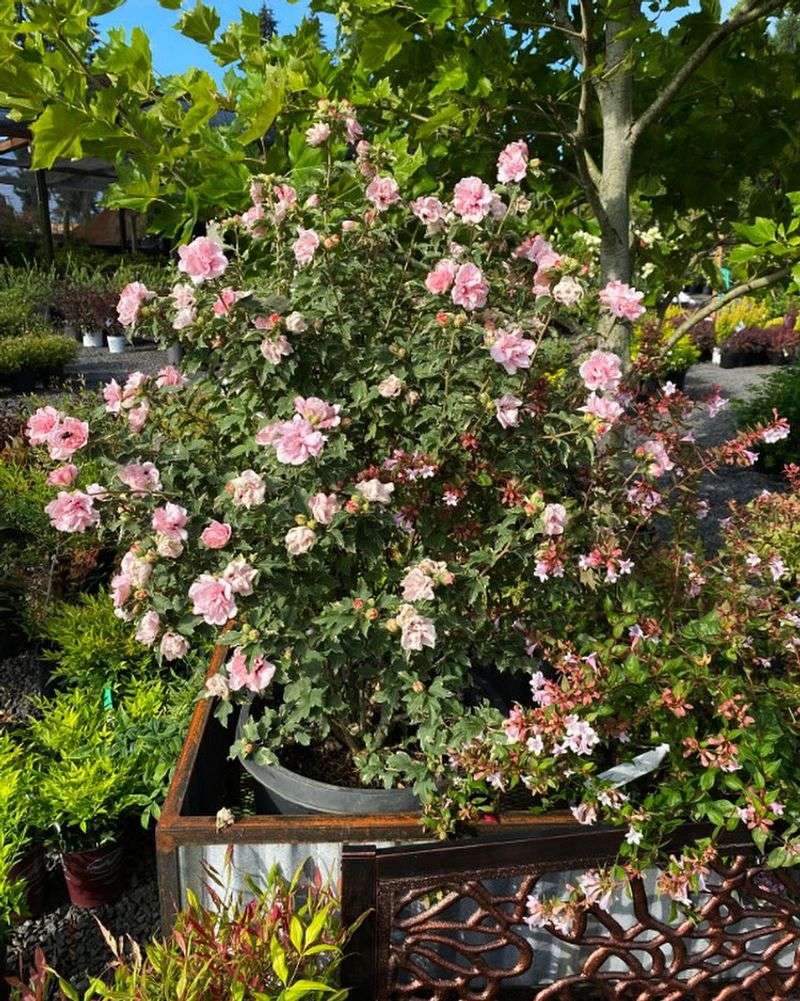
Rose of Sharon blooms when most flowering shrubs have already finished for the year. Starting in midsummer and running all the way into fall, it puts out large hibiscus-shaped flowers in shades of white, pink, purple, and bicolor combinations.
Hummingbirds and bees show up reliably wherever it grows.
Georgia summers are long enough that a plant blooming from July through October genuinely fills a gap that few other shrubs can cover.
Gardeners in Gainesville and Marietta have been using Rose of Sharon as a back-of-border plant or informal hedge for years because it adds height and color without demanding constant care during the hottest months.
Newer sterile cultivars like Lil Kim and Minerva are worth seeking out specifically because they produce far fewer seeds than older varieties. Standard Rose of Sharon can self-seed aggressively and become a nuisance if seedlings are not pulled regularly.
Sterile types eliminate that problem while still delivering the same impressive flower show.
Pruning in late winter or very early spring shapes the plant and encourages stronger flowering. Hard pruning every few years keeps older specimens from getting too woody and sparse at the base.
Full sun brings out the best bloom count, though Rose of Sharon tolerates partial shade better than many flowering shrubs, which makes it a flexible option for varied Georgia garden conditions.
8. Yarrow Tolerates Heat And Dry Conditions Well
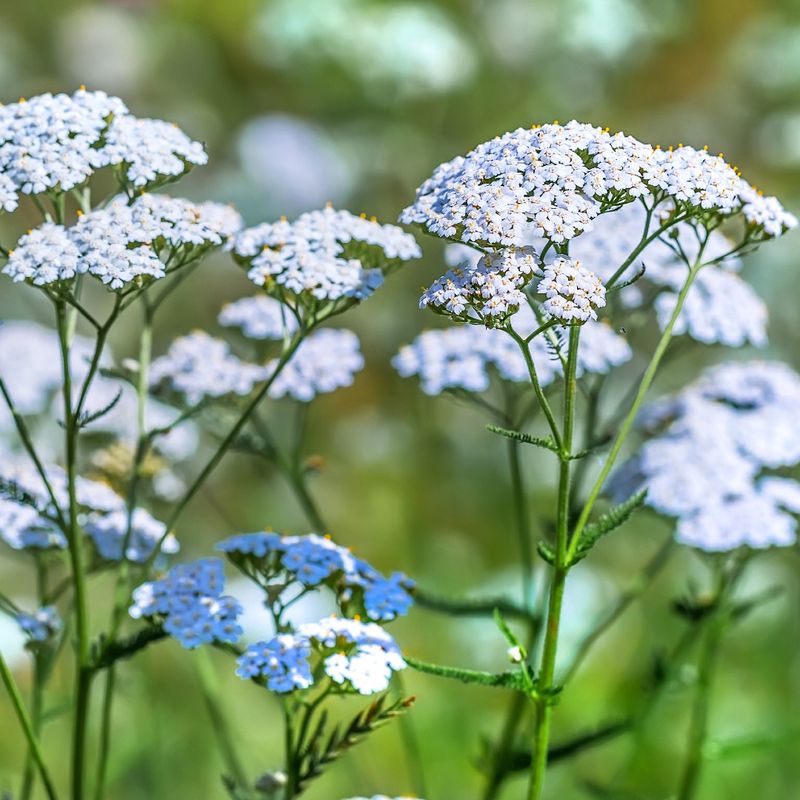
Yarrow is the kind of plant that actually looks better when the weather turns brutal. Flat-topped flower clusters in yellow, white, red, and salmon hold their shape and color even during stretches of dry heat that leave other perennials wilting.
Georgia summers present exactly the conditions where yarrow earns its place in the garden.
Feathery, fern-like foliage gives it visual interest even when flowers are not present. Planted in groups, the textured leaves create a soft, layered look that contrasts nicely with bolder-leaved neighbors like coneflower or salvia.
Spacing plants about eighteen inches apart allows good airflow, which matters in Georgia’s humid climate where fungal issues can develop on crowded plants.
Pollinators use yarrow heavily. Small native bees and beneficial wasps are particularly attracted to the flat flower heads, which provide easy landing platforms and accessible nectar.
Adding yarrow to a garden bed essentially creates a landing zone for the insects that keep the rest of your garden productive.
Cutting stems back after the first flush of bloom encourages a second round of flowers later in the season.
Yarrow also dries exceptionally well, so cutting stems at peak bloom and hanging them upside down in a cool spot gives you material for dried arrangements through fall and winter.
Sandy or gravelly soil suits it better than heavy clay, so amending Georgia clay beds before planting pays off quickly.