Why Native Plants Are Becoming More Popular In Georgia Gardens This Spring
Something interesting has been happening in many Georgia gardens lately. More gardeners are choosing native plants instead of traditional ornamentals, and the shift is becoming easy to notice.
Garden centers are stocking more native options, and conversations about them are popping up everywhere among gardeners.
One reason is simple. Native plants already understand Georgia’s climate.
They handle the heat, humidity, and changing weather without needing constant attention. Many also attract butterflies, bees, and birds, which instantly brings more life into the garden.
Another reason is that gardeners are starting to see the bigger picture. Planting native species can support local wildlife and help create small pockets of habitat right in the backyard.
What starts as a simple planting choice can end up making a real difference for pollinators and birds throughout the neighborhood.
1. Native Plants Are Naturally Adapted To Local Climate And Soil
Georgia’s red clay soil has stopped more than a few ambitious garden plans cold. Plants that look great at the nursery can struggle within a season when they hit that dense, dry ground.
Native plants grew up in that exact soil, so they already know how to handle it.
Roots of native species tend to run deep, sometimes several feet down, which helps them pull moisture even during dry stretches. Georgia summers get brutal, and the heat index in July can make even experienced gardeners rethink their choices.
Plants that evolved here don’t need as much coddling when temperatures climb.
Winters in Georgia are unpredictable too. A warm February can trick plants into budding early, then a late frost hits and wipes everything out.
Native species have adapted to these swings over generations, so they handle the back-and-forth without falling apart.
Beyond the soil and temperature, Georgia’s humidity creates its own set of challenges. Fungal issues and root rot are real problems for plants that come from drier climates.
Natives are already built to handle that moisture in the air without developing the leaf diseases that plague non-native species.
Gardeners across the state are starting to recognize that fighting Georgia’s natural conditions is an uphill battle. Choosing plants that fit the land rather than forcing the land to fit the plants just makes more practical sense.
It saves effort, reduces frustration, and usually results in a healthier, better-looking yard by midsummer.
2. They Support Bees, Butterflies, And Other Important Pollinators
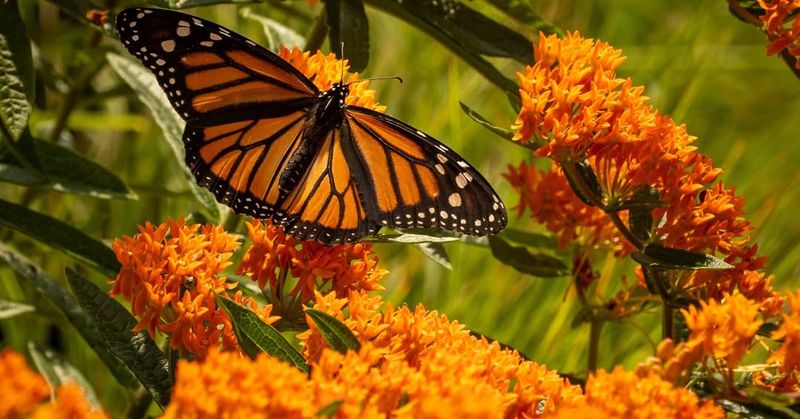
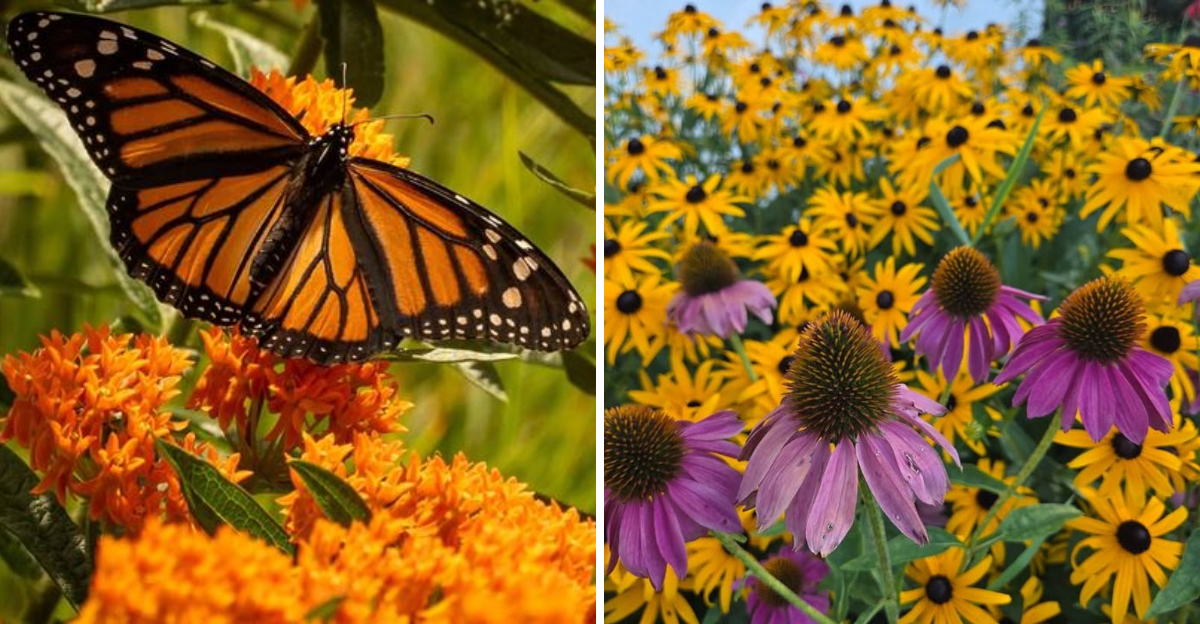
Walk past a patch of butterfly weed in full bloom on a warm Georgia morning, and you’ll count more pollinators than you expected. Monarchs, swallowtails, and at least four or five native bee species will often show up at the same plant within minutes.
That kind of activity just doesn’t happen with most ornamental imports.
Native pollinators and native plants have been evolving side by side for a very long time. Bees that are native to Georgia have mouthparts shaped to fit specific native flowers.
When those flowers disappear from a yard, the bees that depend on them have fewer places to go.
Your Georgia Garden Changes Every Week. Your Plan Should Too.
Gardening in Georgia changes quickly throughout the season. Every Friday you’ll receive a simple weekly plan showing exactly what to plant, prune, fertilize, harvest, and protect so you never miss the right timing.
Monarch butterfly populations have dropped sharply over the past few decades, and habitat loss is a major part of that story. Planting milkweed species native to Georgia gives monarchs a place to lay eggs and gives caterpillars food to grow on.
A single plant in a backyard can make a real contribution.
Bumblebees are another group worth paying attention to. Several bumblebee species in Georgia are in serious decline, and native flowering plants are one of the best ways to give them a foothold.
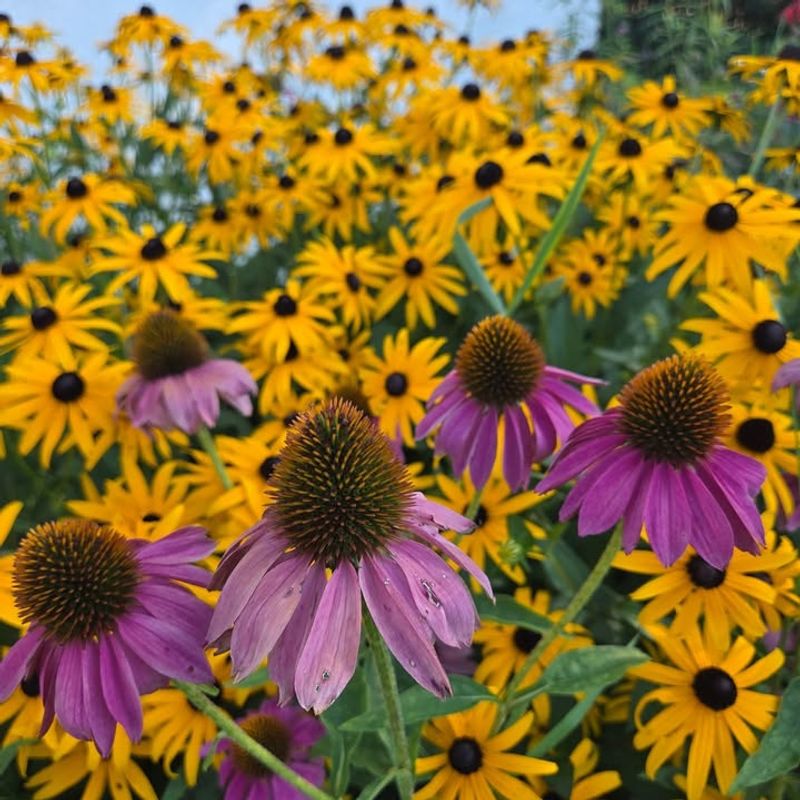
Purple coneflower, wild bergamot, and native sunflowers are all solid choices for supporting them.
Pollinators do work that matters beyond gardens too. Fruit trees, vegetable patches, and wild plants all depend on them.
Supporting pollinators with native plants isn’t just good for the garden; it connects directly to the broader health of Georgia’s natural spaces.
3. Many Native Species Require Less Water Once Established
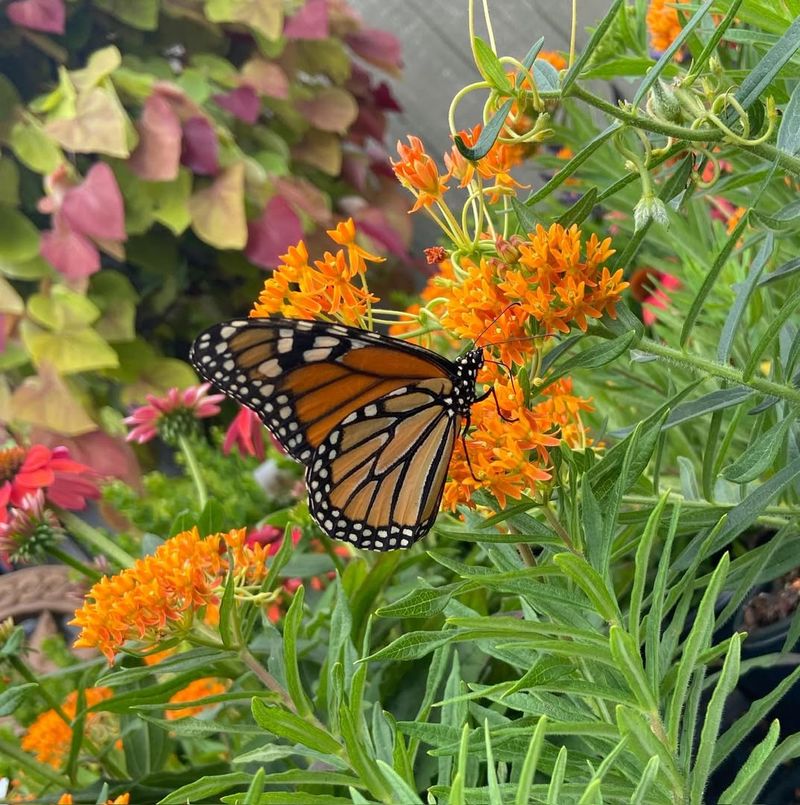
Water bills in Georgia can spike hard during summer dry spells, especially for gardeners trying to keep non-native plants alive through August. Switching even part of a yard to native species can noticeably cut down how often you need to drag out the hose.
Native plants build deep, wide root systems over their first couple of growing seasons. Those roots reach moisture stored far below the surface that shallow-rooted plants simply can’t access.
It’s the difference between a plant that struggles every time it doesn’t rain and one that shrugs off a two-week dry stretch.
Black-eyed Susans are a good example. Once their roots are settled in, they push through dry Georgia summers without much help.
The same goes for coneflowers, native grasses like muhly grass, and shrubs like beautyberry, which handles heat and dry spells with no fuss.
Drought conditions are becoming more common across Georgia, especially in the northern and central parts of the state. Water restrictions during dry summers affect what you can and can’t do in the garden.
Planting species that don’t demand regular irrigation gives you a lot more flexibility when those restrictions kick in.
Rain gardens built with native plants are another approach gaining traction in Georgia neighborhoods. They capture stormwater runoff and let it absorb slowly, reducing flooding while keeping plants hydrated naturally.
It’s a practical solution that works with Georgia’s rainfall patterns rather than against them, and it requires almost no ongoing effort from the gardener.
4. They Often Need Less Fertilizer And Fewer Chemicals
Bags of fertilizer and bottles of pesticide add up fast over a growing season. Most non-native plants need regular feeding to perform well in Georgia soil, plus treatments to handle the pests and diseases they’re not naturally resistant to.
Native plants sidestep most of that expense.
Georgia’s native species developed alongside the insects, fungi, and soil conditions that exist here. They’re not defenseless against local pests, and they don’t need artificial boosting to grow well in native soil.
That means fewer products to buy, fewer applications to schedule, and less chemical runoff washing into streams and groundwater.
Chemical runoff is a real issue across Georgia, particularly near rivers and wetlands. Fertilizer that washes off lawns and gardens contributes to algae blooms in water bodies, which affects fish, aquatic insects, and eventually the whole food chain.
Reducing how much gets applied in the first place is the cleanest fix.
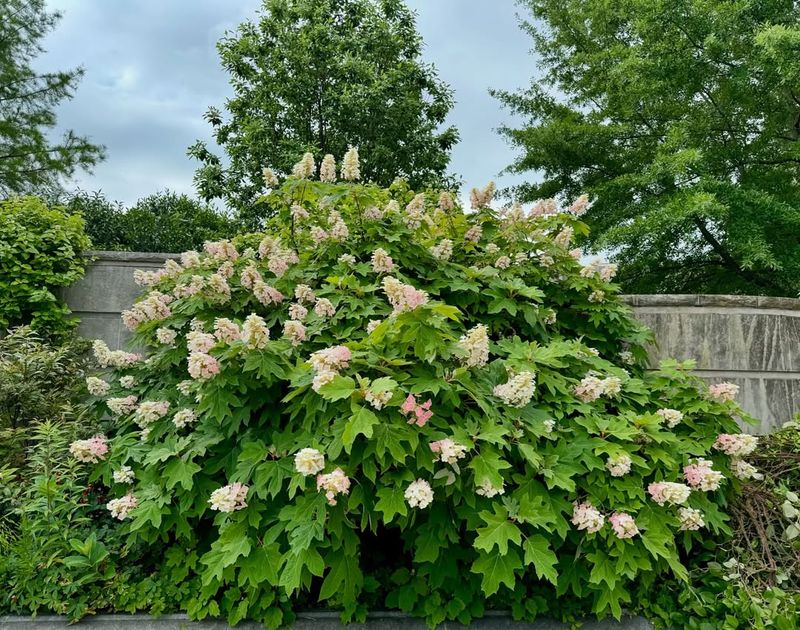
Oakleaf hydrangea is a great example of a native that needs almost no intervention. It handles Georgia’s soil, handles the heat, and doesn’t attract the kind of pest pressure that imported hydrangeas sometimes do.
Plant it, water it through the first season, and mostly leave it alone.
Gardeners who have made the switch often mention how much simpler the routine becomes. Less time diagnosing problems, less money spent at the garden center on treatments, and fewer weekends spent spraying things down.
Simplicity has real value, and native plants deliver it without sacrificing a good-looking garden.
5. Native Plants Help Strengthen Local Ecosystems
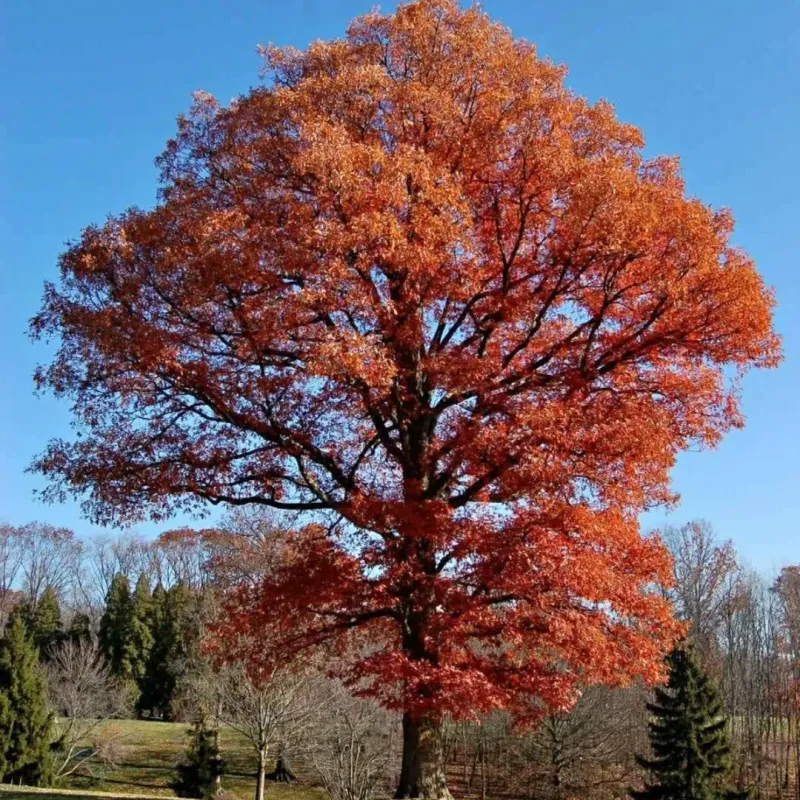
A yard full of native plants isn’t just a garden. It functions as a small piece of habitat that connects to the larger natural system around it.
Birds, insects, amphibians, and small mammals all benefit when native vegetation fills in spaces that were previously lawn or bare ground.
Georgia sits along major migratory bird routes, and the state hosts an impressive variety of songbirds during spring migration. Those birds need insects to fuel their journey north, and native plants are what produce the caterpillars and beetles that migratory birds depend on.
Non-native ornamentals often support very little insect life by comparison.
Fewer caterpillars mean fewer birds, fewer birds mean less insect control, and the whole system gets a little weaker.
Georgia has lost a significant amount of natural habitat to development over the past few decades. Private yards and gardens now represent a meaningful opportunity to restore some of that lost ground.
Even a modest backyard planted with native shrubs, perennials, and trees contributes to a connected patchwork of habitat across neighborhoods.
Planting native isn’t only about what benefits your garden. It’s about being part of something bigger.
When enough Georgia gardeners make that choice, the cumulative effect on local wildlife and natural systems becomes genuinely significant and measurable over time.
6. Many Native Flowers Provide Color From Spring Through Fall
One of the biggest myths about native plants is that they only look interesting for a few weeks and then fade out. Georgia’s native flowering plants actually cover the calendar pretty well, from early spring bloomers all the way through fall color that lasts into November.
Spring kicks off with native redbuds and wild blue phlox, which start showing color before most gardens have woken up. By late spring, oakleaf hydrangeas push out large white flower clusters that hold their shape for weeks.
Early summer brings coneflowers and native sunflowers into full swing.
Midsummer in Georgia is when goldenrod and wild bergamot hit their stride. Both are tough plants that handle heat without complaint and keep producing blooms even through dry stretches.
They’re also heavy hitters for pollinators, so the garden stays active with insect life right through August.
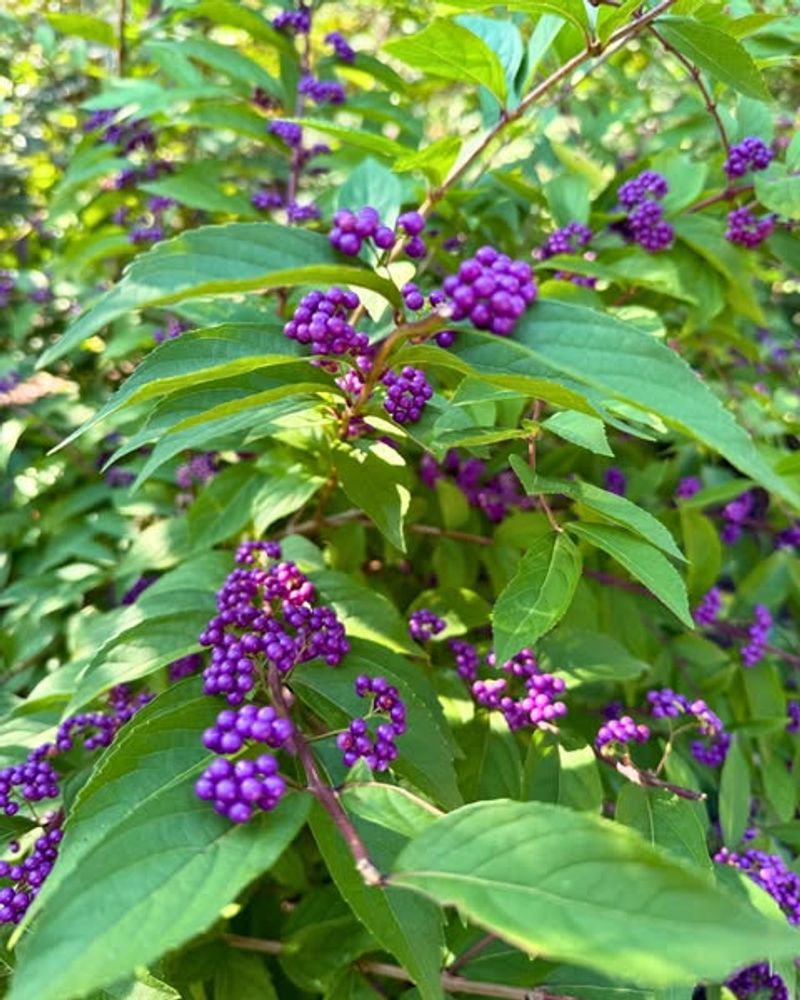
Fall is where native plants really surprise people. American beautyberry puts out clusters of vivid purple berries that look almost unreal against green foliage.
Asters in shades of purple and white bloom from September into October, giving the garden a second wave of color just when everything else is winding down.
Planning a native garden in Georgia with seasonal color in mind isn’t complicated. A mix of spring perennials, summer bloomers, and fall-fruiting shrubs keeps something interesting happening all season long.
It takes a little thought upfront, but once the plants are in the ground, the calendar fills itself in naturally without much additional effort.