8 Creative Backyard Wall Landscaping Ideas For Arizona Homes
Backyard walls are everywhere in Arizona neighborhoods, but most of them end up looking plain and forgotten. Instead of leaving that big empty surface untouched, many homeowners are starting to use those walls as part of the landscape itself.
With a few creative ideas, a simple wall can turn into something that actually makes the backyard feel more interesting and complete.
Desert-friendly plants, vertical planters, and textured materials can all help break up a blank wall while still handling Arizona’s intense sun and dry climate.
Some designs focus on greenery, while others use stone, wood, or decorative features to bring character to the space.
Once a wall is treated like part of the landscape instead of just a boundary, the whole backyard can feel more polished and thoughtfully designed.
Sometimes the biggest transformation in an Arizona yard starts with the surface people usually overlook.
1. Install A Vertical Succulent Garden For A Living Wall
A blank wall in your Arizona backyard is basically a canvas waiting to happen.
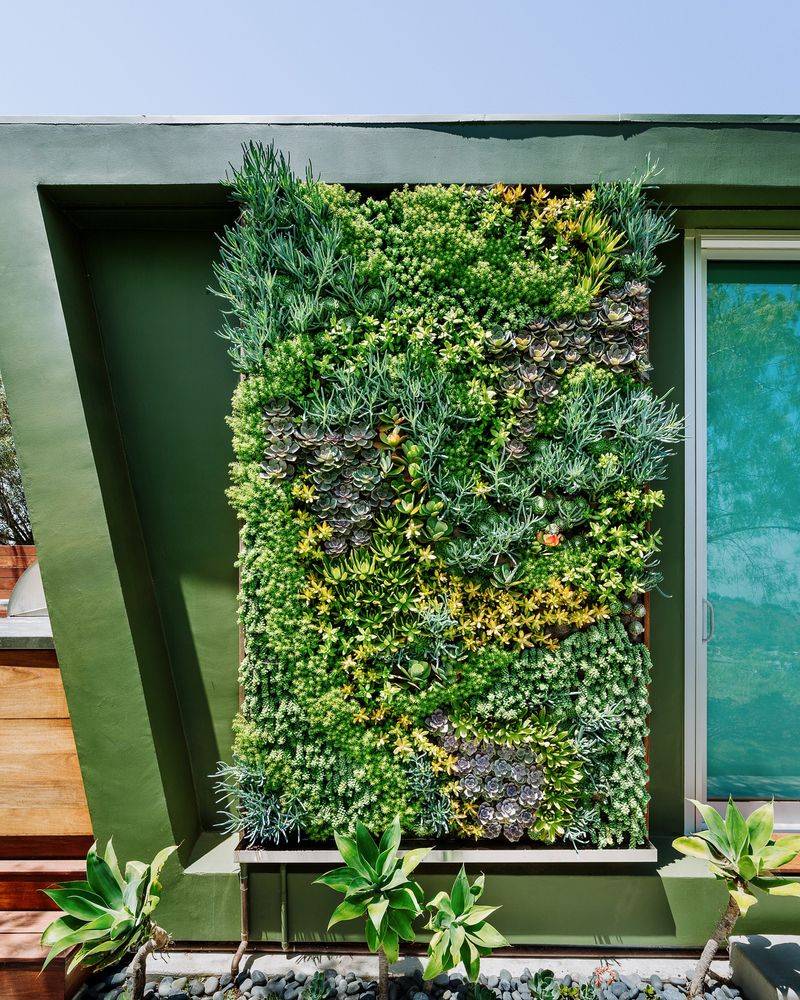
Vertical succulent gardens turn an ordinary stucco or block wall into something people stop and stare at — and the best part is, these plants genuinely love the heat and dry air that most other plants complain about.
To get started, grab a wooden shadow box frame or a wire mesh planter panel from your local garden center. Fill it with a mix of echeveria, sedum, and aloe varieties.
Pack the soil tight so roots grip properly, and let the frame lay flat for a couple of weeks before mounting it upright on your wall. That waiting period helps everything settle in before gravity starts pulling at it.
In Phoenix or Tucson, afternoon shade is your best friend here. Mount your living wall on a north- or east-facing surface if possible, so the plants get morning sun without being scorched by the brutal afternoon heat.
Water deeply but infrequently — maybe once every ten to fourteen days in summer, less in cooler months. Succulents hold moisture in their leaves, so overwatering is a bigger problem than underwatering.
Add a few contrasting colors and textures, like purple echeveria next to silvery blue chalk sticks, and your wall will look genuinely stunning all year long.
2. Use Climbing Vines To Soften Plain Garden Walls
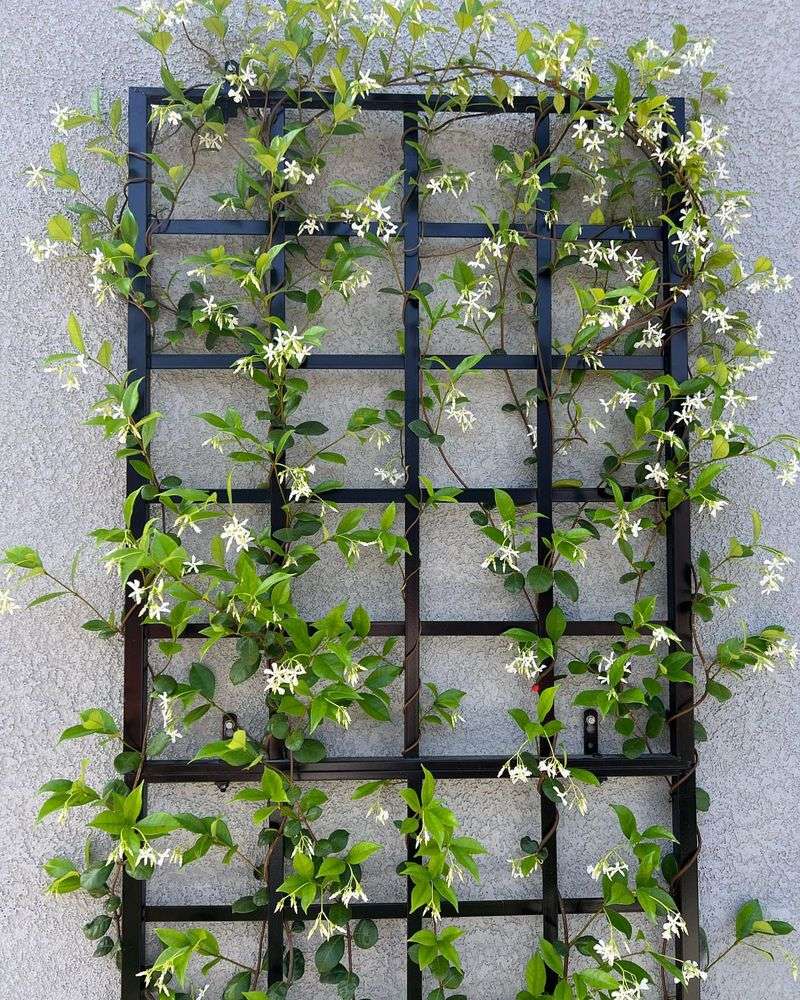
Nothing makes a hard, blocky wall disappear faster than a wave of green vine running across it.
In Arizona, where block walls and concrete fences are everywhere, climbing vines can completely change the mood of a backyard — softening edges, adding shade, and making the whole space feel more alive.
Star jasmine is a solid pick for Arizona gardens. It handles heat well, smells incredible when it blooms, and grows fast enough to cover a good stretch of wall within a season or two.
Queen’s wreath is another great option — it explodes with purple flowers in summer and doesn’t need much fuss once it finds its footing on a trellis or wire system.
You will need something for the vine to grab onto. Attach horizontal wires or a simple trellis panel to your wall about six inches out from the surface.
Your Arizona Garden Changes Every Week. Your Plan Should Too.
Gardening in Arizona changes quickly throughout the season. Every Friday you’ll receive a simple weekly plan showing exactly what to plant, prune, fertilize, harvest, and protect so you never miss the right timing.
That gap allows airflow, which keeps the wall from holding too much moisture and helps the plant breathe. In Scottsdale and Mesa, where walls bake in full sun for hours, choosing a vine that can handle reflected heat matters a lot.
Water young vines regularly through their first summer, then ease back as they get established. Trim aggressively in late winter to keep growth tidy and encourage fresh new stems to fill in any bare spots along the wall.
3. Add Decorative Metal Panels For Desert Style Texture
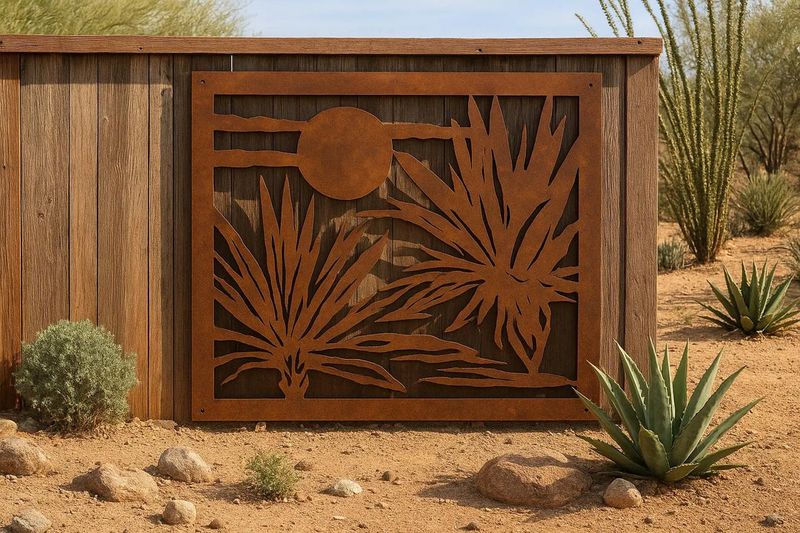
Metal panels with cut-out desert designs are one of those ideas that look expensive but don’t have to be.
Corten steel or powder-coated aluminum panels featuring saguaro silhouettes, geometric patterns, or Southwestern motifs give your Arizona backyard wall an instant identity — something that feels rooted in the landscape around you.
You can find these panels at local Arizona metalwork shops or order custom designs online. Mounting them is straightforward: attach them directly to your block wall using masonry anchors, or frame them out slightly so they cast dramatic shadows in the afternoon sun.
That shadow play is honestly one of the coolest visual effects you can get without spending a fortune on landscaping.
Corten steel develops a rich rust-orange patina over time that looks absolutely natural against desert tones — sandy beige walls, terracotta pots, and dusty gravel all complement it perfectly.
Powder-coated aluminum is another solid choice if you want a cleaner look or a specific color that ties into your home’s exterior palette.
Either material handles Arizona’s temperature swings well, from scorching summer afternoons to chilly winter nights in Flagstaff or the higher-elevation parts of the state.
Pair your panels with some accent lighting behind them for an evening effect that turns your backyard wall into a genuine focal point worth gathering around after sunset.
4. Mount Wall Planters Filled With Drought Tolerant Plants
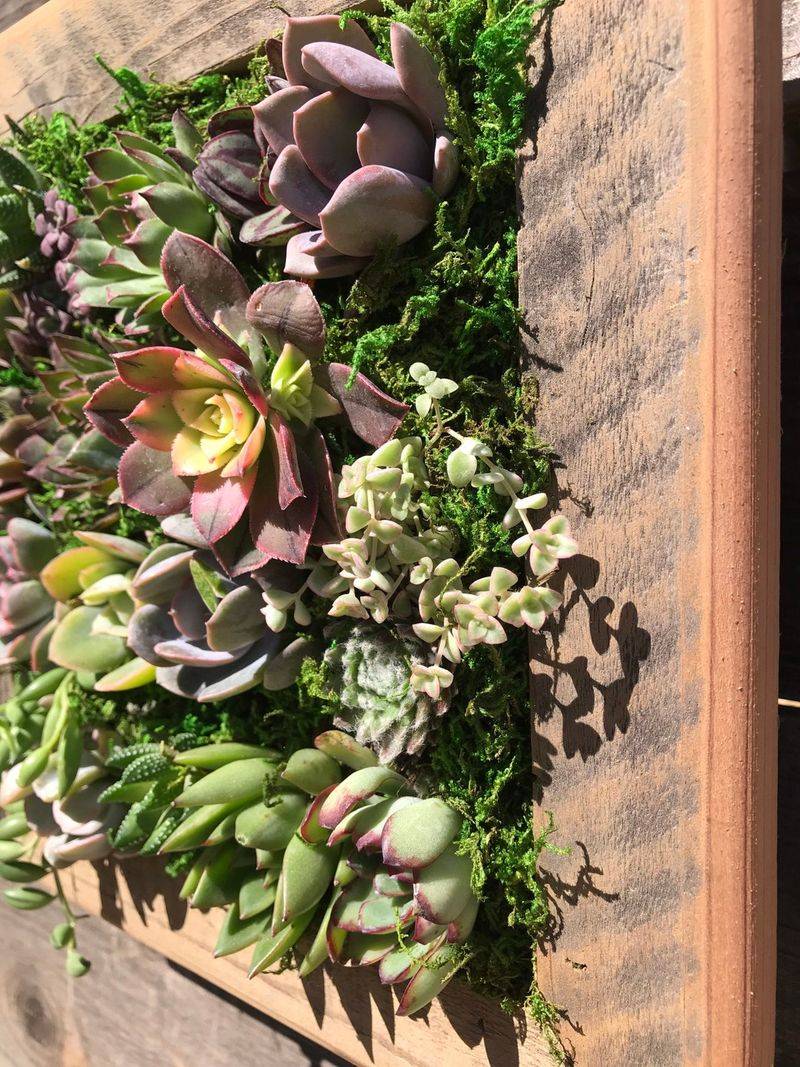
Wall planters are one of the quickest ways to add greenery to your Arizona backyard without digging up the ground or committing to a major project. You hang them up, fill them with the right plants, and suddenly a plain wall has personality.
For plant choices, stick with varieties that genuinely handle dry conditions without drama. Lantana brings a burst of orange and yellow and practically thrives on neglect in Phoenix summers.
Trailing rosemary works beautifully in planters because it spills over the edges and smells amazing every time the breeze picks up.
Agave pups, small golden barrels, and even desert marigold all do well in contained planters when drainage holes are properly sized.
Spacing matters more than people realize. Cluster planters in odd-numbered groupings — three or five — at slightly different heights for a look that feels intentional rather than random.
Terracotta pots are classic and breathable, but they dry out fast in Arizona heat, so check moisture levels more often in July and August. Glazed ceramic planters hold water longer and come in gorgeous Southwestern colors like turquoise, burnt orange, and deep red.
Anchor each planter with proper wall-mount hardware rated for outdoor use, especially if you’re in a windy corridor like the East Valley. A planter that falls off a wall in a monsoon is a headache nobody needs.
5. Train Bougainvillea To Climb Along A Garden Wall
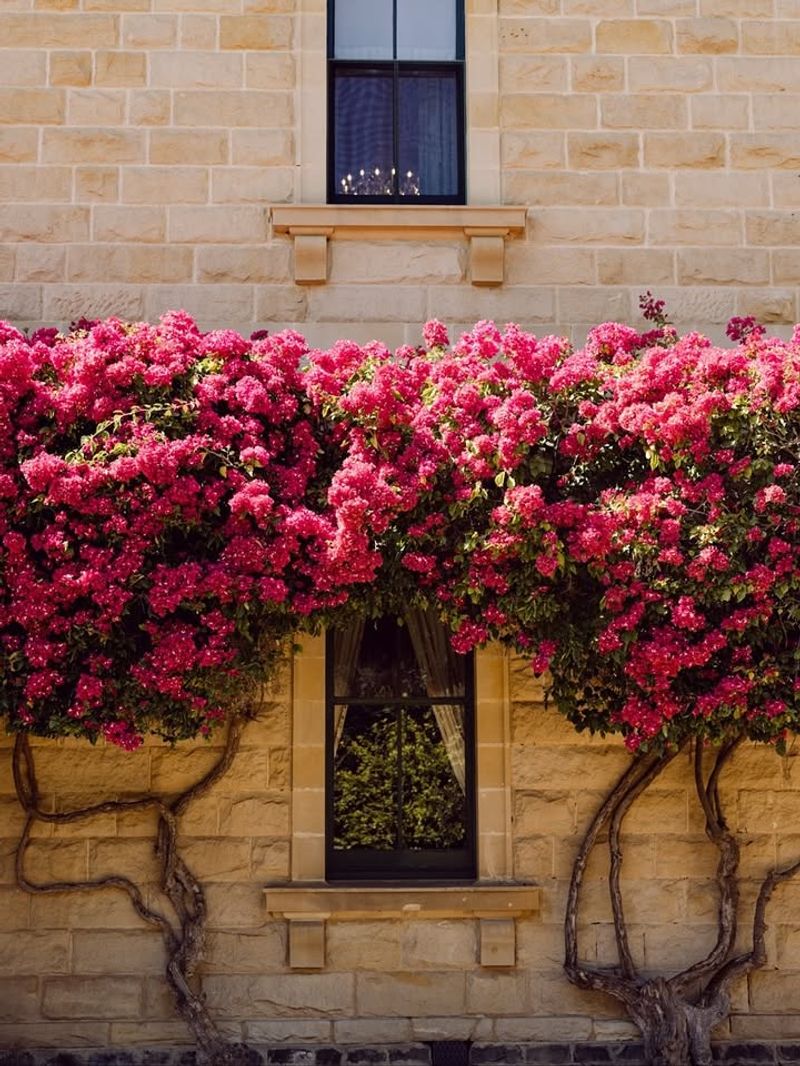
If you want sheer, unapologetic color on your Arizona backyard wall, bougainvillea is the answer.
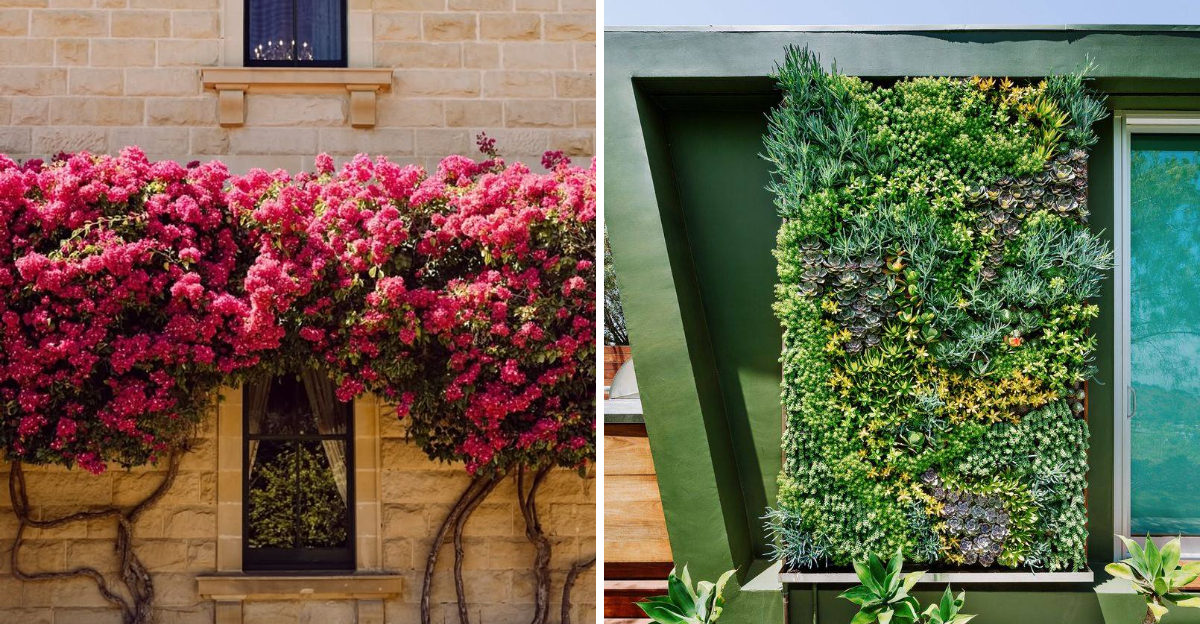
Nowhere in the country does this plant perform quite like it does in the Sonoran Desert — the heat, the sun, the dry air all push it to produce those electric blooms in purple, magenta, orange, and white that make your whole yard look like it belongs on a magazine cover.
Training bougainvillea along a wall takes some patience and a few tie-backs in the early months. Use soft plant ties or strips of old fabric to gently guide the long canes horizontally across the wall surface.
Horizontal training actually encourages more blooming than letting the plant shoot straight up, so it’s worth the extra effort in the beginning.
Water deeply but infrequently once the plant is settled in. Bougainvillea blooms hardest when it’s slightly stressed — overwatering produces big leafy growth at the expense of those vivid bracts that make the plant famous.
In Tucson and the Phoenix metro area, a deep soak every two weeks in summer is usually plenty for a mature plant. Wear thick gloves when pruning because those thorns are serious business.
Cut back hard after each bloom cycle to shape the plant and encourage the next flush of color.
Given a solid wall and a few seasons to spread, bougainvillea becomes an absolute showstopper that neighbors will ask about every single year.
6. Create A Cactus Display Against A Sunny Wall
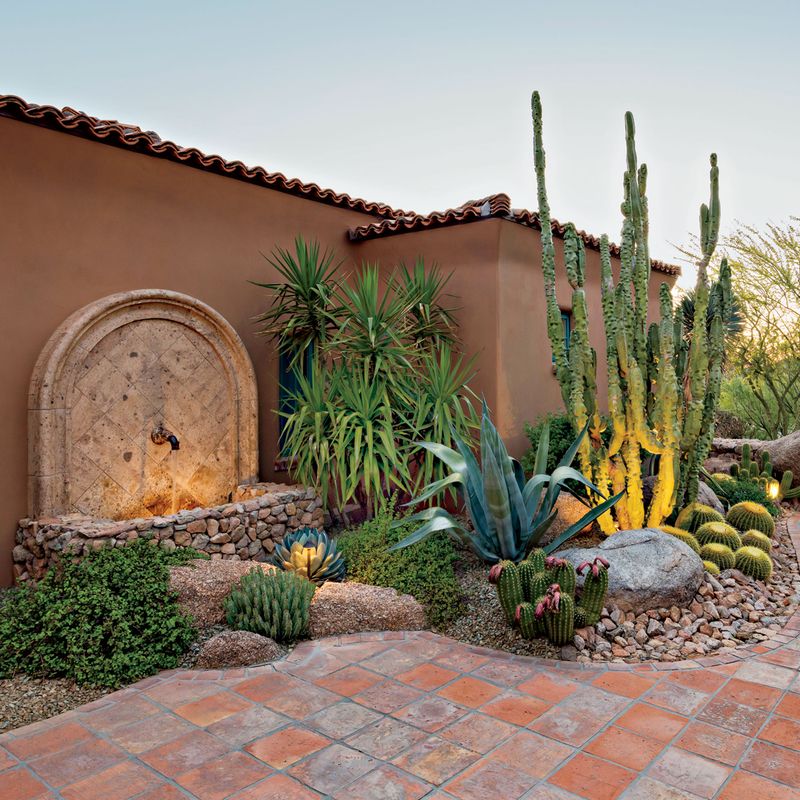
A wall that gets full Arizona sun all day long is not a problem — it’s an opportunity.
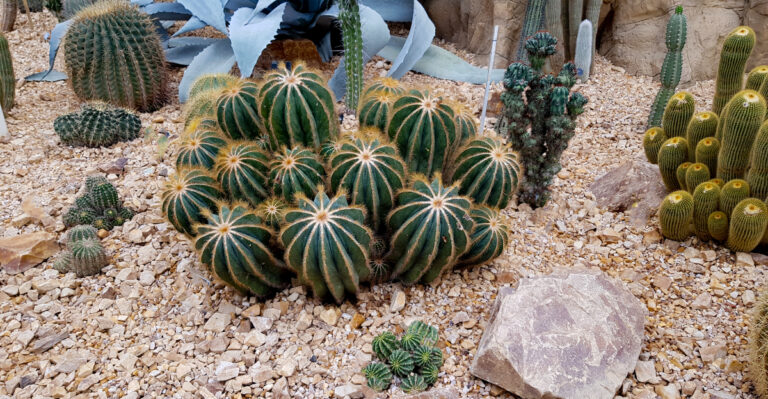
Cacti absolutely love that kind of exposure, and arranging a thoughtful cactus display against a south- or west-facing wall creates a living sculpture garden that requires almost zero upkeep once it’s planted.
Mix heights and shapes for visual interest. A tall Mexican fence post or organ pipe cactus in the back gives vertical drama.
Mid-height golden barrel cactus adds rounded, golden texture in the middle layer. Up front, low-growing prickly pear varieties spread outward and bloom with cheerful yellow flowers in spring.
Throw in some river rock or decomposed granite at the base and the whole composition looks intentional and polished.
Planting near a wall means you need to think about drainage. Arizona’s clay-heavy soils can hold water after monsoon storms, and standing water around cactus roots causes rot faster than anything else.
Amend the planting area with coarse sand and gravel to keep drainage sharp.
Leave enough space between the wall and your cactus grouping — about two to three feet — so air can circulate and the plants have room to grow outward without scraping against the surface.
In areas like Gilbert or Chandler, where walls absorb enormous heat, that reflected warmth actually extends your cactus’s growing season and pushes some species to bloom more reliably than they would in open ground.
7. Add Outdoor Wall Lighting To Highlight Plants At Night
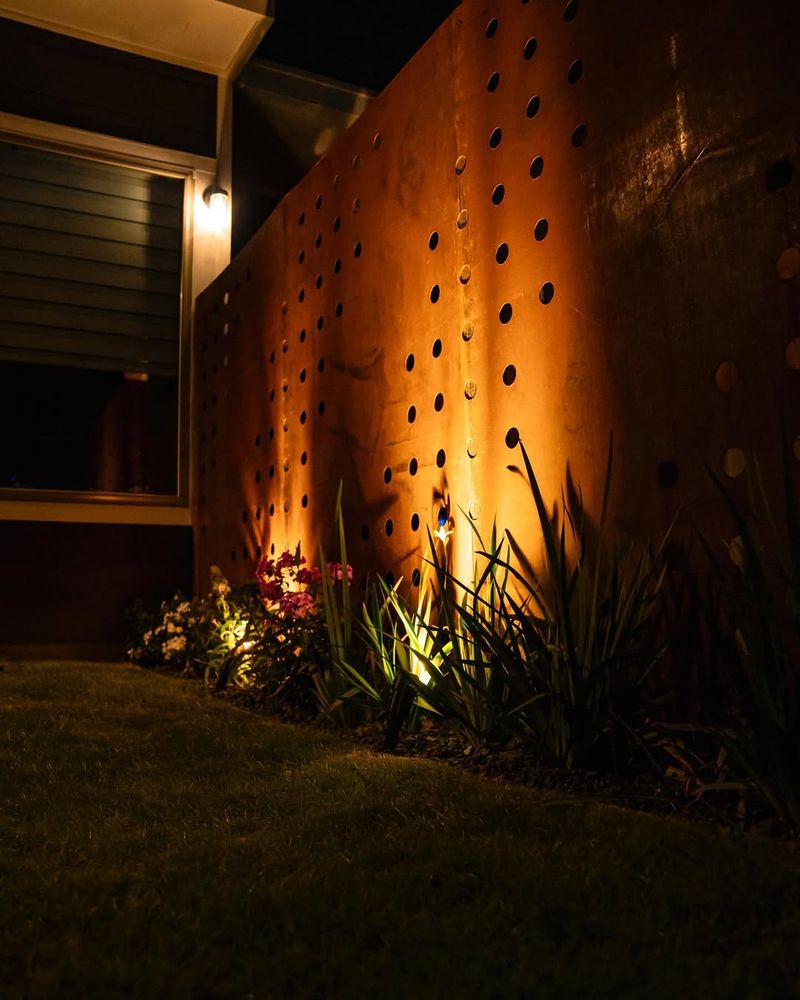
After the sun goes down in Arizona, your backyard doesn’t have to go dark and forgotten. Wall lighting transforms the same plants and textures you enjoy during the day into something completely different at night — dramatic, warm, and genuinely inviting.
Uplighting is the most effective technique for wall gardens. Place small LED spotlights at the base of tall plants like agave or bougainvillea, angling them upward so the light catches the plant structure and casts interesting shadows across the wall behind it.
Solar-powered spike lights work fine for this in Arizona because the sun charges them fully almost every single day of the year.
Wall sconces on either side of a planter grouping or metal panel create a layered lighting effect that looks professionally designed without needing an electrician for every fixture.
Warm white bulbs — around 2700 to 3000 Kelvin — complement desert tones better than cool white, which can make everything look clinical and flat.
String lights draped loosely along the top of a garden wall add a relaxed, casual glow that’s perfect for evening gatherings in the backyard.
In Scottsdale and Paradise Valley, where outdoor entertaining is practically a lifestyle, good wall lighting is what separates a nice yard from a great one.
Keep fixtures rated for outdoor use and check them after monsoon season for any moisture damage or debris buildup that could affect performance over time.
8. Hang Rustic Wood Frames With Small Potted Plants
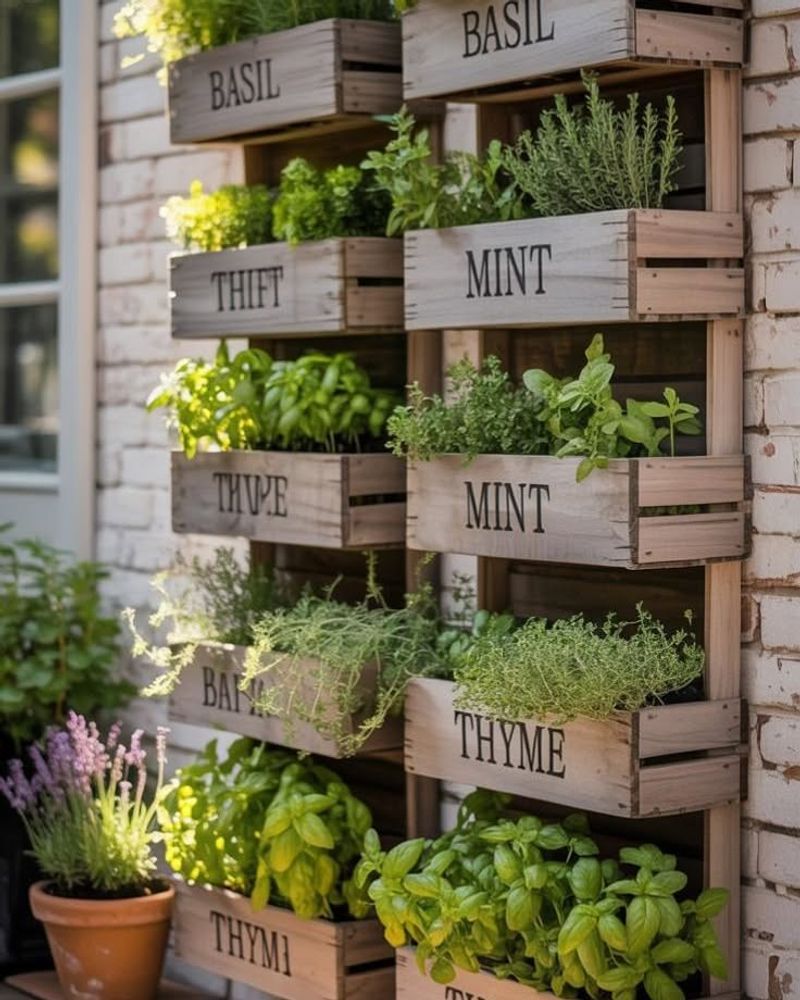
Rustic wood frames bring a warmth to backyard walls that metal and concrete simply cannot replicate.
Hang a few of them at varying heights on your Arizona patio wall, tuck small potted plants inside, and the whole setup feels like something out of a carefully curated desert retreat rather than a DIY afternoon project.
Cedar and reclaimed pine are the best wood choices for outdoor use in Arizona. Both handle heat and UV exposure better than untreated softwoods, and they develop a beautiful silvery-gray patina after a season or two in the desert sun.
Build simple shadow box frames or buy pre-made ones from craft stores, then seal them with an exterior wood sealant to extend their lifespan in the intense Arizona climate.
Inside each frame, place small pots of haworthia, string of pearls, or compact aloe varieties — plants that stay small, look great up close, and handle the dry air without needing daily attention.
Attach pots securely inside the frame using wire or small hooks so they don’t shift when the wind picks up during monsoon season.
Arrange frames in a loose grid or a staggered asymmetrical pattern across the wall — asymmetry almost always looks more natural and interesting than a perfectly even grid.
In homes across the East Valley and West Phoenix, this kind of wall feature adds texture and character that makes a backyard feel genuinely personal rather than generic or copied from a catalog.