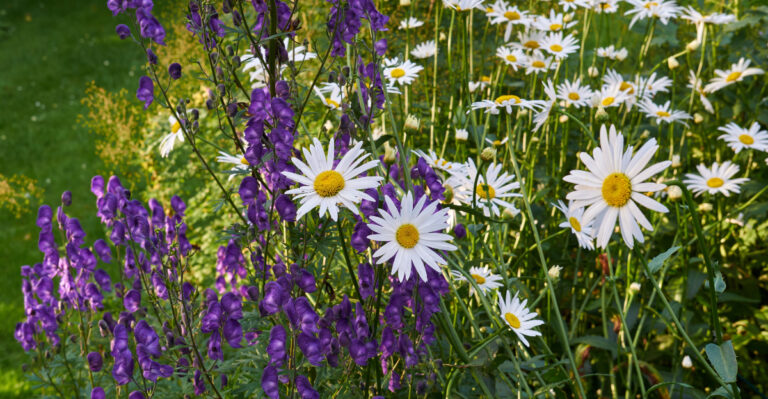
7 North Carolina Perennials You Should Cut Back Before New Growth Gets Any Taller
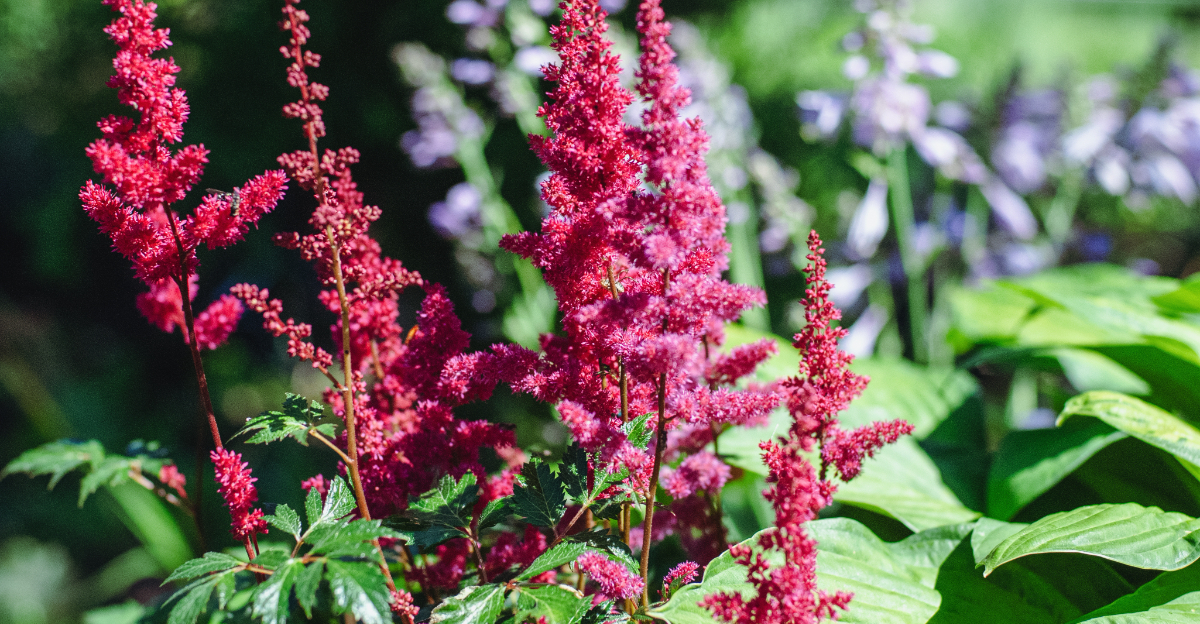
The unpredictable North Carolina spring often catches gardeners off guard when perennials suddenly erupt from the damp earth.
You might be enjoying a mild afternoon only to realize your favorite garden beds are already pushing out tender green shoots that were dormant just days ago.
This is a high-stakes race against the clock because waiting too long to clear away last year’s withered growth means you risk damaging the very stems that carry this season’s floral potential.
If you hesitate, your pruning shears will inevitably slice into new life, forcing the plant to waste energy repairing wounds instead of building massive blooms.
For local growers from the Piedmont to the coast, the secret to a professional-grade landscape lies in this immediate, tactical cleanup.
Focusing your energy on these seven specific varieties right now ensures your garden remains structured and vibrant rather than a tangled mess of old debris and stunted new growth.
1. Coneflower (Echinacea Purpurea)
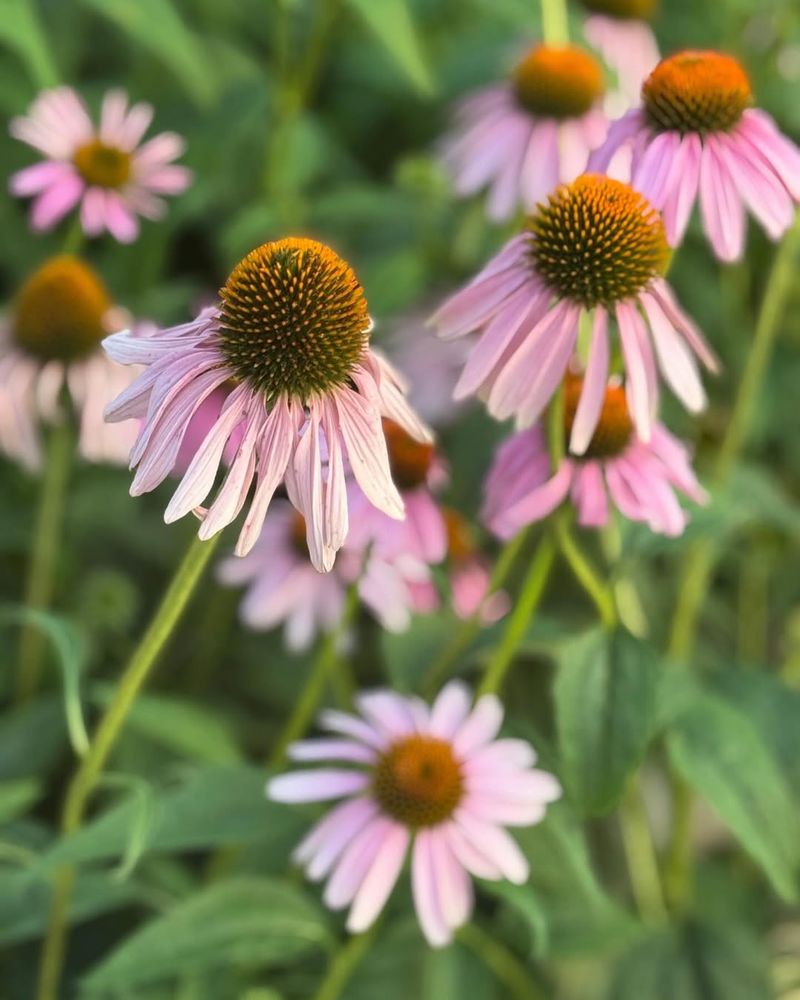
Coneflowers are tough, beautiful, and wildly popular in North Carolina gardens, but they do need a little attention before spring really kicks in.
Those old flower stems from last season can look ragged and worn by late winter, and leaving them in place too long makes it harder for fresh growth to get the energy it needs.
A light trim now sets the whole plant up for a stronger, more impressive display later in the season.
When you cut back Coneflowers, aim to remove the old stems down close to the base, leaving just a couple of inches above where the new shoots are beginning to emerge.
You will likely spot those tiny green rosettes already forming at ground level, which is your cue that the timing is just right.
Sharp, clean pruning shears make the job easy and help the plant heal quickly without any ragged edges.
Skipping this step can lead to a messier, more crowded plant that struggles to show off its iconic purple blooms.
Coneflowers are already one of the hardiest perennials you can grow in North Carolina, and a quick spring cutback rewards you with bushier, fuller plants loaded with those gorgeous daisy-like flowers that pollinators absolutely love.
A little effort in early spring pays off beautifully all the way through summer and into fall.
2. Black-Eyed Susan (Rudbeckia Hirta)
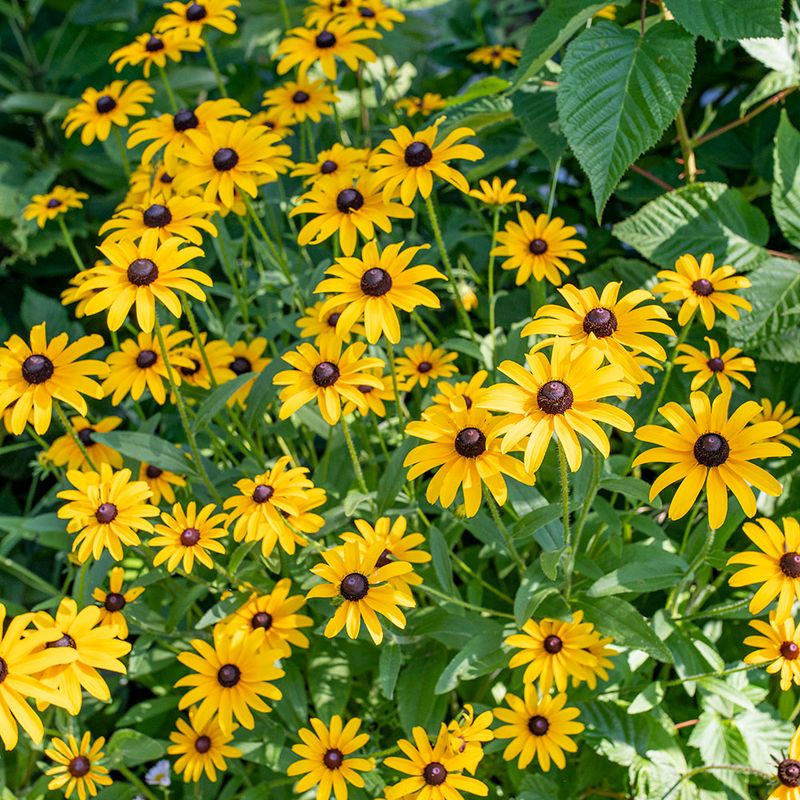
Few flowers say “North Carolina summer” quite like the cheerful yellow blooms of Black-eyed Susan.
These plants are reliable, sun-loving, and incredibly rewarding, but they do carry over a lot of old foliage and spent stems from the previous year.
Getting those out of the way early in spring is one of the best things you can do before new shoots start climbing.
Cut Black-eyed Susans back to just a few inches from the ground before new growth gets more than an inch or two tall.
Old stems and foliage can harbor fungal spores and pests that will happily move into fresh new growth if given the chance.
Removing that debris clears the air around the plant and lets sunlight reach the base, which encourages stronger stems and more vibrant blooms when summer arrives.
Your North Carolina Garden Changes Every Week. Your Plan Should Too.
Gardening in North Carolina changes quickly throughout the season. Every Friday you’ll receive a simple weekly plan showing exactly what to plant, prune, fertilize, harvest, and protect so you never miss the right timing.
One thing many North Carolina gardeners love about this plant is how quickly it bounces back after a good trim.
Within just a few weeks of cutting back, you will see fresh, healthy foliage filling in with real energy and purpose.
Black-eyed Susans also tend to spread naturally over time, so tidying them up in spring also gives you a chance to see where new plants have popped up and decide if you want to thin them out or let them spread.
Either way, a spring cutback keeps them looking their absolute best.
3. Bee Balm (Monarda Fistulosa)
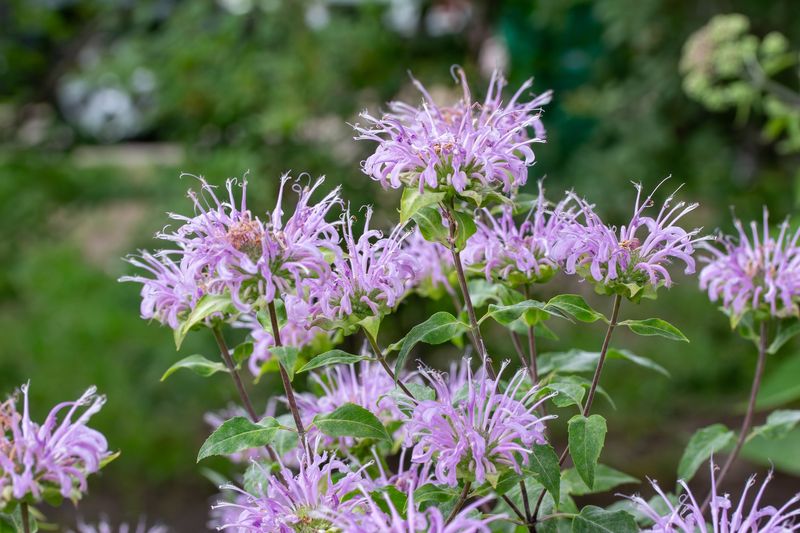
Bee Balm has a personality all its own. It grows fast, blooms boldly, and fills a garden with color and buzzing pollinators from midsummer onward.
But before all that excitement begins, there is a window in early spring when cutting it back makes a real difference in how the whole season plays out for this North Carolina favorite.
Trim Bee Balm down to about two or three inches above the ground before new growth starts reaching up.
The old stems from last year are usually hollow, brittle, and prone to harboring mildew, which is already a challenge for this plant in the humid North Carolina climate.
Removing them completely improves airflow around the crown of the plant, which is one of the most effective ways to reduce powdery mildew problems throughout the growing season.
Bee Balm spreads through underground runners, so spring is also a smart time to check how far it has traveled and pull back any sections that have crept into spots where you do not want them.
After a clean cutback, this plant comes roaring back with fresh, upright stems topped by those striking lavender and pink blooms that hummingbirds and bees cannot resist.
North Carolina gardeners who stay on top of this early spring task consistently report fuller, healthier Bee Balm plants with far fewer mildew headaches as the season heats up.
4. Astilbe (Astilbe Spp.)
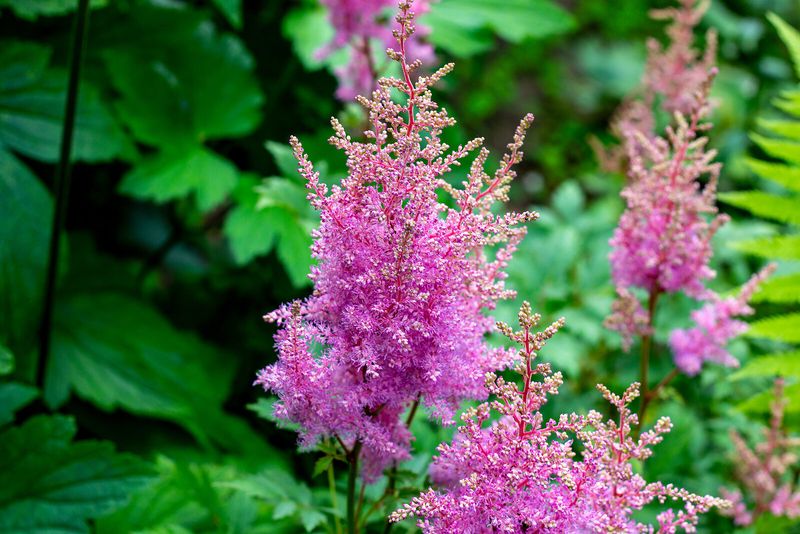
Astilbe is one of those plants that looks absolutely magical in full bloom, with its feathery plumes rising up in shades of pink, red, white, and lavender.
North Carolina gardeners with shaded spots in their yards often rely on Astilbe to bring color where few other plants will perform. But those gorgeous plumes from last season? They need to come off before new growth takes hold.
The old flower stalks and foliage of Astilbe tend to hold moisture against the crown of the plant, and in a climate like North Carolina’s, that trapped dampness is an open invitation for fungal issues.
Removing the old growth in early spring clears the way for fresh foliage to emerge cleanly and without competition from rotting material.
Use pruning shears to cut the old stems right down close to the ground, being careful not to disturb the emerging red or green new growth pushing up nearby.
Something many gardeners find surprising is how quickly Astilbe new growth appears in spring, often showing up earlier than expected.
Checking on your plants regularly in late winter keeps you from missing that ideal pruning window.
After a good spring cleanup, Astilbe tends to produce more vigorous foliage and fuller flower spikes than plants that were left untouched.
For any North Carolina gardener who wants a shade garden that truly shines, keeping up with this simple spring task makes all the difference.
5. Phlox (Phlox Paniculata)
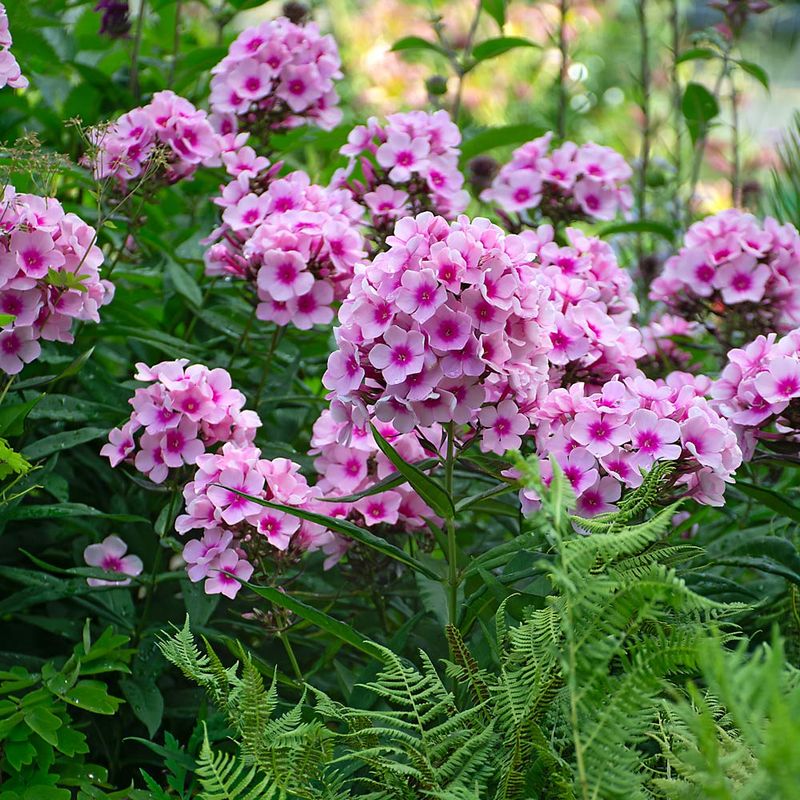
Garden Phlox is beloved across North Carolina for its tall, fragrant flower clusters that put on a show from midsummer into fall.
Growing it well, though, takes a little planning, and one of the most important steps happens right at the start of spring.
Cutting Phlox back to ground level before new shoots get going is a move that pays off big time later in the season.
Powdery mildew is the number one challenge for Phlox growers, and old stems left standing through winter are a prime source of fungal spores.
Removing all of that old material right down to the soil surface eliminates a major source of reinfection before the new season even begins.
It also lets you see exactly where new growth is emerging, making it easier to thin crowded clumps and give each stem enough space to breathe as the plant fills in.
North Carolina summers are warm and humid, which means Phlox needs every advantage it can get to stay healthy and upright through the heat.
After cutting back, consider adding a fresh layer of mulch around the base to help retain soil moisture and keep the roots cool.
Within a few weeks, you will see strong new stems pushing up with real vigor, and by midsummer those stems will be topped with the full, fragrant blooms that make Garden Phlox one of the most rewarding perennials you can grow anywhere in the state.
6. Shasta Daisy (Leucanthemum Superbum)
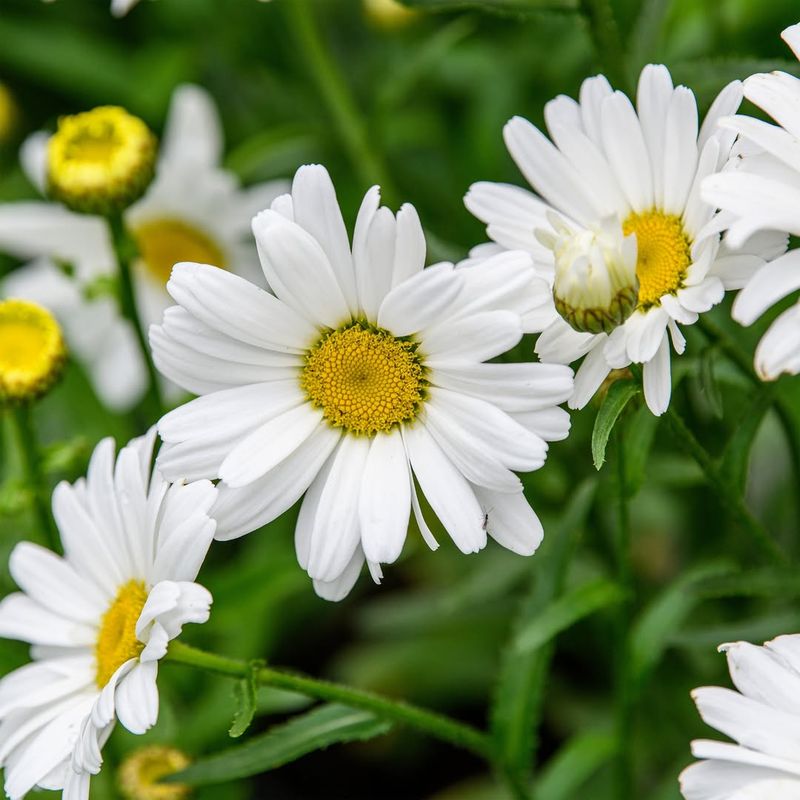
Shasta Daisies bring a classic, cheerful energy to North Carolina gardens with their crisp white petals and bright yellow centers.
They bloom reliably year after year, but they do require a bit of spring housekeeping to stay at their best.
Catching them before new growth gets too tall is the key to giving them a strong, healthy start to the season.
By late winter, Shasta Daisy plants often have a tidy low rosette of green basal leaves at the center, surrounded by old flower stems and dried foliage from the previous year. Those old stems should come off cleanly, cut right down close to the soil.
Leaving them in place can trap moisture and create cozy hiding spots for pests and fungal problems that thrive in North Carolina’s mild, sometimes damp winters. After a spring cutback, Shasta Daisies respond quickly and enthusiastically.
Fresh foliage fills in fast, and the plant puts its energy into producing strong stems that will hold up those big, beautiful blooms without flopping over.
Fertilizing lightly after pruning gives the plant an extra boost heading into the growing season.
North Carolina gardeners who stay consistent with this spring routine often find their Shasta Daisies multiply and spread into impressive clumps over the years, creating one of the most reliable and visually striking displays in the entire garden from late spring through midsummer.
7. Russian Sage (Perovskia Atriplicifolia)
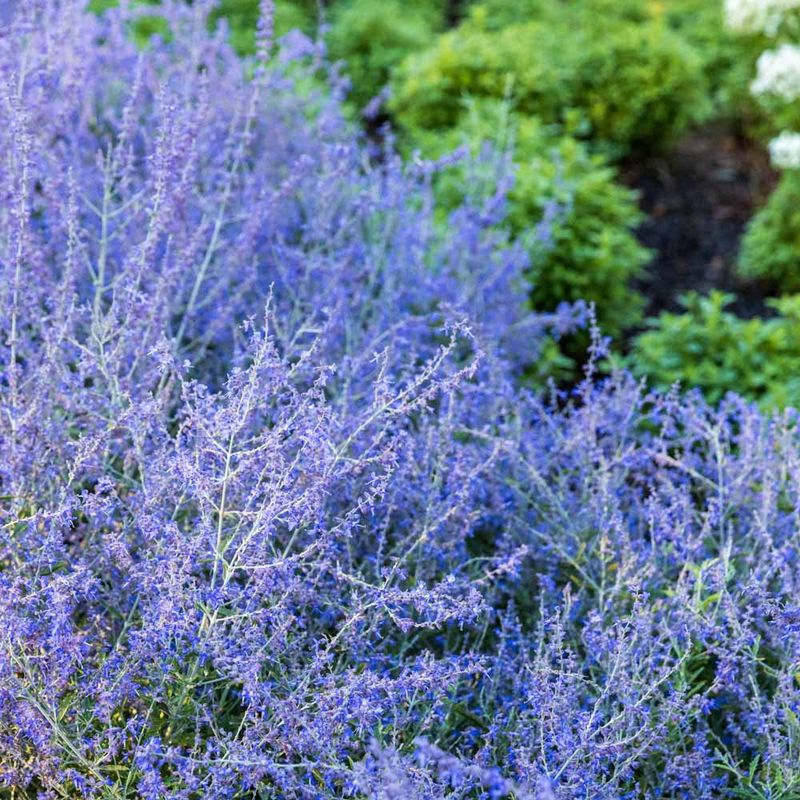
Russian Sage is one of those plants that stops people in their tracks when it is in full bloom. Those long, airy spikes of violet-blue flowers swaying in a summer breeze are genuinely stunning, and North Carolina’s warm, sunny summers suit this plant perfectly.
Getting it off to the right start in spring, though, means picking up the pruning shears before new growth takes off.
Cut Russian Sage back to about six to eight inches above the ground in early spring, right before you start to see new green buds breaking along the lower woody stems.
This might feel like an aggressive cut, but Russian Sage is remarkably resilient and actually thrives with hard pruning.
Removing all the old, gray, weather-worn stems from the previous season encourages the plant to push out fresh growth from the base, which results in a fuller, more compact shape rather than a tall, leggy plant that falls open in the middle.
One thing that makes Russian Sage especially valuable in North Carolina gardens is its tolerance for heat and drought once established.
After a good spring cutback and a few weeks of warm weather, this plant takes off with impressive speed.
By midsummer it will be covered in those signature blue-purple blooms that attract butterflies and bees from all over the neighborhood.
Skipping the spring trim often leads to a rangy, open plant that never quite reaches its full potential, so do not let that pruning window pass you by.