Easy Flower Seeds To Start Indoors In March For Thriving Michigan Gardens
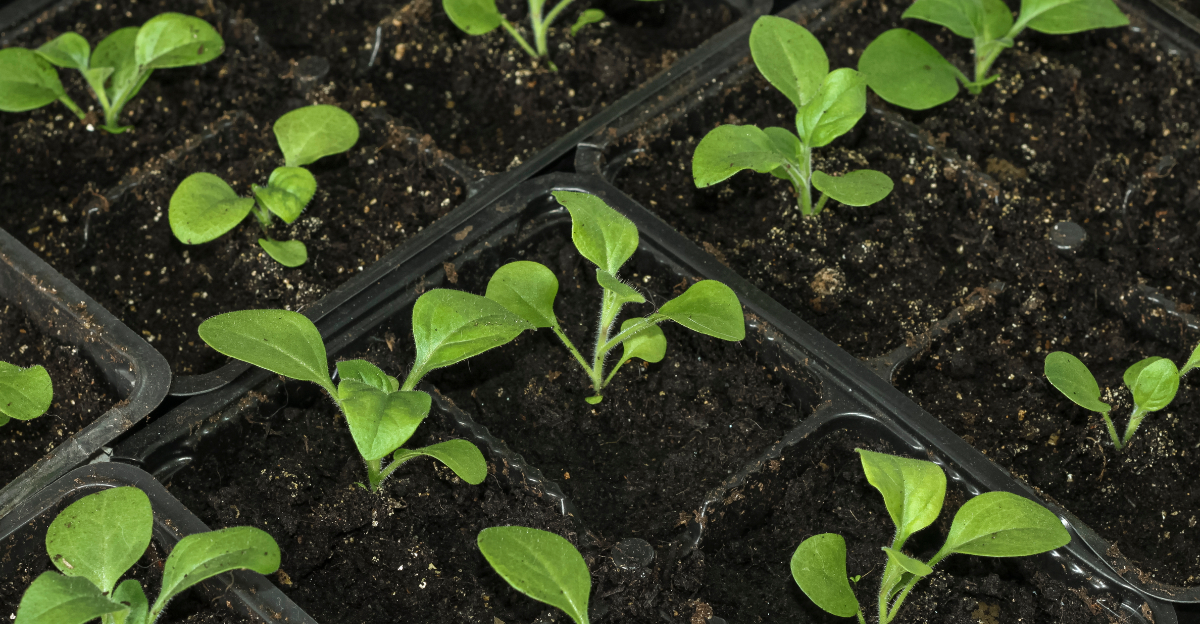
While the Great Lakes might still be locked in a gray slush, Michigan gardeners know that March is the most clandestine month of the growing season.
Outside, the ground is a stubborn mix of mud and frost, but inside, the race against our notoriously short summer has already begun.
Starting your flower seeds under grow lights now is the only way to bypass the frantic, late-spring rush at the local nursery.
In the Mitten State, waiting for the soil to warm up in May often means missing out on the full potential of slow-maturing varieties that need every bit of June sun to hit their stride.
By the time the last frost finally retreats from the Upper Peninsula to the Ohio border, your indoor starts will be robust enough to explode into bloom.
These early weeks of indoor cultivation are the secret to a high-impact landscape that stays vibrant until the first October freeze.
1. Marigold
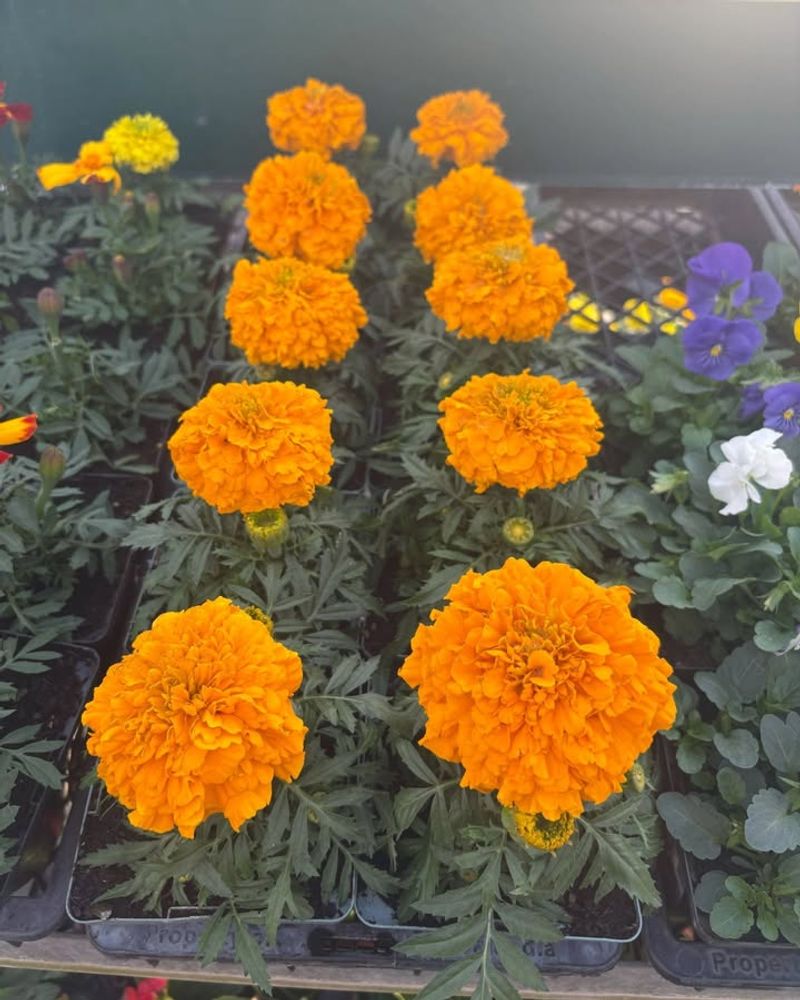
Few flowers bring as much cheerful energy to a Michigan garden as the marigold. These bold, sun-colored blooms have been a backyard favorite for generations, and for very good reason.
Marigolds are tough, fast-growing, and surprisingly easy to start from seed right on your kitchen windowsill.
Starting marigolds indoors in March gives Michigan gardeners a six to eight week head start before the last frost rolls through. Sow seeds about one quarter inch deep in a seed tray filled with moist potting mix.
Place the tray somewhere with bright, indirect light and keep the soil evenly moist but never soggy.
Germination usually happens within five to seven days, which is exciting to watch as tiny green sprouts push through the soil. Once seedlings have two sets of true leaves, thin them so each plant has enough room to grow strong.
Marigolds also act as a natural pest deterrent in garden beds, which makes them even more valuable for Michigan yards.
When outdoor temperatures stay consistently above 50 degrees Fahrenheit after the last frost, your marigold transplants will be ready to go outside. Full sun is where they truly thrive.
Plant them along borders, in containers, or mixed with vegetables for a colorful and practical garden display all summer long.
2. Zinnia
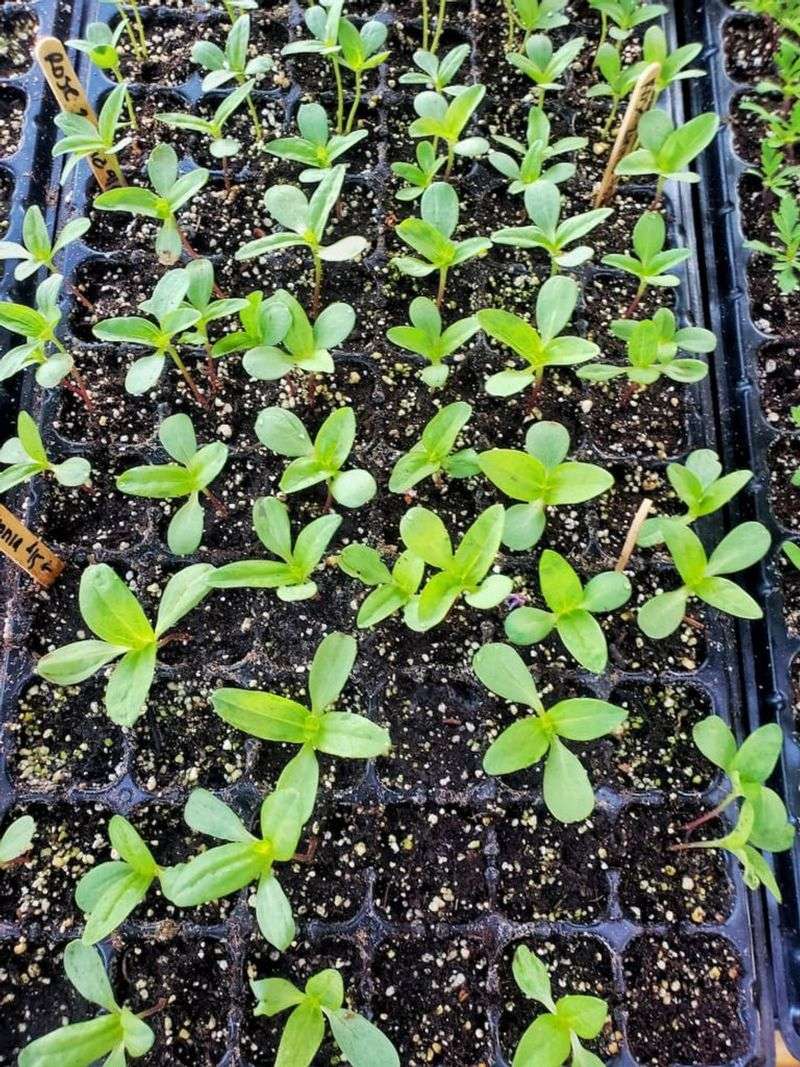
Zinnias are the kind of flower that makes a garden look like a painting. Their bold, daisy-like blooms come in nearly every color imaginable, from fire-engine red to soft lavender, and they attract butterflies like magnets.
For Michigan gardeners, starting zinnias indoors in March is a smart way to enjoy those stunning blooms as early as possible in summer.
Zinnia elegans seeds germinate incredibly fast, often sprouting within just four to seven days when conditions are right. Sow seeds about one quarter inch deep in a warm seed tray, keeping the soil moist but not waterlogged.
Zinnias love warmth, so aim to keep your indoor growing space around 70 to 75 degrees Fahrenheit for the best germination results.
One thing to keep in mind is that zinnias do not love having their roots disturbed. Use biodegradable peat pots so you can transplant them directly into the garden soil without disrupting the root system at all.
Your Michigan Garden Changes Every Week. Your Plan Should Too.
Gardening in Michigan changes quickly throughout the season. Every Friday you’ll receive a simple weekly plan showing exactly what to plant, prune, fertilize, harvest, and protect so you never miss the right timing.
This simple trick can really boost their success once they move outdoors after Michigan’s last frost date.
Full sun is absolutely essential for zinnias once they are outside. They need at least six to eight hours of direct sunlight daily to produce those showstopping blooms.
With the right care and a March indoor start, your Michigan garden will be filled with vibrant zinnia color from July all the way through the first fall chill.
3. Petunia
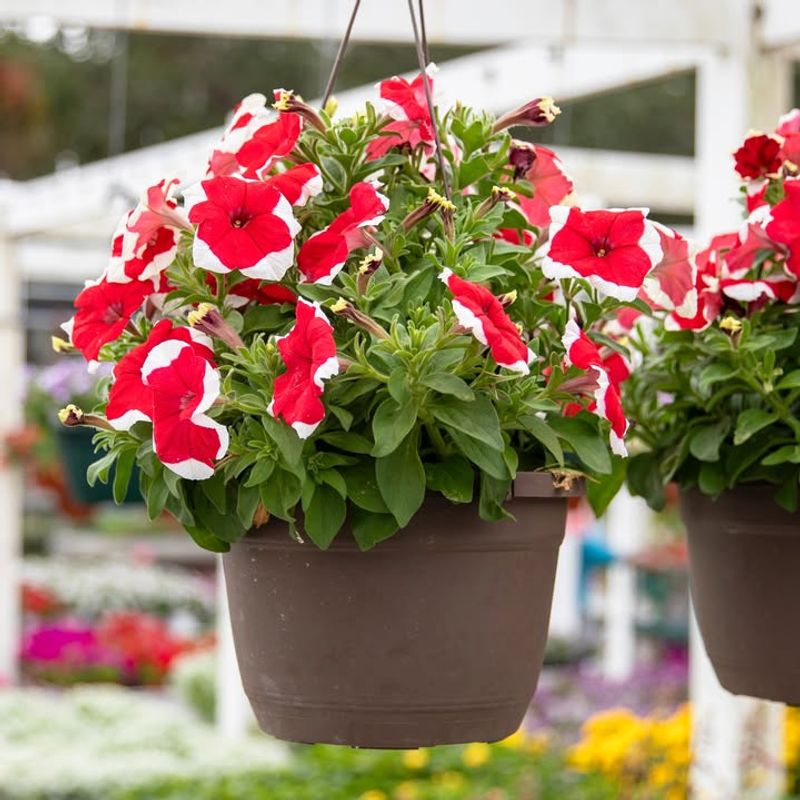
Petunias have a reputation for being one of the most rewarding flowers a beginner gardener can grow, and that reputation is completely earned.
Their trumpet-shaped blooms spill beautifully from containers, hanging baskets, and garden borders, making them a staple in Michigan yards every single summer. Starting them indoors in March gives you a serious advantage.
Petunia seeds are tiny, almost dust-like, which means sowing them takes a little patience. Press the seeds lightly onto the surface of moist seed-starting mix rather than burying them, since they need light to germinate properly.
Keep the tray in a warm spot around 70 degrees Fahrenheit and cover it loosely with plastic wrap to hold in moisture until sprouts appear.
Germination typically takes about ten to twelve days, so do not get discouraged if nothing happens right away. Once seedlings emerge, remove the plastic wrap and move the tray under a grow light or to your sunniest south-facing window.
Petunias need a lot of light indoors, at least fourteen to sixteen hours daily, to grow into strong, compact transplants.
By the time Michigan’s last frost passes in mid to late May, your petunia seedlings will be well-established and eager to go outside. Plant them in full sun for the most abundant blooms.
Regular watering and a light feeding every two weeks will keep them flowering beautifully all the way through fall in your Michigan garden.
4. Sweet Pea
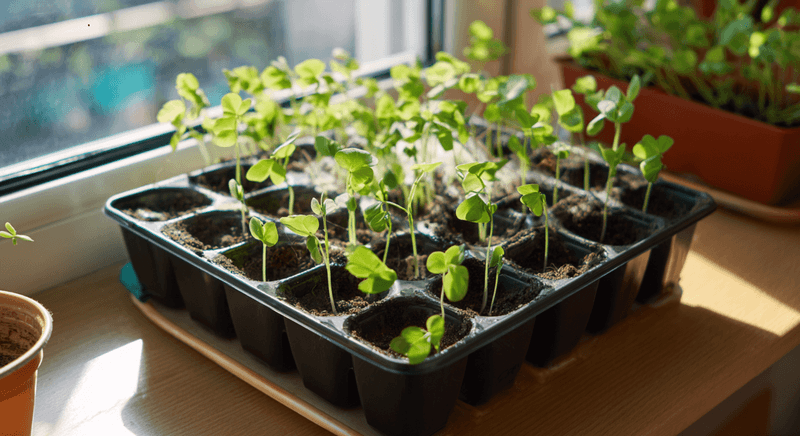
Sweet peas carry a kind of old-fashioned charm that feels rare in modern gardens. Their jewel-toned, ruffled blooms fill the air with a fragrance that is almost impossibly sweet, and they have been beloved by gardeners for centuries.
Starting them indoors in March is the secret to getting those gorgeous blooms earlier in the Michigan growing season.
Before you even plant sweet pea seeds, soak them in a small bowl of water for 24 hours. This softens the hard seed coat and dramatically improves germination rates.
After soaking, sow seeds about one inch deep in pots filled with moist seed-starting mix and place them in a cool but sunny location, ideally around 55 to 65 degrees Fahrenheit.
Sweet peas are cool-season flowers, which means they actually prefer slightly lower indoor temperatures than most other seedlings. A cool basement with a grow light or a chilly sunroom works perfectly for them in early March.
They should sprout within ten to fourteen days and grow quickly once they get going.
As seedlings develop, provide a small stick or trellis for their curling tendrils to grab onto right away. Sweet peas are natural climbers and love having something to hold.
Transplant them outdoors in Michigan after the last frost into a spot with full sun and good airflow, and get ready for armloads of fragrant blooms all spring and early summer long.
5. Snapdragon
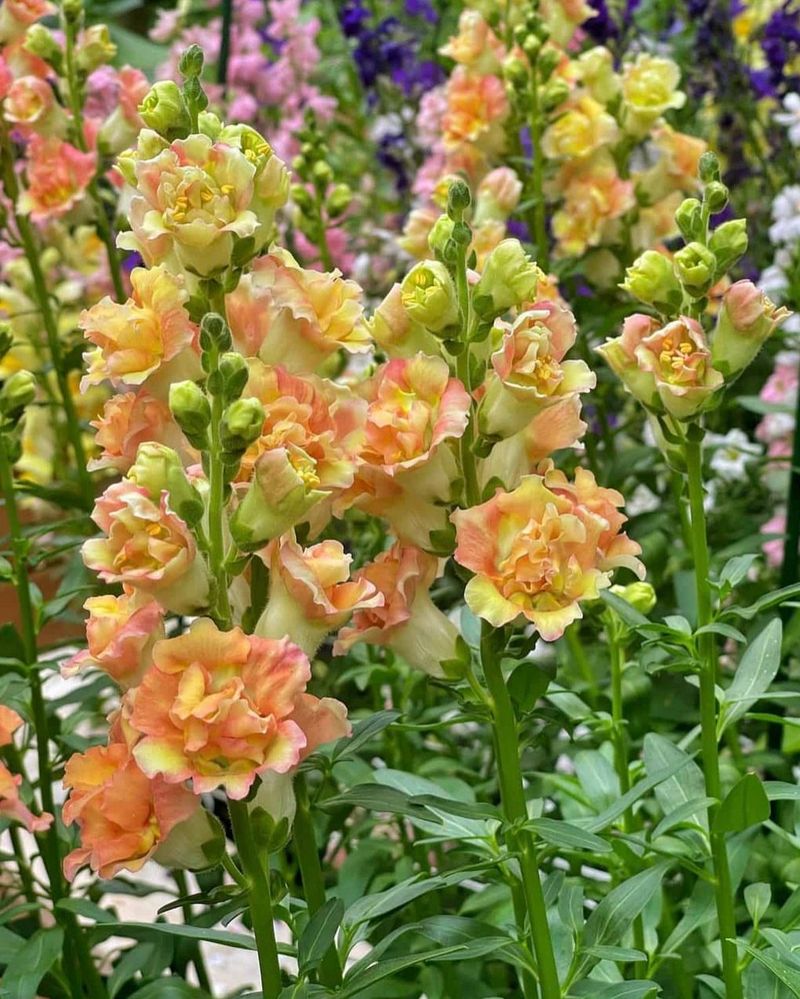
Snapdragons are one of those flowers that spark pure joy the moment you see them. Their tall, colorful spikes and unique pinching blooms have entertained gardeners and kids alike for ages.
In Michigan, where the growing season is limited, starting snapdragon seeds indoors in March is the key to enjoying those beautiful flower spikes all summer long.
Antirrhinum majus needs a long growing season, making an early indoor start absolutely essential for Michigan gardeners.
Sow seeds about one quarter inch deep in a seed tray filled with fine seed-starting mix and place them in a location that stays around 65 degrees Fahrenheit.
Snapdragons actually prefer cooler conditions than many other seedlings, so avoid placing them somewhere too warm.
Provide bright light for at least fourteen hours a day using a grow light or a very sunny south-facing window. Seedlings should emerge within ten to fourteen days and will grow into sturdy little plants over the following weeks.
Pinch the tips of seedlings when they reach about three inches tall to encourage bushier, more productive growth.
After Michigan’s last frost, harden off your snapdragon transplants by setting them outside for a few hours each day over the course of a week. Then plant them in a sunny garden bed and watch them take off.
Snapdragons are fantastic cut flowers and will keep producing blooms well into fall, especially in Michigan’s cooler autumn temperatures.
6. Cosmos
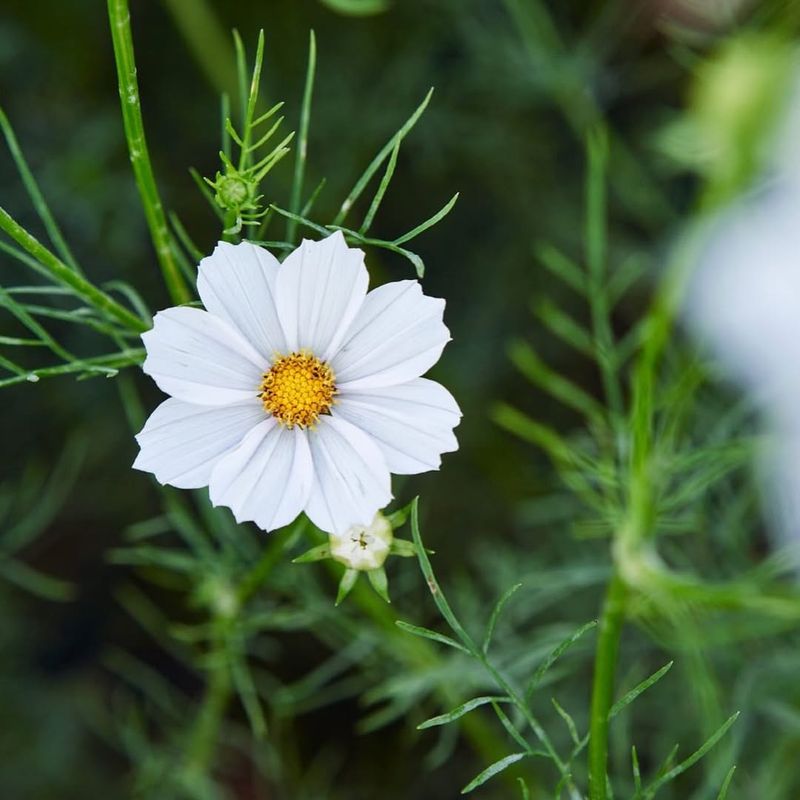
There is something almost magical about cosmos flowers swaying in a summer breeze. Their feathery foliage and daisy-like blooms in shades of pink, white, and deep magenta bring a wildflower feel to any Michigan garden.
Starting cosmos seeds indoors in March gives them a six-week head start before transplanting after the last frost.
Sow cosmos seeds about one quarter inch deep in a tray of lightly moistened seed-starting mix. Place the tray in a bright, warm spot indoors and watch for sprouts within five to seven days.
Cosmos are vigorous germinators and tend to grow quickly, so do not be surprised when they shoot up fast in your indoor seed-starting setup.
Once seedlings have two sets of true leaves, thin them carefully so each plant has plenty of space to develop a strong root system. Overcrowding at this stage can lead to weak, leggy plants that struggle after transplanting.
Bright light is essential indoors, so a grow light positioned just a few inches above the seedlings works best for keeping them compact and healthy.
One of the best things about cosmos is their drought tolerance once established outdoors. After transplanting into your Michigan garden following the last frost, they need very little fussing over.
Full sun, well-drained soil, and occasional watering are all they ask for in return for months of cheerful, pollinator-friendly blooms that brighten up the entire yard from midsummer through fall.
7. Sunflower
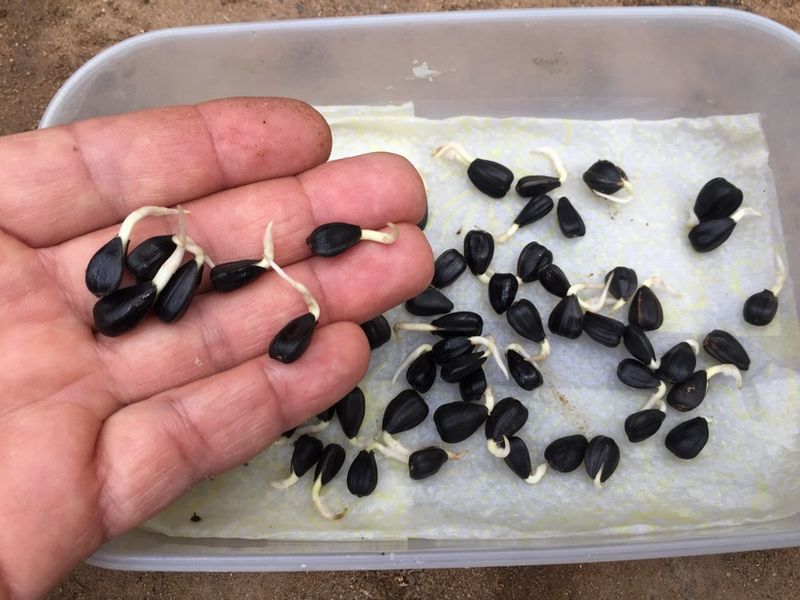
Sunflowers have an almost legendary status in the gardening world, and it is not hard to understand why. Their towering stems and giant, golden faces radiate warmth and happiness, and they are surprisingly easy to grow from seed.
Michigan gardeners who start sunflowers indoors in March get a head start that pays off in a big, beautiful way by midsummer.
Plant sunflower seeds about one inch deep in individual pots rather than a shared seed tray, since sunflowers develop a deep taproot that does not like being disturbed. Use a deep pot to give those roots plenty of room to grow downward.
Keep the soil moist and place the pots in the brightest spot in your home or under a strong grow light for best results.
Sunflowers germinate quickly, usually within five to ten days, and they grow fast. Check on them daily once they sprout because they can get tall and leggy without enough light.
Rotating the pots every day or two helps prevent the seedlings from leaning too much toward the light source and keeps them growing straight and strong.
After Michigan’s last frost passes, harden off your sunflower transplants over about a week before moving them to their permanent outdoor spot. Choose a location with full sun and well-drained soil.
Sunflowers are heavy feeders, so mixing a little compost into the planting hole gives them a great nutritional boost as they reach for the Michigan sky all summer long.
8. Geranium
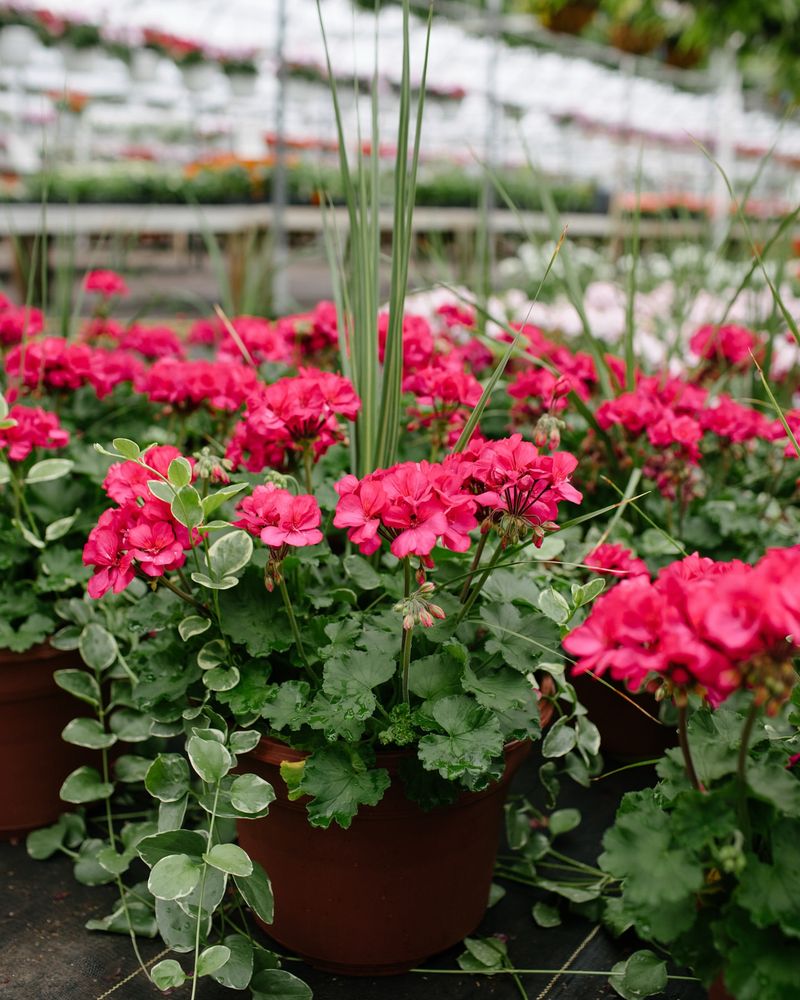
Geraniums are a classic Michigan porch and garden flower for a very good reason. Their round clusters of vivid blooms in red, pink, salmon, and white look stunning in containers, window boxes, and garden beds alike.
Growing them from seed indoors in March is a budget-friendly way to fill your outdoor spaces with color without spending a fortune on transplants at the nursery.
Pelargonium hortorum seeds need warmth to germinate well, so keep your seed tray in a spot that stays consistently around 70 degrees Fahrenheit.
Sow seeds about one quarter inch deep in moist seed-starting mix and cover the tray loosely with a clear plastic dome to hold in heat and humidity. Germination can take anywhere from five to fifteen days, so patience is part of the process.
Once sprouts appear, remove the plastic covering and move seedlings to a very bright location with at least fourteen to sixteen hours of light daily.
Geraniums grown from seed tend to be slower than cuttings, which is exactly why starting them in March in Michigan is so smart.
That early start gives them the full time they need to develop into strong, blooming plants by summer.
Transplant geraniums outside after Michigan’s last frost date into a spot with full to partial sun. They thrive in well-drained soil and appreciate regular watering without being waterlogged.
With a March indoor start, your geraniums will reward you with season-long blooms that brighten up every corner of your Michigan garden and patio all summer.
9. Calendula
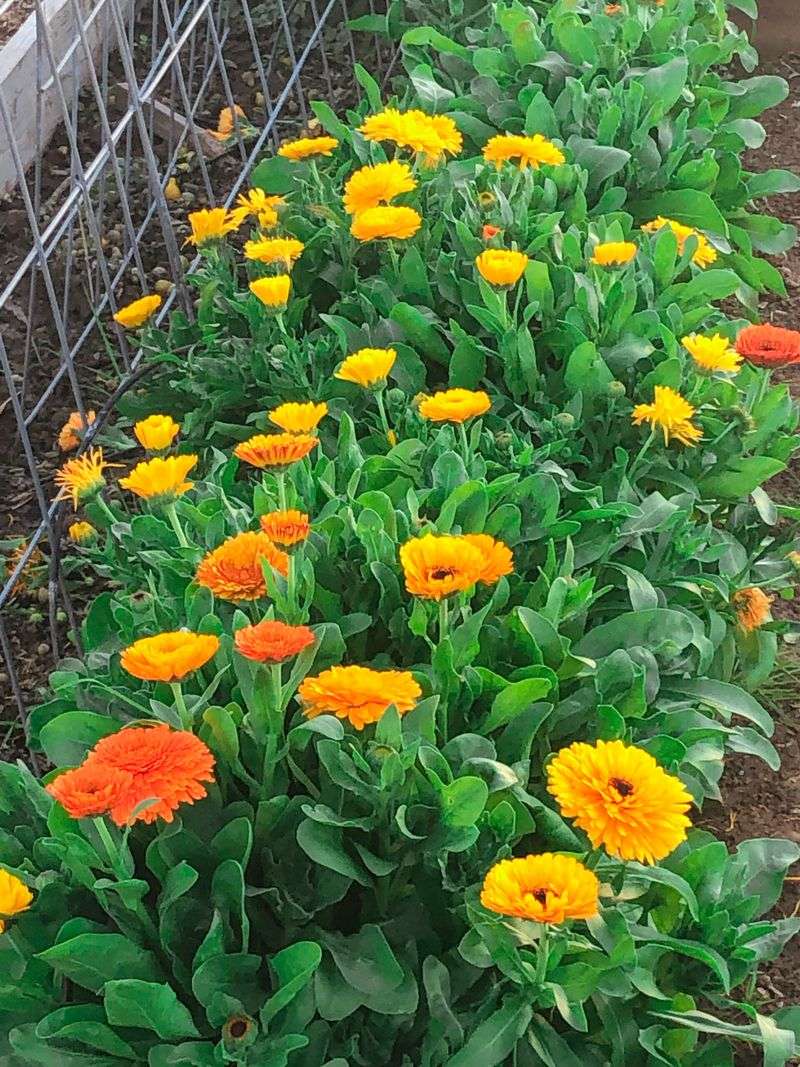
Calendula is one of those quietly wonderful flowers that every Michigan gardener should have in their seed collection.
Also called pot marigold, this cheerful bloom in shades of orange, yellow, and gold has been grown in gardens for hundreds of years for both its beauty and its many practical uses.
Starting calendula seeds indoors in March gives you a strong crop ready to transplant as soon as the soil warms up.
Sow calendula seeds about one quarter inch deep in moist seed-starting mix and place the tray in a bright location near a sunny window or under a grow light. Germination is reliable and usually happens within five to ten days.
One of the best things about calendula is that it does not need high temperatures to sprout, making it a forgiving and easygoing flower for beginner seed starters in Michigan.
Keep seedlings in a bright spot with at least twelve to fourteen hours of light daily to prevent them from getting too tall and spindly before transplanting. Water consistently but allow the top layer of soil to dry slightly between waterings to keep roots healthy.
Thin seedlings so each plant has adequate space to develop before moving outdoors. Calendula is wonderfully cold tolerant once established, which is great news for Michigan gardeners dealing with unpredictable spring weather.
After the last frost, plant them in a sunny to partly shaded spot and enjoy their vibrant blooms from late spring all the way through summer. They also attract beneficial insects that help your entire Michigan garden thrive.