What Seeds To Start Indoors In March In Grand Rapids, Michigan For A Strong Garden
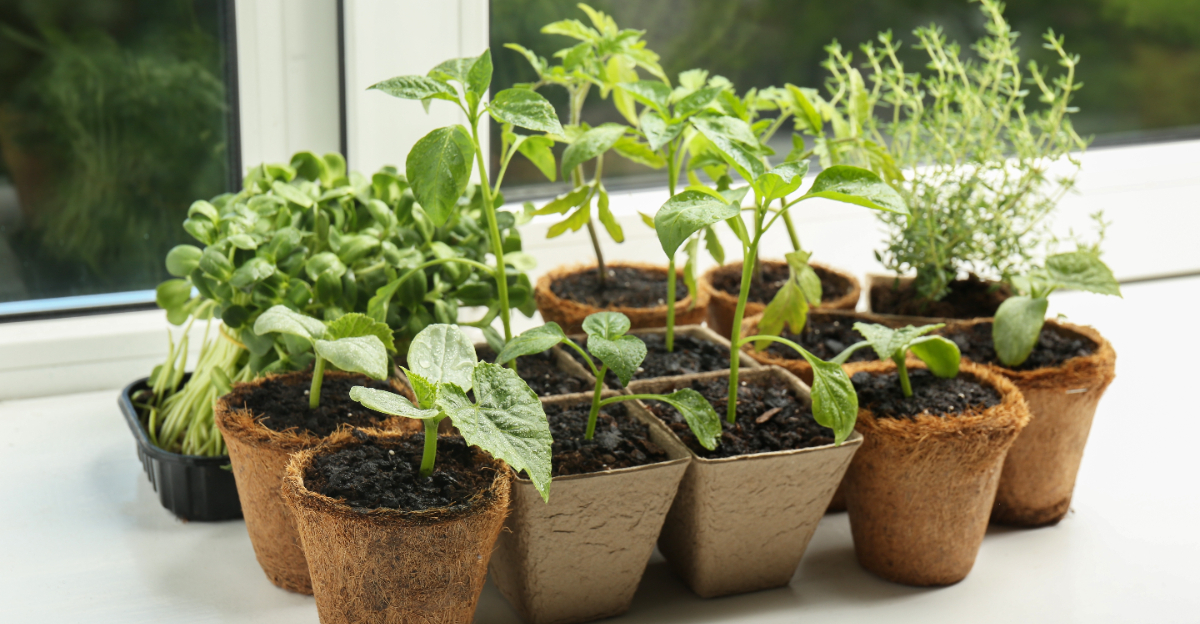
March in Grand Rapids is a fickle season where the lingering West Michigan slush often hides the fact that the primary growing window is rapidly approaching.
For gardeners navigating the specific transition between USDA Zones 5b and 6a, this month is the absolute deadline for tactical indoor seed starting.
Because the Kent County frost line typically refuses to budge until mid-May, waiting for the soil to warm up outdoors is a recipe for a stunted harvest.
Smart local growers know that those extra weeks under grow lights allow root systems to anchor deeply before they face the humid breeze of Lake Michigan.
Whether you are tending a small urban plot near Heritage Hill or a sprawling backyard in Cascade, getting these ten specific varieties into seed trays now is the only way to ensure a lush, high-yield summer.
This is your chance to outsmart the Great Lakes climate and guarantee a garden that hits its peak performance by July.
1. Tomatoes
Nothing beats the taste of a homegrown tomato, and in Grand Rapids, getting that reward starts right here in March.
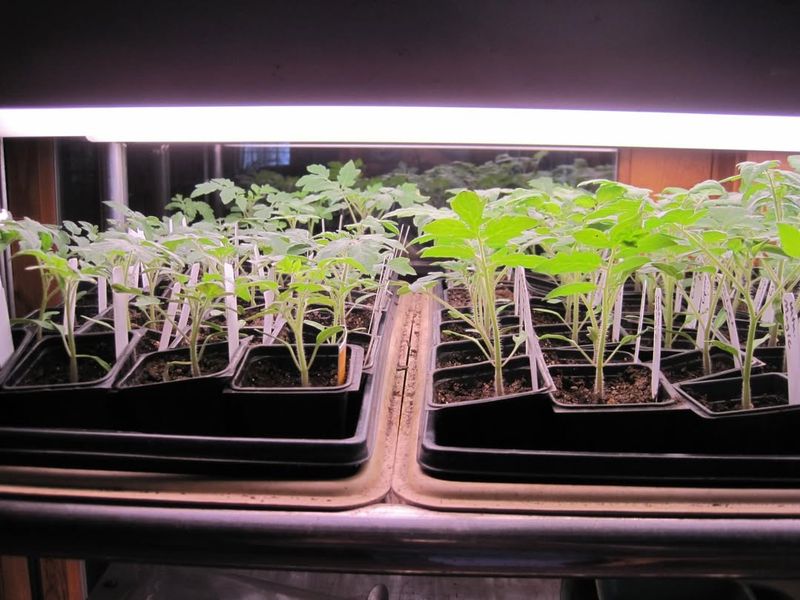
Tomatoes need 6 to 8 weeks of indoor growing time before they are ready for the outdoor garden, which makes early March the ideal moment to drop those seeds into trays.
Plant them about one-quarter inch deep in a good quality, soilless seed-starting mix, and keep the soil consistently moist but never waterlogged.
Warmth is everything for tomato germination. Soil temperatures between 70 and 80 degrees Fahrenheit will speed up sprouting, so placing trays on a heat mat can make a big difference.
Once the seedlings pop up, move them under grow lights or a bright south-facing window for at least 12 to 16 hours of light each day.
Strong, stocky seedlings are the goal, not tall and spindly ones. If your seedlings stretch too much toward the light, they are not getting enough brightness.
Around mid-May in Grand Rapids, after that last frost has passed, your tomato plants will be ready to move outside into their permanent garden spots. Starting in March gives you a real advantage and sets the stage for a truly productive summer harvest.
2. Peppers
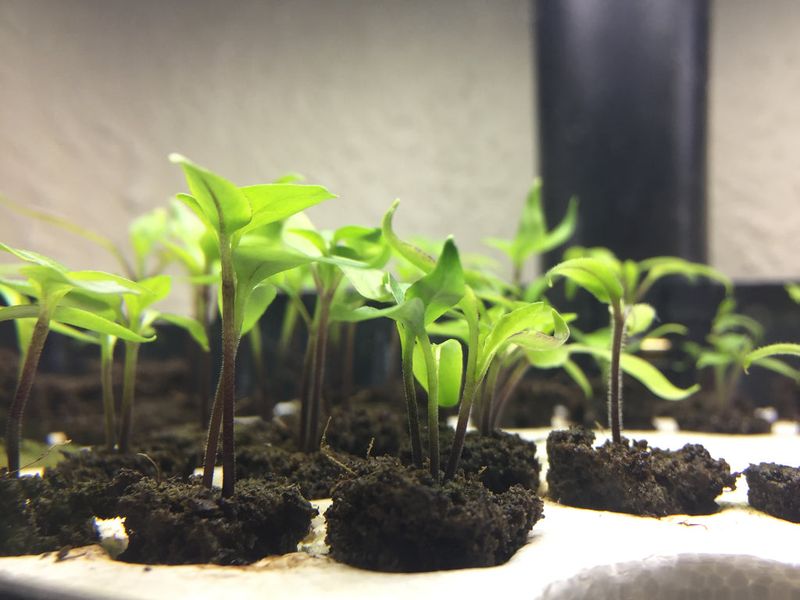
Peppers are slow starters, and that is exactly why March in Grand Rapids is the right time to get them going indoors.
They need 8 to 10 full weeks of indoor growth before they are tough enough to handle outdoor conditions, so planting in early March puts them right on schedule for a mid-May transplant date.
The key thing to know about peppers is that they absolutely love warmth during germination.
Soil temperature should hover around 70 degrees Fahrenheit or even a little higher. A seedling heat mat works wonders here, helping seeds sprout faster and more evenly.
Sow seeds about one-quarter inch deep in seed-starting cells, and cover the trays loosely with plastic wrap to hold in humidity until the first sprouts appear.
Once your pepper seedlings are up, strong light becomes the top priority. A south-facing window can work, but grow lights really give peppers the intensity they crave during Michigan’s still-dim March days.
Your Michigan Garden Changes Every Week. Your Plan Should Too.
Gardening in Michigan changes quickly throughout the season. Every Friday you’ll receive a simple weekly plan showing exactly what to plant, prune, fertilize, harvest, and protect so you never miss the right timing.
Aim for 14 to 16 hours of light daily to keep plants compact and healthy. Bell peppers, banana peppers, and hot varieties all follow this same schedule, so you can start a whole colorful mix at once.
Grand Rapids gardeners who start peppers in March are rewarded with full, productive plants all summer long.
3. Broccoli
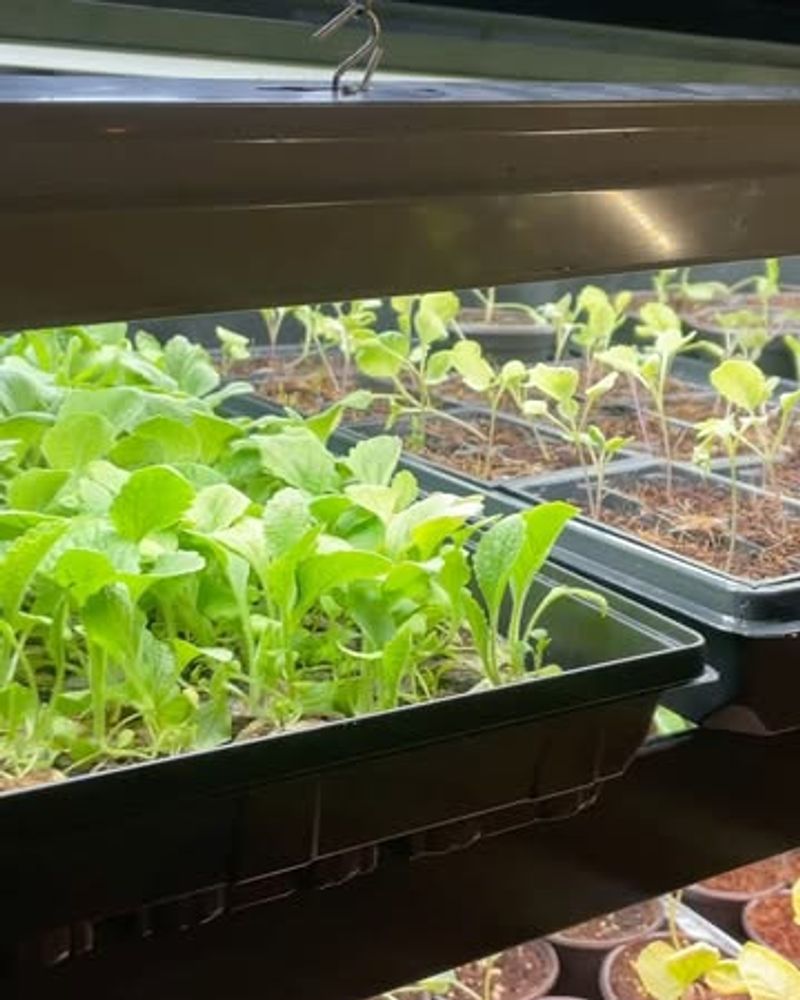
Broccoli is one of those vegetables that actually prefers cool weather, which makes it a fantastic fit for Grand Rapids springs. Starting it indoors in March gives you seedlings that are ready to go outside well before the heat of summer sets in.
Broccoli does best when transplanted outdoors about 4 to 6 weeks before the last frost, meaning your mid-March seedlings will be perfectly timed for an early May move to the garden.
Sow broccoli seeds about one-quarter inch deep in seed trays filled with a sterile, soilless mix. Germination usually happens within 5 to 10 days when soil temperatures stay between 60 and 70 degrees Fahrenheit.
Unlike tomatoes and peppers, broccoli does not need extra warmth to sprout, so a cool but bright indoor spot works perfectly.
Good airflow around your seedlings helps prevent damping off, which is a fungal issue that can wipe out young plants quickly. A small fan set on low nearby does a great job of keeping air moving.
Once your broccoli seedlings have two or three sets of true leaves, they are ready to start hardening off for outdoor life. Grand Rapids gardeners who grow broccoli from seed in March often enjoy an early summer harvest that beats anything found in a grocery store.
4. Lettuce
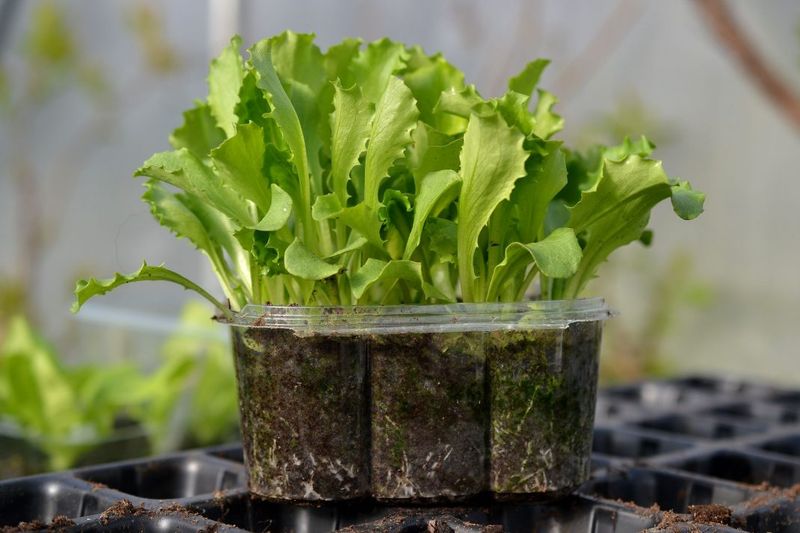
Crisp, fresh lettuce straight from your own garden is one of spring’s best rewards, and March is the perfect time to start making that happen in Grand Rapids.
Lettuce is a cool-season crop that actually struggles in the heat of summer, so getting seeds going indoors in early March means you will have tender, harvestable leaves right around the time the weather is still pleasant and mild.
Plant lettuce seeds about one-half inch deep in shallow seed trays or small pots. Lettuce seeds are tiny, so scatter them lightly and thin seedlings once they reach an inch or two tall.
Keep the soil consistently moist because lettuce does not like to dry out, and cool temperatures between 60 and 65 degrees Fahrenheit are ideal for both germination and early growth.
One of the best things about growing lettuce is how quickly it moves. You can go from seed to harvest in as little as 45 to 60 days with many varieties, which means a March indoor start translates to fresh salads by late May or early June in Grand Rapids.
Try starting a mix of leaf lettuces, butterhead varieties, and romaine types to keep your salad bowl interesting all spring long. A bright windowsill or a simple grow light setup is all you need to get started.
5. Cauliflower
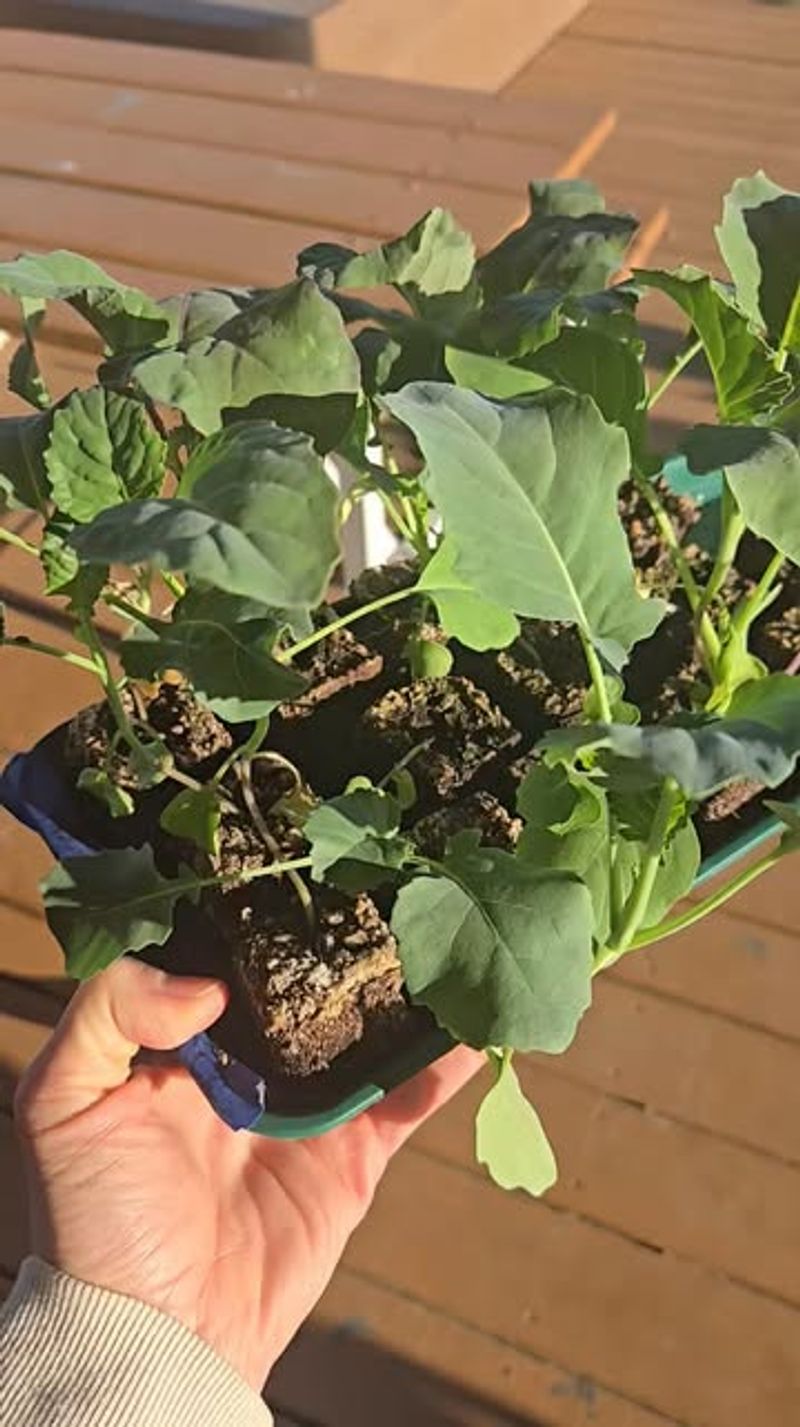
Cauliflower has a reputation for being a little fussy, but starting it right in March in Grand Rapids sets you up for real success.
It needs 6 to 8 weeks of indoor growing time, and because it thrives in cooler outdoor temperatures, timing the transplant for when Grand Rapids soil reaches around 55 degrees Fahrenheit is the sweet spot.
That usually lines up with late April or early May, which works out perfectly from a March indoor start.
Sow cauliflower seeds about one-quarter inch deep in individual seed cells so each plant has its own space to develop strong roots. Keep the soil temperature between 65 and 70 degrees Fahrenheit for the best germination results.
Cauliflower seedlings appreciate bright light and good air circulation, so position them near your strongest indoor light source and let a gentle fan run nearby.
One important thing to watch for with cauliflower is consistent moisture. The soil should stay evenly moist, never completely dry and never soggy.
Cauliflower also benefits from regular feeding with a diluted liquid fertilizer once seedlings are a few weeks old.
Grand Rapids gardeners who give cauliflower a proper March indoor start are often amazed at how well it performs once it gets into the cool spring soil outside. It is a rewarding vegetable that is well worth the extra attention.
6. Celery
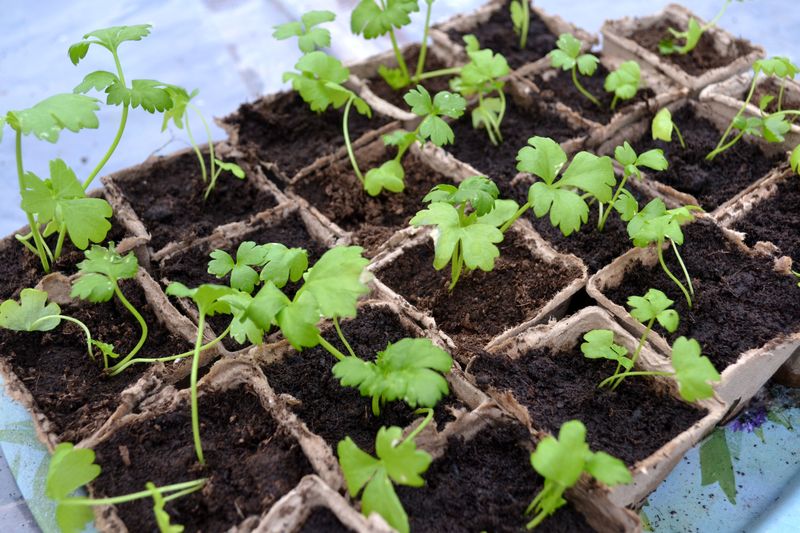
Celery is one of the longest-growing vegetables you can raise in your Grand Rapids garden, and that is exactly why starting it indoors in March is not just helpful but absolutely necessary.
From seed to harvest, celery can take 120 to 140 days, which means a March indoor start gives it the runway it needs to fully mature before the end of Michigan’s growing season.
Sow celery seeds very shallowly, just about one-quarter inch deep or even pressed lightly onto the surface of moist seed-starting mix. Celery seeds are extremely small and need light to germinate properly.
Keep the soil consistently moist and maintain temperatures around 70 to 75 degrees Fahrenheit for the best results. Germination can take up to two weeks, so patience is important here.
Humidity is a big friend to celery seedlings in their early stages. Covering trays loosely with a plastic dome until sprouts appear helps hold in the moisture these seeds crave.
Once seedlings are up and growing, provide at least 12 hours of light daily using grow lights or your brightest south-facing window. Celery transplants well outdoors in Grand Rapids once nighttime temperatures stay consistently above 50 degrees Fahrenheit.
Starting in March means you will have sturdy, established plants ready to move outside in mid-May, giving celery every chance to thrive through the summer.
7. Herbs (Basil, Parsley, And Oregano)
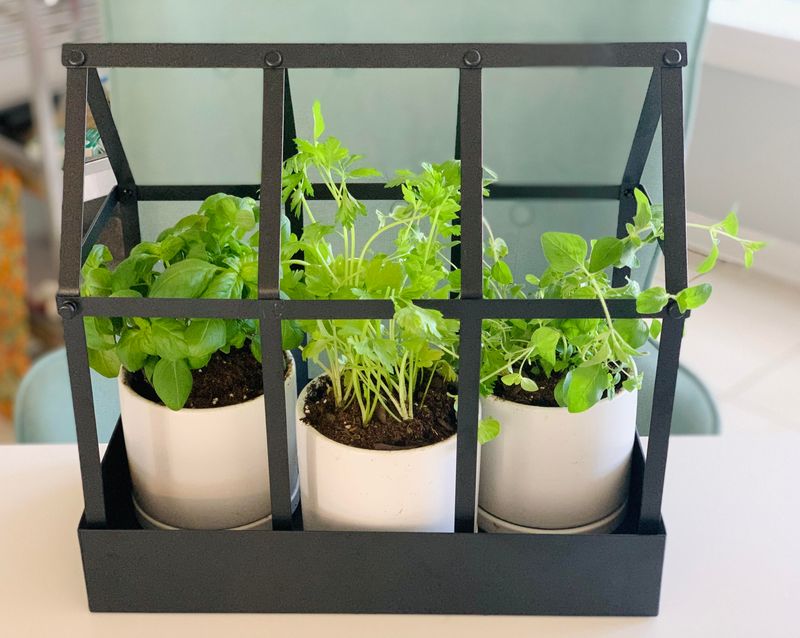
Fresh herbs straight from your own garden change everything about home cooking, and starting basil, parsley, and oregano indoors in March is the easiest way to make that happen in Grand Rapids.
All three of these popular herbs need about 6 to 8 weeks of indoor growing time before they are ready to move outside after the last frost.
The good news is that they are all fairly easy to grow from seed with just a little attention to light and moisture.
Sow herb seeds about one-half inch deep in small pots or seed cells filled with a light, well-draining seed-starting mix. Basil loves warmth and germinates best when soil temperatures are around 70 degrees Fahrenheit.
Parsley is known for being a slow germinator, sometimes taking up to three weeks, so do not get discouraged if it takes its time. Oregano sprouts more quickly and does not need as much heat as basil.
All three herbs thrive under grow lights or in a south-facing window that gets strong, direct light for most of the day. Keeping the soil evenly moist without overwatering is the main care tip for healthy herb seedlings.
Once Grand Rapids temperatures settle after mid-May, these herbs can move outdoors to a sunny garden bed or containers on a patio. Fresh basil on pizza, homegrown parsley in soups, and garden oregano in pasta sauce make every meal better.
8. Cabbage
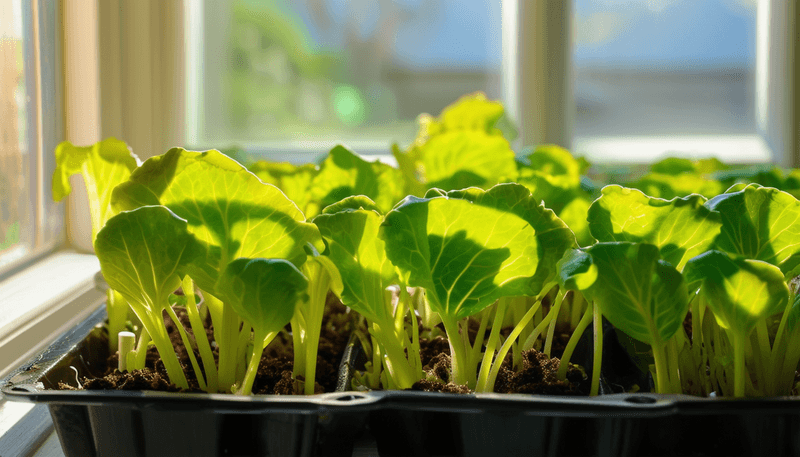
Cabbage is a powerhouse vegetable for the Grand Rapids garden, and it loves the cool spring conditions that Michigan naturally provides.
Starting cabbage seeds indoors in March gives you strong transplants that are ready to go outside about 4 to 6 weeks before the last frost, which in Grand Rapids means they can head to the garden bed as early as late April.
Cabbage actually grows better when it experiences some cool weather, making it a natural fit for early spring planting here.
Sow cabbage seeds about one-quarter inch deep in seed trays or individual cells. Germination happens quickly, usually within 5 to 7 days when soil temperatures are between 65 and 70 degrees Fahrenheit.
Unlike some other seedlings that need extra warmth, cabbage is perfectly happy in a cool indoor space as long as it gets plenty of bright light each day.
Keeping cabbage seedlings on the cooler side indoors, around 60 to 65 degrees Fahrenheit, actually encourages stockier, stronger growth rather than the tall and leggy growth that happens in overly warm conditions.
Water regularly but allow the surface of the soil to dry slightly between waterings to prevent root issues.
Grand Rapids gardeners who start cabbage in March often enjoy a generous early summer harvest of firm, flavorful heads that store well and taste incredible fresh from the garden.
9. Kale
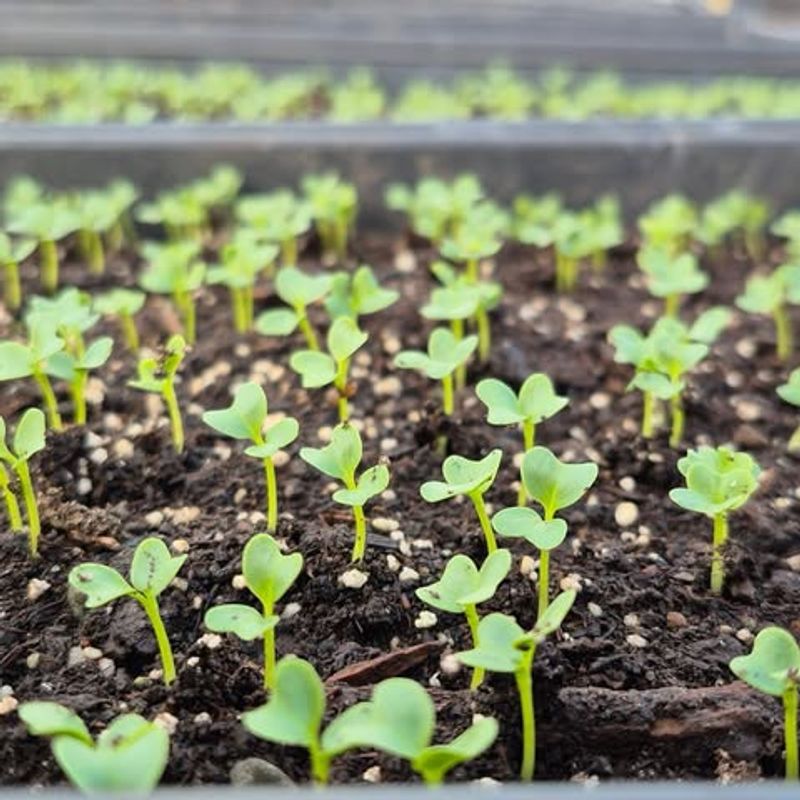
Kale has earned its reputation as one of the toughest and most nutritious vegetables you can grow, and starting it indoors in March gives Grand Rapids gardeners a real edge for the season.
Kale tolerates cooler temperatures better than almost any other leafy green, and it can be transplanted outdoors when soil temperatures reach around 50 degrees Fahrenheit, which in Grand Rapids typically happens in late April or early May.
Sow kale seeds about one-quarter inch deep in seed trays filled with a quality soilless mix. Germination is usually fast, happening within 5 to 8 days when indoor temperatures are between 60 and 70 degrees Fahrenheit.
Once seedlings emerge, move them directly under a grow light or into your brightest window to keep them compact and prevent the stretched, weak growth that happens when light is too low.
Good airflow is important for kale seedlings. Running a small fan near your trays for a few hours each day strengthens the stems and reduces the risk of fungal issues.
Kale is also a great candidate for succession planting, meaning you can start a second batch a couple of weeks after your first for a longer harvest window.
Whether you grow curly kale, lacinato, or red Russian varieties, Grand Rapids soil and spring weather create perfect growing conditions once these sturdy seedlings head outside.
10. Marigolds
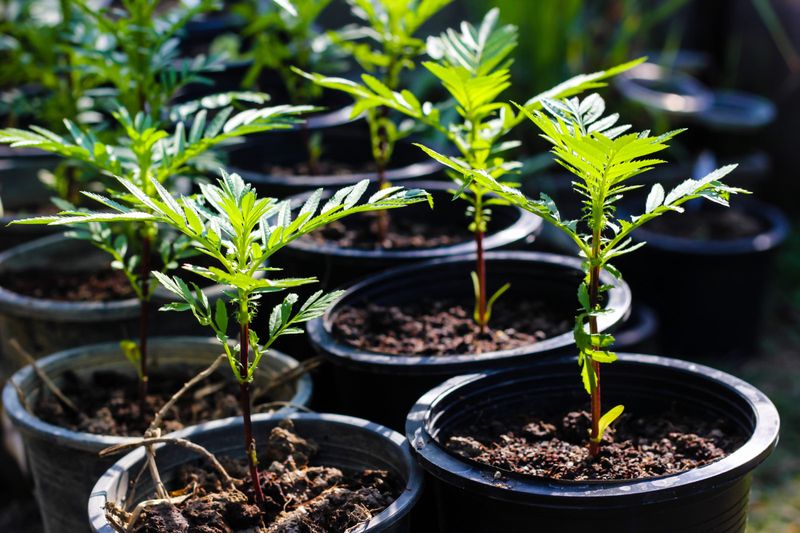
Marigolds might be flowers, but every smart Grand Rapids vegetable gardener knows they belong in the garden plan too. Starting marigold seeds indoors in March means you will have vibrant, blooming plants ready to go outside right after the last frost around mid-May.
These cheerful flowers are incredibly easy to grow from seed, making them a great choice even for beginners who are just getting started with indoor seed starting.
Sow marigold seeds about one-quarter inch deep in seed cells or small pots. They germinate quickly, usually within 5 to 7 days when kept at room temperature around 70 degrees Fahrenheit.
Marigolds love full sun, so place your seedling trays in the brightest spot in your home or under strong grow lights to encourage compact, bushy growth before they head outside.
Beyond their good looks, marigolds pull serious weight in the garden. Their strong scent naturally deters many common garden pests, and their bright blooms attract bees, butterflies, and other pollinators that help your vegetables produce better.
Planting marigolds around the border of your vegetable beds or tucked between tomatoes and peppers is a classic companion planting strategy that Grand Rapids gardeners swear by.
Starting them indoors in March means they will hit the ground blooming in May, adding instant color and practical garden benefits from the very first warm day of the season.