Plant These 8 Shrubs In Spring For Eastern Oregon Success
Spring mornings in Eastern Oregon have a way of making the backyard feel alive again.
Maybe it’s the crisp air, the gentle sunshine spilling over sagebrush hills, or the quiet rhythm of daily routines that brings a sense of comfort to those who’ve tended their gardens for years, watching seasons quietly unfold.
If your garden has struggled with cold nights and dry soil, planting the right shrubs in spring can change everything.
These hardy, region‑friendly shrubs are built to handle the high-desert climate, offering color, texture, and reliable growth year after year.
You’ll find choices that attract birds, hold up against summer winds, and bring life to spaces that have been quiet for months. And as you start digging in, some unexpected favorites might just surprise you with how well they thrive here this season.
1. Bitterbrush With Its Golden Blooms
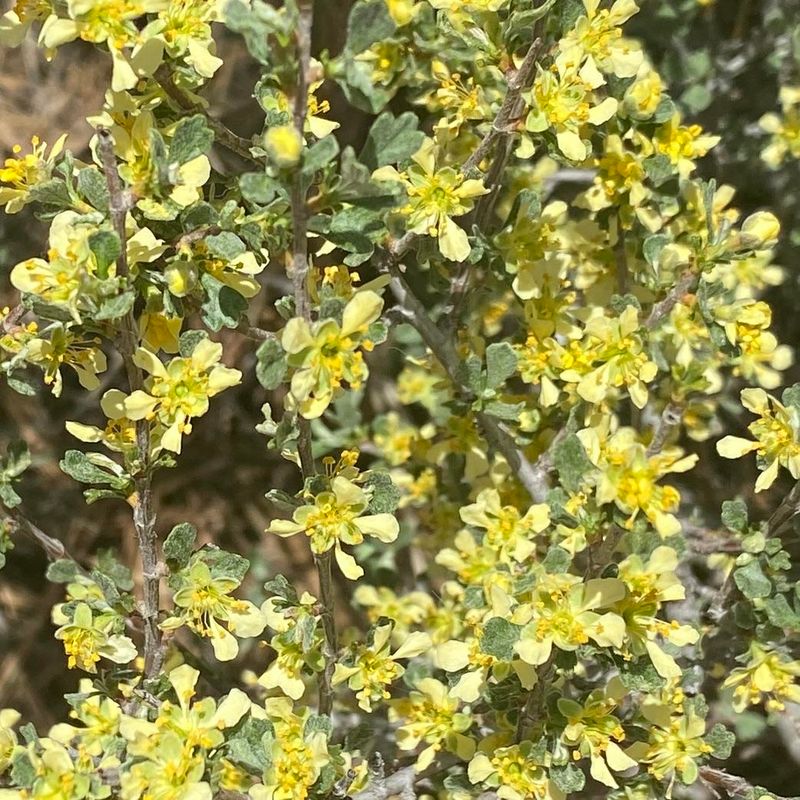
Few plants tell the story of Eastern Oregon better than bitterbrush. Known scientifically as Purshia tridentata, this tough native shrub has been thriving across the region’s dry, rocky hillsides for centuries.
If you have ever driven through the high desert and spotted clusters of small golden-yellow flowers dotting the landscape in spring, chances are you were looking at bitterbrush in action.
Planting bitterbrush in spring gives its roots a chance to settle in before the intense summer heat arrives. This shrub loves well-drained soil and full sun, which makes it a perfect match for Eastern Oregon’s dry conditions.
Once established, it typically requires only occasional watering, making it a relatively low-maintenance choice for your yard.
Bitterbrush typically grows between three and eight feet tall, providing great structure and natural screening in larger landscapes. Its fragrant yellow blooms attract pollinators like bees and butterflies, adding life and movement to your outdoor space.
Wildlife absolutely loves this plant too. Deer, elk, and many bird species rely on bitterbrush for food and shelter throughout the year.
One thing to keep in mind is that bitterbrush does not love being overwatered. In Eastern Oregon’s naturally arid environment, less is truly more when it comes to irrigation.
Plant it in a sunny spot, give it a little water to get started, and then mostly let nature do the rest. It is a plant that rewards patience and a hands-off approach with outstanding long-term results.
2. Sagebrush Dominating Dry Hillsides
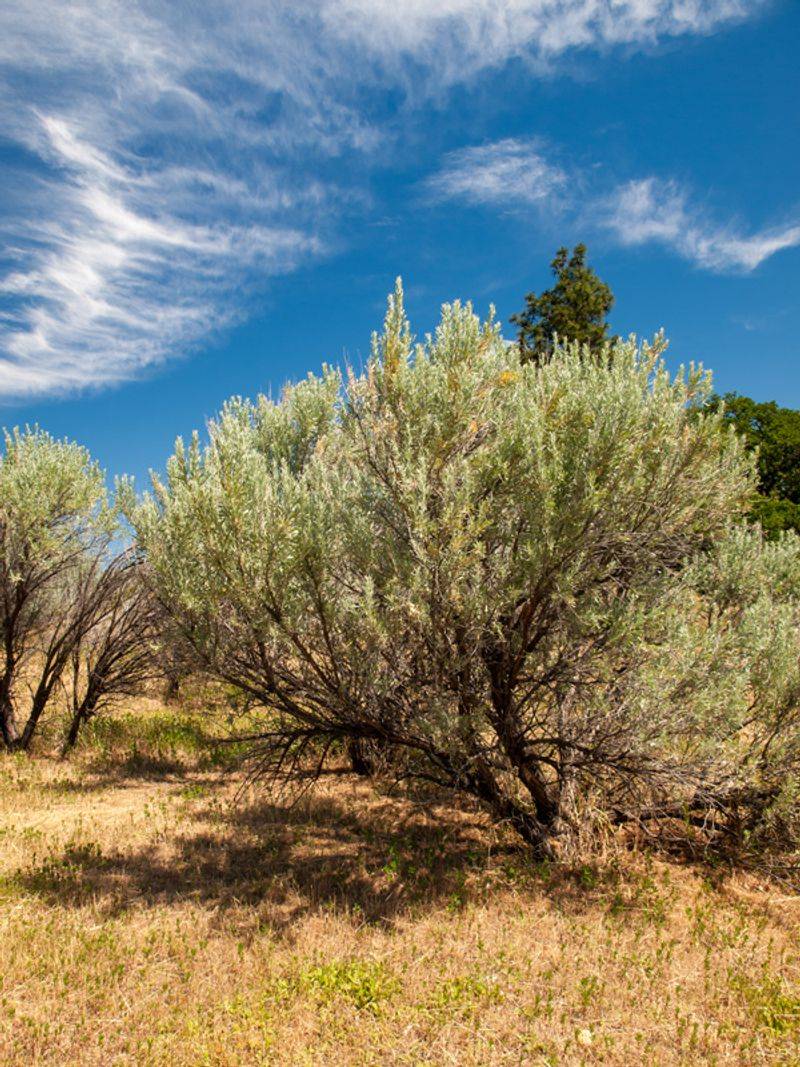
Practically the symbol of Eastern Oregon, sagebrush stands tall and iconic. That unmistakable silvery-green color and the earthy, spicy fragrance after a rainstorm are things that locals know well.
Planting big sagebrush, or Artemisia tridentata, in your yard is like bringing a little piece of the open range right to your doorstep, and it works beautifully in naturalistic or xeriscape garden designs.
Spring planting gives sagebrush time to anchor itself before the dry season hits hard. It thrives in full sun and fast-draining soil, which is exactly what much of Eastern Oregon naturally offers.
Once established, sagebrush is drought-tolerant and generally withstands the region’s cold winters well. Hardy down to Zone 4 and beyond, it is built for this climate in every way.
Your Oregon Garden Changes Every Week. Your Plan Should Too.
Gardening in Oregon changes quickly throughout the season. Every Friday you’ll receive a simple weekly plan showing exactly what to plant, prune, fertilize, harvest, and protect so you never miss the right timing.
Mature sagebrush plants can reach anywhere from two to eight feet in height depending on the variety and growing conditions. The soft, feathery foliage provides a lovely textural contrast when planted alongside other native shrubs.
It also serves as important habitat and food for sage grouse, pronghorn, mule deer, and dozens of bird species that call Eastern Oregon home.
One fun fact worth knowing: sagebrush has been used by Indigenous peoples across the Great Basin and Pacific Northwest for thousands of years for medicine, ceremony, and practical purposes. Beyond its cultural history, it is simply a tough, gorgeous plant that asks very little from the gardener.
Give it space, sunshine, and well-drained ground, and sagebrush will thrive for decades.
3. Serviceberry Bursting With Berries
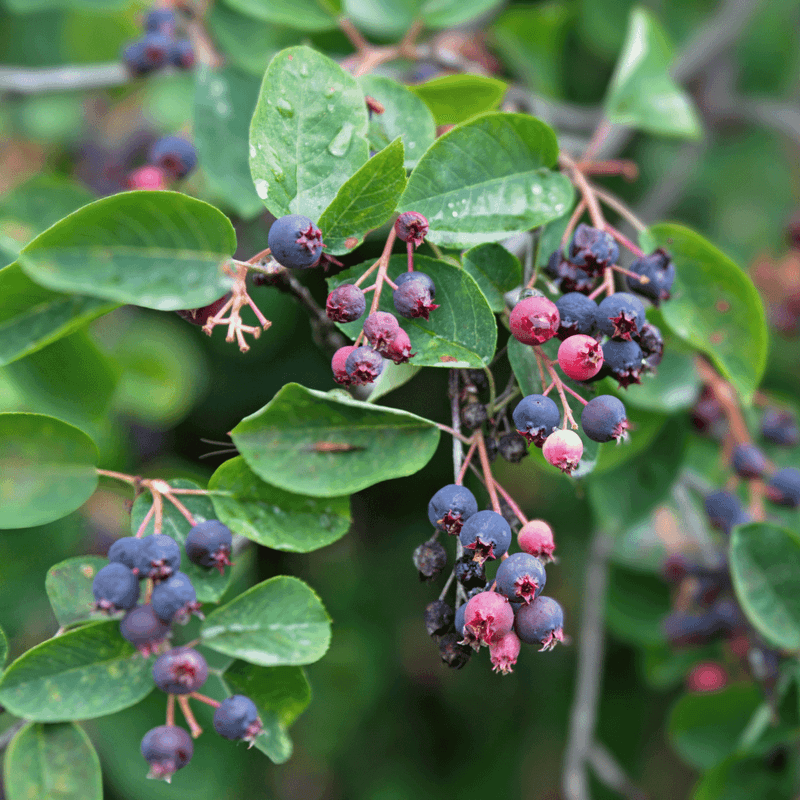
Earning its spot on this list, serviceberry is one of the most versatile and rewarding shrubs you can plant in Eastern Oregon. Known by its scientific name Amelanchier, this plant puts on a stunning show of white flowers in early spring, often before most other plants have even woken up from winter.
That early bloom is a welcome sight after the long, cold Eastern Oregon winter.
Beyond the spring flowers, serviceberry offers a second act in summer when its small, round berries ripen to a deep purple-blue color. Those berries are edible and taste somewhat like a cross between a blueberry and an apple, making them popular for jams, pies, and fresh eating.
Birds are also huge fans, so expect your yard to become a popular stop on the local wildlife circuit once the berries appear.
Serviceberry grows well in a variety of soils and can tolerate both full sun and partial shade, offering flexible options in the garden. It typically reaches six to twenty feet tall depending on the variety, providing choices for different yard sizes.
Fall brings yet another reward when the leaves turn brilliant shades of orange and red, giving you color well into the cooler months.
Planting serviceberry in spring allows the root system to establish during the mild season before summer stress sets in. Water it regularly during the first year, then taper off as the plant becomes more self-sufficient.
Eastern Oregon gardeners consistently praise serviceberry as one of the most hard-working and beautiful shrubs available for this region.
4. Oregon Grape Sporting Glossy Green Leaves
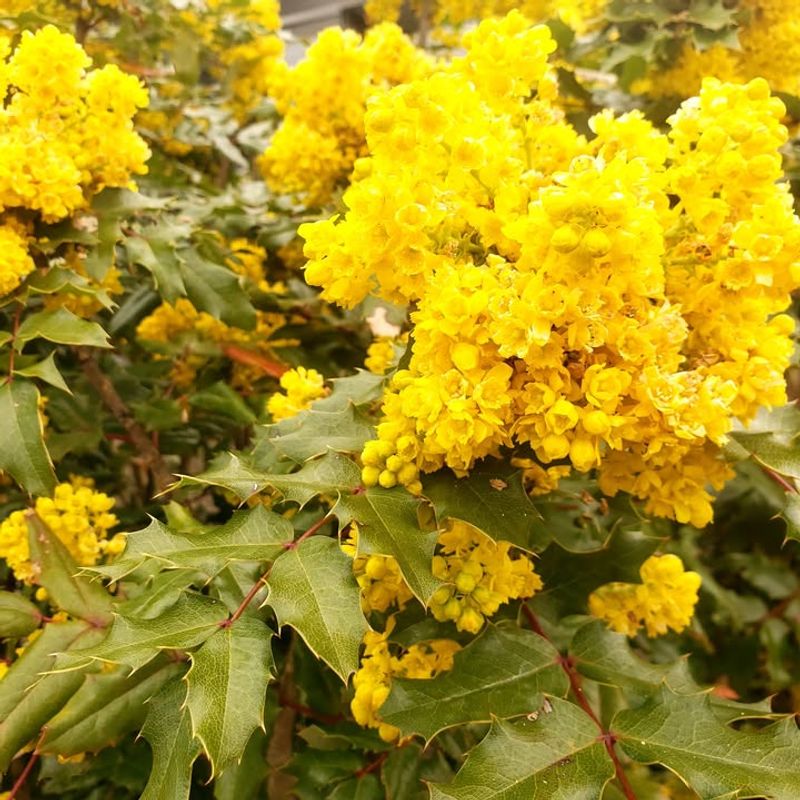
Bold, spiky, and surprisingly elegant, Oregon grape is one of the most recognizable native shrubs in the Pacific Northwest. Mahonia aquifolium, the tall Oregon grape, and its shorter cousin Mahonia nervosa both perform well in Eastern Oregon when given the right spot.
The holly-like leaves stay green year-round, offering structure and color even in the depths of winter when the rest of the garden looks bare.
Spring brings clusters of bright yellow flowers that hummingbirds and native bees find irresistible. By late summer, those flowers transform into clusters of blue-purple berries that look almost like tiny grapes, hence the name.
The berries are tart but edible and have long been used in jellies and juices. They are also an important food source for wildlife throughout Eastern Oregon.
One thing that makes Oregon grape stand out is its tolerance for shade. While many drought-tolerant shrubs demand full sun, Oregon grape handles partial to full shade with ease, making it a smart choice for spots under trees or along the north side of a building.
It can also handle drier conditions once established, which is a real bonus in Eastern Oregon’s semi-arid climate.
Oregon grape is the official state flower of Oregon, which makes planting it feel like a small act of regional pride. It typically grows three to six feet tall and spreads slowly over time to form a natural-looking colony.
Plant it in spring, mulch well around the base, and water consistently through the first season. After that, this tough native practically takes care of itself with minimal fuss.
5. Snowberry Adding Bright White Berries
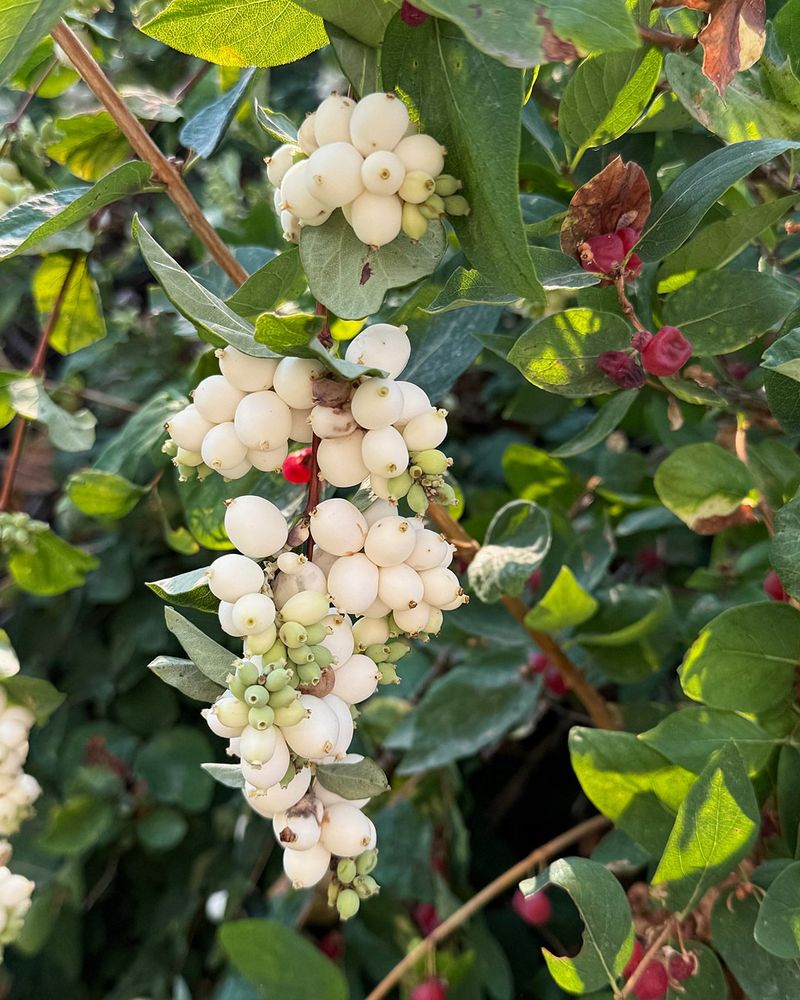
There is something almost magical about snowberry in the fall. Long after most plants have finished their show for the year, Symphoricarpos albus lights up with clusters of pure white berries that look like little snowballs hanging from arching branches.
In Eastern Oregon, where fall and early winter landscapes can feel stark, snowberry brings a cheerful and unexpected pop of brightness to the garden.
Snowberry is a native shrub that grows naturally across much of the Pacific Northwest and Great Basin, which means it is perfectly adapted to Eastern Oregon’s conditions. It handles cold winters, dry summers, and a wide range of soil types without complaint.
Planted in spring, it establishes quickly and begins spreading through underground runners to form a natural, informal hedge or groundcover over time.
The small pink flowers that appear in late spring and early summer are subtle but charming, and they attract hummingbirds and a variety of native bees. Birds love the white berries in fall and winter, making snowberry a fantastic choice if attracting wildlife to your yard is a priority.
It grows roughly three to five feet tall and can spread several feet wide, so give it a little room to do its thing.
Snowberry is also remarkably low-maintenance once it finds its footing. It tolerates partial shade, making it useful in spots where more sun-loving shrubs might struggle.
For Eastern Oregon gardeners looking for a native plant that gives back to the ecosystem while asking very little in return, snowberry is a genuinely outstanding choice worth adding to any yard.
6. Red‑Flowering Currant Attracting Hummingbirds
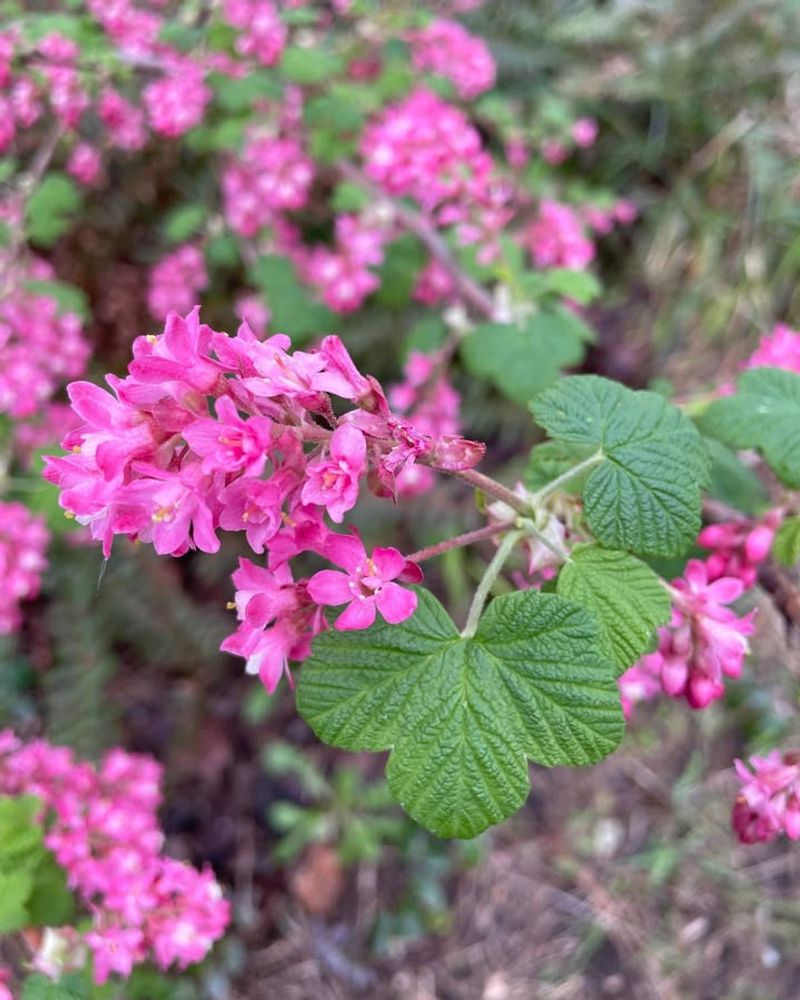
If you want to stop a hummingbird in its tracks, plant red-flowering currant. Ribes sanguineum is one of the earliest and showiest bloomers of the Pacific Northwest spring season, producing long, drooping clusters of deep pink to red flowers that are practically a magnet for rufous hummingbirds returning from their winter migration.
In Eastern Oregon, where spring can feel slow to arrive, this shrub is one of the most exciting signs that warmer days are on the way.
Red-flowering currant grows naturally in the foothills and transitional zones of Oregon, and it adapts well to garden conditions throughout the region. It prefers full to partial sun and well-drained soil, both of which are easy to provide in most Eastern Oregon yards.
Spring planting gives the roots time to settle in and gather strength for the following year’s bloom season.
Mature plants typically reach six to twelve feet tall and develop a graceful, arching form that looks beautiful in naturalistic garden designs. After the flowers fade, small dark blue berries appear that birds enjoy through the summer months.
The foliage has a pleasant, slightly resinous scent that adds another sensory layer to the garden experience.
Established red-flowering currant plants are quite drought-tolerant, which is a major advantage in Eastern Oregon’s dry climate. Water regularly during the first growing season to help roots develop, then reduce irrigation once the plant is settled in.
Pruning lightly after bloom keeps the shape tidy and encourages vigorous new growth for the next spring display. It is a shrub that consistently earns admiration from neighbors and garden visitors alike.
7. Potentilla With Cheerful Sunlit Flowers
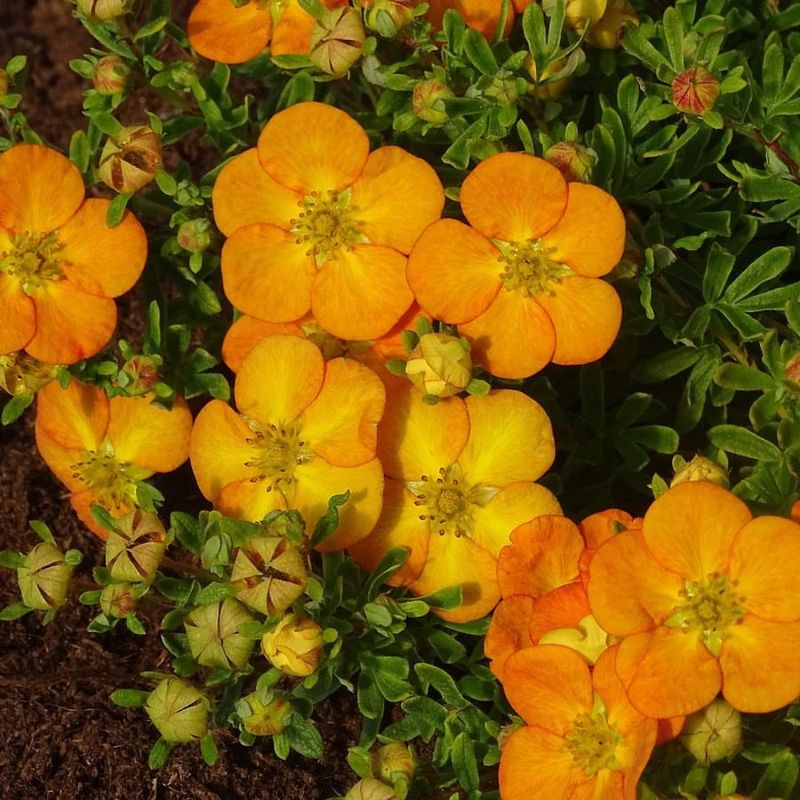
Ask any experienced Eastern Oregon gardener which shrub blooms the longest, and potentilla will almost always come up in the conversation. Potentilla fruticosa, also called shrubby cinquefoil, produces cheerful yellow flowers from late spring all the way through the first hard frosts of fall.
That is an almost unbeatable bloom season that keeps your yard looking lively for months on end.
Potentilla is a compact shrub, usually topping out around three feet tall and spreading up to five feet wide. That manageable size makes it a fantastic choice for borders, foundation plantings, and low hedges throughout Eastern Oregon.
It loves full sun and handles dry conditions with impressive toughness once established, fitting right into the region’s semi-arid climate without a fuss.
Beyond yellow, potentilla also comes in varieties with white, orange, and soft pink flowers, giving gardeners plenty of options to play with when designing a colorful planting scheme. Bees and butterflies are regular visitors to the blooms, which adds a lively, buzzing energy to the garden during the warm months.
The fine-textured foliage stays neat and attractive even when the plant is not in full bloom.
Potentilla is rated hardy to Zone 2, making it well-adapted to Eastern Oregon’s cold winters. Plant it in spring in a well-drained, sunny location and water it consistently through the first season.
After that, minimal irrigation and a light pruning every year or two is all it needs to keep performing beautifully. Few shrubs offer this combination of toughness, long bloom time, and easy care in one compact package.
8. Manzanita Showing Off Its Twisting Red Bark
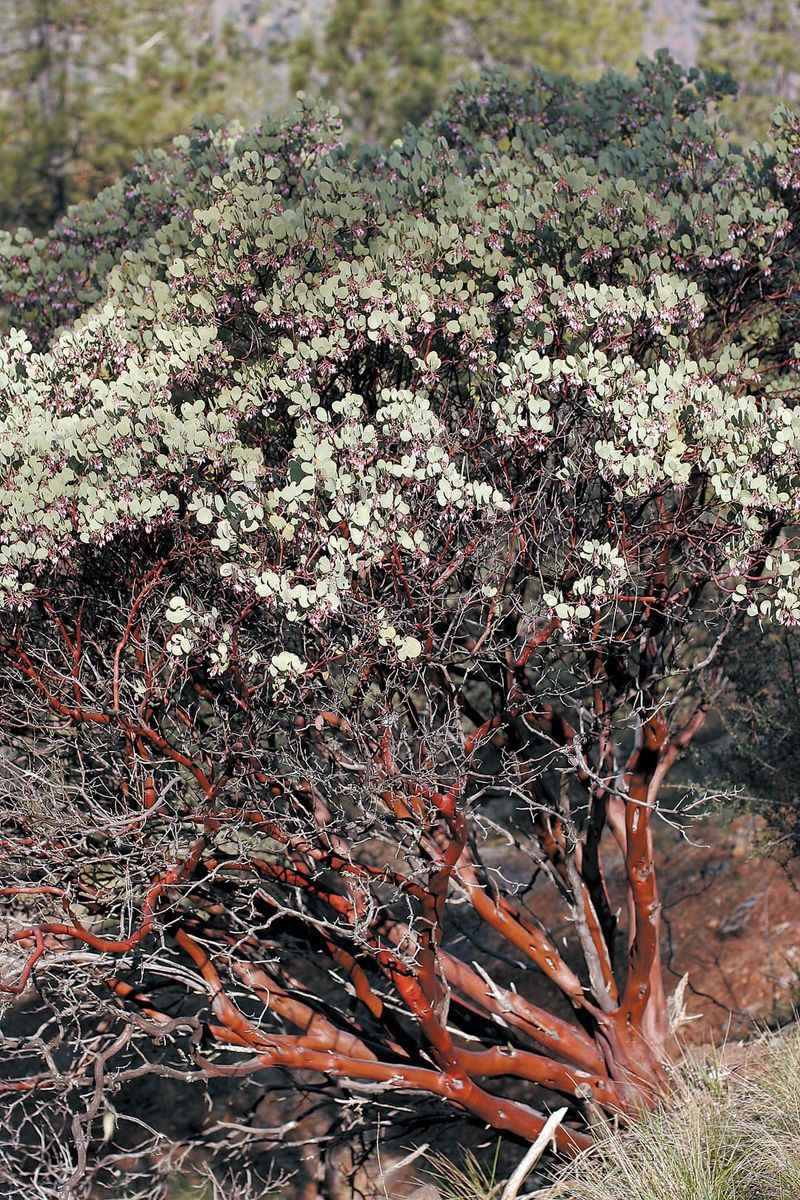
Manzanita might just be the most visually dramatic shrub on this entire list. The smooth, mahogany-red bark twists and curves in ways that look almost sculptural, giving the plant a striking appearance even in winter when the rest of the garden is resting.
Arctostaphylos species are well-suited to Eastern Oregon’s rocky, dry terrain, and planting one in spring means you get to watch that beautiful bark develop over time.
The bell-shaped flowers appear in late winter to early spring, often making manzanita one of the very first bloomers of the season. Hummingbirds are absolutely wild about these flowers and will visit repeatedly throughout the bloom period.
After the flowers fade, small round berries develop that wildlife and birds find quite appealing, adding ecological value to the plant’s already impressive visual appeal.
Manzanita thrives in full sun and well-drained, even rocky soil, conditions that Eastern Oregon has in abundance. It does not appreciate wet feet, so avoid planting it in low spots where water tends to collect.
Once established, manzanita is drought-tolerant and usually needs only minimal supplemental water, making it a suitable option for water-wise gardens in the region.
Varieties range from low-growing groundcover types to upright shrubs reaching six feet or more, so there is a manzanita for nearly every garden situation. Hardy to Zone 2, it handles Eastern Oregon winters without issue.
Plant it in a sunny, well-drained spot this spring and give it time to establish. Within a few years, manzanita becomes an absolute standout specimen that draws compliments and curious questions from everyone who sees it.